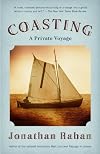
Coasting
by Jonathan Raban
On This Page
Description
Put Jonathan Raban on a boat and the results will be fascinating, and never more so than when he's sailing around the serpentine, two-thousand-mile coast of his native England. In this acutely perceived and beautifully written book, the bestselling author of Bad Land turns that voyage-which coincided with the Falklands war of 1982-into an occasion for meditations on his country, his childhood, and the elusive notion of home. Whether he's chatting with bored tax exiles on the Isle of Man, show more wrestling down a mainsail during a titanic gale, or crashing a Scottish house party where the kilted guests turn out to be Americans, Raban is alert to the slightest nuance of meaning. One can read Coasting for his precise naturalistic descriptions or his mordant comments on the new England, where the principal industry seems to be the marketing of Englishness. But one always reads it with pleasure. "A lively, intensely personal recounting of a voyage into a gifted writer's country and self." "Coasting is a glorious book, written with energy, wit, and a melancholy lyricism...There's something wonderful on every page of this book." "Marvelously written and superbly constructed...The sort of book you put among those favorite books you keep on your desk or table...The sort you wish you had written yourself." "Raban is...one of our most gifted observers." show lessTags
Recommendations






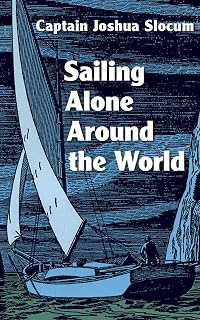

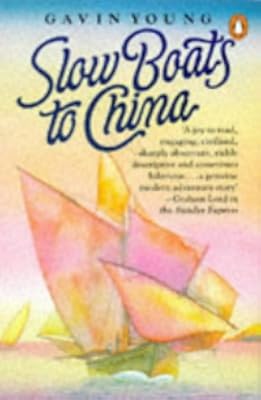

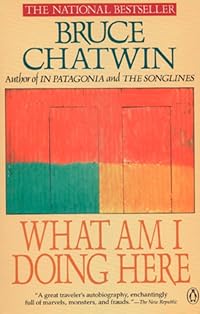

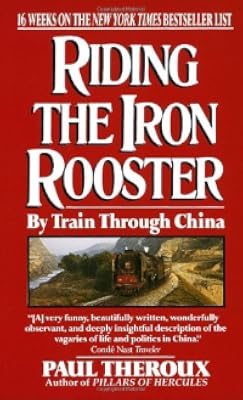







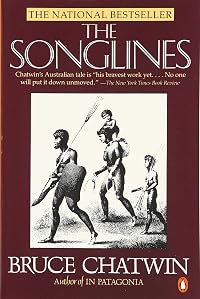


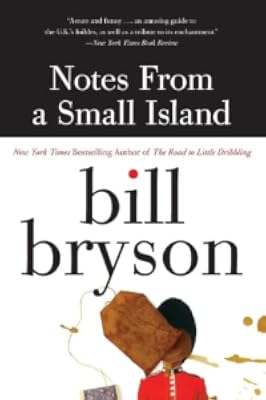

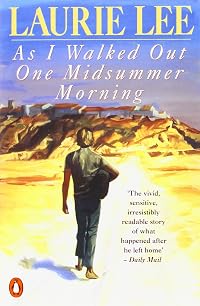

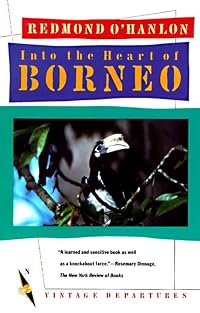

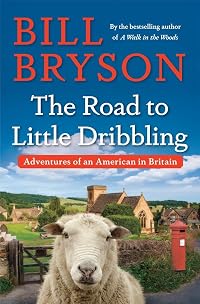
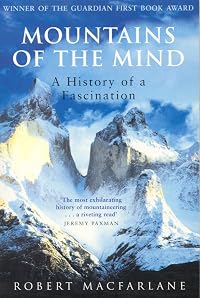
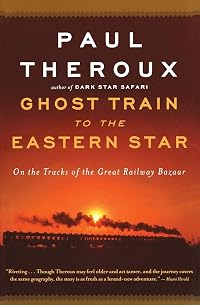
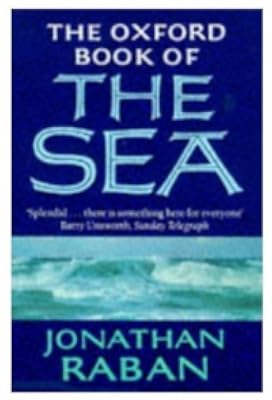






Member Recommendations

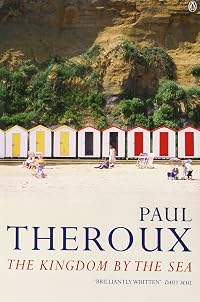
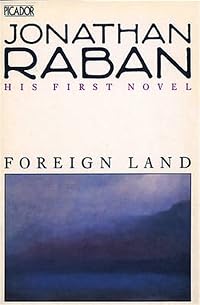
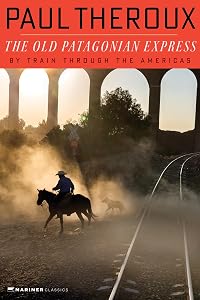
John_Vaughan One friend on foot the other sailing, both vividly describing England. An amusing comparision can be made by refering to a meeting of these two friendly rivals - a different version of events and views in each book.


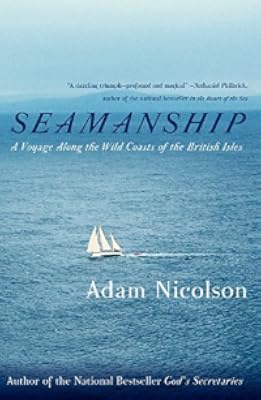
John_Vaughan Around the British Shipping regions.

thorold One of the nuttier Victorian eccentrics, cited by Raban in his discussion of British yachting literature, and well worth a look by anyone who enjoys that sort of thing.
Member Reviews
Travel books often use the narrative logic of a journey as a framework for more discursive subject-matter: bits of history, autobiography, political commentary, "state of the nation" stuff. But however far they range away from the dotted line on the map, they are usually strict about coming back to it wherever they left it. Not so Raban: he structures his book around the ideas he wants to develop, using insights from his journey, taken in arbitrary order, to provide the support, illustration, or metaphor he needs. His map - significantly - has no dotted line on it.
His journey, in 1982, was a coasting voyage around Great Britain in a sailing boat. He started from Falmouth and went anticlockwise around, using the Caledonian Canal to cut show more out the tricky part round the North of Scotland. The first part of the trip up the Channel from Cornwall to the Thames is described fairly linearly, albeit in the middle part of the book; on the East coast we only hear about Hull and Blythe, in Scotland we get one brief vignette from Loch Linnhe, and on the West coast we get the Isle of Man and part of the passage across the Irish Sea towards Wales (in the opening section of the book). The rest is left to our imaginations. Most perversely of all, he finishes the book by telling us he is starting another journey, without giving us any clue where he is headed, or why.
What Raban really wants to do with the journey seems to be to dissect what being British (or at least English) means in the 1980s, how the British view themselves, their islands, and the rest of the world, and how he fits in with it, having grown up, the son of a clergyman, on the impoverished lower edge of the upper middle-class, the rather unsatisfactory product (in their view) of a minor public school. He uses the model of the Isle of Man to develop his ideas about insularity and how it makes us view the rest of the world, and ties this in with Mrs Thatcher's Little War, which conveniently breaks out as he is sailing towards the Plymouth naval base. Later on he also brings in an account of the miners' strike, which actually falls outside the timeframe of his journey, but is something you can't really omit from an account of Britain during the Thatcher time.
Where sailing books normally overwhelm us with technical information about the boat, equipment, weather and courses sailed, Raban makes a point of telling us more about the contents of his on-board library than about sails, masts and rigging. We gather that his boat is a wooden ketch designed like a North Sea fishing boat, but that's about as far as the technical description goes. He talks wittily and perceptively about some of his predecessors as writers about coastal sailing - people like John MacGregor, E.E. Middleton, and Hilaire Belloc, all clearly running away from lonely and unsatisfactory lives to try to find some sort of fulfilment in communion with the sea - and tries to analyse his own motives for buying a boat.
Raban was clearly irritated to discover that his "former friend" Paul Theroux was also busy with a trip around the island, in his case going clockwise on foot (see The kingdom by the sea). The two arranged to meet in Brighton: it's amusing to read their subtly-different accounts of what was evidently a slightly edgy afternoon for both of them, neither willing to give the other too many details of what he was working on (Raban had the advantage of writing his when Theroux's book was already published, of course). A happier (and equally comic) meeting is his reunion in Hull with the elderly poet Philip Larkin, whom Raban in his undergraduate days had apparently cajoled into acting as a kind of mentor.
Oddly enough, the other writer who is most obviously looking over Raban's shoulder is never explicitly mentioned, except for a throwaway remark about amateur theatricals: his fellow-pipe-smoker J.B. Priestley, whose English Journey (1934) dealt with many of the themes Raban picks up. Post-industrial society, the "merrying of England", depression in the North-East, inward-looking Englishness - all as actual in the eighties as they were in the thirties. Although Raban sails where Priestley travelled by bus, train and Rolls-Royce, there seem to be very strong echoes between the two of them, in the structure and feel of their books as well as in the subject-matter. Not that Raban tries to imitate Priestley's very oral "radio lecture/pulpit" style, of course: his voice is a more literary, abstract one, more in keeping with the 1980s and the printed page. show less
His journey, in 1982, was a coasting voyage around Great Britain in a sailing boat. He started from Falmouth and went anticlockwise around, using the Caledonian Canal to cut show more out the tricky part round the North of Scotland. The first part of the trip up the Channel from Cornwall to the Thames is described fairly linearly, albeit in the middle part of the book; on the East coast we only hear about Hull and Blythe, in Scotland we get one brief vignette from Loch Linnhe, and on the West coast we get the Isle of Man and part of the passage across the Irish Sea towards Wales (in the opening section of the book). The rest is left to our imaginations. Most perversely of all, he finishes the book by telling us he is starting another journey, without giving us any clue where he is headed, or why.
What Raban really wants to do with the journey seems to be to dissect what being British (or at least English) means in the 1980s, how the British view themselves, their islands, and the rest of the world, and how he fits in with it, having grown up, the son of a clergyman, on the impoverished lower edge of the upper middle-class, the rather unsatisfactory product (in their view) of a minor public school. He uses the model of the Isle of Man to develop his ideas about insularity and how it makes us view the rest of the world, and ties this in with Mrs Thatcher's Little War, which conveniently breaks out as he is sailing towards the Plymouth naval base. Later on he also brings in an account of the miners' strike, which actually falls outside the timeframe of his journey, but is something you can't really omit from an account of Britain during the Thatcher time.
Where sailing books normally overwhelm us with technical information about the boat, equipment, weather and courses sailed, Raban makes a point of telling us more about the contents of his on-board library than about sails, masts and rigging. We gather that his boat is a wooden ketch designed like a North Sea fishing boat, but that's about as far as the technical description goes. He talks wittily and perceptively about some of his predecessors as writers about coastal sailing - people like John MacGregor, E.E. Middleton, and Hilaire Belloc, all clearly running away from lonely and unsatisfactory lives to try to find some sort of fulfilment in communion with the sea - and tries to analyse his own motives for buying a boat.
Raban was clearly irritated to discover that his "former friend" Paul Theroux was also busy with a trip around the island, in his case going clockwise on foot (see The kingdom by the sea). The two arranged to meet in Brighton: it's amusing to read their subtly-different accounts of what was evidently a slightly edgy afternoon for both of them, neither willing to give the other too many details of what he was working on (Raban had the advantage of writing his when Theroux's book was already published, of course). A happier (and equally comic) meeting is his reunion in Hull with the elderly poet Philip Larkin, whom Raban in his undergraduate days had apparently cajoled into acting as a kind of mentor.
Oddly enough, the other writer who is most obviously looking over Raban's shoulder is never explicitly mentioned, except for a throwaway remark about amateur theatricals: his fellow-pipe-smoker J.B. Priestley, whose English Journey (1934) dealt with many of the themes Raban picks up. Post-industrial society, the "merrying of England", depression in the North-East, inward-looking Englishness - all as actual in the eighties as they were in the thirties. Although Raban sails where Priestley travelled by bus, train and Rolls-Royce, there seem to be very strong echoes between the two of them, in the structure and feel of their books as well as in the subject-matter. Not that Raban tries to imitate Priestley's very oral "radio lecture/pulpit" style, of course: his voice is a more literary, abstract one, more in keeping with the 1980s and the printed page. show less
This slight book is a perfectly composed small boat narrative. Raban has written the ideal travelling book, where the travel is at once central and entirely peripheral to the story. He penetrates, in a very modest way, the English (and Manx) heart and soul, creeping up hidden inlets and bypassed ports. This is Thatcher's Britain, but neither Raban nor many that he meets on his way are prepared to surrender their sovereignty to the rule of economic (or any other kind of) rationalism. Raban takes his sailing seriously though, in an amateurish sort of way that will likely lure some down to the sea, as it seems Raban was himself lured by tales of small boats in times past. It is odd in a way that a story of the circumnavigation of the show more British Isles should include so little of Scotland, but that is a small quibble. What is delivered here is 'just right', a story that doesn't exceed it's reach. As if Raban has brought to bear the same caution as a writer as he learnt as a sailor, one man in a small boat reading the weather and the sea and understanding that our ambitions and self importance are circumscribed by forces much greater than us. Which is the essence of this book for me. It's not humility, or modesty, but simple humanity that makes this travel story work for me. And there is a delicious encounter between Raban and Theroux of course, and while Raban doesn't quite say it out loud, this meeting seems to perfectly capture the difference between those who travel and write, and those who travel in order to write and be famous for it. Highly recommended. show less
I don't know why Jonathan Raban is so poorly known in the UK. He writes exquisitely. This book is intensely intimate in the way it charts the relationship between the British, the Sea, Boats, Island mentalities, British HIstory and our own personal relationships. It is just a chap on a particularly beautiful old wooden yacht sailing round britain calling in at ports all around the island. However his description perfectly mirrors the tidal ebb and flow and personal character fo the sea itself and his portraits of towns and people are like holding up a mirror. At the same time he is charting his own family relationships as he sails away and around alone. Stunning writing.
What a sweet little book. In the beginning it was hard to work out when it was written. It comes across in that timeless middle class way of habit and tradition. But then it parts way and goes on its own journey.
He gets a boat and decides to sail around the British coastline. As details get filled in the Falkland Island war begins and so we get placed in time. The journey goes anti-clockwise around the coast and by the time he gets "Up North" the 1980's Miners Strike is in its final throes.
Those are the markers in time but they are not really that relevant, they help give context to how he is writing about things and what those things meant at that time.
The rest is really about his voyage and ongoing learning how to handle this boat and show more how to be at sea. If I read it right he was given a few cursory lessons then sailed away. He pulls into various harbours around the coast to shelter, stock up, refuel, and to take in the locale and its inhabitants.
A very gentle travelogue that could be poignant at times and refreshingly uncynical as well. His telling of his life as a student in Hull was surprising and entertaining and his meeting with Philip Larkin was an unexpected treat.
A book for winter reading on wet rainy windswept days when you don't have to be anywhere else. Enjoyable. show less
He gets a boat and decides to sail around the British coastline. As details get filled in the Falkland Island war begins and so we get placed in time. The journey goes anti-clockwise around the coast and by the time he gets "Up North" the 1980's Miners Strike is in its final throes.
Those are the markers in time but they are not really that relevant, they help give context to how he is writing about things and what those things meant at that time.
The rest is really about his voyage and ongoing learning how to handle this boat and show more how to be at sea. If I read it right he was given a few cursory lessons then sailed away. He pulls into various harbours around the coast to shelter, stock up, refuel, and to take in the locale and its inhabitants.
A very gentle travelogue that could be poignant at times and refreshingly uncynical as well. His telling of his life as a student in Hull was surprising and entertaining and his meeting with Philip Larkin was an unexpected treat.
A book for winter reading on wet rainy windswept days when you don't have to be anywhere else. Enjoyable. show less
Following on from his journey down the great Mississippi, Jonathan Raban decided to explore his homeland from the see. He acquired a small boat and filled it with personal effects and a lot of books, some relevant to his research and some just for the pleasure of having them nearby. He set off in 1982 to see if we were still a nation that loved the sea.
His journey would be back through the pages of our history, a semi nostalgic look back at his own childhood and a contemporary take on the state of our nation under the rule of Thatcher in the early 1980’s and the effect that the outbreak of war with Argentina over the Falklands Islands would have on our outlook as a people. However, this was all a backdrop to the seascapes that he show more travels through, the looking cliffs, fast races and eddy’s, sandbanks and other much larger boats that would challenge him every day of the journey.
He has a slightly tense meeting with Paul Theroux in Brighton who is heading around the UK in the opposite direction and also in the process of writing his book, The Kingdom by the Sea. Raban joins the miners on the picket lines to see what real political action is like and takes the views from the locals on their opinions of the Falklands War. There is often a vast gulf between the rabid right-wing press and their attitude to the war and the indifference of the general populace.
I didn’t think this was quite as good as Old Glory, but I don’t think it is as easy for an author to understand their home country as sometimes it is for an outsider to do. That said, it was written just as the country had begun an enormous political change, was at war and in the middle of a enormous strike by the miners. This means that he could easily see the differences and splits that were very visible in society at large. There is something about Raban’s writing that is beguiling and very readable too, he is a stickler for the details that he drops into the narrative when meeting people like Philip Larkin or talking to the owners of trawlers in Lyme Regis but also has that ability to present you the seascape; you sense the rock of the boat and the wind on your cheek as you bob along with him, in sparse lyrical prose. show less
His journey would be back through the pages of our history, a semi nostalgic look back at his own childhood and a contemporary take on the state of our nation under the rule of Thatcher in the early 1980’s and the effect that the outbreak of war with Argentina over the Falklands Islands would have on our outlook as a people. However, this was all a backdrop to the seascapes that he show more travels through, the looking cliffs, fast races and eddy’s, sandbanks and other much larger boats that would challenge him every day of the journey.
He has a slightly tense meeting with Paul Theroux in Brighton who is heading around the UK in the opposite direction and also in the process of writing his book, The Kingdom by the Sea. Raban joins the miners on the picket lines to see what real political action is like and takes the views from the locals on their opinions of the Falklands War. There is often a vast gulf between the rabid right-wing press and their attitude to the war and the indifference of the general populace.
I didn’t think this was quite as good as Old Glory, but I don’t think it is as easy for an author to understand their home country as sometimes it is for an outsider to do. That said, it was written just as the country had begun an enormous political change, was at war and in the middle of a enormous strike by the miners. This means that he could easily see the differences and splits that were very visible in society at large. There is something about Raban’s writing that is beguiling and very readable too, he is a stickler for the details that he drops into the narrative when meeting people like Philip Larkin or talking to the owners of trawlers in Lyme Regis but also has that ability to present you the seascape; you sense the rock of the boat and the wind on your cheek as you bob along with him, in sparse lyrical prose. show less
If you're an anglophile and a boat-o-phile and a limnophile, you're going to love this book. Raban delivers his usual heavy dose of esotera and history... some of it in the making here: The Falklands conflict gets under way, coal miners are going on strike, and England is decaying as Raban sets sailing in the Gosfield Maid.
I was surprised by Coasting, but enjoyed it nonetheless. I was expecting a chronological depiction of a trip around Britain in a boat - perhaps influenced by my recent reading of One Summer's Grace by Libby Purves. Coasting isn't like this, one minute Jonathan Raban was on the Isle of Man, the next he was in Brighton.
However disjointed I found the structure, the prose in Coasting was superb, and the book as a whole extremely enjoyable. I'll definitely be looking out for other books by Jonathan Raban.
However disjointed I found the structure, the prose in Coasting was superb, and the book as a whole extremely enjoyable. I'll definitely be looking out for other books by Jonathan Raban.
Members
- Recently Added By
Published Reviews
But Mr. Raban's ''Coasting'' is an entertaining antidote to the wearying demands of being British. Meandering up and down the coastline in a kind of floating Oxbridge tutorial room called the Gosfield Maid, the author of such acclaimed travelogues as ''Old Glory'' and ''Arabia'' seems determined to go somewhere without going anywhere. Try as he might to use ''the escape valve of a wilderness, show more an open frontier,'' he remains tethered to one blighted landfall after another. ''Would you be so kind,'' he asks his countrymen, busy with whipping up the war in the Falklands, ''as to leave me out of this?'' show less
added by John_Vaughan
Lists

Best of Travel Narratives
142 works; 28 members

Best Travel Writing - Non-Fiction
110 works; 6 members

Top Five Books of 2014
1,064 works; 397 members
Author Information

26+ Works 5,339 Members
Jonathan Raban, author of Passage to Juneau, brings eloquent intellect and wry wit to his exploration of the American scene. Written over the past two decades, roughly the span of Raban's residence in his adopted city of Seattle, these essays delve into what it means, as immigrant, to feel rooted in America. Driving Home charts a course through show more the Pacific Northwest, American history, and current events as witnessed by a keenly observant visitor who is able to glean meanings and patterns that have become invisible to the natives. Raban spends much time on, near, and in water, and his ruminations on sailing and the sea are a welcome thread. Whether the topic is other writers or various painters and explorers, or the patrons of a Montana bar, who have engaged with our mythical and actual landscape, Raban has a visitor s eye for the absurd, and his tone is intimate, never nostalgic, and always fresh. show less
Series
Belongs to Publisher Series
Common Knowledge
- Canonical title
- Coasting
- Original publication date
- 1986
- Epigraph
- There is in this aspect of land from the sea I know not what of continual discovery and adventure, and therefore of youth, or, if you prefer a more mystical term of resurrection. That which you thought you knew so well is qui... (show all)te transformed, and as you gaze you begin to think of the people inhabiting the firm earth beyond that line of sand as some unknown and happy people; or, if you remember their arrangements of wealth and poverty and their ambitious follies, they seem not tragic but comic to you, thus isolated as you are on the waters and free from it all. You think of landsmen as on a stage. And, again, the majesty of the Land itself takes its true place and properly lessens the mere interest in one's fellows. Nowhere does England take on personality so strongly as from the sea.
Hilaire Belloc, "Off Exmouth" - Dedication
- To Caroline, and another, shared, voyage
- First words
- All morning the sea has been grey with rain under a sky so low that the masts of the boat have seemed to puncture the soft banks of cloud overhead.
- Last words
- (Click to show. Warning: May contain spoilers.)Only here where we are now, before we go -
- Blurbers
- Bainbridge, Beryl; Jack, Ian; Thubron, Colin
Classifications
- Genres
- Travel, Nonfiction, Biography & Memoir, General Nonfiction
- DDC/MDS
- 914.1 — History & geography Geography & travel Geography of and travel in Europe British Isles, UK, Great Britain, Scotland, Ireland
- LCC
- DA632 .R33 — History of Europe, Asia, Africa and Oceania Great Britain History of Great Britain England Description and travel. Guidebooks
- BISAC
Statistics
- Members
- 420
- Popularity
- 73,525
- Reviews
- 11
- Rating
- (3.88)
- Languages
- Dutch, English
- Media
- Paper, Audiobook, Ebook
- ISBNs
- 17
- ASINs
- 5