
On This Page
Description
On the train, his fellow passengers are impressed with how polite and grown-up Emil is, and the man in the bowler hat offers him some chocolate-but Emil keeps checking his coat pocket, where he's pinned the money that he is taking to his grandmother. Soon, though, Emil finds himself getting sleepy . . . and the next thing he knows, the man in the bowler hat is gone- and so is the money! With the help of some new friends Emil becomes a detective and tracks the thief through the city. Filled show more with enduring themes of leadership, courage, and teamwork, and the delightful illustrations of Walter Trier, Emil and the Detectives is a rollicking, heartwarming tale come alive. show lessTags
Recommendations

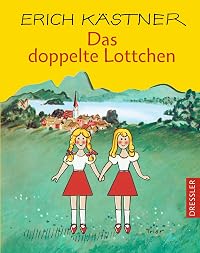
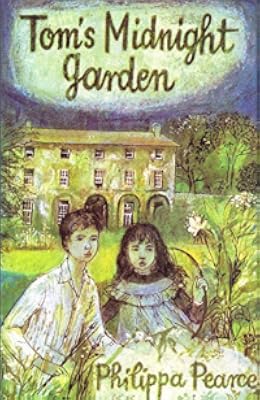
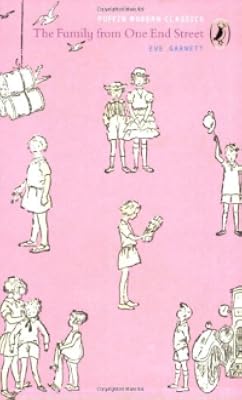
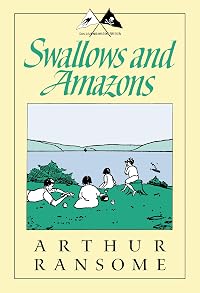
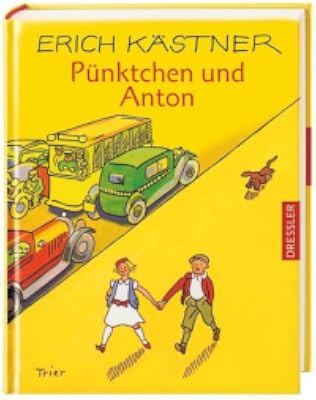
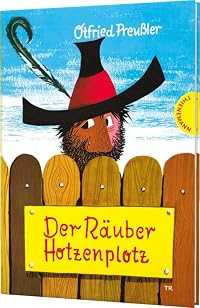

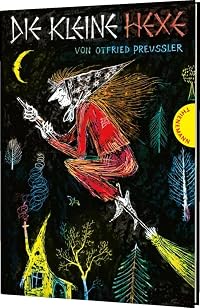
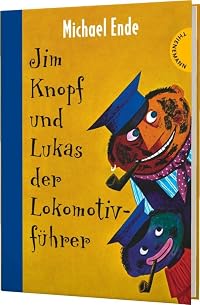
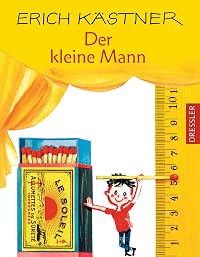


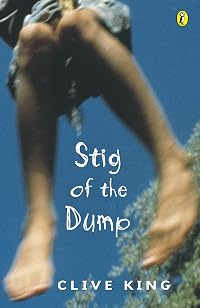
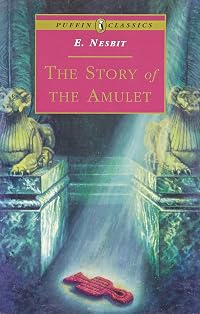
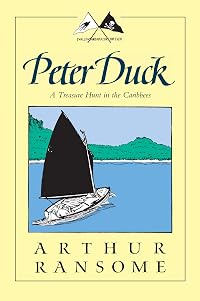
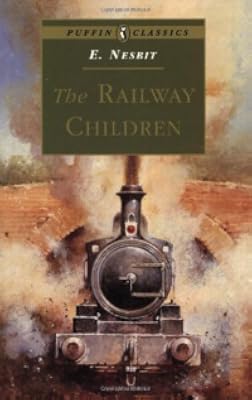


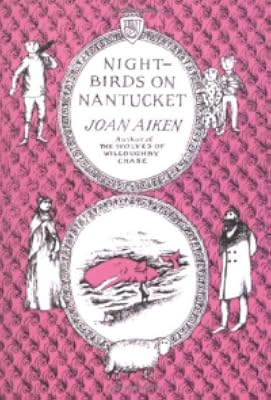

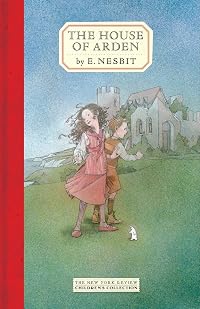


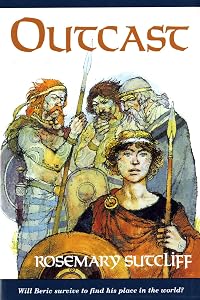
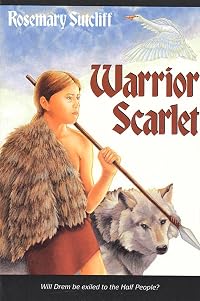
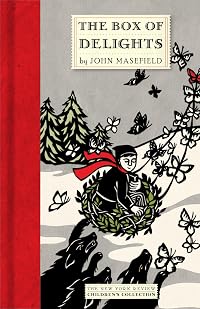








Member Recommendations

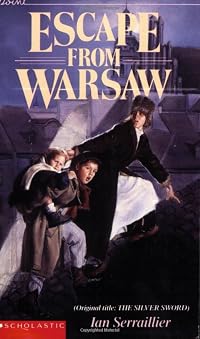
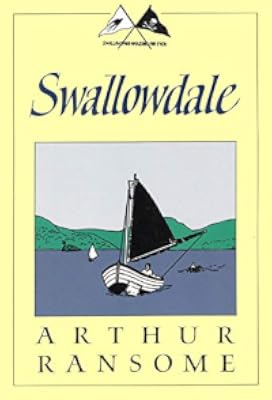
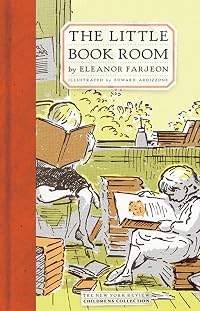
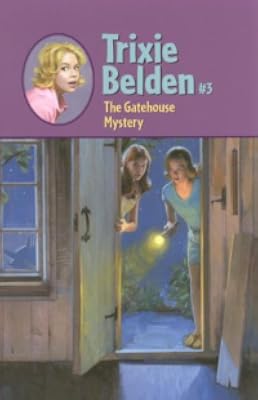
humouress Both books are about kids working together in an early-20th century German city to solve mysteries.

Member Reviews
I enjoyed the story, which is an account of a young man's quest to retrieve his money (which he was taking to his grandmother) from a thief who robbed him while he slept on the train to Berlin. He enlists a gang of friends who sympathize with his problem, and treat it as a serious mission, including operations planning, clandesine surveillance, and finally an organized harassment of the villain.
Younger readers might find it somewhat antiquated, so I would suggest they treat it as an historical novel, although of course the author was writing about the world as he knew it in 1929. It is an interesting look at Germany between the wars.
My biggest complaint was the translator's decision to put American slang in place of German idioms. Since show more the boys were still operating in Berlin, not New York, I found that somewhat jarring. show less
Younger readers might find it somewhat antiquated, so I would suggest they treat it as an historical novel, although of course the author was writing about the world as he knew it in 1929. It is an interesting look at Germany between the wars.
My biggest complaint was the translator's decision to put American slang in place of German idioms. Since show more the boys were still operating in Berlin, not New York, I found that somewhat jarring. show less
I’ve been wanting to read this book since Disney aired its 1964 film version on television when I was a child myself (late 1960s or early 1970s). But I put it off for literally decades until the excellent Manny Rayner reminded me of the book’s existence. How sorry I am that I didn’t read this delightful little book sooner!
Considering the book was first released in 1929, this tale of a poor boy who loses a large sum, but is aided in its recovery, has aged magnificently. Young Emil Tabletoe takes a train to Berlin to spend a week during the summer with his grandmother, Aunt Martha, and her family. While on the train, he’s robbed of the 140 marks he’s carrying by a man in a bowler hat, and his adventure in the big city begins. show more Emil’s newfound friend, Gustav with the bicycle horn, and his pals organize a manhunt that would make the FBI proud. Emil’s cousin also joins in. Author Erich Kästner creates amazingly believable characters — particularly boys thoroughly enjoying being boys like Emil, Gustav, Crumbagel, the Professor, Petzold, grumpy Truegut, and little Tuesday — but also the long-suffering Mrs. Tabletoe and Emil’s smart-alecky grandmother and his bicycle-crazed, feisty cousin “Pony the Hat” Heimbold. I loved every minute of this quick read, which I finished in one sitting. I couldn’t stop reading!
Two special treats in this book.Erich Käster includes himself as one of the journalists who interview the victorioius Emil in Chapter 15. Secondly, and unusual for Kindle books, Walter Trier’s charming illustrations from the original publication have been included. A joy for readers of all ages! show less
Considering the book was first released in 1929, this tale of a poor boy who loses a large sum, but is aided in its recovery, has aged magnificently. Young Emil Tabletoe takes a train to Berlin to spend a week during the summer with his grandmother, Aunt Martha, and her family. While on the train, he’s robbed of the 140 marks he’s carrying by a man in a bowler hat, and his adventure in the big city begins. show more Emil’s newfound friend, Gustav with the bicycle horn, and his pals organize a manhunt that would make the FBI proud. Emil’s cousin also joins in. Author Erich Kästner creates amazingly believable characters — particularly boys thoroughly enjoying being boys like Emil, Gustav, Crumbagel, the Professor, Petzold, grumpy Truegut, and little Tuesday — but also the long-suffering Mrs. Tabletoe and Emil’s smart-alecky grandmother and his bicycle-crazed, feisty cousin “Pony the Hat” Heimbold. I loved every minute of this quick read, which I finished in one sitting. I couldn’t stop reading!
Two special treats in this book.
This was one of my favourite books as a child, and I still get a little frisson whenever I visit Berlin and pass through Bahnhof Zoo. Berlin seemed a remote and exotic place to me in the 1960s (I'd never been further east than Dortmund), but Kästner chose to set his story there for the opposite reason: he wanted a prosaic, familiar setting. In his introduction (which is meant to be read as part of the story) he explains that he'd originally started writing an exciting adventure story set in the South Seas, but had to give up after three chapters when he realised that he didn't know how many legs a whale has. On the advice of a waiter, he started again with a setting rather closer to home. We should probably be thankful that they didn't show more have Wikipedia in those days!
Still charming, exciting and funny eighty years on, and definitely recommended for any child. But don't be surprised if they demand a motor horn for their next birthday! show less
Still charming, exciting and funny eighty years on, and definitely recommended for any child. But don't be surprised if they demand a motor horn for their next birthday! show less
Oh, how I wish I had read this in 1975, back when I was about 10 years old! Had I read it then, I probably would have read it over and over.
Emil is a German boy in 4th grade who is sent by train to visit his Grandmother in Berlin. His mother has given him 140 marks, 120 for his Grandmother, and 20 for his own use and to buy his train ticket home. Worried about losing the money, he pins it inside his suit jacket. Alas, he falls asleep on the train, and the money is stolen from him. As soon as he realizes he has been robbed, he knows it had to be "the man with the stiff hat" who was sharing the train compartment with him. So he gets off at the wrong station in order to follow the suspect.
In no time, Emil has gathered a gang of new show more friends, eager to play detective and catch the thief, and the bulk of the book describes their adventures as they figure out how to nab the crook and get back Emil's money.
Just delightful! show less
Emil is a German boy in 4th grade who is sent by train to visit his Grandmother in Berlin. His mother has given him 140 marks, 120 for his Grandmother, and 20 for his own use and to buy his train ticket home. Worried about losing the money, he pins it inside his suit jacket. Alas, he falls asleep on the train, and the money is stolen from him. As soon as he realizes he has been robbed, he knows it had to be "the man with the stiff hat" who was sharing the train compartment with him. So he gets off at the wrong station in order to follow the suspect.
In no time, Emil has gathered a gang of new show more friends, eager to play detective and catch the thief, and the bulk of the book describes their adventures as they figure out how to nab the crook and get back Emil's money.
Just delightful! show less
It's wonderful that this slight novel, nearly ninety years old now, is still a delight and a joy to read. Firstly, it goes clean against most of the highly didactic juvenile fiction of the day: the moral, such as it is, is directed to the grown-ups and not the young:
Secondly, the pace and all the details are perfect. Things are described, things happen, they lead on to the next bit of action and so on; the suspense is maintained but is never unbearable; and there are no tricksy denouements as pretty much all the clues have been clearly and carefully show more signposted. The protagonist is both polite and likeable but not without mischief, and thus easy to identify with. While this is ostensibly a boy's story, the adult females are strong characters, and the one girl to appear is especially proactive. I defy anyone not to be utterly charmed by this tale, its humour and its evocation of what it is to be young.
Set in Berlin in the 1920s in the aftermath of the First World War the novel focuses on young Emil Tischbein. His mother works as a hairdresser to support herself and Emil, and to save on their meagre income she sends him to stay with relatives in Berlin. With him she entrusts a month's worth of money to give to her own mother in Germany's capital, with a bit more to pay for his upkeep for some of the school holidays. But on the train journey to Berlin he is offered some chocolate by Mr Gundleis, a suspect character in a bowler hat, and being a polite young lad he accepts it. He then awakes from a dream-filled stupor to find his money missing, along with Mr Gundleis!
The core of the book is about his unexpectedly finding young friends in Berlin -- Gustav, The Professor, Little Tuesday, Traut and others -- who team up to help Emil stalk the thief and entrap him. Along the way Emil's lively and enterprising girl cousin Pony Hütchen becomes the messenger who liaises between her family and Emil and the Detectives, so that his Aunt and Grandma aren't worried by his non-appearance. As was later to become a commonplace in children's fiction (Enid Blyton's Famous Five stories are good exemplars here) it is the children who prove to be more adept at detecting and apprehending villains than the grown-ups, who are only there at the end to wrap things up, marvel at the children's ingenuity and, as likely as not, warn them against doing it again!
Emil's story was inspired by Erich Kästner's own upbringing: the author was brought up in Äußere Neustadt, Dresden, just like Emil who lives in an unidentified Neustadt ("New Town") and his mother too was a hairdresser. In fact Kästner appears twice in the tale, not only as Emil Tischbein but also as Kästner the journalist, a job that Erich in fact had in Leipzig and in Berlin at this period. His awful experiences in the Great War led to his subsequent pacifism; because of his critical stance he became persona no grata with the Nazi regime, and his books (except for Emil and the Detectives, which was considered innocuous) were consigned to the bonfire in 1933. Luckily he survived the war, dying in 1974 in his seventy-fifth year.
Prominent amongst the several delights of this book are the original line illustrations by Walter Trier, with expanded captions written, probably, by the author himself. Their simplicity of style speaks to us of a departed innocence, one that was soon to be utterly dispersed by another bloody war, but it nevertheless encourages us to engage in the tale as if in an everlasting present, where wrongs are righted and all's well with the world.
http://wp.me/s2oNj1-emil show less
'So you don't think there's anything to be learnt from all that's happened?' said Aunt Martha. 'Money should always be sent through the post!' said Grandma, with a merry, tinkling laugh.
Secondly, the pace and all the details are perfect. Things are described, things happen, they lead on to the next bit of action and so on; the suspense is maintained but is never unbearable; and there are no tricksy denouements as pretty much all the clues have been clearly and carefully show more signposted. The protagonist is both polite and likeable but not without mischief, and thus easy to identify with. While this is ostensibly a boy's story, the adult females are strong characters, and the one girl to appear is especially proactive. I defy anyone not to be utterly charmed by this tale, its humour and its evocation of what it is to be young.
Set in Berlin in the 1920s in the aftermath of the First World War the novel focuses on young Emil Tischbein. His mother works as a hairdresser to support herself and Emil, and to save on their meagre income she sends him to stay with relatives in Berlin. With him she entrusts a month's worth of money to give to her own mother in Germany's capital, with a bit more to pay for his upkeep for some of the school holidays. But on the train journey to Berlin he is offered some chocolate by Mr Gundleis, a suspect character in a bowler hat, and being a polite young lad he accepts it. He then awakes from a dream-filled stupor to find his money missing, along with Mr Gundleis!
The core of the book is about his unexpectedly finding young friends in Berlin -- Gustav, The Professor, Little Tuesday, Traut and others -- who team up to help Emil stalk the thief and entrap him. Along the way Emil's lively and enterprising girl cousin Pony Hütchen becomes the messenger who liaises between her family and Emil and the Detectives, so that his Aunt and Grandma aren't worried by his non-appearance. As was later to become a commonplace in children's fiction (Enid Blyton's Famous Five stories are good exemplars here) it is the children who prove to be more adept at detecting and apprehending villains than the grown-ups, who are only there at the end to wrap things up, marvel at the children's ingenuity and, as likely as not, warn them against doing it again!
Emil's story was inspired by Erich Kästner's own upbringing: the author was brought up in Äußere Neustadt, Dresden, just like Emil who lives in an unidentified Neustadt ("New Town") and his mother too was a hairdresser. In fact Kästner appears twice in the tale, not only as Emil Tischbein but also as Kästner the journalist, a job that Erich in fact had in Leipzig and in Berlin at this period. His awful experiences in the Great War led to his subsequent pacifism; because of his critical stance he became persona no grata with the Nazi regime, and his books (except for Emil and the Detectives, which was considered innocuous) were consigned to the bonfire in 1933. Luckily he survived the war, dying in 1974 in his seventy-fifth year.
Prominent amongst the several delights of this book are the original line illustrations by Walter Trier, with expanded captions written, probably, by the author himself. Their simplicity of style speaks to us of a departed innocence, one that was soon to be utterly dispersed by another bloody war, but it nevertheless encourages us to engage in the tale as if in an everlasting present, where wrongs are righted and all's well with the world.
http://wp.me/s2oNj1-emil show less
Great fun, a romp with jokes and badinage between characters, and endearing in its grounding in core relationships: between Emil and his mother, Emil and the Berlin boys who help him out. His cousin Pony the Hat threatens to derail the entire story, a force of nature on a bike.
Seemingly a very recent translation: the kids slang would appear to have been updated. "Awesome" and similar, though other epithets remained cutely old fashioned. Just what I'd hoped for a read-aloud with R.
The line drawings apparently the originals, a distinctive and "German" look.
Seemingly a very recent translation: the kids slang would appear to have been updated. "Awesome" and similar, though other epithets remained cutely old fashioned. Just what I'd hoped for a read-aloud with R.
The line drawings apparently the originals, a distinctive and "German" look.
Emil’s mother sends him to Berlin on the train to visit his grandmother. She gives him 140 marks for his grandmother and himself. While Emil sleeps on the train, the only other occupant of the compartment steals the money from Emil’s pocket. When Emil discovers his loss, he follows the man through Berlin, enlisting the help of a gang of boys. Together they devise a plot to catch the thief and retrieve Emil’s money.
I would have liked this book more if I had first read it in my childhood. It may suffer a bit in translation, but there are also issues with the plot that the translator can’t fix. Children had more freedom in the 1920s than they do a century later, but Emil and the other children’s actions strain credibility even show more for the 1920s. This is another instance where I liked the movie better than the book. I like the 1964 Disney film for its plot and its view of Berlin. show less
I would have liked this book more if I had first read it in my childhood. It may suffer a bit in translation, but there are also issues with the plot that the translator can’t fix. Children had more freedom in the 1920s than they do a century later, but Emil and the other children’s actions strain credibility even show more for the 1920s. This is another instance where I liked the movie better than the book. I like the 1964 Disney film for its plot and its view of Berlin. show less
Members
- Recently Added By
Lists

Favorite Childhood Books
1,646 works; 518 members
1001 Children's Books You Must Read Before You Grow Up
774 works; 100 members

A Child's Book Tour of Germany
76 works; 5 members

Best middle grade books
130 works; 24 members

Childhood Favorites
427 works; 24 members

Elevenses
316 works; 88 members

501 Must-Read Books
529 works; 72 members

In and About the 1920s
181 works; 30 members

Works That Inspired Disney Movies
119 works; 13 members

Childhood: Books for or about children in different cultures around the wor
345 works; 18 members

Folio Society
831 works; 53 members
School Made Us Read It
380 works; 196 members

Books Read in 2025
4,091 works; 97 members

Books We Loved As Children
603 works; 252 members

Favorite Kids Books (chapter, middle grade)
168 works; 4 members

The Story of the World: Activity Book Four: The Modern Age
333 works; 2 members

Favorite Books in Translation
320 works; 133 members

Books Read in 2019
4,052 works; 110 members

Before Austen Comes Aesop
318 works; 9 members

Books set in Berlin
46 works; 4 members
1920s
141 works; 6 members

Global Mysteries
90 works; 6 members

German Literature
518 works; 55 members

Books Set in Germany
74 works; 12 members

Favorite Fairy Tales
269 works; 103 members
Author Information

Some Editions
Awards and Honors
Notable Lists
Series

Belongs to Publisher Series
Work Relationships
Is contained in
Is retold in
Has the adaptation
Is abridged in
Has as a teacher's guide
Common Knowledge
- Canonical title
- Emil and the Detectives
- Original title
- Emil und die Detektive
- Original publication date
- 1929
- People/Characters
- Emil Tischbein; Pony Hütchen; Der Man im steifen Hut (Grundeis); Gustav; Professor; Dienstag
- Important places
- Nickolsburgerplatz, Berlin, Germany; Berlin Zoological Garden, Berlin, Germany; Schumannstrasse 15, Berlin, Germany; Hotel Kreid, Nollendorfplatz, Berlin, Germany; Berlin, Germany
- Related movies
- Emil und die Detektive (1931 | IMDb); Emil and the Detectives (1935 | IMDb); Emil and the Detectives (1952 | TV | IMDb); Emil und die Detektive (1954 | IMDb); Emil and the Detectives (1964 | IMDb); Emil und die Detektive (2001 | IMDb)
- First words
- I might as well tell you—this affair of Emil's was a great surprise to me.
'Now then, Emil,' Mrs Tischbein said, 'just carry in that jug of hot water for me, will you.' (1959 Hall translation) - Last words
- (Click to show. Warning: May contain spoilers.)"Hurrah!" cried Pony Hutchen, and she rode her chair into the bedroom.
(Click to show. Warning: May contain spoilers.)'Three cheers!' cried Pony, and steered her chair out through the sitting-room door. (1959 Hall translation) - Original language
- German
Classifications
- Genres
- Children's Books, Fiction and Literature, Kids
- DDC/MDS
- 833.912 — Literature & rhetoric German & related literatures German fiction 1900- 1900-1990 1900-1945
- LCC
- PZ7 .K118 .E — Language and Literature Fiction and juvenile belles lettres Fiction and juvenile belles lettres Juvenile belles lettres
- BISAC
Statistics
- Members
- 2,036
- Popularity
- 10,248
- Reviews
- 43
- Rating
- (3.97)
- Languages
- 23 — Catalan, Czech, Dutch, English, Estonian, Finnish, French, German, Hebrew, Hungarian, Italian, Japanese, Latin, Latvian, Norwegian (Bokmål), Polish, Portuguese, Romanian, Russian, Spanish, Swedish, Turkish, Yiddish
- Media
- Paper, Audiobook, Ebook
- ISBNs
- 117
- UPCs
- 1
- ASINs
- 64