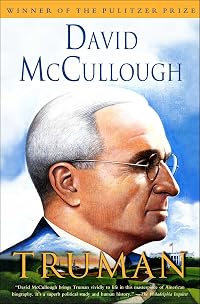
Truman
by David McCullough
On This Page
Description
The Pulitzer Prize–winning biography of Harry S. Truman, whose presidency included momentous events from the atomic bombing of Japan to the outbreak of the Cold War and the Korean War, told by America's beloved and distinguished historian.The life of Harry S. Truman is one of the greatest of American stories, filled with vivid characters—Roosevelt, Churchill, Stalin, Eleanor Roosevelt, Bess Wallace Truman, George Marshall, Joe McCarthy, and Dean Acheson—and dramatic events. In this show more riveting biography, acclaimed historian David McCullough not only captures the man—a more complex, informed, and determined man than ever before imagined—but also the turbulent times in which he rose, boldly, to meet unprecedented challenges. The last president to serve as a living link between the nineteenth and the twentieth centuries, Truman's story spans the raw world of the Missouri frontier, World War I, the powerful Pendergast machine of Kansas City, the legendary Whistle-Stop Campaign of 1948, and the decisions to drop the atomic bomb, confront Stalin at Potsdam, send troops to Korea, and fire General MacArthur. Drawing on newly discovered archival material and extensive interviews with Truman's own family, friends, and Washington colleagues, McCullough tells the deeply moving story of the seemingly ordinary "man from Missouri" who was perhaps the most courageous president in our history. show less
Tags
Recommendations




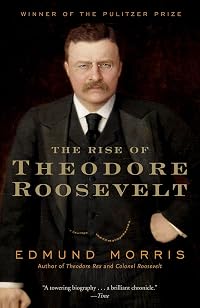


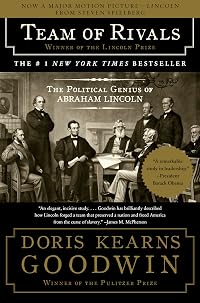
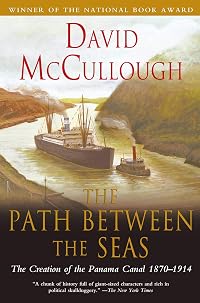
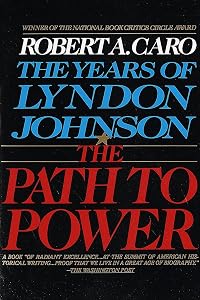





Member Recommendations
Member Reviews
This review has been some time coming. The trade paperback edition I read is 992 pages plus acknowledgements, footnotes, bibliography, and index. Practically got a hernia carrying it around. I also had commitments to review other books so I had to put it aside occasionally to read and review shorter books, usually fiction. Despite a weekend of football watching, though, I finally finished it Sunday afternoon. Now I'm almost sorry it's done.
Anyone who loves history and biography as much as I do knows David McCullough writes like a storyteller. His prose is never dry, boring, or academic, yet he unfailingly tells the reader what is important to know about a person or an event.
I thought I knew a lot about Harry Truman, a fellow show more Midwesterner, but I didn't. I simply understood "where he was coming from" as the kids say. His childhood as a farm boy who wore glasses and was also a dedicated student was delightful to read about. In Sunday school he fell hard for a little girl with golden curls and beautiful eyes, Bess Wallace. She was his only love but they didn't marry until they were in their 30s. Mama Wallace never did consider Harry good enough for her daughter, even when she was dying in the White House near the end of his time as President of the United States. Regardless, he never said a bad word about her, ever.
Now that I know the truth about his spell as Tom Pendergast's candidate for county office and the enduring reputation as a product of that political machine, I understand a bit more about why my grandfather had such a low opinion of Truman. Of course, he would have felt that way anyway since Truman was a Democrat which made him, in Gramps' eyes, a spawn of the Devil. Hard to believe this liberal Democrat (me) came from such a staunch Republican family, but I did because when I was old enough to think things out for myself, that was the way I believed. That was a matter I never discussed with Gramps. He would have been horrified.
We were city people, but farmers and small town folks loved Truman. When he went on his whistle stop tour running for president on his own, he stopped in the small towns and he talked their language. They loved his honesty, his humbleness, the way he introduced Bess as "the boss," and his knowledge of their cares and worries. (Although one time she told him if he introduced her thus one more time, she was going to get off the train and go home.) They also appreciated his service in World War I, as a captain of artillery. The men he commanded were to remain his good friends for the rest of his life and participate as honor guards at his inaugural parade.
His Achilles heel was daughter Margaret. No one could criticize her singing or anything else about her without feeling the full strength of Truman's wrath. He had begun to think he would never realize his desire to be a grandfather when she stayed single so long, but eventually she married and Truman would hold the first of four grandsons in his arms just a few days after he was born. Doting grandpa was his proud title from then on.
It was fascinating to read about his taking office after Roosevelt's death. FDR had not liked him very much, and didn't include him in briefings and conferences, so suddenly Truman had a huge learning curve immediately ahead of him. He pulled himself up by his own bootstraps as people used to say and did very well. He was fortunate enough to find some of the best men in the country to man the cabinet and be his advisors. Dean Acheson, in fact, was a close friend until his death.
His performance in Potsdam was surprising to Stalin and Churchill. One of my favorite quotes in the book is from Churchill. He wrote in 1952, "I misjudged you badly. Since that time you more than any other man, have saved Western civilization." (p. 875)
Whether to use the atomic bomb is another period I'm glad to know more about, and Korea. To know what went on in the background and the agony those decisions cost him was a revelation to me. Once a decision was made, he stuck with it no matter how many critics condemned him.
I won't go on but, in short, this is one of the best biographies I've ever read. Thank you David McCullough for giving us this wonderful story, the life of a controversial man who was so vital in our history.
Highly recommended
Source: purchased several years ago show less
Anyone who loves history and biography as much as I do knows David McCullough writes like a storyteller. His prose is never dry, boring, or academic, yet he unfailingly tells the reader what is important to know about a person or an event.
I thought I knew a lot about Harry Truman, a fellow show more Midwesterner, but I didn't. I simply understood "where he was coming from" as the kids say. His childhood as a farm boy who wore glasses and was also a dedicated student was delightful to read about. In Sunday school he fell hard for a little girl with golden curls and beautiful eyes, Bess Wallace. She was his only love but they didn't marry until they were in their 30s. Mama Wallace never did consider Harry good enough for her daughter, even when she was dying in the White House near the end of his time as President of the United States. Regardless, he never said a bad word about her, ever.
Now that I know the truth about his spell as Tom Pendergast's candidate for county office and the enduring reputation as a product of that political machine, I understand a bit more about why my grandfather had such a low opinion of Truman. Of course, he would have felt that way anyway since Truman was a Democrat which made him, in Gramps' eyes, a spawn of the Devil. Hard to believe this liberal Democrat (me) came from such a staunch Republican family, but I did because when I was old enough to think things out for myself, that was the way I believed. That was a matter I never discussed with Gramps. He would have been horrified.
We were city people, but farmers and small town folks loved Truman. When he went on his whistle stop tour running for president on his own, he stopped in the small towns and he talked their language. They loved his honesty, his humbleness, the way he introduced Bess as "the boss," and his knowledge of their cares and worries. (Although one time she told him if he introduced her thus one more time, she was going to get off the train and go home.) They also appreciated his service in World War I, as a captain of artillery. The men he commanded were to remain his good friends for the rest of his life and participate as honor guards at his inaugural parade.
His Achilles heel was daughter Margaret. No one could criticize her singing or anything else about her without feeling the full strength of Truman's wrath. He had begun to think he would never realize his desire to be a grandfather when she stayed single so long, but eventually she married and Truman would hold the first of four grandsons in his arms just a few days after he was born. Doting grandpa was his proud title from then on.
It was fascinating to read about his taking office after Roosevelt's death. FDR had not liked him very much, and didn't include him in briefings and conferences, so suddenly Truman had a huge learning curve immediately ahead of him. He pulled himself up by his own bootstraps as people used to say and did very well. He was fortunate enough to find some of the best men in the country to man the cabinet and be his advisors. Dean Acheson, in fact, was a close friend until his death.
His performance in Potsdam was surprising to Stalin and Churchill. One of my favorite quotes in the book is from Churchill. He wrote in 1952, "I misjudged you badly. Since that time you more than any other man, have saved Western civilization." (p. 875)
Whether to use the atomic bomb is another period I'm glad to know more about, and Korea. To know what went on in the background and the agony those decisions cost him was a revelation to me. Once a decision was made, he stuck with it no matter how many critics condemned him.
I won't go on but, in short, this is one of the best biographies I've ever read. Thank you David McCullough for giving us this wonderful story, the life of a controversial man who was so vital in our history.
Highly recommended
Source: purchased several years ago show less
McCullough's first Pulitzer outing—I read John Adams first, years ago—his big biography of Truman. It came out at a time, 1992, that allowed for a flowering and reconsideration of Truman's time in office. Truman was an interesting figure, a fighting politician, who made excellent decisions on the bomb and the Cold War. McCullough is a little too rosy on Truman's domestic policies and takes a cold view of the idea that there WERE Soviet spies and communists in the government. Venona shows this. Hiss was a traitor. McCullough brushes this aside in his glowing portrait of Truman and his era. Still, excellent research, excellent prose, and an excellent book despite its bulk.
Author David McCullough’s writing flowed with an ease and clarity that made this biography of Harry S Truman read like a novel. It captured the complexity beneath Truman’s common man simplicity, his capacity to grow and ‘prove equal to tasks seemingly too large for him’ and brought a sense of drama to the events and accomplishments of his presidency. For me, the greatest revelation was in how limited Truman's options were when he made the decision that ended WWII and that he later refused to consider using nuclear weapons against China during the Korean war.
Overall, this was an outstanding portrait of an extraordinary man and a fascinating overview of a pivotal time in American and world history. Reading it has been my evening show more quiet time companion for several months now and I am genuinely going to miss it. show less
Overall, this was an outstanding portrait of an extraordinary man and a fascinating overview of a pivotal time in American and world history. Reading it has been my evening show more quiet time companion for several months now and I am genuinely going to miss it. show less
Generally sympathetic and for me irresistibly told, very detailed life of Truman beginning with his ancestors moving to Missouri in the early 1800s. A wonderful sense of the pioneer virtues of his people, and his own very plain life, until he as unexpectedly taken up by Tom Prendergast and made a county judge (commissioner) and senator, from which he emerged later as vice president and president. Perhaps a bit too inclined to be kindly to the Prendergast machine --I have seen another franker version --but includes enough of the negatives to make his positive portrait fairly credible. Definitely the feel-good version --how we would like Truman to have been., though not as feel-good as Truman's daughter's version -- McCullough is almost show more entirely positive until the last part of Truman's presidency, but he feel that Truman mishandled the firing of MacArthur --he accepts MacArthur's claim that he would have quietly resigned if asked, which I doubt, He seems to believe that Owen Lattimore and Alger Hiss were innocent, which I think is contrary to the evidence, and omits the case of Harry Dexter White. He is more detailed about the Internal Revenue, "mink coat' and "deep freeze" scandals and makes plain that though Truman may have been personally honest, he showed very poor judgment in tolerating cronies and cronies of cronies who were not, especially successive chairmen of the DNC. While he salutes Truman's simple life in retirement, he does describe Truman's hostility to the civil disobedience tactics of the civil rights movement in the last part of his life (despite his great courage in championing civil rights when in power), and his clumsy attempts to block Kennedy's nomination (though he worked for Kennedy's election, and grieved for Kennedy's death). show less
Because Truman's life is well-documented around the time of his presidency, it is no surprise that McCullough's biography thinly covers Truman's childhood and coming-of-age stage of life. The bulk of the biography centers around Truman's careers; starting with his early venture as a clothing store owner, an eastern judge, a senator, and of course, finally, president of the United States. Having said that, I appreciate biographies that peel back layers of a person's lifestyle and personality, for better or worse. To know that Truman harbored bigoted thoughts and beliefs was startling but logical, considering the time of his upbringing. Even though he thought of himself as a good-for-nothing American farmer, he also believed he would show more amount to something great one day. Indeed, he would go from being a businessman with a failing men's clothing store to earning a seat as an eastern judge and then state senator before becoming president. Not bad for a good ole boy.
As a president, Truman faced enormous difficulties, trials, and tribulations. Only seventy-seven years ago, this sitting president had to endorse anti-lynching legislation. We can't forget his decision to definitively end World War II, how he handled Palestine, the threat of communism, and our nation's involvement in Korea. Not to mention he survived a pretty serious assassination attempt.
McCullough's coverage of the second campaign, where Dewey was the well-known favorite, was riveting and read like a thriller. Also, it should be noted that McCullough wrote with astounding detail. I could picture Stalin drawing the heads of wolves with a red pencil while talking with Secretary Marshall, trying to save Western Europe. show less
As a president, Truman faced enormous difficulties, trials, and tribulations. Only seventy-seven years ago, this sitting president had to endorse anti-lynching legislation. We can't forget his decision to definitively end World War II, how he handled Palestine, the threat of communism, and our nation's involvement in Korea. Not to mention he survived a pretty serious assassination attempt.
McCullough's coverage of the second campaign, where Dewey was the well-known favorite, was riveting and read like a thriller. Also, it should be noted that McCullough wrote with astounding detail. I could picture Stalin drawing the heads of wolves with a red pencil while talking with Secretary Marshall, trying to save Western Europe. show less
Bizarrely readable for its thousand pages, even when McCullough is harping on how healthy Truman is. Focus never departs from the subject, even though it must have been tempting to digress into analysis of the atomic bomb, the Korean war, life after the Presidency, etc. When there is conflicting information, McCullough often quotes both sources, and indicates which seems more accurate, which makes him seem trustworthy as a biographer. Although I should admit I never once looked at the endnotes or bibliography (992 pages is quite enough!).
How does one write a meaningful review of a 992-page book that covers a broad swath of United States history? David McCullough doesn’t waste a word as he writes about Harry Truman the Man, who was devoted to his family and loyal to his friends, and Harry Truman the President, who loved his country and served it to the best of his ability. One would be mistaken to think that there were two different versions of Harry Truman. His equal allotments of humor, humility, and high-mindedness governed both the private and public sides of his life. His response to questions from reporters on his first day of becoming the 33rd President of the U. S. (and the 7th VP thrust into office after the sudden death of the President) was typical: “Boys, show more if you ever pray, pray for me now. I don’t know whether you fellows ever had a load of hay fall on you, but when they told me yesterday what had happened, I felt like the moon, the stars, and all the planets had fallen on me.”
Truman faced many challenges that shaped history during his two terms in office. He is probably best known for the decision to use atomic force to expedite the end of WWII. He was also responsible for fostering the Civil Rights movement, establishing Israel as an independent nation, and instituting NATO, the Truman Doctrine, and the Marshall Plan. He even got involved in renovating the White House which was in danger of being condemned. One of the biggest thorns in his side was North Korea and the resulting “police action” as he preferred to call the war against Communist invasion. He also didn’t like the prevailing term of “Cold War” and called his relationship with Stalin “the war of nerves.” Truman was sustained through all this turmoil by a quote from another Missourian, Mark Twain: “Always do right! This will gratify some and astonish the rest.”
After spending many hours reading this fine Pulitzer winning work by McCullough, I am proud to call myself a Missourian. Truman worked hard to be a decent man doing the decent thing. I personally enjoyed the references to Harry Truman as a reader. Since I am addressing fellow book lovers, I’ll conclude with Harry’s idea of heaven according to his daughter Margaret: “…to have a good comfortable chair, a good reading lamp, and lots of books around that he wanted to read.” A fine ending to a fine life. Harry Truman died on December 26, 1972 at age 88 in Kansas City, Missouri. He and his wife Bess, who died ten years later, are buried in the courtyard of the Truman Library located in their beloved Independence, Missouri. show less
Truman faced many challenges that shaped history during his two terms in office. He is probably best known for the decision to use atomic force to expedite the end of WWII. He was also responsible for fostering the Civil Rights movement, establishing Israel as an independent nation, and instituting NATO, the Truman Doctrine, and the Marshall Plan. He even got involved in renovating the White House which was in danger of being condemned. One of the biggest thorns in his side was North Korea and the resulting “police action” as he preferred to call the war against Communist invasion. He also didn’t like the prevailing term of “Cold War” and called his relationship with Stalin “the war of nerves.” Truman was sustained through all this turmoil by a quote from another Missourian, Mark Twain: “Always do right! This will gratify some and astonish the rest.”
After spending many hours reading this fine Pulitzer winning work by McCullough, I am proud to call myself a Missourian. Truman worked hard to be a decent man doing the decent thing. I personally enjoyed the references to Harry Truman as a reader. Since I am addressing fellow book lovers, I’ll conclude with Harry’s idea of heaven according to his daughter Margaret: “…to have a good comfortable chair, a good reading lamp, and lots of books around that he wanted to read.” A fine ending to a fine life. Harry Truman died on December 26, 1972 at age 88 in Kansas City, Missouri. He and his wife Bess, who died ten years later, are buried in the courtyard of the Truman Library located in their beloved Independence, Missouri. show less
Members
- Recently Added By
Published Reviews
ThingScore 100
THROUGH most of his nearly eight years as President, Harry Truman was profoundly unpopular. Joe Martin, the Republican Speaker of the House in the late 1940's, called Truman "the worst President in history." Liberals so despaired of him during his first term that they tried to draft Dwight D. Eisenhower to replace him as the Democratic nominee in 1948. Even among the many who liked Truman show more personally, there was always a tendency to view him as one member of the Cabinet did on April 12, 1945, the day Franklin Roosevelt died. Truman was sitting alone in a big leather chair against a wall in the Cabinet Room of the White House, waiting for the Chief Justice to arrive and swear him in as President. The Cabinet member glanced at him and later remembered thinking: "He looks like such a little man."
Truman's popularity revived at times during his Presidency, most notably during his remarkable campaign for re-election in 1948. But the revivals were always brief. The real rehabilitation of his reputation -- the process that has turned him into something of a folk hero -- began later, well after he left office, and has accelerated in the 20 years since his death. Its culmination may be "Truman," David McCullough's warm, affectionate and thoroughly captivating biography. "Truman," Mr. McCullough writes near the end of this long book, "held to the old guidelines: work hard, do your best, speak the truth, assume no airs, trust in God, have no fear." He was "a figure of world stature, both a great and good man, and a great American President." . . . show less
Truman's popularity revived at times during his Presidency, most notably during his remarkable campaign for re-election in 1948. But the revivals were always brief. The real rehabilitation of his reputation -- the process that has turned him into something of a folk hero -- began later, well after he left office, and has accelerated in the 20 years since his death. Its culmination may be "Truman," David McCullough's warm, affectionate and thoroughly captivating biography. "Truman," Mr. McCullough writes near the end of this long book, "held to the old guidelines: work hard, do your best, speak the truth, assume no airs, trust in God, have no fear." He was "a figure of world stature, both a great and good man, and a great American President." . . . show less
added by PLReader
No brief review can begin to do justice either to Truman or to the monumentally persuasive job McCullough has done re-creating his life and times.
added by readysetgo
Lists

LT picks: Blue Books
197 works; 39 members

Top Five Books of 2013
1,562 works; 721 members

Top-Rated Books on LibraryThing
272 works; 117 members

Best Biographies
216 works; 26 members

Best Biographies of U.S. Presidents
61 works; 6 members

Recommend the 20 best books you've read in the last five years
2,168 works; 602 members

The Presidents
42 works; 2 members
Presidential Books
15 works; 2 members

al.vick-parents books
301 works; 1 member
Biographies of American Presidents
39 works; 4 members

r/History Recommended Reading List
603 works; 12 members

Mustich's 1000 Books to Read Before You Die: A Life Changing List
1,001 works; 20 members

Books Referenced by Khalidi's The Hundred Years' War on Palestine
181 works; 1 member
Author Information

58+ Works 64,470 Members
David McCullough was born in Pittsburgh, Pennsylvania on July 7, 1933. He received a bachelor's degree in English literature from Yale University in 1955. After graduation, he moved to New York City and worked as a trainee at Sports Illustrated. He later worked as a writer and editor for the United States Information Agency, in Washington, D.C., show more including a position at American Heritage. His first book, The Johnstown Flood, was published in 1968. His other books include 1776, Brave Companions, The Great Bridge, and The Greater Journey: Americans in Paris. He received the Pulitzer Prize twice for Truman and John Adams and the National Book Award twice for The Path Between the Seas: The Creation of the Panama Canal and Mornings on Horseback. He also won two Francis Parkman Prizes, the Los Angeles Times Book Award, and New York Public Library's Literary Lion Award. Two of his books, Truman and John Adams, have been adapted into a television movie and mini-series, respectively, by HBO. In December 2006, he received the Presidential Medal of Freedom. He also made the New York Times Best Seller List in 2015 with his book The Wright Brothers, and in 2017 with The American Spirit: Who We Are and What We Stand For. (Bowker Author Biography) David McCullough is a writer, historian, lecturer, & teacher. He has received the Pulitzer Prize for "Truman", as well as the Francis Parkman Prize, & the "Los Angeles Times" Book Award. He is also a two-time winner of the National Book Award, for history & for biography. He lives in Massachusetts. (Publisher Provided) show less
Awards and Honors
Awards
Distinctions
Work Relationships
Is contained in
Contains
Has the adaptation
Is abridged in
Common Knowledge
- Canonical title
- Truman
- Original title
- Truman
- Original publication date
- 1992
- People/Characters
- Harry S. Truman; Alice Acheson; Dean Acheson; Mary Acheson; Franklin Delano Roosevelt; Henry A. Wallace
- Important places
- USA
- Important events
- Atomic Bombings of Hiroshima and Nagasaki (1945); World War II (1939 | 1945); Marshall Plan (1947 | 1951); Korean War (1950 | 1953)
- Related movies
- Truman (1995 | IMDb)
- Epigraph
- We can never tell what is in store for us.
---Harry S. Truman - Dedication
- For Dorie Kane McCullough
- First words
- In the spring of 1841, when John Tyler was President, a Kentucky farmer named Solomon Young and his red-haired wife, Harriet Louisa Young, packed their belongings and with two small chidren started for the Far West.
- Last words
- (Click to show. Warning: May contain spoilers.)She died there on October 18, 1982, and was buried beside him in the courtyard of the Truman Library.
- Blurbers
- Strouse, Jean; Manchester, William; Yergin, Daniel; Ward, Geoffrey C.; Kaplan, Justin
- Original language
- English
- Disambiguation notice
- 1992 edition: Truman / David McCullough
Classifications
- Genres
- Biography & Memoir, History, General Nonfiction, Nonfiction
- DDC/MDS
- 973.918092 — History & geography History of North America United States 1901- World Wars and Depression Era (1901-1953) Franklin D. Roosevelt (1941-1945) Attack on Pearl Harbor, WW2, D-Day
- LCC
- E814 .M26 — History of the United States United States Twentieth century Truman's administrations, April 12, 1945-1953
- BISAC
Statistics
- Members
- 6,744
- Popularity
- 1,788
- Reviews
- 91
- Rating
- (4.38)
- Languages
- English
- Media
- Paper, Audiobook, Ebook
- ISBNs
- 20
- UPCs
- 3
- ASINs
- 36