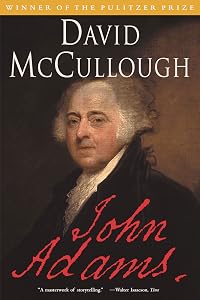
John Adams
by David McCullough
On This Page
Description
The Pulitzer Prize–winning, bestselling biography of America's founding father and second president that was the basis for the acclaimed HBO series, brilliantly told by master historian David McCullough.In this powerful, epic biography, David McCullough unfolds the adventurous life journey of John Adams, the brilliant, fiercely independent, often irascible, always honest Yankee patriot who spared nothing in his zeal for the American Revolution; who rose to become the second president of show more the United States and saved the country from blundering into an unnecessary war; who was learned beyond all but a few and regarded by some as "out of his senses"; and whose marriage to the wise and valiant Abigail Adams is one of the moving love stories in American history.
This is history on a grand scale—a book about politics and war and social issues, but also about human nature, love, religious faith, virtue, ambition, friendship, and betrayal, and the far-reaching consequences of noble ideas. Above all, John Adams is an enthralling, often surprising story of one of the most important and fascinating Americans who ever lived. show less
Tags
Recommendations



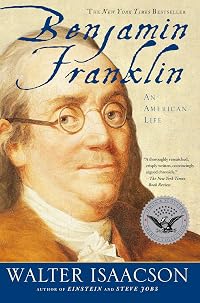
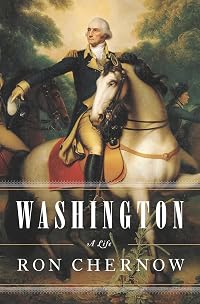
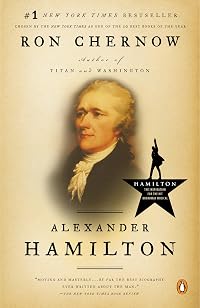

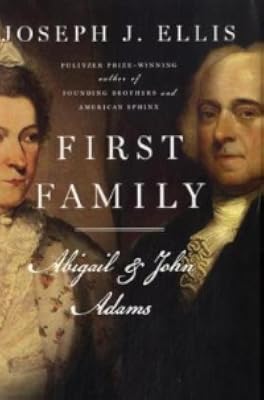
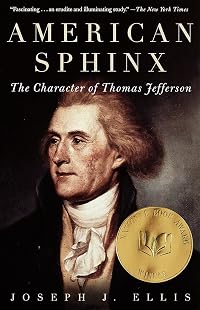

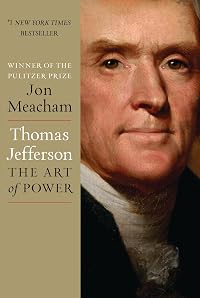
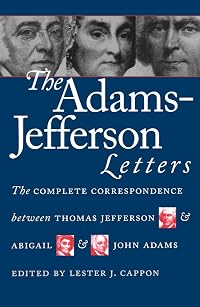

Member Recommendations

Member Reviews
John Adams was in some ways the most easily-known of the first three presidents. He lacked Washington's stoic demeanor. He recorded his own thoughts and impressions of events, unlike Jefferson. It's refreshing to look back on him after so many years of carefully-managed political lives (until the messiness comes spilling out on its own, of course). The problem for Adams' legacy is that Adams comes across as very human, and his faults are there on display for anyone. It's easy to malign him when you can use his own careless words against him.
He had faults - he was often accused of vanity, and he could be quick with a sharp word. He was often unsparing in the opinions he voiced in letters. He had famous fallings-out with Franklin and show more Jefferson. In particular, his break with Jefferson was public and acrimonious. Jefferson wrote in a letter about Adams as a diplomat in the French court, "he hates Franklin, he hates Jay, he hates the French, he hates the English - to whom will he adhere?" Later, accepting Jefferson's resignation as Secretary of State, Adams said, "a good riddance to bad ware." However, in their later years Jefferson and Adams resumed a friendship, even if that was mostly achieved by Jefferson's resolute silence about the things that had caused and would cause acrimony between them.
Adams in a nutshell -
The good: Adams had a unique relationship with Abigail. He talked to her about political matters, and respected her opinions. Evidence exists that he followed her advice and preferences more than once. He was stubborn when he believed in something, and would stand for it no matter the consequences; defending the British soldiers in the Boston Massacre trial was an early but not isolated example of this tendency.
The bad: He did have a high opinion of himself; so much so that when he was coming back from Europe after his diplomatic duties there, he was only willing to accept the vice-presidency in Washington's administration, believing that all other offices were below him. (These inferior offices included senator, governor, and Chief Justice.) He had a hard time shutting up when he felt he was being maligned or unfairly portrayed - he wrote a 3-year-long series of weekly columns defending himself against accusations made in a pamphlet by Alexander Hamilton. That Hamilton had been dead for years slowed him down not at all.
McCullough's book captures Adams in all his contradictory vividness. At times I wondered why we seemed to spend so much time on Jefferson, but their lives really were deeply entwined, even down to their July 4 deaths, hours apart from each other. He had a full life (he lived to age 90), he saw more of the world than most of his contemporaries, living in France, the Netherlands, and England, and he enjoyed his life to the utmost. show less
He had faults - he was often accused of vanity, and he could be quick with a sharp word. He was often unsparing in the opinions he voiced in letters. He had famous fallings-out with Franklin and show more Jefferson. In particular, his break with Jefferson was public and acrimonious. Jefferson wrote in a letter about Adams as a diplomat in the French court, "he hates Franklin, he hates Jay, he hates the French, he hates the English - to whom will he adhere?" Later, accepting Jefferson's resignation as Secretary of State, Adams said, "a good riddance to bad ware." However, in their later years Jefferson and Adams resumed a friendship, even if that was mostly achieved by Jefferson's resolute silence about the things that had caused and would cause acrimony between them.
Adams in a nutshell -
The good: Adams had a unique relationship with Abigail. He talked to her about political matters, and respected her opinions. Evidence exists that he followed her advice and preferences more than once. He was stubborn when he believed in something, and would stand for it no matter the consequences; defending the British soldiers in the Boston Massacre trial was an early but not isolated example of this tendency.
The bad: He did have a high opinion of himself; so much so that when he was coming back from Europe after his diplomatic duties there, he was only willing to accept the vice-presidency in Washington's administration, believing that all other offices were below him. (These inferior offices included senator, governor, and Chief Justice.) He had a hard time shutting up when he felt he was being maligned or unfairly portrayed - he wrote a 3-year-long series of weekly columns defending himself against accusations made in a pamphlet by Alexander Hamilton. That Hamilton had been dead for years slowed him down not at all.
McCullough's book captures Adams in all his contradictory vividness. At times I wondered why we seemed to spend so much time on Jefferson, but their lives really were deeply entwined, even down to their July 4 deaths, hours apart from each other. He had a full life (he lived to age 90), he saw more of the world than most of his contemporaries, living in France, the Netherlands, and England, and he enjoyed his life to the utmost. show less
I found this biography at a thrift store, and thought, oh, I really should know more about this time in our history. I didn't know very much about John Adams -- he is overshadowed by Washington and Jefferson in classroom history. I had some notion that he and his wife Abigail were influential, but that was about it. Well, after reading this book, I now say that John Adams is my new favorite president. Not only was he supremely intelligent, he was courageous and had a towering integrity. He was one of the few of those early founding fathers who was unabashedly opposed to slavery, an attitude he held throughout his life.
His relationship to his wife was a love story for the ages. He held her in the highest esteem, and consulted her on all show more things. They never failed in their love and respect for each other. She was his match in intelligence and fortitude, and their letters to each other are a treasure. Indeed, all the Adams family letters are amazing. McCullough quotes from them liberally, and it was interesting and touching to learn about their daily cares and griefs, the friendship he held with other people, and the care he lavished on his children and grandchildren. This biography makes him human, flawed and obstinate and sometimes pompous, but also a bulldog for democracy and a patriot in the true sense of the word.
I also enjoyed learning more about the other founding fathers, especially Jefferson. I was already aware of his long-standing and controversial relationship with his slave Sally Hemings, but I didn't know she was only fourteen when she joined him in Paris (shepherding his young daughter from Monticello, across the Atlantic and Europe). Fourteen! And pregnant two years later. This actually made me ill. Jefferson was a brilliant man in many ways, but his character flaws were deep, whereas Adams' flaws were mostly those of temperament and personality.
The actual reading experience of this book was a little slow, because there is so much packed into this 700 page volume. I put it down several times but always picked it up again. This book is not only the story of one man, but also of the birth of a nation and the many complex individuals that were present at the time. It is utterly deserving of the Pulitzer it won. show less
His relationship to his wife was a love story for the ages. He held her in the highest esteem, and consulted her on all show more things. They never failed in their love and respect for each other. She was his match in intelligence and fortitude, and their letters to each other are a treasure. Indeed, all the Adams family letters are amazing. McCullough quotes from them liberally, and it was interesting and touching to learn about their daily cares and griefs, the friendship he held with other people, and the care he lavished on his children and grandchildren. This biography makes him human, flawed and obstinate and sometimes pompous, but also a bulldog for democracy and a patriot in the true sense of the word.
I also enjoyed learning more about the other founding fathers, especially Jefferson. I was already aware of his long-standing and controversial relationship with his slave Sally Hemings, but I didn't know she was only fourteen when she joined him in Paris (shepherding his young daughter from Monticello, across the Atlantic and Europe). Fourteen! And pregnant two years later. This actually made me ill. Jefferson was a brilliant man in many ways, but his character flaws were deep, whereas Adams' flaws were mostly those of temperament and personality.
The actual reading experience of this book was a little slow, because there is so much packed into this 700 page volume. I put it down several times but always picked it up again. This book is not only the story of one man, but also of the birth of a nation and the many complex individuals that were present at the time. It is utterly deserving of the Pulitzer it won. show less
Well, the fact that I read all 700 pages of this book says a lot. The writing style was engaging and I could really relate to John Adams, a hard working and passionate man who persevered through all kinds of difficulties in doing what he thought was right. His popularity waxed and waned, he never received a tenth of the adoration that others who slid by on charm received, and yet he was a philosophical and happy man. His amazingly egalitarian and deep relationship with his wife Abigail was inspiring--truly a unique partnership. There were a couple of points I had to slog through where it felt like David Mc Cullough was belaboring already made points...but for the most part I enjoyed it. One of the things I really took away from this show more book was the thought that, at many points in John Adam's life it looked as if everything he was working for would fail and he was subject to universal ridicule. And yet he stuck to his convictions and his work and eventually events would prove him right, the seeds he planted bore fruit, the people came around. Reading this book has determined me to read more biographies because they really inspire me. show less
What a delightful, invigorating read. I found myself increasingly drawn into the relationships among these relatively few architects of a new nation and how they cooperated and battled with one another, how they respected and insulted each other's efforts. Adams, for his part, seemed to refrain from the insulting, but never flinched from the battling. The book certainly deepened my respect for this man's contribution to American government and thought.
I was also surprised to gain a much warmer and more personable view of John Adams from the book than i did from the HBO series based on it. He could be irritating and infuriating to people, no doubt, but he was also tremendously engaging, passionate, and loyal.
A historian must tread show more carefully between dry facts and records and the human stories they suggest. McCullough performs this balance remarkably well. I found myself engrossed in the life of Adams and his family without departing from the documented details. show less
I was also surprised to gain a much warmer and more personable view of John Adams from the book than i did from the HBO series based on it. He could be irritating and infuriating to people, no doubt, but he was also tremendously engaging, passionate, and loyal.
A historian must tread show more carefully between dry facts and records and the human stories they suggest. McCullough performs this balance remarkably well. I found myself engrossed in the life of Adams and his family without departing from the documented details. show less
Of the Founding Fathers, John Adams is a bit of an acquired taste - he doesn't have the daring exploits of Washington, the charisma of Jefferson, or the larger than life character of Franklin. Instead, Adams is more of a dedicated and principled lawyer who stuck to his beliefs so much that he embroiled himself in a revolution. And not to be understated, for most of his life, he had at his side the exceptional Abigail, who supported him emotionally, intellectually, and financially. Over the course of the American Revolution and early republic, Adams amassed quite the resume: defender of British soldiers in the Boston Massacre, member of the Continental Congress, advocate for the Declaration of Independence, diplomat to France, the show more Netherlands, and Great Britain, Vice President and then President of the United States. Even after all that, Adams lived on twenty-five years and cemented his legacy by rekindling his friendship with his former political rival Thomas Jefferson, and the two Founding Fathers famously passed away on the same day, precisely fifty years after the signing of the Declaration of Independence. Overall, this was a highly compelling biography, covering Adams' rise to prominence and his spectacular career, while also not ignoring the wider context of Adams' family life and relationships with friends and rivals. Highly recommended for anyone seeking to learn more about this American Founding Father. show less
This award-winning biography of second American president John Adams has been sitting on my shelf, waiting to be read, since the year it first came out. A Christmas gift from my father - having been named after Abigail Adams (what can I say? born in 1976, I am my family's bicentennial baby!), I tend to receive quite a few Adams family biographies - it's a book that I have long been meaning to read, but for which I never seem to be able find the time. What extraordinary timing it is, that my Presidential Book-Club - set up to improve members' knowledge of American history, through a program in which we read a biography of each president, chronologically - chose it as our November/December selection. Extraordinary, because my father, ill show more these many years, died in mid-December, and the long-forgotten Christmas letter from him, that I found tucked in the pages of this book, has been a real comfort these last few weeks, with its message of love, and its instruction (much in the manner of Adams himself, as it happens) to pay attention to certain things, like "the lady for whom you are named."
Leaving aside that very personal component of my reading experience, John Adams is just an outstanding biography - a fine work of scholarship, and of writing. Unlike some readers, I cannot say that I was unaware of Adams as a historical figure, but there is no doubt that McCullough has greatly expanded my store of knowledge about him, and given me a much greater appreciation for his character, and the many services he performed, and sacrifices he made, for our country. His strong sense of honor, and independence of mind, are evident from beginning to end, from his controversial decision to defend (successfully!) the British soldiers accused of murder, during the "Boston Massacre" case, to his lifelong refusal to belong to any political party, or adhere to any party line. This latter is particularly important, as it allowed Adams' to circumvent the Federalists' desire for war with France, in the early days of the republic - something that would have been disastrous. Of course, our strengths are often also our weaknesses, and the very strength of character that allowed Adams, in certain venues, to stay true to himself, also sometimes exposed him to ridicule, and made him rather rigid at times. This last is particularly evident in the sad story of Adams' middle son Charles, an alcoholic whom Adams disowned.
If I had any criticism of McCullough's book to make - and overall, I maintain its excellence - it would be that it is far stronger in depicting Adams' intimate relationships - his lifelong loving partnership with Abigail, his friendship with Thomas Jefferson - than his public ones. It's unfortunate that I read it just after a book that managed to do both brilliantly - I cannot recommend Ron Chernow's Washington: A Life enough, and consider it the single best political biography that I have ever read! - but there you have it. I came away from Chernow's book with a list of at least fifteen people I wanted to read more about, but not so here. On the other hand, McCullough really does nail both Abigail Adams and Thomas Jefferson, and their roles in Adams' life. And he also, needless to say, nails his main subject as well, his irascible greatness: his desire for love and approval, which was always sublimated by his unyielding sense of right and wrong, his astonishing work ethic, his fiery independence, and often adversarial manner. That he accomplished so much, and overcame so many obstacles, steering the nation through many dangerous moments, is a testament to that greatness, and to the fact that Adams, despite the neglect of a generation of scholars, deserves to be placed in the forefront of the founding generation. Thank goodness McCullough has come along, and done him justice! show less
Leaving aside that very personal component of my reading experience, John Adams is just an outstanding biography - a fine work of scholarship, and of writing. Unlike some readers, I cannot say that I was unaware of Adams as a historical figure, but there is no doubt that McCullough has greatly expanded my store of knowledge about him, and given me a much greater appreciation for his character, and the many services he performed, and sacrifices he made, for our country. His strong sense of honor, and independence of mind, are evident from beginning to end, from his controversial decision to defend (successfully!) the British soldiers accused of murder, during the "Boston Massacre" case, to his lifelong refusal to belong to any political party, or adhere to any party line. This latter is particularly important, as it allowed Adams' to circumvent the Federalists' desire for war with France, in the early days of the republic - something that would have been disastrous. Of course, our strengths are often also our weaknesses, and the very strength of character that allowed Adams, in certain venues, to stay true to himself, also sometimes exposed him to ridicule, and made him rather rigid at times. This last is particularly evident in the sad story of Adams' middle son Charles, an alcoholic whom Adams disowned.
If I had any criticism of McCullough's book to make - and overall, I maintain its excellence - it would be that it is far stronger in depicting Adams' intimate relationships - his lifelong loving partnership with Abigail, his friendship with Thomas Jefferson - than his public ones. It's unfortunate that I read it just after a book that managed to do both brilliantly - I cannot recommend Ron Chernow's Washington: A Life enough, and consider it the single best political biography that I have ever read! - but there you have it. I came away from Chernow's book with a list of at least fifteen people I wanted to read more about, but not so here. On the other hand, McCullough really does nail both Abigail Adams and Thomas Jefferson, and their roles in Adams' life. And he also, needless to say, nails his main subject as well, his irascible greatness: his desire for love and approval, which was always sublimated by his unyielding sense of right and wrong, his astonishing work ethic, his fiery independence, and often adversarial manner. That he accomplished so much, and overcame so many obstacles, steering the nation through many dangerous moments, is a testament to that greatness, and to the fact that Adams, despite the neglect of a generation of scholars, deserves to be placed in the forefront of the founding generation. Thank goodness McCullough has come along, and done him justice! show less
The Definitive Biography of an Underrated Founding Father
Biography of John Adams (1735-1826), the ideological force behind the Declaration of Independence, the first vice president of the United States and second president, whose contributions to the founding of our nation and the isms which defined it are too often understated in biographies of his headliner fellow Founding Fathers Benjamin Franklin, Alexander Hamilton, Thomas Jefferson and George Washington. David McCullough excels at giving novel-character-like life to long-dead luminaries, which is especially difficult for Adams, because he was not what we now call a "complicated" historical figure. His ideas didn't "evolve" for the most part, and he would live by more or less the show more same beliefs and morals from his years as a student at Harvard through his semi-retirement from public life in 1801 to his death 25 years later. McCullough humanizes Adams by relating in detail the story of the most well-known fact about him - his romance with his wife of 54 years, née Abigail Smith. But he also establishes the world - both geographical and intellectual - in which Adams lived. When Americans think of the Revolution and the nation-building which succeeded it, we frequently believe the outcome to be inevitable, even preordained. Our cause was just, and the definition of phrases like "three coequal branches of government" and "freedom of speech" are self-evident. In reality, these results were often far from certain. McCullough's equally excellent military history 1776 (2005) describes the moments of heavy indeterminacy on the battlefield, but it is with this biography, through the eyes of a resolute "old oak," as Abigail describes him, where McCullough explores the often heated philosophical debates which made "the American experiment" such an experiment. It is a truly definitive biography which has resonance today and will no doubt continue to resonate in the U.S. and other nations as-yet-unfounded 200 years from now. show less
Biography of John Adams (1735-1826), the ideological force behind the Declaration of Independence, the first vice president of the United States and second president, whose contributions to the founding of our nation and the isms which defined it are too often understated in biographies of his headliner fellow Founding Fathers Benjamin Franklin, Alexander Hamilton, Thomas Jefferson and George Washington. David McCullough excels at giving novel-character-like life to long-dead luminaries, which is especially difficult for Adams, because he was not what we now call a "complicated" historical figure. His ideas didn't "evolve" for the most part, and he would live by more or less the show more same beliefs and morals from his years as a student at Harvard through his semi-retirement from public life in 1801 to his death 25 years later. McCullough humanizes Adams by relating in detail the story of the most well-known fact about him - his romance with his wife of 54 years, née Abigail Smith. But he also establishes the world - both geographical and intellectual - in which Adams lived. When Americans think of the Revolution and the nation-building which succeeded it, we frequently believe the outcome to be inevitable, even preordained. Our cause was just, and the definition of phrases like "three coequal branches of government" and "freedom of speech" are self-evident. In reality, these results were often far from certain. McCullough's equally excellent military history 1776 (2005) describes the moments of heavy indeterminacy on the battlefield, but it is with this biography, through the eyes of a resolute "old oak," as Abigail describes him, where McCullough explores the often heated philosophical debates which made "the American experiment" such an experiment. It is a truly definitive biography which has resonance today and will no doubt continue to resonate in the U.S. and other nations as-yet-unfounded 200 years from now. show less
Members
- Recently Added By
Lists

Best Biographies, Autobiographies and Memoirs
465 works; 160 members

Best U.S. History Books (1754-1828)
363 works; 18 members

Best Biographies
216 works; 26 members

Top-Rated Books on LibraryThing
272 works; 117 members

Presidents and First Ladies
25 works; 6 members

Non-Fiction Worth Reading
1,016 works; 256 members

French and Indian War through the War of 1812 (non-fiction)
31 works; 3 members

Best Biographies of U.S. Presidents
61 works; 6 members

Founding Father
104 works; 11 members

The Presidents
42 works; 2 members

Unread books
1,063 works; 87 members

TED 2013 Summer Reading List
190 works; 13 members

Books recommended by Barack Obama
295 works; 28 members
Presidential Books
15 works; 2 members

Top Five Books of 2016
795 works; 228 members

Recommend the 20 best books you've read in the last five years
2,168 works; 607 members

History and Biography Read in 2016
20 works; 3 members
John Adams Books
12 works; 1 member

Obama Reads
181 works; 3 members

al.vick-parents books
301 works; 1 member
Biographies of American Presidents
39 works; 4 members

Works with inappropriate subject headings on LibraryThing
35 works; 5 members

Blue Pyramid 1,276 Best Books of All Time
1,248 works; 32 members

Books Read in 2014
2,344 works; 89 members

My List
302 works; 1 member

Books Read in 2016
4,666 works; 199 members
Author Information

58+ Works 64,416 Members
David McCullough was born in Pittsburgh, Pennsylvania on July 7, 1933. He received a bachelor's degree in English literature from Yale University in 1955. After graduation, he moved to New York City and worked as a trainee at Sports Illustrated. He later worked as a writer and editor for the United States Information Agency, in Washington, D.C., show more including a position at American Heritage. His first book, The Johnstown Flood, was published in 1968. His other books include 1776, Brave Companions, The Great Bridge, and The Greater Journey: Americans in Paris. He received the Pulitzer Prize twice for Truman and John Adams and the National Book Award twice for The Path Between the Seas: The Creation of the Panama Canal and Mornings on Horseback. He also won two Francis Parkman Prizes, the Los Angeles Times Book Award, and New York Public Library's Literary Lion Award. Two of his books, Truman and John Adams, have been adapted into a television movie and mini-series, respectively, by HBO. In December 2006, he received the Presidential Medal of Freedom. He also made the New York Times Best Seller List in 2015 with his book The Wright Brothers, and in 2017 with The American Spirit: Who We Are and What We Stand For. (Bowker Author Biography) David McCullough is a writer, historian, lecturer, & teacher. He has received the Pulitzer Prize for "Truman", as well as the Francis Parkman Prize, & the "Los Angeles Times" Book Award. He is also a two-time winner of the National Book Award, for history & for biography. He lives in Massachusetts. (Publisher Provided) show less
Some Editions
Awards and Honors
Awards
Distinctions
Work Relationships
Is contained in
Contains
Has the adaptation
Has as a reference guide/companion
Common Knowledge
- Canonical title
- John Adams
- Original title
- John Adams
- Original publication date
- 2001-05-22
- People/Characters
- John Adams; Abigail Adams; Thomas Jefferson; Alexander Hamilton; George Washington; Benjamin Franklin (show all 461); Samuel Adams; Elbridge Gerry; John Quincy Adams; George III, King of the United Kingdom; Phoebe Abdee; William Abdee; Abigail Adams Smith; Charles Adams; Ann Harrod Adams; Charles Francis Adams; Edith Squire Adams; Elihu Adams; George Washington Adams; Hannah Bass Adams; Abigail Adams (daughter of Charles Adams); Henry Adams; Joseph Adams (name of great-grandfather and grandfather of John Adams); Louisa Catherine Adams; Louisa Catherine Johnson Adams; Mary Adams; Peter Adams; Sally Smith Adams; Susanna Adams; Susanna Boylston Adams; Thomas Boylston Adams; Joseph Addison; Thomas Affleck; John Alden; Priscilla Alden; William Alexander; Ethan Allen; Fisher Ames; Jeffrey Amherst; Henriette d'Arguesseau; Benedict Arnold; Princess Augusta, Duchess of Cambridge; Jonathan Austin; Benjamin Franklin Bache; Margaret Bache; Edward Bancroft; Charles Bankhead; Gilbert Barkley; William Barron; John Barry; Josiah Bartlett; John Bartram; Joseph Bass; Seth Bass; James A. Bayard; Pierre-Augustin Caron de Beaumarchais; Marchese di Beccaria; John Beckley; John Behrent; Robert Bell; Pierre Bellamy; William Bentley; Francis Bernard; Charles Biddle; Christopher Billopp; Anne Bingham; William Bingham; J. B. Binon; Henry St. John, 1st Viscount Bolingbroke; Napoleon Bonaparte; Widow Borland; James Boswell; Mademoiselle de Bourbon; Dr. Bourke; James Bowdoin; Zabdiel Boylston; Carter Braxton; John Briesler; Mary Briesler; Anne-Louise Boivin D'Hardancourt Brillon de Jouy; J. P. Brissot de Warville; Monsieur Brillon; John Henry Browere; Andrew Brown; Lancelot Brown; Mather Brown; Charles Bulfinch; Archibald Bulloch; Joseph Bunel; John Burgoyne; Edmund Burke; Fanny Burney; Aaron Burr; James T. Callender; Lord Carmarthen; Peter Carr; Charles Carroll; Charlotte of Mecklenburg-Strelitz, Queen Consort of the United Kingdom; Charlotte Augusta (daughter of George IV); Samuel Chase; François Jean de Beauvoir, Marquis de Chastellux; Jacques Donatien Le Ray, Comte de Chaumont; Charles Chauncey; Benjamin Chew; John Clark; Henry Clay; George Clinton; William Cobbett; Marquis de Condorcet; Joseph Coolidge, Jr.; Thomas Coombe; Samuel Cooper; John Singleton Copley; Charles Cornwallis, 1st Marquess Cornwallis; Maria Cosway; Richard Cosway; Betsy Cranch; Lucy Cranch; Mary Smith Cranch; Richard Cranch; William Cranch; William Crawford; Charles Cushing; Tristram Dalton; Francis Dana; George-Jacques Danton; William Davie; Enrico Caterino Davila; Edward Davis; Silas Deane; Daniel Defoe; Charles-Henri Theodat d'Estaing; Samuel Dexter; John Dickinson; Thomas Digges; John Sackville, 3rd Duke of Dorset; James Duane; William Duane; Charles W. F. Dumas; Robley Dunglison; John Dunlap; Lord Dunmore; Joseph-Siffred Duplessis; Oliver Ellsworth; Ralph Waldo Emerson; Marie-Louise-Elisabeth de la Rochefoucauld, Duchesse d'Enville; Elizabeth Eppes; Francis Eppes; Mary Jefferson Eppes; John Fenno; Esther Field; Joseph Field; John Fitch; Alleyne Fitzherbert; Charles James Fox; Gilbert Fox; Francois, Duc de la Rochefoucauld; William Franklin; William Temple Franklin; Mary Frazier; Philip Freneau; John Fries; Thomas Gainsborough; Albert Gallatin; Joseph Galloway; Elizabeth Gates; Horatio Gates; Edme-Jacques Genet; Edmund Charles Genet; Conrad Gerard; Geoffrey Gilbert; William Branch Giles; Ferdinand Grand; Marie Grand; François-Joseph Paul de Grasse; Harrison Gray; Nathanael Greene; Richard Grenville-Temple, Lord Cobham; Jeremiah Gridley; Roger Griswold; John Hall; Elizabeth Schuyler Hamilton; John Hancock; Robert G. Harper; James Harrington; Benjamin Harrison; David Hartley; Lucien Hauteval; Zab Hayward; Claude-Adrien Helvétius; Madame Helvetius; Betty Hemings; Bob Hemings; James Hemings; Madison Hemings; Sally Hemings; Moses Hemmenway; Patrick Henry; William Herschel; Joseph Hewes; William Hogarth; Amos Holbrook; C. F. Hoochera; William Hooper; Francis Hopkinson; Stephen Hopkins; Joseph Hopkinson; Jean Conrad Hottinguer; Jean-Antoine Houdon; George Howe; Richard Howe; William Howe; David Hume (1711-1776); David Humphreys; Samuel Huntington; Francis Hutcheson; Thomas Hutchinson; John Huxham; Ralph Izard; Andrew Jackson; James Jay; John Jay; Isaac Jefferson; Martha Jefferson Randolph; Lucy Elizabeth Jefferson; Jane Jefferson; Martha Wayles Skelton Jefferson; Peter Jefferson; Edmund Jenings; Joshua Johnson; Samuel Johnson; John Paul Jones; John Jouett; John Kemble; William Kent; Henry Knox; Thomas Knox; George Washington Lafayette; Adrienne Francoise de Noailles, Madame de Lafayette; Marquis de Lafayette; Jean de La Fontaine; Chevalier Anne-Cesar de La Luzerne; Luke Lambert; John Langdon; Henry Laurens; John Laurens; Duc de La Vauguyon; Arthur Lee; Charles Lee; Francis Lightfoot Lee; Henry Lee; Richard Henry Lee; Pierre Charles L'Enfant; Andre Le Notre; Philippe-Henry-Joseph de Letombe; Meriwether Lewis; Bela Lincoln; Benjamin Lincoln; Henrietta Liston; Robert R. Livingston; James Lloyd; John Locke; Samuel Locke; George Logan; Louis XVI, King of France; Louis XVIII, King of France; James Lovell; John Luzac; Thomas Lynch; Matthew Lyon; James McHenry; Thomas McKean; William Maclay; James Madison; Duke of Manchester; Jean-Paul Marat; Marie Antoinette; Joseph Marsh; Christopher Marshall; John Marshall; John Marston; George Mason; Timothy Matlack; Jean-Frederic Phelypeaux de Maurepas; Joseph Mayhew; Philip Mazzei; Thomas Mifflin; Francesco de Miranda; James Monroe; Richard Montgomery; Robert Morris; John Morton; Judith Sargent Murray; William Vans Murray; Horatio Nelson, 1st Viscount Nelson; George Nicholas; Mordecai Noah; Jean de Noailles, Duc d'Ayen; Nicholas Noel; Louis XVII of France (Louis-Charles, Prince Royal of France and Duke of Normandy); Frederick North, 2nd Earl of Guilford, Lord North; Andrew Oliver; Onesimus; Arthur Onslow; Richard Oswald; James Otis; Samuel Otis; Louis-Guillaume Otto; John Page; Robert Treat Paine; Thomas Paine; Andrea Palladio; Charles Willson Peale; Rembrandt Peale; John Penn; William Penn; Adrien Petit; Timothy Pickering; Charles Cotesworth Pinckney; Thomas Pickney; William Pitt the Elder; William Pitt the Younger; Alexander Pope; Henry Popple; Samuel Powel; Thomas Preston; Richard Price; James Prince; James Putnam; Edmund Quincy; Eliza Susan Quincy; Esther Quincy Sewall; Hannah Quincy Lincoln Storer; John Quincy; Josiah Quincy; Josiah Quincy, Jr.; Samuel Quincy; Allan Ramsay; Andrew Ramsay; Edmund Randolph; Ellen Wayles Randolph; John Randolph; Thomas Jefferson Randolph; Thomas Mann Randolph; Guido Reni; Paul Revere; James Reynolds; Joshua Reynolds; Maria Reynolds; Samuel Richardson; Matthew Ridley; David Rittenhouse; Maximilien de Robespierre; Lord Rockingham; Caesar Rodney; Thomas Rodney; John Ross; Jean-Jacques Rousseau (1712-1778); Anne Royall; Peter Paul Rubens; Richard Rumbold; Benjamin Rush; Richard Rush; Edward Rutledge; Gabriel Sartine; Theodore Sedgwick; Nathan Sellers; Jonathan Sergeant; Jonathan Sewall; Samuel Sewall; Elizabeth Smith Shaw; John Shaw; William Shaw; Daniel Shays; William Shelburne; William Shenstone; Richard Brinsley Sheridan; Roger Sherman; William Short; Sarah Siddons; Adam Smith; Caroline Smith; Elizabeth Smith; Isaac Smith; John Adams Smith; Louisa Smith; William Smith; Thomas Smith; William Smith, Jr.; William Stephens Smith; William Steuben Smith; Tobias Smollett; John Sparhawk; Thomas Sparhawk; Joseph Stephens; Laurence Sterne; Ezra Stiles; Joseph Stockbridge; Richard Stockton; Benjamin Stoddert; Charles Storer; Ebenezer Storer; Henry Strachey; Gilbert Stuart; John Sullivan; Charles-Maurice de Talleyrand-Périgord; John Thaxter; Charles Thomson; Matthew Thornton; William Thornton; Pierre Dominique Toussaint L'Ouverture; John Trumbull; Thomas Truxtun; Samuel Tucker; Thomas Tucker; William Tudor; Cotton Tufts; Anne-Robert-Jacques, Baron de l'Aulne; Thomas Twining; Royall Tyler; Bartholomeus van den Santheuvel; Baron Joan Derk van der Capellen tot den Pol; Francis van der Kemp; Baron van Lynden van Hemmen; Leonard Vassall; Charles Gravier, Comte de Vergennes; Claudine-Genevieve Verrieres; Marie Verrieres; Voltaire; Samuel Ward; James Warren; Joseph Warren; Mercy Otis Warren; Martha Custis Washington; Benjamin Waterhouse; Elkanah Watson; John Wayles; Nathan Webb; Daniel Webster; Noah Webster; Harriet Welsh; Benjamin West; Thomas Whately; Alexander White; William White; George Whitney; Peter Whitney; Anthony Wibird; Princess Wilhelmina; William V, Prince of Orange; James Wilson; John Winthrop; William Wirt; John Witherspoon; Oliver Wolcott; Oliver Wolcott, Sr.; Mary Wollstonecraft; George Wythe; Sarah Yard; Joseph Yorke; Edward Young
- Important places
- Boston, Massachusetts, USA; Philadelphia, Pennsylvania, USA; London, England, UK; Paris, France; New York, New York, USA; Braintree, Massachusetts, USA (later Quincy) (show all 7); The Netherlands
- Important events
- American Revolution (1775 ∙ | 1783); Federalist Era (U.S. history ∙ | 1789 ∙ | 1801); Washington Presidency; John Adams Presidency; Continental Congress
- Related movies
- John Adams (2008 | IMDb)
- Epigraph
- We live, my dear soul, in an age of trial. What will be the consequence I know not. - John Adams to Abigail Adams, 1774
- Dedication
- For our sons David, William, and Geoffrey
- First words
- In the cold, nearly colorless light of a New England winter, two men on horseback traveled the coast road below Boston, heading north.
- Quotations
- I must judge for myself, but how can I judge, how can any man judge, unless his mind has been opened and enlarged by reading,
- Last words
- (Click to show. Warning: May contain spoilers.)It could have been his epitaph.
- Blurbers
- Mitchell, Rob; Schama, Simon; Graff, Henry F.; Futter, Ellen V.; Fichtner, Margaria; Brinkley, Douglas (show all 12); Maier, Pauline; Yoder, Edwin M., Jr.; McGrory, Mary; Wood, Gordon S.; Kakutani, Michiko; Arana, Marie
- Original language
- English
Classifications
- Genres
- Biography & Memoir, History, General Nonfiction, Nonfiction
- DDC/MDS
- 973.44092 — History & geography History of North America United States Constitutional period (1789-1809) Proclamation of Neutrality, Whiskey Rebellion, Jay Treaty
- LCC
- E322 .M38 — History of the United States United States Revolution to the Civil War, 1775/1783-1861 By period 1789-1809. Constitutional period John Adams' administration, 1797-1801
- BISAC
Statistics
- Members
- 15,507
- Popularity
- 451
- Reviews
- 215
- Rating
- (4.33)
- Languages
- Dutch, English
- Media
- Paper, Audiobook, Ebook
- ISBNs
- 30
- ASINs
- 33