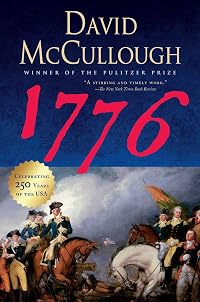
1776
by David McCullough
On This Page
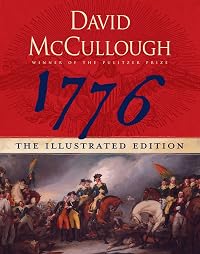
Description
Based on extensive research in both American and British archives, 1776 is the story of Americans in the ranks, men of every shape, size, and color, farmers, schoolteachers, shoemakers, no-accounts, and mere boys turned soldiers. And it is the story of the British commander, William Howe, and his highly disciplined redcoats who looked on their rebel foes with contempt and fought with a valor too little known. But it is the American commander-in-chief who stands foremost -- Washington, who show more had never before led an army in battle. show lessTags
Recommendations


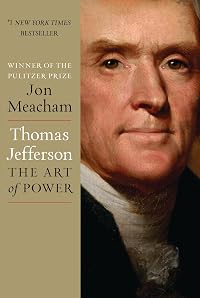

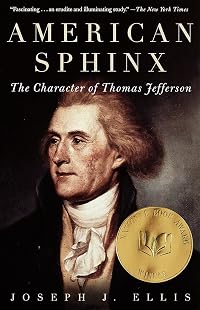
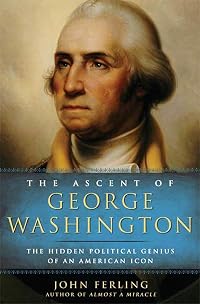
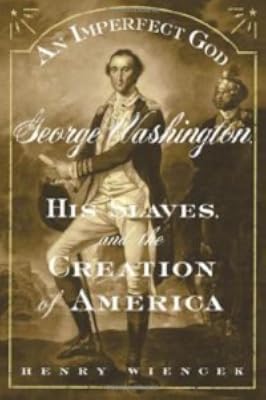
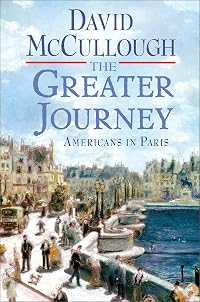
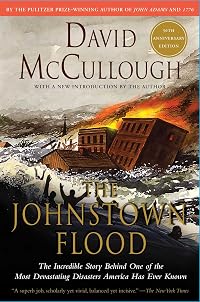
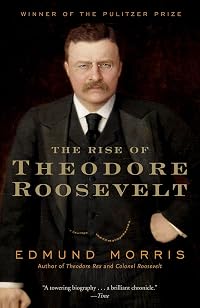
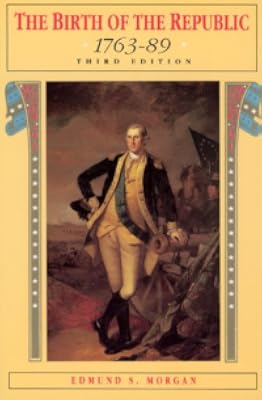

Member Recommendations
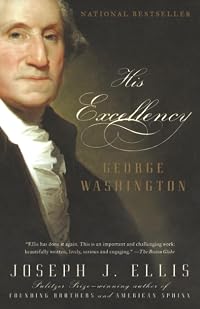
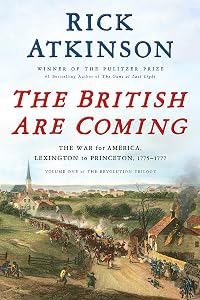
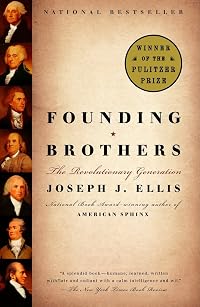
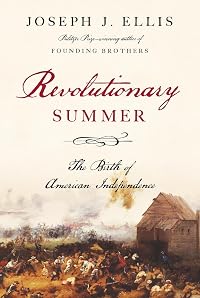
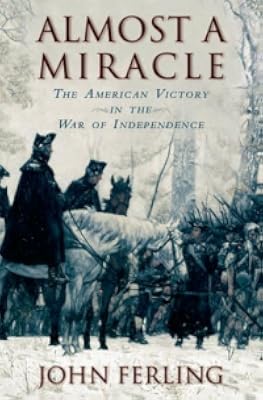
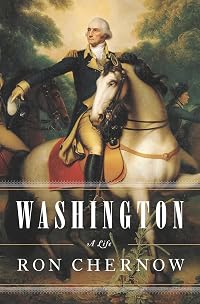
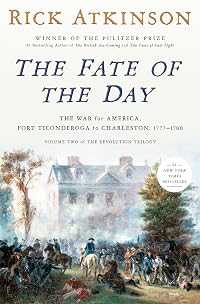
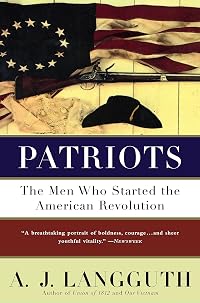
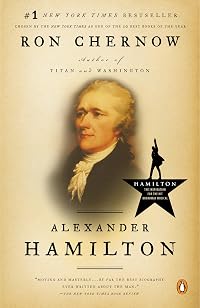
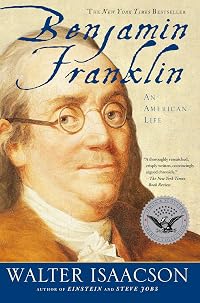
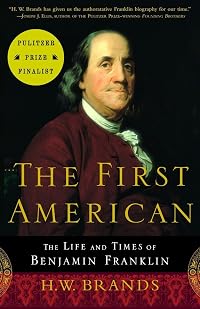
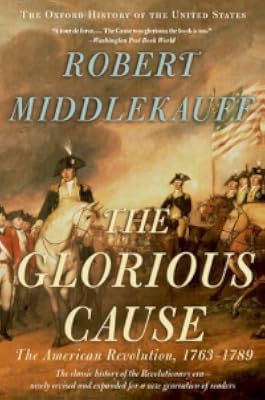
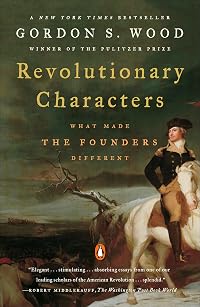
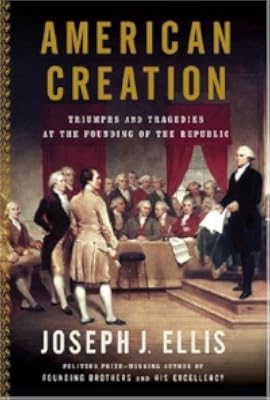
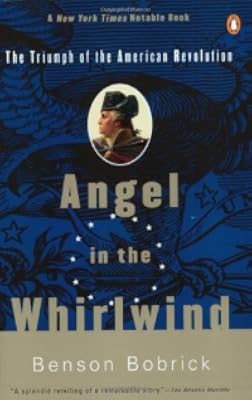
kkunker these books compliment each other quite well
Also recommended by AnnaClaire, readysetgo
20
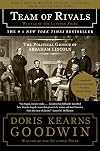
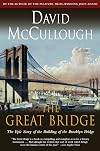

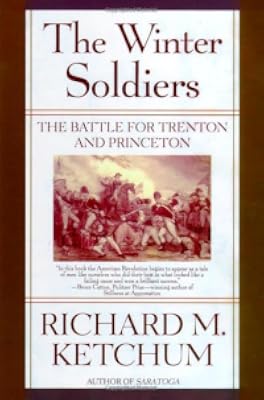
ABVR an old but readable history of the seamen-turned-soldiers who ferried Washington and his men out of Long Island and (later) across the Delaware
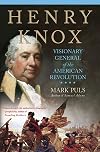
readysetgo Find out more about the extraordinary talent and innovative young General that aided, probably more than any other, General Washington's campaigns in 1776. Without him, the battle of Trenton was likely a non-starter.
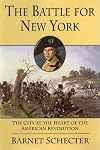
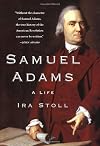

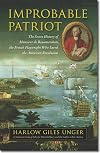
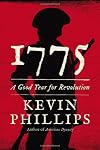
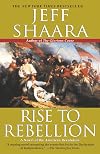
themulhern The historical fiction and the narrative history are not so distinct from each other. They cover much the same period, recount much the same events.
Member Reviews
The American rebels' victory over Britain seems so inevitable now, 200 years in the future and after years of mildly patriotic schooling. This book makes it brutally clear that not only was the American victory NOT inevitable, it in fact was a goddamn miracle that the cause lasted beyond the first year.
I was told that David McCullough made a great deal of money with his popular histories. I'm beginning to see how that might be possible. This history is as like a realist historical novel with many characters as a history can be. As the events transpire, their effect is shown via quotations from many original sources, mostly personal letters and diaries. The difference between this history and, e.g., David Sharra's historical novel "Rise to Rebellion" is that McCullough is never the omniscient narrator; he always describes the events from the outside, as a historian, and he supports his every claim with a mountain of end notes. A further source of McCullough's appeal may be his lack of overt politicizing. He tells the story without show more including any remarks on what he thinks we should infer about contemporary events from his tale. The book lacks any preface or foreword; evidently McCullough thought that there need be no justification for writing a book about this time other than its inherent interest. And finally the prose is lively and full of interesting detail without any glaring malapropisms. Recommended. show less
1776 is exactly what it says on the cover; a history about the crucial year of the American revolution. 1776 is focus on George Washington and the men around him, following the patriots from their triumph at the siege of Boston, to the bloody expulsion from New York, and the hard trek across New Jersey which ended with the sudden battles of Trenton and Princeton (America-we'll murder you in your sleep on Christmas!).
McCollough, as dean of the American historians, has a keen and sensitive eye in drawing narrative and character from the archives. He finds Washington and his colleagues in a moment of transition, unsure in a task no one alive has ever attempted, failing at time, but always learning from their mistakes and buoyed by the show more common purpose of independence. There's a lot more to be said about the revolution, but we're lucky to have a book by one of the master historians on this moment. show less
McCollough, as dean of the American historians, has a keen and sensitive eye in drawing narrative and character from the archives. He finds Washington and his colleagues in a moment of transition, unsure in a task no one alive has ever attempted, failing at time, but always learning from their mistakes and buoyed by the show more common purpose of independence. There's a lot more to be said about the revolution, but we're lucky to have a book by one of the master historians on this moment. show less
A British ship’s surgeon who used the privileges of his profession to visit some of the rebel camps, described roads crowded with carts and wagons hauling mostly provisions, but also, he noted, inordinate quantities of rum — “for without New England rum, a New England army could not be kept together.” The rebels, he calculated, were consuming a bottle a day per man.
One late night foray led me to finish this book hours after beginning. It is no great shame, but it was the musical Hamilton which inclined me to approach the work. My days of matriculation were often obscured to such narrative histories. 25 years ago at university I was an aspiring Marxist and I saw the American Revolution as between two slave owning factions of the show more same burning house. I now regard that approach as painfully naïve.
1776 chronicles more or less of the famed year in American Independence when Washington's cobbled forces stumbled about. The vastly superior Royal forces didn't appear to appreciate the significance of the stakes. Few do in the moment. show less
One late night foray led me to finish this book hours after beginning. It is no great shame, but it was the musical Hamilton which inclined me to approach the work. My days of matriculation were often obscured to such narrative histories. 25 years ago at university I was an aspiring Marxist and I saw the American Revolution as between two slave owning factions of the show more same burning house. I now regard that approach as painfully naïve.
1776 chronicles more or less of the famed year in American Independence when Washington's cobbled forces stumbled about. The vastly superior Royal forces didn't appear to appreciate the significance of the stakes. Few do in the moment. show less
The American Revolution is not a time period with which I am familiar. I grew up in Sweden and we just did not study it. I have studied American history after the Civil War when I was in the states but the period before...nothing. All the names and places are familiar but to me the American Revolution was summarised like this in my brain: "Washington was the general. The other dudes sat in Philadelphia. The Americans won. Bye bye British! Yeah Declaration of Independence. The End". Yeah, I needed more. Someone suggested that David McCulloughs books were perfect and I have to say they were right.
He finds a good balance between the military history (NOT my thing) and a narrative around the important characters in the war. They are all show more presented in a sympathetic manner, even King George III. I found the geography easy to follow along in. He to time to explain the distances and the difficulties involved in getting to the different battlefields. I liked how he vowe in personal recollections of those that where there, down to the lowliest soldier. It made it feel like a history of people not just jerking from battlefield to battlefield.
The book was read by the author and for me this added a more personal touch to the readings. You could tell that he knew the material well and was invested in telling it well. I felt like he was reading it to me. Not some far off mass of people who knew about the material already.
I will want to listen to it again because there are bits that I have missed because something happened and I didn't hear it properly or it just didn't make sense. But that is no hardship at all. show less
He finds a good balance between the military history (NOT my thing) and a narrative around the important characters in the war. They are all show more presented in a sympathetic manner, even King George III. I found the geography easy to follow along in. He to time to explain the distances and the difficulties involved in getting to the different battlefields. I liked how he vowe in personal recollections of those that where there, down to the lowliest soldier. It made it feel like a history of people not just jerking from battlefield to battlefield.
The book was read by the author and for me this added a more personal touch to the readings. You could tell that he knew the material well and was invested in telling it well. I felt like he was reading it to me. Not some far off mass of people who knew about the material already.
I will want to listen to it again because there are bits that I have missed because something happened and I didn't hear it properly or it just didn't make sense. But that is no hardship at all. show less
I read David McCullough's John Adams last year and really liked it. But I must confess, I enjoyed this one more. Since 1776 focuses on one seminal year in American history, it was a shorter book. The action was so thick that it read like a novel. I had thought I was familiar with our nation's beginnings. I knew George Washington was revered as a great general, but I didn't really understand why. This book demonstrates why Washington was a great general, in spite of his flaws.
The people of America were really no more united then than they are now. What they did have was a vision of what could be, and enough of them were willing to suffer hardship and deprivation that it became reality. McCullough doesn't gloss over the uncomfortable show more bits. He doesn't turn the British and Hessians into monsters and he doesn't make the Americans look like noble saints. What he does do is present a balanced, researched portrait of an extraordinary time and place that changed the course of world history. And that's no small feat. show less
The people of America were really no more united then than they are now. What they did have was a vision of what could be, and enough of them were willing to suffer hardship and deprivation that it became reality. McCullough doesn't gloss over the uncomfortable show more bits. He doesn't turn the British and Hessians into monsters and he doesn't make the Americans look like noble saints. What he does do is present a balanced, researched portrait of an extraordinary time and place that changed the course of world history. And that's no small feat. show less
McCullough has long been one of my very favorite authors of historical non-fiction/biography: his John Adams would probably be on my all-time top ten list, were I ever forced to make such a painful choice. Once again with 1776, he does not disappoint. I have to be honest, the tale wasn't what I expected - it was better. This is the story not of independence resolutions and hot Philadelphia meeting rooms, but of the trials and tribulations of a ragtag band of patriots, headed by an all-too-mortal Virginia gentleman farmer.
Reading 1776 was, at times, like riding a roller coaster (except for the obvious difference that I did not feel in constant danger of throwing up while reading the book). From the siege of Boston to the retreat from New show more York to the triumphs at Trenton and Princeton, McCullough's reader is transported back to the headquarters of General Washington, back to the makeshift tents of the young men who stood with him through the darkest days ... and who marched with him through the darkest nights - in retreat and in attack.
The story of this vital year, as seen from the perspective of Washington, his generals, his aides, and his rank-and-file soldiers (McCullough expertly weaves into his narrative diary accounts and letters from soldiers whose names we've never seen before) is much different from the typical "Founding Fathers" business we're used to. John Adams, John Hancock, Ben Franklin and the rest of the Continental Congress make only cameo appearances. The only tales of entertainment and dinner parties come from the British in occupied Boston and and New York. McCullough's work instead is focused on "the times that try men's souls," and much of the book is little short of utterly depressing.
Above all, though, this book is the story of perseverance. Of a vision, of brave men doing what they saw as their duty, to the best of their abilities. Of courage. Of honor. They fought, those valiant few, so that we all can spend our hours going back and forth with each other about stem cells, and stonewalling; so that we can debate what it means to be a country that values the great ideals of freedom, and liberty, and the rule of law.
The lessons of 1776 (both book and year) are as important today as they have ever been. show less
Reading 1776 was, at times, like riding a roller coaster (except for the obvious difference that I did not feel in constant danger of throwing up while reading the book). From the siege of Boston to the retreat from New show more York to the triumphs at Trenton and Princeton, McCullough's reader is transported back to the headquarters of General Washington, back to the makeshift tents of the young men who stood with him through the darkest days ... and who marched with him through the darkest nights - in retreat and in attack.
The story of this vital year, as seen from the perspective of Washington, his generals, his aides, and his rank-and-file soldiers (McCullough expertly weaves into his narrative diary accounts and letters from soldiers whose names we've never seen before) is much different from the typical "Founding Fathers" business we're used to. John Adams, John Hancock, Ben Franklin and the rest of the Continental Congress make only cameo appearances. The only tales of entertainment and dinner parties come from the British in occupied Boston and and New York. McCullough's work instead is focused on "the times that try men's souls," and much of the book is little short of utterly depressing.
Above all, though, this book is the story of perseverance. Of a vision, of brave men doing what they saw as their duty, to the best of their abilities. Of courage. Of honor. They fought, those valiant few, so that we all can spend our hours going back and forth with each other about stem cells, and stonewalling; so that we can debate what it means to be a country that values the great ideals of freedom, and liberty, and the rule of law.
The lessons of 1776 (both book and year) are as important today as they have ever been. show less
Members
- Recently Added By
Published Reviews
ThingScore 88
In his exhaustively researched and highly accessible new book, "1776," best-selling historian David McCullough (two-time Pulitzer winner for "John Adams" and "Truman") follows the Continental Army through a single, fateful year, one filled with surprise victories, stunning reversals, perilous midnight retreats and pure, grind-it-out perseverance. It's a story filled with drama, and McCullough show more shows himself once again to be among our nation's great storytellers. show less
added by MikeBriggs
In his new book, ''1776,'' David McCullough brings to bear on this momentous year the narrative gifts he's demonstrated in such absorbing histories as ''The Great Bridge'' and ''The Path Between the Seas.'' As a history of the American Revolution, it is an oddly truncated volume: pivotal developments leading to the revolution like the Stamp Act, which happen to fall outside the perimeters of show more Mr. McCullough's rigid time frame, are not examined, and subsequent installments of the war (which would continue on after the Trenton-Princeton campaign for another half-dozen harrowing years) are ignored as well. show less
added by MikeBriggs
Lists

Best General History Books
103 works; 21 members

Best U.S. History Books (1754-1828)
363 works; 18 members

The American Revolution -- in Parts
6 works; 3 members

French and Indian War through the War of 1812 (non-fiction)
31 works; 3 members

Ben Franklin
9 works; 3 members

Unread books
1,063 works; 84 members
Non-Fiction Worth Reading
1,025 works; 264 members

Top Five Books of 2016
795 works; 228 members

Favourite Books
1,820 works; 316 members

Books Read in 2024
4,727 works; 128 members

United States
35 works; 1 member

Thriller Authors to read
59 works; 1 member

What A Year: Books titled with a particular year
147 works; 2 members

al.vick-parents books
301 works; 1 member

THE WAR ROOM
813 works; 24 members

My List
302 works; 1 member

Books Read in 2023
5,638 works; 147 members

Revolutions
72 works; 5 members

Books Read in 2016
4,666 works; 199 members

Summer 2026
18 works; 1 member
Author Information

57+ Works 64,572 Members
David McCullough was born in Pittsburgh, Pennsylvania on July 7, 1933. He received a bachelor's degree in English literature from Yale University in 1955. After graduation, he moved to New York City and worked as a trainee at Sports Illustrated. He later worked as a writer and editor for the United States Information Agency, in Washington, D.C., show more including a position at American Heritage. His first book, The Johnstown Flood, was published in 1968. His other books include 1776, Brave Companions, The Great Bridge, and The Greater Journey: Americans in Paris. He received the Pulitzer Prize twice for Truman and John Adams and the National Book Award twice for The Path Between the Seas: The Creation of the Panama Canal and Mornings on Horseback. He also won two Francis Parkman Prizes, the Los Angeles Times Book Award, and New York Public Library's Literary Lion Award. Two of his books, Truman and John Adams, have been adapted into a television movie and mini-series, respectively, by HBO. In December 2006, he received the Presidential Medal of Freedom. He also made the New York Times Best Seller List in 2015 with his book The Wright Brothers, and in 2017 with The American Spirit: Who We Are and What We Stand For. (Bowker Author Biography) David McCullough is a writer, historian, lecturer, & teacher. He has received the Pulitzer Prize for "Truman", as well as the Francis Parkman Prize, & the "Los Angeles Times" Book Award. He is also a two-time winner of the National Book Award, for history & for biography. He lives in Massachusetts. (Publisher Provided) show less
Some Editions
Awards and Honors
Awards
Distinctions
Notable Lists
Work Relationships
Common Knowledge
- Canonical title
- 1776
- Original title
- 1776
- Alternate titles
- 1776: America and Britain at War
- Original publication date
- 2005-05-24
- People/Characters
- George Washington; George III, King of the United Kingdom; John Dyke Acland; John Burgoyne; Abigail Adams; Elihu Adams (show all 295); John Adams; Joseph Addison; John Adlum; Giles Alexander; Phil Alexander; William Alexander; Andrew Allen; Ethan Allen; Enoch Anderson; Benedict Arnold; Samuel Atlee; Johann Sebastian Bach; Loammi Baldwin; Nisbet Balfour; Isaac Bangs; Johann Heinrich von Bardeleben; Isaac Barre; John Becker; Jeremy Belknap; Abner Benedict; Samuel Bixby; Elisha Bostwick; James Bowdoin; Daniel Box; Edward Braddock; John Bray, 2nd Lord Bray; Philip Brown; Crean Brush; Edmund Burke; Aaron Burr; John Cadwalader; John Campbell; Henry Caner; Charlotte of Mecklenburg-Strelitz, Queen Consort of the United Kingdom; Benjamin Church; William Clarke; George Clinton; Henry Clinton; John Cochrane; Lord Cavendish; Lord Chatham; Nicholas Cooke; John Singleton Copley; John Corbin; Margaret Corbin; Ezekiel Cornell; Charles Cornwallis, 1st Marquess Cornwallis; Samuel Curwen; Eleanor Custis; John Parke Custis; Patsy Custis; John Daby; Oliver DeLancey, Jr.; William Demont; John Dickinson; William Douglas; Margaret Draper; Edward Dunscomb; Eliphalet Dyer; William Ellery; Peter Elting; William Emerson; William Erskine; George Erving; William Glanville Evelyn; Johann Ewald; James Ewing; Benjamin Faneuil; Peter Faneuil; John Fellows; Adam Ferguson; Jabez Fitch; Philip Vickers Fithian; Augustus Henry FitzRoy, 3rd Duke of Grafton; Sally Flucker; Hannah Flucker; Thomas Flucker; Charles James Fox; Benjamin Franklin; Frederick the Great, King of Prussia; Thomas Gage; Joseph Galloway; Sylvester Gardiner; Elizabeth Gates; Horatio Gates; George I, King of Great Britain and Ireland; Lord George Germain; Elbridge Gerry; Edward Gibbon; Mordecai Gist; John Glover; William Gordon; Michael Graham; James Grant, Laird of Ballindalloch; Samuel Graves; Harrison Gray; Alexander Graydon; George Washington Greene; Katherine Greene; Nathanael Greene; John Greenwood; Richard Gridley; Dorcas Griffith; Nathan Hale; Benjamin Hallowell; Alexander Hamilton; John Hancock; Edward Hand; George Frideric Handel; William Harcourt; Robert Hanson Harrison; Edward Harvey; John Haslet; William Heath; Leopold Philipp von Heister; Patrick Henry; Herodotus; Thomas Hickey; William Hill; Joseph Hodgkins; Sarah Perkins Hodgkins; William Hooper; Lord George Augustus Howe; Richard Howe (Admiral); William Howe (General); Hugh Hughes; William Hull; David Humphreys; Jedediah Huntington; Foster Hutchinson; Thomas Hutchinson; Thomas Jefferson; John Jewett; Samuel Johnson; George Johnstone; Stephen Kemble; Archibald Kennedy; Thomas Knowlton; Henry Knox; Lucy Flucker Knox; Mary Campbell Knox; William Knox; William Knox, Jr.; Wilhelm, Reichsfreiherr zu Inn und Knyphausen; Samuel Langdon; John Lapham; Charles Lee; Richard Henry Lee; William Lee; Ebenezer Leffingwell; Andrew Leitch; Abiel Leonard; George Lewis; Theophilus Lillie; Moses Little; Philip Livingston; William Livingston; John Locke; Elizabeth Lloyd Loring; Joshua Loring, Jr.; John Lovell; Simon Lovett; Simeon Lyman; Lord Lyttleton; William MacAlpine; Alexander McDougall; Frederick Mackenzie; Robert Magaw; John Manley; Joseph Plum Martin; David Matthews; Charles Mawhood; Hugh Mercer; Sarah Mifflin; Thomas Mifflin; Samuel Miles; James Monroe; Louis-Joseph de Montcalm-Gozon; Richard Montgomery; John Montresor; Daniel Morgan; Lewis Morris; Robert Morris; Roger Morris; Abraham Mortier; Wolfgang Amadeus Mozart; Richard Muller; Augustus Mumford; James Murray; John Murray; Mary Lindley Murray; Solomon Nash; Timothy Newell; Peter Oliver; Robert Treat Paine; Thomas Paine; Samuel Parsons; James Paterson; Charles Willson Peale; James Peale; Henry Pelham; Richard Penn; Lord Hugh Percy; Nathaniel Perkins; Alexander Pope; Stacy Potts; Israel Putnam; James Putnam; Rufus Putnam; Johann Gottlieb Rall; Francis Rawdon-Hastings, 1st Marquess of Hastings; Moses Rawlings; Esther Reed; Joseph Reed; David Relph; John Reuber; George Reynolds; Archibald Robertson; Marquis of Rockingham; John Rodgers; Caesar Rodney; John Rowe; Timothy Ruggles; Benjamin Thompson, Count Rumford of the Holy Roman Empire; Benjamin Rush; Edward Rutledge; Lord Sandwich; Maurice de Saxe; Alexander Scammell; Philip Schuyler; John Morin Scott; Ambrose Serle; William Shakespeare; Earl of Shelburne; Ewald Shewkirk; Molyneux Shuldham; James Smallwood; William Smallwood; Francis Smith; Mathias Smith; Simeon Smith; Tobias Smollett; Joseph Spencer; John Stark; Charles Stedman; Ezra Stiles; Charles Stuart; Earl of Suffolk; John Sullivan; Jonathan Swift; Benjamin Tallmadge; Banister Tarleton; James Thacher; John Thomas; Tench Tilghman; Viscount Townsend; Israel Trask; Jonathan Trask; George Otto Trevelyan; Benjamin Trumbull; John Trumbull; Jonathan Trumbull; William Tryon; William Tudor; John Vassall; Albigence Waldo; Horace Walpole; Artemus Ward; Samuel Ward; James Warren; Mercy Otis Warren; Augustine Washington; John Washington; John Washington, Jr.; Lund Washington; Martha Custis Washington; Mary Ball Washington; Samuel Webb; Alexander Wedderburn; John Wentworth; Phillis Wheatley; Andreas Wiederhold; John Wilkes; James Wilkinson; Richard Williams; Thomas Williams; James Wolfe; Nathaniel Woodhull; Edward Young
- Important places
- Boston, Massachusetts, USA; New York, New York, USA; Philadelphia, Pennsylvania, USA; Philadelphia County, Pennsylvania, USA; Trenton, New Jersey, USA
- Important events
- American Revolution (1775 | 1783); Signing of the U.S. Declaration of Indepence; Evacuation of Boston (1776-03); Battle of Long Island (1776-08-27); Battle of Trenton (1776-12-26); American Declaration of Independence (1776)
- Epigraph
- Perserverance and spirit have done wonders in all ages. —General George Washington
- Dedication
- For Rosalee Barnes McCullough
- First words
- On the afternoon of Thursday, October 26, 1775, His Royal Majesty George III, King of England, rode in royal splendor from St. James's Palace to the Palace of Westminster, there to address the opening of Parliament on the inc... (show all)reasingly distressing issue of war in America.
- Last words
- (Click to show. Warning: May contain spoilers.)Especially for those who had been with Washington and who knew what a close call it was at the beginning — how often circumstance, storms, contrary winds, the oddities or strengths of individual character had made the difference — the outcome seemed little short of a miracle.
- Blurbers
- Shindler, Dorman T.
- Original language
- English
- Disambiguation notice
- http://lccn.loc.gov/2005042505 . Please distinguish among, and do not combine:
Peter H. Hunt's film, 1776 (1972);
David McCullough's c... (show all)omplete Work, 1776 (sometimes subtitled, "American and Britain at War," 2005);
the abridged audiobook, on 5 discs (2005; there's also one or more unabridged audio); and
McCullough's abridgment, 1776: The Illustrated Edition (2007).
Thank you.
Classifications
Statistics
- Members
- 14,980
- Popularity
- 486
- Reviews
- 266
- Rating
- (4.06)
- Languages
- 6 — Chinese, English, French, Portuguese, Spanish, Turkish
- Media
- Paper, Audiobook, Ebook
- ISBNs
- 45
- UPCs
- 4
- ASINs
- 33