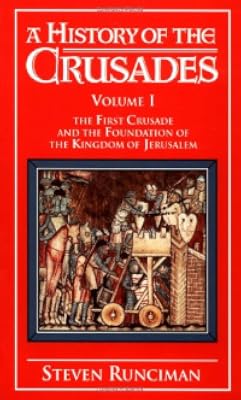
A History of the Crusades, Volume I: The First Crusade and the Foundation of the Kingdom of Jerusalem
by Steven Runciman
History of the Crusades (1), Rodowody Cywilizacji
On This Page
Description
"Steven Runicman's History of the Crusades is justly acclaimed as the most complete account of the historic journey to save the Holy Land from the infidel. This abridgment makes accessible to a wider readership one of the most compelling historical narratives."--Jacket.Tags
Recommendations












Member Reviews
This three-volume set is an exemplary history, full of the incident and hundreds (thousands) of persons (all carefully indexed) who comprise the events of two and half centuries. Sir Steven is not a "thesis" historian, although he does not hesitate to make final conclusions of great insight and soundness. His strength lies in his meticulous detail and objectivity, recounting the errors and virtues of all the players, on all sides, with great wisdom and impartiality. He shows that the Crusades were, to use his word, an epic fiasco, that set out to secure the safety of Eastern Christendom, and ended up destroying it; yet he also shows how the Crusades were an initiator of the Italian Renaissance, by driving out the humanists and scholars show more who could not thrive in an Islamic world whose rigid intolerance was amplified by the Crusading movement. Without ever being vitriolic, he spares no one: While the Crusaders were stubborn bigots who refused to learn from past strategic errors, the Moslems were riven by internecine power-contests that nearly sunk them, and the Mongols efficiently, ruthlessely built an empire based on Genghis Khan's organizational brilliance and policy of implacable massacre. Stylistically, the books are a remarkable crossroads of popular appeal, engaging writing and mind-bogglingly comprehensive scholarship, detailed research and narrative account. show less
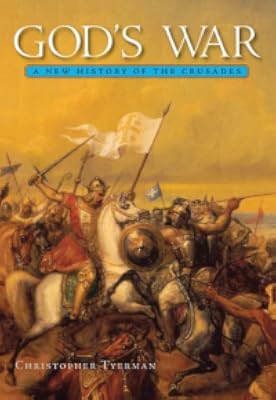
A wonderfully readable and scholarly work. For many, many years this was the definitive account of the First Crusade (later volumes deal with the history of the Kingdom of Jerusalem and later crusades). Though its 60 years old now I don't think it has really been eclipsed, though later works have added to it. Where it is lacking is in archaeological sources (none mentioned here) and the past few decades have seen some excellent work on the social origins of the crusaders and the crusading movement in Europe. Having said that I haven't yet read 'God's War' by Christopher Tyerman which is a most lauded recent work (yes, its somewhere in my tbr mountain range). As a historian of the Byzantine empire he is particularly strong at putting the show more crusade into its geographical and political context (too many narratives focus only on the crusading army itself). He is up front about his sympathies with the Eastern Christians who he feels were ultimately the greatest victims of this entire episode in history, but is wonderfully balanced in presenting his case. Now I have to start hunting for volume 2. show less
To me this is the basic book for the student of the crusades. Runciman began as a Byzantine specialist, and his views are relatively free of the "Westerners good, Arabs bad" dichotomy that sometimes erupts after the latest Middle Eastern crisis. Both cultural groups are explored and the complexity of the Middle East at the time are more fully explored than usual. This first volume is relatively up close to the personalities involved, yet there is coverage of the larger issues that will be with us in the following volumes. I enjoy his prose and the maps are refreshingly adequate.
My reaction to reading this book in 1993.
An enjoyable, thoroughly researched book. I learned a lot of interesting things.
First, my suspicions about the old idea of the Crusades being motivated by greed and characterized by profiteering being false were confirmed. These Crusades were very expensive. Often the crusading knights had to buy equipment as well as provisions. Indeed, the vicious attacks on Jews that characterized the beginnings of the Crusades in areas like Germany were partially provoked by resentment against Jews for loaning Crusaders money. The idea of Crusading knights being thugs the Church wanted out of Europe wasn’t dealt with here but the Normans – as well as peasant mobs led by charismatic people like Peter the show more Hermit (who died from wounds suffered in a trial by fire he insisted on undergoing to prove he didn’t perpetrate a hoax when he found the Holy Lance in Antioch) certainly lived up to that image in their thuggish, ungrateful behavior towards Hungarians and the Byzantines who wanted to help them.
I found it interesting that relations between the Latin and Greek Churches were comparatively good and the Crusades soured them permanently and worsened their schism. To the Byzantines, the Crusaders -- especially the Normans -- seemed arrogant, loutish, ungrateful, thuggish, and treacherous (all of which was true). The Normans were in awe of the sophisticated Byzantine Empire and very probably, as Runciman says, resentful of them too. The Normans also didn’t appreciate the Byzantine attitudes toward war and diplomacy. The Byzantines – and it was a good strategy – seemed more willing to make deals and treaties with the infidel rather than fight him man to man in the Norman tradition.
As Runciman points out, the success of the First Crusade was a marvelous fluke. Despite the ambushes and poor supplies, the Crusaders prevailed and even, in the case of Baldwin, carved out a kingdom around Edessa. The stories of the trials and plights and famines around the sieges of Antioch (taken only because of internal treachery in the city) and Jerusalem were fascinating as was the affair of the Holy Lance at Antioch. Sickening was the extremely brutal sack of Jerusalem, an event which did much to polarize relations between Moslems and Christians and make fanatics of the former. show less
An enjoyable, thoroughly researched book. I learned a lot of interesting things.
First, my suspicions about the old idea of the Crusades being motivated by greed and characterized by profiteering being false were confirmed. These Crusades were very expensive. Often the crusading knights had to buy equipment as well as provisions. Indeed, the vicious attacks on Jews that characterized the beginnings of the Crusades in areas like Germany were partially provoked by resentment against Jews for loaning Crusaders money. The idea of Crusading knights being thugs the Church wanted out of Europe wasn’t dealt with here but the Normans – as well as peasant mobs led by charismatic people like Peter the show more Hermit (who died from wounds suffered in a trial by fire he insisted on undergoing to prove he didn’t perpetrate a hoax when he found the Holy Lance in Antioch) certainly lived up to that image in their thuggish, ungrateful behavior towards Hungarians and the Byzantines who wanted to help them.
I found it interesting that relations between the Latin and Greek Churches were comparatively good and the Crusades soured them permanently and worsened their schism. To the Byzantines, the Crusaders -- especially the Normans -- seemed arrogant, loutish, ungrateful, thuggish, and treacherous (all of which was true). The Normans were in awe of the sophisticated Byzantine Empire and very probably, as Runciman says, resentful of them too. The Normans also didn’t appreciate the Byzantine attitudes toward war and diplomacy. The Byzantines – and it was a good strategy – seemed more willing to make deals and treaties with the infidel rather than fight him man to man in the Norman tradition.
As Runciman points out, the success of the First Crusade was a marvelous fluke. Despite the ambushes and poor supplies, the Crusaders prevailed and even, in the case of Baldwin, carved out a kingdom around Edessa. The stories of the trials and plights and famines around the sieges of Antioch (taken only because of internal treachery in the city) and Jerusalem were fascinating as was the affair of the Holy Lance at Antioch. Sickening was the extremely brutal sack of Jerusalem, an event which did much to polarize relations between Moslems and Christians and make fanatics of the former. show less
Steven Runciman in volume 1 of his History of the Crusades:The First Crusade and the Foundations of the Kingdom of Jerusalem describes an 11th century that witnessed massive movements of peoples and political reorganizations. The Byzantine and Latin churches had parted company in 1054. The Turks were causing great distress among pilgrims who could no longer make the journey to Jerusalem. Until that time the Byzantine Empire, which stretched from Lebanon to Austria to Italy, had maintained a very prosperous and peaceful empire through the use of chicanery and trickery. War was to be avoided: it represented a confession of failure. It was considered shameful, a violation of Christian principles and simply wholesale murder. Occasionally, show more it could be condoned if against infidels. Pope Urban II and Alexius I, the Byzantine emperor, both looked for a way to heal the great rift and as luck would have it the Turks gave them the excuse they needed. Alexius put in a call to the Council at Piazenza for soldiers to fight the infidel Turks. This played into Urban's hands. He was looking for a way to heal the wounds in the church but also to bring the East under domination of the Roman patriarch. He had become increasingly concerned about the cult of the warrior promoted by the Norman code of chivalry and barbarian heritage. The Crusade would be an ideal way to channel this bellicose activity into an endeavor he could dominate.
He got more than he bargained for. Urban had promised grants of land (with him as suzerain, of course) to crusaders who were successful in battle in the East. Not just soldiers responded to the call. Peter, the Hermit, who preached approaching apocalypse, famines and mass destruction, in 1094 led 20,000 ruffians and brigands on a rampage through Hungary toward Constantinople. At Semlin a dispute arose between the locals and the people's crusade: 4,000 Hungarians were killed. Alexius was worried. He had assumed the soldiers he had asked for would take the southern route and would be a disciplined army. When the People's Crusade finally arrived in Constantinople he moved them through as rapidly as possible. They continued killing everything in the way, mostly Greek Christians. Finally, they were tricked into an ambush by the Turks who killed thousands. The French, German and Italian princes, who arrived later, were more disciplined. When they arrived at Alexius' headguarters they were met graciously, but cautiously, and asked to swear allegiance to Alexius. Reluctantly, they agreed. Generally, they were awed by the immense wealth of the Byzantines not to mention their generally higher level of culture.
Problems of greed and politics arose immediately upon their departure for Jerusalem. At Antioch, following a long siege, the Franks took the city but instantly argued over who was to control it.
In the meantime, Alexius who was dismayed by the Franks' miserable treatment of the native Greek Christians whose protector he officially was, opened negotiations with the Egyptian Fatimids, who then ruled Palestine and who generally had been guite tolerant of native Christians and Jews. The Fatimids offered safe conduct for all pilgrims, but the Crusaders by this time saw Jerusalem within their grasp.
In July of 1099 the city fell. The massacre which followed was to sour relations between Moslems and Latin Christianity for centuries. The Crusaders murdered everyone in Jerusalem. The Moslems had been willing to accept the Franks as just one more factor in the tangled political environment of the Middle East, but the slaughter in Jerusalem became proof to them of bloodthirsty Christian fanaticism. Treatment of local Christians who had been sent out of Jerusalem before its fall was not much better. Local priests were tortured to reveal where they had hidden sacred relics of the Cross (they were reluctant to turn them over to a foreign patriarch.)
After 4 years of struggle the First Crusade ended with the creation of the Kingdom of Jerusalem under the leadership of Baldwin of Bologne, a penniless French knight who was to be a good king, but the Crusade had sown the seeds of mischief which would generate the undying enmity of the Moslem world. show less
He got more than he bargained for. Urban had promised grants of land (with him as suzerain, of course) to crusaders who were successful in battle in the East. Not just soldiers responded to the call. Peter, the Hermit, who preached approaching apocalypse, famines and mass destruction, in 1094 led 20,000 ruffians and brigands on a rampage through Hungary toward Constantinople. At Semlin a dispute arose between the locals and the people's crusade: 4,000 Hungarians were killed. Alexius was worried. He had assumed the soldiers he had asked for would take the southern route and would be a disciplined army. When the People's Crusade finally arrived in Constantinople he moved them through as rapidly as possible. They continued killing everything in the way, mostly Greek Christians. Finally, they were tricked into an ambush by the Turks who killed thousands. The French, German and Italian princes, who arrived later, were more disciplined. When they arrived at Alexius' headguarters they were met graciously, but cautiously, and asked to swear allegiance to Alexius. Reluctantly, they agreed. Generally, they were awed by the immense wealth of the Byzantines not to mention their generally higher level of culture.
Problems of greed and politics arose immediately upon their departure for Jerusalem. At Antioch, following a long siege, the Franks took the city but instantly argued over who was to control it.
In the meantime, Alexius who was dismayed by the Franks' miserable treatment of the native Greek Christians whose protector he officially was, opened negotiations with the Egyptian Fatimids, who then ruled Palestine and who generally had been guite tolerant of native Christians and Jews. The Fatimids offered safe conduct for all pilgrims, but the Crusaders by this time saw Jerusalem within their grasp.
In July of 1099 the city fell. The massacre which followed was to sour relations between Moslems and Latin Christianity for centuries. The Crusaders murdered everyone in Jerusalem. The Moslems had been willing to accept the Franks as just one more factor in the tangled political environment of the Middle East, but the slaughter in Jerusalem became proof to them of bloodthirsty Christian fanaticism. Treatment of local Christians who had been sent out of Jerusalem before its fall was not much better. Local priests were tortured to reveal where they had hidden sacred relics of the Cross (they were reluctant to turn them over to a foreign patriarch.)
After 4 years of struggle the First Crusade ended with the creation of the Kingdom of Jerusalem under the leadership of Baldwin of Bologne, a penniless French knight who was to be a good king, but the Crusade had sown the seeds of mischief which would generate the undying enmity of the Moslem world. show less
When Raymond of Aguilers later that morning went to visit the Temple area he had to pick his way through corpses and blood that reached up to his knees.
As much as I enjoyed the scholar's book on the Fall of Constantinople, I found this a well researched linear survey, but one lacking resonance. The sequence is delineated but not explained or explored other than the traditional idea that it was opportunity meshed with spiritual responsibility which encouraged the papal decree that white Christians should travel across Europe to perhaps kill brown Christians along with the obvious targets of Turks, Jews and Arabs.
There are a few Runciman bullet points which must have been provocative at the time of publication (1950).
* Augustine didn't show more see spiritual merit in pilgrimage but Jerome did and afterwards, cousin, business was booming.
*Maybe Islam was an improvement on Christianity, and people often forget in our regional xenophobia that Christianity was an Eastern religion in terms of relative geography. show less
As much as I enjoyed the scholar's book on the Fall of Constantinople, I found this a well researched linear survey, but one lacking resonance. The sequence is delineated but not explained or explored other than the traditional idea that it was opportunity meshed with spiritual responsibility which encouraged the papal decree that white Christians should travel across Europe to perhaps kill brown Christians along with the obvious targets of Turks, Jews and Arabs.
There are a few Runciman bullet points which must have been provocative at the time of publication (1950).
* Augustine didn't show more see spiritual merit in pilgrimage but Jerome did and afterwards, cousin, business was booming.
*Maybe Islam was an improvement on Christianity, and people often forget in our regional xenophobia that Christianity was an Eastern religion in terms of relative geography. show less
Readable but somewhat out of fashion historical narrative that nevertheless gets my money for still the best. Certainly, the most influential when it comes to the modern conception of the First Crusade. Runciman’s moral opinions are largely read-between-the-lines obvious but rarely stated overtly, more in the style of a Johnson or Gibbons.
Members
- Recently Added By
Lists


Author Information

Sir Steven Runciman was one of the most acclaimed historians of the Byzantine ear and the author of many influential works, including the three-volume History of the Crusades.
Some Editions
Series


Belongs to Publisher Series
Work Relationships
Is contained in
Common Knowledge
- Canonical title
- A History of the Crusades, Volume I: The First Crusade and the Foundation of the Kingdom of Jerusalem
- Original title
- A History of the Crusades. Volume I. The 1st Crusade and the foundation of the Kingdom of Jerusalem; A History of the Crusades. 3 Volumes [I : The First Crusade and the foundation of the Kingdom of Jerusalem - II : The Kingdom of Jerusalem, and the Frankish East, 1100-1187 - III : The Kingdom of Acre and the later Crusades]
- Original publication date
- 1951 (1e édition originale anglaise, Cambridge University press) (1e é | dition originale anglaise, Cambridge University press); 1951-1952-1954 (1st UK original publishing, Cambridge university press) (1st UK original publishing, Cambridge university press); 1998-08-26 (1e traduction et édition française, Editions Dagorno) (1e traduction et é | dition franç | aise, Editions Dagorno); 2000-10-16 (1e traduction et édition française des 3 tomes en 1 volume, Editions Dagorno) (1e traduction et é | dition franç | aise des 3 tomes en 1 volume, Editions Dagorno); 2006-02-16 (Nouvelle édition française des 3 tomes en 1 volume, Tallandier) (Nouvelle é | dition franç | aise des 3 tomes en 1 volume, Tallandier); 2013-03-07 (Nouvelle édition française des 3 tomes en 2 volume, Texto, Tallandier) (Nouvelle é | dition franç | aise des 3 tomes en 2 volume, Texto, Tallandier)
- People/Characters
- Urban II; Godfrey de Bouillon; Peter the Hermit; Saladin; Richard I, King of England; Hugh de Payens (as Hugh de Payne) (show all 14); Alexius I Comnenus; Frederick I / Frederick Barbarossa, Holy Roman Emperor; Hugh de Payne; Umar ibn al-Khattab; Sophronius of Jerusalem; John Moschus; Constantine the Great; Nestorius (Archbishop of Constantinople, c.386&ndash | c.451)
- Important places
- Jerusalem; Edessa / modern Şanlıurfa, Turkey; Antioch; Tyre; Damascus, Syria; Cairo, Egypt (show all 8); Constantinople; Kingdom of Jerusalem
- Important events
- First Crusade (1096 ∙ | 1099); Siege of Jerusalem; Siege of Antioch; Battle of Hattin; Crusades
- Original language*
- Anglais (Royaume-Uni) (Royaume-Uni)
- Disambiguation notice
- This is volume one only of "A history of the Crusades"
*Some information comes from Common Knowledge in other languages. Click "Edit" for more information.
Classifications
Statistics
- Members
- 1,214
- Popularity
- 20,395
- Reviews
- 11
- Rating
- (4.21)
- Languages
- 9 — English, French, German, Greek, Italian, Polish, Portuguese, Spanish, Turkish
- Media
- Paper, Audiobook, Ebook
- ISBNs
- 21
- ASINs
- 25