On This Page
Description
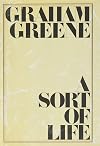
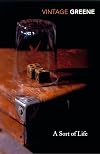
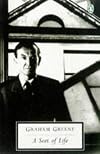
Graham Greene's 'long journey through time' began in 1904, when he was born into a tribe of Greenes based in Berkhamstead at the public school where his father was headmaster. In "A Sort of Life" Greene recalls schooldays and Oxford, adolescent encounters with psychoanalysis and Russian roulette, his marriage and conversion to Catholicism, and how he rashly resigned from "The Times" when his first novel, "The Man Within "was published in 1929. "A Sort of Life" reveals, brilliantly and show more compellingly, a life lived and an art obsessed by 'the dangerous edge of things'. show lessTags
Recommendations




















Member Reviews
Greene may not be terribly open about a lot of his life, and that does give one cause to doubt whether the themes he identifies were (biographically speaking) the prevailing ones in his life – but if an autobiography is a narrative and he wanted the narrator to be a tight character, he succeeded in that. Most of what he relates can be grouped under headings including Self-Reflection; Masculinity; Cinema; Anger/Mania; Fear vs. Terror; Religion; Travel; Social Class; Reading; and Writing.
Why writing? Was it because books were part of the sacred, first full solitude, and the small solitudes before that in the hedge at school? Was it because psychoanalysis prompted him to work out thoughts on paper? Nobody seems to have encouraged him show more specifically in writing. Why self-reflect at all when what he wanted was to avoid the repetitious, the mechanical, the mundane? Writing as a profession hardly offers release from these things. Why not just live rambunctiously, as he did anyway? He says that writing is for him like being a spy, a chance to observe and record secretly the thoughts and actions of others. Is that sufficient as a cause to put pen to paper? And what’s his obsession with editing? Is that merely a desire for control? Why is style so important to him, and criticism? It can’t be just because learning French inspired precision in his own writing.
Anyway, what strikes me ultimately is the way he treats his life as though it were a dream to be analyzed. He looks for recurrent images, particularly of fears, and seeks out their first causes; he seeks themes; he captures small moments and free-associates them with other moments from his memory. The way he speaks of subsuming experiences and allowing them to resurface as fiction indicates that he also perceives writing fiction as a dreaming-like act. He attributes source material for his books to dreams he had and wrote down. There is even a dreamlike quality to the way he describes things he’s seen when he retools them into fiction – a focus on strange details that seem to have more relevance than makes sense in the context of the character who is supposed to be observing these details. His description of opium use reminds me strongly of the active premises of so-called “lucid dreamers,” too. Is it because of the surreal experience of depression as a fog descending that he feels so strongly that dreams and life are connected, even intertwined?
In the end, more questions than answers for the reader looking to understand this prolific writer, but the story Greene tells about himself is compelling and fascinating. show less
Why writing? Was it because books were part of the sacred, first full solitude, and the small solitudes before that in the hedge at school? Was it because psychoanalysis prompted him to work out thoughts on paper? Nobody seems to have encouraged him show more specifically in writing. Why self-reflect at all when what he wanted was to avoid the repetitious, the mechanical, the mundane? Writing as a profession hardly offers release from these things. Why not just live rambunctiously, as he did anyway? He says that writing is for him like being a spy, a chance to observe and record secretly the thoughts and actions of others. Is that sufficient as a cause to put pen to paper? And what’s his obsession with editing? Is that merely a desire for control? Why is style so important to him, and criticism? It can’t be just because learning French inspired precision in his own writing.
Anyway, what strikes me ultimately is the way he treats his life as though it were a dream to be analyzed. He looks for recurrent images, particularly of fears, and seeks out their first causes; he seeks themes; he captures small moments and free-associates them with other moments from his memory. The way he speaks of subsuming experiences and allowing them to resurface as fiction indicates that he also perceives writing fiction as a dreaming-like act. He attributes source material for his books to dreams he had and wrote down. There is even a dreamlike quality to the way he describes things he’s seen when he retools them into fiction – a focus on strange details that seem to have more relevance than makes sense in the context of the character who is supposed to be observing these details. His description of opium use reminds me strongly of the active premises of so-called “lucid dreamers,” too. Is it because of the surreal experience of depression as a fog descending that he feels so strongly that dreams and life are connected, even intertwined?
In the end, more questions than answers for the reader looking to understand this prolific writer, but the story Greene tells about himself is compelling and fascinating. show less
Graham Greene justly titled this account of his early years (up to the publication of Stamboul Train) "A sort of life" which refers both to the spotiness of his account and to his bumbling activities during that period of his life. Reading Michael Shelden's biography "Graham Greene : the man within" in parallel helps to fill in some of the gaps and helps develop some ideas why Greene left out those aspects of his life. Already, we see the typical Greene ennui about his sheltered upper-middle class life, seeking to spice it up without having to break a sweat or, horror oh horror, actually work. It is astounding how even his youthfuil most dreadful poems and plays found publishers and inncer-circle reception. The early 20th century elite show more was truly open to precocious talent and those who aspired to talent. Greene was fortunate to rely on his family clan connections which provided financial safety and access. The most glaring omission is the near complete absence of his mother, the prototype for many an ice queen in Greene's novels.
Overall, a quick, enjoyable romp through Greeneland that reveals and conceals in a Cheshire Cat way. show less
Overall, a quick, enjoyable romp through Greeneland that reveals and conceals in a Cheshire Cat way. show less
Remarkably revealing. I haven't enjoyed an autobiography this much in quite some time. Graham Greene provides a frank history of his early years up to the time of his first successful novel, The Man Within, and the immediate aftermath of failure and then the legal problems arising out of Stamboul Train. The book itself is filled with passages expressing wit, irony, melancholy, excitement, and failure, all reflective of the somewhat troubled and manic-depressive life of Greene.
There is something of a unique style to this work. Greene avoids a strictly linear description of his life. Instead, he offers passages and sections that are entirely associative in his memory. Thus the reader not only discovers about the books that interested him show more as a child and young man but incidents he later saw as populating his fiction--although he claims to have been unaware of it at the time of his writing.
Too, there are especially interesting notes towards the end. Greene learned much from his initial lack of success. And he describes what amounts to a guideline for writing that rejected the imitative failures he produced for Doubleday and Hienemann following the surprise success of The Man Within.
There is much atmosphere and mood to his description of working at The Times as a sub editor. And it is equally appealing to see his descriptions of working with his editors at Heinemann and Doubleday. This was the heyday of the novel, a literary age that is all but unrecognizable to the contemporary world. The Western world itself, of course, was much more literary. Newspapers provided for the immediacy of news, while novels and magazines devoted to short stories outpaced even the motion pictures as a venue for entertainment and enlightenment. And Greene was there in its midst, almost failing. So near was he to doing so that he came close to accepting a teaching appointment at Chulalongkorn University in Bangkok. The book ends on his meeting with his friend, the department chair at the university, who offered him the job. It is some twenty years later, and Greene remarks upon the man's once promising career as a poet, which he allowed to slip away because of initial failures, leading to his exile in Siam. Only by the surprise success of Stamboul Train did Greene himself escape the same fate. show less
There is something of a unique style to this work. Greene avoids a strictly linear description of his life. Instead, he offers passages and sections that are entirely associative in his memory. Thus the reader not only discovers about the books that interested him show more as a child and young man but incidents he later saw as populating his fiction--although he claims to have been unaware of it at the time of his writing.
Too, there are especially interesting notes towards the end. Greene learned much from his initial lack of success. And he describes what amounts to a guideline for writing that rejected the imitative failures he produced for Doubleday and Hienemann following the surprise success of The Man Within.
There is much atmosphere and mood to his description of working at The Times as a sub editor. And it is equally appealing to see his descriptions of working with his editors at Heinemann and Doubleday. This was the heyday of the novel, a literary age that is all but unrecognizable to the contemporary world. The Western world itself, of course, was much more literary. Newspapers provided for the immediacy of news, while novels and magazines devoted to short stories outpaced even the motion pictures as a venue for entertainment and enlightenment. And Greene was there in its midst, almost failing. So near was he to doing so that he came close to accepting a teaching appointment at Chulalongkorn University in Bangkok. The book ends on his meeting with his friend, the department chair at the university, who offered him the job. It is some twenty years later, and Greene remarks upon the man's once promising career as a poet, which he allowed to slip away because of initial failures, leading to his exile in Siam. Only by the surprise success of Stamboul Train did Greene himself escape the same fate. show less
Una autobiografía es sólo "una especie de vida", puede contener menos errores de hecho que una biografía, pero es aun más selectiva por necesidad: empieza más tarde y acaba prematuramente. Si uno no puede terminar un libro de memorias en el lecho de muerte, cualquier conclusión tiene que ser arbitraria, y he preferido concluir este ensayo con los años de fracaso que siguieron a la aceptación de mi primera novela. También el fracaso es una especie de muerte: los muebles vendidos, los cajones vaciados, el furgón de mudanza que nos espera abajo, como un carro fúnebre, para llevarnos a un lugar menos caro. También en otro sentido un libro de esta clase sólo puede ser "una especie de vida", pues a lo largo de sesenta y seis show more años he pasado casi tanto tiempo con personajes imaginarios como con hombres y mujeres reales.
A decir verdad, aunque he tenido suerte en lo que se refiere al número de mis amigos, no puedo recordar ninguna anécdota de personas famosas o notorias, los únicos cuentos que recuerdo vagamente, son los cuentos que he escrito. show less
A decir verdad, aunque he tenido suerte en lo que se refiere al número de mis amigos, no puedo recordar ninguna anécdota de personas famosas o notorias, los únicos cuentos que recuerdo vagamente, son los cuentos que he escrito. show less
5488. A Sort of Life, by Graham Greene (read 20 Jul 2017) This is a book published in 1971 in which Greene tells of his life up to about 1932. He was born 2 October 1904. His father was with a school and the family lived at the school. But Greene did not attend school till he was almost 8. He claims as a child he all at once learned he could read, but did not tell anyone. Unfortunately he does ot tell us how he learned to read--such would be of interest to me. He was a weird child and tried to commit suicide as a youth. He claims he by himself played Russian roulette five times. (I at college knew a guy who died playing Russian roulette--not somebody who seemed to be so stupid as to do such.) Greene underwent psychoanalysis as a show more teenager, and felt it was good for him. He tells of his conversion to Catholicism prior to his marriage, but not very revealingly, to my regret. This is a book of interest but could have been much more revealing and interesting. It is the 12th book of Greene's I have read show less
Graham Greene heeft sedert zijn debuut in de journalistiek, zijn grote reportages over de hele wereld en zijn provocerende publikaties als thrillerauteur en romancier gigantisch veel meegemaakt. Hij heeft daar in Een soort leven - dat tot het begin van de jaren dertig gaat - en in het reeds in Privé-Domein gepubliceerde Vluchtwegen over geschreven op de manier van een verslaggever in straf objectiverende zin.
Hij heeft zichzelf in de terugblik op zijn leven niet gespaard. Een geflatteerd ijdel zelfportret viel van hem ook niet te verwachten. Men krijgt eerder het gevoel dat de dikwijls onbarmhartige zelfontleding geen recht doet aan eigen prestaties. Zijn ontwikkelingsgang van kind tot jongen, de tamelijk ongelukkige schooltijd vol show more frustraties en repressie, de opstand tegen het gezag in huis en op school. de gekwelde Oxfordse studiejaren, de ingrijpende beslissing van de journalist bij de veilige Times om zich aan het wisselvallige bestaan van romancier te wagen, het is een geheel dat men met spanning en respect volgt. Afgezien daarvan geeft het boek de niet-Engelse lezer een verhelderende kijk op het Engeland in de eerste helft van onze eeuw.
*Graham Greene is de Byron van onze tijd.-LordSnow
*Ik kan me geen boek herinneren dat zoveel te citeren passages telt als dit. Hij beschikt over een ongeëvenaarde capaciteit om de lezer te doen geloven wat hij zegt. Daarom is hij zo'n groot schrijver. - David Holloway in Daily Telegraph
* Wie en wat hij beschrijft - hij lijkt het zelf allemaal uitgevonden te hebben. Ik heb zelden een auteur zo in zijn romanwerelden zien rondreizen. Een absoluter verbeelder is nauwelijks denkbaar. Maar ook niet een verbeelder die zo voortdurend van de werkelijkheid gelijk krijgt. Dat hij nog niet in Amsterdam is geweest, kan een geruststelling zijn voor de toekomst. -Kees Fens in de Volkskrant show less
Hij heeft zichzelf in de terugblik op zijn leven niet gespaard. Een geflatteerd ijdel zelfportret viel van hem ook niet te verwachten. Men krijgt eerder het gevoel dat de dikwijls onbarmhartige zelfontleding geen recht doet aan eigen prestaties. Zijn ontwikkelingsgang van kind tot jongen, de tamelijk ongelukkige schooltijd vol show more frustraties en repressie, de opstand tegen het gezag in huis en op school. de gekwelde Oxfordse studiejaren, de ingrijpende beslissing van de journalist bij de veilige Times om zich aan het wisselvallige bestaan van romancier te wagen, het is een geheel dat men met spanning en respect volgt. Afgezien daarvan geeft het boek de niet-Engelse lezer een verhelderende kijk op het Engeland in de eerste helft van onze eeuw.
*Graham Greene is de Byron van onze tijd.-LordSnow
*Ik kan me geen boek herinneren dat zoveel te citeren passages telt als dit. Hij beschikt over een ongeëvenaarde capaciteit om de lezer te doen geloven wat hij zegt. Daarom is hij zo'n groot schrijver. - David Holloway in Daily Telegraph
* Wie en wat hij beschrijft - hij lijkt het zelf allemaal uitgevonden te hebben. Ik heb zelden een auteur zo in zijn romanwerelden zien rondreizen. Een absoluter verbeelder is nauwelijks denkbaar. Maar ook niet een verbeelder die zo voortdurend van de werkelijkheid gelijk krijgt. Dat hij nog niet in Amsterdam is geweest, kan een geruststelling zijn voor de toekomst. -Kees Fens in de Volkskrant show less
Ratings
Members
- Recently Added By
Published Reviews
Though the hero of almost every Graham Greene novel is haunted by the past, one of the oddities of his fiction is how little personal history his characters have outside the bare minimum burden that drives them- the crime, the sin, the act of betrayal they can't forget. Yet in coming to terms with his own early life, despite the professed limitations of his memory and his reticence on some show more subjects, Graham Greene writes with a generosity and flexibility that are new in his work. At a point in his long career when it seemed unlikely he could surprise us, he has done it with this moving self-portrait of a man at ease with his past. show less
added by John_Vaughan
Lists

Best Autobiographies and Memoirs
370 works; 67 members

Books I Own But Haven't Read
144 works; 2 members
Author Information

356+ Works 87,436 Members
Born in 1904, Graham Greene was the son of a headmaster and the fourth of six children. Preferring to stay home and read rather than endure the teasing at school that was a by-product of his father's occupation, Greene attempted suicide several times and eventually dropped out of school at the age of 15. His parents sent him to an analyst in show more London who recommended he try writing as therapy. He completed his first novel by the time he graduated from college in 1925. Greene wrote both entertainments and serious novels. Catholicism was a recurring theme in his work, notable examples being The Power and the Glory (1940) and The End of the Affair (1951). Popular suspense novels include: The Heart of the Matter, Our Man in Havana and The Quiet American. Greene was also a world traveler and he used his experiences as the basis for many books. One popular example, Journey Without Maps (1936), was based on a trip through the jungles of Liberia. Greene also wrote and adapted screenplays, including that of the 1949 film, The Third Man, which starred Orson Welles. He died in Vevey, Switzerland in 1991. (Bowker Author Biography) show less

Graham Greene has a Legacy Library. Legacy libraries are the personal libraries of famous readers, entered by LibraryThing members from the Legacy Libraries group.
Awards and Honors
Series

Belongs to Publisher Series
Privé-domein (79)
Work Relationships
Is contained in
Common Knowledge
- Canonical title
- A Sort of Life
- Original title
- A Sort of Life
- Original publication date
- 1971
- People/Characters
- Graham Greene
- Important places
- Berkhamsted
- Epigraph
- Only robbers and gypsies say that one must never return where one has been.
–Kierkegaard - Dedication
- For the survivors, Raymond Greene, Hugh Greene and Elizabeth Dennys
- First words
- An autobiography is only "a sort of life" — it may contain less errors of fact than a biography, but it is of necessity even more selective: it begins later and it ends prematurely.
- Last words
- (Click to show. Warning: May contain spoilers.)'That excuses a lot' he said 'at the age you were then.'
- Original language
- English
Classifications
Statistics
- Members
- 728
- Popularity
- 38,744
- Reviews
- 6
- Rating
- (3.63)
- Languages
- 11 — Czech, Danish, Dutch, English, Finnish, French, German, Norwegian (Bokmål), Portuguese, Spanish, Swedish
- Media
- Paper, Audiobook, Ebook
- ISBNs
- 32
- ASINs
- 17