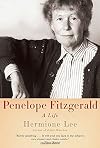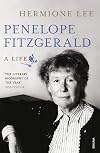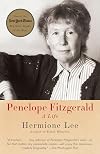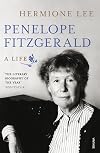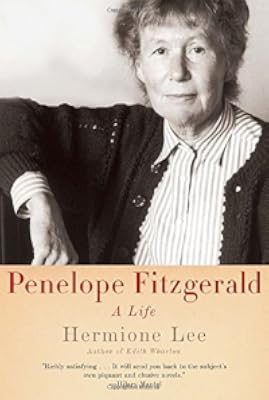
Penelope Fitzgerald: A Life
by Hermione Lee
On This Page
Description
English writer "Fitzgerald, born into an accomplished intellectual family, the granddaughter of two bishops, led a life marked by dramatic twists of fate, moving from a bishop's palace to a sinking houseboat to a last, late blaze of renown. We see Fitzgerald's very English childhood in the village of Hampstead; her Oxford years, when she was known as the 'blonde bombshell'; her impoverished adulthood as a struggling wife, mother, and schoolteacher, raising a family in difficult show more circumstances; and the long-delayed start to her literary career"--Amazon.com. show lessTags
Recommendations


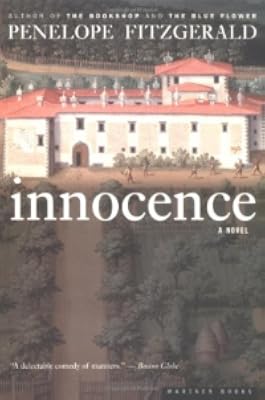
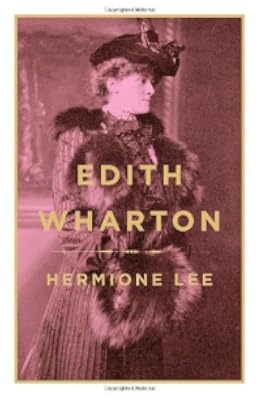
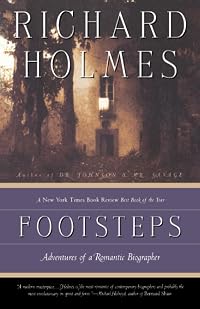
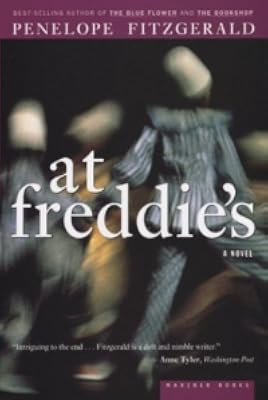











Member Reviews
Penelope Fitzgerald was elusive and private. Novelist A.S. Byatt, who for a time was a teaching colleague of Fitzgerald, explained as much to biographer Hermione Lee:
Antonia Byatt found her contradictory. She could be sharp; she could appear vague and self-effacing; she was also knowledgeable, perceptive and generous. “She was interesting to know, but not easy to get to know well….” Byatt hugely admired her work, and gradually came to think of her as “one of the major writers of my time.” But remembering their period together as colleagues, she thought that Fitzgerald was “not a nice person. Geniuses are not nice people.”
Lee ably takes the reader through the sweep of Fitzgerald’s life. Born during WWI, Fitzgerald came show more from an accomplished family; her father was the editor of Punch magazine, one of her uncles was a member of the Bletchly Park team that conquered the Enigma machine during WWII. Known both as “The Blonde Bombshell” and as incredibly smart during her Oxford years (legend has it that Fitzgerald not only “got a First,” but that her papers were “…so outstandingly good they were kept and bound in vellum by her examiner…”), she eventually ended up as a BBC producer and scriptwriter during and after the second world war. Post-war, she married an Irish army officer, had three children, co-edited a literary magazine with him for three years (World Review) and then had it all crash down around her when his alcoholism and serious trouble with the law made them destitute. They lived for many years in council housing while the family scraped by largely on her teaching income (she taught for 26 years). Lee is especially good at contextualizing and exploring Fitzgerald’s work, influences and relationships (which were mainly with family members, but also those few friends with whom she became close, especially writers J.L. Carr, Stevie Smith, and later Penelope Lively).
I’m reading Fitzgerald in order so next up for me will be her third
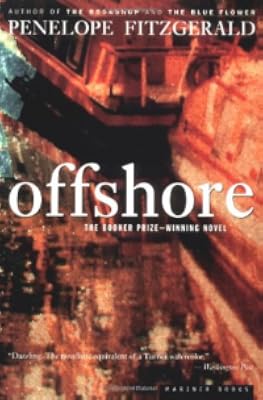
book [Offshore], a story inspired by the time she and her family lived on a houseboat on the Thames because it was all that they could afford. (In real life, the boat sank, taking all of their possessions with it. She still showed up to teach on the day that it happened.)
Offshore was awarded the Booker Prize in a year where many thought V.S. Naipul would win for A Bend in the River. Lee describes a BBC program about the prize that year as being “breathtakingly condescending” toward Fitzgerald. Host Robert Robinson, “…evidently thrown by not having the big beasts he had expected, and by being presented a with a winner he had clearly never heard of, or read, steers the conversation, in his best patrician manner, with many jokey remarks…into a general discussion about literary prizes. He begins by proposing…that “the Booker judges had made the wrong choice” and that the “best book didn’t win….” Did she have a view of what a novel should be?
“That’s the scandal about novels, isn’t it?” she replies. “That they don’t have any classical models. But I would say it started as soon as people realized that it was dark as night—that it was dark outside. And they felt that they would like a story told them. And that’s what novels are for.”
Blankly uncomprehending, Robinson lumbers on: “But don’t you think it must deliver something of importance to everyone?” “No, I don’t,” she answers, just for a moment allowing sharpness through. “I think it’s that, for the time being, you forget that it’s dark outside.”” show less
Antonia Byatt found her contradictory. She could be sharp; she could appear vague and self-effacing; she was also knowledgeable, perceptive and generous. “She was interesting to know, but not easy to get to know well….” Byatt hugely admired her work, and gradually came to think of her as “one of the major writers of my time.” But remembering their period together as colleagues, she thought that Fitzgerald was “not a nice person. Geniuses are not nice people.”
Lee ably takes the reader through the sweep of Fitzgerald’s life. Born during WWI, Fitzgerald came show more from an accomplished family; her father was the editor of Punch magazine, one of her uncles was a member of the Bletchly Park team that conquered the Enigma machine during WWII. Known both as “The Blonde Bombshell” and as incredibly smart during her Oxford years (legend has it that Fitzgerald not only “got a First,” but that her papers were “…so outstandingly good they were kept and bound in vellum by her examiner…”), she eventually ended up as a BBC producer and scriptwriter during and after the second world war. Post-war, she married an Irish army officer, had three children, co-edited a literary magazine with him for three years (World Review) and then had it all crash down around her when his alcoholism and serious trouble with the law made them destitute. They lived for many years in council housing while the family scraped by largely on her teaching income (she taught for 26 years). Lee is especially good at contextualizing and exploring Fitzgerald’s work, influences and relationships (which were mainly with family members, but also those few friends with whom she became close, especially writers J.L. Carr, Stevie Smith, and later Penelope Lively).
I’m reading Fitzgerald in order so next up for me will be her third
book [Offshore], a story inspired by the time she and her family lived on a houseboat on the Thames because it was all that they could afford. (In real life, the boat sank, taking all of their possessions with it. She still showed up to teach on the day that it happened.)
Offshore was awarded the Booker Prize in a year where many thought V.S. Naipul would win for A Bend in the River. Lee describes a BBC program about the prize that year as being “breathtakingly condescending” toward Fitzgerald. Host Robert Robinson, “…evidently thrown by not having the big beasts he had expected, and by being presented a with a winner he had clearly never heard of, or read, steers the conversation, in his best patrician manner, with many jokey remarks…into a general discussion about literary prizes. He begins by proposing…that “the Booker judges had made the wrong choice” and that the “best book didn’t win….” Did she have a view of what a novel should be?
“That’s the scandal about novels, isn’t it?” she replies. “That they don’t have any classical models. But I would say it started as soon as people realized that it was dark as night—that it was dark outside. And they felt that they would like a story told them. And that’s what novels are for.”
Blankly uncomprehending, Robinson lumbers on: “But don’t you think it must deliver something of importance to everyone?” “No, I don’t,” she answers, just for a moment allowing sharpness through. “I think it’s that, for the time being, you forget that it’s dark outside.”” show less
I’m embarrassed to admit that I had never heard of Penelope Fitzgerald before researching my most recent book, Library Lin’s Biographies, Autobiographies, and Memoirs. A few years ago, I watched the movie, The Bookshop, and loved it. But I was unaware the film was based on a book or who had written it.
Hermione Lee has a reputation as an excellent biographer. Penelope Fitzgerald: A Life is the first of her biographies I have read. If this book indicates her skill, I will go out of my way to read others.
Once you got past the lengthy section on Fitzgerald’s illustrious family, what was so compelling about the book was the sense you get of knowing the subject. Even though Lee sometimes expresses frustration with Fitzgerald’s show more secretiveness, she makes you feel like you know her intimately. After all, we can live with people for years and know little about what goes on in their minds.
Fitzgerald lived an unusual life, encompassing privilege, education, poverty, and hard work. Her father’s role as editor at Punch and her esteemed uncles’ involvements with Oxford and the Enigma project during World War II opened some doors for her. As did her education at Oxford. But her husband’s difficulty dealing with the aftermath as a World War II soldier led to his heavy drinking, which drove his family to near-destitution. Penelope was forced to work hard to keep the family afloat.
The family’s poverty led to unforgettable experiences, such as living in an old barge on the river Thames, which was fodder for Fitzgerald’s future novels. The barge, for example, led to her novel, Offshore. Lee did such a masterful job explaining what may have influenced Fitzgerald and the brilliance of her works (which included biographies and novels) that I am determined to read them all at some point in my life. And that is the highest compliment I can give a biographer. Lee has inspired me to read more on her subject. show less
Hermione Lee has a reputation as an excellent biographer. Penelope Fitzgerald: A Life is the first of her biographies I have read. If this book indicates her skill, I will go out of my way to read others.
Once you got past the lengthy section on Fitzgerald’s illustrious family, what was so compelling about the book was the sense you get of knowing the subject. Even though Lee sometimes expresses frustration with Fitzgerald’s show more secretiveness, she makes you feel like you know her intimately. After all, we can live with people for years and know little about what goes on in their minds.
Fitzgerald lived an unusual life, encompassing privilege, education, poverty, and hard work. Her father’s role as editor at Punch and her esteemed uncles’ involvements with Oxford and the Enigma project during World War II opened some doors for her. As did her education at Oxford. But her husband’s difficulty dealing with the aftermath as a World War II soldier led to his heavy drinking, which drove his family to near-destitution. Penelope was forced to work hard to keep the family afloat.
The family’s poverty led to unforgettable experiences, such as living in an old barge on the river Thames, which was fodder for Fitzgerald’s future novels. The barge, for example, led to her novel, Offshore. Lee did such a masterful job explaining what may have influenced Fitzgerald and the brilliance of her works (which included biographies and novels) that I am determined to read them all at some point in my life. And that is the highest compliment I can give a biographer. Lee has inspired me to read more on her subject. show less
Surely it is the case that the life of a writer — even a writer who primarily comes into her own late in life as was the case for Penelope Fitzgerald — is to be found in her writing. Fitzgerald did not publish her first book until she was sixty. Thereafter she rapidly rises up the ranks of British writers with one enigmatic, thoughtful and typically humorous short novel after another. In less than twenty years, she was being referred to by some as the greatest living British writer. By the time of her death in April 2000, there were very few dissenters. Of course, whilst the novels, biographies (she wrote three at the outset of her ‘writing’ career), short stories and numerous reviews and other various writings may constitute show more ‘a life’, there can be little doubt that Penelope Fitzgerald also lived another life before her writing life began. Fortunately, or unfortunately, these lives tend to merge since a number of her early novels draw substantially on her personal experience.
Hermione Lee gives in to the temptation to read Penelope Fitzgerald’s life through her novels (as well as the biographies). So much so that in early chapters of this biography, she incorporates sizeable quotations from those early novels in order to flesh out the story that she is telling about Fitzgerald’s life during WWII, and onwards through the 1950s and 1960s. It is a risky technique since it leads to also reading Fitzgerald’s life through the novels that do not explicitly draw upon her personal experience. And that makes it somewhat hard to judge the biographical aspect of Lee’s biography. Unlike a writer such as Jane Austen, much of Fitzgerald’s life before and outside of her writing is available to the biographer. Perhaps a literary biography would have been a better fit rather than attempting the life as a whole.
The writing here is workmanly. There are plenty of facts to report and a whole host of characters, some of whom have been worthy of biographies of their own, to introduce and engage with. And yet, at the same time, it feels thin. As though the writing were waiting for some breath of life that never quite arrives. Perhaps what I am noticing is the difference between a life treated as biography and a life as fiction. Certainly Fitzgerald’s novels never lack this breath of life. And as such I would recommend them, every one, more than this life. Indeed, what the lover of Fitzgerald’s fiction will long for here is precisely what her death makes impossible — a Fitzgeraldian treatment of her life as a whole. Failing that, we shall have to make do with what we have. And that is no small thing. show less
Hermione Lee gives in to the temptation to read Penelope Fitzgerald’s life through her novels (as well as the biographies). So much so that in early chapters of this biography, she incorporates sizeable quotations from those early novels in order to flesh out the story that she is telling about Fitzgerald’s life during WWII, and onwards through the 1950s and 1960s. It is a risky technique since it leads to also reading Fitzgerald’s life through the novels that do not explicitly draw upon her personal experience. And that makes it somewhat hard to judge the biographical aspect of Lee’s biography. Unlike a writer such as Jane Austen, much of Fitzgerald’s life before and outside of her writing is available to the biographer. Perhaps a literary biography would have been a better fit rather than attempting the life as a whole.
The writing here is workmanly. There are plenty of facts to report and a whole host of characters, some of whom have been worthy of biographies of their own, to introduce and engage with. And yet, at the same time, it feels thin. As though the writing were waiting for some breath of life that never quite arrives. Perhaps what I am noticing is the difference between a life treated as biography and a life as fiction. Certainly Fitzgerald’s novels never lack this breath of life. And as such I would recommend them, every one, more than this life. Indeed, what the lover of Fitzgerald’s fiction will long for here is precisely what her death makes impossible — a Fitzgeraldian treatment of her life as a whole. Failing that, we shall have to make do with what we have. And that is no small thing. show less
Beautifully written life of a British novelist. Hermione Lee really brought Fitzgerald to life and by the end I felt a real kinship with her. I've only read The Gates of Angels, but I'm now curious to read some of her other fiction. Highly recommended if you enjoy literary biographies.
Beautifully written life of a British novelist. Hermione Lee really brought Fitzgerald to life and by the end I felt a real kinship with her. I've only read The Gates of Angels, but I'm now curious to read some of her other fiction. Highly recommended if you enjoy literary biographies.
bookshelves: radio-4, published-2013, london, lifestyles-deathstyles, lit-richer, books-about-books-and-book-shops
Recommended for: BBC Radio Listeners
Read from November 30 to December 06, 2013
BOTW
BBC Description: Penelope Fitzgerald's novels were short, spare masterpieces, self-concealing, oblique and subtle. She won the Booker Prize for her novel Offshore in 1979, and her last work, The Blue Flower, was acclaimed as a work of genius.
The early novels drew on her own experiences - a boat on the Thames in the 1960s, the BBC in war-time, a failing bookshop in Suffolk, an eccentric stage-school. The later ones opened out to encompass historical worlds which, magically, she seemed to possess entirely: Russia before the Revolution, post-war show more Italy, Germany in the time of the Romantic writer Novalis.
Fitzgerald's life is as various and as cryptic as her fiction. It spans most of the twentieth century, and moves from a Bishop's Palace to a sinking barge, from a demanding intellectual family to hardship and poverty, from a life of teaching and obscurity to a blaze of renown.
She was first published at sixty and became famous at eighty. This is a story of lateness, patience and persistence - a private form of heroism.
Loved and admired, and increasingly recognised as one of the outstanding novelists of her time, she remains also mysterious and intriguing. She liked to mislead people with a good imitation of an absent-minded old lady, but under that scatty front was a steel-sharp brain and an imagination of wonderful reach.
This biography by Hermione Lee pursues Fitzgerald's life, her writing, and her secret self, with fascinated interest.
Read by Penelope Wilton Abridged by Libby Spurrier Producer: Joanna Green A Pier production for BBC Radio 4.
1. After an unhappy early school life, Oxford beckons and Penelope flourishes. As part of a set known as Les Girls, she began her writing career with pieces for student magazines.
2. Now editing World Review and living in a large house in Hampstead, the Fitzgeralds appear quite the golden couple. But things begin to fall apart.
3. Desmond is drinking, his career at the Bar has ended and the Thames barge they call home has sunk. Penelope, however, is determined to rebuild their lives.
4. Now living in Almeric Road with Tina and Terence and writing her second novel, The Bookshop, Penelope relives the sometimes painful memories of the family's time in Southwold.
5. Now in her 70s and fiercely independent, Penelope is finally solvent. A familiar face on the Archway Road, in a red anorak, shopping for groceries, she publishes her seventh novel.
Lightbulb moments: her Booker winner 'Offshore' is based on her own time of living on a barge at Battersea Reach, and her first novel 'The Golden Child' is taken from her feelings of the Tuankhamun Exhibition in London 1972.
Impeccable fayre; inspirational, really! show less
Recommended for: BBC Radio Listeners
Read from November 30 to December 06, 2013
BOTW
BBC Description: Penelope Fitzgerald's novels were short, spare masterpieces, self-concealing, oblique and subtle. She won the Booker Prize for her novel Offshore in 1979, and her last work, The Blue Flower, was acclaimed as a work of genius.
The early novels drew on her own experiences - a boat on the Thames in the 1960s, the BBC in war-time, a failing bookshop in Suffolk, an eccentric stage-school. The later ones opened out to encompass historical worlds which, magically, she seemed to possess entirely: Russia before the Revolution, post-war show more Italy, Germany in the time of the Romantic writer Novalis.
Fitzgerald's life is as various and as cryptic as her fiction. It spans most of the twentieth century, and moves from a Bishop's Palace to a sinking barge, from a demanding intellectual family to hardship and poverty, from a life of teaching and obscurity to a blaze of renown.
She was first published at sixty and became famous at eighty. This is a story of lateness, patience and persistence - a private form of heroism.
Loved and admired, and increasingly recognised as one of the outstanding novelists of her time, she remains also mysterious and intriguing. She liked to mislead people with a good imitation of an absent-minded old lady, but under that scatty front was a steel-sharp brain and an imagination of wonderful reach.
This biography by Hermione Lee pursues Fitzgerald's life, her writing, and her secret self, with fascinated interest.
Read by Penelope Wilton Abridged by Libby Spurrier Producer: Joanna Green A Pier production for BBC Radio 4.
1. After an unhappy early school life, Oxford beckons and Penelope flourishes. As part of a set known as Les Girls, she began her writing career with pieces for student magazines.
2. Now editing World Review and living in a large house in Hampstead, the Fitzgeralds appear quite the golden couple. But things begin to fall apart.
3. Desmond is drinking, his career at the Bar has ended and the Thames barge they call home has sunk. Penelope, however, is determined to rebuild their lives.
4. Now living in Almeric Road with Tina and Terence and writing her second novel, The Bookshop, Penelope relives the sometimes painful memories of the family's time in Southwold.
5. Now in her 70s and fiercely independent, Penelope is finally solvent. A familiar face on the Archway Road, in a red anorak, shopping for groceries, she publishes her seventh novel.
Lightbulb moments: her Booker winner 'Offshore' is based on her own time of living on a barge at Battersea Reach, and her first novel 'The Golden Child' is taken from her feelings of the Tuankhamun Exhibition in London 1972.
Impeccable fayre; inspirational, really! show less
Penelope Fitzgerald was the best novelist in English in the 20th century. There, I said it.
Members
- Recently Added By
Lists

Best Biographies
216 works; 26 members

NYTimes 10 Best of 2014
10 works; 3 members

Books Read in 2021
5,361 works; 114 members

Club Read's Recommended Nonfiction Written by Women
618 works; 30 members
Author Information

27+ Works 2,992 Members
Hermione Lee is the first woman Goldsmiths' Professor of English Literature at Oxford University.
Awards and Honors
Awards
Common Knowledge
- Canonical title
- Penelope Fitzgerald: A Life
- Original publication date
- 2013
- People/Characters
- Penelope Fitzgerald
- Epigraph
- If a story begins with finding, it must end with searching.
- Dedication
- For John Barnard
Classifications
Statistics
- Members
- 270
- Popularity
- 119,716
- Reviews
- 7
- Rating
- (4.20)
- Languages
- English
- Media
- Paper, Ebook
- ISBNs
- 7
- ASINs
- 4