On This Page
Description
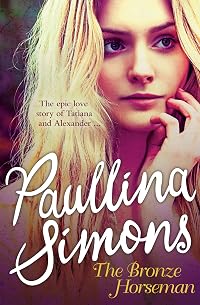
The golden skies, the translucent twilight, the white nights, all hold the promise of youth, of love, of eternal renewal. The war has not yet touched this city of fallen grandeur, or the lives of two sisters, Tatiana and Dasha Metanova, who share a single room in a cramped apartment with their brother and parents. Their world is turned upside down when Hitler's armies attack Russia and begin their unstoppable blitz to Leningrad. Yet there is light in the darkness. Tatiana meets Alexander, a show more brave young officer in the Red Army. Strong and self-confident, yet guarding a mysterious and troubled past, he is drawn to Tatiana - and she to him. Starvation, desperation, and fear soon grip their city during the terrible winter of the merciless German siege. Tatiana and Alexander's impossible love threatens to tear the Metanova family apart and expose the dangerous secret Alexander so carefully protects - a secret as devastating as the war itself - as the lovers are swept up in the brutal tides that will change the world and their lives forever. show lessTags
Recommendations
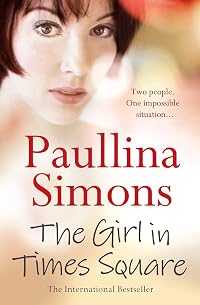
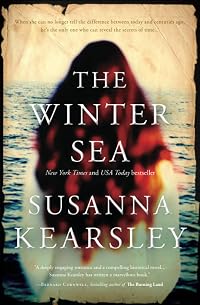

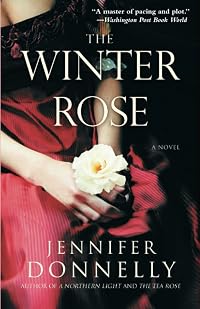
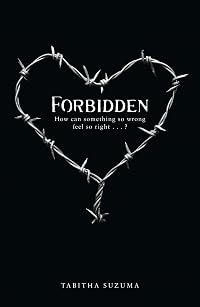

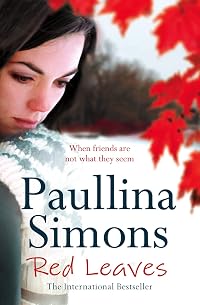
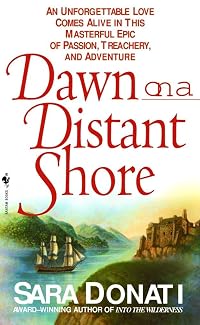
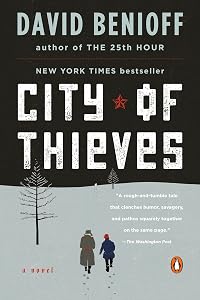
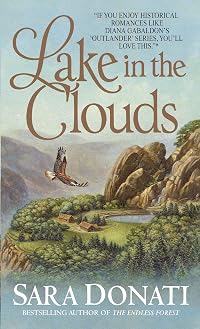









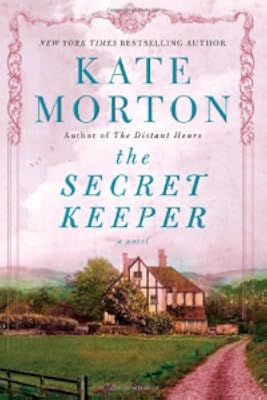
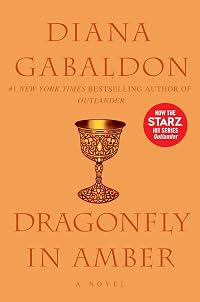
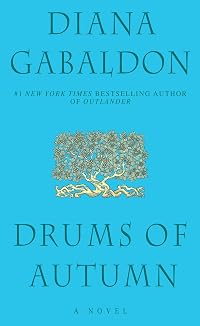
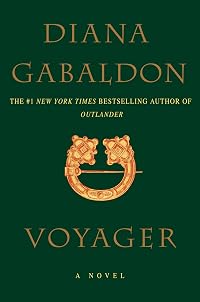
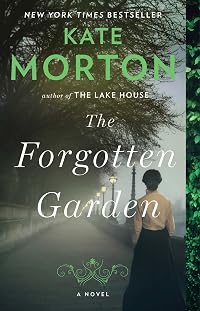

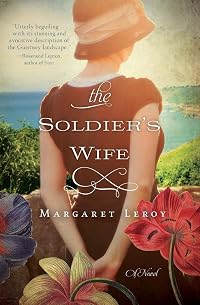
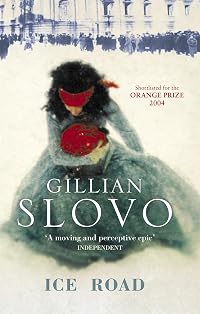


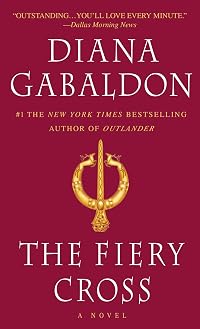
Member Recommendations

littlebear514 Although the stories are COMPLETELY different; the writing is of the same quality and the stories are both deeply involved.
30
Member Reviews
This is going to be one of those reviews, so prepare yourself right now, okay? This is going to be a three star book review that reads like a rant of hatred, but, honestly, it's not. Every so often, there's a book you like, but that you have a lot of issues with, and you have to be up front about all of them. So, take this to heart: I did like The Bronze Horseman overall, despite my myriad issues.
The Bronze Horseman and I were somewhat doomed from the start not to have as happy a relationship as hoped, sort of like Russia and communism. Basically, I looked at this gorgeous, highly recommended book, and I made a set of assumptions. Based on the size, I believed this would be a historical, an epic one, full of feels and delicious show more historical factoids. I was wrong, which isn't really the book's fault necessarily, but that still colored my enjoyment of it.
Though historical fiction, The Bronze Horseman is first and foremost a romance novel. Now, I do not have anything against a good romance novel, but I really do not see the call for an 800 page romance novel. That just feels a mite excessive. A lot of readers are going to burn out along the way, I suspect. The first few hundred pages are romance, followed by some history, then a couple hundred pages of sexy times, and then more war-focused stuff. Readers here for historical will find the romance mind-numbing, and those just looking for sexy times will not appreciate the break to discuss starvation.
Unsurprisingly, the bit in the middle where Alexander disappeared for a good chunk of time was my favorite. The romance took a back burner to a depiction of life in Leningrad during the Siege. Simons does a brilliant job portraying the hunger, the desperation, and the hopelessness of that experience. The realities of survival, and how most people didn't, are conveyed unflinchingly.
Unfortunately, most of the book wasn't hard-hitting historical fiction: it was a romance that I just couldn't ship. From the beginning, I found Tatiana and Alexander's relationship off-putting, and I still haven't been able to forgive them for what assholes they were for so long. Now, I hope I can eventually so I can enjoy the next books in the series, but, for the moment, I'm very displeased with them.
To explain why, I have to delve into some SPOILERS, so now's the time to look away if you don't want things spoiled.
Tatiana and Alexander meet when she's just 17 and he's a soldier in the Red Army, several years older. The day they met, she was upset, unable to find food for her family on the day of the declaration of war, and comforting herself with creme brulee ice cream, when a soldier with eyes the color of her ice cream strikes up a conversation. His eye color already had me rolling my eyes with abandon, but it gets worse.
Alexander does what any red-blooded (Soviet pun!) soldier would do for a pretty girl he's just seen licking a cone: takes her to buy food for her family from a special store for the military. Once she has what she needs, he escorts her home, only to discover that he has flirted with her sister Dasha in the past. Dasha, who likes to hang around with soldiers if you know what I mean ;), immediately latches onto Alexander, with whom she believes herself to be in love. He exits swiftly, feeling really awkward, and Dasha proceeds to tell Tatiana how perfect he is and Tatiana fails to mention her own attraction to him.
Everyday, Alexander shows up to meet Tatiana after work and they fall in love. Meanwhile, whenever he visits her house, he pretends to like Dasha and even brings along his skeevy friend Dimitri for Tatania. To be fair, Alexander just wants to tell the truth and let the chips fall where they may, but Tatiana is unwilling to hurt Dasha's feelings. This charade goes on forever, and Alexander eventually proposes to Dasha. Head, meet brick wall.
All this time, Alexander's hooking up with both sisters, and I basically want to murder all of them. To make things worse, Alexander and Tatiana never have to fucking come clean about the deception to anyone. Conveniently Tatiana's whole family dies except for her, with Dasha the last hold out. Gag me, okay. Ugh. No love triangle should ever be resolved by the death of one of the people in the love triangle. It's the coward's way out. Characters should have to face the consequences of their actions.
Instead, Dasha dies and the two reunite and then have mind-blowing sex approximately fifty times a day for a month, until Alexander has to go back to work. While they're enjoying their honeymoon, he berates her for giving to much of herself to others and urges her to never leave his side. Of course, serving others is wrong, but she should do everything for her husband, because, you know, gender roles. Alexander is controlling, codependent, rude, and occasionally violent, not to mention a guy who would cheat on both his fiancee and his love for months. I can't root for that relationship. I just can't. Had I read this when I was a bit younger, perhaps when I was a teen, I would have been swept away by the romance and concern for the main characters, but now, as a jaded adult, I kept hoping for them to obtain comeuppance for their actions.
The Bronze Horseman is a well-written romance in a historical setting, but do not come to it expecting to learn much about the Siege of Leningrad. This novel has more in common with Diana Gabaldon than Aleksandr Solzhenitsyn; that's not a bad thing, but was not what expected or wanted. show less
The Bronze Horseman and I were somewhat doomed from the start not to have as happy a relationship as hoped, sort of like Russia and communism. Basically, I looked at this gorgeous, highly recommended book, and I made a set of assumptions. Based on the size, I believed this would be a historical, an epic one, full of feels and delicious show more historical factoids. I was wrong, which isn't really the book's fault necessarily, but that still colored my enjoyment of it.
Though historical fiction, The Bronze Horseman is first and foremost a romance novel. Now, I do not have anything against a good romance novel, but I really do not see the call for an 800 page romance novel. That just feels a mite excessive. A lot of readers are going to burn out along the way, I suspect. The first few hundred pages are romance, followed by some history, then a couple hundred pages of sexy times, and then more war-focused stuff. Readers here for historical will find the romance mind-numbing, and those just looking for sexy times will not appreciate the break to discuss starvation.
Unsurprisingly, the bit in the middle where Alexander disappeared for a good chunk of time was my favorite. The romance took a back burner to a depiction of life in Leningrad during the Siege. Simons does a brilliant job portraying the hunger, the desperation, and the hopelessness of that experience. The realities of survival, and how most people didn't, are conveyed unflinchingly.
Unfortunately, most of the book wasn't hard-hitting historical fiction: it was a romance that I just couldn't ship. From the beginning, I found Tatiana and Alexander's relationship off-putting, and I still haven't been able to forgive them for what assholes they were for so long. Now, I hope I can eventually so I can enjoy the next books in the series, but, for the moment, I'm very displeased with them.
To explain why, I have to delve into some SPOILERS, so now's the time to look away if you don't want things spoiled.
Tatiana and Alexander meet when she's just 17 and he's a soldier in the Red Army, several years older. The day they met, she was upset, unable to find food for her family on the day of the declaration of war, and comforting herself with creme brulee ice cream, when a soldier with eyes the color of her ice cream strikes up a conversation. His eye color already had me rolling my eyes with abandon, but it gets worse.
Alexander does what any red-blooded (Soviet pun!) soldier would do for a pretty girl he's just seen licking a cone: takes her to buy food for her family from a special store for the military. Once she has what she needs, he escorts her home, only to discover that he has flirted with her sister Dasha in the past. Dasha, who likes to hang around with soldiers if you know what I mean ;), immediately latches onto Alexander, with whom she believes herself to be in love. He exits swiftly, feeling really awkward, and Dasha proceeds to tell Tatiana how perfect he is and Tatiana fails to mention her own attraction to him.
Everyday, Alexander shows up to meet Tatiana after work and they fall in love. Meanwhile, whenever he visits her house, he pretends to like Dasha and even brings along his skeevy friend Dimitri for Tatania. To be fair, Alexander just wants to tell the truth and let the chips fall where they may, but Tatiana is unwilling to hurt Dasha's feelings. This charade goes on forever, and Alexander eventually proposes to Dasha. Head, meet brick wall.
All this time, Alexander's hooking up with both sisters, and I basically want to murder all of them. To make things worse, Alexander and Tatiana never have to fucking come clean about the deception to anyone. Conveniently Tatiana's whole family dies except for her, with Dasha the last hold out. Gag me, okay. Ugh. No love triangle should ever be resolved by the death of one of the people in the love triangle. It's the coward's way out. Characters should have to face the consequences of their actions.
Instead, Dasha dies and the two reunite and then have mind-blowing sex approximately fifty times a day for a month, until Alexander has to go back to work. While they're enjoying their honeymoon, he berates her for giving to much of herself to others and urges her to never leave his side. Of course, serving others is wrong, but she should do everything for her husband, because, you know, gender roles. Alexander is controlling, codependent, rude, and occasionally violent, not to mention a guy who would cheat on both his fiancee and his love for months. I can't root for that relationship. I just can't. Had I read this when I was a bit younger, perhaps when I was a teen, I would have been swept away by the romance and concern for the main characters, but now, as a jaded adult, I kept hoping for them to obtain comeuppance for their actions.
The Bronze Horseman is a well-written romance in a historical setting, but do not come to it expecting to learn much about the Siege of Leningrad. This novel has more in common with Diana Gabaldon than Aleksandr Solzhenitsyn; that's not a bad thing, but was not what expected or wanted. show less
I've been reading this book late into the night, completely enraptured by the love story of Tatiana and Alexander, and gripped by the vivid, dark story of war torn Russia in the 1940's. Ms. Simons grabbed me with her descriptive narration of Russia, the disintegration of humanity in the midst of war, hunger, sickness. She frustrates me with the endless back and forth between Tashia and Shura, but you can't help but root for their love and happiness.
What do I do next? Get the next book.
What do I do next? Get the next book.
[Some spoilers ahead.]
This is really two stories mashed together. One of them is an account of living through the seige of Leningrad, and is brutal and impressive. The other is a ridiculous romance novel, featuring a hero who is about three feet taller than the heroine and whose propensity for physical violence is Totally Okay and Makes Him More of a Man, because he punches her father, and the wall beside her head, instead of her. The heroine's rival for the hero is her sister, who, despite having thirty pounds on the heroine and taking better care of herself, starves to death during the seige, while the started-out-at-ninety-pounds-and-gives-all-her-food-away-to-widows-and-orphans heroine survives. But, of course, the sister was a show more slut, so popping her clogs to clear the way for her virginal sister was the least she could do.
The second half of the book (and let's keep in mind that's a good 400 pages) is nothing but the romance novel, meaning it's nothing but sex and the reader being reminded of how physically perfect the heroine is. Very, very dull. If the majority of the book had been the seige, there might have been something to this. Instead it was like Diana Gabaldon at her worst. show less
This is really two stories mashed together. One of them is an account of living through the seige of Leningrad, and is brutal and impressive. The other is a ridiculous romance novel, featuring a hero who is about three feet taller than the heroine and whose propensity for physical violence is Totally Okay and Makes Him More of a Man, because he punches her father, and the wall beside her head, instead of her. The heroine's rival for the hero is her sister, who, despite having thirty pounds on the heroine and taking better care of herself, starves to death during the seige, while the started-out-at-ninety-pounds-and-gives-all-her-food-away-to-widows-and-orphans heroine survives. But, of course, the sister was a show more slut, so popping her clogs to clear the way for her virginal sister was the least she could do.
The second half of the book (and let's keep in mind that's a good 400 pages) is nothing but the romance novel, meaning it's nothing but sex and the reader being reminded of how physically perfect the heroine is. Very, very dull. If the majority of the book had been the seige, there might have been something to this. Instead it was like Diana Gabaldon at her worst. show less
This is a very long and angst-ridden saga, but if you are a hopeless romantic who enjoys stories about undying love and seriously challenged relationships, read it. The couple’s devotion to each other is so beautifully woven into the words; I could not help being moved. The love story of Tatiana and Alexander was convincing and so tragic, I was held captive. I found it almost impossible to put the book down. I haven’t read a book with this much gusto in a very long time.
The story takes place in Russia, 1941 with the announcement that country is going to war with Germany. The air is fraught with frenetic activity; people are rushing to gather supplies and staples to survive. Not so for Tatiana, a 17 year-old Russian girl. In spite of show more being put to the critical task of getting her family’s provisions, she gets a late start and finds all the stores sold out. What does she do? She soothes herself with ice cream—sitting to rapturously devour it in the midst of her problem! After reading the first two chapters, I was convinced Tatiana was lazy and naïve. My interest only perked up when Alexander, a 23 year-old Soviet Red Army lieutenant, openly admires her from across the street. Mesmerized by her, he helps her find supplies for her family.
The first half of this saga was devoted to the unquestionable temptation between Tatiana and Alexander. Alexander harbors a few secrets, ones that alter their ability to be together. One of them is Tatiana’s older sister, Dasha. She has already hooked up with the gorgeous soldier. Alexander is her boyfriend. Forsaking her own heart’s desire for her sister’s happiness, Tatiana denies her feelings for Alexander. This was the most frustrating part of the story. At times, this love triangle comes off as an improbable and convenient plot conflict, but it is easily forgotten because the attraction between Alexander and Tatiana is a delicious and irrepressible force. The author teases us with slight touches, meaningful glances, and occasional poignant meetings between the two. No kissing, no sex, and yet, the scenes between them are full, rich and tantalizing.
We get a dreary, hard look at war-torn Leningrad, and its suffering people—millions died; many starved and froze to death. War and love change Tatiana into someone we can admire, but my heart soared whenever Alexander showed up with extra rations to share with her and her family. He wanted nothing more than to make sure she was safe and taken care of. He is somewhat hardened by his circumstances, but his concentration and patience with Tatiana is divine. His complete devotion to her are the stuff dreams are made of.
Thankfully, we are granted a full reprieve from the sadness and despair with surprisingly detailed love scenes … ones that went on quite a long time, and left me admiring Alexander’s, er, ah… enthusiasm and stamina! Seriously ladies, you'll wish you had an Alexander in your life! Tatiana was loved much, and so thoroughly.
After this torching, hot reunion, the lovers are wretched apart, over and over again. The repeated sequences of calm serenity followed by bruising, total upheaval had me biting my nails. The premonition of chaos is ingrained into the soul of this story, and if you’ve read this far, you WILL NOT be able to stop reading. You MUST know how this ends!
"Tania … God, I'm done for, aren't I?" Alexander whispered hotly. "Done for, forever."
I come away from this story feeling encouraged and renewed, in spirit and in writing. Yes, there are books out there that will stay with you, long after you finish reading them. show less
The story takes place in Russia, 1941 with the announcement that country is going to war with Germany. The air is fraught with frenetic activity; people are rushing to gather supplies and staples to survive. Not so for Tatiana, a 17 year-old Russian girl. In spite of show more being put to the critical task of getting her family’s provisions, she gets a late start and finds all the stores sold out. What does she do? She soothes herself with ice cream—sitting to rapturously devour it in the midst of her problem! After reading the first two chapters, I was convinced Tatiana was lazy and naïve. My interest only perked up when Alexander, a 23 year-old Soviet Red Army lieutenant, openly admires her from across the street. Mesmerized by her, he helps her find supplies for her family.
The first half of this saga was devoted to the unquestionable temptation between Tatiana and Alexander. Alexander harbors a few secrets, ones that alter their ability to be together. One of them is Tatiana’s older sister, Dasha. She has already hooked up with the gorgeous soldier. Alexander is her boyfriend. Forsaking her own heart’s desire for her sister’s happiness, Tatiana denies her feelings for Alexander. This was the most frustrating part of the story. At times, this love triangle comes off as an improbable and convenient plot conflict, but it is easily forgotten because the attraction between Alexander and Tatiana is a delicious and irrepressible force. The author teases us with slight touches, meaningful glances, and occasional poignant meetings between the two. No kissing, no sex, and yet, the scenes between them are full, rich and tantalizing.
We get a dreary, hard look at war-torn Leningrad, and its suffering people—millions died; many starved and froze to death. War and love change Tatiana into someone we can admire, but my heart soared whenever Alexander showed up with extra rations to share with her and her family. He wanted nothing more than to make sure she was safe and taken care of. He is somewhat hardened by his circumstances, but his concentration and patience with Tatiana is divine. His complete devotion to her are the stuff dreams are made of.
Thankfully, we are granted a full reprieve from the sadness and despair with surprisingly detailed love scenes … ones that went on quite a long time, and left me admiring Alexander’s, er, ah… enthusiasm and stamina! Seriously ladies, you'll wish you had an Alexander in your life! Tatiana was loved much, and so thoroughly.
After this torching, hot reunion, the lovers are wretched apart, over and over again. The repeated sequences of calm serenity followed by bruising, total upheaval had me biting my nails. The premonition of chaos is ingrained into the soul of this story, and if you’ve read this far, you WILL NOT be able to stop reading. You MUST know how this ends!
"Tania … God, I'm done for, aren't I?" Alexander whispered hotly. "Done for, forever."
I come away from this story feeling encouraged and renewed, in spirit and in writing. Yes, there are books out there that will stay with you, long after you finish reading them. show less
Alexander and Tatiana fall in love at first sight as Leningrad and Russia prepare for war. Unfortunately, Alexander is going out with Tatiana's older sister. Instead of doing the right thing and breaking it off with the sister, Alexander and Tatiana lead her entire family on a merry ruse in which Alexander lies to and generally fucks up the sister. I don't even know why. Luckily for Alexander and Tatiana, the family is dropping like flies, so when everyone is dead they can be united at last.
This is one of the few books in which the horrible deaths due to bombing, fire, starvation, and cold of a beloved grandmother, grandfather, mother, father, brother, sister, AND cousin are all treated as a good thing, because now Alexander and show more Tatiana can have sex whenever they want.
Wow.
But hey, it's a fun read. show less
This is one of the few books in which the horrible deaths due to bombing, fire, starvation, and cold of a beloved grandmother, grandfather, mother, father, brother, sister, AND cousin are all treated as a good thing, because now Alexander and show more Tatiana can have sex whenever they want.
Wow.
But hey, it's a fun read. show less
The Bronze Horseman is first and foremost a doomed love story set against the backdrop of the German invasion of Russia and the siege of Leningrad. Tatiana and Alexander fall in love, but can’t show their love to the world for many reasons. Tatiana’s older sister met him first and claims him for herself. Tatiana’s position as the lowest member in her family forces her to step aside and allow her sister to take over But, more importantly, Alexander has a secret, his true identity must not become known, unfortunately there is Dimitri, who knows the truth and doesn’t hesitate to threaten him with exposure if he declares his love for Tatiana. Dimitri claims Tatiana for himself, but really has another agenda he’s following.
At first show more this book seems very long winded but suddenly, wow, all her character building and scene setting pays off and you realize what a fully fleshed book this is. Descriptions of a little girls’ hair falling out, or a young man whose body doesn’t have the strength to heal itself from a cut, brings home the gut-wrenching horror of slow starvation. There was little the Soviets could do to help this city as it was encircled, bombarded and besieged by the Germans.
The Bronze Horseman is a book for both your senses and your emotions. Passionate and fearless, Alexander and Tatiana are very intense characters and their love brings out both their best and worst qualities. Seeing how over-possessive and protective Alexander could be, or how stubborn Tatiana could become, made them all the more real. But at the same time, these two totally completed each other.
I can understand that this is not a book for everyone. People seem to either love or hate it, I come firmly down on the love side and I can’t wait to pick up the sequels. Paullina Simons has, in the past, been a hit and miss author for me, this time she really produced a hit. show less
At first show more this book seems very long winded but suddenly, wow, all her character building and scene setting pays off and you realize what a fully fleshed book this is. Descriptions of a little girls’ hair falling out, or a young man whose body doesn’t have the strength to heal itself from a cut, brings home the gut-wrenching horror of slow starvation. There was little the Soviets could do to help this city as it was encircled, bombarded and besieged by the Germans.
The Bronze Horseman is a book for both your senses and your emotions. Passionate and fearless, Alexander and Tatiana are very intense characters and their love brings out both their best and worst qualities. Seeing how over-possessive and protective Alexander could be, or how stubborn Tatiana could become, made them all the more real. But at the same time, these two totally completed each other.
I can understand that this is not a book for everyone. People seem to either love or hate it, I come firmly down on the love side and I can’t wait to pick up the sequels. Paullina Simons has, in the past, been a hit and miss author for me, this time she really produced a hit. show less
Quedan dos libros más, asi que realmente no me preocupa que Alex pueda estar muerto, PERO después de más de 900 páginas de te-quiero-pero-no-puede-ser no me encuentro emocionalmente estable, por lo que escribiré la reseña luego.
***
Veamos si ya soy capaz de unir dos palabras coherentemente.
Dos de mis libros favoritos de todos los tiempos son [b:Atonement|6867|Atonement|Ian McEwan|http://d.gr-assets.com/books/1320449708s/6867.jpg|2307233] y [b:Gone with the Wind|18405|Gone with the Wind|Margaret Mitchell|http://d.gr-assets.com/books/1328025229s/18405.jpg|3358283], historias de amor épicas, ambientadas en guerras. Por lo que cuando leí las reseñas de este libro dije ¿por qué no?
Al igual que los mencionados anteriormente, The show more Bronze Horseman es una montaña rusa emocional.
Tatiana es una joven de 17 años que vive con su familia (abuela, abuelo, mamá, papá, hermano y hermana) en un apartamentito de sólo dos habitaciones, y que no conoce más que la vida socialista rusa.
Alexander, por su parte, es un soldado del Ejercito Rojo, que a sus 22 años ha pasado por muchas más cosas que cualquier otro joven de su edad. Uno de los mejores protagonistas que he leído. Tierno y amoroso, y a la vez poseedor de un carácter fuerte y un espíritu luchador.
Tatiana y Alexander se conocen el día que Alemania le declara la guerra a Rusia, durante la Segunda Guerra Mundial. A partir de su primer encuentro se desarrolla una historia de amor, crecimiento y auto-descubrimiento, que hace que los personajes -todos, no solo los protagonistas- se sientan como si saltan de las paginas del libro. Son reales, son auténticos. Y que provoca que sientas lo que sientes, que sufras lo que sufren. Lealtad familiar, frío, dolor, hambre, desesperación, impotencia, amor, miedo.
Y nos habla de una vida que, al menos yo, no pensé que pudiera existir. Un país en el que sus habitantes no tienen permitido alojarse en hoteles. Donde vivir siete personas en dos habitaciones minúsculas, con baño y cocina comunales, es considerado un lujo. Donde las paredes tienen oídos y una sola palabra indebida puede ser el final. Donde el gobierno y la policía secreta pueden ser incluso más mortíferos que la guerra misma.
A pesar de lo que pueda pensarse, al contrario de, por ejemplo, [b:Gone with the Wind|18405|Gone with the Wind|Margaret Mitchell|http://d.gr-assets.com/books/1328025229s/18405.jpg|3358283] aunque la guerra es la linea principal de todos los hechos, su relevancia histórica en el libro es mínima. Se mencionan sólo los hechos que afectan directamente a los personajes y sin más extensiones que las necesarias. Por lo que la historia es básicamente del amor entre Tatia y Alex.
Lo que no me gustó: el libro es bastante largo, y eso no sería ningun problema si la historia no se tornara tan repetitiva en ciertos puntos. Durante la primera mitad del libro se nos cuenta una y otra vez, una y otra vez las visitas de Alex al apartamento de Tatia, cuantas veces comen pan con mantequilla y pastel de repollo (de hecho hubo un momento en que leer las palabras "pastel de repollo" me repulsaba), cuantas veces hacían simplemente lo mismo. El libro, fácilmente, podría tener menos de 500 paginas.
Sin embargo, me gustó muchísimo y ya mismo voy comenzando el segundo [b:Tatiana and Alexander|83143|Tatiana and Alexander|Paullina Simons|http://d.gr-assets.com/books/1171036640s/83143.jpg|594714] show less
***
Veamos si ya soy capaz de unir dos palabras coherentemente.
Dos de mis libros favoritos de todos los tiempos son [b:Atonement|6867|Atonement|Ian McEwan|http://d.gr-assets.com/books/1320449708s/6867.jpg|2307233] y [b:Gone with the Wind|18405|Gone with the Wind|Margaret Mitchell|http://d.gr-assets.com/books/1328025229s/18405.jpg|3358283], historias de amor épicas, ambientadas en guerras. Por lo que cuando leí las reseñas de este libro dije ¿por qué no?
Al igual que los mencionados anteriormente, The show more Bronze Horseman es una montaña rusa emocional.
Tatiana es una joven de 17 años que vive con su familia (abuela, abuelo, mamá, papá, hermano y hermana) en un apartamentito de sólo dos habitaciones, y que no conoce más que la vida socialista rusa.
Alexander, por su parte, es un soldado del Ejercito Rojo, que a sus 22 años ha pasado por muchas más cosas que cualquier otro joven de su edad. Uno de los mejores protagonistas que he leído. Tierno y amoroso, y a la vez poseedor de un carácter fuerte y un espíritu luchador.
Tatiana y Alexander se conocen el día que Alemania le declara la guerra a Rusia, durante la Segunda Guerra Mundial. A partir de su primer encuentro se desarrolla una historia de amor, crecimiento y auto-descubrimiento, que hace que los personajes -todos, no solo los protagonistas- se sientan como si saltan de las paginas del libro. Son reales, son auténticos. Y que provoca que sientas lo que sientes, que sufras lo que sufren. Lealtad familiar, frío, dolor, hambre, desesperación, impotencia, amor, miedo.
Y nos habla de una vida que, al menos yo, no pensé que pudiera existir. Un país en el que sus habitantes no tienen permitido alojarse en hoteles. Donde vivir siete personas en dos habitaciones minúsculas, con baño y cocina comunales, es considerado un lujo. Donde las paredes tienen oídos y una sola palabra indebida puede ser el final. Donde el gobierno y la policía secreta pueden ser incluso más mortíferos que la guerra misma.
A pesar de lo que pueda pensarse, al contrario de, por ejemplo, [b:Gone with the Wind|18405|Gone with the Wind|Margaret Mitchell|http://d.gr-assets.com/books/1328025229s/18405.jpg|3358283] aunque la guerra es la linea principal de todos los hechos, su relevancia histórica en el libro es mínima. Se mencionan sólo los hechos que afectan directamente a los personajes y sin más extensiones que las necesarias. Por lo que la historia es básicamente del amor entre Tatia y Alex.
Lo que no me gustó: el libro es bastante largo, y eso no sería ningun problema si la historia no se tornara tan repetitiva en ciertos puntos. Durante la primera mitad del libro se nos cuenta una y otra vez, una y otra vez las visitas de Alex al apartamento de Tatia, cuantas veces comen pan con mantequilla y pastel de repollo (de hecho hubo un momento en que leer las palabras "pastel de repollo" me repulsaba), cuantas veces hacían simplemente lo mismo. El libro, fácilmente, podría tener menos de 500 paginas.
Sin embargo, me gustó muchísimo y ya mismo voy comenzando el segundo [b:Tatiana and Alexander|83143|Tatiana and Alexander|Paullina Simons|http://d.gr-assets.com/books/1171036640s/83143.jpg|594714] show less
Members
- Recently Added By
Lists

Historical Fiction
889 works; 91 members

Books That Made Me Cry
199 works; 105 members

Global Reads: Books Set in Eastern Europe
45 works; 10 members
KayStJ's to-read list
1,616 works; 11 members

Books We Couldn't Put Down
443 works; 197 members

Books That Made Us Cry
278 works; 145 members

Books We Want To Read Again For The First Time
384 works; 160 members
Author Information

37 Works 8,054 Members
Paullina Simons was born in Leningrad, USSR in 1963. At the age of ten her family immigrated to the United States. Paullina attended college in New York, Kansas and England. After graduating from the University of Kansas with a degree in Political Science Paullina went on to various jobs including working as a financial journalist and as a show more translator. After several years Paullina got around to her first love and wrote her novel Tully (HarperCollins, Oct. 1995). She has since written Red Leaves, Eleven Hours, The Bronze Horseman, The Bridge to Holy Cross, (also known as Tatiana and Alexander.) The Summer Garden, The Girl in Times Square, Road to Paradise and Children of Liberty. Many of Paullina's novels have reached international bestseller lists in countries including Australia and New Zealand. Paullina has also written a cookbook, Tatiana's Table, which is a collection of recipes, short stories and recollections from her bestselling books The Bronze Horseman, The Bridge to Holy Cross, and The Summer Garden. (Bowker Author Biography) show less
Some Editions
Awards and Honors
Distinctions
Notable Lists
Series

Belongs to Publisher Series
Heyne Taschenbuch (87339)
Common Knowledge
- Canonical title*
- Die Liebenden von Leningrad
- Original title
- The Bronze Horseman
- Original publication date
- 2000
- People/Characters
- Tatiana Metanova; Alexander Barrington; Daria Metanova; Dimitri Chernenko; Irina Metanova; Georgi Vasilievich Metanova (show all 30); Pasha Metanova; Anna 'Babushka' Metanova; Vasili 'Deda' Metanova; Petr Petrov; Crazy Slavin; Sergei Krasenko; Harold Barrington; Jane Barrington; Anton Iglenko; Mikhail Stepanov (Col.); Anatoly Marazov (2nd Lt.); Vera; Marina; Babushka Maya; Zoe; Vova; Raisa; Dusia; Axinya; Naira; Oleg Kashnikov; Dr. Matthew Sayers; Nurse Ina; Dr. Edward Ludlow
- Important places
- Leningrad, USSR; The Field of Mars, Leningrad, Russia; Summer Garden, Leningrad, Russia; Lazarevo, Russia; Peterhof, Russia; Hermitage, Leningrad, Russia (show all 12); Gatchina, Russia; Luga, Russia; Lake Ladoga, Russia; Molotov, Russia; Neva River, Russia; Shisselburg, Russia
- Important events
- World War II (1939 | 1945); Siege of Leningrad (1941-09-08 | 1944-01-27); Fall of Leningrad (1941)
- Epigraph
- "Hence in a season of calm weather though inland far we be, Our souls have sight of that immortal sea which brought hither, Can in a moment travel thither, And see the Children sport upon the shore, And hear the mighty waters... (show all) rolling evermore." William Wordsworth
- First words
- "Light came through the window, trickling morning all over the room."
- Last words
- (Click to show. Warning: May contain spoilers.)"You will find a way to live without me. You will find a way to live for both of us", Alexander said to Tatiana as the swell of the Kama River, flowed from the Ural Mountains through a pine village named Lazarevo, once when they were in love, and young."
- Original language
- English US
*Some information comes from Common Knowledge in other languages. Click "Edit" for more information.
Classifications
- Genres
- Romance, Fiction and Literature, Historical Fiction, General Fiction
- DDC/MDS
- 813.54 — Literature & rhetoric American literature in English American fiction in English 1900-1999 1945-1999
- LCC
- PS3569 .I48763 .B7 — Language and Literature American literature American literature Individual authors 1961-
- BISAC
Statistics
- Members
- 2,291
- Popularity
- 8,721
- Reviews
- 108
- Rating
- (4.20)
- Languages
- 13 — Czech, Dutch, English, French, German, Greek, Hebrew, Italian, Polish, Portuguese, Russian, Spanish, Swedish
- Media
- Paper, Audiobook, Ebook
- ISBNs
- 59
- ASINs
- 13