
The Heart of Whiteness: Confronting Race, Racism and White Privilege
by Robert Jensen
On This Page
Description
An honest look at racism in the United States, and the liberal platitudes that attempt to conceal it. This book offers an honest and rigorous exploration of what Jensen refers to as the depraved nature of whiteness in the United States. Mixing personal experience with data and theory, Jensen faces down the difficult realities of race, racism, and white privilege. He argues that any system that denies non-white people their full humanity also keeps white people from fully accessing their show more own. The Heart of Whiteness is both a cautionary tale for those who believe that they have transcended racism, and also an expression of the hope for genuine transcendence. "Very few white writers have been able to point out the pathological nature of white privilege and supremacy with the eloquence of Robert Jensen. In The Heart of Whiteness, Jensen demonstrates not only immense wisdom on the issue of race, but does so in the kind of direct and accessible fashion that separates him from virtually any other academic scholar, or journalist, writing on these subjects today."- Tim Wise, author of Dear White America "With radical honesty, hard facts, and an abundance of insight and compassion, Robert Jensen lays out strategies for recognizing and dismantling white privilege- and helping others to do the same. This text is more than just important; it's useful. Jensen demonstrates again that he is a leading voice in the American quest for justice."- Adam Mansbach, author of Angry Black White Boy and Go the F***to Sleep "Jensen's spotlight on the gaps separating the American promise of liberty and justice from the reality is accessible, powerful and moving. In short, it is a terrific piece of anti-racist writing."- Eleanor Bader, The Brooklyn Rail show lessTags
Recommendations








































Member Reviews
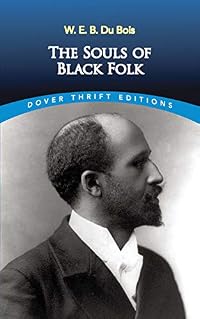
In The Souls of Black Folks, W.E.B. DuBois wrote that the question whites wanted to ask him was: “How does it feel to be a problem?” In The Heart of Whiteness, Robert Jensen writes that it is time for white people in America to self-consciously reverse the direction of that question and to fully acknowledge that in the racial arena, they are the problem.
While some whites would like to think that we have reached “the end of racism” in the United States, and others would like to celebrate diversity but are oblivious to the political, economic, and social consequences of a nation—and their sense of self—founded on a system of white supremacy, Jensen proposes a different approach. He sets his sights not only on the racism that show more can't be hidden, but also on the liberal platitudes that sometimes conceal the depths of that racism in “polite society.”
The Heart of Whiteness offers an honest and rigorous exploration of what Jensen refers to as the depraved nature of whiteness in the United States. Mixing personal experience with data and theory, he faces down the difficult realities of -racism and white privilege. He argues that any system that denies non-whites their full humanity also keeps whites from fully accessing their own.
This book is both a cautionary tale for those who believe that they have transcended racism, and also an expression of the hope for genuine transcendence. When white people fully understand and accept the painful reality that they are indeed “the problem,” it should lead toward serious attempts to change one's own life and join with others to change society.
Robert Jensen is the author of Citizens of the Empire. He is a professor of media ethics and journalism at The University of Texas at Austin. show less
While some whites would like to think that we have reached “the end of racism” in the United States, and others would like to celebrate diversity but are oblivious to the political, economic, and social consequences of a nation—and their sense of self—founded on a system of white supremacy, Jensen proposes a different approach. He sets his sights not only on the racism that show more can't be hidden, but also on the liberal platitudes that sometimes conceal the depths of that racism in “polite society.”
The Heart of Whiteness offers an honest and rigorous exploration of what Jensen refers to as the depraved nature of whiteness in the United States. Mixing personal experience with data and theory, he faces down the difficult realities of -racism and white privilege. He argues that any system that denies non-whites their full humanity also keeps whites from fully accessing their own.
This book is both a cautionary tale for those who believe that they have transcended racism, and also an expression of the hope for genuine transcendence. When white people fully understand and accept the painful reality that they are indeed “the problem,” it should lead toward serious attempts to change one's own life and join with others to change society.
Robert Jensen is the author of Citizens of the Empire. He is a professor of media ethics and journalism at The University of Texas at Austin. show less
http://www.newsreview.com/sacramento/Content?oid=oid%3A45493
My review of THE HEART OF WHITENESS (with SUNDOWN TOWNS):
Broadcasts from New Orleans in the aftermath of Hurricane Katrina made clear the intersection of poverty and race in the United States. The simple fact that Americans’ beliefs diverge dramatically about the likelihood that assistance would have arrived faster for white disaster survivors--17 percent of white respondents thought so, as opposed to 66 percent of African-American respondents, in a recent poll by the Pew Research Center--makes clear that race is still a major American divide.
Two new books, Robert Jensen’s The Heart of Whiteness: Race, Racism, and White Privilege and James W. Loewen’s Sundown Towns: A show more Hidden Dimension of American Racism, ask us to look directly at the way we’ve continued to draw a color line down the middle of our communities.
The Heart of Whiteness could not be more timely. It is a primer on the subject of white privilege, a topic that tends to make whites uncomfortable. Who wants to admit that white privilege functions as an unnamed form of affirmative action, conferring huge social, economic and political advantages on those of us who happened to be born with skin the preferred color?
But Jensen addresses white privilege directly and personally; he offers up twin autobiographies. One seems straightforward enough: A Midwestern boy from a hardworking family puts himself through school and earns a successful life as an academic. But the eye-opener is Jensen's second version of his autobiography, in which the same facts of his life are related through the lens of the advantages that his white skin has provided him.
That second look is necessary for whites to recognize white privilege in action; to most of us who have it, it's invisible. While we cite the ways that racism disadvantages people of color, it's much harder to recognize the other side of the coin: the unearned advantages of white privilege, often perceived as opportunities and conveniences that are merely our due.
Jensen confronts the denial whites build up to protect themselves from the reality of white supremacy--and as uncomfortable as it is, there is no other word for a social system in which white skin provides an unearned advantage. What Jensen makes clear is that white supremacy cannot simply be relegated to racist extremists; our society promulgates racism even though we consider it offensive.
Using narrative examples and citations from research studies, he synthesizes the reality of the white world--whether we are personally racist or not, white people reap the benefits of white supremacy. That means it's up to white people to do something about it. For Jensen, race is a political issue, not a social one.
But we whites have already done quite a bit to keep African-Americans out of our privileged social enclaves. James W. Loewen examines the evolution of "sundown towns"--towns in which blacks were forbidden, either by law or by custom (backed up with violence), to live. He explains how African-Americans eventually clustered in urban settings throughout the North, Midwest and West. The phrase "sundown town" comes from the signs posted at the boundaries of some communities, urging blacks to make sure they were out of town by sundown.
Loewen's work, heavily supported by studies of census data, reveals the different ways in which white racism manifested itself in the former slave states and in the so-called free states. In Mississippi, blacks could live near whites but didn't dare rise above their assigned social position. In Illinois, as in some California towns, whites didn't care what social status African-Americans attained as long as they didn't live anywhere nearby.
Both books, though different in approach and style, make clear that there's more to white privilege than simply freedom from racial profiling. Loewen's hefty tome provides insight into the less-than-above-board racism of suburban America, while Jensen's concise and thought-provoking book offers a variety of ways for white Americans to abandon their unearned skin privilege and rejoin the rest of humanity. show less
My review of THE HEART OF WHITENESS (with SUNDOWN TOWNS):
Broadcasts from New Orleans in the aftermath of Hurricane Katrina made clear the intersection of poverty and race in the United States. The simple fact that Americans’ beliefs diverge dramatically about the likelihood that assistance would have arrived faster for white disaster survivors--17 percent of white respondents thought so, as opposed to 66 percent of African-American respondents, in a recent poll by the Pew Research Center--makes clear that race is still a major American divide.
Two new books, Robert Jensen’s The Heart of Whiteness: Race, Racism, and White Privilege and James W. Loewen’s Sundown Towns: A show more Hidden Dimension of American Racism, ask us to look directly at the way we’ve continued to draw a color line down the middle of our communities.
The Heart of Whiteness could not be more timely. It is a primer on the subject of white privilege, a topic that tends to make whites uncomfortable. Who wants to admit that white privilege functions as an unnamed form of affirmative action, conferring huge social, economic and political advantages on those of us who happened to be born with skin the preferred color?
But Jensen addresses white privilege directly and personally; he offers up twin autobiographies. One seems straightforward enough: A Midwestern boy from a hardworking family puts himself through school and earns a successful life as an academic. But the eye-opener is Jensen's second version of his autobiography, in which the same facts of his life are related through the lens of the advantages that his white skin has provided him.
That second look is necessary for whites to recognize white privilege in action; to most of us who have it, it's invisible. While we cite the ways that racism disadvantages people of color, it's much harder to recognize the other side of the coin: the unearned advantages of white privilege, often perceived as opportunities and conveniences that are merely our due.
Jensen confronts the denial whites build up to protect themselves from the reality of white supremacy--and as uncomfortable as it is, there is no other word for a social system in which white skin provides an unearned advantage. What Jensen makes clear is that white supremacy cannot simply be relegated to racist extremists; our society promulgates racism even though we consider it offensive.
Using narrative examples and citations from research studies, he synthesizes the reality of the white world--whether we are personally racist or not, white people reap the benefits of white supremacy. That means it's up to white people to do something about it. For Jensen, race is a political issue, not a social one.
But we whites have already done quite a bit to keep African-Americans out of our privileged social enclaves. James W. Loewen examines the evolution of "sundown towns"--towns in which blacks were forbidden, either by law or by custom (backed up with violence), to live. He explains how African-Americans eventually clustered in urban settings throughout the North, Midwest and West. The phrase "sundown town" comes from the signs posted at the boundaries of some communities, urging blacks to make sure they were out of town by sundown.
Loewen's work, heavily supported by studies of census data, reveals the different ways in which white racism manifested itself in the former slave states and in the so-called free states. In Mississippi, blacks could live near whites but didn't dare rise above their assigned social position. In Illinois, as in some California towns, whites didn't care what social status African-Americans attained as long as they didn't live anywhere nearby.
Both books, though different in approach and style, make clear that there's more to white privilege than simply freedom from racial profiling. Loewen's hefty tome provides insight into the less-than-above-board racism of suburban America, while Jensen's concise and thought-provoking book offers a variety of ways for white Americans to abandon their unearned skin privilege and rejoin the rest of humanity. show less
what i love about robert jensen his how totally honest he is in his writing, which (if you take the challenge) makes you a more honest reader. his willingness to really delve deep gives inspiration and permission for us to do the same, which is crucial if we want to address the issues of patriarchy and privilege in our society.
i think this quote gives a good partial reason for why i have to quit my job:
"I can live with the anger; I can manage it and find ways to vent it in the company of allies and friends. But the sadness is less controllable; it simply sits in me. Putting that sadness into words so it can be vented is more difficult, sometimes impossible."
i think this quote gives a good partial reason for why i have to quit my job:
"I can live with the anger; I can manage it and find ways to vent it in the company of allies and friends. But the sadness is less controllable; it simply sits in me. Putting that sadness into words so it can be vented is more difficult, sometimes impossible."
Robert Jensen wears his heart on his sleeve and talks about the white supremacist culture we're all living in. There are a lot of people who should read this book, but part of me thinks it might be wasted on people who don't already feel this way - or if they aren't aware they feel this way, suspected it.
Maybe I think this because none of the information he briefly talks about is particularly new, but he's right. As a white person, you should be angry that the world is the way it is. The only way to really confront the white supremacy is to raise it and make people be aware of it.
Read this book if only to be able to argue with people who don't seem to recognize their amazing privilege.
Maybe I think this because none of the information he briefly talks about is particularly new, but he's right. As a white person, you should be angry that the world is the way it is. The only way to really confront the white supremacy is to raise it and make people be aware of it.
Read this book if only to be able to argue with people who don't seem to recognize their amazing privilege.
This is a good, short primer on what white people can and should do about living in a white supremacist society. The word that will stick with me is "uncomfortable." Twelve years later you might have picked up a lot of the same concepts in blog posts, but maybe not, I don't know, depends on what blogs you read.
Important work.
Important work.
Members
- Recently Added By
Author Information

9+ Works 670 Members
Robert Jensen is a Journalism professor and writer, born in 1958. He teaches at the University of Texas at Austin. His courses include media law, ethics, and politics. He was awarded the Regents' Outstanding Teaching Award. He is the author of The End of Patriarchy: Radical Feminism for Men. (Bowker Author Biography)
Classifications
- Genres
- Nonfiction, Anthropology
- DDC/MDS
- 305.800973 — Society, Government, and Culture Social sciences, sociology & anthropology Social group - Age, Gender, Ethnicity Ethnic and national groups standard subdivisions / Ethnic and national groups with ethnic origins from more than one continent, of European descent standard subdivisions Biography And History North America United States
- LCC
- E184 .A1 .J425 — History of the United States United States Elements in the population Afro-Americans
- BISAC
Statistics
- Members
- 231
- Popularity
- 140,481
- Reviews
- 7
- Rating
- (4.03)
- Languages
- English
- Media
- Paper, Ebook
- ISBNs
- 2