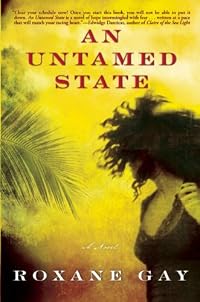
An Untamed State
by Roxane Gay
On This Page
Description
Mireille Duval Jameson is a rich and self-assured Haitian woman who is kidnapped by a gang of heavily armed men. Held captive by a man who calls himself the Commander, Mireille must endure his torment until her unwilling father pays up.Tags
Recommendations









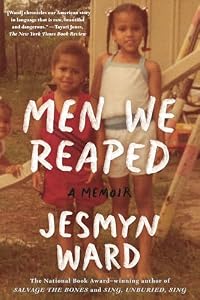

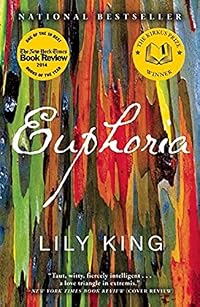
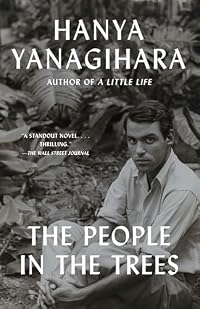
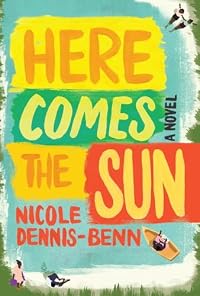












Member Recommendations

BookshelfMonstrosity The Devil's Feather is a more suspenseful and less nuanced novel than An Untamed State, but both books feature disturbing, psychologically intimate, and emotionally powerful stories of women recovering from being kidnapped and sexually assaulted in foreign countries.
Member Reviews
An Untamed State by Roxane Gay was a difficult read dealing, as it does, with a brutal kidnapping, vicious rapes and cold-blooded torture. This was also a book I could not put down, a very powerful story that moved me as it also educated me on conditions in Haiti with such extremes between the wealthy and the poor.
Although brought up in the States, Mireille is the daughter of Haitian parents who, upon making their fortune, returned to Haiti. Mireille is happily married to Michael, an American, and together they have a young son. They go on a vacation to Haiti in order that Mireille’s parents can get to know their grandson, but one day as they drive off the estate, they are forced off the road and Mireille is pulled from the car. Thus show more begins her days of horror as the kidnappers demand a million dollars for her return and her father, who is fearful that if he pays the full price, will be encouraging more of his family to be kidnapped, enters into negotiations.
A big part of the appeal of this book was the character of Mireille. As she shrinks into herself and lets her basic survival instinct take over, we are left wondering if she will ever be able to come back from the horrors that she has experienced. So be warned that this is not an easy read but as Mireille and Michael battle to bring some kind of normalcy back to their lives I found myself moved to tears. An Untamed State is remarkable book, heartbreaking, honest and life reaffirming. Truly a memorable read by an excellent author. show less
Although brought up in the States, Mireille is the daughter of Haitian parents who, upon making their fortune, returned to Haiti. Mireille is happily married to Michael, an American, and together they have a young son. They go on a vacation to Haiti in order that Mireille’s parents can get to know their grandson, but one day as they drive off the estate, they are forced off the road and Mireille is pulled from the car. Thus show more begins her days of horror as the kidnappers demand a million dollars for her return and her father, who is fearful that if he pays the full price, will be encouraging more of his family to be kidnapped, enters into negotiations.
A big part of the appeal of this book was the character of Mireille. As she shrinks into herself and lets her basic survival instinct take over, we are left wondering if she will ever be able to come back from the horrors that she has experienced. So be warned that this is not an easy read but as Mireille and Michael battle to bring some kind of normalcy back to their lives I found myself moved to tears. An Untamed State is remarkable book, heartbreaking, honest and life reaffirming. Truly a memorable read by an excellent author. show less
Damn you, Roxane Gay. Why, why would you put me so inextricably into this moment, make me live it second by second? I'm not strong enough for this. I won't sleep. I won't leave the house.
That was my dominant thought through most of the book, and it's in no way a criticism. Because I know the answer, or at least my answer.
Though the story itself is fiction, the emotional truth is real and prevalent. The writing is... I want to use a lot of superlatives but I'm going to go with "honest", and I spent each page both eager for the next and dreading what it would hold. In the end, it is worth every heartbeat. There is fear, heartache, frustration, empathy, and startling self-reflection; I don't mean in the text but in the reader.
I want to show more take this book and hand it to people, say "Understand." I won't, because I cherish my copy, but they can find a bookstore, surely.
Anyway there are much better reviews on here, read them too, then buy the book and read it and understand what you can, and think about the rest. I'll see you in line at the store when her next book comes out. show less
That was my dominant thought through most of the book, and it's in no way a criticism. Because I know the answer, or at least my answer.
Though the story itself is fiction, the emotional truth is real and prevalent. The writing is... I want to use a lot of superlatives but I'm going to go with "honest", and I spent each page both eager for the next and dreading what it would hold. In the end, it is worth every heartbeat. There is fear, heartache, frustration, empathy, and startling self-reflection; I don't mean in the text but in the reader.
I want to show more take this book and hand it to people, say "Understand." I won't, because I cherish my copy, but they can find a bookstore, surely.
Anyway there are much better reviews on here, read them too, then buy the book and read it and understand what you can, and think about the rest. I'll see you in line at the store when her next book comes out. show less
I have to admit, I had high expectations for this book and it took longer than expected for them to become a reality. The only reason I didn't give it 5 stars is that there were a few things that bugged me about the prose. Overall the story was incredibly well structured, the characters were built really well, I was somewhat unsuspecting of what would happen as each chapter came along. I enjoyed the visceral, agonizing ride. Yet another banger by dream woman Roxane Gay. This quote sums it up nicely:
"It is often women who pay the price for what men want."
"It is often women who pay the price for what men want."
Savage. Brutal. Horrifying. Graphic. When you use adjectives like this to describe a book, it can be hard to convince people to read it. And when you add in the fact that there is terrible violence, repeated rape, kidnapping, and PTSD too, well, you'd be forgiven for giving the book a wide berth indeed. But do you still skip the book if it also tackles important issues of classism and inequity, entitlement and the social divide, and the reality of life in modern day Haiti? All of this is very much what you find between the covers of Roxane Gay's debut novel, An Untamed State. It is difficult to read, jarring in the force of terrible happenings, and devastating in consequences but it is not a glorification or whitewashing of torture or show more poverty, nor of either America or Haiti. It is powerful and affecting and impressive.
Mireille, her husband Michael, and their baby Christophe have come to Haiti to visit Miri's extraordinarily wealthy parents. The small family is heading out for a day at the beach when Miri is snatched from their car and held for a million dollar ransom. Her initial concern is for her baby and her husband, assuming that she will be held relatively unscathed and eventually returned to her family. But when her father, a self-made man who will not relinquish his moral values for anything, refuses to pay the ransom and Miri herself disobeys her captors, mouthing off and refusing to tell her father she is being mistreated, hell on earth is released. Miri is beaten, gang raped, cut, burned with cigarettes, and tortured repeatedly to the point that she must mentally detach from her physical self, completely disassociating from herself in order to survive. For thirteen days, Miri endures, only because she must and because her body refuses to die like her mind has already done. And once she is returned to her family, her suffering is not at an end. She will live with the horror for her whole life.
The bulk of the novel is told in the first person by Mireille, giving the reader an inside view of the evil being done to her. But she also offers tidbits of her past life, her childhood with a loving but driven father, her genesis of her relationship with her Midwestern farmer's son husband, their misunderstandings and his passionate refusal to give up on her, and her brusque relationship with her mother-in-law. This backstory builds Miri's character beyond the broken and unstable women who survives unspeakable acts of violence, highlighting the ways in which she is indelibly marked by a malevolent Haiti she's never before experienced, cocooned in affluence as her family has always been in Miri's lifetime. The brief respite every now and again from the constant brutality is striking but it doesn't necessarily paint a very positive picture of Mireille. She comes across as volatile, contrary, and rather spoiled. Despite it seeming as if she is constantly testing Michael to see if he's good enough for her and the various way she is an unlikeable character, there is no question that she doesn't deserve to experience what she is forced to endure; no one does. In addition, there are a few short third person chapters that take the focus from Miri and give the reader a glimpse of how her family, both her Haitian born parents and her American husband, are handling her kidnapping, completely ignorant of what she is actually experiencing.
Fully two thirds of the novel centers on the thirteen days in which Miri was captive with the final third detailing her difficulties afterwards. Those first two thirds are incredibly difficult to read, horror piling on top of horror to the point that the reader almost disassociates from the violence just as Miri does. But even the final third is painful to read as Miri tries to climb out of the dark and terrible place she has pushed her consciousness in order to survive. None of the characters come off well, not the wealthy and not the poor. The Commander, the leader of the kidnappers, is warped and evil. TiPierre, another of the kidnappers, desperately poor, offers Miri gentleness only because he wants her compliant and willing, enslaved to him because of his grotesque kindness to her. Miri's father is cold and uncaring, turning a blind eye not only to Miri's plight but to his extended family and the greater world around him in Haiti. Michael is ineffectual and suffering in his own way in this very foreign place. Interestingly, despite Mireille being angered by Michael's negative perception of Haiti having been formed solely by the US news, the book as a whole reinforces and strengthens this impression of Haiti as a terrible, lawless, and desperate place, a conclusion that Gay might not have fully intended. The prose is direct, the images confrontational and bald. In the end, this was a book that I had to set down and walk away from, only coming back to it to read it through in a rush to get to the end and away from the brutality and brokenness, ultimately following it with a read as different as possible from it as an antidote to the lingering horror of the story. This wild and frightening, untamed state is definitely not for everyone. show less
Mireille, her husband Michael, and their baby Christophe have come to Haiti to visit Miri's extraordinarily wealthy parents. The small family is heading out for a day at the beach when Miri is snatched from their car and held for a million dollar ransom. Her initial concern is for her baby and her husband, assuming that she will be held relatively unscathed and eventually returned to her family. But when her father, a self-made man who will not relinquish his moral values for anything, refuses to pay the ransom and Miri herself disobeys her captors, mouthing off and refusing to tell her father she is being mistreated, hell on earth is released. Miri is beaten, gang raped, cut, burned with cigarettes, and tortured repeatedly to the point that she must mentally detach from her physical self, completely disassociating from herself in order to survive. For thirteen days, Miri endures, only because she must and because her body refuses to die like her mind has already done. And once she is returned to her family, her suffering is not at an end. She will live with the horror for her whole life.
The bulk of the novel is told in the first person by Mireille, giving the reader an inside view of the evil being done to her. But she also offers tidbits of her past life, her childhood with a loving but driven father, her genesis of her relationship with her Midwestern farmer's son husband, their misunderstandings and his passionate refusal to give up on her, and her brusque relationship with her mother-in-law. This backstory builds Miri's character beyond the broken and unstable women who survives unspeakable acts of violence, highlighting the ways in which she is indelibly marked by a malevolent Haiti she's never before experienced, cocooned in affluence as her family has always been in Miri's lifetime. The brief respite every now and again from the constant brutality is striking but it doesn't necessarily paint a very positive picture of Mireille. She comes across as volatile, contrary, and rather spoiled. Despite it seeming as if she is constantly testing Michael to see if he's good enough for her and the various way she is an unlikeable character, there is no question that she doesn't deserve to experience what she is forced to endure; no one does. In addition, there are a few short third person chapters that take the focus from Miri and give the reader a glimpse of how her family, both her Haitian born parents and her American husband, are handling her kidnapping, completely ignorant of what she is actually experiencing.
Fully two thirds of the novel centers on the thirteen days in which Miri was captive with the final third detailing her difficulties afterwards. Those first two thirds are incredibly difficult to read, horror piling on top of horror to the point that the reader almost disassociates from the violence just as Miri does. But even the final third is painful to read as Miri tries to climb out of the dark and terrible place she has pushed her consciousness in order to survive. None of the characters come off well, not the wealthy and not the poor. The Commander, the leader of the kidnappers, is warped and evil. TiPierre, another of the kidnappers, desperately poor, offers Miri gentleness only because he wants her compliant and willing, enslaved to him because of his grotesque kindness to her. Miri's father is cold and uncaring, turning a blind eye not only to Miri's plight but to his extended family and the greater world around him in Haiti. Michael is ineffectual and suffering in his own way in this very foreign place. Interestingly, despite Mireille being angered by Michael's negative perception of Haiti having been formed solely by the US news, the book as a whole reinforces and strengthens this impression of Haiti as a terrible, lawless, and desperate place, a conclusion that Gay might not have fully intended. The prose is direct, the images confrontational and bald. In the end, this was a book that I had to set down and walk away from, only coming back to it to read it through in a rush to get to the end and away from the brutality and brokenness, ultimately following it with a read as different as possible from it as an antidote to the lingering horror of the story. This wild and frightening, untamed state is definitely not for everyone. show less
Only a brilliant writer can release a riveting book of essays and a flame-thrower of a novel in the same year. Roxane Gay is also the author of "Bad Feminist" and an essayist of first order, who judges, criticizes, and loves in equal measure.
But this novel is a singular hellish horror in Haiti, and the reader may never recover. Mireille is youngest daughter of a successful Haitian American developer and wife to a white man from the Midwest. Her husband Michael is pulled back to his Midwestern farm upbringing, where his mother tells Mireille that there's no one there like or for her. Mireille, raised in the US, brings Michael and her infant son Christophe back to Haiti as a kind of compare-and-contrast. They are staying with her parents show more at their Port-au-Prince guarded enclave when Mireille is kidnapped for ransom.
We live with her through thirteen days of rape, pain, and torture, where she is so damaged that she calls herself dead. We know she survives, but we do not know if she can actually live after her experience.
The novel is both an indictment of the class struggles of Haiti and the assignment without forgiveness of personal responsibility.
This is one of the most difficult books I've ever read. I think it is comparable to a stay at Abu Ghraib, but the writing and the characters are so strong that there is no way for a reader to abandon them.
Be warned and beware but do not miss this unforgettable novel, a journey to the heart of darkness from which there really is no return. show less
But this novel is a singular hellish horror in Haiti, and the reader may never recover. Mireille is youngest daughter of a successful Haitian American developer and wife to a white man from the Midwest. Her husband Michael is pulled back to his Midwestern farm upbringing, where his mother tells Mireille that there's no one there like or for her. Mireille, raised in the US, brings Michael and her infant son Christophe back to Haiti as a kind of compare-and-contrast. They are staying with her parents show more at their Port-au-Prince guarded enclave when Mireille is kidnapped for ransom.
We live with her through thirteen days of rape, pain, and torture, where she is so damaged that she calls herself dead. We know she survives, but we do not know if she can actually live after her experience.
The novel is both an indictment of the class struggles of Haiti and the assignment without forgiveness of personal responsibility.
This is one of the most difficult books I've ever read. I think it is comparable to a stay at Abu Ghraib, but the writing and the characters are so strong that there is no way for a reader to abandon them.
Be warned and beware but do not miss this unforgettable novel, a journey to the heart of darkness from which there really is no return. show less
When Mireille Jameson returns to Haiti with her husband and infant son to visit her wealthy family she knows of the tensions between the island’s poor and its rich. What she cannot anticipate is that on their way to an afternoon at the beach a gang of men will stop their car, beat her husband and kidnap her at gunpoint. For almost two weeks these young men will hold her captive while waiting for her father to pay a million dollars in ransom. That her father is unwilling to do so is just one of the emotional aspects that makes Roxanne Gay’s An Untamed State a debut novel of explosive proportions.
When it becomes clear that Miri’s father will not pay the money, ostensibly because he believes it will incite further kidnappings show more against his family, the gang’s rage is taken out on Miri. A strong, fierce woman she is systematically stripped of her power and fierceness by being caged in a room, with little food or water, and being repeatedly raped, beaten, and burned. The stark brutality of Gay’s prose is such that there are points in An Untamed State where it feels as if the book must be pushed away, in the same way Miri tried to push away her rapists, because it is too much to bear. Finally, the only way she can bear it is to let go of herself, to deny the woman she was and to become no one. Even then there is no submission, everything ripped from her is taken by force even if it is the force of her own will that makes her dead and cold.
What makes An Untamed State such a gut-punch of a novel is how Gay uses situations in a way that evokes a visceral reaction. Some are easy in their fury- a father who won’t negotiate for his beloved daughter, leaving her to be subjected to profound degradation and brutality over money? That feels straightforward in the way it makes the blood pound, but Gay continues to throw obstacles into the face of our beliefs until an emotional exhaustion sets in—and that may be the lesson. After her release does Mireille’s inability to accept even the most basic levels of medical help despite being grievously wounded seem incongruous or impossible? Yes. But to whom? To a woman reading An Untamed State who has never had her personal being violated? What is required is what may be the most difficult response from the reader: acceptance. It is not for anyone to say how Mireille should react to captivity, torture and rape, but to accept the only way she could cope with such an ordeal. Gay presses hard in this painful novel, but An Untamed State is critical reading for everything about it that is not fictitious—that we can never fully understand what has not happened to us. show less
When it becomes clear that Miri’s father will not pay the money, ostensibly because he believes it will incite further kidnappings show more against his family, the gang’s rage is taken out on Miri. A strong, fierce woman she is systematically stripped of her power and fierceness by being caged in a room, with little food or water, and being repeatedly raped, beaten, and burned. The stark brutality of Gay’s prose is such that there are points in An Untamed State where it feels as if the book must be pushed away, in the same way Miri tried to push away her rapists, because it is too much to bear. Finally, the only way she can bear it is to let go of herself, to deny the woman she was and to become no one. Even then there is no submission, everything ripped from her is taken by force even if it is the force of her own will that makes her dead and cold.
What makes An Untamed State such a gut-punch of a novel is how Gay uses situations in a way that evokes a visceral reaction. Some are easy in their fury- a father who won’t negotiate for his beloved daughter, leaving her to be subjected to profound degradation and brutality over money? That feels straightforward in the way it makes the blood pound, but Gay continues to throw obstacles into the face of our beliefs until an emotional exhaustion sets in—and that may be the lesson. After her release does Mireille’s inability to accept even the most basic levels of medical help despite being grievously wounded seem incongruous or impossible? Yes. But to whom? To a woman reading An Untamed State who has never had her personal being violated? What is required is what may be the most difficult response from the reader: acceptance. It is not for anyone to say how Mireille should react to captivity, torture and rape, but to accept the only way she could cope with such an ordeal. Gay presses hard in this painful novel, but An Untamed State is critical reading for everything about it that is not fictitious—that we can never fully understand what has not happened to us. show less
Roxane Gay, a regular contributor to Salon and author of short fiction and essays, has written a debut novel simply stunning in its violence and in its response to that violence. Although it starts like a fairy tale, Mireille’s life quickly goes seriously off the tracks on a trip to Haiti with her well-to-do émigré family and her American husband when she is kidnapped and held for ransom. Graphic as her torment is, her wealthy father’s unwillingness to pay ransom prolongs her travail; he knows that if he does, the rest of his family—including those still in Haiti—will be targets. Then there’s the constant, overwhelming pressure of poverty and privilege colliding in a small place. An amazing first novel,An Untamed State show more (Grove Atlantic, Black Cat; $16) is both hard to read and hard to put down.
Review published in the Sacramento News & Review: http://www.newsreview.com/sacramento/wild-at-heart/content?oid=13562962 show less
Review published in the Sacramento News & Review: http://www.newsreview.com/sacramento/wild-at-heart/content?oid=13562962 show less
Members
- Recently Added By
Published Reviews
ThingScore 100
A harrowing and emotionally cleareyed vision of one woman’s ordeal during and after her kidnapping in Haiti.
added by sturlington
Lists

2015 Tournament of Books
16 works; 19 members

Literature by People of Color
81 works; 9 members

Summer Reads 2014
207 works; 69 members

Books Read in 2015
3,298 works; 126 members

Dublin Literary Award Longlist 2016
148 works; 4 members

Books Read in 2017
4,249 works; 129 members
Books Read in 2016
4,666 works; 197 members

First Novels
373 works; 17 members

Kirkus Reviews Best Fiction of 2014
100 works; 7 members

The Hermenautic Bookshelf
111 works; 6 members
Author Information

38+ Works 12,453 Members
Roxane Gay is the New York Times bestselling author of Bad Feminist: Essays, the novel An Untamed State, the story collection Ayiti, and her memoir, Hunger: A Memoir of (My) Body. Her work has also appeared in Glamour, Best American Short Stories, and the New York Times Book Review. She won the PEN Center USA's 2015 Freedom to Write Award. The show more annual award is presented to individuals or organisations for 'producing notable work in the face of extreme adversity' or showing 'exceptional courage in the defense of free expression. In 2018, she was presented the Trustee Award for Excellence in Literature by the Lambda Literery Awards. She also won the Bisexual Nonfiction award for her memoir Hunger. (Bowker Author Biography) show less
Awards and Honors
Awards
Distinctions
Notable Lists
Common Knowledge
- Original publication date
- 2014
- People/Characters
- Mireille Jameson
- Important places
- Port-au-Prince, Haiti; Miami, Florida, USA
- Important events
- Haiti earthquake
- Dedication
- For women, the world over
- First words
- Once upon a time, in a far-off land, I was kidnapped by a gang of fearless yet terrified young men with so much impossible hope beating inside their bodies it burned their very skin and strengthened their will right through t... (show all)heir bones.
- Quotations
- “I am going to come clean with you, Mireille. You will get better but you will never be okay, not in the way you once were. There is no being okay after what you’ve been through.”
It is often women who pay the price for what men want. - Last words
- (Click to show. Warning: May contain spoilers.)I finally dared to hope.
- Blurbers
- Perotta, Tom; Jones, Tayari; Johnson, Mat
Classifications
Statistics
- Members
- 1,077
- Popularity
- 23,606
- Reviews
- 52
- Rating
- (3.94)
- Languages
- 6 — Dutch, English, French, German, Portuguese, Swedish
- Media
- Paper, Audiobook, Ebook
- ISBNs
- 15
- UPCs
- 1
- ASINs
- 6