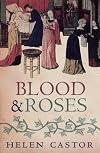
Blood and Roses: The Paston Family and the Wars of the Roses
by Helen Castor
On This Page
Description
The Wars of the Roses turned England upside down. Between 1455 and 1485 four kings, including Richard III, lost their thrones, more than forty noblemen lost their lives on the battlefield or their heads on the block, and thousands of the men who followed them met violent deaths. As they made their way in a disintegrating world, the Paston family in Norfolk family were writing letters - about politics, about business, about shopping, about love and about each other, including the first show more valentine. Using these letters - the oldest surviving family correspondence in English - Helen Castor traces the extraordinary history of the Paston family across three generations. Blood & Roses tells the dramatic, moving and intensely human story of how one family survived one of the most tempestuous periods in English history. Longlisted for the Samuel Johnson Prize in 2005 and winner of the English Association's Beatrice White Prize in 2006. show lessTags
Recommendations

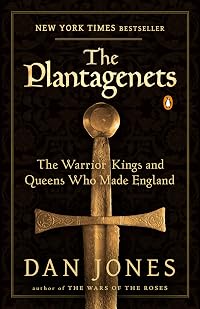
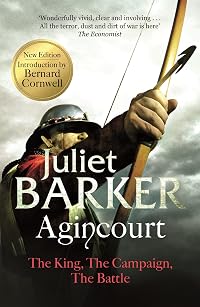
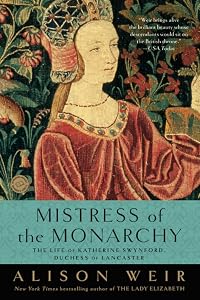
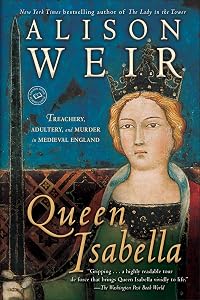


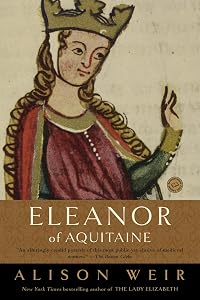
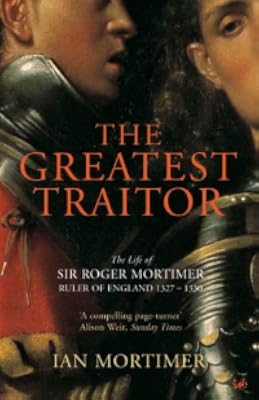

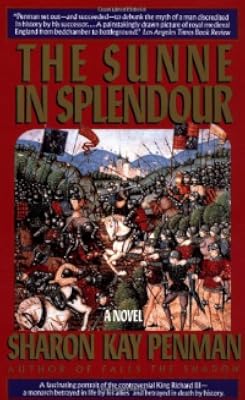

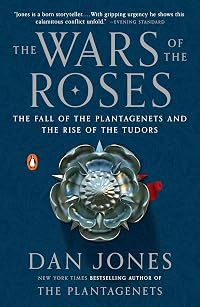

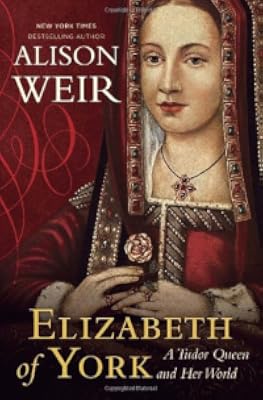
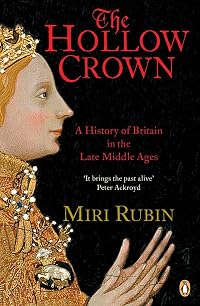
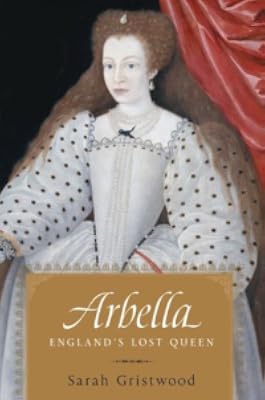

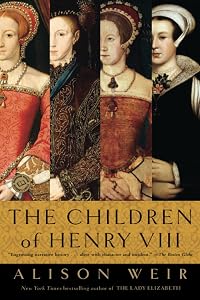


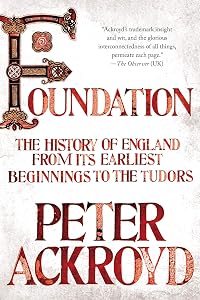


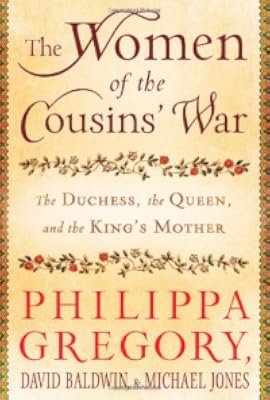
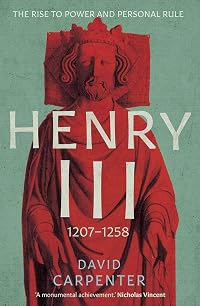




Member Recommendations
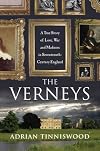
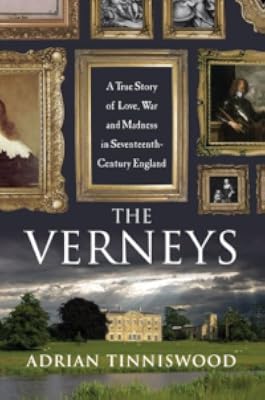
The Verneys: A True Story of Love, War, and Madness in Seventeenth-Century England by Adrian Tinniswood
susanbooks Each book tells the story of England during a period of civil war through the lives of one family, making for intimate histories of larger political events.
Member Reviews
I found this a nice, relatively easy, but informative read about the Paston family, taking as source material that treasure trove from the Middle ages, the Paston letters. Being of Norfolk stock with a mother who's keen on history, I've known of the Paston letters for some time, but I've never realised how extensive they are. The Paston family were prodigious correspondents in the middle ages, and seem to have been inveterate filers of this correspondence. Their descendents, though, seem to have not tidied up for a couple of hundred years, because the letters then turn up in the mid 1700s, and are catalogued for the first time. I had in my head there'd be a couple of letters. Turns out that there are surviving over 1000 from about a 100 show more years. And they wrote about everything. The important events of the day, land squabbles, money worries, clothes, cloth, life, death, betrayal - everything. All of life is in these. And the great thing about them is that if you took away the archaic phrasing and language, they and their emotions, hopes, fears are so recognisable.
In this book, you're taken through the events of the family and the wider country as they rise from peasant farmers to the nobility. It's not a smooth ride, and they get involved in disputes about land and wills, they make bad decisions about patrons and who to appeal to for help, they are pig headed, they go to war, they survive battles and all the while their letters contain their thoughts, wishes, petty squabbles and disappointments. They are fascinating for the window they provide on the past, and that they are such characters in their own right. show less
In this book, you're taken through the events of the family and the wider country as they rise from peasant farmers to the nobility. It's not a smooth ride, and they get involved in disputes about land and wills, they make bad decisions about patrons and who to appeal to for help, they are pig headed, they go to war, they survive battles and all the while their letters contain their thoughts, wishes, petty squabbles and disappointments. They are fascinating for the window they provide on the past, and that they are such characters in their own right. show less
A dense but readable history of the Paston family during the Wars of the Roses, made possible thanks to the survival of the family's large archive of correspondence. Castor uses the Pastons as a focal point for the broader history of the period in English history, mostly successfully. It all gets to be a little bit too much after a while, though.
This is another book I picked up once upon a time ago, set down, and neglected to go back to. But I am currently in quest of English history to go along with the English Lit course I'm teaching, so I persevered. And I now finally understand the rivalries among the descendants of Edward III that led to the breach between the Yorks and the Lancasters and the Wars of the Roses. But at the forefront of Blood and Roses is the Paston family of the subtitle.
William Paston, emerging from a 14th-century peasant farm family, by dint of cleverness, hardwork and a canny knowledge of the law, became the business manager for aristocratic landowners, most notably Sir John Fastolf. Much as Thomas Cromwell was to do in a later generation, Paston show more parlayed his way into land ownership and influence until his own family settled into the minor gentry. But their place there was continually under siege from rivals, both gentry and aristocrat, as the centers of power and influence shifted cataclysmically during the changing monarchies during the Wars of the Roses.
But what the Pastons are famous for are their letters. They carried on a voluminous family correspondence as the the heads of the family mainly worked in London in the law courts while their wives, children and younger siblings stayed in Norfolk -- the one staving off legal challenges and courting powerful influence, the others staving off house invasions and making their presence felt in local politics. When the letters were first published in the 18th century, they became a literary sensation and went through numerous editions. They remain the most thorough account of 15th century English life to date.
Castor has written a dense and gripping picture of the rise and struggle of the Pastons using quotes from the letters as well as detailed historical accounts of the background rivalries of the Plantagenet cousins to gain and maintain the English crown. For anyone who has ever been confused by the king makings and unmakings in Shakespeare's history plays, Blood and Roses will help to unravel the mess. show less
William Paston, emerging from a 14th-century peasant farm family, by dint of cleverness, hardwork and a canny knowledge of the law, became the business manager for aristocratic landowners, most notably Sir John Fastolf. Much as Thomas Cromwell was to do in a later generation, Paston show more parlayed his way into land ownership and influence until his own family settled into the minor gentry. But their place there was continually under siege from rivals, both gentry and aristocrat, as the centers of power and influence shifted cataclysmically during the changing monarchies during the Wars of the Roses.
But what the Pastons are famous for are their letters. They carried on a voluminous family correspondence as the the heads of the family mainly worked in London in the law courts while their wives, children and younger siblings stayed in Norfolk -- the one staving off legal challenges and courting powerful influence, the others staving off house invasions and making their presence felt in local politics. When the letters were first published in the 18th century, they became a literary sensation and went through numerous editions. They remain the most thorough account of 15th century English life to date.
Castor has written a dense and gripping picture of the rise and struggle of the Pastons using quotes from the letters as well as detailed historical accounts of the background rivalries of the Plantagenet cousins to gain and maintain the English crown. For anyone who has ever been confused by the king makings and unmakings in Shakespeare's history plays, Blood and Roses will help to unravel the mess. show less
I really appreciated--after glancing through several other studies of this era--Castor's grounding the war by attaching it to the Paston family. I was surprised by how much was known of the Pastons, especially since almost all histories from this era focus exclusively on the kings, queens, and wannabe kings and queens. Usually it's not until the reign of Henry VIII that you start getting biographies that narrow in on specific people, mostly because the records simply aren't extant. I always love reading history that has lots of anecdotes, and Castor doesn't disappoint here either. For those interested in this era, the war that frames it, or even medieval life in general (actually late medieval-early renaissance, but who's nitpicking?) I show more recommend it. show less
This work of history takes a look at the multi-generational Paston family throughout the years immediately after the Black Death and through the Wars of the Roses. The Pastons left behind an immense number of letters which have been miraculously preserved for six hundred years and as such are a historical treasure trove for those of us who wonder how gentlemen lived in the fifteenth century. Helen Castor recounts the rise and fall of their fortunes here, illuminating their individual personalities; the tenacious women, especially Agnes and Margaret, the hard-working William and John and the at times disappointing John II. Using the Pastons as a lens, Castor picks up larger issues at work in fifteenth century England and provides a show more fascinating biography about a surprisingly ordinary family.
I read this one for my dissertation, so I paid much closer attention to it than I would have otherwise. To my surprise, I still really enjoyed it. Helen Castor writes clearly and succinctly, so that while we’re learning facts, we don’t feel bogged down by too much academic language. She also summarizes quite a bit of information about the period, so I think this would be useful for even those who aren’t too familiar with fifteenth-century England. Even though I’m well acquainted with the Black Death and the manueverings of the Wars of the Roses, it is integrated enough into the Pastons’ story so as not to become boring.
I have personally read quite a number of the Paston letters; they’re invaluable because the Pastons were intimately involved at court and reflect the surprising amount of social mobility available shortly after so many died in the Black Death, so they have both an insider’s perspective and a consciousness of where they had come from. Castor reflects this well and does a very admirable job condensing the contents of the letters and quoting them where necessary to provide a steady, smooth narrative. It does falter occasionally because the Pastons were embroiled in a seventeen year struggle to reap some benefit out of Sir John Fastolf’s will after John I became closely involved with him. This can get boring, but the way the families’ characters show through the struggle kept me reading and it was certainly worth it in the end.
This would be a wonderful book to start with for anyone who is interested in familiarizing themselves with fifteenth century England. For those who have enjoyed the recent spate of historical fiction centered around the Wars of the Roses, Blood and Roses would be an excellent choice to broaden your knowledge of the period while avoiding writing that feels too academic or stilted. I highly recommend it. show less
I read this one for my dissertation, so I paid much closer attention to it than I would have otherwise. To my surprise, I still really enjoyed it. Helen Castor writes clearly and succinctly, so that while we’re learning facts, we don’t feel bogged down by too much academic language. She also summarizes quite a bit of information about the period, so I think this would be useful for even those who aren’t too familiar with fifteenth-century England. Even though I’m well acquainted with the Black Death and the manueverings of the Wars of the Roses, it is integrated enough into the Pastons’ story so as not to become boring.
I have personally read quite a number of the Paston letters; they’re invaluable because the Pastons were intimately involved at court and reflect the surprising amount of social mobility available shortly after so many died in the Black Death, so they have both an insider’s perspective and a consciousness of where they had come from. Castor reflects this well and does a very admirable job condensing the contents of the letters and quoting them where necessary to provide a steady, smooth narrative. It does falter occasionally because the Pastons were embroiled in a seventeen year struggle to reap some benefit out of Sir John Fastolf’s will after John I became closely involved with him. This can get boring, but the way the families’ characters show through the struggle kept me reading and it was certainly worth it in the end.
This would be a wonderful book to start with for anyone who is interested in familiarizing themselves with fifteenth century England. For those who have enjoyed the recent spate of historical fiction centered around the Wars of the Roses, Blood and Roses would be an excellent choice to broaden your knowledge of the period while avoiding writing that feels too academic or stilted. I highly recommend it. show less
An excellent book that takes you out of the Shakespearian drama of Kings and Queens and puts you in the shoes of the people who did the actual living and dying in the period. While reading it, I couldn't help but wonder what our thoughts and words will look like to historians five hundred years hence - will we be as recognizable and yet as different as the Pastons seem to us today?
An excellent read. At times it's bewildering, as indeed were the Wars of the Roses. It is wonderful to look through this window into the past to see how one family negotiated an uncertain path, the pivotal roles the women played, the early years more like unremitting gang warfare than we normally find in history books.
Members
- Recently Added By
Lists

The Paston Family
7 works; 1 member

The Wars of the Roses (Nonfiction)
7 works; 2 members
Author Information

11+ Works 2,442 Members
Helen Castor is a historian, writer, and broadcaster. She is the author of Blood and Roses, winner of the English Association's Beatrice White Prize, and presents BBC Radio 4's Making History. She is a fellow of Sidney Sussex College, Cambridge University, and lives in London.
Awards and Honors
Awards
Common Knowledge
- Canonical title
- Blood and Roses: The Paston Family and the Wars of the Roses
- Original publication date
- 2004
- People/Characters
- John Paston I; Margaret Paston; John Paston II; John Paston III
- Important places
- Norfolk, England, UK
- Important events
- Wars of the Roses (1455 | 1485)
- Dedication
- for Julian and Luca
Classifications
- Genres
- History, Nonfiction, General Nonfiction, Biography & Memoir
- DDC/MDS
- 942.040922 — History & geography History of Europe England and Wales England Lancaster and York 1400-85
- LCC
- DA245 .C3687 — History of Europe, Asia, Africa and Oceania Great Britain History of Great Britain England History By period Early and medieval to 1485 1154-1485. Angevins. Plantagenets.
- BISAC
Statistics
- Members
- 489
- Popularity
- 61,640
- Reviews
- 15
- Rating
- (3.63)
- Languages
- English
- Media
- Paper, Ebook
- ISBNs
- 6
- UPCs
- 1
- ASINs
- 7