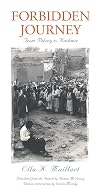
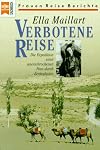
Forbidden Journey: From Peking to Kashmir
by Ella Maillart
On This Page
Description
A classic account of a trip through China during the golden age of travel In 1935 Ella Maillart contemplated one of the most arduous journeys in the world: the "impossible journey" from Peking, then a part of Japanese-occupied China, through the distant province of Sinkiang (present day Tukestan), to Kashmir. Enlisting with newswriter Peter Fleming (with the caveat that his company remain tolerable), Maillart undertook a journey considered almost beyond imagination for any European and show more doubly so for a woman. The trip promised hardships such as typhus and bandits, as well as the countless hazards surrounding the civil war between Chinese communists and Chiang Kai-shek's nationalists. Setting out with pockets full of Mexican money (the currency used in China at the time), Maillart encountered a way of life now lost, but one that then had gone unchanged for centuries. Maillart describes it all with the sharp eye and unvarnished prose of a veteran reporter-the missionaries and rogues, parents binding daughters' feet with rags, the impatient Fleming lighting fires under stubborn camels. It's a hard road, not that Maillart cares. At all times she is a witty, always-enchanted guide-except when it comes to bureaucrats. Forbidden Journey ranks among other travel narratives like Fleming's News from Tartary, (based on the same journey) and Robert Byron's The Road to Oxiana. But it is also a portrait of a fascinating woman, one of many women from the pre-WWII era who ignored convention and traveled in hidden lands. It remains a vivid account of its time and a classic of travel literature. show lessTags
Recommendations





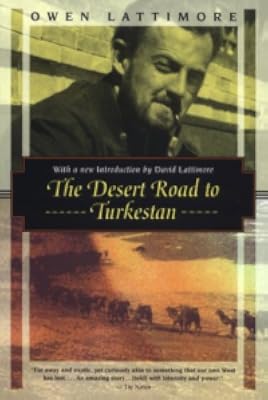
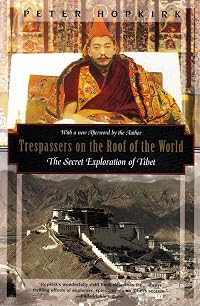

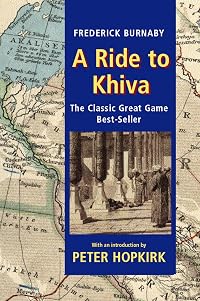
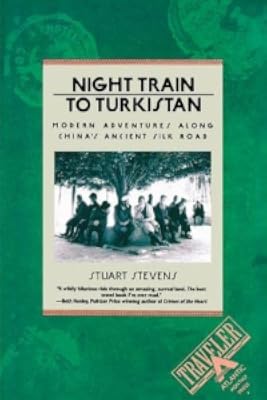



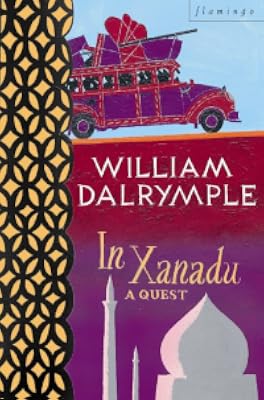

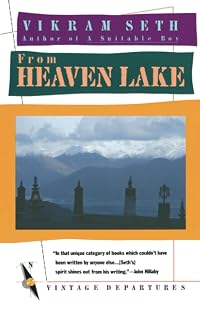


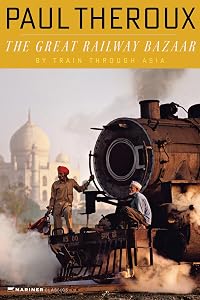
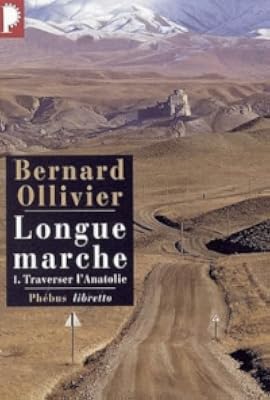








Member Recommendations

DuncanHill Two accounts of the same journey
Member Reviews
"Night was falling when the vast swarm of lights that was Paris appeared in the north....
Suddenly I understood something. I felt now, with all the strength of my senses and intelligence, that Paris, France, Europe, the White Race, were nothing.... The something that counted in and against all particularisms was the magnificent scheme of things that we call the world."
Forbidden Journey, Maillart's account of the trip that her travel companion Peter Fleming described in his book News from Tartary, was a bit of a revelation. I learned so much from this book - not just about the journey, China and the cultures of the Chinese in the 1930s, but also about perspectives and how they change - or stay the same over time.
Of course, Forbidden show more Journey describes the same trip from Beijing across China and into India via Kashmir that Fleming's more widely known account does. Like Fleming's book Forbidden Journey is the record of accomplishment of a trip that very few adventurers have managed to describe to a Western readership since the days of Marco Polo.
When Maillart set out on her trip in 1935, she soon had to abandon her plans of travelling alone. Because of the political upheaval in China at the time - Japanese invasion of Manchuria, the rise of the Communist army - roads were blocked and warrants issued for anyone who did not have the right papers, the right connections, or the right demeanor. It was at this point that Maillart joined forces with Peter Fleming, older brother of Ian and political correspondent for The Times, who had also planned to follow the Silk Road across China - by himself.
Neither of them wanted to join forces, but the alternative for both would have been to abandon the trip. Together, they could produce enough languages, life skills, money, and passports/visa to at least leave Beijing - and try and by-pass the official control posts.
Forbidden Journey may not be the most elegantly written one of the two books. Peter Fleming was evidently a more skilled writer than Maillart, but Maillart was the more diligent observer. She was the one that notices things - people's dress, people's demeanour, their circumstances. Maillart picked up on nuances of the everyday life that she and Fleming encountered and made time in her book to record them, sometimes comment, rarely judge. And this is the part that makes her book - and by reflection Maillart as a person - special: Maillart did not try to compare the things she sees with other things known to her. By that, she did not try to validate her observations and experiences against a Western belief system - at least not often. She rather took in everything she saw and tried to understand it against the background she encountered it in.
To my recollection, the only exception to this, where she did comment on something she saw is when she encountered Chinese women who had their feet bound. Maillart was upset by this and mentioned it a few times. Foot binding was officially banned in 1912 but was still common practice in rural areas into the 1930. But then, was Maillart moved by this because she thought it was wrong by European standards or was she upset to see the practice because there had been criticism of the practice throughout China since at least the 1870s? Having read Maillart's other books, I have no doubt that her concern was caused by her humanist approach to whatever people she met.
Anyway, I could go on fan-girling about Maillart, who was an extraordinary person, but I shall leave her biography to speak for her.
What did impress me at the end of the book, both books actually, were the different outlooks both Maillart and Fleming took away from the trip:
On arriving in India, both weary travellers, sun tanned, clad in what can only be described as rags after months of travail by foot, camel, horseback, they checked into a hotel and went to dinner. Both had hoped for months for this very moment that they could enjoy a meal prepared by a proper chef and a drink, but the enjoyment was somewhat spoilt by the reactions from the other hotel guests.
Soon after, Fleming returned to the UK by the quickest route possible to rejoin society. Maillart on the other hand, though returning to Europe, would make it her life's ambition to never again be part of an exclusive society. She did pretty well on that, too. show less
Suddenly I understood something. I felt now, with all the strength of my senses and intelligence, that Paris, France, Europe, the White Race, were nothing.... The something that counted in and against all particularisms was the magnificent scheme of things that we call the world."
Forbidden Journey, Maillart's account of the trip that her travel companion Peter Fleming described in his book News from Tartary, was a bit of a revelation. I learned so much from this book - not just about the journey, China and the cultures of the Chinese in the 1930s, but also about perspectives and how they change - or stay the same over time.
Of course, Forbidden show more Journey describes the same trip from Beijing across China and into India via Kashmir that Fleming's more widely known account does. Like Fleming's book Forbidden Journey is the record of accomplishment of a trip that very few adventurers have managed to describe to a Western readership since the days of Marco Polo.
When Maillart set out on her trip in 1935, she soon had to abandon her plans of travelling alone. Because of the political upheaval in China at the time - Japanese invasion of Manchuria, the rise of the Communist army - roads were blocked and warrants issued for anyone who did not have the right papers, the right connections, or the right demeanor. It was at this point that Maillart joined forces with Peter Fleming, older brother of Ian and political correspondent for The Times, who had also planned to follow the Silk Road across China - by himself.
Neither of them wanted to join forces, but the alternative for both would have been to abandon the trip. Together, they could produce enough languages, life skills, money, and passports/visa to at least leave Beijing - and try and by-pass the official control posts.
Forbidden Journey may not be the most elegantly written one of the two books. Peter Fleming was evidently a more skilled writer than Maillart, but Maillart was the more diligent observer. She was the one that notices things - people's dress, people's demeanour, their circumstances. Maillart picked up on nuances of the everyday life that she and Fleming encountered and made time in her book to record them, sometimes comment, rarely judge. And this is the part that makes her book - and by reflection Maillart as a person - special: Maillart did not try to compare the things she sees with other things known to her. By that, she did not try to validate her observations and experiences against a Western belief system - at least not often. She rather took in everything she saw and tried to understand it against the background she encountered it in.
To my recollection, the only exception to this, where she did comment on something she saw is when she encountered Chinese women who had their feet bound. Maillart was upset by this and mentioned it a few times. Foot binding was officially banned in 1912 but was still common practice in rural areas into the 1930. But then, was Maillart moved by this because she thought it was wrong by European standards or was she upset to see the practice because there had been criticism of the practice throughout China since at least the 1870s? Having read Maillart's other books, I have no doubt that her concern was caused by her humanist approach to whatever people she met.
Anyway, I could go on fan-girling about Maillart, who was an extraordinary person, but I shall leave her biography to speak for her.
What did impress me at the end of the book, both books actually, were the different outlooks both Maillart and Fleming took away from the trip:
On arriving in India, both weary travellers, sun tanned, clad in what can only be described as rags after months of travail by foot, camel, horseback, they checked into a hotel and went to dinner. Both had hoped for months for this very moment that they could enjoy a meal prepared by a proper chef and a drink, but the enjoyment was somewhat spoilt by the reactions from the other hotel guests.
Soon after, Fleming returned to the UK by the quickest route possible to rejoin society. Maillart on the other hand, though returning to Europe, would make it her life's ambition to never again be part of an exclusive society. She did pretty well on that, too. show less
Entertaining account of long distance travel, in remote areas of China, amidst the chaos and dangers of a civil war. Ella Maillart, a redoubtable person, writes with charm, warmth and insight. She travelled with Peter Fleming, a correspondent for The Times, who wrote his own book about their adventures - whom she clearly respected. Yes, they argued fiercely, as two strong, independent characters would, but there was friendship too, which lasted until the end of their days.
In 1935 Ella Maillart set off to travel from Peking to Kashgar. She teamed up with the British journalist, Peter Fleming, whose book News from Tartary covers the same journey. The Russians are skirmishing with the Chinese, and the Turks of Chinese Turkestan are fighting for independence. Governments change, and travel documents become obsolete. Other European travellers have been accused as spies and have disappeared. Maillart and Fleming are constantly at risk of arrest.
Maillart experiences the last days of the centuries-old customs and culture of the peoples of Central Asia. She travels by donkey and camel, from oasis to oasis across the Gobi desert, through fertile farming land and through wastelands where food is scarce. She carries show more gold bars to exchange for the local currency to buy food and goods along the way. She is stuck for weeks in some places, negotiating for the hire of scarce camels. Donkeys die, camels get ulcers, and the water runs out. This is an extraordinarily difficult journey, but nothing deters Maillart. show less
Maillart experiences the last days of the centuries-old customs and culture of the peoples of Central Asia. She travels by donkey and camel, from oasis to oasis across the Gobi desert, through fertile farming land and through wastelands where food is scarce. She carries show more gold bars to exchange for the local currency to buy food and goods along the way. She is stuck for weeks in some places, negotiating for the hire of scarce camels. Donkeys die, camels get ulcers, and the water runs out. This is an extraordinarily difficult journey, but nothing deters Maillart. show less
This book is great to read along with Peter Fleming's News from Tartary. Ella reveals all the things that Peter glosses over. This is the book that convinced me that Peter was a spy and gunrunner.
Journalists traveling from Peking to Kashmir in the 1930s. Train, horse, donkeys, camels. Really interesting and just fascinating to contemplate the logistics of undertaking such a journey. It took them 7 months.
Another book about travels along the famed silk route during the turbulent 30s when the whole of China was roiled by unprecedented turmoil.
Another book about travels along the famed silk route during the turbulent 30s when the whole of China was roiled by unprecedented turmoil.
Members
- Recently Added By
Lists

Best Travel Narrative
32 works; 20 members
Author Information

18+ Works 692 Members
Ella K. Maillart (1903-97) was a Swiss journalist, photographer, and adventurer. She is the author of Gypsy Afloat, The Forbidden Journey, Turkestan Solo, and many other works published in English, French, and German.
Some Editions
Series
Belongs to Publisher Series
Work Relationships
Is a (non-series) prequel to
Common Knowledge
- Canonical title
- Forbidden Journey: From Peking to Kashmir
- Original title
- Oasis interdites : de Pékin au Cachemire, une femme à travers l'Asie centrale en 1935
- Original publication date
- 1937
- People/Characters
- Ella Maillart; Peter Fleming
- Important places
- Silk Road; China; Turkestan
- Original language
- French
Classifications
Statistics
- Members
- 200
- Popularity
- 163,670
- Reviews
- 12
- Rating
- (4.08)
- Languages
- 5 — English, French, German, Italian, Spanish
- Media
- Paper, Ebook
- ISBNs
- 18
- ASINs
- 9