On This Page
Description
"In this highly anticipated new novel, Irishman Jack McNulty is a "temporary gentleman"--an Irishman whose commission in the British army in World War II was never permanent. Sitting in his lodgings in Accra, Ghana, in 1957, he's writing the story of his life with desperate urgency. He cannot take one step further without examining all the extraordinary events that he has seen. A lifetime of war and world travel--as a soldier in World War II, an engineer, a UN observer--has brought him to show more this point. But the memory that weighs heaviest on his heart is that of the beautiful Mai Kirwan, and their tempestuous, heartbreaking marriage. Mai was once the great beauty of Sligo, a magnetic yet unstable woman who, after sharing a life with Jack, gradually slipped from his grasp"-- show lessTags
Recommendations










Member Reviews
Narrator Jack McNulty, an Irishman living temporarily in Ghana, tells two stories. One is the journal he is writing about his relationship with his wife and the other what is happening to him at present (1957). I had previously read Barry’s The Secret Scripture and loved it. I very much enjoy his writing style, so I thought I would try another. The Temporary Gentleman is written in the same expressive manner. For example, Jack describes his assistant, Tom:
“I looked at him. Though his eyes are hooded and nearly hidden, yet out through the folds of skin shine two slivers of emerald. I don’t know how sad he is, but I do know that he is sad. He has been extraordinarily kind, I was thinking. He is a dependable, decent man. There was show more goodness in him, yes, there was something of God in him. He is just a local man I employ to clean and see to the house, that’s one way of looking at it. But. Something about Tom Quaye’s care and loyalty, even if words like care and loyalty might usually suggest servility, is entrancing. He is like a big lump of medicine to me.”
This is a true character study. It is about Jack and the important people in his life. Jack is plagued by addictions, both gambling and drinking. He is not always a good influence on his family. By the end, the reader will come to know Jack and empathize with him, though recognizing his flaws and his tendencies to self-destruct. The tone is melancholy. There is a tiny thread of mystery that keeps the plot moving forward as we wonder what has happened with his wife, but I would not recommend it for anyone looking for action. This book is for readers who love a well-crafted novel of stunning prose. I liked this book immensely and will definitely be reading more of his work.
4.5 show less
“I looked at him. Though his eyes are hooded and nearly hidden, yet out through the folds of skin shine two slivers of emerald. I don’t know how sad he is, but I do know that he is sad. He has been extraordinarily kind, I was thinking. He is a dependable, decent man. There was show more goodness in him, yes, there was something of God in him. He is just a local man I employ to clean and see to the house, that’s one way of looking at it. But. Something about Tom Quaye’s care and loyalty, even if words like care and loyalty might usually suggest servility, is entrancing. He is like a big lump of medicine to me.”
This is a true character study. It is about Jack and the important people in his life. Jack is plagued by addictions, both gambling and drinking. He is not always a good influence on his family. By the end, the reader will come to know Jack and empathize with him, though recognizing his flaws and his tendencies to self-destruct. The tone is melancholy. There is a tiny thread of mystery that keeps the plot moving forward as we wonder what has happened with his wife, but I would not recommend it for anyone looking for action. This book is for readers who love a well-crafted novel of stunning prose. I liked this book immensely and will definitely be reading more of his work.
4.5 show less
"But of course it is all long ago, and a hundred different fates and stories have swallowed up my comrades, as my own fate has swallowed me. We are in the great belly of the whale of what happens, we mistook the darkness for a pleasant night-time, and the phosphorescent plankton swimming there for stars."
Tenuously tenured to sobriety, pestered by the authorities (and in fact engaged in dubious activities), Irishman Jack McNulty nests in Africa where he was once stationed in WWII. Far from his daughters and the past that haunts him, he's writing a memoir of his long-dead, long-suffering, beloved wife Mai and their beset marriage. Too much booze, too much separation, too much sorrow, not to mention gambling and reduced circumstances, have show more taken a toll on their lives, and in his present state of limbo, McNulty re-navigates his damaged wake and renders an accounting of his ruined present with an unflinching eye. His military rank during the war gave him the temporary status of "gentleman," but the novel's title has obvious additional ramifications.
Irish prose master Sebastian Barry is in exquisite form. show less
Tenuously tenured to sobriety, pestered by the authorities (and in fact engaged in dubious activities), Irishman Jack McNulty nests in Africa where he was once stationed in WWII. Far from his daughters and the past that haunts him, he's writing a memoir of his long-dead, long-suffering, beloved wife Mai and their beset marriage. Too much booze, too much separation, too much sorrow, not to mention gambling and reduced circumstances, have show more taken a toll on their lives, and in his present state of limbo, McNulty re-navigates his damaged wake and renders an accounting of his ruined present with an unflinching eye. His military rank during the war gave him the temporary status of "gentleman," but the novel's title has obvious additional ramifications.
Irish prose master Sebastian Barry is in exquisite form. show less
Sebastian Barry is often credited for the way he captures the quintessential Irish life, especially with the McNulty family. The Temporary Gentleman tells the story of Jack McNulty, an Irish engineer that gets commissioned into the British Army in the Second World War. I will admit that this is my first Sebastian Barry novel but I had a fair idea on what I was getting myself into. The title alone gave me an idea of the type of man this is following, only temporarily a refined gentleman. It was also the idea that Jack wanted to be a gentleman but thought his social-economical background prohibited that.
The Temporary Gentleman serves are a retrospective of Jack’s life as he reflects on the choices he made along the way. But unlike show more similar stories like this, Jack wasn’t a nice person; in fact he was a real bastard. A drunk and a degenerate gambler, he not only ruined he own life but that of his wife, Mai. He joined the army to escape, not a honourable thing to do but I get a sense that Jack may of felt like this was the only time he was a gentleman. Leaving Africa would mean he would have to return to his past, but is this what makes he such a bastard?
I will admit that I went into The Temporary Gentleman with the idea that this was a post-colonial novel; I expected it to explore the effects of empiricism of Kenya as they were working toward their independence. I only guess that from the synopsis and I guess you can say there was some glimpses of this, the way the Kenyans treated Jack as an ex Major. In hindsight, if I was to look at this novel as post-colonial, I should have been focusing on the Imperial effects England had over Ireland. Considering this took place after the Irish War of Independence (1919-1921) and the Irish Civil War (1922-1923).
However I decided to look at this novel through the lens of psychoanalytical theory. I’m no expert at literary theories but I do try and this was a very in-depth and psychological look at Jack McNulty and the way he sees himself. A look at his mistakes and narcissism and how damaging his choose are for him and the people close to him. The Temporary Gentleman almost serves as a psychological profile and if I knew more about psychology I would try to analyse it.
I have to except that my literary criticism skills are still very lacking, I might have been able to handle this novel through the lens of post-colonialism but it was too focused on Jake McNulty to get much out of it. Psychoanalytical theory is something I’m very interested in and possibly my next focus in the world of literary criticism. All I can really say is that Barry makes it impossible to sympathise with Jack at all.
Sebastian Barry appears to know his craft; his approach to the novel was expertly executed. The prose in The Temporary Gentleman makes the whole experience bearable; you can help but enjoy the writing while grinding your teeth at Jack McNulty. I don’t feel like I can truly recommend this novel, there are plenty of unlikeable characters that are more thrilling to read about but I will be returning Sebastian Barry in the future.
This review originally appeared on my blog; http://literary-exploration.com/2014/05/04/the-temporary-gentleman-by-sebastian-... show less
The Temporary Gentleman serves are a retrospective of Jack’s life as he reflects on the choices he made along the way. But unlike show more similar stories like this, Jack wasn’t a nice person; in fact he was a real bastard. A drunk and a degenerate gambler, he not only ruined he own life but that of his wife, Mai. He joined the army to escape, not a honourable thing to do but I get a sense that Jack may of felt like this was the only time he was a gentleman. Leaving Africa would mean he would have to return to his past, but is this what makes he such a bastard?
I will admit that I went into The Temporary Gentleman with the idea that this was a post-colonial novel; I expected it to explore the effects of empiricism of Kenya as they were working toward their independence. I only guess that from the synopsis and I guess you can say there was some glimpses of this, the way the Kenyans treated Jack as an ex Major. In hindsight, if I was to look at this novel as post-colonial, I should have been focusing on the Imperial effects England had over Ireland. Considering this took place after the Irish War of Independence (1919-1921) and the Irish Civil War (1922-1923).
However I decided to look at this novel through the lens of psychoanalytical theory. I’m no expert at literary theories but I do try and this was a very in-depth and psychological look at Jack McNulty and the way he sees himself. A look at his mistakes and narcissism and how damaging his choose are for him and the people close to him. The Temporary Gentleman almost serves as a psychological profile and if I knew more about psychology I would try to analyse it.
I have to except that my literary criticism skills are still very lacking, I might have been able to handle this novel through the lens of post-colonialism but it was too focused on Jake McNulty to get much out of it. Psychoanalytical theory is something I’m very interested in and possibly my next focus in the world of literary criticism. All I can really say is that Barry makes it impossible to sympathise with Jack at all.
Sebastian Barry appears to know his craft; his approach to the novel was expertly executed. The prose in The Temporary Gentleman makes the whole experience bearable; you can help but enjoy the writing while grinding your teeth at Jack McNulty. I don’t feel like I can truly recommend this novel, there are plenty of unlikeable characters that are more thrilling to read about but I will be returning Sebastian Barry in the future.
This review originally appeared on my blog; http://literary-exploration.com/2014/05/04/the-temporary-gentleman-by-sebastian-... show less
Sebastian Barry is the only writer that I sometimes wish I could write like. His prose style is poetic and beautiful but does not distract from the narrative as I find many self-consciously poetic prose writers do. This is a heartbreakingly simple story of one man's life and his doomed failing marriage. Despite its simplicity, it manages to span over 50 years and include the struggle for Irish independence, the 2nd world war and African colonialism.
Its only drawbacks for me were the abrupt, unconvincing ending and a reliance on the stereotypical link between the Irish and alcoholism.
Its only drawbacks for me were the abrupt, unconvincing ending and a reliance on the stereotypical link between the Irish and alcoholism.
Sebastian Barry writes so head-shaking beautifully that, after reading him, it takes me days to recover.
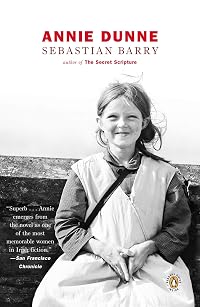
The Temporary Gentleman is Jack McNulty's story. Jack is Irish, another member of the family Barry covers or alludes to in his other novels (notably in A LONG, LONG WAY,THE WHEREABOUTS OF ENEAS MCNULTY, ANNIE DUNNE, and my all-time favorite, THE SECRET SCRIPTURE), and he's also an officer, as an engineer, in the British army based in Africa during and after WW II. He is madly in love with his wife Mai but it's a challenging relationship not only because because Jack is seldom at home in Ireland but also because Mai is an unusual person with her own demons.
The biggest demon in the story is alcohol and we also learn early on that Jack show more likes to bet on horse races. There are so many moments in this book when I wanted to shout DON'T DO IT! And to mutter, "How could you?" And isn't that always the mark of a successful author -- to provoke such reactions?
There are a couple of missteps, I think -- two near-death experiences that I probably need to reread to understand their significance. The ending was telegraphed but maybe that was OK; I felt satisfied when I realized what was going to happen.
But, as in his other books, Sebastian Barry astounds with his command of language. What a pleasure to read this latest novel. show less
The Temporary Gentleman is Jack McNulty's story. Jack is Irish, another member of the family Barry covers or alludes to in his other novels (notably in A LONG, LONG WAY,THE WHEREABOUTS OF ENEAS MCNULTY, ANNIE DUNNE, and my all-time favorite, THE SECRET SCRIPTURE), and he's also an officer, as an engineer, in the British army based in Africa during and after WW II. He is madly in love with his wife Mai but it's a challenging relationship not only because because Jack is seldom at home in Ireland but also because Mai is an unusual person with her own demons.
The biggest demon in the story is alcohol and we also learn early on that Jack show more likes to bet on horse races. There are so many moments in this book when I wanted to shout DON'T DO IT! And to mutter, "How could you?" And isn't that always the mark of a successful author -- to provoke such reactions?
There are a couple of missteps, I think -- two near-death experiences that I probably need to reread to understand their significance. The ending was telegraphed but maybe that was OK; I felt satisfied when I realized what was going to happen.
But, as in his other books, Sebastian Barry astounds with his command of language. What a pleasure to read this latest novel. show less
I rarely have difficulty writing a review of a book that i have enjoyed reading, until now. This book is dark and disturbing. The love bond between Jack McNulty and his wife Mai is twisted and revolting. The term "temporary gentleman" refers to more than Jack's military years and applies to most aspects of his life. What kind of family man becomes a bomb de-fuser? What kind of man sneaks money from his wife's secret stash of cash to pay his gambling debts and bar bills until there is none left? What kind of man allows the lien holder to take the house because he cannot say no to his wife's extravagances and their shared alcohol addiction? What kind of man observes his wife's abuse of their children and takes off the next day? What kind show more of man deliberately finds ways to avoid living with his family? Both husband and wife are lonely and madly in love with each other. Reading this book filled my evening with sadness. But the language used and the writing style are beautiful and elegant. I was transported back to an earlier century. I loved learning of the tales of emerging African states. I loved hearing the tales about life in the Ireland that was and to be. But I am still left with sadness. Lost years and misunderstood signals. Selfishness and tragedy. My emotions remain torn open. Kudos Mr. Barry, a job well done. My thanks to the Penguin First to Read program for a complimentary copy. show less
Imbued with Irish pathos, this novel tells the story of Mai and Jack who marry in the 1920s and their turbulent marriage. The framing device and setting (post-colonial Ghana) was interesting but I don't think I fully understood what Barry was trying to do with it. Still, gorgeous prose and an excellent audio narrator made this a very satisfying listen.
4.25 stars
4.25 stars
Members
- Recently Added By
Lists

Dublin Literary Award Longlist 2016
148 works; 4 members

Books Read in 2017
4,249 works; 130 members

Folio Prize 2015 Longlist
79 works; 2 members

To read
61 works; 1 member
Author Information

55+ Works 9,626 Members
Sebastian Barry is a playwright whose work has been produced in London, Dublin, Sydney, and New York. He lives in Wicklow, Ireland, with his wife and three children. Sebastian Barry is an Irish writer and playwright, born in 1955. He is the author of two novels, A Long Long Way and Days Without End, which won the Costa Book Award for best novel. show more His other awards include the Kerry Group Irish Fiction Prize, the Irish Book Awards Novel of the Year, the Independent Booksellers Prize and the James Tait Black Memorial Prize. (Bowker Author Biography) show less
Some Editions
Awards and Honors
Series

Belongs to Publisher Series
Common Knowledge
- Canonical title*
- L'homme provisoire
- Original title
- The temporary gentleman
- Original publication date
- 2014 (1e édition originale anglaise) (1e édition originale anglaise); 2014 -17-01 (1e traduction et édition française, Littérature étrangère, Joëlle Losfeld) (1e traduction et édition française, Littérature étrangère, Joëlle Losfeld)
- People/Characters
- Jack McNulty
- Important events
- World War II (1939 | 1945)
- Epigraph*
- hic amor, haec patria est
VIRGILE, Énéide
Souviens-toi de moi, oublie mon sort
NAHUM TATE, Didon et Énée - Dedication*
- À Jacquie Burgess
belle et avisée - First words*
- 1
«Quelle nuit magnifique ! Ça, on peut le dire. On ne croirait jamais qu'il y a une guerre quelque part.»
[...] - Original language*
- Anglais (Irlande) (Irlande)
*Some information comes from Common Knowledge in other languages. Click "Edit" for more information.
Classifications
Statistics
- Members
- 373
- Popularity
- 83,868
- Reviews
- 21
- Rating
- (3.92)
- Languages
- Dutch, English, French, Spanish
- Media
- Paper, Audiobook, Ebook
- ISBNs
- 32
- ASINs
- 10