On This Page
Description
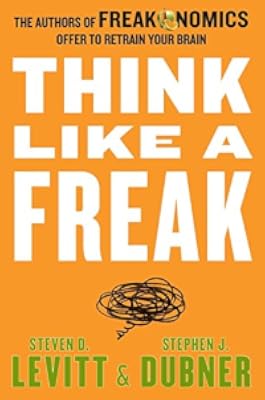
The New York Times bestselling Freakonomics changed the way we see the world, exposing the hidden side of just about everything. Then came SuperFreakonomics, a documentary film, an award-winning podcast, and more.Now, with Think Like a Freak, Steven D. Levitt and Stephen J. Dubner have written their most revolutionary book yet. With their trademark blend of captivating storytelling and unconventional analysis, they take us inside their thought process and teach us all to think a bit more show more productively, more creatively, more rationally—to think, that is, like a Freak.
Levitt and Dubner offer a blueprint for an entirely new way to solve problems, whether your interest lies in minor lifehacks or major global reforms. As always, no topic is off-limits. They range from business to philanthropy to sports to politics, all with the goal of retraining your brain. Along the way, you'll learn the secrets of a Japanese hot-dog-eating champion, the reason an Australian doctor swallowed a batch of dangerous bacteria, and why Nigerian e-mail scammers make a point of saying they're from Nigeria.
Some of the steps toward thinking like a Freak:
. show less
Tags
Recommendations

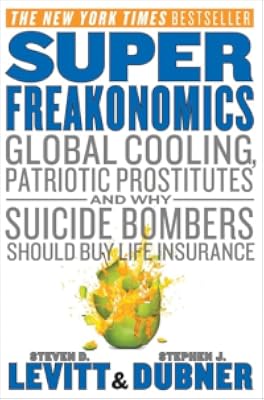
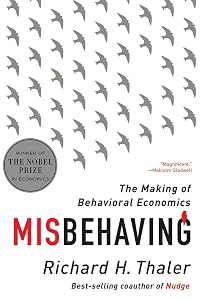
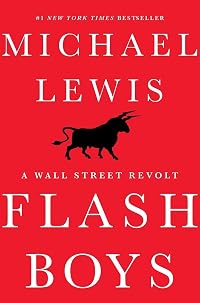
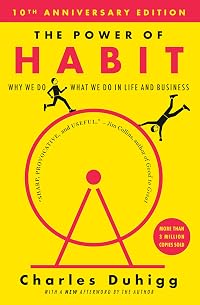

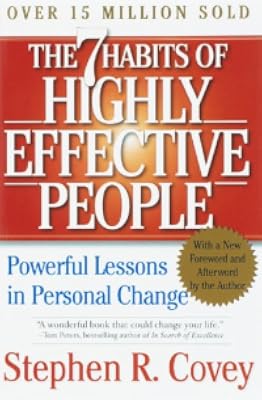
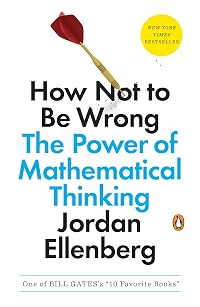
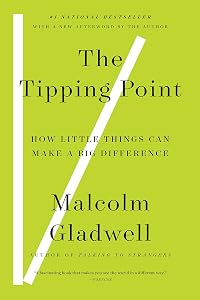
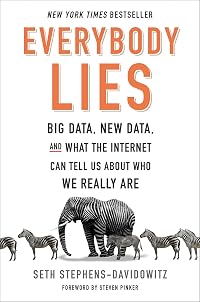
Member Recommendations
Member Reviews
"I told you I was freaky" by Flights of the Conchords and "Get Ur Freak On" by Missy Elliot would intermittently get stuck in my head as I read this book. I consider that an added bonus.
I find this book appealing in part because I already employ some of it's advice in my line of work, software QA. In particular I found the section about declared preferences vs revealed preferences very interesting. Many people say they want a certain software feature, but it's not actually how they use it or in the best interest of the end result.
Persuading stakeholders to trust in your expertise is also tricky. Users want what they want, as does upper management, and explaining highly technical concepts and justifying decisions can be delicate. Their show more suggestions for persuading those who do not want to be persuaded are helpful, practical tips as well. As the authors note, being right is not enough.
Some of the material is already touched upon in the previous two books and podcasts, but it's still an entertaining and informative read. show less
I find this book appealing in part because I already employ some of it's advice in my line of work, software QA. In particular I found the section about declared preferences vs revealed preferences very interesting. Many people say they want a certain software feature, but it's not actually how they use it or in the best interest of the end result.
Persuading stakeholders to trust in your expertise is also tricky. Users want what they want, as does upper management, and explaining highly technical concepts and justifying decisions can be delicate. Their show more suggestions for persuading those who do not want to be persuaded are helpful, practical tips as well. As the authors note, being right is not enough.
Some of the material is already touched upon in the previous two books and podcasts, but it's still an entertaining and informative read. show less
I love Steven and Stephen. I was blown away a few years ago by Freakonomics and now I tore through this book, Think Like a Freak, in just two nights. Along the way I was reminded that I somehow missed SuperFreakonomics. (Now added to my to-read list.)
The process of thinking like a freak starts with a fundamentally simple underlying principle, a classic tenet of science: Look at the data without bias and draw your conclusions accordingly. The key here is "without bias." That problem alone could account for the deficit of useful scientific discourse in the world today. On the flip side, as any Freak will tell you, bias sells so that's a powerful incentive to overcome.
With the above foundation in place Steven and Stephen next go looking show more for hidden causalities that may be undergirding everyday phenomenon. Here I'm reminded of H. L. Mencken, "For every complex problem there is an answer that is clear, simple, and wrong." In the economic arena of cause and effect it's easy to think the root of a problem is one thing when it might be something else entirely. Or maybe there are entrenched incentives blocking an obvious solution. Sometimes the truth is hidden; sometimes our biases cause us to want to not see the truth. This book provides plenty of real-world examples to explore these ideas.
To Think Like a Freak is to not only think outside of the box, but to think outside of our own preconceived notions. show less
The process of thinking like a freak starts with a fundamentally simple underlying principle, a classic tenet of science: Look at the data without bias and draw your conclusions accordingly. The key here is "without bias." That problem alone could account for the deficit of useful scientific discourse in the world today. On the flip side, as any Freak will tell you, bias sells so that's a powerful incentive to overcome.
With the above foundation in place Steven and Stephen next go looking show more for hidden causalities that may be undergirding everyday phenomenon. Here I'm reminded of H. L. Mencken, "For every complex problem there is an answer that is clear, simple, and wrong." In the economic arena of cause and effect it's easy to think the root of a problem is one thing when it might be something else entirely. Or maybe there are entrenched incentives blocking an obvious solution. Sometimes the truth is hidden; sometimes our biases cause us to want to not see the truth. This book provides plenty of real-world examples to explore these ideas.
To Think Like a Freak is to not only think outside of the box, but to think outside of our own preconceived notions. show less
 This review was written for LibraryThing Early Reviewers.
I was disappointed in this one because I'm a big fan of the podcast and had essentially already heard about 90% of the material presented in the book across various podcast episodes. Had I not already heard all of the case studies they discuss--I mean that literally, these are practically podcast episode transcripts strung together--I suspect I would have found a lot of value here. As it was, it was old hat.
This review was written for LibraryThing Early Reviewers.Qual seria a maneira mais eficaz de converter a cobrança de um pênalti em gol?
Mesmo quem só vê futebol em Copa do Mundo sabe que a "penalidade máxima" pode decidir campeonatos (Zico, Roberto Baggio e Palhinha que o digam). Olhando pela perspectiva de quem tem de evitar o gol, O medo do goleiro diante do pênalti é um filme de Wim Wenders de 1971, baseado em roteiro do escritor austríaco Peter Handke.
Lamento pelos goleiros, mas queremos fazer o gol. E Steven D. Levitt e Stephen J. Dubner baseiam-se na análise dos fatos bem à maneira "freak" que os consagrou para concluir que o ideal é, friamente, chutar a bola no centro do gol, onde o goleiro aguarda. Ele não vai estar mais lá, e a bola entra.
O jornalista e escritor Dubner e show more seu parceiro, o economista Levitt, seguem a linha de Freaknomics e SuperFreaknomics em Pense como um Freak - Como pensar de maneira mais inteligente sobre quase tudo, seu lançamento mais recente. Como no livro de estreia, em 2005, o subtítulo "O lado oculto e inesperado de tudo que nos afeta" já resume a proposta da obra da dupla.
Quem acompanha o trabalho dos dois pode não se animar muito com a leitura do novo título. Vários dos temas vem sendo explorados pela dupla em publicações no blog e podcasts. As ideias não surpreendem como quando ouvidas ou lidas pela primeira vez.
A proposta de Pense como um Freak, no entanto, é mais a de orientar o leitor sobre como sair do lugar comum, evitar as conclusões óbvias e ser mais criativo. Sim, lembra autoajuda em muitos momentos, mas o fato é que Levitt e Dubner são originais, criativos e, não raro, polêmicos, ao abordar questões como o aborto ou levantar a discussão sobre se os jovens deveriam pagar de volta aos pais a educação que receberam.
Logo no começo do livro, os autores alertam para a armadilha de nos apegamos ao que acreditamos, nos fechando para as novas ideias que contrariam nossas crenças e certezas. É sempre bom ser lembrado disso. "Divertir-se no trabalho" e "ver os problemas de perspectivas diferentes" são "dicas" da dupla que você já pode ter lido ou ouvido muitas vezes.
O livro se torna mais saboroso quando sugere estarmos atentos à "hora de desapegar", nos lembra quão eficiente pode ser "contar histórias" ou pensar e agir como as crianças. Elas, afirmam os autores, não têm medo de sizer "não sei", pensar no óbvio, não reagem a dogmas como os adultos e são naturalmente curiosas.
Em tempo: Albert Camus e Vladimir Nabokov, dois escritores muito admirados por mim, foram goleiros em algum momento de suas vidas. Melhor que tenham se tornado referência por seu talento na escrita, e não pela habilidade com a bola. Prefiro contar com seus livros na estante. show less
Mesmo quem só vê futebol em Copa do Mundo sabe que a "penalidade máxima" pode decidir campeonatos (Zico, Roberto Baggio e Palhinha que o digam). Olhando pela perspectiva de quem tem de evitar o gol, O medo do goleiro diante do pênalti é um filme de Wim Wenders de 1971, baseado em roteiro do escritor austríaco Peter Handke.
Lamento pelos goleiros, mas queremos fazer o gol. E Steven D. Levitt e Stephen J. Dubner baseiam-se na análise dos fatos bem à maneira "freak" que os consagrou para concluir que o ideal é, friamente, chutar a bola no centro do gol, onde o goleiro aguarda. Ele não vai estar mais lá, e a bola entra.
O jornalista e escritor Dubner e show more seu parceiro, o economista Levitt, seguem a linha de Freaknomics e SuperFreaknomics em Pense como um Freak - Como pensar de maneira mais inteligente sobre quase tudo, seu lançamento mais recente. Como no livro de estreia, em 2005, o subtítulo "O lado oculto e inesperado de tudo que nos afeta" já resume a proposta da obra da dupla.
Quem acompanha o trabalho dos dois pode não se animar muito com a leitura do novo título. Vários dos temas vem sendo explorados pela dupla em publicações no blog e podcasts. As ideias não surpreendem como quando ouvidas ou lidas pela primeira vez.
A proposta de Pense como um Freak, no entanto, é mais a de orientar o leitor sobre como sair do lugar comum, evitar as conclusões óbvias e ser mais criativo. Sim, lembra autoajuda em muitos momentos, mas o fato é que Levitt e Dubner são originais, criativos e, não raro, polêmicos, ao abordar questões como o aborto ou levantar a discussão sobre se os jovens deveriam pagar de volta aos pais a educação que receberam.
Logo no começo do livro, os autores alertam para a armadilha de nos apegamos ao que acreditamos, nos fechando para as novas ideias que contrariam nossas crenças e certezas. É sempre bom ser lembrado disso. "Divertir-se no trabalho" e "ver os problemas de perspectivas diferentes" são "dicas" da dupla que você já pode ter lido ou ouvido muitas vezes.
O livro se torna mais saboroso quando sugere estarmos atentos à "hora de desapegar", nos lembra quão eficiente pode ser "contar histórias" ou pensar e agir como as crianças. Elas, afirmam os autores, não têm medo de sizer "não sei", pensar no óbvio, não reagem a dogmas como os adultos e são naturalmente curiosas.
Em tempo: Albert Camus e Vladimir Nabokov, dois escritores muito admirados por mim, foram goleiros em algum momento de suas vidas. Melhor que tenham se tornado referência por seu talento na escrita, e não pela habilidade com a bola. Prefiro contar com seus livros na estante. show less
So, let me preface these comments by saying I am a HUGE fan of these Freakonomics guys. I have read both of their previous books, and enjoy their weekly podcast pretty religiously. So, given that enthusiasm, why the 3-star review? Unfortunately, I think this book (or maybe this reader) is a victim of its own exposure. By that I mean, I had a similar experience with this book that I had with Dan Savage's latest, in that most of the material here has been covered in the podcast, and frankly, a little bit better. That is not a knock on the writing or the topics; quite the contrary. I think the Steven/Stephen combination is a winning one. Their podcast is terrific, and their work is innovative and accessible. I recommend it whenever I get a show more chance. But, in this case, I skimmed over a lot of the content of the book because I'd already heard it. I will continue to listen to the podcast, and I'm sure if they bring out another book, I will pick it up and give it a read. But this was a slightly disappointing reading experience for me.
**Okay, I just realized I didn't really say anything about the content in this review. Sorry about that, for people who read these things in order to find out what books are about. To you I say, read the jacket copy, or go listen to the podcast! And then, read the book, if you want. show less
**Okay, I just realized I didn't really say anything about the content in this review. Sorry about that, for people who read these things in order to find out what books are about. To you I say, read the jacket copy, or go listen to the podcast! And then, read the book, if you want. show less
Free review copy. Breezy and readable version of the authors’ standard schtick: incentives matter; try asking different questions than other people are asking; don’t be afraid to quit when things aren’t working out. Did you know that a penalty kick in soccer is 7% more likely to succeed kicked down the middle than to either side, because the goalie is jumping away? But people worry about looking dumb so they don't do it much. There’s some good advice in here about asking new and unusual questions, but I still can’t get over the authors’ unwillingness to look beyond the US when it comes to health care—they insist that the only way to keep costs down is for people to have to pay for their own health care, as if the rest of show more the world didn’t exist. It’s a bizarre sort of unwillingness to ask questions in defiance of their own rules. show less
This review was written for LibraryThing Early Reviewers.With their usual wit and clear, concise writing, Levitt and Dubner explain in layman terms the methodology that they used for their now famed Freakenomics series. Illustrated with curious yet compelling examples, it reveals basically two elements: you need lots of data and you need to be curious. Experimentation, long relegated to the sphere of "hard" sciences can, and should, be applied to social sciences. In this book, the authors debunk some of the steadfast assumptions that we hold and challenge the reader to reframe and reset filters and world views.
Their conclusions are not great ones, but they are well formulated, sound... and an entertaining read if nothing else!
Their conclusions are not great ones, but they are well formulated, sound... and an entertaining read if nothing else!
Members
- Recently Added By
Lists

Books read in 2014
11 works; 1 member
Author Information

19 Works 35,959 Members
Steven D. Levitt received a B.A. from Harvard University in 1989 and a Ph.D. from M.I.T. in 1994. He is a professor of economics at the University of Chicago where he has been teaching since 1997. He was awarded the 2003 John Bates Clark Medal, an award that recognizes the most outstanding economist in America under the age of 40. He is the show more coauthor, with Stephen J. Dubner, of Freakonomics: A Rogue Economist Explores the Hidden Side of Everything. It won the inaugural Quill Award for best business book and a Visionary Award from the National Council on Economic Education. He also wrote SuperFreakonomics, Think Like a Freak and When to Rob a Bank:...And 131 More Warped Suggestions and Well-Intended Rants with Stephen J. Dubner. (Bowker Author Biography) show less

16+ Works 36,435 Members
While attending Appalachian State University, Stephen J. Dubner started a rock band that was signed to Arista Records. He eventually stopped playing music to earn an M.F.A. in writing at Columbia University, where he also taught in the English Department. He was an editor and writer at New York magazine and The New York Times before leaving to show more focus on writing books. He is the coauthor, with Steven D. Levitt, of Freakonomics: A Rogue Economist Explores the Hidden Side of Everything. It won the inaugural Quill Award for best business book and a Visionary Award from the National Council on Economic Education. He also wrote SuperFreakonomics and Think Like a Freak with Steven D. Levitt. His other works include Turbulent Souls: A Catholic Son's Return to His Jewish Family, Confessions of a Hero-Worshiper, and The Boy with Two Belly Buttons. (Bowker Author Biography) show less
Awards and Honors
Series

Work Relationships
Is contained in
Is retold in
Is a (non-series) sequel to
Common Knowledge
- Canonical title
- Think Like a Freak
- Original title
- Think Like a Freak
- Original publication date
- 2014-05-12
- Dedication
- For Ellen
who has been there for everything,
including the books.
--SJD
For my sister, Linda Leavitt Jines,
whose creative genius amazed,
amused, and inspired me
--SDL - First words
- After writing Freakonomics and SuperFreakonomics, we started to hear from readers with all sorts of questions.
- Original language
- English
Classifications
- Genres
- Economics, General Nonfiction, Nonfiction
- DDC/MDS
- 153.43 — Philosophy & psychology Psychology Conscious mental processes and intelligence Thought, thinking, reasoning, intuition, value, judgment Problem Solving
- LCC
- BF449 — Philosophy, Psychology and Religion Psychology Psychology Consciousness. Cognition
- BISAC
Statistics
- Members
- 2,118
- Popularity
- 9,691
- Reviews
- 78
- Rating
- (3.65)
- Languages
- 13 — Chinese, Czech, Dutch, English, French, German, Hungarian, Italian, Japanese, Polish, Spanish, Swedish, Portuguese (Brazil)
- Media
- Paper, Audiobook, Ebook
- ISBNs
- 47
- UPCs
- 1
- ASINs
- 19
