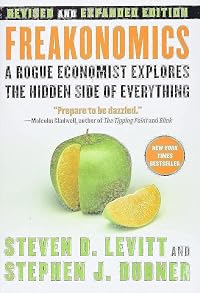
Freakonomics: A Rogue Economist Explores the Hidden Side of Everything
by Steven D. Levitt, Stephen J. Dubner
Freakonomics (1)
On This Page
Description
Which is more dangerous, a gun or a swimming pool? What do schoolteachers and sumo wrestlers have in common? Why do drug dealers still live with their moms? How much do parents really matter? What kind of impact did Roe v. Wade have on violent crime? These may not sound like typical questions for an economist to ask--but Levitt is not a typical economist. He studies the stuff and riddles of everyday life--from cheating and crime to sports and child rearing--and his conclusions regularly turn show more the conventional wisdom on its head. The authors show that economics is, at root, the study of incentives--how people get what they want, or need, especially when other people want or need the same thing. In this book, they set out to explore the hidden side of everything. If morality represents how we would like the world to work, then economics represents how it actually does work.--From publisher description. show lessTags
Recommendations
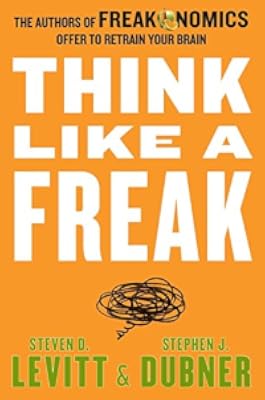
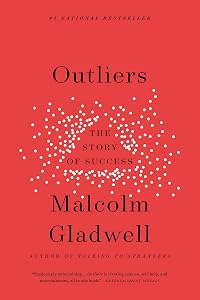
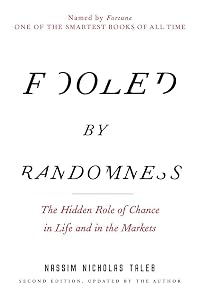
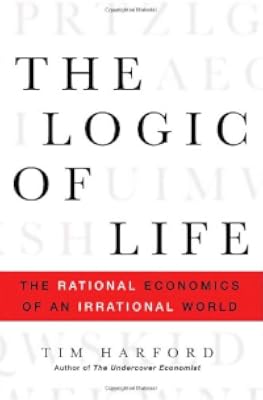




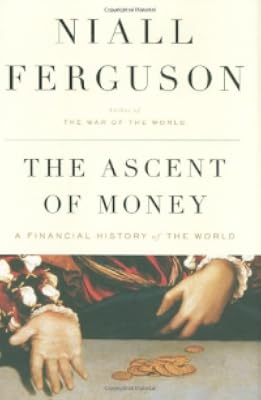
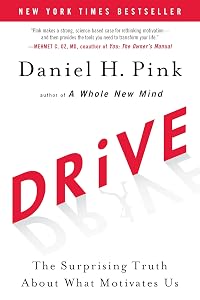
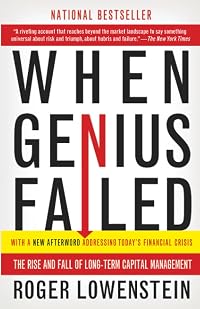
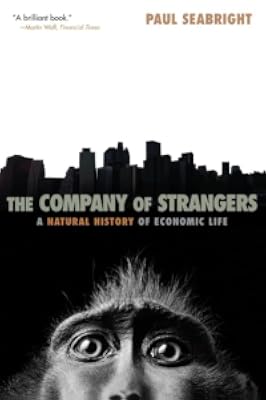
Member Recommendations

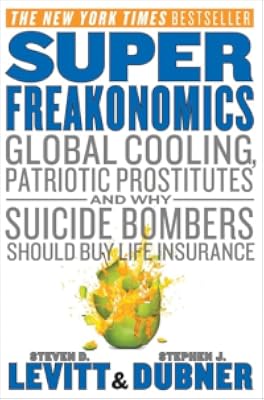
SuperFreakonomics: Global Cooling, Patriotic Prostitutes, and Why Suicide Bombers Should Buy Life Insurance by Steven D. Levitt
conceptDawg Similar content, same authors. If you liked one you'll like the other.
141
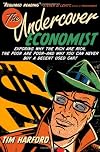
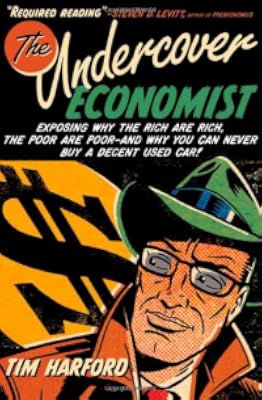
The Undercover Economist: Exposing Why the Rich Are Rich, the Poor Are Poor—and Why You Can Never Buy a Decent Used Car by Tim Harford
waitingtoderail A much better book than Freakonomics, as wide-ranging but not as scattershot.
70
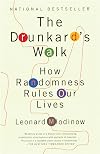
wendelin39 awesome.. economics psych and even some puzzles revealing something about your brain in one
30
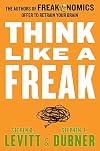
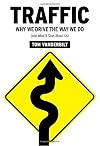
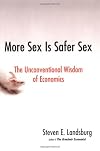

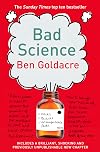
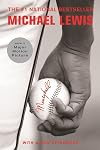
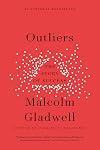
dste Another interesting book that looks at some ideas we think are right and turns them upside down.
54
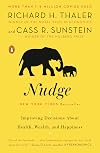
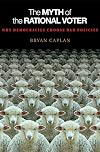
mercure The freakonomics of democracy
22
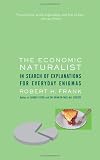
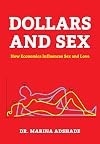
Soccernomics: Why England Loses, Why Germany and Brazil Win, and Why the U.S., Japan, Australia, Turkey--and Even Iraq--Are Destined to Become the Kings of the World's Most Popular Sport by Simon Kuper
anonymous user Freakonomics for football fans
01
Scorecasting: The Hidden Influences Behind How Sports Are Played and Games Are Won by Tobias J. Moskowitz
browner56 Economists use the tools of the "dismal science"--both traditional and behavioral--to explain the pressing issues of the day, such as drug crime, school quality, and the home field advantage in football games.
12
CGlanovsky Unexpected perspectives on a range of topics
by nathanm, anonymous user
26
Member Reviews
Предполагам, никой от вас не е дотолкова глупав, та да вярва, че това, което говорят по медиите и това, което повечето хора вярват, е всъщност фактическото положение на нещата. Но всички ние имаме определен начин на мислене, приемаме дадени твърдения за факти и някои изводи за очевидни, без да си правим труда да помислим върху тях…
Във Freakonomics, икономиста Стивън Левит и журналиста Стивън Дъбнър дават следния show more пример – вие имате две малки сладки дечица и съседите ви от двете страни имат деца на приблизително същата възраст. Едните съседи имат басейн и вие често пускате вашите деца да ходят на гости, за да се къпят в басейна. Не ги пускате да ходят у другите съседи обаче, защото бащата е бодигард и ловец и има в къщи пистолет и ловна карабина – и вие се страхувате, че децата може някой път да се изплъзнат от вниманието на родителите, да се заиграят с оръжието и да се наранят.
Защото огнестрелното оръжие е опасно, а басейните са безопасни, нали така? Грешка – всяка година в домашни условия 100 деца се самонараняват с оръжие, но над 500 се давят в басейни (в САЩ), при това басейни имат много по-малко хора – съвсем просто изследване на броя нещастни случаи с деца, разделен на броя на домакинствата с огнестрелно оръжие и домакинствата с басейни показва, че има 200 пъти по-голяма опасност детето ви да се удави в басейна, отколкото да се застреля при игра с пушката.
Само че хората не осмислят проблема по този начин – за повечето от нас басейните са всекидневни, слънчеви, приятни и желани – виждаме ги често и ги асоциираме с приятни преживявания. Докато пушките са метални, страшни, миришат странно – повечето хора виждат пушка рядко и я свързват със смърт и опасност.
Същото поведение наблюдавам и аз, когато практикувам две от хобитата си – стрелба с въздушна пушка и с лък. Хората се плашат от пушката и се принуждавам да излизам извън града с нея, но сами пращат децата си да ме молят да пострелят с лъка и нямат нищо против да го правя зад блока. Пушката е въздушна, не е мощна и е изключително точна – шансът да уцеля някого случайно докато стрелям в мишената си и да го нараня е практически нула. Лъкът от своя страна е реплика на 66 паундов прабългарски боен лък – може да пробие човек от 50 метра и не е прецизно точен, така че вероятността за нещастен случай е много по-голяма. Но, както казах, пушките са страшни, метални и по филмите убиват, а лъковете притежават определен забавен и екзотичен образ…
Подобен начин на мислене е съвсем естествен и се среща много често – един пример е страхът от ядрената енергия въпреки, че има повече смъртни случаи от перки, отколкото от избухнали реактори или изтекла радиация, както и страхът от ядреното оръжие, въпреки че то практически не е използвано и само наличието му предотврати Студената война да се превърне в трета световна. Но перките са „екологични“ и обичайни, разбираме как действат, докато ядрената енергия е мистериозна, навява мисли за филми с мутанти и бомби, войни и смърт.
Стивън Левит и Стивън Дъбнър са си поставили за цел да използват икономическия начин на мислене, за да дадат отговори на различни житейски въпроси от други области. Freakonomics не дава безкрайно много информация – само посочва десетина примера на изследвания на Стивън Левит, но те кара да погледнеш с други очи на най-различни проблеми, които ежедневието ти поставя и те кара да се замислиш по-дълбоко за причината нещата да се случват. Freakonomics е книга за любопитния ум, който не приема конвенционалните и общоприети отговори, а търси истината чрез нетрадиционното вглеждане във фактите. show less
Във Freakonomics, икономиста Стивън Левит и журналиста Стивън Дъбнър дават следния show more пример – вие имате две малки сладки дечица и съседите ви от двете страни имат деца на приблизително същата възраст. Едните съседи имат басейн и вие често пускате вашите деца да ходят на гости, за да се къпят в басейна. Не ги пускате да ходят у другите съседи обаче, защото бащата е бодигард и ловец и има в къщи пистолет и ловна карабина – и вие се страхувате, че децата може някой път да се изплъзнат от вниманието на родителите, да се заиграят с оръжието и да се наранят.
Защото огнестрелното оръжие е опасно, а басейните са безопасни, нали така? Грешка – всяка година в домашни условия 100 деца се самонараняват с оръжие, но над 500 се давят в басейни (в САЩ), при това басейни имат много по-малко хора – съвсем просто изследване на броя нещастни случаи с деца, разделен на броя на домакинствата с огнестрелно оръжие и домакинствата с басейни показва, че има 200 пъти по-голяма опасност детето ви да се удави в басейна, отколкото да се застреля при игра с пушката.
Само че хората не осмислят проблема по този начин – за повечето от нас басейните са всекидневни, слънчеви, приятни и желани – виждаме ги често и ги асоциираме с приятни преживявания. Докато пушките са метални, страшни, миришат странно – повечето хора виждат пушка рядко и я свързват със смърт и опасност.
Същото поведение наблюдавам и аз, когато практикувам две от хобитата си – стрелба с въздушна пушка и с лък. Хората се плашат от пушката и се принуждавам да излизам извън града с нея, но сами пращат децата си да ме молят да пострелят с лъка и нямат нищо против да го правя зад блока. Пушката е въздушна, не е мощна и е изключително точна – шансът да уцеля някого случайно докато стрелям в мишената си и да го нараня е практически нула. Лъкът от своя страна е реплика на 66 паундов прабългарски боен лък – може да пробие човек от 50 метра и не е прецизно точен, така че вероятността за нещастен случай е много по-голяма. Но, както казах, пушките са страшни, метални и по филмите убиват, а лъковете притежават определен забавен и екзотичен образ…
Подобен начин на мислене е съвсем естествен и се среща много често – един пример е страхът от ядрената енергия въпреки, че има повече смъртни случаи от перки, отколкото от избухнали реактори или изтекла радиация, както и страхът от ядреното оръжие, въпреки че то практически не е използвано и само наличието му предотврати Студената война да се превърне в трета световна. Но перките са „екологични“ и обичайни, разбираме как действат, докато ядрената енергия е мистериозна, навява мисли за филми с мутанти и бомби, войни и смърт.
Стивън Левит и Стивън Дъбнър са си поставили за цел да използват икономическия начин на мислене, за да дадат отговори на различни житейски въпроси от други области. Freakonomics не дава безкрайно много информация – само посочва десетина примера на изследвания на Стивън Левит, но те кара да погледнеш с други очи на най-различни проблеми, които ежедневието ти поставя и те кара да се замислиш по-дълбоко за причината нещата да се случват. Freakonomics е книга за любопитния ум, който не приема конвенционалните и общоприети отговори, а търси истината чрез нетрадиционното вглеждане във фактите. show less
I had heard about the celebrated Freakonomics by Steven D. Levitt and Stephen J. Dubner for years without ever being curious enough to open the book. The whole idea of "the hidden side of everything" seemed to insinuate something steeped more in pop psychology than science so naturally I ignored it. As it turns out, as life sometimes does, what I got wasn't what I expected. This book surprised me over and over again.
I don't think Freakonomics could exist until Big Data had arrived and matured. Uncovering the hidden side of anything depends so much on comparing data sets numbered in the millions to trillions—basically more than the world has ever had the capacity to organize until now. Though statistical data alone does not make a show more decent book, this one becomes great because the authors connect the dots between events you never thought were related.
My favorite big-picture takeaway is how we desperately want reality to behave a certain way, to believe as truth the things we see through the lens of our own limited experience, and all too often that just isn't the case. show less
I don't think Freakonomics could exist until Big Data had arrived and matured. Uncovering the hidden side of anything depends so much on comparing data sets numbered in the millions to trillions—basically more than the world has ever had the capacity to organize until now. Though statistical data alone does not make a show more decent book, this one becomes great because the authors connect the dots between events you never thought were related.
My favorite big-picture takeaway is how we desperately want reality to behave a certain way, to believe as truth the things we see through the lens of our own limited experience, and all too often that just isn't the case. show less
Freakonomics is fast, consistently interesting read and best when it digs in and tackles a question at length, as with the issue of the relationship of legal abortion to crime rates or the section on the socioeconomic trends in baby names. The only real overarching theme of the book, however, is Levitt's own cleverness--every chapter is preceded by a fawning blurb about Levitt from the same New York Times magazine piece.
Rather than just further refining and cashing in on this Steven Levitt "brand" of the impish public affairs gadfly who throws grenades at small hills of conventional wisdom in easy-reading bestsellers, I'd like to see Levitt take on an important subject and make his case so thoroughly that citizens and policymakers can show more actually turn his insights into action. show less
Rather than just further refining and cashing in on this Steven Levitt "brand" of the impish public affairs gadfly who throws grenades at small hills of conventional wisdom in easy-reading bestsellers, I'd like to see Levitt take on an important subject and make his case so thoroughly that citizens and policymakers can show more actually turn his insights into action. show less
"If morality represents how people would like the world to work, then economics shows how it actually does work."
"We associate truth with convenience, with what most closely accords with self-interest and personal well-being or promises best to avoid awkward effort or unwelcome dislocation of life. We also find highly acceptable what contributes most to self-esteem...economics and social behavior are complex, and to comprehend their character is mentally tiring. Therefore we adhere, as though to a raft, to those ideas which represent our understanding." --John Kenneth Galbraith, Economist & coiner of the phrase "conventional wisdom."
"Prepared to be dazzled." says Malcolm Gladwell of Freakonomics. Ironic since the only stunningly show more interesting material in this entire book is the chapter on crime which refutes a major thesis of his own book, The Tipping Point. Since most of you have read The Tipping Point, I might as well expound. The so called "Broken Windows Effect" is lumped in with several other "innovative policing strategies" and proven to be completely negligible in its effect on crime. What has proven to be effective in fighting crime? Abortion. He proves the case irrefutably through a series of case studies on various countries that adopted abortion and through the states in the Union which adopted the practice at various times. However there is a twist to this story--that I will let you discover on your own, should you wish to read Freakonomics. show less
"We associate truth with convenience, with what most closely accords with self-interest and personal well-being or promises best to avoid awkward effort or unwelcome dislocation of life. We also find highly acceptable what contributes most to self-esteem...economics and social behavior are complex, and to comprehend their character is mentally tiring. Therefore we adhere, as though to a raft, to those ideas which represent our understanding." --John Kenneth Galbraith, Economist & coiner of the phrase "conventional wisdom."
"Prepared to be dazzled." says Malcolm Gladwell of Freakonomics. Ironic since the only stunningly show more interesting material in this entire book is the chapter on crime which refutes a major thesis of his own book, The Tipping Point. Since most of you have read The Tipping Point, I might as well expound. The so called "Broken Windows Effect" is lumped in with several other "innovative policing strategies" and proven to be completely negligible in its effect on crime. What has proven to be effective in fighting crime? Abortion. He proves the case irrefutably through a series of case studies on various countries that adopted abortion and through the states in the Union which adopted the practice at various times. However there is a twist to this story--that I will let you discover on your own, should you wish to read Freakonomics. show less
A "rogue" economist goes rogue by applying statistical analysis to sociology.
The premise of the book is that we can all be guilty of making assumptions about causes, and we should instead look at the data. People will often lie, but the data never does.
But, what they fail to acknowledge is that they themselves are constantly making assumptions about the data. The data may not lie, but the interpretation of that data is certainly not objective.
I found myself shaking my head on just about every page at their tendency to oversimplify complex issues. (Apparently, Roe v Wade is the primary reason for the decline in crime during the 90s, for example.)
I can see why this book might be popular: it's a lot of nice stories that are wrapped around show more a simple answer to a troubling question. It gives the illusion of truth, and the comfort of certainty. Unfortunately, complex issues rarely have simple answers. show less
The premise of the book is that we can all be guilty of making assumptions about causes, and we should instead look at the data. People will often lie, but the data never does.
But, what they fail to acknowledge is that they themselves are constantly making assumptions about the data. The data may not lie, but the interpretation of that data is certainly not objective.
I found myself shaking my head on just about every page at their tendency to oversimplify complex issues. (Apparently, Roe v Wade is the primary reason for the decline in crime during the 90s, for example.)
I can see why this book might be popular: it's a lot of nice stories that are wrapped around show more a simple answer to a troubling question. It gives the illusion of truth, and the comfort of certainty. Unfortunately, complex issues rarely have simple answers. show less
Pretty mind blowingly cool stuff. It is fascinating to see how economists can use data to make the most interesting and off the wall conclusions. For instance, legalizing abortion in the 70's caused the crime rate to drop in the 90's. Also discussed in this book are what sumo wrestlers and teachers have in common (cheating), why crack dealers live with their moms, the effect that names have in a child's future, how the KKK operates and more. Not too sciencey or data heavy, this book is easily readable and will definitely help you win at Jeopardy some day. Fun and intriguing, I definitely want to read their other one!
I like unusual titles, but this one does the book a disservice. I've had it languishing on the shelves TBR for quite some time, not ready for an esoteric discussion of economics, however freaky. But _Freakonomics_ is less about economics and more about "the hidden side of everything" referenced in the subtitle. It's also so well-written that, although the authors insist they have no "unifying theme," the book flows seamlessly from chapter to chapter, topic to topic. Levitt approaches social issues from unique angles, rigorously testing conventional wisdom in unexpected ways. From real estate to sumo wrestling, crime to baby names, each answer leads to a new question. This book is a gift for the intellectually curious.
Members
- Recently Added By
Published Reviews
ThingScore 83
Economists can seem a little arrogant at times. They have a set of techniques and habits of thought that they regard as more ''rigorous'' than those of other social scientists. When they are successful -- one thinks of Amartya Sen's important work on the causes of famines, or Gary Becker's theory of marriage and rational behavior -- the result gets called economics. It might appear show more presumptuous of Steven Levitt to see himself as an all-purpose intellectual detective, fit to take on whatever puzzle of human behavior grabs his fancy. But on the evidence of ''Freakonomics,'' the presumption is earned. show less
added by Shortride
added by Shortride
The book, unfortunately titled Freakonomics, is broken into six chapters, each posing a different social question. Levitt and Dubner answer them using empirical research and statistical analysis. And unlike academics who usually address these matters, they don't clutter the prose with a lot of caveats. They just show you the goods.
added by Shortride
Lists

Recommend the 20 best books you've read in the last five years
2,168 works; 606 members

Unread books
1,063 works; 87 members

Top Five Books of 2019
387 works; 111 members

2014
7 works; 1 member

Books I Would Like to Acquire
20 works; 1 member

Sociology
18 works; 1 member

Books Read in 2013
65 works; 1 member

Lista d2
21 works; 1 member

Books That Changed Our Perspective
423 works; 168 members

Books in English
14 works; 1 member
My wishlist
85 works; 1 member

My List
302 works; 1 member

Efemeridades e Possibilidades futuras (Personal wishlist)
24 works; 1 member

If Books Could Kill Podcast
52 works; 1 member

Mind Expanding Books by hackerkid
581 works; 8 members

.
184 works; 1 member

Ologies with Alie Ward reading list
42 works; 2 members

Books Read in 2019
4,052 works; 110 members

Books Read in 2018
4,360 works; 110 members

HarperCollins Publishers
144 works; 3 members
To Read List
21 works; 1 member

Books Read in 2016
4,666 works; 197 members

Blue Pyramid 1,276 Best Books of All Time
1,248 works; 32 members
Independent Reading Suggestions
69 works; 3 members

Unshelved Book Clubs
579 works; 5 members

Economics for the layperson
33 works; 9 members

Libertarian Books
102 works; 19 members

LT picks: Blue Books
197 works; 39 members
Author Information

19 Works 35,947 Members
Steven D. Levitt received a B.A. from Harvard University in 1989 and a Ph.D. from M.I.T. in 1994. He is a professor of economics at the University of Chicago where he has been teaching since 1997. He was awarded the 2003 John Bates Clark Medal, an award that recognizes the most outstanding economist in America under the age of 40. He is the show more coauthor, with Stephen J. Dubner, of Freakonomics: A Rogue Economist Explores the Hidden Side of Everything. It won the inaugural Quill Award for best business book and a Visionary Award from the National Council on Economic Education. He also wrote SuperFreakonomics, Think Like a Freak and When to Rob a Bank:...And 131 More Warped Suggestions and Well-Intended Rants with Stephen J. Dubner. (Bowker Author Biography) show less

16+ Works 36,435 Members
While attending Appalachian State University, Stephen J. Dubner started a rock band that was signed to Arista Records. He eventually stopped playing music to earn an M.F.A. in writing at Columbia University, where he also taught in the English Department. He was an editor and writer at New York magazine and The New York Times before leaving to show more focus on writing books. He is the coauthor, with Steven D. Levitt, of Freakonomics: A Rogue Economist Explores the Hidden Side of Everything. It won the inaugural Quill Award for best business book and a Visionary Award from the National Council on Economic Education. He also wrote SuperFreakonomics and Think Like a Freak with Steven D. Levitt. His other works include Turbulent Souls: A Catholic Son's Return to His Jewish Family, Confessions of a Hero-Worshiper, and The Boy with Two Belly Buttons. (Bowker Author Biography) show less
Some Editions
Awards and Honors
Awards
Distinctions
Notable Lists
Series

Belongs to Publisher Series
Penguin Celebrations (33)
Work Relationships
Is contained in
Contains
Has the (non-series) sequel
Inspired
Has as a student's study guide
Has as a teacher's guide
Common Knowledge
- Canonical title
- Freakonomics: A Rogue Economist Explores the Hidden Side of Everything
- Original title
- Freakonomics: A Rogue Economist Explores the Hidden Side of Everything
- Alternate titles
- Freakonomics
- Original publication date
- 2005
- Important places
- Chicago, Illinois, USA; USA
- Related movies
- Freakonomics (2010 | IMDb)
- First words
- The most brilliant young economist in America—the one so deemed, at least, by a jury of his elders—brakes to a stop at a traffic light on Chicago's south side.
- Last words
- (Click to show. Warning: May contain spoilers.)His name is Ted Kaczynski.
- Blurbers
- Gladwell, Malcolm
- Original language
- English
- Canonical DDC/MDS
- 330
Classifications
Statistics
- Members
- 27,205
- Popularity
- 153
- Reviews
- 476
- Rating
- (3.82)
- Languages
- 25 — Arabic, Catalan, Chinese, Czech, Danish, Dutch, English, Estonian, Finnish, French, German, Hungarian, Indonesian, Italian, Japanese, Korean, Lithuanian, Norwegian (Bokmål), Polish, Slovak, Spanish, Swedish, Thai, Portuguese (Portugal), Portuguese (Brazil)
- Media
- Paper, Audiobook, Ebook
- ISBNs
- 105
- UPCs
- 1
- ASINs
- 42