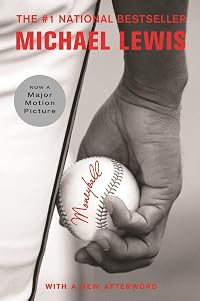
Moneyball: The Art of Winning an Unfair Game
by Michael Lewis
On This Page
Description
Moneyball is a quest for something as elusive as the Holy Grail, something that money apparently can't buy: the secret of success in baseball. The logical places to look would be the giant offices of major league teams and the dugouts. But the real jackpot is a cache of numbers collected over the years by a strange brotherhood of amateur baseball enthusiasts: software engineers, statisticians, Wall Street analysts, lawyers, and physics professors.In a narrative full of fabulous characters show more and brilliant excursions into the unexpected, Lewis shows us how and why the new baseball knowledge works. He also sets up a sly and hilarious morality tale: Big Money, like Goliath, is always supposed to win . . . how can we not cheer for David? show less
Tags
Recommendations




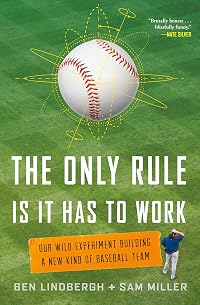
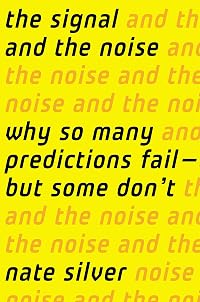

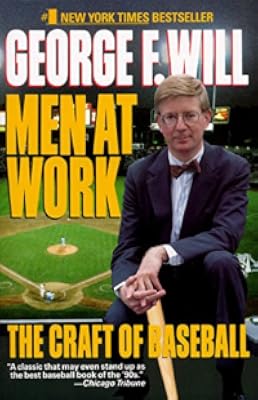
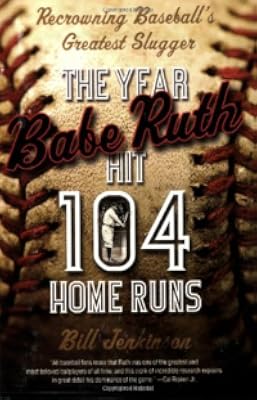

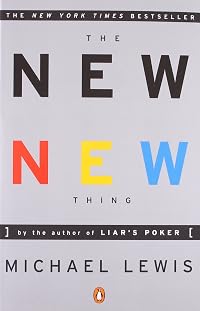
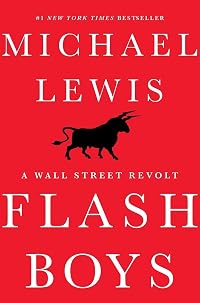
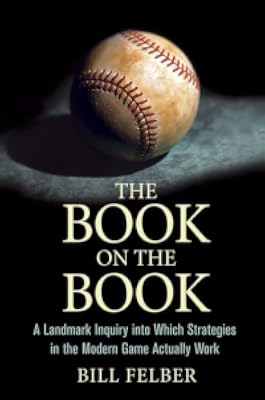


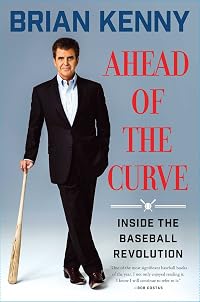
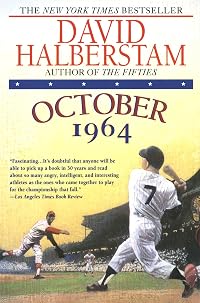
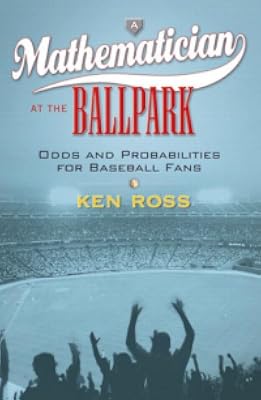
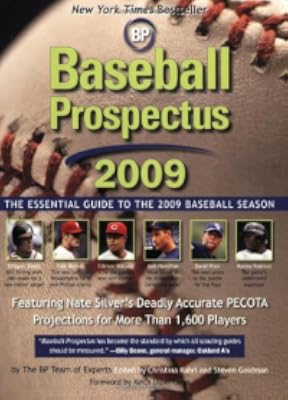


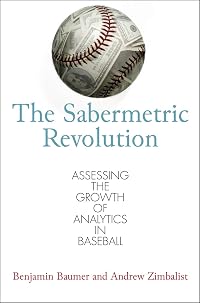

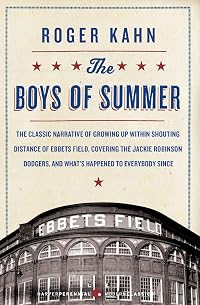
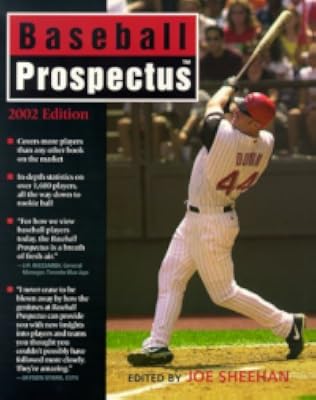
Member Recommendations
Born to Run: A Hidden Tribe, Superathletes, and the Greatest Race the World Has Never Seen by Christopher McDougall
zhejw Both books are stories of outsiders changing the conventional way of approaching a sport. Both authors write compelling narratives that draw the reader into the stories of the individuals who are at the center of this new way of looking at their sport.
31

simchaboston A good look at how baseball scouts work and what they look for, and an interesting counterpoint to the stats-based approach described in Moneyball.
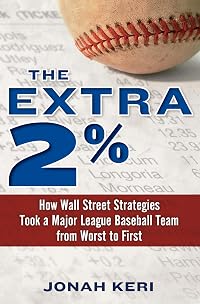
The Extra 2%: How Wall Street Strategies Took a Major League Baseball Team from Worst to First by Jonah Keri
tmarlow05 Details the rise of the Tampa Bay Rays. Shows how techniques used on Wall Street can be utilized to put together a competitive baseball team.
Soccernomics: Why England Loses, Why Germany and Brazil Win, and Why the U.S., Japan, Australia, Turkey--and Even Iraq--Are Destined to Become the Kings of the World's Most Popular Sport by Simon Kuper
chazzard The authors of Soccernomics frequently refer to Moneyball, and apply similar statistical methods.
Member Reviews
I think I've read Moneyball before I picked up the audiobook in 2019. At least excerpts? That I hadn't read it while also running a baseball blog in the late 2000s was a sort of running joke. I agree with the need for teams to make smarter decisions, and I'd argue for hours with the proponents of outdated methods. But I hadn't quite gotten around to reading the book.
It's quite good 15 years later. The stats are all so familiar now that nothing on the numbers side of things is overwhelming. And Michael Lewis, as he has proven in so many other books since, has a real talent for depicting the little dramas of real life.
It's quite good 15 years later. The stats are all so familiar now that nothing on the numbers side of things is overwhelming. And Michael Lewis, as he has proven in so many other books since, has a real talent for depicting the little dramas of real life.
I found this a tremendously entertaining read. The section on Bill James is just fantastic, articulating the way sport can be used to think about so much more than just sport. Lewis then goes on to demonstrate how this is done by making this book about more than just baseball. To my mind, it's about overcoming entrenched ways of thinking, how even in the most objective of fields equal opportunity is elusive, and how we shouldn't assume that just because they spend big money, organisations are interested in or even capable of high performance. If baseball, with its tables and statistics and player markets, isn't a meritocracy, then maybe nothing is.
Structurally, the book is beautifully put together, with brilliant pacing, themes that run show more throughout the book and divergences that always last just the right amount of pages. The writing is clear with a level of wit and emotion perfectly suited to popular non fiction. Having said that, as popular non fiction it tends to put forward a particular perspective, rather than present the evidence and help the reader weigh it. I did some research (ie. looked at Wikipedia) and found that some of the criticism of the book pointed to the importance of some scout-identified players to the success of the Oakland As; the lesson of the book is probably closer to "baseball teams haven't thought deeply enough about this" than "THEY'RE DOING IT ALL WRONG!" show less
Structurally, the book is beautifully put together, with brilliant pacing, themes that run show more throughout the book and divergences that always last just the right amount of pages. The writing is clear with a level of wit and emotion perfectly suited to popular non fiction. Having said that, as popular non fiction it tends to put forward a particular perspective, rather than present the evidence and help the reader weigh it. I did some research (ie. looked at Wikipedia) and found that some of the criticism of the book pointed to the importance of some scout-identified players to the success of the Oakland As; the lesson of the book is probably closer to "baseball teams haven't thought deeply enough about this" than "THEY'RE DOING IT ALL WRONG!" show less
Moneyball is way more entertaining than it has any right to be. It follows the story of the low-budget Oakland A's and their unorthodox general manager Billy Beane as they use statistics and the scientific method to succeed against teams with much larger payrolls.Lewis is a very entertaining writer, at times laugh out loud funny, who has turned what could have been a very dry subject into a real page turner. I read this in one day, which is unusual for me with non-fiction.
What a terrific book! I expected the book to more or less correspond to the movie (which I also enjoyed), but there's a lot of depth to the story that really wasn't covered in the movie version (understandably).
I particularly enjoyed the in-depth stories of the various players that the Oakland A's recruited that literally no one else wanted. Their backstories were fascinating. They were told they would never make it in baseball for one reason or other, and they probably never would have if it wasn't for the A's relentless pursuit of a way to win within their budgetary constraints.
I am a baseball fan, and I do think it helps to have some knowledge of the game to truly appreciate this book. It probably would be dull for those who don't show more understand the basics of the game. But Lewis does his usual extraordinary job of making the story widely accessible even though it talks about business and mathematics.
One of my favorite (but also most disheartening) parts of the book was the afterward. Apparently, after Moneyball was published, the baseball insiders tore Billy Beane to pieces, accusing him of all sorts of things. He went against baseball orthodoxy, and then had the gall to allow the story of his team's achievements to be published in a book. The afterward basically rips apart the vultures. Good for Michael Lewis for defending Beane, his book, and those who cooperated with bringing us this fascinating story. He certainly has the last laugh because literally every baseball team uses analytics today and those insiders who jeered Beane should be embarrassed and ashamed.
Definitely a don't miss read for baseball fans. In fact, this book makes me wonder what other great baseball writing I may be missing. show less
I particularly enjoyed the in-depth stories of the various players that the Oakland A's recruited that literally no one else wanted. Their backstories were fascinating. They were told they would never make it in baseball for one reason or other, and they probably never would have if it wasn't for the A's relentless pursuit of a way to win within their budgetary constraints.
I am a baseball fan, and I do think it helps to have some knowledge of the game to truly appreciate this book. It probably would be dull for those who don't show more understand the basics of the game. But Lewis does his usual extraordinary job of making the story widely accessible even though it talks about business and mathematics.
One of my favorite (but also most disheartening) parts of the book was the afterward. Apparently, after Moneyball was published, the baseball insiders tore Billy Beane to pieces, accusing him of all sorts of things. He went against baseball orthodoxy, and then had the gall to allow the story of his team's achievements to be published in a book. The afterward basically rips apart the vultures. Good for Michael Lewis for defending Beane, his book, and those who cooperated with bringing us this fascinating story. He certainly has the last laugh because literally every baseball team uses analytics today and those insiders who jeered Beane should be embarrassed and ashamed.
Definitely a don't miss read for baseball fans. In fact, this book makes me wonder what other great baseball writing I may be missing. show less
Not since the glorification of the closer - curse you, Tony La Rossa - has any one or two men so fundamentally changed the nature of baseball. [[Bill James]] put together a statistical analyses of the game and published them in a little-known, self-published annual periodical. Billy Beane read them, and then applied them to the wistful, broke Oakland A's. The season that followed saw the team in the playoff contention and also saw them break the consecutive games won record, winning 20 in a row (Typically, the record books list the 1916 New York Giants holding the record at 26, but the team had a tie game in the middle of that run - so, asterisk.) Beane was courted to take over the Red Sox after that season, but turned more money down show more to stay in Oakland.
James is an interesting character - he penned a great true crime book [The Man from the Train: Discovering America's Most Elusive Serial Killer] - and his mind sifts data like no other. But Beane is the real color in this book, and the team of broken toys he used to put together a 103-win season, using James' work.
If you love baseball, read this book - you'll understand so much better the nature of the modern game. If you love statistics, read this book - few other people have ever taken data so far in any arena.
5 bones!!!!!
Highly Recommended show less
James is an interesting character - he penned a great true crime book [The Man from the Train: Discovering America's Most Elusive Serial Killer] - and his mind sifts data like no other. But Beane is the real color in this book, and the team of broken toys he used to put together a 103-win season, using James' work.
If you love baseball, read this book - you'll understand so much better the nature of the modern game. If you love statistics, read this book - few other people have ever taken data so far in any arena.
5 bones!!!!!
Highly Recommended show less
The beauty of Moneyball is Michael Lewis' ability to communicate an excellent baseball story that satisfies hard-nosed Sabermetricians, but do in a way that doesn't alienate non-numbers oriented baseball fans. The story of how Billy Beane got to where he is today (as GM of the Oakland As) is quite compelling, and clearly of key importance to the main question Lewis sets out to answer -- how the Oakland As manage to be successful despite their (relative) lack of salary. The politics of Sabermetrics aside, this is a terrific read and a book all baseball enthusiasts should read at least once (if not once a season).
What to say about one of the most influential sports and economics books of the last decade? Like all of Michael Lewis's books, it's eminently readable and full of portraits of all kinds of crazy characters -- Billy Beane, Paul DePodesta, a bunch of major league players going through the grind of the Oakland A's system, other GMs. Great book about guerrilla warfare on an entrenched system, applying statistics to a statistics-based system, and exploiting market inefficiencies for fun and profit. No wonder it is now one of the most referenced and most quoted book whenever anyone starts to talk about baseball these days -- which every single sports podcaster does. Reading an article over on ESPN? See a reference to Moneyball? Read the show more book.
Better than the Big Short -- although the Big Short is relentlessly entertaining -- absolutely recommended to anyone who follows professional sports. Also better than the movie by a long shot as the movie doesn't have the same rich background on these major league players and the Double-A/Triple-A minor league system.
Yeah. You should read Moneyball. show less
Better than the Big Short -- although the Big Short is relentlessly entertaining -- absolutely recommended to anyone who follows professional sports. Also better than the movie by a long shot as the movie doesn't have the same rich background on these major league players and the Double-A/Triple-A minor league system.
Yeah. You should read Moneyball. show less
Members
- Recently Added By
Lists

Best Baseball Books
42 works; 20 members

The Guardian's 100 best books of the 21st century
100 works; 21 members

100 books to read in a lifetime
102 works; 37 members

Non-Fiction Worth Reading
1,025 works; 264 members

Best books on sport
33 works; 6 members
Big tags
15 works; 1 member
Books about sports
65 works; 3 members

Books To Get From The Library
115 works; 5 members

Unshelved Book Clubs
579 works; 5 members

Read These Too
458 works; 9 members

The bookshelf of Lisa Simpson
23 works; 4 members

Books Read in 2017
4,249 works; 130 members
Overdue Podcast
808 works; 9 members

Non-Fiction
68 works; 1 member

.
184 works; 1 member

Sports Journalism and Biography
40 works; 1 member
Author Information

33+ Works 35,690 Members
Michael Lewis was born in New Orleans, Louisiana on October 15, 1960. He received a BA in art history from Princeton University in 1982 and a Masters in economics from the London School of Economics in 1985. He is a non-fiction author/journalist of mostly financial themes. His books include Liar's Poker, Moneyball: The Art of Winning an Unfair show more Game, The Blind Side: Evolution of a Game, The Money Culture, Boomerang, Flash Boys: A Wall Street Revolt, The Big Short: Inside the Doomsday Machine and The Undoing Project: A Friendship That Changed Our Minds. (Bowker Author Biography) show less
Some Editions
Awards and Honors
Awards
Distinctions
Work Relationships
Has the adaptation
Common Knowledge
- Canonical title*
- Moneyball: de kunst een ongelijk spel te winnen
- Original title
- Moneyball: the art of winning an unfair game
- Original publication date
- 2003
- People/Characters
- Billy Beane; Bill James; Scott Hatteberg; Chad Bradford; David Justice; Jeremy Brown (show all 9); Paul DePodesta; Jeremy Giambi; Kevin Youkilis
- Important places
- Oakland, California, USA
- Related movies
- Moneyball (2011 | IMDb)
- Epigraph
- Lately in a wreck of a Californian ship, one of the
passengers fastened a belt about him with two hundred
pounds of gold in it, with which he was found afterwards
at the bottom. Now, as he was sinking-- had he the go... (show all)ld?
or the gold him?
--John Ruskin, Unto This Last - Dedication
- For Billy Fitzgerald
I can still hear him shouting at me - First words
- The first thing they always did was run you.
- Publisher's editor
- Lawrence, Starling
- Blurbers
- Wolfe, Tom ; Maslin, Janet; Gerson, Mark
- Canonical DDC/MDS
- 796.3570691
- Canonical LCC
- GV880.L49
*Some information comes from Common Knowledge in other languages. Click "Edit" for more information.
Classifications
- Genres
- Sports and Leisure, General Nonfiction, Business, Nonfiction
- DDC/MDS
- 796.3570691 — Arts & recreation Recreation, sports, and performing arts Athletic and outdoor sports and games Ball sports Ball and stick sports Baseball Business
- LCC
- GV880 .L49 — Geography, Anthropology and Recreation Recreation. Leisure Recreation. Leisure Sports Ball games: Baseball, football, golf, etc.
- BISAC
Statistics
- Members
- 6,156
- Popularity
- 2,040
- Reviews
- 141
- Rating
- (4.20)
- Languages
- 10 — Chinese, Dutch, English, French, Japanese, Korean, Polish, Russian, Spanish, Portuguese (Portugal)
- Media
- Paper, Audiobook, Ebook
- ISBNs
- 39
- UPCs
- 1
- ASINs
- 25