On This Page
Description
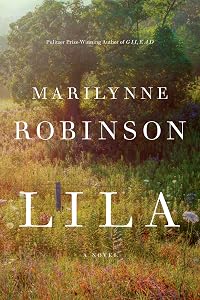
A new American classic from the Pulitzer Prize-winning author of Gilead and Housekeeping. Marilynne Robinson, one of the greatest novelists of our time, returns to the town of Gilead in an unforgettable story of a girlhood lived on the fringes of society in fear, awe, and wonder. Lila, homeless and alone after years of roaming the countryside, steps inside a small-town Iowa church-the only available shelter from the rain-and ignites a romance and a debate that will reshape her life. She show more becomes the wife of a minister, John Ames, and begins a new existence while trying to make sense of the life that preceded her newfound security. Neglected as a toddler, Lila was rescued by Doll, a canny young drifter, and brought up by her in a hardscrabble childhood. Together they crafted a life on the run, living hand to mouth with nothing but their sisterly bond and a ragged blade to protect them. Despite bouts of petty violence and moments of desperation, their shared life was laced with moments of joy and love. When Lila arrives in Gilead, she struggles to reconcile the life of her makeshift family and their days of hardship with the gentle Christian worldview of her husband which paradoxically judges those she loves. Revisiting the beloved characters and setting of Robinson's Pulitzer Prize-winning Gilead and Home, a National Book Award finalist, Lila is a moving expression of the mysteries of existence that is destined to become an American classic. show lessTags
Recommendations

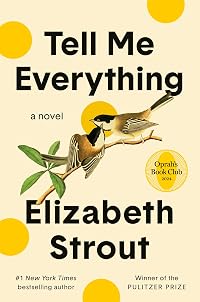
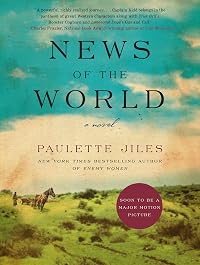
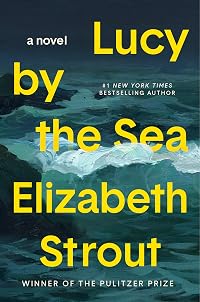
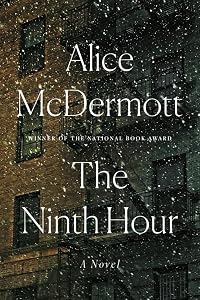






Member Recommendations
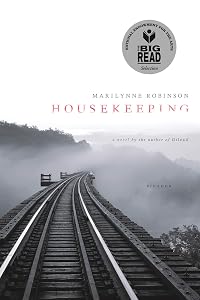
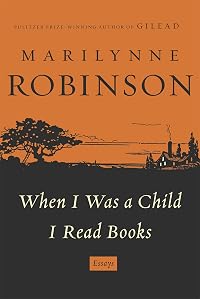
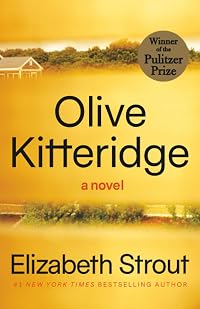
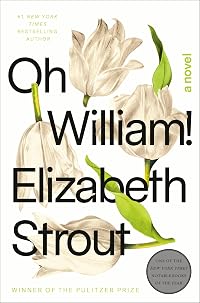
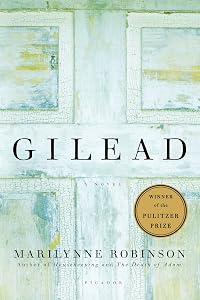
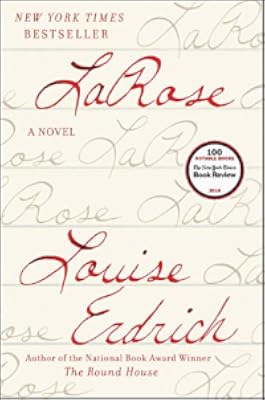
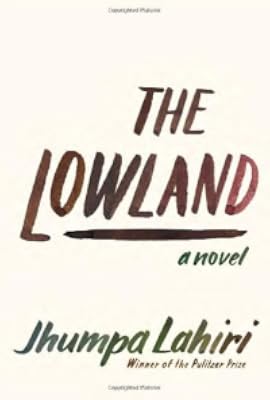
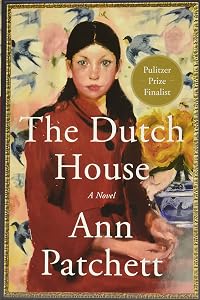
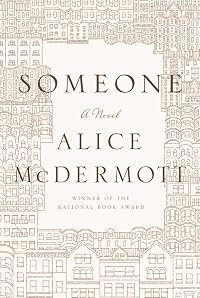
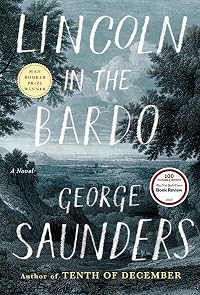
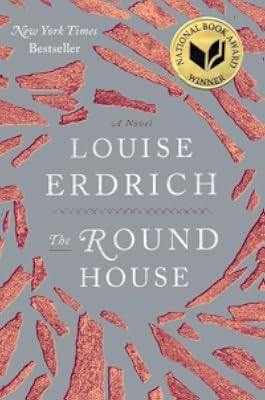
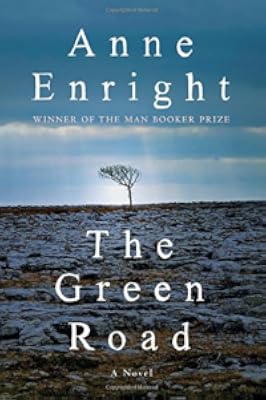
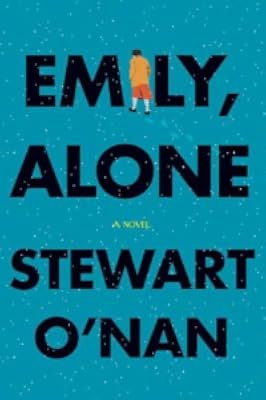
charl08 In both novels, key character faces new, difficult choices in new places. Both beautifully written, compelling.
Member Reviews
Lila is a companion book to Gilead, in which the elderly preacher John Ames writes a letter to his young son. Lila is the story of Ames' wife: her upbringing, the journey that brought her to Gilead, and her marriage to John. Lila spent her childhood with migrant workers after a woman named Doll rescued her from a dangerous and unhealthy situation and raised her as her own. Life was very hard, and Lila grew up trusting no one. By the time she meets Ames, she is an emotionally damaged young woman, but he is amazingly kind and intent on showing her God's love. The bonds between them form slowly; Ames mourns a young wife and child who passed away years ago, and can't imagine a young woman like Lila loving an old man like him. But they show more complete one another, and each is able to heal the other's wounds. When their son is conceived, Ames becomes positively doting, and yet he is deathly afraid that history will repeat itself and leave him alone.
Lila is beautifully written, with the same slow, contemplative prose I loved in Gilead and with an incredibly emotional impact. Even though I am not practicing any particular religion these days, the baptismal scenes were especially powerful. There were many other points where a lump formed in my throat or tears welled up, not due to sadness or joy per se, but just an overwhelming feeling. If you haven't read Gilead, that should be your first stop. And then don't miss Lila. show less
Lila is beautifully written, with the same slow, contemplative prose I loved in Gilead and with an incredibly emotional impact. Even though I am not practicing any particular religion these days, the baptismal scenes were especially powerful. There were many other points where a lump formed in my throat or tears welled up, not due to sadness or joy per se, but just an overwhelming feeling. If you haven't read Gilead, that should be your first stop. And then don't miss Lila. show less
I certainly won't detract from my praise for Marilynne Robinson (see my review of Home), but I had a bit more trouble with this third part of the Gilead series. Once again Robinson changes the perspective, now to Lila, the young wife of the much older reverend John Ames. As an orphan she has had a quite poor and eventful childhood, living the life of a vagabond, ending up in a marginal gang, and even in a brothel. The atmosphere in this novel is strongly reminiscent of John Steinbeck, with even explicit references to the Depression and Dust Bowl period (i.e. the 1930s) that is so powerfully drawn in Grapes of Wrath.
During her lonely wanderings, Lila by chance ends up in Gilead, Iowa, and thus inevitably comes into contact with Reverend show more John Ames, who had lost his wife and child a long while ago and seemed exhausted. Ames and Lila seem like two extremes: he a thoughtful, struggling intellectual, she a rude and bruised orphan girl. Yet a moving dynamic arises between the two; the way they interact is so careful, thoughtful, and tactful that it almost physically hurts to follow. Quite unexpectedly, for both of them, they even get married. Surprising also for the reader, because we constantly see Lila deliberating whether she should move on or not. Even when she becomes pregnant by Ames those doubts remain, and the great thing is that Ames appears to be all too aware of them.
Especially in the second half of the book, Lila continues to muse about her turbulent past, about the dramatic events in it, and about the main characters of that period, especially her surrogate mother Doll. That past continues to pull at her persistently, especially because of the knife she received from Doll, with which the latter had stabbed to death a man who might have been Lila's father. The Calvinist religious-moral framework in which Robinson places her stories obviously plays an important role in all this. From that light, you can see Lila as a kind of Mary Magdalene, who is carefully guided by Ames to the right path, but who also has a moral compass that is so strong that, eventually, she can appreciate the uniqueness of what is happening between them. From Lila's point of view, there is the constant threat of damnation, a pull to evil even, that she actively struggles with. And with that Robinson brings us to territory that is pretty familiar to her.
Once again: this third Gilead part also plays at a very high level in terms of literature, and in terms of content, the sketch of Lila's gradual redemption is particularly existentially relevant. But I did have some difficulty with the structure of this novel: the accumulation of constant flashbacks and streams of consciousness make this book very difficult to read. In 'Home' you still had the sublime dialogues between the protagonists to keep the story bearable, and that is much more lacking here, especially in the second half of the book. Hence my slightly lower rating. But that does not detract from the fact that Robinson with Lila has created a character that, in terms of psychological and existential depth, can compete with the most striking of Greek or Shakespearean tragedies. show less
During her lonely wanderings, Lila by chance ends up in Gilead, Iowa, and thus inevitably comes into contact with Reverend show more John Ames, who had lost his wife and child a long while ago and seemed exhausted. Ames and Lila seem like two extremes: he a thoughtful, struggling intellectual, she a rude and bruised orphan girl. Yet a moving dynamic arises between the two; the way they interact is so careful, thoughtful, and tactful that it almost physically hurts to follow. Quite unexpectedly, for both of them, they even get married. Surprising also for the reader, because we constantly see Lila deliberating whether she should move on or not. Even when she becomes pregnant by Ames those doubts remain, and the great thing is that Ames appears to be all too aware of them.
Especially in the second half of the book, Lila continues to muse about her turbulent past, about the dramatic events in it, and about the main characters of that period, especially her surrogate mother Doll. That past continues to pull at her persistently, especially because of the knife she received from Doll, with which the latter had stabbed to death a man who might have been Lila's father. The Calvinist religious-moral framework in which Robinson places her stories obviously plays an important role in all this. From that light, you can see Lila as a kind of Mary Magdalene, who is carefully guided by Ames to the right path, but who also has a moral compass that is so strong that, eventually, she can appreciate the uniqueness of what is happening between them. From Lila's point of view, there is the constant threat of damnation, a pull to evil even, that she actively struggles with. And with that Robinson brings us to territory that is pretty familiar to her.
Once again: this third Gilead part also plays at a very high level in terms of literature, and in terms of content, the sketch of Lila's gradual redemption is particularly existentially relevant. But I did have some difficulty with the structure of this novel: the accumulation of constant flashbacks and streams of consciousness make this book very difficult to read. In 'Home' you still had the sublime dialogues between the protagonists to keep the story bearable, and that is much more lacking here, especially in the second half of the book. Hence my slightly lower rating. But that does not detract from the fact that Robinson with Lila has created a character that, in terms of psychological and existential depth, can compete with the most striking of Greek or Shakespearean tragedies. show less
Lila is for me the last book in the Gilead series which is certainly one of the canons of American literature. I tend to enjoy novelist who revisit their characters or settings. Some of my favorites include Harry Angstrom of the Rabbit novels, Elizabeth Strout's Olive and Lucy Barton, Sully from Russo's Bath novels and maybe include Jennifer Egan's revisit of the Good Squad. It's like returning home from a long trip. With Robinson even she doesn't worry about chronologically charting her characters so I don't think reading Lila after Jack is not a problem; each novel reveals little insights into the history of the Ames and Broughton families from Iowa. Perhaps there is still room for Broughton's son who is becoming a doctor.
In this show more wonderful novel we learn about how Lila, neglected as a baby, is stolen by Doll who acts as her mother while they wander about looking for work and trying to survive. Doll teaches Lila the difference between them and the real poor: "the ones who never touched a comb to their hair and who always had shadows of grimne on their necks and wore unmended clothes till they were falling off them’. " They travel for a time with another family until the Crash of '29 when work ended. Robinson takes the entire narrative to gradually reveal some parts of Lila's history, especially an unhappy stay inn St. Louis, but her chance encounter of stopping in the Reverend Ames's church will change both their lives forever. "He looked as if he’d had his share of loneliness, and that was all right. It was one thing she understood about him."
"It felt very good to have him walking beside her. Good like rest and quiet, like something you could live without but you needed anyway. That you had to learn how to miss, and then you'd never stop missing it.”
The relationship between the two is immensely satisfying as it is revealed in snippets of conversations and gestures. The writing is thoughtful, forcing the reader to slow down and savor the use of language. Highly recommend all of her novels.
Lines:
I was working in a whorehouse because the woman who stole me when I was a child got blood all over my clothes when she came to my room after she killed my father in a knife fight. I've got her knife here in my garter. I was meaning to steal a child for myself, but I missed the chance and I couldn't stand the disappointment, so I got a job cleaning in a hotel.
That sound of settling into the sheets and the covers has to be one of the best things in the world. Sleep is a mercy. You can feel it coming on, like being swept up in something.
She knew better than to waste that time. There isn't always someone who wants you singing to him or nibbling his ear or brushing his cheek with a dandelion blossom. Somebody who knows when you're being silly, and laughs and laughs. So long as he was little enough to carry, she could hardly bring herself to put him down.
She thought, If I’m crazy, I may as well do what I feel like doing. No point being crazy if you have to worry all the time about what people are thinking anyway.
She thought, if we stay here, soon enough it will be you sitting at the table and me, I don't know, cooking something, and the snow flying, and the old man so glad we're here he'll be off in his study praying about it. And geraniums in the window. Red ones. show less
In this show more wonderful novel we learn about how Lila, neglected as a baby, is stolen by Doll who acts as her mother while they wander about looking for work and trying to survive. Doll teaches Lila the difference between them and the real poor: "the ones who never touched a comb to their hair and who always had shadows of grimne on their necks and wore unmended clothes till they were falling off them’. " They travel for a time with another family until the Crash of '29 when work ended. Robinson takes the entire narrative to gradually reveal some parts of Lila's history, especially an unhappy stay inn St. Louis, but her chance encounter of stopping in the Reverend Ames's church will change both their lives forever. "He looked as if he’d had his share of loneliness, and that was all right. It was one thing she understood about him."
"It felt very good to have him walking beside her. Good like rest and quiet, like something you could live without but you needed anyway. That you had to learn how to miss, and then you'd never stop missing it.”
The relationship between the two is immensely satisfying as it is revealed in snippets of conversations and gestures. The writing is thoughtful, forcing the reader to slow down and savor the use of language. Highly recommend all of her novels.
Lines:
I was working in a whorehouse because the woman who stole me when I was a child got blood all over my clothes when she came to my room after she killed my father in a knife fight. I've got her knife here in my garter. I was meaning to steal a child for myself, but I missed the chance and I couldn't stand the disappointment, so I got a job cleaning in a hotel.
That sound of settling into the sheets and the covers has to be one of the best things in the world. Sleep is a mercy. You can feel it coming on, like being swept up in something.
She knew better than to waste that time. There isn't always someone who wants you singing to him or nibbling his ear or brushing his cheek with a dandelion blossom. Somebody who knows when you're being silly, and laughs and laughs. So long as he was little enough to carry, she could hardly bring herself to put him down.
She thought, If I’m crazy, I may as well do what I feel like doing. No point being crazy if you have to worry all the time about what people are thinking anyway.
She thought, if we stay here, soon enough it will be you sitting at the table and me, I don't know, cooking something, and the snow flying, and the old man so glad we're here he'll be off in his study praying about it. And geraniums in the window. Red ones. show less
Marilynne Robinson’s latest novel set in Gilead, Iowa is titled, Lila,, and features the young woman who married Reverend Ames in Gilead. The book begins around 1920, with Lila being stolen from a neglectful house by "Doll", an impoverished woman with a scarred face. Doll probably saves Lila's life, although it's touch and go for a while. They eventually hook up with a looseknit group that travels to find pickup work. The group has mixed feelings about Lila's presence, and eventually she leaves. After some adventures, she winds up living in a deserted shack outside Gilead. One Sunday, disheveled and sad, she slips into a church service being led by Reverend Ames. Despite their differences, including him being in his 60s and her in her show more 30s, they connect immediately. A relationship cautiously develops. “It felt very good to have him walking beside her. Good like rest and quiet, like something you could live without but you needed anyway. That you had to learn how to miss, and then you'd never stop missing it.”
Ames is maybe the toughest kind of character to create: honest, ethical, questing for spiritual understanding, and nonetheless interesting. A widower, he falls for Lila, and has a patience with her that she's never experienced before. She begins to tend his garden in secret, and then openly. Having lived her life on the road and in distressed circumstances, she is bright but uneducated, and most social graces are unknown to her. Yet he loves what she brings to his life, just as she loves the stability and honesty he brings to hers. “She could see it surprised him, too, sometimes. He told her once when there was a storm a bird had flown into the house. He’d never seen one like it. The wind must have carried it in from some far-off place. He opened all the doors and windows, but it was so desperate to escape that for a while it couldn’t find a way out. 'It left a blessing in the house,' he said. 'The wildness of it. Bringing the wind inside'.”
They know that, given his age, their time together is likely limited. They also know it will not be easy for her to get along in a close community after her previous wandering life. But she is thirsty for knowledge, and even "steals" a Bible to better understand what the Reverend is talking about. She is brave, and her lack of the usual background allows her to bring a perspective that sometimes puts the Reverend back on his heels and at the same time opens him up. “She said, 'I don’t know why I come here. That’s a fact.' He shrugged. 'Since you are here, maybe you could tell me a little about yourself?' She shook her head. 'I don’t talk about that. I just been wondering lately why things happen the way they do.' 'Oh!' he said. 'Then I’m glad you have some time to spare. I’ve been wondering about that more or less my whole life.'” She is deeply concerned about the "unsaved" people she has known who had goodness but were forced into difficult choices by their poverty. Can it be right that they'll be excluded from heaven, having never known a church?
This book is beautifully written. I don't know how she does it; no one else writes like this. The depictions of poverty are brutal and nightmarish; the longing for better circumstances and salvation is palpable and believable. Lila is an unforgettable character, someone who refuses to succumb to what should crush her, and who unexpectedly finds love and learning. This is a perfect complement to Gilead. Five stars. show less
Ames is maybe the toughest kind of character to create: honest, ethical, questing for spiritual understanding, and nonetheless interesting. A widower, he falls for Lila, and has a patience with her that she's never experienced before. She begins to tend his garden in secret, and then openly. Having lived her life on the road and in distressed circumstances, she is bright but uneducated, and most social graces are unknown to her. Yet he loves what she brings to his life, just as she loves the stability and honesty he brings to hers. “She could see it surprised him, too, sometimes. He told her once when there was a storm a bird had flown into the house. He’d never seen one like it. The wind must have carried it in from some far-off place. He opened all the doors and windows, but it was so desperate to escape that for a while it couldn’t find a way out. 'It left a blessing in the house,' he said. 'The wildness of it. Bringing the wind inside'.”
They know that, given his age, their time together is likely limited. They also know it will not be easy for her to get along in a close community after her previous wandering life. But she is thirsty for knowledge, and even "steals" a Bible to better understand what the Reverend is talking about. She is brave, and her lack of the usual background allows her to bring a perspective that sometimes puts the Reverend back on his heels and at the same time opens him up. “She said, 'I don’t know why I come here. That’s a fact.' He shrugged. 'Since you are here, maybe you could tell me a little about yourself?' She shook her head. 'I don’t talk about that. I just been wondering lately why things happen the way they do.' 'Oh!' he said. 'Then I’m glad you have some time to spare. I’ve been wondering about that more or less my whole life.'” She is deeply concerned about the "unsaved" people she has known who had goodness but were forced into difficult choices by their poverty. Can it be right that they'll be excluded from heaven, having never known a church?
This book is beautifully written. I don't know how she does it; no one else writes like this. The depictions of poverty are brutal and nightmarish; the longing for better circumstances and salvation is palpable and believable. Lila is an unforgettable character, someone who refuses to succumb to what should crush her, and who unexpectedly finds love and learning. This is a perfect complement to Gilead. Five stars. show less
Another exquisite portrait of a human being trying to sort life out. After a rugged childhood and youth, an early adulthood that included prostitution, violence and homelessness, Lila Dahl stumbles onto a world of peace, love and welcome that she can barely understand, let alone believe she may aspire to join. Her unlikely savior is The Reverend John Ames, a "beautiful old man" who long ago resigned himself to being alone and lonely after the death of his young wife and infant son. How these two come to accommodate each other and grow together is lovely to behold. Ames' whole life is guided by his faith, but there is very little of the "preacher" about him. Lila has grown up in the company of people who warned against having anything to show more do with churches or priests, but her yearning for some understanding of life's more bewildering aspects responds to John's essential kindness and wisdom. There is no missing the Christian message of this novel, but it is not the dreck that we are bombarded with these days; it has nothing to do with worship, with creeds, with leaders and followers, or "us" and "them"; it is something much cleaner, much saner and rare as hen's teeth. Besides that, it is a gripping story, beautifully written, and it completes the picture we only glimpsed in Robinson's Gilead. show less
Some works of fiction are wonderful. They make us laugh, cry, sing. We love their style, their plot, their characters. But, occasionally, a work of fiction steps beyond that and becomes important. It tells us something; something we know but cannot express. It informs us about the human condition, the human spirit, the things that make existence, life itself, worthwhile and meaningful. This is one of those novels. It is one of three, which taken in their totality, are the stuff that true enduring classics are made of.
[b:Lila|20575411|Lila (Gilead, #3)|Marilynne Robinson|https://d2arxad8u2l0g7.cloudfront.net/books/1393645345s/20575411.jpg|26208371] is written in the same kind of stream of consciousness style that we encounter in show more [b:Gilead|68210|Gilead (Gilead, #1)|Marilynne Robinson|https://d2arxad8u2l0g7.cloudfront.net/books/1451555787s/68210.jpg|2481792]. It is Lila’s view of the events that John has already told us about, but expanded and tempered by the addition of Lila’s background story and her own inward tumult. Here is loneliness, in its most cavernous garb, imposed by life experience and then self-imposed for self-protection. Here is longing and loving and fear and need and fright and tenderness and thanksgiving and disbelief and grief and, surely, grace.
How can anyone wade in these waters and not come out baptized in the knowledge of what it is to be human? How can Robinson touch on nerves so raw and still show us that there is good in every person if you stop to find it? What if the person who understands life the best is the one who has suffered the most and been offered the least? And, what if things that look horrible on the outside spring from the sweetest of intentions and motivations, or the fate of every individual is tied up in being seen by someone else, when you are invisible to the rest of the world? If these are not the books to read at this time of civil misunderstanding, I cannot think what books would be. This is a portrait of what it is to be the dispossessed and forgotten and what it is to look beneath the surface and discover that we are all fashioned of the same blood and tissue and fear and need.
I will be digesting this book and its brothers for a long, long time. I will re-read them soon, because there is no way that you can read them once and absorb everything there is in them that matters. The Pulitzer doesn’t always get it right, but Marilynne Robinson is a writer of such caliber that I cannot doubt they got it right when they handed the prize to her.
Goodreads will only let me give these books 5-stars, but they are, for me, what Milton and Pope and Shakespeare are--they are books that will not wear out with time and will have something important to say hundreds of years later. show less
[b:Lila|20575411|Lila (Gilead, #3)|Marilynne Robinson|https://d2arxad8u2l0g7.cloudfront.net/books/1393645345s/20575411.jpg|26208371] is written in the same kind of stream of consciousness style that we encounter in show more [b:Gilead|68210|Gilead (Gilead, #1)|Marilynne Robinson|https://d2arxad8u2l0g7.cloudfront.net/books/1451555787s/68210.jpg|2481792]. It is Lila’s view of the events that John has already told us about, but expanded and tempered by the addition of Lila’s background story and her own inward tumult. Here is loneliness, in its most cavernous garb, imposed by life experience and then self-imposed for self-protection. Here is longing and loving and fear and need and fright and tenderness and thanksgiving and disbelief and grief and, surely, grace.
How can anyone wade in these waters and not come out baptized in the knowledge of what it is to be human? How can Robinson touch on nerves so raw and still show us that there is good in every person if you stop to find it? What if the person who understands life the best is the one who has suffered the most and been offered the least? And, what if things that look horrible on the outside spring from the sweetest of intentions and motivations, or the fate of every individual is tied up in being seen by someone else, when you are invisible to the rest of the world? If these are not the books to read at this time of civil misunderstanding, I cannot think what books would be. This is a portrait of what it is to be the dispossessed and forgotten and what it is to look beneath the surface and discover that we are all fashioned of the same blood and tissue and fear and need.
I will be digesting this book and its brothers for a long, long time. I will re-read them soon, because there is no way that you can read them once and absorb everything there is in them that matters. The Pulitzer doesn’t always get it right, but Marilynne Robinson is a writer of such caliber that I cannot doubt they got it right when they handed the prize to her.
Goodreads will only let me give these books 5-stars, but they are, for me, what Milton and Pope and Shakespeare are--they are books that will not wear out with time and will have something important to say hundreds of years later. show less
Summary: The story of the unlikely marriage between Lila, a homeless drifter, and Rev. John Ames, a widowed older pastor.
“And as for thy nativity, in the day thou wast born thy navel was not cut, neither wast thou washed in water to cleanse thee; thou wast not salted at all, nor swaddled at all. No eye pitied thee, to do any of these things unto thee, to have compassion upon thee; but thou wast cast out in the open field, for that thy person was abhorred, in the day that thou wast born. And when I passed by thee, and saw thee weltering in thy blood, I said unto thee, Though thou art in thy blood, live; yea, I said unto thee, Though thou art in thy blood, live.” (Ezekiel 16:4-6, American Standard Version)
These verses and the show more remainder of Ezekiel 16 are ones to which Lila is strangely drawn when she begins reading the Bible she took from the pews of John Ames church. The verses, really a parable of Israel, seem to parallel her life, and perhaps more than she knows.
Lila was a neglected toddler, stolen away from her family by Doll, which probably saved her life. They fell in with other drifters on the road during the Depression and became fiercely loyal to one another. Eventually Doll is in a knife fight where she kills a man, possibly Lila’s father, nearly dies, but eventually escapes custody and disappears. Lila drifts to St. Louis, works for a time in a house of ill repute, and then flees the city with a woman returning to Iowa and ends up in a shack near Gilead, Iowa. One Sunday, she wanders into the church of Rev. John Ames, an older, widowed pastor. And so begins a relationship, a searching dialogue between the two with questions like “why do things happen the way they do?” He and the church help her out and give her work. She asks him to baptize her. She tends the grave of his wife, cultivating roses. At one point Ames thanks her for caring for the grave and wishes there were something he could do for her. She says, “You ought to marry me.” and he answers, “Yes, you’re right. I will.”
And so begins a most unusual marriage, where Lila, who has never trusted anyone but Doll, must somehow believe this man really loves her. The beauty of the story is that he does, and yet gives her the room to believe it for herself. And in the midst of it all, she finds herself pregnant with his child. Much of the story is her reflections on being the motherless child, and her life on the road as the months of her pregnancy progress, interwoven with the careful, tender love of Ames, never forced, but ever present; fearing she might leave, yet never compelling her to stay, but simply offering his love, his home, and himself.
Robinson uses the device of telling the story of her former life as memories Lila reflects upon as she embarks on this new life with Ames. She muses on the strange, dangerous, and sometimes unseemly life she has lived even as she wrestles with the possibility of having really found a home, a love with this man, and that she can be the mother she never had apart from Doll. The answer to her question of why things happen they way they do must remain somehow with the sovereign God, but the working out of the way things happen is a story of grace, the discovering of an incomprehensible but unwavering love.
The third of the “Gilead” stories, Lila explores the deepest questions of existence and the searching question of how far may grace reach. Can it reach Lila? Doll? And what about us the readers? It’s worth reading to find out. show less
“And as for thy nativity, in the day thou wast born thy navel was not cut, neither wast thou washed in water to cleanse thee; thou wast not salted at all, nor swaddled at all. No eye pitied thee, to do any of these things unto thee, to have compassion upon thee; but thou wast cast out in the open field, for that thy person was abhorred, in the day that thou wast born. And when I passed by thee, and saw thee weltering in thy blood, I said unto thee, Though thou art in thy blood, live; yea, I said unto thee, Though thou art in thy blood, live.” (Ezekiel 16:4-6, American Standard Version)
These verses and the show more remainder of Ezekiel 16 are ones to which Lila is strangely drawn when she begins reading the Bible she took from the pews of John Ames church. The verses, really a parable of Israel, seem to parallel her life, and perhaps more than she knows.
Lila was a neglected toddler, stolen away from her family by Doll, which probably saved her life. They fell in with other drifters on the road during the Depression and became fiercely loyal to one another. Eventually Doll is in a knife fight where she kills a man, possibly Lila’s father, nearly dies, but eventually escapes custody and disappears. Lila drifts to St. Louis, works for a time in a house of ill repute, and then flees the city with a woman returning to Iowa and ends up in a shack near Gilead, Iowa. One Sunday, she wanders into the church of Rev. John Ames, an older, widowed pastor. And so begins a relationship, a searching dialogue between the two with questions like “why do things happen the way they do?” He and the church help her out and give her work. She asks him to baptize her. She tends the grave of his wife, cultivating roses. At one point Ames thanks her for caring for the grave and wishes there were something he could do for her. She says, “You ought to marry me.” and he answers, “Yes, you’re right. I will.”
And so begins a most unusual marriage, where Lila, who has never trusted anyone but Doll, must somehow believe this man really loves her. The beauty of the story is that he does, and yet gives her the room to believe it for herself. And in the midst of it all, she finds herself pregnant with his child. Much of the story is her reflections on being the motherless child, and her life on the road as the months of her pregnancy progress, interwoven with the careful, tender love of Ames, never forced, but ever present; fearing she might leave, yet never compelling her to stay, but simply offering his love, his home, and himself.
Robinson uses the device of telling the story of her former life as memories Lila reflects upon as she embarks on this new life with Ames. She muses on the strange, dangerous, and sometimes unseemly life she has lived even as she wrestles with the possibility of having really found a home, a love with this man, and that she can be the mother she never had apart from Doll. The answer to her question of why things happen they way they do must remain somehow with the sovereign God, but the working out of the way things happen is a story of grace, the discovering of an incomprehensible but unwavering love.
The third of the “Gilead” stories, Lila explores the deepest questions of existence and the searching question of how far may grace reach. Can it reach Lila? Doll? And what about us the readers? It’s worth reading to find out. show less
Members
- Recently Added By
Published Reviews
ThingScore 100
With Lila, Marilynne Robinson completes her mythic cycle, this intimate portrait of an imaginary town filled with very real people. Like her forebears James Joyce, William Faulkner and William Kennedy, among others, Robinson has created a world unto itself, as cleanly evoked as Dublin, Yoknapatawpha County or Albany; only in Robinson’s case, her alternate universe is one of the blessed show more places of the earth. show less
added by zhejw
You don’t need an ounce of faith to be stunned and moved by Lila. God has never been so attractive as he is in Robinson’s depiction, but her heart is with the human experience, in all its forms. Lila and Ames are lonely souls, worn out by sadness and suffering, but they learn how to be together and find salvation, of a sort. Robinson writes Lila in a mystifyingly impressive amalgam of show more recollection and spontaneously unfolding thought. Sometimes you feel the ideas are being born fresh on the page, and yet they also contain a depth of thinking and feeling that only years of work can summon. Taken together, with Lila as the culmination, these books will surely be read and known in time as one of the great achievements of contemporary literature. An embarrassingly grand statement for such gentle, graceful work. show less
added by zhejw
Robinson shakes her finger at whoever she thinks needs to learn a lesson. I’m not saying that great novelists haven’t done this before (see “War and Peace”), only that it didn’t necessarily benefit their work. Robinson writes about religion two ways. One is meliorist, reformist. The other is rapturous, visionary. Many people have been good at the first kind; few at the second kind, show more at least today.
The second kind is Robinson’s forte. show less
The second kind is Robinson’s forte. show less
added by melmore
Lists

Recommend the 20 best books you've read in the last five years
2,168 works; 606 members

Top Five Books of 2014
1,064 works; 398 members

Best Contemporary Literary Fiction (Around the Last 30 Years)
388 works; 122 members
National Book Award Finalists 2014
20 works; 16 members

Best 21st Century Books (So Far)
670 works; 86 members

Top Five Books of 2020
982 works; 350 members

Five star books
1,767 works; 110 members

Man Booker Prize Longlist 2015
13 works; 9 members
Booker Prize
491 works; 62 members

Top Five Books of 2018
802 works; 264 members

National Book Award Finalists - Fiction
377 works; 12 members

Top Five Books of 2015
811 works; 241 members

Books tagged favorites
390 works; 30 members

Folio Prize 2015 Longlist
79 works; 2 members

Books Read in 2014
2,343 works; 89 members

Fiction with Women's Names in the Title
378 works; 15 members

Carole's List
445 works; 13 members

Books Read in 2015
3,299 works; 126 members

Spring Books
12 works; 2 members

A's favorite novels
100 works; 3 members

Dublin Literary Award Longlist 2016
148 works; 4 members
Books Read in 2016
4,666 works; 197 members

Books Read in 2020
4,379 works; 124 members

Books Read in 2018
4,360 works; 110 members

Christmas Haul 2014
9 works; 1 member

Kirkus Reviews Best Fiction of 2014
100 works; 7 members
Author Information

21+ Works 32,493 Members
Marilynne Robinson's first novel, Housekeeping, won the Hemingway Foundation/PEN Award. Her other novels include Mother Country and Lila. Gilead won the 2005 Pulitzer Prize for Fiction and the National Book Critics Circle Award and Home won the Orange Prize and the Los Angeles Times Book Prize. Her nonfiction books include When I Was a Child I show more Read Books, Absence of Mind, and The Death of Adam. She was the recipient of a 2012 National Humanities Medal, awarded by President Barack Obama. She received the Library of Congress Prize for American Fiction in 2016. She has been named the winner of the Richard C Holbrooke Distinguished Achievement Award as part of the 2016 Dayton Literary Peace Prize. She was included on Time magazine's annual list of the 100 most influential people in the world. (Bowker Author Biography) show less
Some Editions
Awards and Honors
Awards
Distinctions
Notable Lists
Series

Belongs to Publisher Series
Mirmanda (134)
Work Relationships
Is contained in
Common Knowledge
- Canonical title
- Lila
- Original publication date
- 2014
- People/Characters
- Lila; John Ames; Doane; Doll
- Important places
- Iowa, USA
- Important events
- Great Depression
- Dedication
- To IOWA
- First words
- The child was just there on the stoop in the dark, hugging herself against the cold, all cried out and nearly sleeping.
- Quotations
- What could the old man say about all those people born with more courage than they could find a way to spend and then there was nothing to do with it but just get by?
And the old man did look as though every blessing he had forgotten to hope for had descended on him all at once, for the time being.
He was happier than he wanted her to see, relieved even though he knew it was too soon to trust that they were safe yet, and worried that he was too ready to be happy and relieved. After breakfast he set a little glass bowl ... (show all)on the porch railing to catch some snow as it fell, and when he saw it had stopped falling, he took the bowl out to the rosebushes to pluck snow that had caught in the brambles. He brought it inside and set it on the windowsill so the sun would melt it. It was pretty the way the light made kind of a little flame, floating in the middle of the water, burning away in there cold as could be. It was for christening the child, she knew without asking. If the child came struggling into the world, that water would be ready for him. If it had to be his only blessing, then it would be a pure and lovely blessing. That was the old man getting ready to make the best of the worst that could happen. Not my will but thine. In his sermons he was always reminding himself of that prayer.
You are right not to talk. It's a sort of higher honesty, I think. Once you start talking, there's no telling what you'll say (p. 20).
Clean an acceptable. It would be something to know what that felt like, even for an hour or two (p. 67)
The evening and the morning. sleeping and waking. Hunger and loneliness and weariness and still wanting more of it. Existence (p. 75)
She had never been at home i all the years of her life. She wouldn't know how to begin (p. 107)
Life on earth is difficult and grave, and marvelous. Our experience is fragmentary. Its parts don't add up. They don't even belong in the same calculation. Sometimes it is hard to believe they are all part of one thing. Nothi... (show all)ng makes sense until we understand that experience does not accumulate like money, or memory, or like years and frailties. Instead, it is presented to us by a God who is not under any obligation to the past except i His eternal, freely given constancy (p. 223).
It could be that the wildest, strangest thing in the Bible were the places where it touched earth (p. 226).
I feel like Moses on the mountain, looking out on the life he will never have. Then I think of the life I do have. And that starts me thinking about the life I won't have. All that beautiful life. (p. 256).
There was no way to abandon guilt, no decent way to disown it. All the tangles and knots of bitterness and desperation and fears had to be pitied. No, better, grace had to fall over them (p. 260). - Last words
- (Click to show. Warning: May contain spoilers.)Someday she would tell him what she knew.
- Original language*
- Anglès
*Some information comes from Common Knowledge in other languages. Click "Edit" for more information.
Classifications
Statistics
- Members
- 3,014
- Popularity
- 5,904
- Reviews
- 124
- Rating
- (4.06)
- Languages
- 11 — Catalan, Danish, Dutch, English, French, German, Hungarian, Italian, Portuguese, Spanish, Swedish
- Media
- Paper, Audiobook, Ebook
- ISBNs
- 47
- ASINs
- 13