On This Page
Description
Colm Tóibín's New York Times bestselling novel—also an acclaimed film starring Saoirse Ronan and Jim Broadbent nominated for four Academy Awards including Best Picture—is "a moving, deeply satisfying read" (Entertainment Weekly) about a young Irish immigrant in Brooklyn in the early 1950s."One of the most unforgettable characters in contemporary literature" (Pittsburgh Post-Gazette), Eilis Lacey has come of age in small-town Ireland in the hard years following World War Two. When an show more Irish priest from Brooklyn offers to sponsor Eilis in America, she decides she must go, leaving her fragile mother and her charismatic sister behind.
Eilis finds work in a department store on Fulton Street, and when she least expects it, finds love. Tony, who loves the Dodgers and his big Italian family, slowly wins her over with patient charm. But just as Eilis begins to fall in love, devastating news from Ireland threatens the promise of her future.
Author "Colm Tóibín...is his generation's most gifted writer of love's complicated, contradictory power" (Los Angeles Times). "Written with mesmerizing power and skill" (The Boston Globe), Brooklyn is a "triumph...One of those magically quiet novels that sneak up on readers and capture their imaginations" (USA TODAY). show less
Tags
Recommendations












Member Recommendations


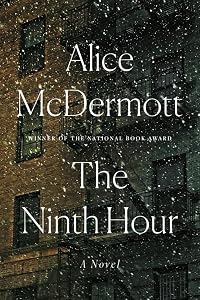
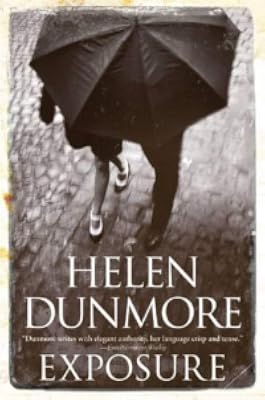
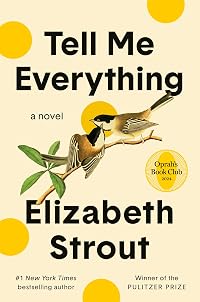
JGoto Irish immigrants with emphasis on family, but the story is more complex.
20
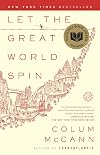

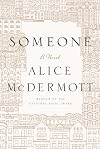
anglemark There's something about the laconic prose and the description of a young person's plight that made me associate these two books with each other.
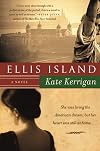


charl08 In both novels, key character faces new, difficult choices in new places. Both beautifully written, compelling.
11
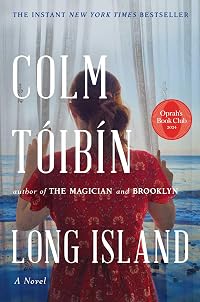
shaunie Long Island is the sequel, it has much to recommend it but Brooklyn is far better. The sequel spends far too long on exposition, although it is as exciting to read as a thriller.
Member Reviews
Colm Toíbín is the subtlest kind of magician. Reading this book, you watch his hands move gracefully through the simplest of motions as he conjures up a world, realizing only after that he has taken the watch off your wrist and the heart out of your chest. This is a book they will study a hundred years from now, trying to figure out exactly how he manages to levitate such large emotions with such smooth prose. Worth it for the complicated dread implied by an umbrella left at a post office.
This is a charming, simple story about a sweet, straightforward young woman – until the final section, when it sears the reader’s heart and soars into another realm.
The first part is a delightful picture of small-town Ireland in the 1950s. The middle two parts chart Eilis’ arrival and settling in to life and study in Brooklyn. Not much happens. It’s well done, but I couldn’t see what all the fuss was about. Then she is unexpectedly summoned home. The situation and dilemmas arising could be crass, predictable and dull, or overly sentimental, or just implausible. They are none of those things.
The ending was brave and brilliant, and pushed the book from 3.5* to 5*. The most powerful aspect for me wasbig spoiler coming up: that show more she went back to Brooklyn, presumably to Tony, but carefully puts the photo of her and Jim on the beach in the bottom of her suitcase
I hope Toibin is never tempted to write a sequel.
So Much Unsaid
There is a gradually intensifying theme of important things going unsaid: lips sealed, omissions from letters, replies unread.
It’s no great insight that the longer one waits to reveal something, the harder it becomes, and the more complex the consequences. Toibin’s skill is in making chronic inarticulacy agonisingly convincing: there’s always the nagging hope that if one puts it off, it may somehow not be necessary.
Eilis’ inexperience may look like naivety, but the more we understand of her inner thoughts, the more her intelligence, introspection, and perceptiveness about other people’s motives peek through. She’s not inarticulate in her head, only in real life, though she tries to suppress her own thoughts as well, “The best thing to do… was to put the whole thing out of her mind”.
The gaps in her letters home mean “they would never know her now” and maybe they never had, otherwise they would not have sent her to this strange land where she does not fit.
But it’s not just Eilis: all the main characters hide their true selves and desires (hence a brief scene with lesbian overtones ), and even prevent others from doing so: “It was hard to speak since her mother seemed to have prepared in advance every word that she said” and had a way of “speaking that seemed to welcome no reply”.
“Not telling her mother and friends made every day she had spent in America a sort of fantasy.” You can rewrite a fantasy, which makes reticence appealing, but it doesn’t change the truth – or the ramifications.
Appropriately, the plot hinges on someone who DOES speak up, but whether the consequences are good or ill is suitably ambiguous. Toibin has consistently demonstrated the problems of what goes unsaid, but he stops short of recommending honesty at all times, because there is no single answer. We each have to decide for ourselves when to hold back and when to open up. Either way is risky. Inertia, manifested as silence or omission, often seems easier, as Eilis knows so well – yet she does it again and again.
Pulled Two Ways: An Outsider in Two Realms
Eilis moves from her predictable and familiar town where she has spent (and expected to spend) her whole life, to a city where even the staples of bread, butter, tea and milk, are strange, and “everything [is] frenzied and fast”.
She may speak the language, but “She was nobody here… a ghost in this room, in the streets on the way to work, on the shop floor. Nothing meant anything… She… tried to think… of something she was looking forward to, but there was nothing… It was as though she had been locked away.”
Just as she’s becoming at ease with Brooklyn, she finds herself an outsider again, when she gets to know an Italian family, and finally when she goes back to Ireland, changed.
This is the obvious theme, and it’s why I chose the photo of the Anthony Gormley sculpture. But because it’s more obvious, and is part of the reason for all the unsaid things, it somehow felt less important. Or maybe it was secondary because I identify with it too strongly: there are so many axes along which I have been, and still am, neither one thing nor another, even though I’ve never lived more than 150 miles from my birthplace.
However, Eilis learned to fit in in America, and having found that chameleon quality, I am hopeful for her.
Plot
Eilis is a young woman in a small town in 1950s Ireland, studying bookkeeping. Her older brothers live and work in England, and her older sister, Rose, works to pay for Eilis and their widowed mother. With little prospect of local employment, Eilis is despatched to Brooklyn, with the aid of Father Flood, a friend of Rose.
She lives in a boarding house, headed by Mrs Kehoe, has a job in a department store, and goes to night school to qualify as a bookkeeper, all arranged by Fr Flood, who also organises Friday church dances, from where she gains an Italian boyfriend, Tony. Rather than an explicit proposal, he talks of future plans that “suggested that marriage been already tacitly agreed”.
A sudden death sends her home for a short visit.She secretly marries Tony before leaving. . Emotional and practical manipulation inevitably extend the trip. Time to fall in love, perhaps: heart and duty, separated by the Atlantic.
Seasickness, homesickness, new people, strange food, love, death, love triangle, Catholic guilt.
Just another bildungsroman? No, it’s so much more.
UPDATE re Film
Overall, I thought the film was pretty good. It was understated and looked and felt "right" to me. The luminously ethereal Saoirse Ronan is perfect as Eilis, and the screenplay and cinematography included lingering shots of her pensive face, showing something of her inner doubts and struggles about what to say and what to leave out. Julie Walters is excellent as Mrs Kehoe, and dinner at her lodging house is suitably on the knife-edge between fun and awkwardness.
Inevitably, some things were missed out: no brothers (a sensible omission), almost nothing about Rose (Eilis is on the boat within minutes, and without much explanation), and no hint she has ambitions until Fr Flood enrolls her at Brooklyn College. But none of that impairs understanding or changes the nature of the story.
My one gripe is the one I feared: the ending was tidier. Not only did she definitely return to Tony, but the photo of her and Jim on the beach was never taken, let alone packed in her case back to Brooklyn . However, there was one really good addition near the end, on the boat, she gets talking to a young Irish girl heading to Brooklyn for the first time, and she takes on the role of advisor, as Georgina had done for her. That's when the cameras should have stopped rolling, imo .
Quotes
• “No one who went to America missed home. Instead they were happy there and proud. She wondered if that could be true.”
• “She did not allow herself to conclude that she did not want to go.”
• “She felt she was being singled out for something for which she was not in any way prepared.”
• “The letters told Eilis little; there was hardly anything personal in them and nothing that sounded like anyone’s own voice.”
• “She wanted to allow for the possibility that everyone’s motives were good.”
• “In Bartocci’s she had learned to be brave and decisive with the customers, but once she herself was a customer she knew that she was too hesitant and slow.”
• “Looking like a horse-dealer’s wife in Enniscorthy on a fair day.”
• “In Brooklyn it was not always as easy to guess someone’s character by their job.”
• “She would have to slow him down, but she had no idea how to do so in a way that did not involve being unpleasant.”
• Etiquette of ogling on the beach:
“In Ireland no one looks… It would be bad manners.
In Italy it would be bad manners not to look.”
• “The [bad] news and the visitors had caused excitement, distracted her pleasantly from the tedium of the day.”
Image source (work by Anthony Gormley):
http://3.bp.blogspot.com/-EoNMfeXg4L0/TvsVFOhLSoI/AAAAAAAAAz0/qtff7xVYMjg/s1600/.... show less
The first part is a delightful picture of small-town Ireland in the 1950s. The middle two parts chart Eilis’ arrival and settling in to life and study in Brooklyn. Not much happens. It’s well done, but I couldn’t see what all the fuss was about. Then she is unexpectedly summoned home. The situation and dilemmas arising could be crass, predictable and dull, or overly sentimental, or just implausible. They are none of those things.
The ending was brave and brilliant, and pushed the book from 3.5* to 5*. The most powerful aspect for me was
I hope Toibin is never tempted to write a sequel.
So Much Unsaid
There is a gradually intensifying theme of important things going unsaid: lips sealed, omissions from letters, replies unread.
It’s no great insight that the longer one waits to reveal something, the harder it becomes, and the more complex the consequences. Toibin’s skill is in making chronic inarticulacy agonisingly convincing: there’s always the nagging hope that if one puts it off, it may somehow not be necessary.
Eilis’ inexperience may look like naivety, but the more we understand of her inner thoughts, the more her intelligence, introspection, and perceptiveness about other people’s motives peek through. She’s not inarticulate in her head, only in real life, though she tries to suppress her own thoughts as well, “The best thing to do… was to put the whole thing out of her mind”.
The gaps in her letters home mean “they would never know her now” and maybe they never had, otherwise they would not have sent her to this strange land where she does not fit.
But it’s not just Eilis: all the main characters hide their true selves and desires (
“Not telling her mother and friends made every day she had spent in America a sort of fantasy.” You can rewrite a fantasy, which makes reticence appealing, but it doesn’t change the truth – or the ramifications.
Appropriately, the plot hinges on someone who DOES speak up, but whether the consequences are good or ill is suitably ambiguous. Toibin has consistently demonstrated the problems of what goes unsaid, but he stops short of recommending honesty at all times, because there is no single answer. We each have to decide for ourselves when to hold back and when to open up. Either way is risky. Inertia, manifested as silence or omission, often seems easier, as Eilis knows so well – yet she does it again and again.
Pulled Two Ways: An Outsider in Two Realms
Eilis moves from her predictable and familiar town where she has spent (and expected to spend) her whole life, to a city where even the staples of bread, butter, tea and milk, are strange, and “everything [is] frenzied and fast”.
She may speak the language, but “She was nobody here… a ghost in this room, in the streets on the way to work, on the shop floor. Nothing meant anything… She… tried to think… of something she was looking forward to, but there was nothing… It was as though she had been locked away.”
Just as she’s becoming at ease with Brooklyn, she finds herself an outsider again, when she gets to know an Italian family, and finally when she goes back to Ireland, changed.
This is the obvious theme, and it’s why I chose the photo of the Anthony Gormley sculpture. But because it’s more obvious, and is part of the reason for all the unsaid things, it somehow felt less important. Or maybe it was secondary because I identify with it too strongly: there are so many axes along which I have been, and still am, neither one thing nor another, even though I’ve never lived more than 150 miles from my birthplace.
However, Eilis learned to fit in in America, and having found that chameleon quality, I am hopeful for her.
Plot
She lives in a boarding house, headed by Mrs Kehoe, has a job in a department store, and goes to night school to qualify as a bookkeeper, all arranged by Fr Flood, who also organises Friday church dances, from where she gains an Italian boyfriend, Tony. Rather than an explicit proposal, he talks of future plans that “suggested that marriage been already tacitly agreed”.
A sudden death sends her home for a short visit.
Seasickness, homesickness, new people, strange food, love, death, love triangle, Catholic guilt.
Just another bildungsroman? No, it’s so much more.
UPDATE re Film
Overall, I thought the film was pretty good. It was understated and looked and felt "right" to me. The luminously ethereal Saoirse Ronan is perfect as Eilis, and the screenplay and cinematography included lingering shots of her pensive face, showing something of her inner doubts and struggles about what to say and what to leave out. Julie Walters is excellent as Mrs Kehoe, and dinner at her lodging house is suitably on the knife-edge between fun and awkwardness.
Inevitably, some things were missed out: no brothers (a sensible omission), almost nothing about Rose (Eilis is on the boat within minutes, and without much explanation), and no hint she has ambitions until Fr Flood enrolls her at Brooklyn College. But none of that impairs understanding or changes the nature of the story.
My one gripe is the one I feared: the ending was tidier. Not only did she definitely
Quotes
• “No one who went to America missed home. Instead they were happy there and proud. She wondered if that could be true.”
• “She did not allow herself to conclude that she did not want to go.”
• “She felt she was being singled out for something for which she was not in any way prepared.”
• “The letters told Eilis little; there was hardly anything personal in them and nothing that sounded like anyone’s own voice.”
• “She wanted to allow for the possibility that everyone’s motives were good.”
• “In Bartocci’s she had learned to be brave and decisive with the customers, but once she herself was a customer she knew that she was too hesitant and slow.”
• “Looking like a horse-dealer’s wife in Enniscorthy on a fair day.”
• “In Brooklyn it was not always as easy to guess someone’s character by their job.”
• “She would have to slow him down, but she had no idea how to do so in a way that did not involve being unpleasant.”
• Etiquette of ogling on the beach:
“In Ireland no one looks… It would be bad manners.
In Italy it would be bad manners not to look.”
• “The [bad] news and the visitors had caused excitement, distracted her pleasantly from the tedium of the day.”
Image source (work by Anthony Gormley):
http://3.bp.blogspot.com/-EoNMfeXg4L0/TvsVFOhLSoI/AAAAAAAAAz0/qtff7xVYMjg/s1600/.... show less
A young woman, stuck in a small Irish town in the 1950s, with no sign of any opportunity to make something of her life beyond a humiliating one-day-a-week job in a grocery shop, gets the chance to emigrate and make a new life for herself in the USA. It's all very lovingly crafted, with plenty of engaging details of life in Ireland and Brooklyn and insights into what a frightening adventure it would be for someone who has never travelled anywhere suddenly to find herself having to manage all this on her own. I enjoyed all the stuff about how department stores worked and had to laugh at the innocent pleasure the parish priest takes in his power to manipulate people (in a good way, naturally). Tóibín clearly did his research.
But it's a show more bit disappointing to find that everything descends into a kind of pastiche Victorian novel in the last half of the book, with Eilis torn between the two good men who both love her on their respective sides of the ocean. We all love a good, weepy romance, but surely a writer like Tóibín could have come up with something a little more original — and a little more worthy of twenty-first century insight. show less
But it's a show more bit disappointing to find that everything descends into a kind of pastiche Victorian novel in the last half of the book, with Eilis torn between the two good men who both love her on their respective sides of the ocean. We all love a good, weepy romance, but surely a writer like Tóibín could have come up with something a little more original — and a little more worthy of twenty-first century insight. show less
Paced to perfection, this book recounts the quiet day to day life of a young girl who has emigrated from Ireland to the United States in the 1950s. Eilis has her ups, her downs, her sadnesses and joys. Moments of confusion, irritation, guilt. While two loomingly significant events frame this book, her emigration and her return to Ireland when she receives devastating news from home, it is the little moments told without fanfare, just with a loving matter-of-factness, that make this book the treasure that it is and a great joy over which to linger.
Following as the shy Eilis slowly emerges from a cocoon of uncertainty and drabness, coming into her own, no longer overshadowed by her confident, beautiful elder sister is one of the real show more beauties of the book. This is not a book for anyone who needs thrills and chills, but rather for readers who desire a closely rendered portrait of a young woman in the slow journey to herself. show less
Following as the shy Eilis slowly emerges from a cocoon of uncertainty and drabness, coming into her own, no longer overshadowed by her confident, beautiful elder sister is one of the real show more beauties of the book. This is not a book for anyone who needs thrills and chills, but rather for readers who desire a closely rendered portrait of a young woman in the slow journey to herself. show less
Brooklyn is one of those quiet books, the kind that seems straightforward…until suddenly you realize it’s anything but. The story is simple, yet at its core it brims with truth. With unadorned narration, Tóibín follows Eilis through her rather ordinary life: starting a job, gossiping with fellow boarders, writing to her family, helping her sponsor with church functions. Her life is unremarkable, free from the sensationalism and breathtaking moments sprinkled throughout many contemporary novels. She could have been any young immigrant, leaving everyone and everything she has ever known to seek a better life. Yet somehow, in her ordinariness, Eilis is beautiful. I hung on every word of this one small soul’s story.
My full review is show more posted on my blog, Erin Reads. show less
My full review is show more posted on my blog, Erin Reads. show less
Nos últimos dois anos vivenciei inúmeros lutos, sincronicamente nesse período acabei lendo muitos livros sobre luto sem sequer saber que seriam sobre luto, Brooklyn acabou se mostrando como um deles.
Dividido em quatro capítulos longos, dá para contabilizar diversos tipos de luto presentes no livro, o luto da mudança geográfica, o luto da perda de um ente querido, o luto de um amor perdido, o luto da pessoa que você era e não é mais.
O mais peculiar em ler o livro do Colm Toibin é que você não dado muita coisa por ele até o intenso último capítulo em que todos esses lutos se encontram e a nossa Eilie tem que dar um rumo à vida.
Dividido em quatro capítulos longos, dá para contabilizar diversos tipos de luto presentes no livro, o luto da mudança geográfica, o luto da perda de um ente querido, o luto de um amor perdido, o luto da pessoa que você era e não é mais.
O mais peculiar em ler o livro do Colm Toibin é que você não dado muita coisa por ele até o intenso último capítulo em que todos esses lutos se encontram e a nossa Eilie tem que dar um rumo à vida.
Colm Tóibín's Brooklyn gracefully bespelled me. He did it with ease, less prone to showy flair than to subtle intimation. After finishing the novel, letting this Irish immigrant to Brooklyn in the 1950's perambulate in my thoughts, I realized that her naiveté should have stricken me at some point as annoying or distracting or hand-wringing at the very least. Eilis Lacey never evokes a negative response from me however. Instead Tóibín manages to usher me in as a confidant to Eilis, following her bildungsroman as if learning details from a close friend. However even the best of friends reach a place of frustration at times with each other, but Eilis and I never quarreled. I never found her snappish or irritating or, that teetering show more abyss of the maturing protagonist, whiny. She has a composure and quietude, not born from confidence, though that she slowly develops, but rather from a simplicity of spirit and purpose. The machinations and hyperactivity around her do not seem to cultivate a similar responsive blossom; her Irish roots continue to send up calmly swaying green shoots even amidst the hustle of burgeoning Brooklyn.
Perhaps to say that her blossom does not hybridize with her surroundings is erroneous; rather, we might say we are altered in the same sun as she, drinking the same newness of place and peoples and earth, moving at such a pace that the changes that actually do unfold - a slight change in petal color and fragrance - are so natural and unhurried that it is not until a return trip to her home of Enniscorthy that the comparative growth can be witnessed.
Mayhap too contributing to this obnubilated sense of change is the knowledge that Eilis did not seek out this uprooting relocation to Brooklyn. Her sense of order and the path of her life never enfolded a replanting in America; indeed, her Enniscorthy roots were quite well grounded, entwined with her mother's and her friends', not seeking out new ground like a free-wheeling and voracious nettle. Yet, new ground Eilis was given, and part of the beauty of this book comes at the very end, when her choices are arrayed before her, not so dissimilar in isolation, yet contextually divergent, like a rose graft taken from its home and grown in different terroir.
Behind the friendship with Eilis that Tóibín elicits from me there is also a sense of historicity that nudges me on a deeply personal level. When Eilis meets and begins an affectionate courtship with the boyish Italian-American Tony, I felt recalled to the stories that my grandparents told of their own courtship, as if I was reading a more inclusive narrative from one of them, reliving with them the sensations and joys they would have experienced.
That Tóibín crafts a patient and tender maturation for Eilis, compelling and believable without treading within angst, and the sense of familial remembrance he evokes left me rather awed and with a lingering feeling of peace, like I'd just put my nose in a rose bloom and inhaled deeply, forgetful of the thorns that usually await, but, finding none, return to inhale once more. show less
Perhaps to say that her blossom does not hybridize with her surroundings is erroneous; rather, we might say we are altered in the same sun as she, drinking the same newness of place and peoples and earth, moving at such a pace that the changes that actually do unfold - a slight change in petal color and fragrance - are so natural and unhurried that it is not until a return trip to her home of Enniscorthy that the comparative growth can be witnessed.
Mayhap too contributing to this obnubilated sense of change is the knowledge that Eilis did not seek out this uprooting relocation to Brooklyn. Her sense of order and the path of her life never enfolded a replanting in America; indeed, her Enniscorthy roots were quite well grounded, entwined with her mother's and her friends', not seeking out new ground like a free-wheeling and voracious nettle. Yet, new ground Eilis was given, and part of the beauty of this book comes at the very end, when her choices are arrayed before her, not so dissimilar in isolation, yet contextually divergent, like a rose graft taken from its home and grown in different terroir.
Behind the friendship with Eilis that Tóibín elicits from me there is also a sense of historicity that nudges me on a deeply personal level. When Eilis meets and begins an affectionate courtship with the boyish Italian-American Tony, I felt recalled to the stories that my grandparents told of their own courtship, as if I was reading a more inclusive narrative from one of them, reliving with them the sensations and joys they would have experienced.
That Tóibín crafts a patient and tender maturation for Eilis, compelling and believable without treading within angst, and the sense of familial remembrance he evokes left me rather awed and with a lingering feeling of peace, like I'd just put my nose in a rose bloom and inhaled deeply, forgetful of the thorns that usually await, but, finding none, return to inhale once more. show less
Members
- Recently Added By
Published Reviews
ThingScore 75
Ultimately, Brooklyn does not feel limited. Tóibín makes a single incision, but it’s extraordinarily well-placed and strikes against countless nerve-ends. The novel is a compassionate reminder that a city must be made of people before it can be made of myths.
added by Shortride
In tracking the experience, at the remove of half a century, of a girl as unsophisticated and simple as Eilis — a girl who permits herself no extremes of temperament, who accords herself no right to self-assertion — Toibin exercises sustained subtlety and touching respect. . .
In “Brooklyn,” Colm Toibin quietly, modestly shows how place can assert itself, enfolding the visitor, staking show more its claim. show less
In “Brooklyn,” Colm Toibin quietly, modestly shows how place can assert itself, enfolding the visitor, staking show more its claim. show less
added by Shortride
Lists

Best Historical Fiction
620 works; 261 members

Booker Prize
491 works; 62 members

The Immigrant's Stories
74 works; 19 members
Best Contemporary Literary Fiction (Around the Last 30 Years)
388 works; 124 members

Historical Fiction
889 works; 91 members

EU Fiction: 1950-2022
223 works; 70 members

Recommend the 20 best books you've read in the last five years
2,168 works; 606 members

Irish writers
87 works; 17 members

The Guardian's 100 best books of the 21st century
100 works; 21 members

Boarding House and Hotel Fiction
73 works; 25 members

Best 21st Century Books (So Far)
670 works; 85 members

Books Set in New York City
127 works; 21 members
International IMPAC Dublin Literary Award
179 works; 6 members

Top Five Books of 2015
811 works; 241 members
Books Set in New York State
65 works; 11 members
The American Experience
173 works; 18 members

2008-2012 Notable Books for Adults
127 works; 10 members

BBC Radio 4 Bookclub
340 works; 13 members

Tour of Ireland
40 works; 11 members

Man Booker Prize Longlist 2009
13 works; 2 members

Books Read in 2016
4,666 works; 199 members

Books Read in 2017
4,249 works; 129 members

Books Read in 2018
4,360 works; 110 members

End of Your Life Book Club
134 works; 4 members

Biggest Disappointments
606 works; 163 members

Books With Place Names in the Title
215 works; 10 members

Books Read in 2021
5,361 works; 114 members
Audio Books
29 works; 3 members

BBC World Book Club
265 works; 5 members

Great Films Based on Books
319 works; 140 members

Fiction (Non-Fantasy) by Irish Authors Set in Ireland
87 works; 3 members

Llibres que he llegit el 2024
77 works; 1 member

Top Five Books of 2024
795 works; 264 members

Book Club suggestions
20 works; 1 member

.
184 works; 1 member
Top Five Books of 2025
954 works; 303 members

Take Four Books
130 works; 1 member

World Book Club (BBC World Service)
174 works; 1 member
Author Information

87+ Works 25,410 Members
Colm Tóibín was born in Enniscorthy, Ireland in 1955. He studied history and English at University College Dublin, earning his B.A. in 1975. After graduating he moved to Barcelona for three years and taught at the Dublin School of English. In 1978 he returned to Dublin and began working on an M.A. in Modern English and American Literature. He show more wrote for In Dublin, Hibernia, and The Sunday Tribune. He became the Features Editor of In Dublin in 1981, and then a year later accepted the position of Editor for the Irish current affairs magazine Magill. His first book, Walking Along the Border, was published in 1987 and his first novel, The South, was published in 1990. He wrote for The Sunday Independent as a drama or television critic and political commentator. He writes regularly for The London Review of Books. He has written several other novels including The Story of the Night, The Blackwater Lightship, Brooklyn, The Testament of Mary, and Nora Webster. The Heather Blazing received the 1993 Encore Award and The Master received the 2006 International IMPAC Dublin Literary Award, the Stonewall Book Award, and the Lambda Literary Award. In 2015 he made The New Zealand High Profile Titles List with All The Light We Cannot See. He was short listed for the 2015 Folio Prize for his title Nora Webster. (Bowker Author Biography) show less
Some Editions
Awards and Honors
Awards
Distinctions
Series

Belongs to Publisher Series
Work Relationships
Is contained in
Has the adaptation
Common Knowledge
- Canonical title
- Brooklyn
- Original title
- Brooklyn
- Original publication date
- 2009-05
- People/Characters
- Eilis Lacey; Rose Lacey; Father Flood; Tony Fiorello; Madge Kehoe; Miss Fortini (show all 29); Mrs. Lacey; Jack Lacey; Pat Lacey; Martin Lacey; Nelly Kelly; Nancy Byrne; Annette O'Brien; George Sheridan; Mary; Jim Farrell; Georgina; Miss MacAdam; Patty McGuire; Diana Montini; Sheila Heffernan; Miss Keegan; Franco Bartocci; Miss Bartocci; Joshua Rosenblum; Delores Grace; Frank Fiorello; Laurence Fiorello; Maurice Fiorello
- Important places
- Brooklyn, New York, New York, USA; Enniscorthy, County Wexford, Ireland; New York, New York, USA; Ireland; New York, USA
- Related movies
- Brooklyn (2015 | IMDb)
- Dedication
- For Peter Straus
- First words
- Eilis Lacey, sitting at the window of the upstairs living room in the house on Friary Street, noticed her sister walking briskly from work.
- Last words
- (Click to show. Warning: May contain spoilers.)She almost smiled at the thought of it, then closed her eyes and tried to imagine nothing more.
- Blurbers
- Heller, Zoe; Smith, Ali
- Original language
- English
Classifications
Statistics
- Members
- 6,381
- Popularity
- 1,921
- Reviews
- 337
- Rating
- (3.71)
- Languages
- 15 — Catalan, Czech, Danish, Dutch, English, Finnish, French, German, Italian, Norwegian (Bokmål), Polish, Portuguese, Spanish, Swedish, Turkish
- Media
- Paper, Audiobook, Ebook
- ISBNs
- 99
- ASINs
- 23