
On This Page
Description
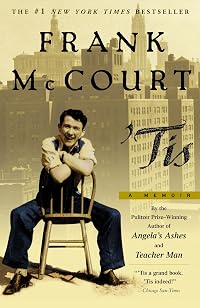
Frank McCourt's glorious childhood memoir, Angela's Ashes, has been loved and celebrated by listeners everywhere for its spirit, its wit and its profound humanity. A tale of redemption, in which storytelling itself is the source of salvation, it won the National Book Critics Circle Award, the Los Angeles Times Book Award and the Pulitzer Prize. Rarely has a book so swiftly found its place on the literary landscape. And now we have 'Tis, the story of Frank's American journey from impoverished show more immigrant to brilliant teacher and raconteur. Frank lands in New York at nineteen, in the company of a priest he meets on the boat. He gets a job at the Biltmore Hotel, where he immediately encounters the vivid hierarchies of this "classless country," and then is drafted into the army and is sent to Germany to train dogs and type reports. It is Frank's incomparable voice -- his uncanny humor and his astonishing ear for dialogue -- that renders these experiences spellbinding. When Frank returns to America in 1953, he works on the docks, always resisting what everyone tells him, that men and women who have dreamed and toiled for years to get to America should "stick to their own kind" once they arrive. Somehow, Frank knows that he should be getting an education, and though he left school at fourteen, he talks his way into New York University. There, he falls in love with the quintessential Yankee, long-legged and blond, and tries to live his dream. But it is not until he starts to teach -- and to write -- that Frank finds his place in the world. The same vulnerable but invincible spirit that captured the hearts of listeners in Angela's Ashes comes of age. Frank McCourt's 'Tis is one of the most eagerly-awaited audiobooks of our time, and it is a masterpiece. show lessTags
Recommendations
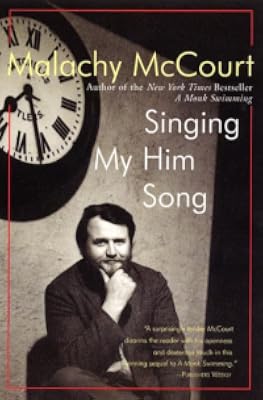

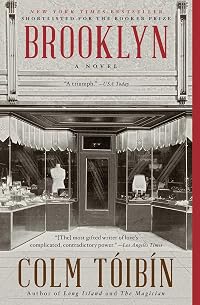


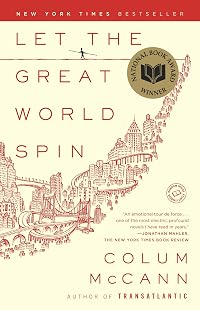
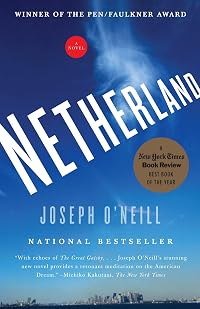

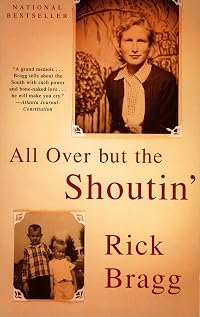

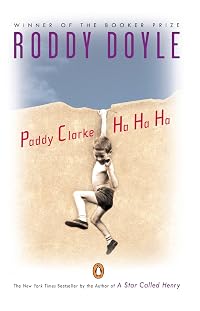

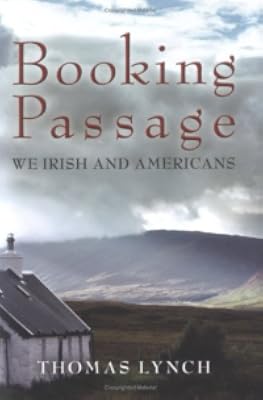
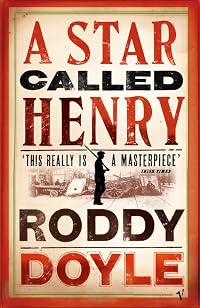












Member Recommendations

Member Reviews
Frank McCourt burst on the literary scene with his memoir Angela’s Ashes, which outlined his childhood lived in abject poverty in Limerick Ireland. This book picks up where that one left off. He begins by recounting some of the overseas voyage, befriended by a priest who encourages him to talk to the “wealthy Protestants from Kentucky,” and who is dismayed when McCourt’s embarrassment over his teeth, his eyes, his clothing, keeps him from asserting himself. But although nothing is as he expected and he feels more ignorant each day, the 19-year-old Frank pursues his dreams of the American life. It’s slow going and the reader begins to wonder if he’ll ever get out of the slums and get his eyes and teeth fixed (though we show more obviously know he will, because he wrote these books, after all).
Despite the obvious roadblocks in his path, Frank’s ingrained desire to better himself is further inspired by watching the office workers on the bus, overhearing them talk about their children or grandchildren going to college. A stint in the Army makes him eligible for the GI bill, and he begins to take courses at NYU. And the love of a classic American blonde beauty makes his dream of a clean job, a clean wife, a clean house and clean children seem finally within his grasp.
McCourt has a way with language. His direct, present-tense style has immediacy to it that just keeps me reading. He doesn’t shy away from that which is painful, embarrassing, or downright depressing. I was anxious to see him succeed, but I was frustrated with his apparent inability to get on with it. In relating the story of the young Frank McCourt he comes across as painfully lacking in self-esteem – a born “loser.” His first book ended on such a high note of hope and opportunity; I was expecting more of the same, and this one didn’t quite deliver. show less
Despite the obvious roadblocks in his path, Frank’s ingrained desire to better himself is further inspired by watching the office workers on the bus, overhearing them talk about their children or grandchildren going to college. A stint in the Army makes him eligible for the GI bill, and he begins to take courses at NYU. And the love of a classic American blonde beauty makes his dream of a clean job, a clean wife, a clean house and clean children seem finally within his grasp.
McCourt has a way with language. His direct, present-tense style has immediacy to it that just keeps me reading. He doesn’t shy away from that which is painful, embarrassing, or downright depressing. I was anxious to see him succeed, but I was frustrated with his apparent inability to get on with it. In relating the story of the young Frank McCourt he comes across as painfully lacking in self-esteem – a born “loser.” His first book ended on such a high note of hope and opportunity; I was expecting more of the same, and this one didn’t quite deliver. show less
This is my second book by Mr McCourt and his writing make brings the reader so close to him that it is almost like I've becoming a cousin through his work. His insights into the bigger themes of teachers, the education system, and the invisibility of immigrant workers to the affluent are relevant themes and they balance nicely with the highly personal nature of the rest of his story. While 'Tis isn't as good as Angela's Ashes, it is still much better than most and definitely worth reading.
Here’s the first thing you need to know about Frank McCourt’s second book: ’tisn’t as good as the first. But of course the twinkle-eyed Irish gent set an impossible-to-beat standard for himself with Angela’s Ashes. His memoir of poverty and survival in Limerick’s slums was overwhelmingly sad, funny and—most of all—honest.
And now, with ’Tis, McCourt’s tale continues from where he left off in Angela’s Ashes—on board a freighter as it sails from Ireland to New York. The next-to-last chapter of Angela ended with the question "Isn’t this a great country altogether?" The last chapter consisted of a single word: "’Tis."
With the against-all-odds success of his first book, published when he was sixty-five, is it any show more wonder that McCourt would want to continue the momentum of his charming storytelling? ’Tis no wonder ’tall. While it may seem unfair to compare the two books, it is fair to say that this sophomore effort doesn’t pack much of a punch as a stand-alone memoir. The weakness of ’Tis is easy to pinpoint: there’s just not enough of a story between the covers. There are times when McCourt seems to be stretching his life to fit the number of pages, instead of shrinking the number of pages to fit his life.
Once McCourt arrives in New York City in 1949, his tale becomes a connect-the-dots odyssey of a young immigrant making his way in America during the post-war years. ’Tis is hampered by the truth-is-sadder-than-fiction events in Angela. Nothing could possibly be as bad as McCourt’s miserable childhood and, here in ’Tis, the events of his later life pale by comparison.
Nonetheless, it’s a bit of a relief to see how well McCourt triumphs over his squalid beginnings. Don't get me wrong; he still scrapes and struggles even after he arrives in America, the Promised Land. We watch him scrounging for low-paying jobs like emptying ashtrays at the Biltmore Hotel or unloading freight at the dockyards. He joins the Army, but instead of going to fight in Korea, is shipped off to Germany where he learns how to type and discovers great writers like Melville and Dostoevsky. He returns to America, cons his way into New York University and eventually gets a job teaching high school. Along the way, he wrestles with the demons of his father’s waywardness and the Irish penchant for drink.
He’s anxious, unsettled, looking for his place in the world. As he tries to assimilate into American culture, he outruns his heritage like it was a dog nipping at his heels:
"Why is it the minute I open my mouth the whole world is telling me they’re Irish and we should all be having a drink? It’s not enough to be American. You always have to be something else, Irish-American, German-American, and you’d wonder how they’d get along if someone hadn’t invented the hyphen."
And later, when he’s sitting quietly in his college class, he confesses:
"There are times when I wish I could reach into my mouth and tear my accent out by the roots. Even when I try to sound American people look puzzled and say, Do I detect an Irish brogue?"
What I admire most about ’Tis is the same thing that made me fall in love with Angela: McCourt’s distinct, easy-flowing style. He tells his life story in an ironic and self-deprecating tone of voice, sprinkling it with just enough salty humor to make you mark the place on the page with a finger while you stop to have a good chuckle.
By now, however, McCourt has run out of life to relate; after ’Tis, I doubt there’s much left to tell. For his next book, I wouldn’t mind seeing a novel. He’s got a good ear for dialogue and a keen eye for describing characters and wouldn’t it be a lovely thing altogether if he was to fashion a funny little novel out of his imagination?
’Twould. show less
And now, with ’Tis, McCourt’s tale continues from where he left off in Angela’s Ashes—on board a freighter as it sails from Ireland to New York. The next-to-last chapter of Angela ended with the question "Isn’t this a great country altogether?" The last chapter consisted of a single word: "’Tis."
With the against-all-odds success of his first book, published when he was sixty-five, is it any show more wonder that McCourt would want to continue the momentum of his charming storytelling? ’Tis no wonder ’tall. While it may seem unfair to compare the two books, it is fair to say that this sophomore effort doesn’t pack much of a punch as a stand-alone memoir. The weakness of ’Tis is easy to pinpoint: there’s just not enough of a story between the covers. There are times when McCourt seems to be stretching his life to fit the number of pages, instead of shrinking the number of pages to fit his life.
Once McCourt arrives in New York City in 1949, his tale becomes a connect-the-dots odyssey of a young immigrant making his way in America during the post-war years. ’Tis is hampered by the truth-is-sadder-than-fiction events in Angela. Nothing could possibly be as bad as McCourt’s miserable childhood and, here in ’Tis, the events of his later life pale by comparison.
Nonetheless, it’s a bit of a relief to see how well McCourt triumphs over his squalid beginnings. Don't get me wrong; he still scrapes and struggles even after he arrives in America, the Promised Land. We watch him scrounging for low-paying jobs like emptying ashtrays at the Biltmore Hotel or unloading freight at the dockyards. He joins the Army, but instead of going to fight in Korea, is shipped off to Germany where he learns how to type and discovers great writers like Melville and Dostoevsky. He returns to America, cons his way into New York University and eventually gets a job teaching high school. Along the way, he wrestles with the demons of his father’s waywardness and the Irish penchant for drink.
He’s anxious, unsettled, looking for his place in the world. As he tries to assimilate into American culture, he outruns his heritage like it was a dog nipping at his heels:
"Why is it the minute I open my mouth the whole world is telling me they’re Irish and we should all be having a drink? It’s not enough to be American. You always have to be something else, Irish-American, German-American, and you’d wonder how they’d get along if someone hadn’t invented the hyphen."
And later, when he’s sitting quietly in his college class, he confesses:
"There are times when I wish I could reach into my mouth and tear my accent out by the roots. Even when I try to sound American people look puzzled and say, Do I detect an Irish brogue?"
What I admire most about ’Tis is the same thing that made me fall in love with Angela: McCourt’s distinct, easy-flowing style. He tells his life story in an ironic and self-deprecating tone of voice, sprinkling it with just enough salty humor to make you mark the place on the page with a finger while you stop to have a good chuckle.
By now, however, McCourt has run out of life to relate; after ’Tis, I doubt there’s much left to tell. For his next book, I wouldn’t mind seeing a novel. He’s got a good ear for dialogue and a keen eye for describing characters and wouldn’t it be a lovely thing altogether if he was to fashion a funny little novel out of his imagination?
’Twould. show less
As the second installment in Irish Catholic Frank McCourt's moving memoir series, 'Tis is the portrayal of a young man trying to find his place in a world ready to eat him up. His first book, "Angela's Ashes," details his early childhood in the slums of Limerick, Ireland and 'Tis picks up in the fall of 1949 as he is finally making his way to America. What follows is a wry, hilarious and often heartbreaking deception of his struggles to make his way through a foreign country to find a job, education and even love. McCourt finds his start in America at seemingly dead-end jobs even as he dreams of one day becoming a college student like those he sees on the subway with their books and superior attitudes. After spending time in the army, show more he is finally admitted to New York University even without a high school diploma but is constantly fearful of being looked down upon due to his lack of education. After finally obtaining a teaching post, McCourt depicts the farce that is the American educational system as he battles with students and administrators until he is able to teach a creative writing class at a respectable high school. Frank McCourt is a masterful writer. I think part of what makes him so dang good is his unusual lack of punctuation. No quotation marks and hardly any commas or periods either. I'd often read half a page before I realized it was all one sentence. This style made everything seem more immediate and more often than not, I'd feel myself right there with him during the war, at a job, or in his classroom. On top of that, his honesty is what really sets his narrative apart. McCourt cuts no corners and doesn't shy away from the truth, even if it is embarrassing or damaging to himself.The Hubby and I listened to "Angela's Ashes" read by the author himself and since then I can't but help hear his unforgettable, almost simplistic voice in my head as I read 'Tis. His story is so poignant, so honest that it and the emotions they raise so fresh - it all stays with you long after you finish, truly making his books absolutely unforgettable. show less
I finished this last week. Not as relentlessly depressing as Angela's Ashes but there's still enough "Black Irish" to make you cry every now and then; and enough honesty to make you laugh. McCourt is a brilliant storyteller. I particularly like how he does dialog as a stream of consciousness without quotes or attributions. You can see the back and forth between teacher and reluctant students, wife and drunken husband, army grunts and officers. Although I did get a bit tired of the sore eyes and bad teeth. I assume he had them fixed, but he used them metaphorically throughout the narrative to put himself in a pathetic light. But that is a small quibble. Highly recommend this book.
From reading through the reviews, I imagine I'm in a very small minority of readers who picked up "'Tis" wthout ever having read "Angela's Ashes". While this may mean I am not aware of some information regarding character background, etc., I did not feel at all lost while reading the book. In fact, it was only after I finished reading it that I realised this was a continuation of sorts of another book.
While many other readers were apparently disappointed in this book compared to "Ashes", I believe that on its own it is very well-written and enjoyable. The prose was extremely readable and the situations and characters very realistic and sympathetic. McCourt helped make the immigrant experience approachable by highlighting the awkwardness show more and disorientation that a young Irish man finds upon his arrival in North America.
Very highly reccomended, whether or not have you read "Angela's Ashes". show less
While many other readers were apparently disappointed in this book compared to "Ashes", I believe that on its own it is very well-written and enjoyable. The prose was extremely readable and the situations and characters very realistic and sympathetic. McCourt helped make the immigrant experience approachable by highlighting the awkwardness show more and disorientation that a young Irish man finds upon his arrival in North America.
Very highly reccomended, whether or not have you read "Angela's Ashes". show less
Quite some time ago I reviewed McCourt's first autobiography, Angela's Ashes. 'Tis is the second book which picks up as Frank is sailing from Ireland to America, where he expects to see everyone has a tan and beautiful white teeth, i.e. the Hollywood version. First lesson, New York City and its people don't much resemble his expectations.
He's still poor as a churchmouse of course but he finds a job sweeping the floor and emptying ashtrays in the lobby of the Biltmore, then moves on to a warehouse job on the docks. He rents a place at a rooming house with a strange landlady and her handicapped son. Eventually he talks his way into NYU despite his lack of a high school diploma. Many of my friends will be happy to learn he got in because show more of his reading habit. He had read classic literature that most American youth would disdain. At length he becomes a teacher, a teacher with a girlfriend no less.
You may remember he had three surviving younger brothers; they all came to this country. His mother finally came here as well and made a career of carping about everything American. The book ends as the McCourt sons and their children take Angela's ashes back to Limerick.
I raved about the first book. I laughed my head off reading parts of it and other parts tore my heart out. Young Frankie's poverty-stricken childhood was terrible. However, I was disappointed in this book. It's written in the same stream-of-consciousness style and he has the same sense of humor, and parts of it made me laugh out loud. The adult Frank McCourt, though, isn't such a sympathetic character. There were times when I wanted to take him by the shoulders and shake some sense into him. I wanted to say, "Stop feeling sorry for yourself and for heaven's sake stay out of Irish bars!" But I must admit McCourt is a good man at heart and he's certainly a better writer than I'll ever be. show less
He's still poor as a churchmouse of course but he finds a job sweeping the floor and emptying ashtrays in the lobby of the Biltmore, then moves on to a warehouse job on the docks. He rents a place at a rooming house with a strange landlady and her handicapped son. Eventually he talks his way into NYU despite his lack of a high school diploma. Many of my friends will be happy to learn he got in because show more of his reading habit. He had read classic literature that most American youth would disdain. At length he becomes a teacher, a teacher with a girlfriend no less.
You may remember he had three surviving younger brothers; they all came to this country. His mother finally came here as well and made a career of carping about everything American. The book ends as the McCourt sons and their children take Angela's ashes back to Limerick.
I raved about the first book. I laughed my head off reading parts of it and other parts tore my heart out. Young Frankie's poverty-stricken childhood was terrible. However, I was disappointed in this book. It's written in the same stream-of-consciousness style and he has the same sense of humor, and parts of it made me laugh out loud. The adult Frank McCourt, though, isn't such a sympathetic character. There were times when I wanted to take him by the shoulders and shake some sense into him. I wanted to say, "Stop feeling sorry for yourself and for heaven's sake stay out of Irish bars!" But I must admit McCourt is a good man at heart and he's certainly a better writer than I'll ever be. show less
Members
- Recently Added By
Published Reviews
ThingScore 75
Auch der zweite Teil von McCourts Autobiographie bewegt durch die Einfachheit der Darstellung. Ein Bild der amerikanischen Klassengesellschaft aus der Perspektive von unten wird entwickelt, wie es lebendiger nicht sein könnte. Das Buch lebt vom Einblick in die Gefühlswelt der "kleinen Leute" und ihre Strategien im Überlebenskampf. Es berührt durch die Erkenntnis, wie schwer es ist, show more Kindheit und Jugend abzuschütteln und neu zu beginnen. show less
added by Indy133
Lists

Best Biographies, Autobiographies and Memoirs
464 works; 158 members

The Immigrant's Stories
74 works; 19 members

Carole's List
445 works; 13 members

Writers at Risk
106 works; 17 members

Fiction (Non-Fantasy) by Irish Authors Set in Ireland
87 works; 3 members
Author Information

26+ Works 39,451 Members
Frank McCourt was born in Brooklyn, New York on August 13, 1930 to Irish immigrant parents. When he was four, his family moved back to Ireland. His father abandoned the family to a life of poverty. He attended school until the age of 14, at which point he was forced to drop out to help support the family. In 1949, he returned to the United States, show more where he worked odd jobs until being drafted into the U. S. Army during the Korean War. Using the GI Bill, he received a degree in English and education from New York University. He worked at several high schools throughout New York City including McKee Vocational and Technical High School, Seward Park High School, and Stuyvesant High School. During this time, he would occasionally write articles for newspapers and magazines. He retired from teaching in 1994. His first memoir, Angela's Ashes, was published in 1996. It won the National Book Critics Circle award in 1996 and the Pulitzer Prize in 1997. His other memoirs included 'Tis and Teacherman. He died on July 19, 2009 at the age of 78. (Bowker Author Biography) show less
Some Editions
Awards and Honors
Awards
Distinctions
Series

Belongs to Publisher Series
Work Relationships
Is contained in
Is abridged in
Common Knowledge
- Canonical title
- 'Tis: A Memoir
- Original title
- 'Tis: A Memoir
- Original publication date
- 1999
- People/Characters
- Frank McCourt
- Important places
- Cork, County Cork, Ireland; Stuyvesant High School, New York, New York, USA
- Important events
- Caida del Imperio Austro-Hungaro (1919)
- Epigraph
- "Para aquel que alguna vez haya comprendido claramente que es mortal, la agonía ha comenzado ya" Arthur Schnitzer
- Dedication
- This book is dedicated to My daughter, Maggie, for her warm, searching heart and to My wife Ellen, for joining her side to mine
- First words
- When the MS Irish Oak sailed from Cork in October, 1949, we expected to be in New York City in a week.
La cultura enmarcada en los límites del Imperio Austro-Húngaro es hoy un volcán apagado, pero durante los siglos que estuvo en erupción arrojó sobre Europa fuerzas innovadoras y poderosas, ríos de lava intelectual que t... (show all)odavía contemplamos deslizarse pujantes en nuestro mundo. - Last words
- (Click to show. Warning: May contain spoilers.)We had lunch at a pub along the road to Ballinacurra and you'd never know from the way we ate and drank and laughed that we'd scattered our mother who was once a grand dancer at the Wembley Hall and known to one and all for the way she sang a good song, oh, if she could only catch her breath.
(Click to show. Warning: May contain spoilers.)Muerto y enterrado, el Imperio duerme para siempre en las brumas de un mundo fracasado, cada vez más envuelto en la niebla del olvido. Su cadáver nunca saldrá a la luz porque ya es polvo, leyenda, sueño, desvarío, barro, maldición y aliento de esta Europa nuestra, aunque no lo queramos o finjamos no saberlo. - Original language
- Español
- Disambiguation notice
- Full title (1999): 'Tis : a memoir / Frank McCourt.
Classifications
- Genres
- Biography & Memoir, Nonfiction
- DDC/MDS
- 974.7100491620092 — History & geography History of North America Northeastern United States (New England and Middle Atlantic states) New York New York (N.Y.)
- LCC
- E184 .I6 .M118 — History of the United States United States Elements in the population Afro-Americans
- BISAC
Statistics
- Members
- 8,564
- Popularity
- 1,281
- Reviews
- 80
- Rating
- (3.51)
- Languages
- 20 — Catalan, Chinese, Czech, Danish, Dutch, English, Estonian, Finnish, French, German, Hungarian, Italian, Japanese, Lithuanian, Norwegian (Bokmål), Norwegian, Portuguese, Spanish, Swedish, Turkish
- Media
- Paper, Audiobook, Ebook
- ISBNs
- 94
- UPCs
- 2
- ASINs
- 35