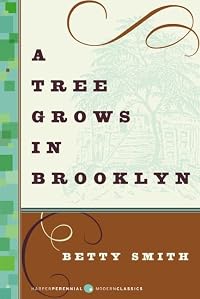
A Tree Grows in Brooklyn
by Betty Smith
On This Page
Description
A PBS Great American Read Top 100 Pick The beloved American classic about a young girl's coming-of-age at the turn of the twentieth century. From the moment she entered the world, Francie Nolan needed to be made of stern stuff, for growing up in the Williamsburg slums of Brooklyn, New York demanded fortitude, precocity, and strength of spirit. Often scorned by neighbors for her family's erratic and eccentric behavior--such as her father Johnny's taste for alcohol and Aunt Sissy's habit show more of marrying serially without the formality of divorce--no one, least of all Francie, could say that the Nolans' life lacked drama. By turns overwhelming, heartbreaking, and uplifting, the Nolans' daily experiences are raw with honestly and tenderly threaded with family connectedness. Betty Smith has captured the joys of humble Williamsburg life--from "junk day" on Saturdays, when the children traded their weekly take for pennies, to the special excitement of holidays, bringing cause for celebration and revelry. Smith has created a work of literary art that brilliantly captures a unique time and place as well as deeply resonant moments of universal experience. Here is an American classic that "cuts right to the heart of life," hails the New York Times. "If you miss A Tree Grows in Brooklyn, you will deny yourself a rich experience." show lessTags
Recommendations



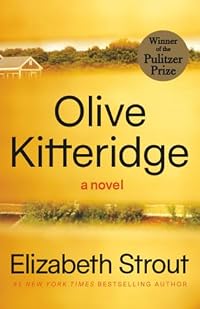
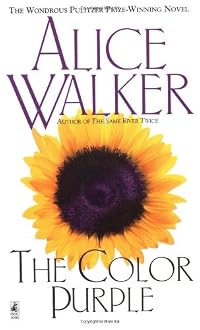

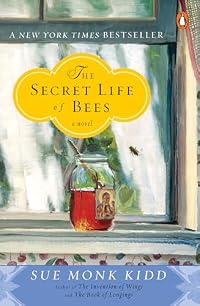

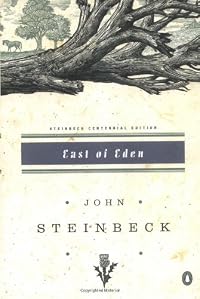
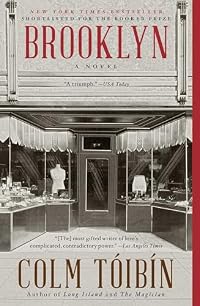
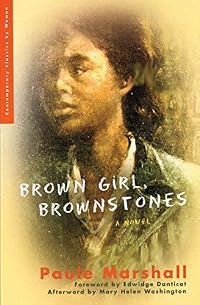
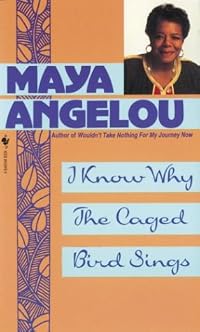
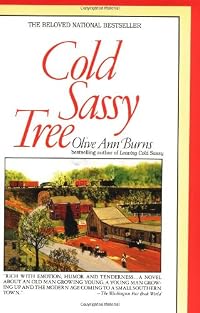


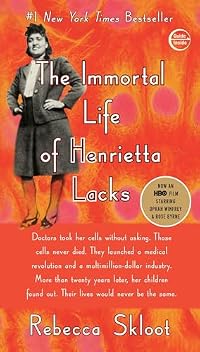

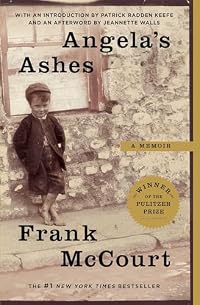


Member Recommendations
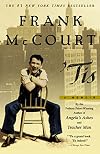

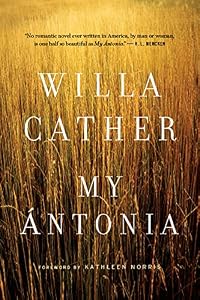
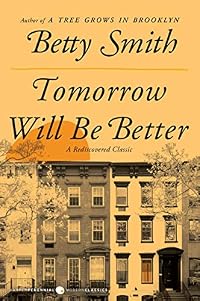
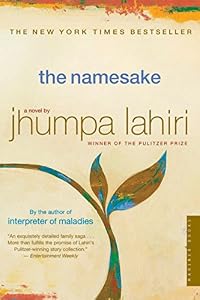
atimco Both stories are semi-autobiographical and tell the story of a young, sensitive girl coming of age in a poor community. The heroines have similar family structures (attractive, hardworking mother, generally absent/weak father, younger brother who fits into his surroundings better than his older sister). The historical setting is very important to both works and almost acts as a character in its own right.
50
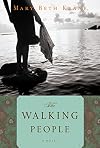
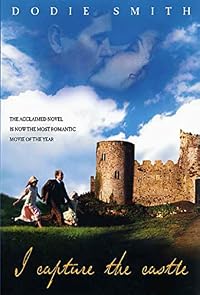
RidgewayGirl Set in 1939, The Tin Flute is also a beautifully told coming of age story, this time of a young, working class French-Canadian girl in Quebec.


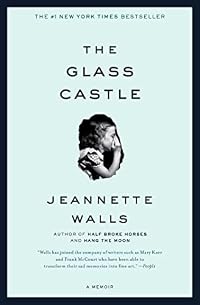
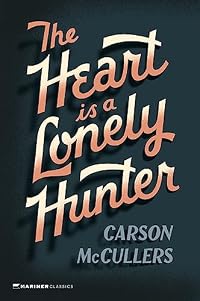
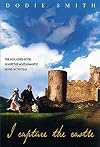
FutureMrsJoshGroban The style of writing and realism in the portrayal of the characters is very similar.

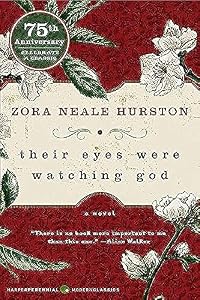
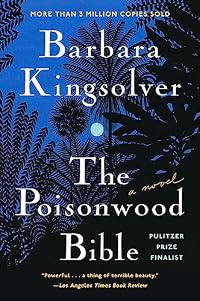
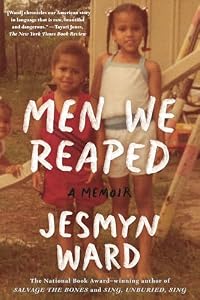
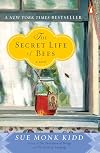
crislee123 This is a coming-of-age story about a 12 year old African American girl growing up in Harlem in the 1930's. This book touches on many of the same thems.
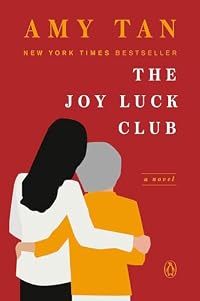
iMagic My all time favorite book. A must read. Ruth McBride was a force to be reckoned with. Raised 12 phenomenal children. One of them wrote this book about her life as the daughter of an orthodox Jewish rabbi who later married the man who taught her how to live.
12
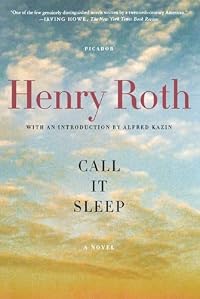
bluepiano About another, younger, child living in a NYC slum during an overlapping period. Smith's novel is a colourful and entertaining. Roth's is powerful.
Member Reviews
This book was sitting on my shelf for quite a while, I ended up donating it only to buy another copy from Books-A-Million. Finally, I picked it up and fell in love with it. I didn't know if I was ready for a family drama, but it turned out to be exactly what I needed at the exact moment I picked it up. Francie Nolan has soared up on the list of my favorite fictional characters of all time; to be honest, you might not like the book as much if you are a "realist". However, if you are a dreamer and see the world much differently than your peers, you will love it!
I particularly liked her relationship with her mother. Yes, it was a co-dependent relationship with a lack of affection, but this made the moments where affection was shown show more between them that much more powerful. Francie sees so much and understands so much, and you watch her grow and understand the world, to accept and make the most of the life she has, to find the light in the darkest circumstances. Yeah, I love this book and highly recommend it, especially if it has been sitting on your shelf collecting dust for the last five years. show less
I particularly liked her relationship with her mother. Yes, it was a co-dependent relationship with a lack of affection, but this made the moments where affection was shown show more between them that much more powerful. Francie sees so much and understands so much, and you watch her grow and understand the world, to accept and make the most of the life she has, to find the light in the darkest circumstances. Yeah, I love this book and highly recommend it, especially if it has been sitting on your shelf collecting dust for the last five years. show less
By the end of A Tree Grows in Brooklyn, Betty Smith’s mostly autobiographical coming of age novel, sixteen year old Francie Nolan has packed more living into her young life than most 80 year old Americans. Smith’s turn of the century tale tells precocious Francie’s story as well as that of her mother, the grimly realistic Katie, alcoholic and dreamy-eyed father Johnny and brother Neeley as they endure their hardscrabble lives and manage to make it seem to those of us on the other side of the page, as though their love and respect for each other overcomes the dire poverty that surrounds them. Katie’s philosophy of life sums up very neatly all that she wants for her children:
”Everything struggles to live. Look at that tree show more growing up there out of the grating. It gets no sun, and water only when it rains. It’s growing out of sour earth. And it’s strong because its hard struggle to live is making it strong. My children will be strong that way.” (Page 95)
And she toughens them up in every possible way; as if life wasn’t tough enough already. Katie’s imagination keeps her from succumbing from the depression that engulfs their lives as she scrubs the floors of one of several tenement buildings that she cleans daily:
”Katie had this same flair for coloring an incident and Johnny himself lived in a half-dream world, yet they tried to squelch these things in their child. Maybe they had a good reason. Maybe they knew their own gift of imagination colored too rosily the poverty and brutality of their lives and made them able to endure it. Perhaps Katie thought that if they did not have this faculty, they would be clearer-minded; see things as they really were, and seeing them loathe them and somehow find a way to make them better.” (Page 199)
The book could only have been written by someone who had lived through the experience. The descriptions of life at this time, just before WWI, are too vivid to have not have been experienced by the author. She manages to convey an appreciation for the small things of life that are normally taken for granted. And she’s created in bright, gifted Francie, an unbelievably appealing child who endures all life throws at her and manages to come out on top. Highly recommended. show less
”Everything struggles to live. Look at that tree show more growing up there out of the grating. It gets no sun, and water only when it rains. It’s growing out of sour earth. And it’s strong because its hard struggle to live is making it strong. My children will be strong that way.” (Page 95)
And she toughens them up in every possible way; as if life wasn’t tough enough already. Katie’s imagination keeps her from succumbing from the depression that engulfs their lives as she scrubs the floors of one of several tenement buildings that she cleans daily:
”Katie had this same flair for coloring an incident and Johnny himself lived in a half-dream world, yet they tried to squelch these things in their child. Maybe they had a good reason. Maybe they knew their own gift of imagination colored too rosily the poverty and brutality of their lives and made them able to endure it. Perhaps Katie thought that if they did not have this faculty, they would be clearer-minded; see things as they really were, and seeing them loathe them and somehow find a way to make them better.” (Page 199)
The book could only have been written by someone who had lived through the experience. The descriptions of life at this time, just before WWI, are too vivid to have not have been experienced by the author. She manages to convey an appreciation for the small things of life that are normally taken for granted. And she’s created in bright, gifted Francie, an unbelievably appealing child who endures all life throws at her and manages to come out on top. Highly recommended. show less
9/24/24 review
This book is a treasure. Readers love Francie because she's a reader, but that's just the start of why I love this book. It's full of life lessons, complex characters, heartbreak, and even some funny moments—it's a true American tale and one of the best coming-of-age novels out there. Also, I love any story that shows how hard work and education can change a girl's life and open up a world of possibilities. I'm sure I'll be revisiting this book again. Hopefully it doesn't take me 12 years next time.
9/4/2012 review, 5 stars
Readers often turn to gilded fairytale books to escape reality and to, most importantly, find hope. This book proves that hope can also be found in real, honest life.
This book is a treasure. Readers love Francie because she's a reader, but that's just the start of why I love this book. It's full of life lessons, complex characters, heartbreak, and even some funny moments—it's a true American tale and one of the best coming-of-age novels out there. Also, I love any story that shows how hard work and education can change a girl's life and open up a world of possibilities. I'm sure I'll be revisiting this book again. Hopefully it doesn't take me 12 years next time.
9/4/2012 review, 5 stars
Readers often turn to gilded fairytale books to escape reality and to, most importantly, find hope. This book proves that hope can also be found in real, honest life.
Since this is a classic, I honestly expected something more sedate, more pedantic, and less interesting. Instead, I discovered a quirky, charming, poignant, honest book that felt very modern. In style, it could have been written by an excellent writer today, but the details of life probably wouldn't have felt so real or believable.
I love coming-of-age books, but this is even more. It's a nearly epic story of Francie's family in the immigrant slums of Brooklyn, from before her birth and through most of her teens. They struggle to persevere through poverty and other difficulties, but this generally isn't a somber book; Francie's perspective is aware but appreciative. The depth of the writer's understanding (Francie's in retrospect) is show more touching. We discover her extended family's secrets and flaws, why each person is lovable; we ache for their heartaches and we delight in their joys. I loved this book and loved Francie, the observant little girl who treasured life in Brooklyn. show less
I love coming-of-age books, but this is even more. It's a nearly epic story of Francie's family in the immigrant slums of Brooklyn, from before her birth and through most of her teens. They struggle to persevere through poverty and other difficulties, but this generally isn't a somber book; Francie's perspective is aware but appreciative. The depth of the writer's understanding (Francie's in retrospect) is show more touching. We discover her extended family's secrets and flaws, why each person is lovable; we ache for their heartaches and we delight in their joys. I loved this book and loved Francie, the observant little girl who treasured life in Brooklyn. show less
this book is sociocultural archaeology for me. a very important book, i think. dealing with sexuality, poverty, religion, and other old taboo subjects in twentieth century America it is easy to see how iconoclastic this book was when it was published.
it reveals the hypocrisy of the June Cleaver 1950s and helps to explain what the ‘60s were rebelling against by showing a slice pre-1940s life.
straight forward and plainly spoken, the book must have seemed pornographic to much of the uptight, shame-based people of the ‘40s. the children find and play with condoms (although they are not named as such), female promiscuity is represented in Aunt Sissy, unwed teen mothers and the zealous derision and violence acted upon them by supposedly show more virtuous married women is shown, the stark reality of living in poverty and the lack of literacy and education hits hard, too. it would have been too much to take for many back then and i know that it was controversial when it came out. i think this book does a much better job of embodying the spirit of social rebellion that the Catcher in the Rye was supposed to have done and might serve to provide some insight into the more recent situations in Ferguson and Baltimore.
not that such hypocrisy doesn’t exist now (staunch, white, male anti-gay Senators who are caught with male prostitutes, Christian preachers who abhor adultery and find sex itself dirty are caught with prostitutes in hotels, etc…), but at that time, the cult of the Great White Patriarchy still held up a thick facade of double standards and cognitive dissonance that the “trouble” of the ‘60s helped to crack. we can now, at least, speak of such things openly without risking stigma, ostracization, or worse.
best of all, this book speaks about all of that in a matter-of-fact way that in no way lessens our caring for the characters. on the contrary: seeing things in the plain light of the book’s setting helps us to feel very close to Francie and her family.
i had always wondered about the title of this book. now i know and find it a strong and enduring metaphor. show less
it reveals the hypocrisy of the June Cleaver 1950s and helps to explain what the ‘60s were rebelling against by showing a slice pre-1940s life.
straight forward and plainly spoken, the book must have seemed pornographic to much of the uptight, shame-based people of the ‘40s. the children find and play with condoms (although they are not named as such), female promiscuity is represented in Aunt Sissy, unwed teen mothers and the zealous derision and violence acted upon them by supposedly show more virtuous married women is shown, the stark reality of living in poverty and the lack of literacy and education hits hard, too. it would have been too much to take for many back then and i know that it was controversial when it came out. i think this book does a much better job of embodying the spirit of social rebellion that the Catcher in the Rye was supposed to have done and might serve to provide some insight into the more recent situations in Ferguson and Baltimore.
not that such hypocrisy doesn’t exist now (staunch, white, male anti-gay Senators who are caught with male prostitutes, Christian preachers who abhor adultery and find sex itself dirty are caught with prostitutes in hotels, etc…), but at that time, the cult of the Great White Patriarchy still held up a thick facade of double standards and cognitive dissonance that the “trouble” of the ‘60s helped to crack. we can now, at least, speak of such things openly without risking stigma, ostracization, or worse.
best of all, this book speaks about all of that in a matter-of-fact way that in no way lessens our caring for the characters. on the contrary: seeing things in the plain light of the book’s setting helps us to feel very close to Francie and her family.
i had always wondered about the title of this book. now i know and find it a strong and enduring metaphor. show less
It's easy to see how this book became a classic. The story is beautifully told; I enjoyed how it meandered along over six years in such an incredibly detailed and descriptive way. It wasn't that I couldn't put it down--in fact, it took me longer to get through it than most books of a comparable length--but it became a *friend* whose story I wanted to never end. Utterly quotable and ponder-worthy. :)
Warm and inviting, yet tempered with an awareness of daily hardship – a sort of proto-counterpart to Harper Lee's To Kill a Mockingbird – Betty Smith's A Tree Grows in Brooklyn is part of a fine tradition in American letters. Told in simple yet often beautiful language, and with a keen eye for the cadences, textures and minutiae of life among good ol' American folks, Smith's famous novel becomes statuesque merely by telling, with grace and a homespun wisdom, the story of a poor working family as they try to get by in Brooklyn at the turn of the 20th century.
At first, it seems like the book won't ever rouse itself; whereas Harper Lee would later steel her own endearing "when I was a girl" story with the plotline of Tom Robinson's show more trial, A Tree Grows in Brooklyn has no similar plotline to keep the reader on the right track. Particularly in the first half of the book, it can be difficult to identify why we should read the story; we do read it, for Betty Smith has great powers of observation, but a page or more on a trip to the local store to buy pickles can seem a bit redundant. It can be hard to fix upon any deeper literary merit, even after the titular metaphor is elaborated on by one character thus:
"'Everything struggles to live. Look at that tree growing up out there out of that grating. It gets no sun, and water only when it rains. It's growing out of sour earth. And it's strong because its hard struggle to live is making it strong. My children will be strong that way…
If there was only one tree like that in the world, you would think it was beautiful… But because there are so many, you just can't see how beautiful it really is. Look at those children.' She pointed to a swarm of dirty children playing in the gutter. 'You could take any one of them and wash him good and dress him up and sit him in a fine house and you would think he was beautiful.'" (pg. 95)
The subsequent progress of the story matches this metaphor, as we follow Francie Nolan from her young girlhood through to her late teens, and watch her develop into an intelligent, capable woman. Living in poverty, like that tree growing out of sour earth, she too transcends the harshness of her surroundings. As the story progresses, Smith's aptitude for slow-burning characterisation starts to pay dividends: even absent a plot, we enjoy looking in on the lives of Francie and her family. By the time we're finished, after nearly 500 pages, we don't want them to leave.
Reading A Tree Grows in Brooklyn has always been a minor ambition of mine, ever since I saw Perconte reading the book in the TV mini-series Band of Brothers nearly twenty years ago. I always thought it strange that American GIs would read such a book, and assumed that it was due to a lack of options. You take what you can get on a battlefront. However, having now read it myself, I can see why those homesick citizen soldiers turned to Betty Smith (the book, published in 1943, was hugely popular in its pocket-sized Armed Services Edition). A Tree Grows in Brooklyn has a warmth, a sense of place, a commitment to drawing characters with a sincere, uncynical decency, that would have been a home-brewed tonic to the brutality those soldiers would have been experiencing daily. This potency has only increased as old New York (and Western communal living in general) recedes into the mists of time. To a reader in the present day, scenes like the one on page 205, when Papa and the children lug a fresh pine Christmas tree up to the fourth floor of their tenement block – Papa singing carols all the while – can seem like reading of a lost world.
However, the warmth of A Tree Grows in Brooklyn is never a cheaply sentimental warmth. Even despite its ending, which was a bit too Dickensian-fairytale for my liking, the moments in Smith's novel where our hearts ache at the tenderness are hard-won. There is poverty, and if it's not quite the stark, debilitating poverty of John Steinbeck's The Grapes of Wrath, published just a few years earlier, it's still very real. The stillbirths. The alcoholism. The scrubwoman working on her hands and knees while heavily pregnant. The threat of paedophilia which terrorises the mothers of the neighbourhood – a surprise inclusion, as the narrative we have nowadays is that this is a modern phenomenon driven by our over-sexualised culture. When young Francie rests with her arms on the window sill and looks up and sees "the stars high above the tenement roofs" (pg. 54), it reminds us how much innocence there is in the story, and yet at the same time the children are exposed to so much tragedy and poverty. It set me on a train of thought that perhaps much of our modern cynicism is due to our all-but-complete freedom from want, rather than any greater exposure we have to cultural violence and nihilism.
The book, despite lacking an identifiable plotline, accomplishes the commendable feat of standing tall, like a smooth piece of architecture that does not show the joins. A thread of humanity emerges and is reinforced, and begins to make even the concept of a plotline seem like an inferior choice. When the astute young Francie reflects on an incident with her Aunt Sissy, and puts "that nugget of knowledge away with all the others that she was continually collecting" (pg. 317), she shows us the open strategy of the writer. But A Tree Grows in Brooklyn is more than just a collection of childhood memories, sown together with great competency. When Papa sends flowers to Francie on her graduation (pg. 351), it's a well-earned moment of storytelling. When a group of Brooklynite workers "each chipped in a few pennies a day to hire a man to read to them while they worked. And the man read fine literature" (pg. 171), we feel the dignity of it. Thankfully, we don't need to have someone read A Tree Grows in Brooklyn to us. We can read it ourselves, and it's often so damned good in its goodness that there's no reason not to.
"'People always think that happiness is a faraway thing,' thought Francie, 'something complicated and hard to get. Yet, what little things can make it up; a place for shelter when it rains – a cup of strong hot coffee when you're blue; for a man, a cigarette for contentment; a book to read when you're alone – just to be with someone you love. Those things make happiness.'" (pg. 457) show less
At first, it seems like the book won't ever rouse itself; whereas Harper Lee would later steel her own endearing "when I was a girl" story with the plotline of Tom Robinson's show more trial, A Tree Grows in Brooklyn has no similar plotline to keep the reader on the right track. Particularly in the first half of the book, it can be difficult to identify why we should read the story; we do read it, for Betty Smith has great powers of observation, but a page or more on a trip to the local store to buy pickles can seem a bit redundant. It can be hard to fix upon any deeper literary merit, even after the titular metaphor is elaborated on by one character thus:
"'Everything struggles to live. Look at that tree growing up out there out of that grating. It gets no sun, and water only when it rains. It's growing out of sour earth. And it's strong because its hard struggle to live is making it strong. My children will be strong that way…
If there was only one tree like that in the world, you would think it was beautiful… But because there are so many, you just can't see how beautiful it really is. Look at those children.' She pointed to a swarm of dirty children playing in the gutter. 'You could take any one of them and wash him good and dress him up and sit him in a fine house and you would think he was beautiful.'" (pg. 95)
The subsequent progress of the story matches this metaphor, as we follow Francie Nolan from her young girlhood through to her late teens, and watch her develop into an intelligent, capable woman. Living in poverty, like that tree growing out of sour earth, she too transcends the harshness of her surroundings. As the story progresses, Smith's aptitude for slow-burning characterisation starts to pay dividends: even absent a plot, we enjoy looking in on the lives of Francie and her family. By the time we're finished, after nearly 500 pages, we don't want them to leave.
Reading A Tree Grows in Brooklyn has always been a minor ambition of mine, ever since I saw Perconte reading the book in the TV mini-series Band of Brothers nearly twenty years ago. I always thought it strange that American GIs would read such a book, and assumed that it was due to a lack of options. You take what you can get on a battlefront. However, having now read it myself, I can see why those homesick citizen soldiers turned to Betty Smith (the book, published in 1943, was hugely popular in its pocket-sized Armed Services Edition). A Tree Grows in Brooklyn has a warmth, a sense of place, a commitment to drawing characters with a sincere, uncynical decency, that would have been a home-brewed tonic to the brutality those soldiers would have been experiencing daily. This potency has only increased as old New York (and Western communal living in general) recedes into the mists of time. To a reader in the present day, scenes like the one on page 205, when Papa and the children lug a fresh pine Christmas tree up to the fourth floor of their tenement block – Papa singing carols all the while – can seem like reading of a lost world.
However, the warmth of A Tree Grows in Brooklyn is never a cheaply sentimental warmth. Even despite its ending, which was a bit too Dickensian-fairytale for my liking, the moments in Smith's novel where our hearts ache at the tenderness are hard-won. There is poverty, and if it's not quite the stark, debilitating poverty of John Steinbeck's The Grapes of Wrath, published just a few years earlier, it's still very real. The stillbirths. The alcoholism. The scrubwoman working on her hands and knees while heavily pregnant. The threat of paedophilia which terrorises the mothers of the neighbourhood – a surprise inclusion, as the narrative we have nowadays is that this is a modern phenomenon driven by our over-sexualised culture. When young Francie rests with her arms on the window sill and looks up and sees "the stars high above the tenement roofs" (pg. 54), it reminds us how much innocence there is in the story, and yet at the same time the children are exposed to so much tragedy and poverty. It set me on a train of thought that perhaps much of our modern cynicism is due to our all-but-complete freedom from want, rather than any greater exposure we have to cultural violence and nihilism.
The book, despite lacking an identifiable plotline, accomplishes the commendable feat of standing tall, like a smooth piece of architecture that does not show the joins. A thread of humanity emerges and is reinforced, and begins to make even the concept of a plotline seem like an inferior choice. When the astute young Francie reflects on an incident with her Aunt Sissy, and puts "that nugget of knowledge away with all the others that she was continually collecting" (pg. 317), she shows us the open strategy of the writer. But A Tree Grows in Brooklyn is more than just a collection of childhood memories, sown together with great competency. When Papa sends flowers to Francie on her graduation (pg. 351), it's a well-earned moment of storytelling. When a group of Brooklynite workers "each chipped in a few pennies a day to hire a man to read to them while they worked. And the man read fine literature" (pg. 171), we feel the dignity of it. Thankfully, we don't need to have someone read A Tree Grows in Brooklyn to us. We can read it ourselves, and it's often so damned good in its goodness that there's no reason not to.
"'People always think that happiness is a faraway thing,' thought Francie, 'something complicated and hard to get. Yet, what little things can make it up; a place for shelter when it rains – a cup of strong hot coffee when you're blue; for a man, a cigarette for contentment; a book to read when you're alone – just to be with someone you love. Those things make happiness.'" (pg. 457) show less
Members
- Recently Added By
Lists

Classics you know you should have read but probably haven't
421 works; 407 members

Recommend the 20 best books you've read in the last five years
2,167 works; 602 members

Top-Rated Books on LibraryThing
272 works; 117 members

Read the book and saw the movie
1,170 works; 193 members
Favorite Coming of Age Novels.
164 works; 51 members
Favourite Books
1,817 works; 316 members

Unread books
1,063 works; 87 members
Historical Fiction
889 works; 91 members

20th Century Literature
1,161 works; 55 members

PBS The Great American Read
100 works; 21 members
Best Family Stories
241 works; 22 members

Female Protagonist
1,056 works; 56 members

Pleasant Surprises: Books That Exceeded Our Expectations
418 works; 143 members
New York Public Library's Books of the Century
120 works; 19 members
1940s
221 works; 25 members

The Top Ten: Writers Pick Their Favorite Books
240 works; 31 members

Top Five Books of 2013
1,564 works; 716 members
Female Author
1,235 works; 67 members

Books I've Read More Than Once
602 works; 49 members

Books featuring alcoholics
103 works; 18 members
Books Set in New York City
127 works; 21 members

New York Public Library's Books of the Century - All
170 works; 14 members
Comfort Reads
221 works; 41 members
LibraryThingers' 1001 Books You Must Read Before You Die
442 works; 30 members

Best Books about Readers
23 works; 14 members

The Immigrant's Stories
74 works; 18 members
Five star books
1,755 works; 108 members
The American Experience
173 works; 18 members

Top Five Books of 2020
982 works; 348 members
Books Set in New York State
64 works; 11 members

Top Five Books of 2014
1,064 works; 398 members

Books Featured on Gilmore Girls
307 works; 21 members
Books tagged favorites
390 works; 29 members
Top Five Books of 2016
795 works; 228 members

Best family sagas
244 works; 33 members

NPRs Ultimate Backseat Bookshelf: 100 Must-Reads for kids 9-14
222 works; 30 members

Best Book Club Selections
26 works; 8 members
Literature About Women and Girls
391 works; 39 members

Fiction about the Working Class
74 works; 10 members

Publisher's Weekly Bestsellers - Part II - 1940 - 1979
355 works; 5 members

New Authors to Read
21 works; 3 members

Carole's List
445 works; 13 members

Urbanization High School Books
1 work; 1 member
Best Domestic Fiction
77 works; 6 members
Best of American Literature
146 works; 9 members

NPRs audience picks: 100 best beach reads
105 works; 12 members

Mensa for Kids Excellence in Reading Award Program (Grades 7-8)
62 works; 3 members

Deena's Favorites--How Many have you read?
102 works; 3 members
First Novels
373 works; 17 members
Books Read in 2007
323 works; 8 members
Overdue Podcast
803 works; 9 members

Books on my Kindle
162 works; 3 members

Undiscovered Classics to Read
70 works; 15 members

1970s
657 works; 23 members
Books Featured on Readers' Review of the Diane Rehm Show
161 works; 8 members

Llibres que he llegit el 2010
35 works; 1 member

Books Read in 2020
4,379 works; 124 members

Books I have Recommended
207 works; 1 member
American Lit for Eng 11 Research Project
368 works; 6 members

Dear Nerdfighteria Maybe-Fiction Recommendations
24 works; 1 member
Books Mentioned in The Wedding Planner's Daughter series
107 works; 2 members

The Torchlight List
95 works; 1 member

Retrospective of 20th- and 21st-century literature
154 works; 1 member

.
396 works; 1 member

el
1,139 works; 1 member
Books That Made Us Cry
278 works; 145 members

Recommended Reading : 600 Classics Reviewed, Editors of Salem Press, 2015
634 works; 6 members
Biblioteca esencial de mujeres (100 libros 100)
53 works; 1 member

history
12 works; 1 member
DigitalDreamDoor top 300
300 works; 4 members

Top Five Books of 2025
950 works; 302 members
Our Favorite Comfort Reads
334 works; 200 members
School Made Us Read It
380 works; 196 members
NPR Books You Love: Books That Shaped You in High School
26 works; 1 member

The Complete Rory Gilmore Reading List
506 works; 5 members

Books We Couldn't Put Down
443 works; 197 members

Books Read in 2025
4,090 works; 97 members
.
194 works; 2 members

Books We Loved As Children
603 works; 252 members
Hazel & Katniss & Harry & Starr Podcast
195 works; 1 member
Books We Want To Read Again For The First Time
384 works; 160 members
top 100
39 works; 1 member
Poverty
1 work; 2 members
Books We Love to Reread
688 works; 296 members

Books With Complete Sentence Titles
374 works; 15 members

Books About Girls
219 works; 17 members
Best books I read in 2013
152 works; 3 members

Sonlight Books
1,487 works; 25 members
Ambleside Books
459 works; 18 members

Satori Smiles Children's Book List
262 works; 7 members

Armed Services Editions
150 works; 1 member
Favorite Childhood Books
1,602 works; 516 members
Fictional Biographies
17 works; 3 members

HarperCollins Publishers
144 works; 3 members

BitLife
212 works; 4 members

Children's Chapter Books from 1940s, ...
77 works; 4 members

Books Read in 2018
4,360 works; 110 members

Childhood Favorites
427 works; 24 members

Mensa for Kids Excellence in Reading Award Program (Grades 7-8)
62 works; 1 member

AP Lit
363 works; 6 members

Before Austen Comes Aesop
318 works; 9 members

Mustich's 1000 Books to Read Before You Die: A Life Changing List
1,001 works; 18 members
Books We'd Want on a Desert Island
203 works; 131 members

Books Read in 2024
4,623 works; 126 members

Library List - Pulitzer Adjacent
39 works; 1 member
Talk Discussions
Past Discussions
A Tree Grows in Brooklyn Group Read (August 1, 2012) in 75 Books Challenge for 2012 (August 2012)
Author Information

19+ Works 20,882 Members
Betty Smith, December 15, 1896 - January 17, 1972 Betty Smith was born December 15, 1896, in Brooklyn, New York. She attended grammar school in Brooklyn, completing only the eighth grade. After leaving school at the age of fourteen, she worked in a factory, in retail and clerical jobs in New York City and eventually became a reader and editor for show more Dramatists Play Service, as well as an actress and playwright for the Federal Theater project and a radio actress. She attended the University of Michigan, from 1927 to 1930, as a special student. While attending the University of Michigan, some of her one-act plays were published, and she also worked as a feature writer for NEA (a newspaper syndicate) and wrote columns for the Detroit Free Press. She went on to Yale University Drama School, from 1930 to 1934. Smith became a member of the faculty of the University of North Carolina, Chapel Hill, from 1945 till 1946. She was a member of the Authors League and the Dramatists Guild. Smith is perhaps best known for her work "A Tree Grows in Brooklyn," which became an overnight success for the first time writer. She won the Avery and Jule Hopwood first prize of $1,000 in 1931; the Rockefeller fellowship in playwriting and Rockefeller Dramatists Guild playwriting fellowship while at Yale and the Sir Walter Raleigh award for fiction in 1958, for "Maggie--Now." Betty Smith died on January 17, 1972. (Bowker Author Biography) show less
Some Editions
Awards and Honors
Series
Belongs to Publisher Series
Work Relationships
Is contained in
Contains
Has the adaptation
Is abridged in
Has as a student's study guide
Common Knowledge
- Canonical title
- A Tree Grows in Brooklyn
- Original title
- A Tree Grows in Brooklyn
- Alternate titles
- The Tree in the Yard
- Original publication date
- 1943
- People/Characters
- Francie Nolan; Johnny Nolan; Katie Nolan; Cornelius "Neeley" Nolan; Aunt Sissy; Aunt Evy (show all 15); Uncle Willie Flittman; Flossie Gaddis; Sergeant McShane; Miss Garnder; Mr. Jenson; Mr. McGarrity; Mary Rommely ; Maudie Donavan; Ben Blake
- Important places
- Brooklyn, New York, New York, USA
- Related movies
- A Tree Grows in Brooklyn (1945 | IMDb); A Tree Grows in Brooklyn (1974 | IMDb)
- Epigraph
- There's a tree that grows in Brooklyn. Some people call it the Tree of Heaven. No matter where its seed falls, it makes a tree which struggles to reach the sky. It grows in boarded-up lots and out of neglected rubbish heaps. ... (show all)It grows up out of cellar gratings. It is the only tree that grows out of cement. It grows lushly. . .survives without sun, water, and seemingly without earth. It would be considered beautiful except that there are too many of it.
- First words
- Serene was a word you could put to Brooklyn, New York.
- Quotations
- Francie came away from her first chemistry lecture in a glow. In one hour she had found out that everything was made up of atoms which were in continual motion. She grasped the idea that nothing was ever lost or destroyed. Ev... (show all)en if something was burned up or left to rot away, it did not disappear from the face of the earth; it changed into something else—gases, liquids, and powders. Everything, decided Francie after that first lecture, was vibrant with life and there was no death in chemistry. She was puzzled as to why learned people didn’t adopt chemistry as a religion.
Dear God, let me be something every minute of every hour of my life. Let me be gay; let me be sad. Let me be cold; let me be warm. Let me be hungry...have too much to eat. Let me be ragged or well-dressed. Let me be sincere- ... (show all)be deceitful. Let me be truthful; let me be a liar. Let me be honorable and let me sin. Only let me be something every blessed minute. And when I sleep, let me dream all the time so that not one little piece of living is ever lost. - Last words
- (Click to show. Warning: May contain spoilers.)She closed the window.
- Blurbers
- Prescott, Orville
- Original language
- English US
Classifications
Statistics
- Members
- 18,487
- Popularity
- 328
- Reviews
- 481
- Rating
- (4.31)
- Languages
- 16 — Catalan, Czech, Danish, English, Finnish, French, German, Greek, Italian, Norwegian (Bokmål), Russian, Spanish, Swedish, Turkish, Portuguese (Portugal), Chinese, traditional
- Media
- Paper, Audiobook, Ebook
- ISBNs
- 110
- UPCs
- 2
- ASINs
- 141