
On This Page
Description
Clear-eyed and spirited, Taylor Greer grew up poor in rural Kentucky with the goals of avoiding pregnancy and getting away. But when she heads west with high hopes and a barely functional car, she meets the human condition head-on. By the time Taylor arrives in Tucson, Arizona, she has acquired a completely unexpected child, a three-year-old American Indian girl named Turtle, and must somehow come to terms with both motherhood and the necessity for putting down roots. Hers is a story about show more love and friendship, abandonment and belonging, and the discovery of surprising resources in apparently empty places. show lessTags
Recommendations






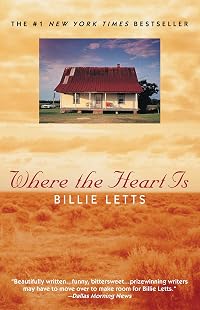
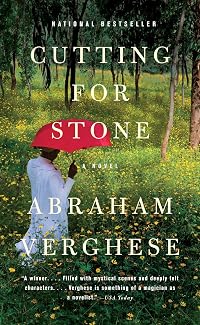
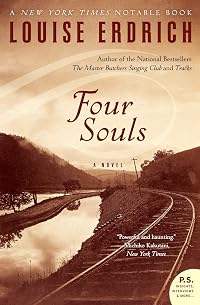
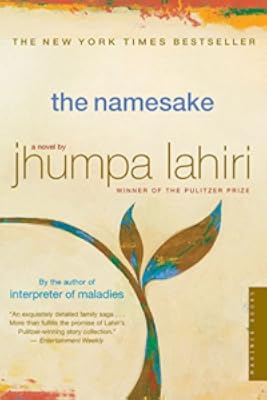

Member Recommendations
Member Reviews
Marietta Greer didn't know many things, but what she did know was that she didn't want to end up like every other girl in Pittman Country, bedded and wedded before she was smart enough to know any different. Escaping clear across the country, changing her name, and of all things, picking up an abandoned Indian girl, Marietta, now Taylor was determined to make a life for herself. Along the way she encounters friends she didn't know she wanted, and a daughter who was not her flesh and blood, but would become her heart and soul. In leaving she finds the home she thought she left behind and the life she didn't know was hers to embrace.
Barbara Kingsolver has the magical gift of making mere characters more than just text on a page. More than show more just black and white font. The people in her stories and the struggles of life they encounter have the penchant for leaping out of the book and burrowing inside the heart. The Bean Trees was no exception. This is not one to be rushed through, but rather savoured and enjoyed as a contemplative reflection. A beautiful story with a heart warming message about hope, belonging, friendships, and that which binds us together - the search for a place we can call home and the people we can learn to call family. Highly recommended. show less
Barbara Kingsolver has the magical gift of making mere characters more than just text on a page. More than show more just black and white font. The people in her stories and the struggles of life they encounter have the penchant for leaping out of the book and burrowing inside the heart. The Bean Trees was no exception. This is not one to be rushed through, but rather savoured and enjoyed as a contemplative reflection. A beautiful story with a heart warming message about hope, belonging, friendships, and that which binds us together - the search for a place we can call home and the people we can learn to call family. Highly recommended. show less
My reading history of Barbara Kingsolver's works is backwards. Most people start with her award-winning fiction, such as The Poisonwood Bible or The Lacuna, while others have been following her career since the beginning with The Bean Trees or The Prodigal Summer. Nope, not me. I first discovered Kingsolver through her non-fiction essay collections, High Tide in Tucson and Small Wonder, and fell not only in love with her writing - but also her philosophy on the world and nature. Reading her non-fictional essays first gave me a unique perspective as I began to read her novels. While her essays provided data and hard facts on issues such as colonialism, environmental concerns, war and immigration, her fiction told the stories of how these show more devastating factors affect people. And that's no different with Kingsolver's first book, The Bean Trees.
In The Bean Trees, we meet a precocious young girl named Taylor, who decides to leave her hillbilly Kentucky town and head west in a beat-up VW bug. As she travels through Oklahoma, she stops at a local hole in the wall, where a Native American woman approaches her with a small child. The woman insists that Taylor take the girl, despite Taylor's protest, and before realizing it, Taylor is entrusted with a young girl who seems catatonic. Not knowing what to do, Taylor continues her journey west, literally driving until the wheels fall off her car, ending up in Tucson, Arizona.
There, Taylor and the girl, who she nicknames Turtle, begin a life together. Along the way, we meet colorful, real-to-life characters who help Taylor and her quest to lay down some roots. Namely, we meet Esteban and Esperanza, illegal immigrants from Guatamala, who tell their story of horror and heartbreak. Through these characters, Kingsolver shows the human side of immigration - the "why" people take a chance on coming to America and risk deportation.
Kingsolver published The Bean Trees in 1988, and even at the start of her career, she was a magnificent storyteller. Certainly, like all writers, her craft has evolved, but she's never lost sight of her values and desire to make a change. I liked the punchy, humorous style of this book, and I look forward to reading Pigs In Heaven, the next book about Turtle's life, very soon. show less
In The Bean Trees, we meet a precocious young girl named Taylor, who decides to leave her hillbilly Kentucky town and head west in a beat-up VW bug. As she travels through Oklahoma, she stops at a local hole in the wall, where a Native American woman approaches her with a small child. The woman insists that Taylor take the girl, despite Taylor's protest, and before realizing it, Taylor is entrusted with a young girl who seems catatonic. Not knowing what to do, Taylor continues her journey west, literally driving until the wheels fall off her car, ending up in Tucson, Arizona.
There, Taylor and the girl, who she nicknames Turtle, begin a life together. Along the way, we meet colorful, real-to-life characters who help Taylor and her quest to lay down some roots. Namely, we meet Esteban and Esperanza, illegal immigrants from Guatamala, who tell their story of horror and heartbreak. Through these characters, Kingsolver shows the human side of immigration - the "why" people take a chance on coming to America and risk deportation.
Kingsolver published The Bean Trees in 1988, and even at the start of her career, she was a magnificent storyteller. Certainly, like all writers, her craft has evolved, but she's never lost sight of her values and desire to make a change. I liked the punchy, humorous style of this book, and I look forward to reading Pigs In Heaven, the next book about Turtle's life, very soon. show less
I have just finished listening to The Bean Trees written by Barbara Kingsolver and read by C. J. Critt and I now have a bookish crush on Ms. Kingsolver. Why oh why, I ask myself have I avoided this author over the years? Someone in the past made disparaging remarks and I unfortunately believed them. Now I am anxious to read more by this author. The Bean Trees is about feisty Marietta Greer, who escapes the backwaters of Kentucky to find herself a new life. When her car breaks down in Taylorville, Illinois, she chooses to rename herself Taylor. When she reaches Oklahoma and has problems with her ‘55 Volkswagen bug, she ends up having a baby placed in her arms by a sad Cherokee woman. Taylor calls the baby Turtle as she clings so show more tightly to her new mother.
I loved this story of how Taylor and Turtle find a new place in Arizona for themselves and surround themselves with good friends that become like family. The author uses humor and whimsy in generous amounts but also doesn’t shy away from dark truths and real life. As Taylor embraces the responsibility of motherhood and comes to love the state of Arizona, the reader is treated to a wonderful story of affirmation, risk-taking, commitment and love.
Originally published in 1988, this book, with it’s references to political and human rights issues surrounding illegal immigrants is very relevant to the border situation today. The Bean Trees is a touching, funny and humane story that was raised to excellence by the fantastic narration of C. J. Critt. show less
I loved this story of how Taylor and Turtle find a new place in Arizona for themselves and surround themselves with good friends that become like family. The author uses humor and whimsy in generous amounts but also doesn’t shy away from dark truths and real life. As Taylor embraces the responsibility of motherhood and comes to love the state of Arizona, the reader is treated to a wonderful story of affirmation, risk-taking, commitment and love.
Originally published in 1988, this book, with it’s references to political and human rights issues surrounding illegal immigrants is very relevant to the border situation today. The Bean Trees is a touching, funny and humane story that was raised to excellence by the fantastic narration of C. J. Critt. show less
In [The Bean Trees] young Marietta Greer tells the story of her journeys…from her Kentucky birthplace to the American west, from near-poverty (economic, social, and cultural) and non-existent opportunity, from her given name, even from her mother.
Coasting into Taylorville, Illinois, she becomes Taylor Greer.
Driving on in her marginally functional show more 1955 VW, Taylor stops at an Oklahoma roadside bar, in hopes of cadging a burger, and is given a small, silent child, closely wrapped in a blanket that obscures its sex and its age, a bundle carefully set in the passenger seat. A woman—the child's mother?—murmurs furtively about desperate circumstances and quickly moves away. She climbs into a pickup parked across the lot and it pulls away. Just that fast, Taylor is a mother.
Within a few hours, Taylor learns the child is a girl, that she's pathologically withdrawn, undernourished, a victim of sexual abuse. She continues to drive west, her mind sorting and resorting questions and options. On the outskirts of Tucson, the VW's tires give out. They've stayed inflated long enough to get the car onto the lot of Jesus Is Lord Used Tires. Taylor, of course, has no money by this time, so getting tires, even well-used tires, are out of the question. She's arrived, it seems, at the end of her journey.
But we're only on page 41, and Taylor has a whole lot of journeying still to do. As she progresses, she's befriended by Mattie, the woman who runs the used tire business and who moonlights with an underground railroad marshalling Guatemalan illegals through Arizona and on into the secret American heartlands. Mattie gives her employment. Taylor also hooks up with Lou Ann, a fellow Kentuckian married to a rodeo rider of Mexican heritage. Lou Ann has an infant son, Dwayne Ray, but is losing her husband, who is intent on divorcing her.
Taylor's named her "daughter" Turtle because, like a snapping turtle, she grasps her hand or coat-hem with a vise-like grip. Inevitably, Taylor is confronted by the need to somehow legalize her adoption of Turtle.
[The Bean Trees] was Kingsolver's first novel, and in it she demonstrated her ear for dialog, her sensitivity to the nuances of interpersonal relationships, her appreciation of all the facets and feelings surrounding motherhood, whether biological or adoptional. The story builds, enticing you to follow along Taylor's road. You'll be glad if you do. show less
When I drove over the Pittman line I made two promises to myself…The first was that I would get myself a new name. I wasn't crazy about anything I had been called up to that point in my life, and this seemed like the time to make a clean break. I didn't have any special name in mind, but just wanted a change…I decided to let the gas tank decide. Wherever it ran out, I'd look for a sign.
Coasting into Taylorville, Illinois, she becomes Taylor Greer.
Driving on in her marginally functional show more 1955 VW, Taylor stops at an Oklahoma roadside bar, in hopes of cadging a burger, and is given a small, silent child, closely wrapped in a blanket that obscures its sex and its age, a bundle carefully set in the passenger seat. A woman—the child's mother?—murmurs furtively about desperate circumstances and quickly moves away. She climbs into a pickup parked across the lot and it pulls away. Just that fast, Taylor is a mother.
Within a few hours, Taylor learns the child is a girl, that she's pathologically withdrawn, undernourished, a victim of sexual abuse. She continues to drive west, her mind sorting and resorting questions and options. On the outskirts of Tucson, the VW's tires give out. They've stayed inflated long enough to get the car onto the lot of Jesus Is Lord Used Tires. Taylor, of course, has no money by this time, so getting tires, even well-used tires, are out of the question. She's arrived, it seems, at the end of her journey.
But we're only on page 41, and Taylor has a whole lot of journeying still to do. As she progresses, she's befriended by Mattie, the woman who runs the used tire business and who moonlights with an underground railroad marshalling Guatemalan illegals through Arizona and on into the secret American heartlands. Mattie gives her employment. Taylor also hooks up with Lou Ann, a fellow Kentuckian married to a rodeo rider of Mexican heritage. Lou Ann has an infant son, Dwayne Ray, but is losing her husband, who is intent on divorcing her.
Taylor's named her "daughter" Turtle because, like a snapping turtle, she grasps her hand or coat-hem with a vise-like grip. Inevitably, Taylor is confronted by the need to somehow legalize her adoption of Turtle.
[The Bean Trees] was Kingsolver's first novel, and in it she demonstrated her ear for dialog, her sensitivity to the nuances of interpersonal relationships, her appreciation of all the facets and feelings surrounding motherhood, whether biological or adoptional. The story builds, enticing you to follow along Taylor's road. You'll be glad if you do. show less
Marietta grows up in rural Kentucky, and her prospects are dim; half the girls in high school drop out pregnant, and a man with a stable job is a prize catch. When her science teacher offers to recommend a student for a job at the county hospital, she steps up and it becomes her route out. Several years later, money saved, she buys a car and heads west with a plan: (1) She’ll change her name where the car runs out of gas; this happens in Taylorville and she becomes Taylor. (2) She’ll stop where the car breaks down; this happens at the edge of the Cherokee Nation in Oklahoma. Taylor is 1/8 Cherokee, and has had fantasies of claiming head rights, but the reality is too bleak to be the rest of her life. Instead of staying, she gets the show more car repaired. As she is about to leave, a Cherokee woman places a swaddled child in the car, conveys that the mother is dead and the child is undocumented, and exits the scene. It’s night, and the landscape is empty. When Taylor reaches a motel, she unwraps the blanket, and sees a girl with evidence of molestation. By the time Taylor reaches Tucson, she is completely attached and has nicknamed the child Turtle.
In Tucson, Taylor meets Mattie through a flat tire, and Lou Ann through a newspaper ad. Mattie is the widowed proprietor of Jesus Is Lord Used Tires, and needs an employee; she is also committed to a shelter above the garage for Guatemalan refugees, notably Estevan and Esperanza. Lou Ann is the recently separated mother of an infant son, and needs a housemate; she is another transplant from Kentucky and the bond is immediate: “You talk just like me.” Mutual support abounds, and it’s a strength of the novel, perhaps idealized but with an aura of authenticity.
Taylor presents Turtle as her foster child. A doctor takes x-rays and discovers bone fractures. Turtle is older than assumed, nearly 3, small and mute with a diagnosed “failure to thrive”. Gradually, in the nurturing group of women, Turtle begins to thrive; she fixates on Mattie’s garden, where seeds put in the ground grow into colorful shapes, and utters a word: “bean”, which rapidly proliferates into a botanical dictionary. Then an incident brings in a social worker, questions are raised, and Taylor may lose Turtle if the adoption is not made official.
This was Barbara Kingsolver’s debut novel, and its kinship with later novels is apparent: rural Kentucky meets the big wide world, with ecological glimmerings. As with Flight Behavior and Prodigal Summer, I cared about the people. So I temporarily set aside my queasiness about the plot device of a child conveniently acquired without strings, orphaned, voluntarily transferred, unambiguously damaged in the past and healing in the present, rationalized by an ancestral connection. And yet... in real life, there’d be strings aplenty.And compounding my queasiness, the resolution involves a deception that could be endangering but is portrayed as cathartic. Still, I’ll probably read the sequel, because, well, I do care about the people, and I gather it is in part a response to criticism or further consideration. show less
In Tucson, Taylor meets Mattie through a flat tire, and Lou Ann through a newspaper ad. Mattie is the widowed proprietor of Jesus Is Lord Used Tires, and needs an employee; she is also committed to a shelter above the garage for Guatemalan refugees, notably Estevan and Esperanza. Lou Ann is the recently separated mother of an infant son, and needs a housemate; she is another transplant from Kentucky and the bond is immediate: “You talk just like me.” Mutual support abounds, and it’s a strength of the novel, perhaps idealized but with an aura of authenticity.
Taylor presents Turtle as her foster child. A doctor takes x-rays and discovers bone fractures. Turtle is older than assumed, nearly 3, small and mute with a diagnosed “failure to thrive”. Gradually, in the nurturing group of women, Turtle begins to thrive; she fixates on Mattie’s garden, where seeds put in the ground grow into colorful shapes, and utters a word: “bean”, which rapidly proliferates into a botanical dictionary. Then an incident brings in a social worker, questions are raised, and Taylor may lose Turtle if the adoption is not made official.
This was Barbara Kingsolver’s debut novel, and its kinship with later novels is apparent: rural Kentucky meets the big wide world, with ecological glimmerings. As with Flight Behavior and Prodigal Summer, I cared about the people. So I temporarily set aside my queasiness about the plot device of a child conveniently acquired without strings, orphaned, voluntarily transferred, unambiguously damaged in the past and healing in the present, rationalized by an ancestral connection. And yet... in real life, there’d be strings aplenty.
Kingsolver's later works (The Poisonwood Bible) are wonderful, but her early stuff really sings. Most books can't make me laugh and cry, but this one did. I really enjoyed the characters, all of whom were real, engaging, and complex. Yes, it's short, but it still feels complete.
Highly recommended.
Highly recommended.
Marietta Greer needs a change. Young, unhappy, restless in her small eastern Kentucky town. She buys a beat-up VW bug, kisses her Mom and hit’s the road. She heads west. She changes her name to Taylor after seeing Taylorville on a highway road sign and lets those bald tires sing.
In Oklahoma, she finds a three year old American Indian girl in her backseat; abandoned, with no hope of finding the family. Taylor names her Turtle and keeps on trucking.
She ends up on the outskirts of Tucson, at an auto-repair shop named Jesus is Lord Used Tires. Her life has officially changed.
This is a perfect first novel, filled with wry humor and keen insight. The prose is tight and the characters are fully-realized.
"I'm just a plain hillbilly from East show more Jesus Nowhere with this adopted child that everybody keeps on telling me is dumb as a box of rocks. I've got nothing on you, girl."
“There must be transients in the bird world too, rumple-feathered outcasts that naturally seek out each other’s company in inferior and dying trees.” show less
In Oklahoma, she finds a three year old American Indian girl in her backseat; abandoned, with no hope of finding the family. Taylor names her Turtle and keeps on trucking.
She ends up on the outskirts of Tucson, at an auto-repair shop named Jesus is Lord Used Tires. Her life has officially changed.
This is a perfect first novel, filled with wry humor and keen insight. The prose is tight and the characters are fully-realized.
"I'm just a plain hillbilly from East show more Jesus Nowhere with this adopted child that everybody keeps on telling me is dumb as a box of rocks. I've got nothing on you, girl."
“There must be transients in the bird world too, rumple-feathered outcasts that naturally seek out each other’s company in inferior and dying trees.” show less
Members
- Recently Added By
Published Reviews
ThingScore 75
Barbara Kingsolver can write. On any page of this accomplished first novel, you can find a striking image or fine dialogue or a telling bit of drama.
added by jlelliott
Lists

Banned Books Week 2014
268 works; 63 members

Recommend the 20 best books you've read in the last five years
2,168 works; 606 members
500 Great Books by Women
507 works; 60 members

Female Author
1,234 works; 67 members
Female Protagonist
1,056 works; 57 members

Top Five Books of 2016
795 works; 229 members

Books tagged "feel good"
129 works; 20 members

Top Five Books of 2015
811 works; 241 members
Literature About Women and Girls
394 works; 39 members

Books Read in 2017
4,249 works; 130 members

A Novel Cure
742 works; 23 members

Books Read in 2023
5,547 works; 145 members

NPRs audience picks: 100 best beach reads
105 works; 12 members

Willoyd's Tour of the USA
25 works; 1 member

Carole's List
445 works; 13 members

SHOULD Read Books!
354 works; 9 members
First Novels
373 works; 17 members

TBR - Older Books
92 works; 1 member

Must-Read Books About the Southwest
98 works; 2 members

Recommended Reading : 600 Classics Reviewed, Editors of Salem Press, 2015
634 works; 6 members
School Made Us Read It
380 works; 196 members
Author Information

48+ Works 99,180 Members
Barbara Kingsolver was born on April 8, 1955 in Annapolis, Maryland and grew up in Eastern Kentucky. As a child, Kingsolver used to beg her mother to tell her bedtime stories. She soon started to write stories and essays of her own, and at the age of nine, she began to keep a journal. After graduating with a degree in biology form De Pauw show more University in Indiana in 1977, Kingsolver pursued graduate studies in biology and ecology at the University of Arizona in Tucson. She earned her Master of Science degree in the early 1980s. A position as a science writer for the University of Arizona soon led Kingsolver into feature writing for journals and newspapers. Her articles have appeared in a number of publications, including The Nation, The New York Times, and Smithsonian magazines. In 1985, she married a chemist, becoming pregnant the following year. During her pregnancy, Kingsolver suffered from insomnia. To ease her boredom when she couldn't sleep, she began writing fiction Barbara Kingsolver's first fiction novel, The Bean Trees, published in 1988, is about a young woman who leaves rural Kentucky and finds herself living in urban Tucson. Since then, Kingsolver has written other novels, including Holding the Line, Homeland, and Pigs in Heaven. In 1995, after the publication of her essay collection High Tide in Tucson: Essays from Now or Never, Kingsolver was awarded an Honorary Doctorate of Letters from her alma mater, De Pauw University. Her latest works include The Lacuna and Flight Behavior. Barbara's nonfiction book, Animal, Vegetable, Miracle was written with her family. This is the true story of the family's adventures as they move to a farm in rural Virginia and vow to eat locally for one year. They grow their own vegetables, raise their own poultry and buy the rest of their food directly from farmers markets and other local sources. (Bowker Author Biography) show less
Some Editions
Awards and Honors
Distinctions
Notable Lists
Series

Belongs to Publisher Series
Work Relationships
Is contained in
Common Knowledge
- Canonical title
- The Bean Trees
- Original title
- The Bean Trees
- Original publication date
- 1988
- People/Characters
- Taylor Greer; Turtle Greer; Mattie; Lou Ann Ruiz; Estevan; Esperanza
- Important places
- Tucson, Arizona, USA; Arizona, USA
- Epigraph*
- /
- Dedication
- For Annie and Joe
For Ismene, and all the mothers who have lost her (10th Anniversary Edition) - First words
- I have been afraid of putting air in a tire ever since I saw a tractor tire blow up and throw Newt Hardbines's father over the top of the Standard Oil sign.
- Quotations
- I mean, we've got to live in the exact same world every damn day of the week, don't we?
- Last words
- (Click to show. Warning: May contain spoilers.)I was the main ingredient.
- Blurbers
- Margaret Randall; Karen Fitzgerald; Cosmopolitan; Glamour; The New Yorker; Anne Rivers Siddons (show all 11); Ella Leffland; Kirkus Reviews; Publishers Weekly; San Francisco Chronicle; New York Times Book Review
*Some information comes from Common Knowledge in other languages. Click "Edit" for more information.
Classifications
Statistics
- Members
- 10,757
- Popularity
- 881
- Reviews
- 193
- Rating
- (3.96)
- Languages
- 6 — Catalan, Dutch, English, French, Italian, Spanish
- Media
- Paper, Audiobook, Ebook
- ISBNs
- 45
- UPCs
- 2
- ASINs
- 34