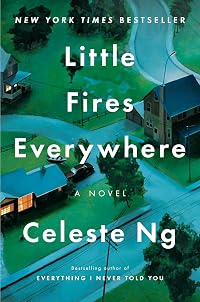
Little Fires Everywhere
by Celeste Ng
On This Page
Description
From the bestselling author of Everything I Never Told You, the intertwined stories of the picture-perfect Richardson family and the mother and daughter who upend their lives "I read Little Fires Everywhere in a single, breathless sitting. With brilliance and beauty, Celeste Ng dissects a microcosm of American society just when we need to see it beneath the microscope ..."--Jodi Picoult, New York Times -bestselling author of Small Great Things and Leaving Time In Shaker Heights, a placid, show more progressive suburb of Cleveland, everything is planned - from the layout of the winding roads, to the colors of the houses, to the successful lives its residents will go on to lead. And no one embodies this spirit more than Elena Richardson, whose guiding principle is playing by the rules. Enter Mia Warren - an enigmatic artist and single mother - who arrives in this idyllic bubble with her teenaged daughter Pearl, and rents a house from the Richardsons. Soon Mia and Pearl become more than tenants: all four Richardson children are drawn to the mother-daughter pair. But Mia carries with her a mysterious past and a disregard for the status quo that threatens to upend this carefully ordered community. When old family friends of the Richardsons attempt to adopt a Chinese-American baby, a custody battle erupts that dramatically divides the town--and puts Mia and Elena on opposing sides. Suspicious of Mia and her motives, Elena is determined to uncover the secrets in Mia's past. But her obsession will come at unexpected and devastating costs. Little Fires Everywhere explores the weight of secrets, the nature of art and identity, and the ferocious pull of motherhood - and the danger of believing that following the rules can avert disaster. show lessTags
Recommendations
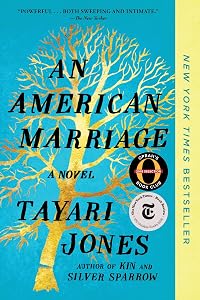
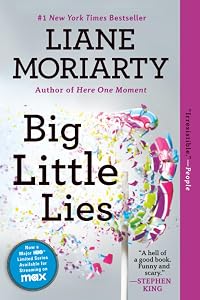

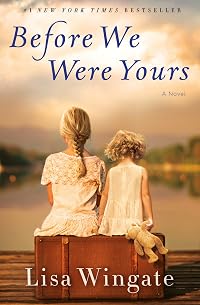
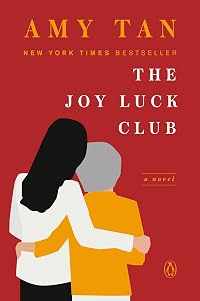
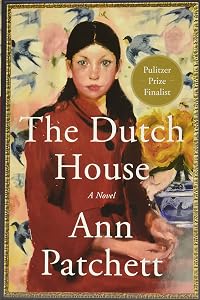
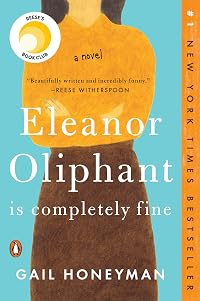
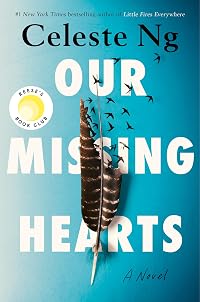
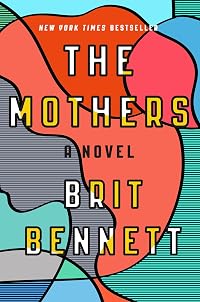




Member Recommendations

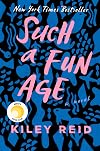
BookshelfMonstrosity Two disparate families become entangled in each other's lives in these insightful, character-driven novels that tackle the weighty topics of privilege, class, adoption, and identity. While the themes are serious, both authors inject humor and poignancy into their stories.
20


vwinsloe A dystopian view of many of the same themes of abortion, adoption, motherhood.
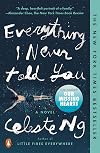
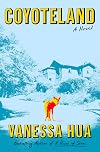
sylvarum The books are by the same author, are both set in suburban areas of America, and touch on similar themes of belonging, adolescence, cross-cultural conflict and familial tension.
11
Member Reviews
I knew, on finishing "Little Fires Everywhere" that I had enjoyed the book and that it was a first-rate piece of writing, excellently narrated. Yet I wasn't clear enough about what I thought of the book to write a review. So, I've let a few weeks pass, let the ideas and the images settle and gotten a little space from the characters and now I'm starting to see some shapes.
I think my inability to see the whole book at once is a consequence of how the book is designed. The authorial voice is used throughout, guiding us through the thoughts and reactions of the characters as they react to the little fires of passion, most of them to related to motherhood, that challenge and or define them. Yet, although I hear the author's voice all the show more time, by the end of the novel, the author had not given me any unequivocal answers as to whose side she is on. I think this is one of the key strengths of the book. It refuses to be didactic or polarising. It puts forward the views of both sides and asks you to think, to access your emotions. Perhaps to start a little fire of your own.
The book brings together two families, Mia and her daughter, who live a nomadic life, with Mia working on her art as a photographer while raising her daughter, and the Richardsons, mother, father and four children, raised in the idyllic, safe, solidly upper-middle-class Shaker Heights. Mia rents an apartment from Mrs Richardson. Their children, all in their teens, start to spend time together, Mia starts to work part-time cooking and cleaning for the Richardsons so that she can observe the family her, previously independent and possibly lonely, daughter has fallen under the spell of.
This "compare and contrast lifestyles" set-up is used to examine choices on motherhood, different types of mother-daughter relationships, the rights and wrongs of adoption (especially of a Chinese baby by a childless white couple) of abortion, and of surrogacy. It looks at whether families are born or made or both. It contrasts choosing to follow rules with choosing to follow your passion and asks if either choice makes sense.
It does all this without turning into an ethics essay. It stays focused on the people, the choices that have made them who they are and the potential that they have for changing and or for becoming even more deeply that people that they have already become.
The issues the characters deal with are controversial, have a high potential for conflict and speak deeply to core beliefs. So how do I get to the end of a novel told in the authorial voice and not know what the author's answer is?
Well, I needed to step back. I think Celeste Ng didn't set out to take sides on the issues. She wants us to understand that there are no simple answers. If there were, these little passion-fed fires wouldn't break out everywhere.
The message I took from the book was that little fires are both inevitable and necessary. If we're lucky, they give us the passage to find an answer that is right for us. Yet the fires are dangerous, They can get out of control. So we are all faced with a choice on what to do with the fires? Do we damp them down, avoiding risk by starving them of oxygen? Do we spread the flame to others? Do we limit the damage? our passions, cutting off their oxygen to avoid risks?
Good questions. In "Little Fires Everywhere" Celeste Ng shows us all of those choices but leaves us to decide which to take for ourselves. Along the way, she builds up some memorable characters that start to feel like family.
To give you a flavour of the prose and the use of metaphor, I've quoted a section from the middle of the book, where the author shares Mrs Richardson's thoughts on passion and rules.
"All her life, she had learned that passion, like fire, was a dangerous thing. It so easily went out of control. It scaled walls and jumped over trenches. Sparks lept like flees and spread as rapidly. A breeze could carry embers for miles. Better to control that spark and pass it carefully from one generation to the next, like an Olympic Torch. Or perhaps to tend it carefully like like an Eternal Flame A reminder of light and goodness that would never, could never, set anything ablaze. Carefully controlled, Domesticated. Happy in captivity. The key she thought was to avoid conflagration."
"Rules existed for a reason. If you followed them, you would succeed. If you didn't, you might burn the world to the ground."
If this appeals to you, I recommend the audiobook version. Click on the SoundCloud link below to hear a sample of Jennifer Lim's narration.
[soundcloud url="https://api.soundcloud.com/tracks/349277108" params="color=#ff5500&auto_play=false&hide_related=false&show_comments=true&show_user=true&show_reposts=false&show_teaser=true&visual=true" width="100%" height="300" iframe="true" /] show less
Celeste Ng hit me unexpectedly hard with her debut novel “Everything I Never Told You”. I was blown away by that book and afraid I might not like this one as much.
That fear was completely unfounded as I loved this book as much as its predecessor. Maybe a little more even since Ng has improved upon both her writing style (which I already liked the first time!) and her story.
Again, we’re thrown right into the “end game” and work our way backwards into the past, learning how what happens in the end, is pretty much inevitable from the very beginning…
The most impressive, though, is Ng’s “cast”: Mia, the artsy photographer, whose mysterious past still haunts her and let’s her lead a nomadic lifestyle with her daughter show more Pearl.
Mia is more of a silent observer, someone who watches and listens. Who won’t judge but offer a shoulder to cry on and an arm to support others.
““Do what it takes,” Pauline had said to her as she had hugged her good-bye.”
And Mia does it. Every single time.
Almost completely altruistic in her behaviour towards others (with her daughter Pearl a notable exception), Mia is the linchpin upon which the entire novel rests - and it works tremendously well.
“It turned out that despite their best intentions, her parents had prepared her exceptionally well for art school.”
Pearl herself is - as one might imagine - not exactly the typical teenager albeit her school life is difficult at times, boys become a very distinct interest, well, and lots of other common issues. Nevertheless, due to her constant moving with her mother, Pearl had to learn to become independent early on and she has become truly empathetic.
Finally, there are the Richardson’s: Mrs. Elena Richardson, the matriarch of the family whose primary agenda is “playing by the rules” and “You scratch my back and I'll scratch yours.”. She thinks of herself as progressive and supportive of those who are worse off than she is. In truth, though, she tries to build up favours with anyone she meets and those who play by her rules are rewarded and those who dare say no to Mrs. Richardson are either “discarded” or even punished for their non-conformity.
Mr. Richardson is more or less an afterthought - he’s, of course, successful in his job and supports his wife out of misplaced loyalty and self-imposed pressure.
He does what his wife expects him to do and any kind of small doubt is quickly suppressed by what he considers his duty.
The Richardson’s have four children: Moody, the slightly brutish guy who has a crush on Pearl but doesn’t dare approach her and who is both crushed and spiteful when Pearl cops off with his brother Trip.
Trip is the good-looking type who gets all the girls - and loses interest in them just as quickly as he picked them up. Just Pearl is special…
Lexie has it all figured out: Having known her boyfriend Brian for years, dating him for two, having “done the deed” with him recently, she already pictures her studies at Yale which accepted her, her triumphant return to her hometown as well as subsequent marriage, kids and a sheltered life in suburbia.
Little does she know what awaits her only in the few months this book covers, much less of what’s certain and what’s not...
Last but not least among the siblings, there’s Izzy. The black sheep of the family. Isabelle Marie Richardson surely is a misfit in the Richardson family. She was born prematurely and due to the constant critical observation by her mother, has grown wary, sceptical and, paradoxical, to be free-spirited. She is one of the “crazy ones” in that glorious advertisement “Think Different” (https://www.youtube.com/watch?v=5sMBhDv4sik) by Apple.
Technically, there are the McCulloughs, Bebe Chow, a Chinese immigrant, their/her daughter May Ling-Mirabelle and others but while they’re all interesting to read about, they have to take a back seat because the main cast needs all the room in this fine-spun, brilliantly-told narrative about freedom, loss and redemption.
There’s a lot to like even about the more antagonistic characters because Ng’s tremendous talent at painting soulful character portraits full of empathy and understanding - deservedly or not - that every single person feels “real”, right and believable.
Mia’s story, the battle for custody, all of that is heart-rending already but the way especially the child generation acts among each other and towards the adults, are what leaves you breathless and engaged. You may anticipate at some points what’s going to happen but that doesn’t matter at all because of the fabulous writing, the impeccable style and the sheer talent that “Little Fires Everywhere” exudes.
“Mia held her for a moment, buried her nose in the part of Pearl’s hair. Every time she did this, she was comforted by how Pearl smelled exactly the same. She smelled, Mia thought suddenly, of home, as if home had never been a place, but had always been this little person whom she’d carried alongside her.”
Ng is a force of nature when it comes to telling her stories: She starts slow and sometimes, things get slightly confusing but what started with a bang that should be hard to beat will slowly creep up on you, enclose you and finally sweep you away if you let it. It’s a literary landslide and, again, paradoxically, you want to be in it.
Or, to stay within the main motif of the book…
““Rules existed for a reason: if you followed them, you would succeed; if you didn't, you might burn the world to the ground.””
… and, yes, that may be true but as Mia puts it so fittingly…
“Sometimes you need to scorch everything to the ground, and start over. After the burning the soil is richer, and new things can grow.”
Please, please, more of this, dear Celeste Ng, and, of course, you, yes, YOU, go and read this book! show less
That fear was completely unfounded as I loved this book as much as its predecessor. Maybe a little more even since Ng has improved upon both her writing style (which I already liked the first time!) and her story.
Again, we’re thrown right into the “end game” and work our way backwards into the past, learning how what happens in the end, is pretty much inevitable from the very beginning…
The most impressive, though, is Ng’s “cast”: Mia, the artsy photographer, whose mysterious past still haunts her and let’s her lead a nomadic lifestyle with her daughter show more Pearl.
Mia is more of a silent observer, someone who watches and listens. Who won’t judge but offer a shoulder to cry on and an arm to support others.
““Do what it takes,” Pauline had said to her as she had hugged her good-bye.”
And Mia does it. Every single time.
Almost completely altruistic in her behaviour towards others (with her daughter Pearl a notable exception), Mia is the linchpin upon which the entire novel rests - and it works tremendously well.
“It turned out that despite their best intentions, her parents had prepared her exceptionally well for art school.”
Pearl herself is - as one might imagine - not exactly the typical teenager albeit her school life is difficult at times, boys become a very distinct interest, well, and lots of other common issues. Nevertheless, due to her constant moving with her mother, Pearl had to learn to become independent early on and she has become truly empathetic.
Finally, there are the Richardson’s: Mrs. Elena Richardson, the matriarch of the family whose primary agenda is “playing by the rules” and “You scratch my back and I'll scratch yours.”. She thinks of herself as progressive and supportive of those who are worse off than she is. In truth, though, she tries to build up favours with anyone she meets and those who play by her rules are rewarded and those who dare say no to Mrs. Richardson are either “discarded” or even punished for their non-conformity.
Mr. Richardson is more or less an afterthought - he’s, of course, successful in his job and supports his wife out of misplaced loyalty and self-imposed pressure.
He does what his wife expects him to do and any kind of small doubt is quickly suppressed by what he considers his duty.
The Richardson’s have four children: Moody, the slightly brutish guy who has a crush on Pearl but doesn’t dare approach her and who is both crushed and spiteful when Pearl cops off with his brother Trip.
Trip is the good-looking type who gets all the girls - and loses interest in them just as quickly as he picked them up. Just Pearl is special…
Lexie has it all figured out: Having known her boyfriend Brian for years, dating him for two, having “done the deed” with him recently, she already pictures her studies at Yale which accepted her, her triumphant return to her hometown as well as subsequent marriage, kids and a sheltered life in suburbia.
Little does she know what awaits her only in the few months this book covers, much less of what’s certain and what’s not...
Last but not least among the siblings, there’s Izzy. The black sheep of the family. Isabelle Marie Richardson surely is a misfit in the Richardson family. She was born prematurely and due to the constant critical observation by her mother, has grown wary, sceptical and, paradoxical, to be free-spirited. She is one of the “crazy ones” in that glorious advertisement “Think Different” (https://www.youtube.com/watch?v=5sMBhDv4sik) by Apple.
Technically, there are the McCulloughs, Bebe Chow, a Chinese immigrant, their/her daughter May Ling-Mirabelle and others but while they’re all interesting to read about, they have to take a back seat because the main cast needs all the room in this fine-spun, brilliantly-told narrative about freedom, loss and redemption.
There’s a lot to like even about the more antagonistic characters because Ng’s tremendous talent at painting soulful character portraits full of empathy and understanding - deservedly or not - that every single person feels “real”, right and believable.
Mia’s story, the battle for custody, all of that is heart-rending already but the way especially the child generation acts among each other and towards the adults, are what leaves you breathless and engaged. You may anticipate at some points what’s going to happen but that doesn’t matter at all because of the fabulous writing, the impeccable style and the sheer talent that “Little Fires Everywhere” exudes.
“Mia held her for a moment, buried her nose in the part of Pearl’s hair. Every time she did this, she was comforted by how Pearl smelled exactly the same. She smelled, Mia thought suddenly, of home, as if home had never been a place, but had always been this little person whom she’d carried alongside her.”
Ng is a force of nature when it comes to telling her stories: She starts slow and sometimes, things get slightly confusing but what started with a bang that should be hard to beat will slowly creep up on you, enclose you and finally sweep you away if you let it. It’s a literary landslide and, again, paradoxically, you want to be in it.
Or, to stay within the main motif of the book…
““Rules existed for a reason: if you followed them, you would succeed; if you didn't, you might burn the world to the ground.””
… and, yes, that may be true but as Mia puts it so fittingly…
“Sometimes you need to scorch everything to the ground, and start over. After the burning the soil is richer, and new things can grow.”
Please, please, more of this, dear Celeste Ng, and, of course, you, yes, YOU, go and read this book! show less
An incredibly accomplished, gripping, thoughtful and moving novel centred on two very different families in 1990s America. I always worry that character-driven books like this one won’t grip me like the plot-centred genre fiction I tend to read, but ‘Little Fires Everywhere’ gripped me from the first page and I read it every moment I could until it was done.
The characters are convincing and satisfying, with recognisable motivations and flaws; the setting (Sherman Oaks, a planned community that feels a little like Stepford at times, is as much a character as the humans; and the twists and turns of the story delighted and surprised me. Ng has a wonderful omniscient narrators voice, telling us about the past and future as well as show more the present in an almost documentary style that makes the events of the book even more convincing. She dishes out her plot in beautifully measure portions, signposting future events in a way that is beguiling rather than feeling like a tease, and wraps it all up beautifully at the end. The themes she tackles: the responsibility of parenthood, the prevalence of racism and unconscious bias in western society, the difference between true compassion and being seen to do the right thing, are just as skilfully handled, with easy answers avoided and the reader left to ponder some difficult questions and make their one decisions.
On closing the book as I finished it I’m not sure there was anything I didn’t like about it, other than the fact it is now over and I miss some of the characters already. show less
The characters are convincing and satisfying, with recognisable motivations and flaws; the setting (Sherman Oaks, a planned community that feels a little like Stepford at times, is as much a character as the humans; and the twists and turns of the story delighted and surprised me. Ng has a wonderful omniscient narrators voice, telling us about the past and future as well as show more the present in an almost documentary style that makes the events of the book even more convincing. She dishes out her plot in beautifully measure portions, signposting future events in a way that is beguiling rather than feeling like a tease, and wraps it all up beautifully at the end. The themes she tackles: the responsibility of parenthood, the prevalence of racism and unconscious bias in western society, the difference between true compassion and being seen to do the right thing, are just as skilfully handled, with easy answers avoided and the reader left to ponder some difficult questions and make their one decisions.
On closing the book as I finished it I’m not sure there was anything I didn’t like about it, other than the fact it is now over and I miss some of the characters already. show less
It is rare that I give a book a 5 star review, this one richly deserves it. I love a book where the author develops the characters as well as in this book, the characters are rich, real, believable, and strongly conflicted, all great components for a detailed, gripping drama. The story is beautifully written, it gripped me from beginning to end, the plot is complex and I loved how it takes the reader through a time capsule providing the secrets from the past and ties them to the present. It's a suburban saga of the privileged yet terribly dysfunctional family of the Richardson's who rent out their inherited home to Mia and Pearl, a nomadic mother and daughter who have decided to finally settle down to a normal life, but the secrets of show more Mia's past catch up to her. This book touches on so many social issues, race relations, abortion, motherhood, parenting, morality and most of all family. It's a can't put it down book and one that will leave the reader thinking. I will say that I loved Izzy, what a fantastic teenage rebel, she is the one character I can't seem to let go, I want Celeste Ng to continue with her story. Well, worth reading. show less
Wow - this is a book that makes you think. What if? What if? What if? What is good and bad - how do you decide between impossible scenarios? When teenaged Pearl and her mother Mia move to Shaker heights they turn the Richardson's lives upside down - at first they are just renters, but then Pearl befriends one of the sons, Moody and Mia starts cleaning the Richardson's big house. Soon their lives are intertwined in ways they never thought possible. The book opens with the Richardson's house on fire and then goes back to the beginning, by the end of the book all is revealed and readers are more than invested in the lives of these deeply flawed yet still relatable characters. I loved all them, the quandaries they faced, the drama. This was show more a stellar book - one that I won't soon forget about and will surely return to. show less
This book completely lived up to the hype for me. Ng writes believable, complex characters that are in situations that, while they are dramatic, are still plausible.
This novel is set in Shaker Heights, a planned community in Cleveland, OH. It is regimented and every detail is planned, but it also strives to be diverse and welcoming. How successful it is is a complex answer. Within this community, the Richardsons have a perfect suburban life. When Mia and Pearl move into the Richardson's rental home, everyone's lives are shaken up. Mia is an artist and Pearl is her teenage daughter. They've lived a nomadic life and the reason why is one of the secrets that will be unearthed. Also central to the book is a custody battle between adoptive show more parents and a birth mother. To be honest, the idea of that sensational topic would have really put me off reading this book, but Ng makes it work and uses it to explore other themes more deeply.
Elena Richardson and Mia are set up as contrasts of motherhood and there is so much to unpack here. They are both complex and I love the Ng can write characters that are so different, yet neither is "right". Ng also explores themes of career vs. motherhood for women.
I read this book because I'm going on a long weekend beach trip with some of my fellow "mom friends" this weekend. I'm so glad we picked this book because I think we'll have a lot to talk about and the discussions could easily lead to more global and personal discussions about motherhood, womanhood, living in the suburbs, career, and life in general. I think we will have some differing opinions about the characters in this book and I'm looking forward to that! show less
This novel is set in Shaker Heights, a planned community in Cleveland, OH. It is regimented and every detail is planned, but it also strives to be diverse and welcoming. How successful it is is a complex answer. Within this community, the Richardsons have a perfect suburban life. When Mia and Pearl move into the Richardson's rental home, everyone's lives are shaken up. Mia is an artist and Pearl is her teenage daughter. They've lived a nomadic life and the reason why is one of the secrets that will be unearthed. Also central to the book is a custody battle between adoptive show more parents and a birth mother. To be honest, the idea of that sensational topic would have really put me off reading this book, but Ng makes it work and uses it to explore other themes more deeply.
Elena Richardson and Mia are set up as contrasts of motherhood and there is so much to unpack here. They are both complex and I love the Ng can write characters that are so different, yet neither is "right". Ng also explores themes of career vs. motherhood for women.
I read this book because I'm going on a long weekend beach trip with some of my fellow "mom friends" this weekend. I'm so glad we picked this book because I think we'll have a lot to talk about and the discussions could easily lead to more global and personal discussions about motherhood, womanhood, living in the suburbs, career, and life in general. I think we will have some differing opinions about the characters in this book and I'm looking forward to that! show less
Another book that I would never have pulled off a shelf in a million years if it wasn't a book club selection.
Well written, lots of drama, and the metaphorical title is perfect. I really enjoyed Celeste Ng's storytelling style and nods to the mid-1990's.
One other review I read about this book as it being commentary slamming suburbia, as if living the Bohemian lifestyle is an obvious ideal: I felt the same. I wasn't sympathetic to Mia, and I am not even sure this book had a true protagonist!
That said, I greatly enjoyed this one and strongly recommend it.
Well written, lots of drama, and the metaphorical title is perfect. I really enjoyed Celeste Ng's storytelling style and nods to the mid-1990's.
One other review I read about this book as it being commentary slamming suburbia, as if living the Bohemian lifestyle is an obvious ideal: I felt the same. I wasn't sympathetic to Mia, and I am not even sure this book had a true protagonist!
That said, I greatly enjoyed this one and strongly recommend it.
Members
- Recently Added By
Lists

Best Contemporary Literary Fiction (Around the Last 30 Years)
388 works; 124 members

Best 21st Century Books (So Far)
670 works; 85 members

Top Five Books of 2017
757 works; 231 members

Read the book and saw the movie
1,170 works; 195 members

Great American Novels
158 works; 42 members

Top Five Books of 2020
982 works; 350 members

Top Five Books on LibraryThing
24 works; 7 members

Female Author
1,234 works; 67 members
Top Five Books of 2018
802 works; 264 members

LibraryThingers' 1001 Books You Must Read Before You Die
442 works; 30 members
Contemporary Fiction
109 works; 7 members

Books Set in Ohio
30 works; 6 members

Best of 2017
12 works; 2 members

Kirkus Starred Fiction Reviews of Books Published in 2017
412 works; 7 members

Goodreads Choice Awards 2017
20 works; 2 members

Facebook list
55 works; 3 members

Books Read in 2020
4,379 works; 124 members
Mothers and Daughters
114 works; 11 members

Books Read in 2017
4,249 works; 130 members
Netflix and Reads
18 works; 2 members

SHOULD Read Books!
354 works; 9 members
Overdue Podcast
806 works; 9 members

GAL Book Club
75 works; 3 members

Evan's Reading List 2020
12 works; 1 member

Secrets Books
94 works; 3 members

42 Books Every Clevelander Should Read
42 works; 3 members
Books Set in Small Towns and Villages
278 works; 16 members

Teen Pregnancy
25 works; 3 members

Novels featuring Mothers
64 works; 8 members

2020
21 works; 1 member

Book of the Month Selections 2016 to Present
130 works; 5 members

Books set in high school
89 works; 7 members

Biggest Disappointments
606 works; 168 members

Books We Couldn't Put Down
443 works; 197 members

.
184 works; 1 member

GraceCollection TBR/To Buy List
106 works; 1 member

Vlogbrothers Book Recommendations
307 works; 4 members

Family Dynamics
12 works; 1 member

Retrospective of 20th- and 21st-century literature
154 works; 1 member

Books Read in 2024
4,623 works; 126 members

Reading Glasses Podcast
410 works; 3 members

BitLife
212 works; 4 members

Books Read in 2021
5,361 works; 114 members

Fiction on Fire
22 works; 2 members

Asian American Literature
46 works; 6 members

Books Read in 2018
4,360 works; 110 members

Books Read in 2019
4,052 works; 110 members

2010s
241 works; 3 members

BookTok Adult
115 works; 2 members

Reese's Book Club
122 works; 2 members

Five star books
1,767 works; 110 members
Author Information

14+ Works 22,359 Members
Celeste Ng was born in Pittsburgh, Pennsylvania and raised in Shaker Heights, Ohio. She attended Harvard University and studied English. She went on to graduate school at the University of Michigan and earned her Master's of Fine Arts in writing. While attending the University of Michigan, Ng won the Hopwood Award for her short story, What Passes show more Over. Ng was a recipient of a Pushcart Prize in 2012 for her story Girls, At Play. Her debut novel, Everything I Never Told You: A Novel, is a literary thriller that focuses on an American family in 1970s Ohio. This book won Amazon book of the Year in 2014. Little Fires Everywhere is her second novel, published in September 2017. (Bowker Author Biography) show less
Some Editions
Awards and Honors
Awards
Distinctions
Amazon.com Best Books (Top 20 – 2017)
The Guardian Book of the Day (2017-11-18)
Reese's Book Club (2017-09 – 2017)
Notable Lists
Series
Belongs to Publisher Series
Contemporánea [Alba] (31)
Work Relationships
Is contained in
Common Knowledge
- Canonical title
- Little Fires Everywhere
- Original title
- Little Fires Everywhere
- Original publication date
- 2017-09-12
- People/Characters
- Elena Richardson; Mia Warren (Mia Wright); Pearl Warren; Alexandra "Lexie" Grace Richardson; Trip Richardson; Michael "Moody" Richardson (show all 27); Isabelle "Izzy" Marie Richardson; Bill Richardson; Mirabelle Rose McCullough (May Ling Chow); Linda McCullough; Mark McCullough; Bebe Chow; Serena Wong; Brian Avery; Regina Wright; George Wright; Warren Wright; Mr. Wilkinson; Della Wilkinson; Pauline Hawthorne; Mal; Joseph Ryan; Madeline Ryan; Anita Rees; Mrs. Delaney; Ed Lim; Elizabeth Manwill
- Important places
- Shaker Heights, Ohio, USA; Bethel Park, Pennsylvania, USA; New York School of Fine Arts; New York, New York, USA; San Francisco, California, USA; Winslow Road, Shaker Heights, Ohio, USA
- Related movies
- Little Fires Everywhere (2020 | IMDb)
- Epigraph
- Whether you buy a homesite in the School Section, broad acres in the Shaker Country Estates, or one of the houses offered by this company in a choice of neighborhoods, your purchase includes facilities for golf, riding, tenni... (show all)s, boating; it includes in unexcelled schools; it includes protection forever against depreciation and unwelcome change.
---Advertisement, The Van Sweringen Company,
Creators and Developers of a Shaker Village
Actually, though, all things considered, people from Shaker Heights are pretty much like people everywhere else in America. They may have three or four cars instead of one or two, and they may have two television sets instead... (show all) of one, and when a Shaker Heights girl gets married she may have a reception for eight hundred, with the Meyer Davis band flown in from New York, instead of a wedding reception for a hundred with a local band, but these are all differences of degree rather than fundamental differences. "We're friendly people and we have a wonderful time!" Said a woman at the Shaker Heights Country Club recently, and she was right, for the inhabitants of Utopia do, in fact, appear to lead a rather happy life.
---"The Good Life in Shaker Heights," Cosmopolitan, March 1963 - Dedication
- To those out on their own paths, setting little fires
- First words
- Everyone in Shaker Heights was talking about it that summer: how Isabelle, the last of the Richardson children, had finally gone around the bend and burned the house down.
- Quotations
- Remember, Mia had said: Sometimes you need to scorch everything to the ground and start over. After the burning the soil is richer, and new things can grow. People's are like that, too. They start over. &nbs... (show all)p;They find a way.
"Some pictures, " Mia said, " belong to the person who took them. And some belong to the person inside them...."
Every bedroom was empty except for the smell of gasoline and a small crackling fire set directly in the middle of each bed, as if a demented Girl Scout had been camping there. - Last words
- (Click to show. Warning: May contain spoilers.)She would spend months, years, the rest of her life looking for her daughter, searching the face of every young woman she met for as long as it took, searching for a spark of familiarity in the faces of strangers.
- Publisher's editor
- Younce, Virginia Smith
- Blurbers
- Picoult, Jodi; Wolitzer, Meg; Davies, Peter Ho; Alam, Rumaan; Jacob, Mira; McMillan, Terry (show all 9); Hill, Joe; Wilson, Kevin; Hawkins, Paula
- Original language
- English
- Canonical DDC/MDS
- 813.6
- Canonical LCC
- PS3614.G83
Classifications
Statistics
- Members
- 11,868
- Popularity
- 743
- Reviews
- 434
- Rating
- (3.99)
- Languages
- 16 — Chinese, Czech, Danish, Dutch, English, Estonian, Finnish, French, German, Hungarian, Italian, Polish, Portuguese, Spanish, Swedish, Turkish
- Media
- Paper, Audiobook, Ebook
- ISBNs
- 75
- ASINs
- 19