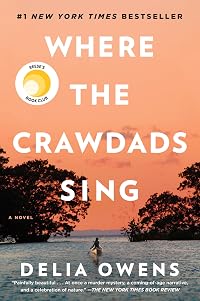
Where the Crawdads Sing
by Delia Owens
On This Page
Description
For years, rumors of the "Marsh Girl" have haunted Barkley Cove, a quiet town on the North Carolina coast. She's barefoot and wild; unfit for polite society. So in late 1969, when handsome Chase Andrews is found dead, the locals immediately suspect Kya Clark. But Kya is not what they say. Abandoned at age ten, she has survived on her own in the marsh that she calls home. A born naturalist with just one day of school, she takes life lessons from the land, learning from the false signals of show more fireflies the real way of this world. But while she could have lived in solitude forever, the time comes when she yearns to be touched and loved. Drawn to two young men from town, who are each intrigued by her wild beauty, Kya opens herself to a new and startling world -- until the unthinkable happens. show lessTags
Recommendations

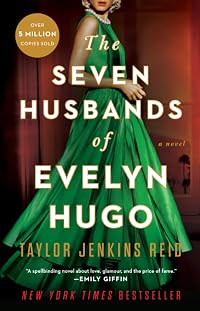
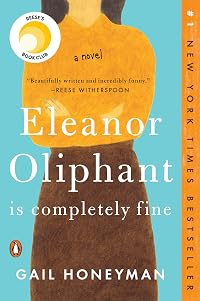
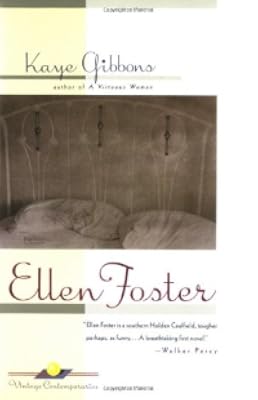
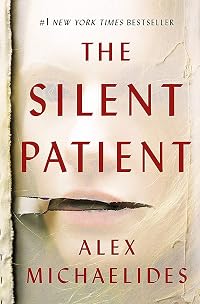
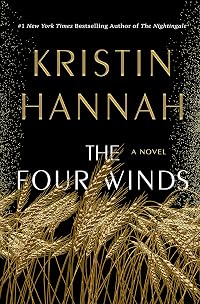
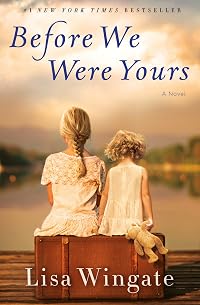
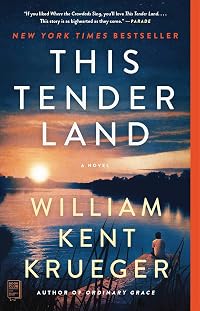
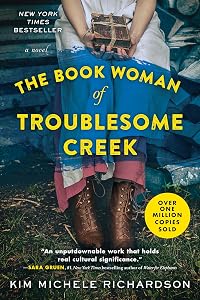
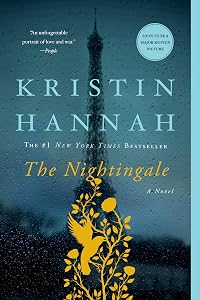
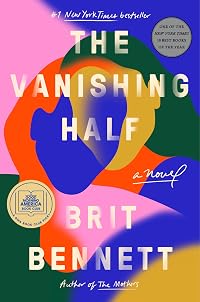
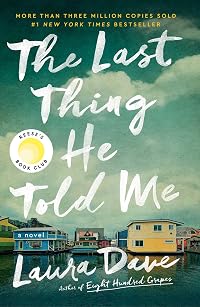
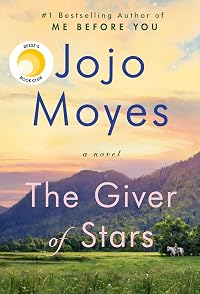

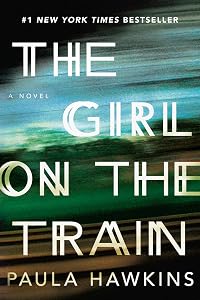

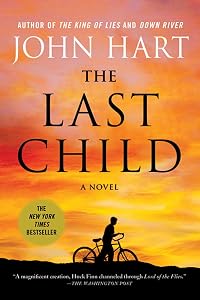
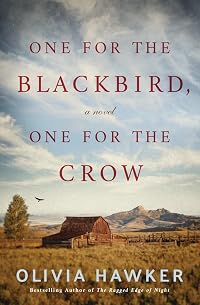
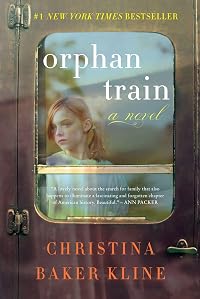
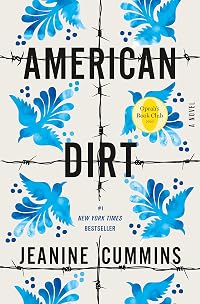
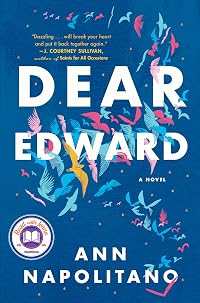
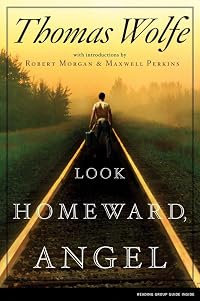
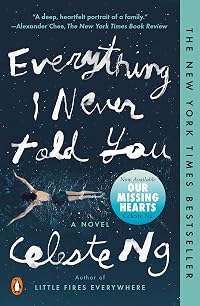
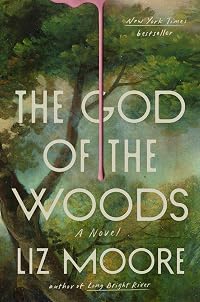
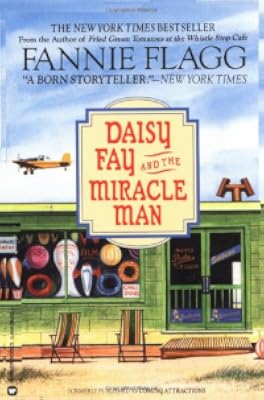
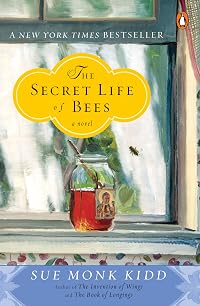
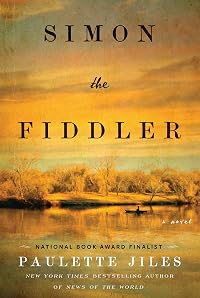
Member Recommendations
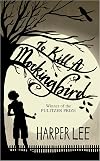
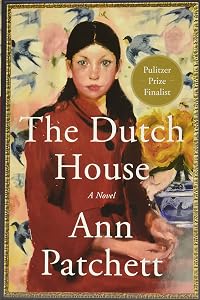
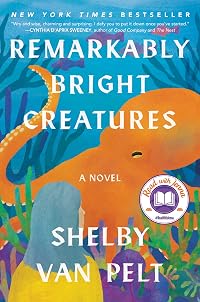
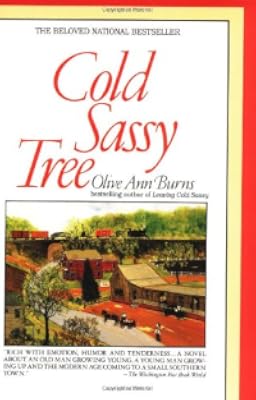
BookshelfMonstrosity Though much about these novels is dissimilar, both offer a historical Southern setting and a farcical trial that illuminates the small-minded nature of a town's inhabitants. Both atmospheric novels also feature young female protagonists who come of age under challenging circumstances.
173

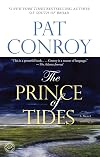
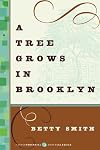
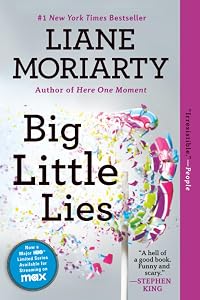
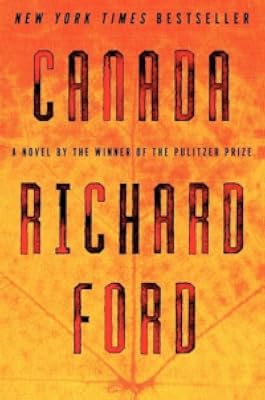
krazy4katz A book of a young girl's survival in a dysfunctional family in North Carolina.
20
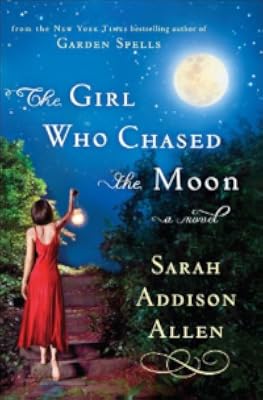
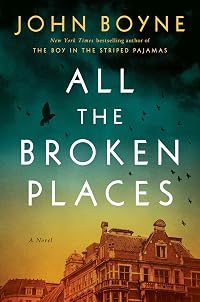
dmenon90 Similar marsh setting, young girl protagonist, complicated relationships with men, themes of danger and survival. But the Davidson book is magical realism.
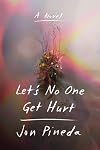
BookshelfMonstrosity Both coming of age stories are character driven and center on young women living on the outskirts of society. Vivid imagery of locales in the southern United States feature prominently.
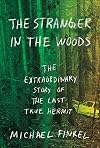
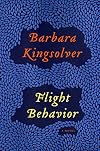
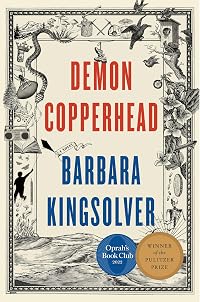
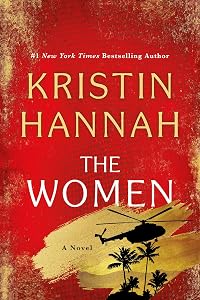
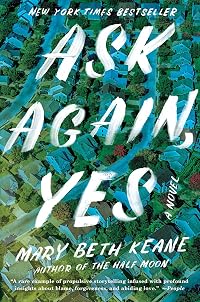
WendyRobyn Strong presence of nature and nature sciences, small town USA, romantic interest between protagonist and sensitive, educated man
11
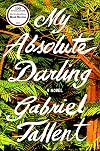
shaunie Both have a girl growing up in unusual, deprived circumstances at the centre of the story. My Absolute Darling, whilst flawed, is far better written.

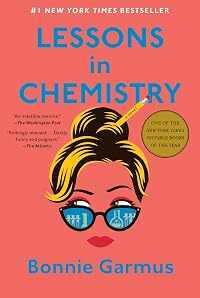
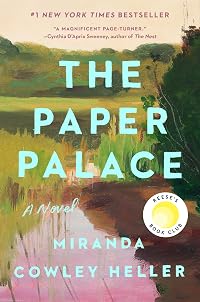
aprille Isolated young women who do what they need to to survive.
12
Member Reviews
Der Gesang der Flusskrebse ♦ Delia Owens | Rezension
Mit [b:Der Gesang der Flusskrebse|49864151|Der Gesang der Flusskrebse|Delia Owens|https://i.gr-assets.com/images/S/compressed.photo.goodreads.com/books/1563702654l/49864151._SX50_SY75_.jpg|58589364] hat [a:Delia Owens|7043934|Delia Owens|https://images.gr-assets.com/authors/1524665831p2/7043934.jpg] mit einer zwar anspruchsvollen, aber sehr einfühlsamen Sanftheit des Schreibstils ein Meisterwerk an idyllischen Emotionen geschaffen, wie ich es bisher noch nie gelesen und dabei gefühlt habe.
Meinung
Schreibstil und Charaktere
Owens‘ Protagonisten haben allesamt Hand und Fuss. Sie sind bis ins kleinste Detail durchdacht. Sie wirken so real, dass ich teils das Gefühl hatte einen show more Erfahrungsbericht, statt eines fiktionalen Romans zu lesen. Jede Beschreibung von Kya und Tate, Jumpin‘ und Mabel, Chase und allen anderen sind sehr präzise ausgearbeitet. Ich fühlte deren Emotionen, ich hörte deren Gedanken in meinem Kopf. Ich wurde zu einem Teil dieses Buches.
Handlung
Der Gesang der Flusskrebse wird in zwei Handlungssträngen erzählt. Der größte und auch wichtigste Strang beschäftigt sich mit Kya und ihrem Leben in den 50er Jahren. Kya ist ein 6-jähriges Mädchen, welches zusammen mit ihren Eltern und Geschwistern in der Marsch in North Carolina lebt. Angefangen bei ihrer Mutter, verlassen nach und nach auch ihre Geschwister die Hütte in der Marsch. Kya wird sprichwörtlich von allen zurückgelassen, um dem gewalttätigen Vater zu entkommen. Doch nicht einer schaut zurück. Ich war fassungslos, dass wirklich jeder sie allein zurückgelassen hat. Über die Jahre hinweg entwickelt Kya eine harmonische Einheit mit der Marsch, der dazugehörigen Flora und Fauna. Das Marschland wird Mutter und Freund zu gleichen Teilen für sie.
Der zweite Strang handelt vom möglichen Mord an Chase Andrews, dem legendären Quarterback des Städtchen Barkley Cove. Chase wird eines Tages tot am Feuerwachturm von zwei Jungen aufgefunden. Von da an beginnt der Sheriff mit den Ermittlungen. Da sich dieser Handlungsstrang eher wenig in der Vordergrund schiebt, wird anfangs nicht ganz klar, was Chase und Kya verbindet. Doch es lässt sich schnell erahnen, dass man dem Marschmädchen, so wird Kya von den Einwohnern von Barkley Cove bezeichnet, verdächtigt. Am Ende des Buches laufen die beiden Stränge ineinander, als die schüchterne Kya wegen Mordes vor Gericht steht. Ich war wie erstarrt, konnte kaum atmen, dass man sie wirklich des Mordes bezichtigte.
Seite 133 (Kapitel 16), Der Gesang der Flusskrebse
Der Gesang der Flusskrebse hat mich nicht nur im Herzen berührt, sondern auch meine Sicht auf viele Dinge erweitert. Delia Owens ist es gelungen, ein Buch zu schreiben, das unaufdringlich verurteilt, wenn man einen einzigen Menschen wegen seines Andersseins ausgrenzt. Dies bleibt dem Leser aber sehr eindringlich im Gedächtnis. Das Buch bewegt in seiner Gänze tief. Es ist gefüllt mit Hoffnung, Schmerz, Einsamkeit und Liebe, und es war eins meiner Lese-Highlights 2019 werden.
Durch dieses Buch wurde ich eins mit der Marsch, denn Owens‘ klare und sehr bildliche Beschreibung ließ mich einziehen, in die kleine Hütte an der Lagune. Ich tanzte mit den Möwen und hörte die Flusskrebse singen. Nahm Kya in meine Arme, litt mit ihr, fühlte ihre Einsamkeit tief in meinem Herzen und lachte bittersüße Freudentränen mit ihr. Ich wurde Teil dieses Buches. Ich wurde zu Kya.
Fazit
⭐⭐⭐⭐⭐
Dieses Buch hat alles, was ein gutes Buch ausmacht. Der Gesang der Flusskrebse ist berührend und unvergesslich. Eine emotionale Meisterleistung.
This review was first published at The Art of Reading. show less
Mit [b:Der Gesang der Flusskrebse|49864151|Der Gesang der Flusskrebse|Delia Owens|https://i.gr-assets.com/images/S/compressed.photo.goodreads.com/books/1563702654l/49864151._SX50_SY75_.jpg|58589364] hat [a:Delia Owens|7043934|Delia Owens|https://images.gr-assets.com/authors/1524665831p2/7043934.jpg] mit einer zwar anspruchsvollen, aber sehr einfühlsamen Sanftheit des Schreibstils ein Meisterwerk an idyllischen Emotionen geschaffen, wie ich es bisher noch nie gelesen und dabei gefühlt habe.
Meinung
Schreibstil und Charaktere
Owens‘ Protagonisten haben allesamt Hand und Fuss. Sie sind bis ins kleinste Detail durchdacht. Sie wirken so real, dass ich teils das Gefühl hatte einen show more Erfahrungsbericht, statt eines fiktionalen Romans zu lesen. Jede Beschreibung von Kya und Tate, Jumpin‘ und Mabel, Chase und allen anderen sind sehr präzise ausgearbeitet. Ich fühlte deren Emotionen, ich hörte deren Gedanken in meinem Kopf. Ich wurde zu einem Teil dieses Buches.
Handlung
Der Gesang der Flusskrebse wird in zwei Handlungssträngen erzählt. Der größte und auch wichtigste Strang beschäftigt sich mit Kya und ihrem Leben in den 50er Jahren. Kya ist ein 6-jähriges Mädchen, welches zusammen mit ihren Eltern und Geschwistern in der Marsch in North Carolina lebt. Angefangen bei ihrer Mutter, verlassen nach und nach auch ihre Geschwister die Hütte in der Marsch. Kya wird sprichwörtlich von allen zurückgelassen, um dem gewalttätigen Vater zu entkommen. Doch nicht einer schaut zurück. Ich war fassungslos, dass wirklich jeder sie allein zurückgelassen hat. Über die Jahre hinweg entwickelt Kya eine harmonische Einheit mit der Marsch, der dazugehörigen Flora und Fauna. Das Marschland wird Mutter und Freund zu gleichen Teilen für sie.
Der zweite Strang handelt vom möglichen Mord an Chase Andrews, dem legendären Quarterback des Städtchen Barkley Cove. Chase wird eines Tages tot am Feuerwachturm von zwei Jungen aufgefunden. Von da an beginnt der Sheriff mit den Ermittlungen. Da sich dieser Handlungsstrang eher wenig in der Vordergrund schiebt, wird anfangs nicht ganz klar, was Chase und Kya verbindet. Doch es lässt sich schnell erahnen, dass man dem Marschmädchen, so wird Kya von den Einwohnern von Barkley Cove bezeichnet, verdächtigt. Am Ende des Buches laufen die beiden Stränge ineinander, als die schüchterne Kya wegen Mordes vor Gericht steht. Ich war wie erstarrt, konnte kaum atmen, dass man sie wirklich des Mordes bezichtigte.
‚Manche Menschen können ohne wilde Dinge leben, und manche können das nicht.'
Seite 133 (Kapitel 16), Der Gesang der Flusskrebse
Der Gesang der Flusskrebse hat mich nicht nur im Herzen berührt, sondern auch meine Sicht auf viele Dinge erweitert. Delia Owens ist es gelungen, ein Buch zu schreiben, das unaufdringlich verurteilt, wenn man einen einzigen Menschen wegen seines Andersseins ausgrenzt. Dies bleibt dem Leser aber sehr eindringlich im Gedächtnis. Das Buch bewegt in seiner Gänze tief. Es ist gefüllt mit Hoffnung, Schmerz, Einsamkeit und Liebe, und es war eins meiner Lese-Highlights 2019 werden.
Durch dieses Buch wurde ich eins mit der Marsch, denn Owens‘ klare und sehr bildliche Beschreibung ließ mich einziehen, in die kleine Hütte an der Lagune. Ich tanzte mit den Möwen und hörte die Flusskrebse singen. Nahm Kya in meine Arme, litt mit ihr, fühlte ihre Einsamkeit tief in meinem Herzen und lachte bittersüße Freudentränen mit ihr. Ich wurde Teil dieses Buches. Ich wurde zu Kya.
Fazit
⭐⭐⭐⭐⭐
Dieses Buch hat alles, was ein gutes Buch ausmacht. Der Gesang der Flusskrebse ist berührend und unvergesslich. Eine emotionale Meisterleistung.
This review was first published at The Art of Reading. show less
Oof, friends. I did not enjoy this, I think for a couple of reasons, many of which are spoilers so I will tag appropriately.
I was less than one hundred pages into the book and I went "this feels like a book with a sexual assault." I am not in the mood, in the present moment, to read books about sexual assault, to say nothing of a book where I can tell there will be a sexual assault. Then at about page 140, I figured out the mystery and was cranky about it because I'm not in the mood for that kind of narrative generally right now.
But I think what irritated me most of all maybe came in the form of how centered this book was around men? The book repeatedly had Kya's mother figures (and let's not talk about the Black characters in this show more book, it's rough to have to see them support a white woman in the way this book did, yikes,) talk about the need for a woman to have other women, which I uh do believe is true honestly, and then it was all about her relationship to men and I wanted to fall asleep. Also I know that it's VERY clear she's deeply traumatized but the whole "analyzing human behavior as if it was part of the natural world" made me uncomfortable because it was like never challenged narratively? But really I guess by the end I was just so cranky about it all that I got nit-picky which isn't very fair.
There was also something about tone, where this book like clearly wanted to be an Important Book that said some things about like trauma and trust and nature, but it came off as way less nuanced than what I think is necessary to tackle those things well, and ended up coming off as this very light read that I did not care for. I guess the best thing I can say for this book is it moved pretty fast, so I did read it very quickly--it's deeply consumable in that way that people might be looking for, so if that's what you need definitely check it out! show less
But I think what irritated me most of all maybe came in the form of how centered this book was around men? The book repeatedly had Kya's mother figures (and let's not talk about the Black characters in this
There was also something about tone, where this book like clearly wanted to be an Important Book that said some things about like trauma and trust and nature, but it came off as way less nuanced than what I think is necessary to tackle those things well, and ended up coming off as this very light read that I did not care for. I guess the best thing I can say for this book is it moved pretty fast, so I did read it very quickly--it's deeply consumable in that way that people might be looking for, so if that's what you need definitely check it out!
“What d’ya mean, where the crawdads sing? Ma used to say that”, [said Kya]… Tate said, “Just means far in the bush where critters are wild, still behaving like critters.
Behold a story set along North Carolina’s marshy coastline in the 1950s and 1960s that will hold you captive to the very end. Listen closely to human silence and hear the sounds of the crawdads singing as waves lap against the skiff. Smell the living marsh or feel repelled by the recycling odors of the swamp; a place void of gas fumes, fried foods and the detritus of sanctimonious humans void of compassion and racial superiority. Become one with the lonesomeness and isolation of an abandoned child striving to be alive in all its manifestations – body, mind, show more and soul.
Kya was six years-old when Ma, wearing her favorite fake alligator skin shoes, left the marsh displaying the fresh bruises Pa had pounded into her. Pa shifted focus and foisted his anger and violence down the food chain onto his five children. One by one Kya watched her much older siblings take Ma’s freedom walk. When she was ten years-old, Pa,too, and never returned.
Being alone in the Marsh didn’t frighten Kya. She had grown used to escaping for long periods into the wilds when Pa would be on a rampage. What did bother her was why none of her siblings or Ma took her with them when they made their escape. Was she disposable? Worthless? Invisible?
Kya, crudely referred to as “The Marsh Girl” by the residents of Barkley Cove, repelled by her own kind, turned to the natural world of the wetlands for emotional and physical survival. The wildlife and waterways raised her. She learned about group dynamics, gender roles, survival techniques, marshland justice, and the natural order of life up and down the food chain. Her best friends are seagulls. Her source of meager income for town dependent supplies – selling mussels to a warm-hearted old African American man, himself stifled by the stench of racism.
The sun, warm as a blanket,
wrapped Kya’s shoulders… whenever she stumbled,
it was the land that caught her…
Kya laid her hand upon the breathing, wet earth,
and the marsh became her mother.
One day, a few years after she was abandoned, she unexpectedly finds a boy fishing in her marsh. Although he seems to not see her, she finds gifts of rare feathers appearing in a stump near her house. The careful contact between them leads to a comfortable friendship. The kind-hearted Tate recognizes Kya as smart and intellectually curious and teaches her to read. When Tate graduates high school he breaks Kya’s heart as he leaves for college and a life away from the coast. He vows to return but becomes ensnared in the outside world and reneges on his promise. And the lonely years begin again for Kya.
Occasionally she spots people on her beach, usually a cluster of entitled teenagers she has seen in town. A quickly maturing Kya feeling the need for human contact, spots the teens and watches from a stealth position. She yearns to belong, to share in their enjoyment of each other. The alpha male, Chase Andrews, spots the beautiful and mysterious Marsh girl observing the group. Intrigued, he begins to court her and she falls in love. On his first visit to her house, he had assumed she was an uneducated wild creature and was surprised to find her intelligent, self-educated, and self-sufficient. Over time he promises to bring her to the town, introduce her to his parents with the goal of marrying her. She begins to lower her guard and allows herself to believe she will finally be recognized and accepted.
The world turns upside down when Chase’s body is found near an abandoned fire tower in the marsh. Who killed him? Why? Instinctively, without cause, the town blames the mysterious Marsh Girl leading to an excruciating trial for Kya. Will she find herself imprisoned, alienated from both town and her marsh? A trapped animal?
No more clues. Just remember that Kya is sensitive, extraordinary, curious, intelligent and adaptive. There is a lot more to see here. The final chapters are heartwarming as she finally finds peace and love. The ending will blow your mind. show less
Behold a story set along North Carolina’s marshy coastline in the 1950s and 1960s that will hold you captive to the very end. Listen closely to human silence and hear the sounds of the crawdads singing as waves lap against the skiff. Smell the living marsh or feel repelled by the recycling odors of the swamp; a place void of gas fumes, fried foods and the detritus of sanctimonious humans void of compassion and racial superiority. Become one with the lonesomeness and isolation of an abandoned child striving to be alive in all its manifestations – body, mind, show more and soul.
Kya was six years-old when Ma, wearing her favorite fake alligator skin shoes, left the marsh displaying the fresh bruises Pa had pounded into her. Pa shifted focus and foisted his anger and violence down the food chain onto his five children. One by one Kya watched her much older siblings take Ma’s freedom walk. When she was ten years-old, Pa,too, and never returned.
Being alone in the Marsh didn’t frighten Kya. She had grown used to escaping for long periods into the wilds when Pa would be on a rampage. What did bother her was why none of her siblings or Ma took her with them when they made their escape. Was she disposable? Worthless? Invisible?
Kya, crudely referred to as “The Marsh Girl” by the residents of Barkley Cove, repelled by her own kind, turned to the natural world of the wetlands for emotional and physical survival. The wildlife and waterways raised her. She learned about group dynamics, gender roles, survival techniques, marshland justice, and the natural order of life up and down the food chain. Her best friends are seagulls. Her source of meager income for town dependent supplies – selling mussels to a warm-hearted old African American man, himself stifled by the stench of racism.
The sun, warm as a blanket,
wrapped Kya’s shoulders… whenever she stumbled,
it was the land that caught her…
Kya laid her hand upon the breathing, wet earth,
and the marsh became her mother.
One day, a few years after she was abandoned, she unexpectedly finds a boy fishing in her marsh. Although he seems to not see her, she finds gifts of rare feathers appearing in a stump near her house. The careful contact between them leads to a comfortable friendship. The kind-hearted Tate recognizes Kya as smart and intellectually curious and teaches her to read. When Tate graduates high school he breaks Kya’s heart as he leaves for college and a life away from the coast. He vows to return but becomes ensnared in the outside world and reneges on his promise. And the lonely years begin again for Kya.
Occasionally she spots people on her beach, usually a cluster of entitled teenagers she has seen in town. A quickly maturing Kya feeling the need for human contact, spots the teens and watches from a stealth position. She yearns to belong, to share in their enjoyment of each other. The alpha male, Chase Andrews, spots the beautiful and mysterious Marsh girl observing the group. Intrigued, he begins to court her and she falls in love. On his first visit to her house, he had assumed she was an uneducated wild creature and was surprised to find her intelligent, self-educated, and self-sufficient. Over time he promises to bring her to the town, introduce her to his parents with the goal of marrying her. She begins to lower her guard and allows herself to believe she will finally be recognized and accepted.
The world turns upside down when Chase’s body is found near an abandoned fire tower in the marsh. Who killed him? Why? Instinctively, without cause, the town blames the mysterious Marsh Girl leading to an excruciating trial for Kya. Will she find herself imprisoned, alienated from both town and her marsh? A trapped animal?
No more clues. Just remember that Kya is sensitive, extraordinary, curious, intelligent and adaptive. There is a lot more to see here. The final chapters are heartwarming as she finally finds peace and love. The ending will blow your mind. show less
First 10 chapters were a four star. Or at least had that potential. I was captivated by little Kya living out on her own, figuring out how to survive, keeping up the belief her Ma would return, and growing a mature love for the marsh. I wanted all of the book to have that lyrical magic, that slow insight. I confess it crossed my mind she was an unbelievably capable six year old. But, hey, it was way back in the 60s when we kids were given pocket knives as birthday presents around that age, so okay, I'll go with that.
Then too quickly it started drifting away from its charm, page by page. The writing got more ordinary, without insight, and with that empty, repetitive verbosity I heartily dislike. Author, respect my intelligence to read a show more little between the lines, please. And then when the story interjected a series of eye-roll plot devices and silly romances of sighing and heaving, I began to think I'd been switched to reading Young Adult. Oh well, I changed my expectation to "summer read" (I don't even know what that means really-- pool-side, groggy and sunburned with a wet book maybe) and read on.
I do object to something serious in this book: the mar of the dialogue of Jumpin' being written in dialect because he's black! What the heck? Many North Carolinians, even suburbanites working in Accounting, talk with a deep drawl to this day. But here only Jumpin' is depicted "tawkin' thad way?" I don't buy that. So why? Hm?
Anyway, I can be sincerely glad to see a writer of some age make good with a first novel in a very big way, especially a woman that has apparently done some truly good things in her life in Africa. Best sellers don't usually match my taste (couldn't force myself through the first Harry Potter no matter how many billions had read it) but in this case since I read it with family I see the positive draw of tackling a helluva Best Seller: it brought everyone together for a story.
And it was a story. Two and half stars, rounded up.
I'm not alone.
http://www.literatureandleisure.com/2019/06/review-of-where-the-crawdads-sing/ show less
Then too quickly it started drifting away from its charm, page by page. The writing got more ordinary, without insight, and with that empty, repetitive verbosity I heartily dislike. Author, respect my intelligence to read a show more little between the lines, please. And then when the story interjected a series of eye-roll plot devices and silly romances of sighing and heaving, I began to think I'd been switched to reading Young Adult. Oh well, I changed my expectation to "summer read" (I don't even know what that means really-- pool-side, groggy and sunburned with a wet book maybe) and read on.
I do object to something serious in this book: the mar of the dialogue of Jumpin' being written in dialect because he's black! What the heck? Many North Carolinians, even suburbanites working in Accounting, talk with a deep drawl to this day. But here only Jumpin' is depicted "tawkin' thad way?" I don't buy that. So why? Hm?
Anyway, I can be sincerely glad to see a writer of some age make good with a first novel in a very big way, especially a woman that has apparently done some truly good things in her life in Africa. Best sellers don't usually match my taste (couldn't force myself through the first Harry Potter no matter how many billions had read it) but in this case since I read it with family I see the positive draw of tackling a helluva Best Seller: it brought everyone together for a story.
And it was a story. Two and half stars, rounded up.
I'm not alone.
http://www.literatureandleisure.com/2019/06/review-of-where-the-crawdads-sing/ show less
Where the Crawdads Sing requires suspension of disbelief, but it rewards that suspension with a good yarn. This book merges nature writing about a North Carolina tidewater marsh, a murder mystery and small-town courtroom drama, a 1960s coming-of-age, and a psychological study. It does a solid job at all of them individually, and I'm willing to guess that there are very few books in this niche. That leaves this book in a league of its own, and readers' reactions based on their expectations and their happiness reading outside their usual genres.
Personally, I could probably have done without the post-1969 portion altogether -- though I don't know how else Kya's story might have concluded. Also,in real life the author's stepson and husband show more are wanted for questioning in Zambia for murdering a poacher and covering up the crime?!? (that casts this book in rather a different light). This book was entertaining, but not as powerful as I was hoping; perhaps my expectations were too high. show less
Personally, I could probably have done without the post-1969 portion altogether -- though I don't know how else Kya's story might have concluded. Also,
I'm not going to write a review of this book. You've read those. What I want to say is, that if you've avoided this just for spite, as I did, reconsider.
It's a beautifully written love poem about nature, an intriguing mystery, and a scathing indictment of how people treat outsiders. Reading Where the Crawdads Song is an experience in glad I didn't miss out on.
It's a beautifully written love poem about nature, an intriguing mystery, and a scathing indictment of how people treat outsiders. Reading Where the Crawdads Song is an experience in glad I didn't miss out on.
This one just held on to my heart from the beginning, squeezed it tight, broke it, put it back together and then just filled it with pride! Phew! What a rollercoaster ride it was... One of the strongest female characters I have read in a long time who turned her weakness into her biggest strength. It also has one of the strangest murder mysteries holding the narrative together but, having said that, it is Kya's story through and through... with beautiful descriptions of the flora and fauna, which help you to visualize the swamp and Kya's loneliness.
Members
- Recently Added By
Published Reviews
Steeped in the rhythms and shadows of the coastal marshes of North Carolina’s Outer Banks, this fierce and hauntingly beautiful novel centers on...Kya’s heartbreaking story of learning to trust human connections, intertwine[d] with a gripping murder mystery, revealing savage truths. An astonishing debut.
added by Dariah
A painfully beautiful first novel that is at once a murder mystery, a coming-of-age narrative and a celebration of nature....Owens here surveys the desolate marshlands of the North Carolina coast through the eyes of an abandoned child. And in her isolation that child makes us open our own eyes to the secret wonders—and dangers—of her private world.
added by Dariah
Lists

Top Five Books of 2020
982 works; 350 members

Read the book and saw the movie
1,170 works; 195 members

Historical Fiction
889 works; 91 members

Top Five Books of 2019
387 works; 111 members

Top Five Books of 2022
736 works; 272 members

Top Five Books of 2018
802 works; 265 members

Female Author
1,234 works; 67 members
Female Protagonist
1,056 works; 57 members

Books Read in 2020
4,379 works; 124 members

Phi Beta Kappa reading list
260 works; 8 members

Top Five Books of 2019
5 works; 1 member

Litsy Awards 2018
248 works; 9 members

Books Read in 2023
5,547 works; 145 members

Books Read in 2022
5,168 works; 114 members

Five star books
1,767 works; 110 members

SHOULD Read Books!
354 works; 9 members

2021 Christmas Gifts
66 works; 13 members

FAB 2022
16 works; 1 member

Netgalley Reads
468 works; 3 members

Netflix and Reads
18 works; 2 members

Staff Picks
11 works; 1 member
Amazon best fictional genre picks monthly for 2018
418 works; 9 members

Deena's Favorites--How Many have you read?
102 works; 3 members
First Novels
373 works; 17 members
Animals in the Title
498 works; 11 members

Evan's Reading List 2019
15 works; 1 member
Booktok Books
69 works; 8 members
Books Set in Small Towns and Villages
278 works; 16 members

Fiction: Historical
288 works; 3 members

Fiction: Crime, Detective, Mystery
350 works; 3 members
Book Club Suggestions for 2020
27 works; 2 members

Books With the Most Memorable Titles
478 works; 158 members

Book Worlds We'd Like To Visit
322 works; 158 members

Reese Witherspoon Book Club
100 works; 4 members

Read & Relax Collection
4 works; 1 member

Books Read in 2025
4,091 works; 97 members

Spotted on ABC Book Club
19 works; 1 member

Books read in 2025
49 works; 1 member

Reese's Book Club
122 works; 2 members

Top Five Books of 2025
954 works; 303 members

el
1,139 works; 1 member

TDCD BOOK LIST
62 works; 1 member

Books We Resisted Reading
178 works; 110 members

Coming of Age
33 works; 1 member
Books We Love to Reread
688 works; 296 members

2024 Reads
31 works; 1 member

Crime Novels with a Focus on Nature
4 works; 1 member

NYT Readers best of 21st C
100 works; 8 members

Books Read in 2021
5,361 works; 114 members

The Re-Reads
12 works; 1 member

Books Read in 2019
4,052 works; 110 members

Queen Camilla's Reading Room
65 works; 6 members

AP Lit
363 works; 6 members

Books Set in North Carolina
84 works; 7 members
Best Book and Movie Combos
70 works; 11 members
Books About Isolation
5 works; 1 member

READ IN 2022
206 works; 2 members

Recommended Nature Writing
346 works; 180 members

Movies/Shows
621 works; 7 members
Talk Discussions
Past Discussions
An Author Interview with Delia Owens in Talk about LibraryThing (June 2022)
Found: famous mystery book in Name that Book (January 2021)
Author Information

Delia Owens is a wildlife scientist and writer, based in Idaho. Her work has been published in numerous journals, including Nature, and The African Journal of Ecology. Her awards include the John Burroughs Award for Nature Writing. She is the author of several nonfiction books about her work as a wildlife scientist in Africa, Cry of the Kalahari, show more The Eye of the Elephant, and Secrets of the Savanna. Her debut novel is entitled Where the Crawdads Sing (2018). (Bowker Author Biography) show less
Some Editions
Awards and Honors
Awards
Distinctions
Notable Lists
Work Relationships
Is contained in
Has the adaptation
Common Knowledge
- Canonical title*
- Daar waar de rivierkreeften zingen
- Original title
- Where the Crawdads Sing
- Alternate titles*
- Het moerasmeisje
- Original publication date
- 2018-08-14; 2018
- People/Characters
- Catherine "Kya" Danielle Clark; Chase Lawrence Andrews; Tate Walker; Jeremy "Jodie" Andrew Clark; Jackson "Jake" Henry Clark; Julienne Maria Jacques Clark (show all 39); Jumpin'; Mabel; Scupper Walker; Patti Love Andrews; Sam Andrews; Pearl Stone Andrews; Ed Jackson; Joe Purdue; Amanda Margaret Clark; Napier Murphy Clark; Mary Helen Clark; Tom Milton; Harold Sims (judge); Robert Foster; Pansy Price; Sarah Singletary; Benji Mason; Steve Long; Vern Murphy; Sally Culpepper; Mrs. Arial; Johnny Lane; Jim Bo Sweeney; Teresa White; Meryl Lynn White; Hal Miller; Tim O'Neal; Allen Hunt; Rodney Horn; Hank Jones; Henrietta Jones; Eric Chastain; Steward Cone
- Important places
- Barkley Cove, North Carolina, USA; Greenville, North Carolina, USA; Asheville, North Carolina, USA; Sea Oaks, North Carolina, USA; New Orleans, Louisiana, USA; North Carolina, USA
- Related movies
- Where the Crawdads Sing (2022 | IMDb)
- Dedication
- To Amanda, Margaret, and Barbara
Here’s to’d ya
If I never see’d ya
I never knowed ya.
I see’d ya
I knowed ya
I loved ya,
Forever. - First words
- Marsh is not swamp.
- Quotations
- Crows can't keep secrets any better than mud; once they see something curious in the forest they have to tell everybody.
"There are some who can live without wild things, and some who cannot."
The shack sat back from the palmettos, which sprawled across sand flats to a necklace of green lagoons and, in the distance, all the marsh beyond. Miles of blade-grass so tough it grew in salt water, interrupted only by trees... (show all) so bent they wore the shape of the wind.
Mostly, the village seemed tired of arguing with the elements, and simply sagged.
The rain eased. A single drop, here then there, shook a leaf like the flick of a cat's ear.
Saltwater marsh, some say, can eat a cement block for breakfast.
Barkley Cove served its religion hard-boiled and deep-fried.
Kya bit her bottom lip as she watched. Wondering how it would feel to be among them. Their joy created an aura almost visible against the deepening sky.
The scattered encampment was in deep woods, back from the sea, with no breeze, and "more skeeters than the whole state of Jawja."
Finally, between dusk and dawn, that time when the shadows were unsure, she walked back toward the shack by way of the oak clearing.
A great blue heron is the color of gray mist reflecting in blue water.
Kya stood and walked into the night, into the creamy light of a three-quarter moon. The marsh's soft air fell silklike around her shoulders. The moonlight chose an unexpected path through the pines, laying shadows about in rh... (show all)ymes. She strolled like a sleepwalker as the moon pulled herself naked from the waters and climbed limb by limb through the oaks. The slick mud of the lagoon shore glowed in the intense light, and hundreds of fireflies dotted the woods.
Here in daylight, reality drifted ahead, waiting, and her throat dried.
Closing his eyes, he played "Shenandoah," his palm fluttering on the instrument like a bird trapped against glass. It was a lovely, plaintive sound, like a note from a faraway home.
With Chase, she felt exposed, as if someone were filleting her like a fish.
She laughed for his sake, something she'd never done. Giving away another piece of herself just to have someone else.
Like everyone else, he had heard stories about the Marsh Girl, and over the years had seen her occasionally, either drifting sleekly through waterways as part of the current or scurrying from the grocery like a coon from a ru... (show all)bbish bin.
She took her bedding to the beach and sat with the gulls. They paid her no mind, preening outstretched wings before settling down on the sand like feathered stones. As they chortled softly and tucked their heads for the night... (show all), she lay as close to them as she could get. But even among their soft cooing and ruffling, Kya couldn't sleep. Mostly she tossed from one side to the other, sitting up each time the wind mimicked footfalls.
Dawn surf roared on a slapping wind that stung her cheeks. - Last words
- (Click to show. Warning: May contain spoilers.)Way out yonder, where the crawdads sing.
- Publisher's editor
- Singh Carlson, Tara
- Blurbers
- Fuller, Alexandra; Scotton, Christopher; Joy, David; Witherspoon, Reese
- Original language
- English
- Canonical DDC/MDS
- 813.6
*Some information comes from Common Knowledge in other languages. Click "Edit" for more information.
Classifications
Statistics
- Members
- 20,870
- Popularity
- 269
- Reviews
- 752
- Rating
- (4.14)
- Languages
- 27 — Catalan, Chinese, Czech, Danish, Dutch, English, Estonian, Finnish, French, German, Greek, Hebrew, Hungarian, Italian, Japanese, Korean, Lithuanian, Polish, Portuguese, Romanian, Russian, Sinhalese, Spanish, Swedish, Turkish, Ukrainian, Vietnamese
- Media
- Paper, Audiobook, Ebook
- ISBNs
- 130
- ASINs
- 44