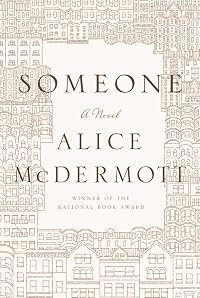
Someone
by Alice McDermott
On This Page
Description
"The story of a Brooklyn-born woman's life - her family, her neighborhood, her daily trials and triumphs - from childhood to old age"--Provided by the publisher.Tags
Recommendations
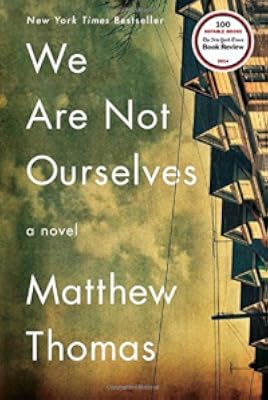
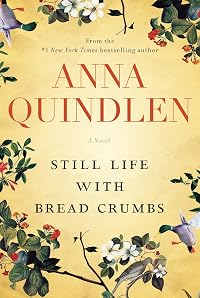
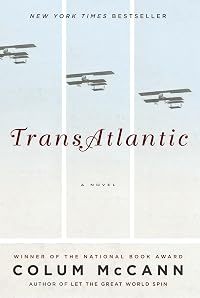
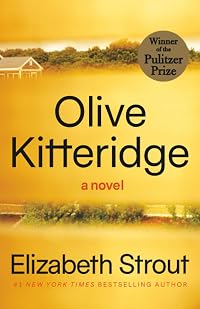
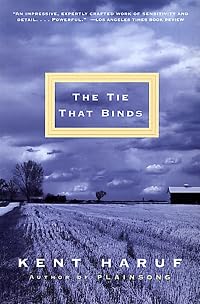
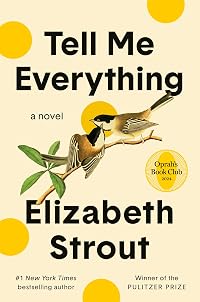
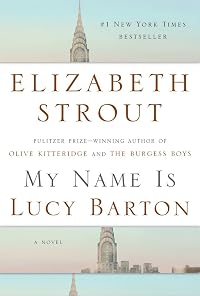
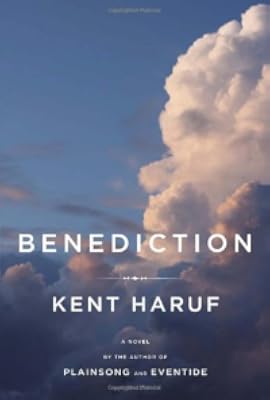
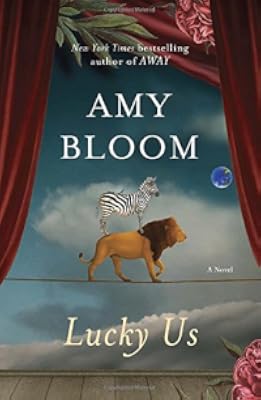
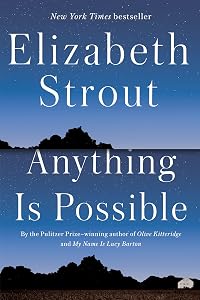
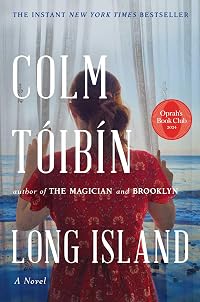
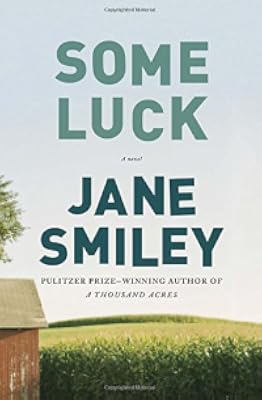
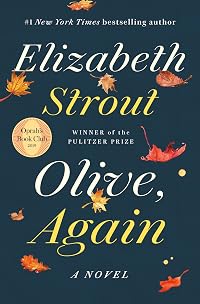
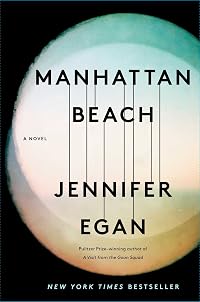

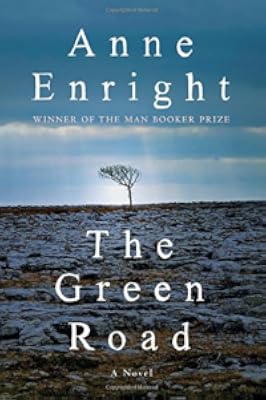
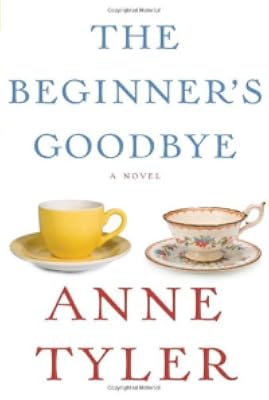


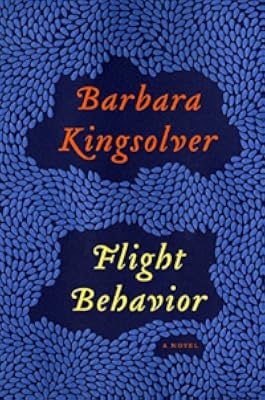
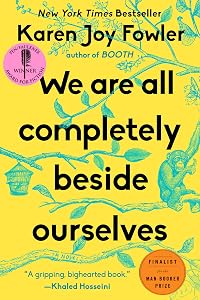
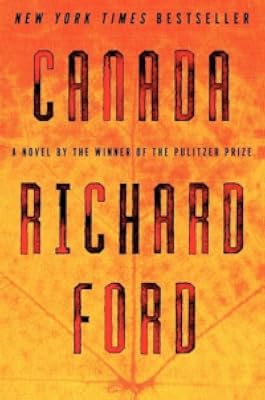
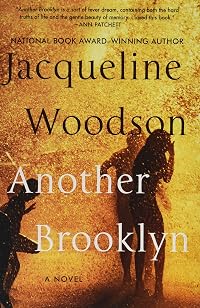
Member Recommendations
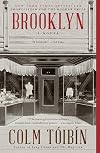
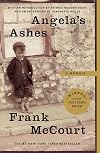
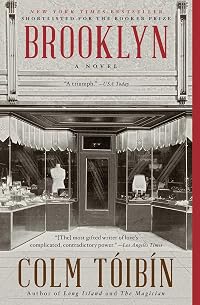
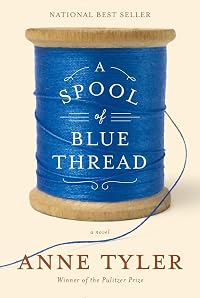
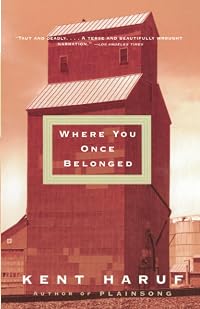
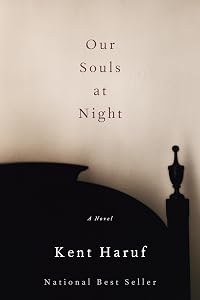
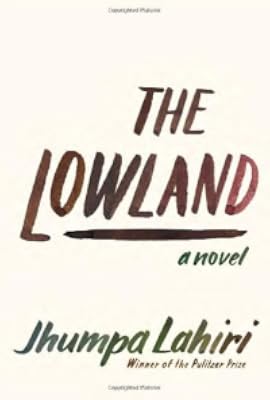
Betty.Ann.Beam They both deal with the Irish immigrant experience. I would suggest that you read Angela's Ashes first since Someone is rather difficult to decifer and may take several readings. Brooklyn by Colm Toibin is also in the same vein. They are all stories that bely tne American Dream.
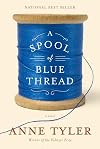
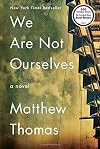
Ciruelo Both books relate the life story of an Irish American woman in plain, but exceptionally well written language.
vancouverdeb historical fiction in Brooklyn. The everyday vagaries of life, told in beautiful language. Both books feature Irish Catholics and tragedy mixed with hope.
Member Reviews
I can't remember who recommended that I give Alice McDermott a try but I have now read two of her novels in the past several weeks and I'm delighted to have added her to my list of favorite authors. This, her latest novel, is exquisite in its rendering of an ordinary life in all its extraordinariness. This is the story of Marie Commeford who grows up in a working class Brooklyn neighborhood with her parents and her brother Gabe. Her intense connection to each member of her family, and the nuances of those sweet but complicated relationships, is captured through stories, and through descriptions of moments: their taste, their smell, the sounds and the sights. McDermott effectively creates the evening in the street with shouting boys show more playing baseball and shy or awkward girls watching them and hoping to be noticed. There is heartbreak. These lives are not easy. But they are worthwhile; they have meaning and hope and place. Marie grows up, marries, has children. The novel follows her through each decade and it's a lovely story.
McDermott explores faith without flinching, without apology for frank doubt and a bit of sardonic practicality.
"All the thought and all the worry, all the faith and philosophy, the paintings and the stories and the poems, all the whatnot, gone into the study of heaven or hell, and yet so little wonder applied to the sinking into sleep. Falling asleep. All the prayers I had said before bed throughout my life, all the prayers I had made my children say --- Our Father, Hail Mary, Glory Be --- the Confiteor if some transgression had taken place --- missed the mark entirely. It was grace, the simple prayer before meals, that we should have been murmuring into our clasped hands at the end of the day: Bless us, oh, Lord, and this thy gift, which we are about to receive."
Ah yes, that is someone who knows what most to be thankful for, who knows the value of escape, in its purest form, escape from pain and loss and loneliness. Sleep is a most precious gift.
McDermott's use of language is both wonderfully straightforward and beautifully lyric. After learning of the lonely death of Bill Corrigan, a character from her childhood, and witnessing at Bill's wake the heartbreak of someone who once broke her own heart, Marie sees into the heart of this man, this Walter. "Walter who had come here tonight --- perhaps the only one of his contemporaries left behind --- come down from the Bronx to weep like a child *before the world closed up over Bill Corrigan's passing*." (italics - between the asterisks - are mine)
It's that last bit that I love. What a way to describe the passing of a human being out of our world, out of our time, eventually out of memory.
And yet, as much as this novel is about loneliness and loss and the terror of both, it is also about love, and about the inevitability of being loved by someone. show less
McDermott explores faith without flinching, without apology for frank doubt and a bit of sardonic practicality.
"All the thought and all the worry, all the faith and philosophy, the paintings and the stories and the poems, all the whatnot, gone into the study of heaven or hell, and yet so little wonder applied to the sinking into sleep. Falling asleep. All the prayers I had said before bed throughout my life, all the prayers I had made my children say --- Our Father, Hail Mary, Glory Be --- the Confiteor if some transgression had taken place --- missed the mark entirely. It was grace, the simple prayer before meals, that we should have been murmuring into our clasped hands at the end of the day: Bless us, oh, Lord, and this thy gift, which we are about to receive."
Ah yes, that is someone who knows what most to be thankful for, who knows the value of escape, in its purest form, escape from pain and loss and loneliness. Sleep is a most precious gift.
McDermott's use of language is both wonderfully straightforward and beautifully lyric. After learning of the lonely death of Bill Corrigan, a character from her childhood, and witnessing at Bill's wake the heartbreak of someone who once broke her own heart, Marie sees into the heart of this man, this Walter. "Walter who had come here tonight --- perhaps the only one of his contemporaries left behind --- come down from the Bronx to weep like a child *before the world closed up over Bill Corrigan's passing*." (italics - between the asterisks - are mine)
It's that last bit that I love. What a way to describe the passing of a human being out of our world, out of our time, eventually out of memory.
And yet, as much as this novel is about loneliness and loss and the terror of both, it is also about love, and about the inevitability of being loved by someone. show less
Suffice it to say, this lady can take an absolutely ordinary woman, put her in a dull and lackluster setting, throw in a handful of nondescript characters and spin pure gold as the story of her life. Somewhat slow starting, but at only 231 pages, definitely worth the time spent. It's absolutely mesmerizing, and difficult to review. The whole time I was reading it, I kept waiting for something exciting to happen, and then suddenly had that "AHA" moment when I realized that the excitement comes from the blessings of the ordinary. McDermott certainly deserved a National Book award for this one. Short, sparse, spectacular.
I had to stop reading this. McDermott's writing is careful and clean, as the reviewers say, and that is definitely a pleasure. But there is a limit to how much time I want to spend with a book that could have been written in 1950. To be fair, the book is set in the 20th century, but it bothers me that it has no signs of having been written in the present. It is almost the case that there is not a single word, idea, image, thought, sentiment, or narrative device that couldn't be found in book published fifty years ago. I could hardly find any new turns of phrase, any new sense of syntax or pacing, any new kinds of narrative, any new images, any new language, any contemporary stylistic influences.
For some people this may be a virtue, and show more in a limited sense it is. It's a virtue to the extent that the book ventriloquizes a certain idea of the past. In that sense it is like any nostalgic novel, any historical novel, and its flaws are only the occasional solecisms and historically inaccurate usages -- the sort of "flaws" that can be found, for example, in Pynchon's "Mason & Dixon."
But in a larger sense, this lack of interest in the last fifty years of novel writing is, for me, a decisive fault. Why read a book that is not part of its time in some way? (With an accent on that phrase, "in some way," meaning that a novel can be connected to the present in many different fashions, by narrative, by content, by style, by mood, by sly allusion, by secret parallel, by subterranean allegory.) This book is pure projection, pure nostalgia: not so much for a certain Irish-American past, although it is that, as for a certain state of the novel, one which is long gone.
I am of course overstating this a little. There are some things in the book that could tell readers it was written in 2013, but for me they are entirely minor. They're small embellishments, slight adjustments on the forms and interests of novels written a half-century ago. For me the only interesting one is McDermott's way of compressing entire narratives into single sentences that are retrospective and prospective, combining prolepsis and nostalgia:
The births of our four children, my mother's death, the kids' tonsillectomies and appendectomies over the years, his hernia, Gabe's breakdown, and how this surgery, tomorrow, to repair my left eye. And wasn't it a corridor much like this that would provide the backdrop for our last parting?
These moments are interesting, but there aren't enough of them to keep me in the novel. show less
For some people this may be a virtue, and show more in a limited sense it is. It's a virtue to the extent that the book ventriloquizes a certain idea of the past. In that sense it is like any nostalgic novel, any historical novel, and its flaws are only the occasional solecisms and historically inaccurate usages -- the sort of "flaws" that can be found, for example, in Pynchon's "Mason & Dixon."
But in a larger sense, this lack of interest in the last fifty years of novel writing is, for me, a decisive fault. Why read a book that is not part of its time in some way? (With an accent on that phrase, "in some way," meaning that a novel can be connected to the present in many different fashions, by narrative, by content, by style, by mood, by sly allusion, by secret parallel, by subterranean allegory.) This book is pure projection, pure nostalgia: not so much for a certain Irish-American past, although it is that, as for a certain state of the novel, one which is long gone.
I am of course overstating this a little. There are some things in the book that could tell readers it was written in 2013, but for me they are entirely minor. They're small embellishments, slight adjustments on the forms and interests of novels written a half-century ago. For me the only interesting one is McDermott's way of compressing entire narratives into single sentences that are retrospective and prospective, combining prolepsis and nostalgia:
The births of our four children, my mother's death, the kids' tonsillectomies and appendectomies over the years, his hernia, Gabe's breakdown, and how this surgery, tomorrow, to repair my left eye. And wasn't it a corridor much like this that would provide the backdrop for our last parting?
These moments are interesting, but there aren't enough of them to keep me in the novel. show less
The story, the poetic writing, took my breath away as her Brooklyn Irish family came alive in McDermott's beautiful, compassionate telling of Marie and her neighbors packed together in a neighborhood of brownstones and twilight stickball and Mass. In the final pages the mystery unfolds of her tragic, golden brother whom she "had associated with the sacred darkness...or the hushed groves of the seminary, or the spice of the incense in the cavernous church, even with his lifelong, silent communion with the words he found in his books. Incomprehensible, yes, but in the same way that much that was holy was incomprehensible to me, little pagan." I did not want the book to end.
Six-word review: Ordinary woman's ordinary life, worth telling.
Extended review:
Life and death: how can there be anything more to say about them? And yet how can there be anything else to write about? That's it, that's us, the human condition.
In this case we view those tightly interwoven threads, sheer and yet sturdy like the lace that serves as a recurring motif, both revealing and concealing, through the half-blind eyes of a woman who has lived her life in the neighborhoods of Brooklyn, growing up during the Depression, watching the modest triumphs and commonplace tragedies of others unfold around her as she copes with her own. The narrative skips around, more like the voiced reminiscences of an elderly speaker than a unidirectional show more memoir, complete with repetitions, interruptions, and unself-conscious insights.
It's hard to describe without resorting to cliches: the whole is greater than the sum of its parts; the universal in the particular. Truisms are truisms because there is truth in them. This is a novel of truths, ordinary truths, everyday truths, of the same sort that I have in my own life: nothing spectacular, just real. In the end it reminds us that we all have our stories, that all are worth telling. show less
Extended review:
Life and death: how can there be anything more to say about them? And yet how can there be anything else to write about? That's it, that's us, the human condition.
In this case we view those tightly interwoven threads, sheer and yet sturdy like the lace that serves as a recurring motif, both revealing and concealing, through the half-blind eyes of a woman who has lived her life in the neighborhoods of Brooklyn, growing up during the Depression, watching the modest triumphs and commonplace tragedies of others unfold around her as she copes with her own. The narrative skips around, more like the voiced reminiscences of an elderly speaker than a unidirectional show more memoir, complete with repetitions, interruptions, and unself-conscious insights.
It's hard to describe without resorting to cliches: the whole is greater than the sum of its parts; the universal in the particular. Truisms are truisms because there is truth in them. This is a novel of truths, ordinary truths, everyday truths, of the same sort that I have in my own life: nothing spectacular, just real. In the end it reminds us that we all have our stories, that all are worth telling. show less
Alice McDermott is a master at capturing the small, ordinary graces of everyday life, especially in the communities of her choice. She has an extensive backlist of amazingly beautifully written novels behind her and her newest novel, Someone, is another tour de force of the same sort. In this one, she draws an intimate and revealing portrait of Marie, an Irish Catholic girl who grows to adulthood in Brooklyn in the 1930s.
Opening with Marie as a young child sitting on the steps of her family's house waiting for her father to come home, she witnesses the evening return from her job of a clumsy young woman who will die that night , setting the tone and highlighting the dichotomy of life and death that reverberates throughout the novel. show more After Pegeen goes inside her house, Marie, plagued as she is by terrible eyesight, sits and myopically watches the neighborhood street scene unfold in its usual patterns. And it's this combination of wide angle view coupled with the close-up particulars of Marie's life which drive this carefully drawn tale of the unremarkable, ordinariness of life. Marie narrates the major milestones of her life: dating, a first job, marriage, pregnancy, illness, and more, as well as illuminating her older brother Gabe's life through his entrance into the priesthood, his eventual choice to leave his vocation behind, and her caring for him in his struggle in the aftermath.
The novel is not chronological but jumps back and forth in time as Marie's memories provoke other stories from her life. McDermott observes and records the complex and exceptional, yet utterly simple life of her main character. And what she has captured here in this observational novel are the highs and lows of a regular, quotidian life, love in all its unpretentiousness, and the poetry of the every day. Those who enjoy a quiet, character driven novel full of stunning and unexpected recognitions will find a finely wrought piece here. In McDermott's hands, the very nothingness of the plot is some of the magic of the tale. show less
Opening with Marie as a young child sitting on the steps of her family's house waiting for her father to come home, she witnesses the evening return from her job of a clumsy young woman who will die that night , setting the tone and highlighting the dichotomy of life and death that reverberates throughout the novel. show more After Pegeen goes inside her house, Marie, plagued as she is by terrible eyesight, sits and myopically watches the neighborhood street scene unfold in its usual patterns. And it's this combination of wide angle view coupled with the close-up particulars of Marie's life which drive this carefully drawn tale of the unremarkable, ordinariness of life. Marie narrates the major milestones of her life: dating, a first job, marriage, pregnancy, illness, and more, as well as illuminating her older brother Gabe's life through his entrance into the priesthood, his eventual choice to leave his vocation behind, and her caring for him in his struggle in the aftermath.
The novel is not chronological but jumps back and forth in time as Marie's memories provoke other stories from her life. McDermott observes and records the complex and exceptional, yet utterly simple life of her main character. And what she has captured here in this observational novel are the highs and lows of a regular, quotidian life, love in all its unpretentiousness, and the poetry of the every day. Those who enjoy a quiet, character driven novel full of stunning and unexpected recognitions will find a finely wrought piece here. In McDermott's hands, the very nothingness of the plot is some of the magic of the tale. show less
What a haunting photo album of a book. Marie is a 7 year old, a young bride, a loving sister, an oppositional daughter, in a nursing home, and most of all an observer and thinker. Each long scene can be cherished and reread. The closest to this is the beloved "A Tree Grows in Brooklyn", but with the protagonist more sophisticated and setting new highs (and lows) in sheer stubbornness. Alice McDermott hits the mark again as she did with "At Weddings and Wakes".
Members
- Recently Added By
Published Reviews
ThingScore 100
There are many reasons to write a novel.
One — maybe the best — is to bear compassionate witness to what it is to be alive, in this place, this time. This kind of novel is necessary to us. We need to know about other lives: This kind of knowledge expands our understanding, it enlarges our souls. There are differences between us, but there are things we share. Fear and vulnerability, joy and show more passion, the capacity for love and pain and grief: Those are common to us all. Those are the things that great novelists explore. And it’s this exploration, made with tenderness, wisdom and caritas, that’s at the heart of Alice McDermott’s masterpiece. show less
One — maybe the best — is to bear compassionate witness to what it is to be alive, in this place, this time. This kind of novel is necessary to us. We need to know about other lives: This kind of knowledge expands our understanding, it enlarges our souls. There are differences between us, but there are things we share. Fear and vulnerability, joy and show more passion, the capacity for love and pain and grief: Those are common to us all. Those are the things that great novelists explore. And it’s this exploration, made with tenderness, wisdom and caritas, that’s at the heart of Alice McDermott’s masterpiece. show less
added by zhejw
Each slide, each scene, from the ostensibly inconsequential to the clearly momentous, is illuminated with equal care. The effect on the reader is of sitting alongside the narrator, sharing the task of sifting the salvaged fragments of her life, watching her puzzle over, rearrange and reconsider them — and at last, but without any particular urgency or certitude, tilting herself in the show more direction of finally discerning their significance.
This is a quiet business, but it’s the sense-making we all engage in, the narrative work that allows us to construct a coherent framework for our everyday existence. It’s also a serious business, the essential work of an examined life. show less
This is a quiet business, but it’s the sense-making we all engage in, the narrative work that allows us to construct a coherent framework for our everyday existence. It’s also a serious business, the essential work of an examined life. show less
added by zhejw
Lists

Top Five Books of 2013
1,562 works; 721 members

International IMPAC Dublin Literary Award
179 works; 6 members

Kirkus Reviews Best Fiction of 2013
99 works; 6 members

Books Featured on Readers' Review of the Diane Rehm Show
161 works; 8 members
Author Information

17+ Works 8,532 Members
Alice McDermott was born in Brooklyn, New York on June 27, 1953. She received a B.A. from the State University of New York at Oswego in 1975 and an M.A. from the University of New Hampshire in 1978. After graduating college, she got a job reading unsolicited manuscripts for Redbook magazine and did some freelance reading for Esquire. She has show more taught writing at American University, the University of New Hampshire, and the University of California at San Diego. Currently, she is the Writing Seminars Professor of the Johns Hopkins University Writing Department. Her short stories and articles have appeared in numerous publications including Ms., Redbook, Mademoiselle, The New Yorker, Seventeen, the New York Times and the Washington Post. She has written several novels including A Bigamist's Daughter, At Weddings and Wakes, Child of My Heart, After This, Someone, and The Ninth Hour. That Night was made into a film starring C. Thomas Howell and Juliette Lewis in 1992. She has won several awards including the National Book Award for fiction in 1998 for Charming Billy, a Whiting Writers Award, and the 2008 Corrington Award for Literature. (Bowker Author Biography) show less
Awards and Honors
Awards
Series
Belongs to Publisher Series
Microclimes (10)
Gallimard, Folio (6316)
Common Knowledge
- Canonical title
- Someone
- Original publication date
- 2013
- Important places
- Brooklyn, New York, New York, USA
Classifications
Statistics
- Members
- 1,136
- Popularity
- 22,213
- Reviews
- 78
- Rating
- (4.01)
- Languages
- 5 — Catalan, English, French, Italian, Spanish
- Media
- Paper, Audiobook, Ebook
- ISBNs
- 28
- ASINs
- 7