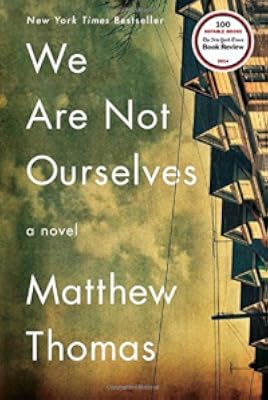
We Are Not Ourselves
by Matthew Thomas
On This Page
Description
"Born in 1941, Eileen Tumulty is raised by her Irish immigrant parents in Woodside, Queens, in an apartment where the mood swings between heartbreak and hilarity, depending on whether guests are over and how much alcohol has been consumed. Eileen can't help but dream of a calmer life, in a better neighborhood. When Eileen meets Ed Leary, a scientist whose bearing is nothing like those of the men she grew up with, she thinks she's found the perfect partner to deliver her to the cosmopolitan show more world she longs to inhabit. They marry, and Eileen quickly discovers Ed doesn't aspire to the same, ever bigger, stakes in the American Dream. Eileen encourages her husband to want more: a better job, better friends, a better house, but as years pass it becomes clear that his growing reluctance is part of a deeper psychological shift. An inescapable darkness enters their lives, and Eileen and Ed and their son Connell try desperately to hold together a semblance of the reality they have known, and to preserve, against long odds, an idea they have cherished of the future. Through the Learys, novelist Matthew Thomas charts the story of the American Century, particularly the promise of domestic bliss and economic prosperity that captured hearts and minds after WWII. The result is a powerfully affecting work of art; one that reminds us that life is more than a tally of victories and defeats, that we live to love and be loved, and that we should tell each other so before the moment slips away. Epic in scope, heroic in character, masterful in prose, We Are Not Ourselves is a testament to our greatest desires and our greatest frailties."-- show lessTags
Recommendations
















Member Recommendations
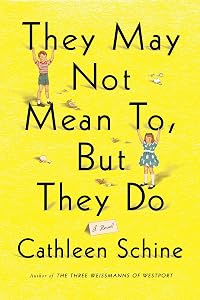
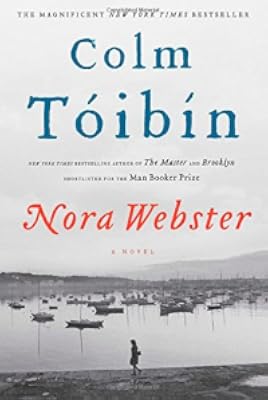
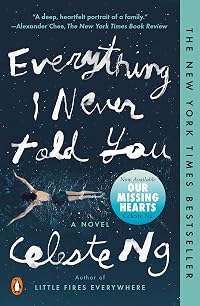
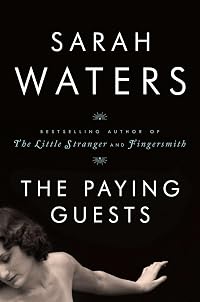
Ciruelo Both books relate the life story of an Irish American woman in plain, but exceptionally well written language.
gypsysmom Another story about a person with early-onset Alzheimer's Disease
Also recommended by ainsleytewce


Member Reviews
Eileen is only a young girl when we meet her at the beginning of the novel, but this book chronicles almost all of her life. From the early moments, that are reminiscent of “A Tree Grows in Brooklyn”, through the ups and downs of her marriage, this is Eileen’s story. As a young Irish American girl, Eileen has made her way in the world alongside her husband Ed. We follow multiple generations in her family, racing through the years alongside Eileen. When her life takes an unexpected turn, we are right there with her, baffled and overwhelmed by her new circumstances.
The strange thing about this novel is that it’s about everything and nothing all at once. There’s no massive plot twists or developments. Instead we follow these show more characters, slowly, through their lives. The struggles, emotions, moments of joy and frustration, we are there for all of it. Sometimes those details feel mundane, other times they make the novel more intimate. We are seeing every part of their lives laid bare.
It reminded me a bit of “Freedom” and “The Corrections”, except for the fact that I hate those books and I enjoyed this one. Where those struck me as condescending and whiny, this one felt raw and realistic.
The thing I loved about these characters is that at times I hated them. That might not seem like it makes a lot of sense but can you think of anyone you’re truly close to that you haven’t been furious with at some point? These are characters with depth, characters that make selfish decisions at times and at others they sacrifice the world for their family. They aren’t one-dimensional. It's much easier to see yourself in someone so flawed than someone who's perfect and easy to love.
The language in the novel is so gorgeous. Thomas writes in a way that makes you feel the pain and struggle and tenderness of every scene. He chronicles their lives in such intricate detail, including failed friendships, arguments between spouses, disappointment in a parent and so much more. It’s these everyday moments that make up the unique fabric of a family’s world. He breathes life in the characters through humiliating thoughts that can cross one's mind in private or the aching desire for something you can’t explain.
BOTTOM LINE: This is not an easy book to read. It’s heartbreaking in a way that’s at times too familiar for anyone who has dealt with illness in their family. The Leary family could be any family and it’s that element of universality that makes their story so moving. It’s not an uncommon struggle, but the author makes the tedious details of their life seem so important and recognizable and there’s a beauty in that relatability.
“Maybe your imagination stopped at the boundaries that contained it.”
“Empathy. He hadn't always had it. It was a muscle you had to develop and then keep conditioned.” show less
The strange thing about this novel is that it’s about everything and nothing all at once. There’s no massive plot twists or developments. Instead we follow these show more characters, slowly, through their lives. The struggles, emotions, moments of joy and frustration, we are there for all of it. Sometimes those details feel mundane, other times they make the novel more intimate. We are seeing every part of their lives laid bare.
It reminded me a bit of “Freedom” and “The Corrections”, except for the fact that I hate those books and I enjoyed this one. Where those struck me as condescending and whiny, this one felt raw and realistic.
The thing I loved about these characters is that at times I hated them. That might not seem like it makes a lot of sense but can you think of anyone you’re truly close to that you haven’t been furious with at some point? These are characters with depth, characters that make selfish decisions at times and at others they sacrifice the world for their family. They aren’t one-dimensional. It's much easier to see yourself in someone so flawed than someone who's perfect and easy to love.
The language in the novel is so gorgeous. Thomas writes in a way that makes you feel the pain and struggle and tenderness of every scene. He chronicles their lives in such intricate detail, including failed friendships, arguments between spouses, disappointment in a parent and so much more. It’s these everyday moments that make up the unique fabric of a family’s world. He breathes life in the characters through humiliating thoughts that can cross one's mind in private or the aching desire for something you can’t explain.
BOTTOM LINE: This is not an easy book to read. It’s heartbreaking in a way that’s at times too familiar for anyone who has dealt with illness in their family. The Leary family could be any family and it’s that element of universality that makes their story so moving. It’s not an uncommon struggle, but the author makes the tedious details of their life seem so important and recognizable and there’s a beauty in that relatability.
“Maybe your imagination stopped at the boundaries that contained it.”
“Empathy. He hadn't always had it. It was a muscle you had to develop and then keep conditioned.” show less
Eileen and Ed are a perfect example of the attraction of opposites. Eileen is a force of nature. Determined, committed, and stubborn, she knows what she wants and does not stop until she achieves it. Ed is the yin to her yang. Where she is forceful, he is unassuming. Where she is aspiring to greater heights, he keeps her grounded to reality. Together, they form a lovely example of marriage, its compromises, its hills and valleys, and the work that goes into a long-lasting relationship.
When things do start going downhill though, for reasons that readers will glean much sooner than Eileen is willing to face the truth, what follows is nothing but heartache, the kind that tears through one’s gut and rips one apart. What befalls Ed is such show more an ugly disease, and everything he does to prevent the inevitable is devastating once one knows what is happening.
That this all occurs while their son is still young and impressionable is one of the more tragic elements of the story, in a story that is almost too difficult to read at times. Connor must deal with watching his father’s very slow and humiliating decline in addition to facing the pressures of adolescence. His struggles will leave no one surprised, but that makes them no less difficult to watch unfold.
For readers who know of someone who is currently suffering from the same disease as Ed or has watched a loved one decline in the same fashion, We Are Not Ourselves is a very difficult story to read. Mr. Thomas captures the suffering of all involved, the guilt of those left behind, and the simple unfairness of a disease that takes a loved one away so cruelly. He even takes it one step further by showing just how the simple act of watching a parent suffer through the disease can impact a child’s actions and decisions. In many ways, We Are Not Ourselves raises awareness of the silent suffering of patients and families, and one can only hope that readers will hear the message and do anything they can to help find a cure or a preventative measure for this ruthless disease.
It is worth noting that my father-in-law is suffering from a similar fate as Ed. While he is not as young as Ed, much of what Eileen and Connor experience is almost exactly the same as what my mother-in-law faces on a daily basis and has for the last five years. To say that We Are Not Ourselves affected me personally is an understatement. There were times that I could not read any further that a few pages. As it was, I could only read this story in short bursts. Everything about it is so raw and so powerful that it put me into an emotional tailspin. I mentioned the novel to my husband but quickly decided that this was one book I would not let him read. He is living through the novel as it is; there is no need to make him experience it in print as well. My response to the story was so visceral that I would caution any reader with firsthand experience with a dementia disease on reading We Are Not Ourselves. Sometimes, especially with such diseases, there is such a thing as too much.
We Are Not Ourselves is intense and uninhibited and beautiful. Eileen suffers so much throughout her life but maintains a majestic dignity through it all. Yet, she is nothing special. She is every woman, and every woman is Eileen. Her bond with Ed is special, which makes the end so much more difficult to bear. Mr. Thomas gets everything correct about such diseases, and the picture he paints is every bit as ugly as real life can get. As the baby boomer generation ages, more and more families will experience a similar story to Eileen’s and Ed’s and will understand just how insightful We Are Not Ourselves truly is. show less
When things do start going downhill though, for reasons that readers will glean much sooner than Eileen is willing to face the truth, what follows is nothing but heartache, the kind that tears through one’s gut and rips one apart. What befalls Ed is such show more an ugly disease, and everything he does to prevent the inevitable is devastating once one knows what is happening.
That this all occurs while their son is still young and impressionable is one of the more tragic elements of the story, in a story that is almost too difficult to read at times. Connor must deal with watching his father’s very slow and humiliating decline in addition to facing the pressures of adolescence. His struggles will leave no one surprised, but that makes them no less difficult to watch unfold.
For readers who know of someone who is currently suffering from the same disease as Ed or has watched a loved one decline in the same fashion, We Are Not Ourselves is a very difficult story to read. Mr. Thomas captures the suffering of all involved, the guilt of those left behind, and the simple unfairness of a disease that takes a loved one away so cruelly. He even takes it one step further by showing just how the simple act of watching a parent suffer through the disease can impact a child’s actions and decisions. In many ways, We Are Not Ourselves raises awareness of the silent suffering of patients and families, and one can only hope that readers will hear the message and do anything they can to help find a cure or a preventative measure for this ruthless disease.
It is worth noting that my father-in-law is suffering from a similar fate as Ed. While he is not as young as Ed, much of what Eileen and Connor experience is almost exactly the same as what my mother-in-law faces on a daily basis and has for the last five years. To say that We Are Not Ourselves affected me personally is an understatement. There were times that I could not read any further that a few pages. As it was, I could only read this story in short bursts. Everything about it is so raw and so powerful that it put me into an emotional tailspin. I mentioned the novel to my husband but quickly decided that this was one book I would not let him read. He is living through the novel as it is; there is no need to make him experience it in print as well. My response to the story was so visceral that I would caution any reader with firsthand experience with a dementia disease on reading We Are Not Ourselves. Sometimes, especially with such diseases, there is such a thing as too much.
We Are Not Ourselves is intense and uninhibited and beautiful. Eileen suffers so much throughout her life but maintains a majestic dignity through it all. Yet, she is nothing special. She is every woman, and every woman is Eileen. Her bond with Ed is special, which makes the end so much more difficult to bear. Mr. Thomas gets everything correct about such diseases, and the picture he paints is every bit as ugly as real life can get. As the baby boomer generation ages, more and more families will experience a similar story to Eileen’s and Ed’s and will understand just how insightful We Are Not Ourselves truly is. show less
This reminded me of The Goldfinch, in that both Thomas and Tartt ran out of gas at the end - but perhaps that's just a way of saying I wanted to keep knowing what happened next, a good thing, so would have been disappointed by any ending. Thomas does a wonderful job of creating a largely unlikeable heroine - smug in her confidence in the rightness of what she wants for other people and what she thinks of them, oblivious to her own limited view of the world - and making us root for her, because the people around her so obviously need her to succeed. Whether it's the son who is, by virtue of being an adolescent, never really himself, or her husband, whose illness renders him most obviously not himself, or Elaine, who is not the self she show more so passionately keeps wanting to construct for herself, or the people around her, Thomas does a wonderful job painting the picture of an ordinary world, one in which none of us is ever wholly ourself. show less
I like family sagas. I love bildungsromans. This novel is a little of both, and it was to a certain extent satisfying: from the first criterion, because it spans 4 generations (looking forward in the future towards a 5th) and deals with the ups and downs, ins and outs, of daily life. For the second criterion, the life of the protagonist, her dreams, her schemes, her obstacles, and goals, and finally her growth, it also satisfied.
My problem, overall, with the novel is that it falls into a third category as well, one which I despise: what I've termed "vic lit" ("vic" for "victim"), a subcategory of chick lit. I'm not talking about books where the hero(ine) faces a challenge and lives through and learns from it, but rather one where the show more (usually female -- someone's wife or daughter) protagonist becomes a victim of a family member's foibles, crimes, and/or death (see: "The Pilot's Wife," "The Night Guest," et al). You know, the one where the husband dies and the widow has to rebuild her life, or the one where the husband cheats and she has to rebuild her life, or the one where the husband leaves her and she has to rebuild her life....
These character are usually also victims of the author's need to pile on the indignities and hurts, making us and the character wallow in the tragedies life throws at us. Ugh.
So too with Eileen Leary. This novel felt less like the author was interested in Eileen and more in presenting a naturalist message of the determinism of social realities and heredity, as well as making a statement about the inevitability but also (therefore also?) the fatality of The American Dream.
In short, the book is too damned depressing. No spoilers, but after a while, especially in the latter section where Eileen has to deal with the tremendous psychological, emotional and monetary burdens the author throws at her, you just. Want. It. To. Stop. And extra points (ugh again) for making the book close not on the brighter future of the final generation going forward, but on one full of fear and anxiety and looking backwards.
One more word: Matthew Thomas can REALLY write. Some phrases sing off the page; his metaphors are apt; there are sentences that are so beautiful it hurts. show less
My problem, overall, with the novel is that it falls into a third category as well, one which I despise: what I've termed "vic lit" ("vic" for "victim"), a subcategory of chick lit. I'm not talking about books where the hero(ine) faces a challenge and lives through and learns from it, but rather one where the show more (usually female -- someone's wife or daughter) protagonist becomes a victim of a family member's foibles, crimes, and/or death (see: "The Pilot's Wife," "The Night Guest," et al). You know, the one where the husband dies and the widow has to rebuild her life, or the one where the husband cheats and she has to rebuild her life, or the one where the husband leaves her and she has to rebuild her life....
These character are usually also victims of the author's need to pile on the indignities and hurts, making us and the character wallow in the tragedies life throws at us. Ugh.
So too with Eileen Leary. This novel felt less like the author was interested in Eileen and more in presenting a naturalist message of the determinism of social realities and heredity, as well as making a statement about the inevitability but also (therefore also?) the fatality of The American Dream.
In short, the book is too damned depressing. No spoilers, but after a while, especially in the latter section where Eileen has to deal with the tremendous psychological, emotional and monetary burdens the author throws at her, you just. Want. It. To. Stop. And extra points (ugh again) for making the book close not on the brighter future of the final generation going forward, but on one full of fear and anxiety and looking backwards.
One more word: Matthew Thomas can REALLY write. Some phrases sing off the page; his metaphors are apt; there are sentences that are so beautiful it hurts. show less
This is a very accomplished book that reminded me of Death of A Salesman in its subject matter, tone, universalism, and perceptive look at the American middle class in the changing world of the latter half of the 20th century.
For six decades, we follow the life of Eileen Tumulty Leary and her Irish-American family. The saga begins in Queens, New York, but as the neighborhood becomes increasingly global in nature, it feels threatening and less prestigious to Eileen. She aspires to move with her husband Ed and son Connell to the more affluent neighborhood of Bronxville, "surrounded by people who looked like her family.”
Like Willy Loman, Eileen is fixated on external markers of success, with a warped understanding of internal value. In show more fact, a major theme of the book is about how we judge ourselves and judge others - ranging from guilt and self-castigation over unexpressed thoughts to an assessment of worth founded on what sort of car we drive or clothes we wear or even the way we smell.
Ed, eccentric and nerdy, has no interest in accumulating wealth; rather, he is dedicated to continuing his research on rats in a second-rate college. Moreover, he has the quixotic idea (as Eileen would identify it) that what counted in life was not “victories and defeats” but “to love and be loved.”
In spite of Ed’s recalcitrance, Eileen doesn’t give up,and keeps pushing herself, Ed, and Connell, even if she has to scale back her aspirations. When Ed is stricken by early-onset Alzheimer’s Disease, Eileen transfers her relentless dedication to the care and preservation of her husband, and to a fierce determination that Connell succeed in the way she never could.
It is up to Connell then, as the story draws to a close, to decide whether he will pursue the dreams of his mother or honor the lessons from his father. And always, hanging over him, is the frightening specter of genetic possibilities; early-onset Alzheimer’s disease runs in families, and is incurable.
Discussion: The theme of the title is played out in several ways in this story. Most obviously, with the onset of Alzheimer’s Disease, Ed Leary becomes someone else. Like Gregor Samsa in Kafka’s The Metamorphosis (a story Ed’s son Connell teaches to his students), Ed’s thought processes gradually get truncated and more bizarre, and he becomes increasingly burdensome to his family. But Ed’s family never stops loving him, even as he becomes less and less like himself. In fact, both Eileen and Connell insist on thinking of Ed as he used to be, rather than the shell of himself he has become.
But there are other, less obvious, manifestations of not being “ourselves,” from the adoption of social conventions, to the facades put on for social interactions, and even to the “Potemkin Village” of a house that Eileen finally buys - beautiful on the outside, but falling apart in its bones.
Evaluation: This is a moving - often heart-breaking, and well-crafted story with a scope and thematic depth that make it seem like the kind of book taught in schools, or at least, that should be taught in schools. It goes without saying that this would make an excellent choice for book clubs. Highly recommended. show less
For six decades, we follow the life of Eileen Tumulty Leary and her Irish-American family. The saga begins in Queens, New York, but as the neighborhood becomes increasingly global in nature, it feels threatening and less prestigious to Eileen. She aspires to move with her husband Ed and son Connell to the more affluent neighborhood of Bronxville, "surrounded by people who looked like her family.”
Like Willy Loman, Eileen is fixated on external markers of success, with a warped understanding of internal value. In show more fact, a major theme of the book is about how we judge ourselves and judge others - ranging from guilt and self-castigation over unexpressed thoughts to an assessment of worth founded on what sort of car we drive or clothes we wear or even the way we smell.
Ed, eccentric and nerdy, has no interest in accumulating wealth; rather, he is dedicated to continuing his research on rats in a second-rate college. Moreover, he has the quixotic idea (as Eileen would identify it) that what counted in life was not “victories and defeats” but “to love and be loved.”
In spite of Ed’s recalcitrance, Eileen doesn’t give up,and keeps pushing herself, Ed, and Connell, even if she has to scale back her aspirations. When Ed is stricken by early-onset Alzheimer’s Disease, Eileen transfers her relentless dedication to the care and preservation of her husband, and to a fierce determination that Connell succeed in the way she never could.
It is up to Connell then, as the story draws to a close, to decide whether he will pursue the dreams of his mother or honor the lessons from his father. And always, hanging over him, is the frightening specter of genetic possibilities; early-onset Alzheimer’s disease runs in families, and is incurable.
Discussion: The theme of the title is played out in several ways in this story. Most obviously, with the onset of Alzheimer’s Disease, Ed Leary becomes someone else. Like Gregor Samsa in Kafka’s The Metamorphosis (a story Ed’s son Connell teaches to his students), Ed’s thought processes gradually get truncated and more bizarre, and he becomes increasingly burdensome to his family. But Ed’s family never stops loving him, even as he becomes less and less like himself. In fact, both Eileen and Connell insist on thinking of Ed as he used to be, rather than the shell of himself he has become.
But there are other, less obvious, manifestations of not being “ourselves,” from the adoption of social conventions, to the facades put on for social interactions, and even to the “Potemkin Village” of a house that Eileen finally buys - beautiful on the outside, but falling apart in its bones.
Evaluation: This is a moving - often heart-breaking, and well-crafted story with a scope and thematic depth that make it seem like the kind of book taught in schools, or at least, that should be taught in schools. It goes without saying that this would make an excellent choice for book clubs. Highly recommended. show less
I don't think I have ever read a book quite like We Are Not Ourselves. It is a story without a plot, but rather the story of a life. The life of Eileen Tumulty Leary. It is a long and compelling saga with spare prose and short chapters, making it highly readable. Occasionally, I stopped just to make it last longer.
From 1951 to 2011, the book traces Eileen's life from her childhood in Queens with Irish working class, alcoholic parents through her marriage and motherhood, her career as a nurse and the extreme challenge of caring for her husband who develops early-onset Alzheimer's Disease.
The novel is a character driven one, events are seen through Eileen's eyes, and sometimes her son Connell's. We are not privy to husband Ed's thoughts show more until a letter he wrote almost at the end of the book. Eileen always aspires for more than her other family members, especially a nice home in a good neighborhood; Ed is the scientist, researcher and educator who tries to hold her back from her dreams; Connell is a bright, nerdy kid who is sometimes bullied yet who finds it hard to resist the impulse to sink to the level of the bully himself.
The depiction of the ravages of Alzheimer's Disease is heartbreaking and very realistic. I was struck by a line spoken by Ed's doctor, one I will remember forever, I think - "I take no pleasure in saying this, but from now on, it might be best to think of every day as the best day of the rest of your life." Eileen remains dedicated to her husband's care and safety. Connell struggles mightily to find himself and Eileen remains fierce in trying to influence him to succeed in ways she could not.
I highly recommend this book and look forward to more from Matthew Thomas, a very talented author. show less
From 1951 to 2011, the book traces Eileen's life from her childhood in Queens with Irish working class, alcoholic parents through her marriage and motherhood, her career as a nurse and the extreme challenge of caring for her husband who develops early-onset Alzheimer's Disease.
The novel is a character driven one, events are seen through Eileen's eyes, and sometimes her son Connell's. We are not privy to husband Ed's thoughts show more until a letter he wrote almost at the end of the book. Eileen always aspires for more than her other family members, especially a nice home in a good neighborhood; Ed is the scientist, researcher and educator who tries to hold her back from her dreams; Connell is a bright, nerdy kid who is sometimes bullied yet who finds it hard to resist the impulse to sink to the level of the bully himself.
The depiction of the ravages of Alzheimer's Disease is heartbreaking and very realistic. I was struck by a line spoken by Ed's doctor, one I will remember forever, I think - "I take no pleasure in saying this, but from now on, it might be best to think of every day as the best day of the rest of your life." Eileen remains dedicated to her husband's care and safety. Connell struggles mightily to find himself and Eileen remains fierce in trying to influence him to succeed in ways she could not.
I highly recommend this book and look forward to more from Matthew Thomas, a very talented author. show less
 This review was written for LibraryThing Early Reviewers.
A huge family story that really drew me in. It is real and uncompromising as we see love in all it's many forms. Eileen and her husband Ed and their son Connell and how they all deal with their lives once Alzheimer rears it's ugly head. But before even that it is a story of a woman who wants so mcuh for herlsef, her husband and son and you know, it's not quite what they want for themselves. As Eileen works so hard to move from Jackson Heights to an Upper middle class neighborhood convinced this will solve all her problems, I worried for her that it would not. But she carries on always determined. As i read in an review, it's a novel of the striving classes.But it's also a novel on family and the power of love.
Members
- Recently Added By
Published Reviews
ThingScore 75
This is a book in which a hundred fast-moving pages feel like a lifetime and everything looks different in retrospect. As in the real world, the reader’s point of view must change as often as those of the characters...This is one of the frankest novels ever written about love between a caregiver and a person with a degenerative disease.
added by ozzer
Lists

Recommend the 20 best books you've read in the last five years
2,168 works; 607 members

Best 21st Century Books (So Far)
679 works; 86 members

Top Five Books of 2014
1,064 works; 398 members

Favourite Books
1,820 works; 316 members

Top Five Books of 2021
604 works; 181 members

Books Set in New York State
65 works; 11 members

Top Five Books of 2015
811 works; 241 members

Five star books
1,767 works; 109 members

Dublin Literary Award Longlist 2016
148 works; 4 members
First Novels
373 works; 17 members

Folio Prize 2015 Longlist
79 works; 2 members
Author Information

1 Work 1,614 Members
Matthew Thomas was born in the Bronx and grew up in Queens. A graduate of the University of Chicago, he received an MA from the Writing Seminars at Johns Hopkins University and an MFA from the University of California, Irvine, where he received the Graduate Essay Award. His first novel, We Are Not Ourselves, was published in 2014. In 2015 the show more novel made it to the iBooks bestseller list. (Bowker Author Biography) show less
Some Editions
Awards and Honors
Awards
Common Knowledge
- Canonical title
- We Are Not Ourselves
- Original title
- We are Not Ourselves
- Original publication date
- 2014
- People/Characters
- Mike Tumulty; Eileen Tumulty Leary; Bridgie Tumulty; Edmund Leary 'Ed'; Connell Leary; Sergei
- Important places
- Woodside, Queens, New York, New York, USA; Jackson Heights, Queens, New York, New York, USA; Bronxville, New York, USA
- Epigraph
- Darling, do you remember the man you married? Touch me, remind me who I am. —Stanley Kunitz
We are not ourselves
When nature, being oppressed, commands the mind
to suffer with the body. —King Lear - Dedication
- To Joy
- First words
- His father was watching the line in the water.
- Quotations
- "I take no pleasure in saying this, but from now on, it might be best to think of every day as the best day of the rest of your life."
"I will always know who you are," Ed said, kissing the top of his head. "I promise you that. Even if you think I don't know, even if I seem not to. I will always know who you are. You're my son. Don't you ever forget that."
Her profession had been becoming hers the whole time she she'd been looking away from it. The point wasn't always to do what you want. The point was to do what you did and to do it well. She had worked hard for years, and i... (show all)f she had nothing to show for it but her house and her son's education, there was still the fact of its having happened, which no one could erase from the record of human lives, even if no one was was keeping one. - Last words
- (Click to show. Warning: May contain spoilers.)He would hug his kid as much as he could. "Good," he'd say. "Good. Good."
Classifications
Statistics
- Members
- 1,632
- Popularity
- 13,864
- Reviews
- 115
- Rating
- (3.83)
- Languages
- 5 — Dutch, English, German, Italian, Polish
- Media
- Paper, Audiobook, Ebook
- ISBNs
- 23
- ASINs
- 8
