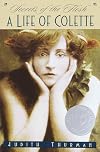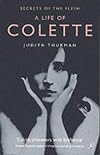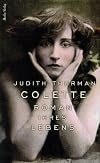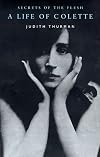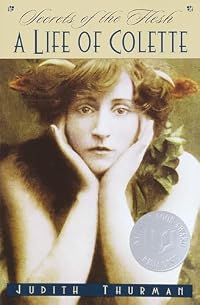
Secrets of the Flesh: A Life of Colette
by Judith Thurman
On This Page
Description
A dazzling biography of the French literary superstar Colette, who is also the subject of a major motion picture. "A fine and intelligent biography of Colette, with her long tumultuous life and the great body of her work scrupulously considered and presented with style."--The New York Times Book Review (Editors' Choice) NATIONAL BOOK AWARD FINALIST * WINNER OF THE LOS ANGELES TIMES BOOK AWARD * NOMINATED FOR THE NATIONAL BOOK CRITICS CIRCLE AWARD Having spent her childhood in the show more shadow of an overpowering mother, Colette escaped at age twenty into a turbulent marriage with the sexy, unscrupulous Willy--a literary charlatan who took credit for her bestselling Claudine novels. Weary of Willy's sexual domination, Colette pursued an extremely public lesbian love affair with a niece of Napoleon's. At forty, she gave birth to a daughter who bored her, at forty-seven she seduced her teenage stepson, and in her seventies she contributed to the pro-Nazi press during the Occupation, even though her beloved third husband, a Jew, had been arrested by the Gestapo. And all the while, this incomparable woman poured forth a torrent of masterpieces, including Gigi, Sido, Cheri, and Break of Day. Judith Thurman, author of the National Book Award-winning biography of Isak Dinesen, portrays Colette as a thoroughly modern woman: frank in her desires, fierce in her passions, forever reinventing herself. Rich with delicious gossip and intimate revelations, shimmering with grace and intelligence, Secrets of the Flesh is one of the great biographies of our time. Chosen as one of the Best Books of the Year by The Village Voice and Newsday "[Colette] has been the subject of . . . a half-dozen significant biographies over the past thirty years. Yet this one by Judith Thurman will be hard to top. . . . Its prose is smoothly urbane, at times aphoristic, always captivating."--The Washington Post Book World "It will stand as literature in its own right."--Richard Bernstein, The New York Times "[An] essential biography by a stylish writer of great sympathetic understanding and intellectual authority."--Philip Roth show lessTags
Recommendations




























Member Reviews
Colette's published works run to nearly 80 volumes. She lived the life of a libertine in fin de siecle France, was active in the first world war, was a showgirl actress and playwright, she lived with her Jewish husband in Paris during the second world war. She had many lovers of both sexes was married three times and at 49 years old she seduced her 16 year old stepson. Towards the end of her life she was the grand dame of French literature and was the first woman to be given a state funeral by the French Republic. Her life is well documented and seven volumes of her letters have been published.
With this wealth of information the would be biographer is spoilt for choice as to how she might slant her book. Perhaps a straight narrative show more life and times, or perhaps a more risque book that dwells on Colette's sex life, perhaps an in-depth analysis of her published works or a focus on how she was viewed by her contemporaries. Judith Thurman has opted for an all encompassing approach skilfully pulling together all these threads to produce a thoughtful and vivid life of this great French author. Colette's story is told in a lively narrative style with enough details of contemporary events/issues in France to give the story the required perspective and to provide the necessary background for the reader. Her major published works are analysed succinctly as they occur in the narrative and consideration is given as to how they fit into the oeuvre. My fears that the "Secrets of the Flesh" title might be an indication of a salacious romp through Colette's sex life were unfounded. This is a well rounded biography.
If I had to describe the underlying approach to this biography I would sat it was psychoanalytical. Thurman attempts to show how the major influences on Colette's life affected the subject matter of her fiction:
she was dominated too early and too long by exploitative masters-first her mother then her husband-.....The rivalry bred of her primitive anxieties-her fathers indifference, her mothers romance with Achille(her son), her feelings of exclusion- was one of Colette's strongest passions, if not her predominate one; and she couldn't avoid, indeed perversely sought to reconstitute, the original love triangles of her child hood in most of her adult relationships and in all her fiction
Thurman says at one point;
she became a young woman with a weakness for bondage and an old woman with a genius for domination
A biography should leave the reader with an impression of it's subject and this one certainly does. Thurman has an obvious admiration for her subject particularly her literary merit and her energy and her desire to "become herself", but this is no panegyric. Thurman says that her life was a "voyage egoiste" and I would add that she seems to me to have been a supreme egoist, greedy for love, for pleasure and of course for food. Like most people there are contradictions and Colette fought hard to make her way in a world dominated by men and yet there is that famous quote about the suffragette movement:
you know what the feminist deserves - the whip and the harem
This is a well researched book with plenty of notes and sources. Use is made throughout of correspondence and other primary sources. Having read it I am now keen to read more of Colette's fiction. A very good biography which I thoroughly enjoyed show less
With this wealth of information the would be biographer is spoilt for choice as to how she might slant her book. Perhaps a straight narrative show more life and times, or perhaps a more risque book that dwells on Colette's sex life, perhaps an in-depth analysis of her published works or a focus on how she was viewed by her contemporaries. Judith Thurman has opted for an all encompassing approach skilfully pulling together all these threads to produce a thoughtful and vivid life of this great French author. Colette's story is told in a lively narrative style with enough details of contemporary events/issues in France to give the story the required perspective and to provide the necessary background for the reader. Her major published works are analysed succinctly as they occur in the narrative and consideration is given as to how they fit into the oeuvre. My fears that the "Secrets of the Flesh" title might be an indication of a salacious romp through Colette's sex life were unfounded. This is a well rounded biography.
If I had to describe the underlying approach to this biography I would sat it was psychoanalytical. Thurman attempts to show how the major influences on Colette's life affected the subject matter of her fiction:
she was dominated too early and too long by exploitative masters-first her mother then her husband-.....The rivalry bred of her primitive anxieties-her fathers indifference, her mothers romance with Achille(her son), her feelings of exclusion- was one of Colette's strongest passions, if not her predominate one; and she couldn't avoid, indeed perversely sought to reconstitute, the original love triangles of her child hood in most of her adult relationships and in all her fiction
Thurman says at one point;
she became a young woman with a weakness for bondage and an old woman with a genius for domination
A biography should leave the reader with an impression of it's subject and this one certainly does. Thurman has an obvious admiration for her subject particularly her literary merit and her energy and her desire to "become herself", but this is no panegyric. Thurman says that her life was a "voyage egoiste" and I would add that she seems to me to have been a supreme egoist, greedy for love, for pleasure and of course for food. Like most people there are contradictions and Colette fought hard to make her way in a world dominated by men and yet there is that famous quote about the suffragette movement:
you know what the feminist deserves - the whip and the harem
This is a well researched book with plenty of notes and sources. Use is made throughout of correspondence and other primary sources. Having read it I am now keen to read more of Colette's fiction. A very good biography which I thoroughly enjoyed show less
And they say we are the selfish generation. These guys (Colette's friends, enemies, etc.) did what they wanted. Drugs, sex, art--believing it was worth it, not paying attention to the rest of the world, not even to their friends, they were takers. Book gives a good pic of the boho life in Paris at the turn of the century and what it became as the bohos aged. Many not well. But they broke down the corsets and lowered the bloomers forever. I guess that's good.
Through my reading of various books and biographies, I have heard of [a:Colette|51575|Colette|https://d.gr-assets.com/authors/1206665516p2/51575.jpg], mostly of her scandalous life, rather than of her writing. I decided that I wanted to know more about her and bought this biography. I wasn't disappointed and was pleased to learn that while she did live a scandal ridden life, she also wrote some of the best French novels of the last century. Having read of her life, I will read some of her novels, starting with what are considered her best, [b:Cheri and The Last of Cheri|89841|Cheri and The Last of Cheri|Colette|https://d.gr-assets.com/books/1426447358s/89841.jpg|1022253]. And if I enjoy them, which I believe I will, I will read some of show more her other novels. show less
For many years I've considered Colette one of my favorite authors. This biography describes her in all her strengths and weaknesses, but even with the negatives, she manages to remain on my favorites list.
I don’t think it is a secret that Collette lead an interesting life. It only stands to reason that her biography would be interesting. I just don’t think it is as interesting as it can be. I couldn’t, with any authority at least, tell you if the facts are all there or a dazzling affair has been omitted. I think it’s all there. What bored and angered me was the attempts to psycho-analyse Collette and when her voice becomes more important then the life of her subject.
I carried on reading because I wanted to know about Colette, not from any joy in reading the biography itself.
I carried on reading because I wanted to know about Colette, not from any joy in reading the biography itself.
my copy is hardcover
Colette, een zinnelijk leven van Judith Thurman is de lijvige biografie van 528 pagina’s van de beroemde Franse schrijfster Colette (1873-1954). Naast schrijfster was ze ook journaliste en actrice en had ze nog even een schooheidsinstituut ook. Ze trouwde drie keer, had een verhouding met de markiezin Mathilde de Morny (‘Missy’) en een verhouding met haar stiefzoon Bertrand de Jouvenel. Het leken mij genoeg ingrediënten voor een mooi verhaal.
Dat klopt. Het is een prima leesbare biografie, zonder dat ik nu meteen getriggerd wordt om heel haar oeuvre te lezen. Haar romans Chéri en Het einde van Chérie heb ik in het verleden met plezier gelezen, maar haar levensloop biedt zelf al genoeg materiaal voor genoeg leesplezier.
Colette show more wordt geboren in een klein dorpje in een gezin van vier kinderen en haar jeugd wordt beheerst door haar moeder, die haar leven lang een belangrijke figuur voor haar zal blijven. Colette trouwt in 1893 met de oudere schrijver Henry Gauthier-Villars (zeg maar ‘Willy’) en ze gaan in Parijs wonen. Colette begint daar te schrijven aan haar Claudine-romans. Dat zijn verhalen met een autobiografisch karakter, vol met onverbloemde erotische verhalen. Willy had al enige naam en de romans worden onder zijn naam gepubliceerd en zijn erg succesvol. Omdat Willy een enorme schuinsmarcheerder is en Colette de romans onder eigen naam wil publiceren eindigt hun relatie in een scheiding.
Colette zoekt haar heil bij de markiezin De Morny ofwel Missy. Ze gaat toneelspelen en hoewel dit allemaal normaal is in onze ogen, lag dit begin 20e eeuw toch wat anders;
Colettes toneelcarrière was een ingewikkelde daad van verzet, van seksuele afvalligheid en van een zekere hoogmoed, waarin de moed en het idealisme van een revolutionair waren vermengd met de woede, de uitbundigheid, de eigenwaan en de onvolwassenheid van een puber. Ze was uit haar huwelijk gestapt, ze leefde met een vrouw en ze was trots op haar lef.
Er volgden spraakmakende optredens in onder meer de Moulin Rouge. Colette publiceert de Claudine-romans nu onder eigen naam en ze is nu een rondtrekkend artieste. Ook vindt ze tijd voor journalistiek werk, schrijft ze film- en toneelkritieken en is ze literair redacteur. Aan de verhouding met Missy komt een eind en ze begint een relatie met Henri de Jouvenel. Hij wordt de vader van haar dochter, Colette-Renée (koosnaam Bel-Gazou). Dat moederschap is niet aan Colette besteed, ze is een volledig passieve moeder. Dat heeft zijn weerslag op haar dochter;
Haar brieven tonen een nog treuriger tegenstelling tussen een bovenmatig levendige en krachtige Colette die afwisselend bezitterig en afstandelijk is, en een Bel-Gazou die zich afwisselend wegcijfert en opstandig toont en die tot nadenken aanzet – de enige manier waarop ze haar moeder kan laten merken dat ze bestaat, is door haar grootste teleurstelling te worden.
Haar journalistieke werk brengt Colette naar het front van de Eerste Wereldoorlog. Opmerkelijk is de luchtige toon van haar verslaggeving; doden komen er niet in voor. Er is wel sprake van angst, maar niet van wanhoop. Ze spreekt over de honger maar niet over de hongerdood. Eigenlijk komt ze nooit in opstand tegen de dwaasheid en gruwel van die oorlog. Ondertussen gaat ze een relatie met haar stiefzoon Bertrand aan en begint ze met haar roman Chérie die bij publicatie terstond een jubelkritiek van de grote schrijver André Gide oplevert.
Zoals vaak leveren dit soort boeken een mooi tijdsbeeld op. De courtisane Liane de Pougy doet er verslag van in haar blauwe dagboeken, het is de wereld van Colette en consorten. Colette is alweer aan haar volgende man toe, Maurice Goudeket. Een stuk jonger dan Colette, maar hij zou tot haar dood bij haar blijven. Goudeket, die in deze bespreking van boekverkoper en schrijver Ad ten Bosch verrassend genoeg ook voorbij kwam. In deze tijd begint Colette haar schoonheidsinstituut, maar dat loopt niet helemaal lekker, terwijl ze toch zo van eigen kunnen overtuigd was;
‘Ik weet zo goed wat men op een doodsbang vrouwengezicht, zo hoopvol in zijn aftakeling, moet smeren. Ik heb zo vaak gestaard naar dat grote landschap, het menselijke gezicht, dat ik niet aarzel erdoorheen te dwalen.’
In de Tweede Wereldoorlog werkt ze gewoon door. Ze is niet echt pro-Duits, maar heeft wel veel contacten in die richting. Dat, terwijl haar man met zijn Joodse afkomst wel degelijk moet vluchten. Het deert de roem van Colette niet. Zij wordt de eerste vrouwelijke voorzitter van de Académie Goncourt, het literaire bolwerk waarvan vrouwen uitgesloten waren volgens wens van de oprichter Edmond de Goncourt. Uiteindelijk zal Colete worden herinnerd als één van de grootste schrijfsters van Frankrijk en wordt ze geëerd met een staatsbegrafenis. Laat ik afsluiten met wat die andere grote schrijfster, Simone de Beauvoir, over Colette zei tegen haar Amerikaanse minnaar Nelson Algren;
Ik neem aan dat je Colette hebt gehoord: ze is de enige echt grote schrijfster in Frankrijk, een echt groot auteur. Ze was ooit een beeldschone vrouw. Ze danste in het variététheater, sliep met vele mannen, schreef pornografische romans en daarna hoogstaande romans…Nu is ze vijfenzeventig jaar en ze heeft nog steeds ongelooflijk fascinerende ogen en een mooi, driehoekig kattengezicht; ze is heel dik, zwak en een beetje doof, maar ze kan verhalen vertellen en glimlachen en schateren op zo’n manier dat niemand het in zijn hoofd zou halen om naar een jongere, mooiere vrouw te kijken.
Vertaling; Annelies Eulen show less
Dat klopt. Het is een prima leesbare biografie, zonder dat ik nu meteen getriggerd wordt om heel haar oeuvre te lezen. Haar romans Chéri en Het einde van Chérie heb ik in het verleden met plezier gelezen, maar haar levensloop biedt zelf al genoeg materiaal voor genoeg leesplezier.
Colette show more wordt geboren in een klein dorpje in een gezin van vier kinderen en haar jeugd wordt beheerst door haar moeder, die haar leven lang een belangrijke figuur voor haar zal blijven. Colette trouwt in 1893 met de oudere schrijver Henry Gauthier-Villars (zeg maar ‘Willy’) en ze gaan in Parijs wonen. Colette begint daar te schrijven aan haar Claudine-romans. Dat zijn verhalen met een autobiografisch karakter, vol met onverbloemde erotische verhalen. Willy had al enige naam en de romans worden onder zijn naam gepubliceerd en zijn erg succesvol. Omdat Willy een enorme schuinsmarcheerder is en Colette de romans onder eigen naam wil publiceren eindigt hun relatie in een scheiding.
Colette zoekt haar heil bij de markiezin De Morny ofwel Missy. Ze gaat toneelspelen en hoewel dit allemaal normaal is in onze ogen, lag dit begin 20e eeuw toch wat anders;
Colettes toneelcarrière was een ingewikkelde daad van verzet, van seksuele afvalligheid en van een zekere hoogmoed, waarin de moed en het idealisme van een revolutionair waren vermengd met de woede, de uitbundigheid, de eigenwaan en de onvolwassenheid van een puber. Ze was uit haar huwelijk gestapt, ze leefde met een vrouw en ze was trots op haar lef.
Er volgden spraakmakende optredens in onder meer de Moulin Rouge. Colette publiceert de Claudine-romans nu onder eigen naam en ze is nu een rondtrekkend artieste. Ook vindt ze tijd voor journalistiek werk, schrijft ze film- en toneelkritieken en is ze literair redacteur. Aan de verhouding met Missy komt een eind en ze begint een relatie met Henri de Jouvenel. Hij wordt de vader van haar dochter, Colette-Renée (koosnaam Bel-Gazou). Dat moederschap is niet aan Colette besteed, ze is een volledig passieve moeder. Dat heeft zijn weerslag op haar dochter;
Haar brieven tonen een nog treuriger tegenstelling tussen een bovenmatig levendige en krachtige Colette die afwisselend bezitterig en afstandelijk is, en een Bel-Gazou die zich afwisselend wegcijfert en opstandig toont en die tot nadenken aanzet – de enige manier waarop ze haar moeder kan laten merken dat ze bestaat, is door haar grootste teleurstelling te worden.
Haar journalistieke werk brengt Colette naar het front van de Eerste Wereldoorlog. Opmerkelijk is de luchtige toon van haar verslaggeving; doden komen er niet in voor. Er is wel sprake van angst, maar niet van wanhoop. Ze spreekt over de honger maar niet over de hongerdood. Eigenlijk komt ze nooit in opstand tegen de dwaasheid en gruwel van die oorlog. Ondertussen gaat ze een relatie met haar stiefzoon Bertrand aan en begint ze met haar roman Chérie die bij publicatie terstond een jubelkritiek van de grote schrijver André Gide oplevert.
Zoals vaak leveren dit soort boeken een mooi tijdsbeeld op. De courtisane Liane de Pougy doet er verslag van in haar blauwe dagboeken, het is de wereld van Colette en consorten. Colette is alweer aan haar volgende man toe, Maurice Goudeket. Een stuk jonger dan Colette, maar hij zou tot haar dood bij haar blijven. Goudeket, die in deze bespreking van boekverkoper en schrijver Ad ten Bosch verrassend genoeg ook voorbij kwam. In deze tijd begint Colette haar schoonheidsinstituut, maar dat loopt niet helemaal lekker, terwijl ze toch zo van eigen kunnen overtuigd was;
‘Ik weet zo goed wat men op een doodsbang vrouwengezicht, zo hoopvol in zijn aftakeling, moet smeren. Ik heb zo vaak gestaard naar dat grote landschap, het menselijke gezicht, dat ik niet aarzel erdoorheen te dwalen.’
In de Tweede Wereldoorlog werkt ze gewoon door. Ze is niet echt pro-Duits, maar heeft wel veel contacten in die richting. Dat, terwijl haar man met zijn Joodse afkomst wel degelijk moet vluchten. Het deert de roem van Colette niet. Zij wordt de eerste vrouwelijke voorzitter van de Académie Goncourt, het literaire bolwerk waarvan vrouwen uitgesloten waren volgens wens van de oprichter Edmond de Goncourt. Uiteindelijk zal Colete worden herinnerd als één van de grootste schrijfsters van Frankrijk en wordt ze geëerd met een staatsbegrafenis. Laat ik afsluiten met wat die andere grote schrijfster, Simone de Beauvoir, over Colette zei tegen haar Amerikaanse minnaar Nelson Algren;
Ik neem aan dat je Colette hebt gehoord: ze is de enige echt grote schrijfster in Frankrijk, een echt groot auteur. Ze was ooit een beeldschone vrouw. Ze danste in het variététheater, sliep met vele mannen, schreef pornografische romans en daarna hoogstaande romans…Nu is ze vijfenzeventig jaar en ze heeft nog steeds ongelooflijk fascinerende ogen en een mooi, driehoekig kattengezicht; ze is heel dik, zwak en een beetje doof, maar ze kan verhalen vertellen en glimlachen en schateren op zo’n manier dat niemand het in zijn hoofd zou halen om naar een jongere, mooiere vrouw te kijken.
Vertaling; Annelies Eulen show less
Dec 29, 2023Dutch
Members
- Recently Added By
Lists

Books Featured on Gilmore Girls
307 works; 21 members

Rory Gilmore Book Club
193 works; 5 members

The Complete Rory Gilmore Reading List
506 works; 5 members

In Our Time books
4,934 works; 2 members
Author Information

Awards and Honors
Awards
Distinctions
Notable Lists
Common Knowledge
- Canonical title*
- Colette een zinnelijk leven
- Original title
- Secrets of the flesh : a life of Colette
- People/Characters
- Colette
- Important places
- Paris, France
- Related movies*
- Colette van Wash Westmoreland (2018)
- Blurbers
- Roth, Philip; Howard, Richard; Strouse, Jean
*Some information comes from Common Knowledge in other languages. Click "Edit" for more information.
Classifications
- Genres
- Biography & Memoir, Literature Studies and Criticism
- DDC/MDS
- 848.91209 — Literature & rhetoric French Literature French miscellaneous writings 1900- 1900-1999 1900-1945 Individual authors
- LCC
- PQ2605 .O28 .Z836 — Language and Literature French, Italian, Spanish and Portuguese literatures French literature Modern literature 1900-1960
- BISAC
Statistics
- Members
- 706
- Popularity
- 40,140
- Reviews
- 8
- Rating
- (3.66)
- Languages
- 7 — Danish, Dutch, English, Finnish, French, German, Spanish
- Media
- Paper, Audiobook, Ebook
- ISBNs
- 17
- ASINs
- 6