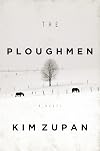
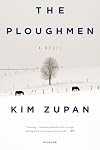
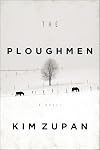
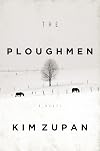
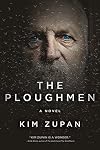
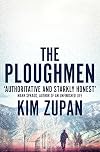
The Ploughmen
by Kim Zupan
On This Page
Description
Steeped in a lonesome Montana landscape as unyielding and raw as it is beautiful, Kim Zupan's The Ploughmen is a new classic in the literature of the American West. At the center of this searing fever-dream of a novel are two men--a killer awaiting trial and a troubled young deputy--sitting across from each other in the dark, talking through the bars of a county jail cell: John Gload, so brutally adept at his craft that only now, at the age of seventy-seven, has he faced the prospect of show more long-term incarceration; and Valentine Millimaki, low man in the Copper County sheriff's department, who draws the overnight shift after Gload's arrest. With a disintegrating marriage further collapsing under the strain of his night duty, Millimaki finds himself seeking counsel from a man whose troubled past shares something essential with his own. Their uneasy friendship takes a startling turn with a brazen act of violence that yokes together the two haunted souls by the secrets they share--and by the rugged country that keeps them. show lessTags
Recommendations
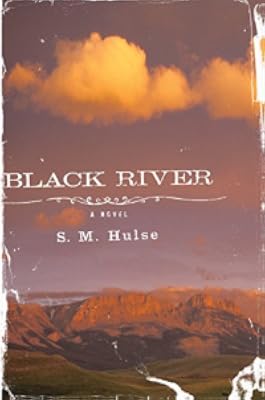
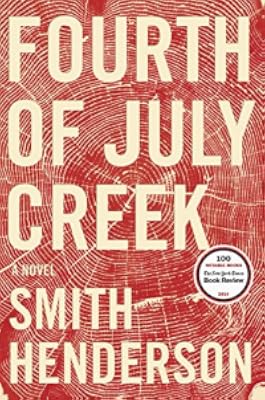
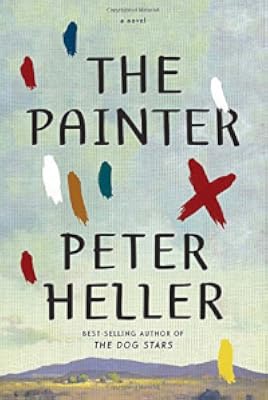
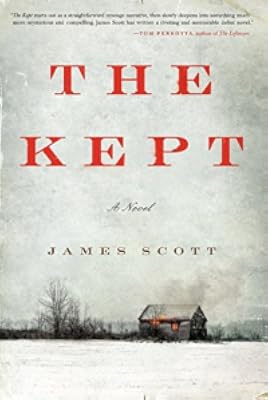

Member Recommendations
Tanya-dogearedcopy Pages are filled with descriptive prose of stark landscapes, and a slow rhythmic pace.
Member Reviews
This book is as dark as they come, but it is so beautifully and lyrically written, that at times you forget the back story as you read. The book is about an old convict by the name of John Gload. When the book opens, Gload is 77 years old. He has just been taken into custody for robbery and the death and dismemberment of a young man. Gload is in a holding prison awaiting his trial. Valentine Millimaki is a young policeman who has drawn the short straw and has been tasked by his boss the sheriff to sit with Gload to see if he can get the old man to reveal some of the burial places for the people that he has killed. The law enforcement in this small town in Montana know that there are probably many bodies buried out somewhere in the show more Montana countryside. The plot progresses through nighttime conversations between Gload and young Valentine. In almost a dreamlike, fugue state we learn of the past life of this formidable old man. Valentine finds himself being drawn into Gload's dark world, and his private and personal life suffer as a result of his late night chats. Gload sits in his cell smoking endless cigarettes and Valentine sits outside the cell door while they talk. A very bizarre intimacy develops between these two men. Zupan is an incredible storyteller, and his character building skills are very well developed. Not at any time while reading this haunting book, did I question any of his plot connections or his storyline timetable. The novel s so lyrically and masterfully written that when violence does erupt in the story, it is shocking and extremely unnerving. Watching the inexplicable bond that develops between this old psychopathic killer and the young deputy clearly portrays the difference between good and evil. And through it all Zupan does not neglect his portrayal of the Montana countryside. The beauty of the landscape makes the story itself even more surprising. This is a first novel that left me anxiously waiting for the next book that Zupan will write. show less
Kim Zupan's first novel, THE PLOUGHMEN, is one of those fiction debuts that just seems to appear suddenly out of nowhere and then proceeds to quietly blow you away. It's one of those "Holy-crap-this-guy-can-write!" kinda books.
I'm not even sure how to adequately describe Zupan's book. On the surface it's about two men as unalike as two men can be: Valentine Millimaki, a young deputy sheriff and John Gload, an aging cold-blooded killer. And yet there are similarities. Both lost parents at a young age, both came from poor farming backgrounds (hence the title). Beyond these things, however, they have lived vastly different lives. Val is a thinker of deep thoughts, a man of conscience. Gload is an opportunistic, passionless career murderer show more who lives quietly in a neglected apple orchard on a dead-end road outside Great Falls. Val is the night jailer, tasked with watching Gload as he awaits trial. He is also (with his dog, Tom) the sheriff's department's expert tracker of missing persons, another unhappy duty, as few are ever found alive. The odd hours and morbid consequences of these duties combine to ruin his marriage. Val's boss, the sheriff, sees it happening and, in trying to offer counsel, gives a pretty concise description of the difficulties of marriage, particularly for a police officer -
"The department is a testing ground for marital Darwinism, Val. This is what we do, one might say what we love to do, but it is frequently opposed to, or at least makes difficult the husbanding of marriage ... Maybe it's just luck. Or chance, whatever you choose to call it. I've seen it a hundred times. Who you marry just turns out to be some other person after a while. Grows up into somebody else. Not better or worse. Just different."
Besides this overworked wise sheriff, Zupan creates other less likeable secondary characters: deputies Dobek and Wexler. The latter, a cocky, preening ambitious little prick, will bring to mind that sleazy little assistant jailer from THE GREEN MILE.
And there are the women too: Val's mother, his wife, and even Gload's "wife," all victims, finally, of various kinds of failure, societal roles, isolation and loneliness.
There is a recurring motif of apples here. Val's knowledge of and fondness for apples, and the ruined orchard that surrounds Gload's house, an orchard containing bones and secrets. One thinks of Eden and the tree of knowledge of good and evil, the loss of paradise. The end of innocence.
Gload is a piece of work: huge, brutal,conscienceless, he has killed multiple times over a period of nearly sixty years. And he is thorough in covering his tracks and in rendering his victims unidentifiable through methodical mutilation. There is a passage here where Gload asks Val the meaning of a word used to describe him during his trial: turpitude. Val looks it up for him and tells him, "depravity, baseness." Perhaps. And yet there is something in the man Gload that fascinates and compels. Val feels it, and so did I. And therein lies the magic of this book. Zupan is a master of language, of characterization and description.
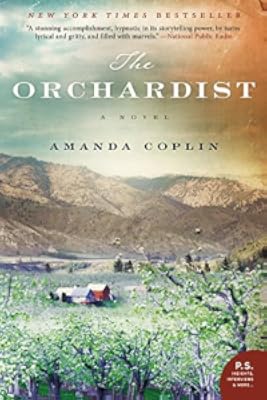
Other books which came to mind as I read this one were John Smolens' suspenseful COLD, about another lawman (also a Finn, Del Maki) pursuing an escaped prisoner across the unforgiving winter landscape of Michigan's Upper Peninsula; and Amanda Coplin's beautifully crafted western novel, THE ORCHARDIST.
THE PLOUGHMEN is simply one teriffic novel. Definitely one of those "holy crap" discoveries that booklovers are always on the lookout for. I will pester all my reader friends about this book. My highest recommendation. show less
I'm not even sure how to adequately describe Zupan's book. On the surface it's about two men as unalike as two men can be: Valentine Millimaki, a young deputy sheriff and John Gload, an aging cold-blooded killer. And yet there are similarities. Both lost parents at a young age, both came from poor farming backgrounds (hence the title). Beyond these things, however, they have lived vastly different lives. Val is a thinker of deep thoughts, a man of conscience. Gload is an opportunistic, passionless career murderer show more who lives quietly in a neglected apple orchard on a dead-end road outside Great Falls. Val is the night jailer, tasked with watching Gload as he awaits trial. He is also (with his dog, Tom) the sheriff's department's expert tracker of missing persons, another unhappy duty, as few are ever found alive. The odd hours and morbid consequences of these duties combine to ruin his marriage. Val's boss, the sheriff, sees it happening and, in trying to offer counsel, gives a pretty concise description of the difficulties of marriage, particularly for a police officer -
"The department is a testing ground for marital Darwinism, Val. This is what we do, one might say what we love to do, but it is frequently opposed to, or at least makes difficult the husbanding of marriage ... Maybe it's just luck. Or chance, whatever you choose to call it. I've seen it a hundred times. Who you marry just turns out to be some other person after a while. Grows up into somebody else. Not better or worse. Just different."
Besides this overworked wise sheriff, Zupan creates other less likeable secondary characters: deputies Dobek and Wexler. The latter, a cocky, preening ambitious little prick, will bring to mind that sleazy little assistant jailer from THE GREEN MILE.
And there are the women too: Val's mother, his wife, and even Gload's "wife," all victims, finally, of various kinds of failure, societal roles, isolation and loneliness.
There is a recurring motif of apples here. Val's knowledge of and fondness for apples, and the ruined orchard that surrounds Gload's house, an orchard containing bones and secrets. One thinks of Eden and the tree of knowledge of good and evil, the loss of paradise. The end of innocence.
Gload is a piece of work: huge, brutal,conscienceless, he has killed multiple times over a period of nearly sixty years. And he is thorough in covering his tracks and in rendering his victims unidentifiable through methodical mutilation. There is a passage here where Gload asks Val the meaning of a word used to describe him during his trial: turpitude. Val looks it up for him and tells him, "depravity, baseness." Perhaps. And yet there is something in the man Gload that fascinates and compels. Val feels it, and so did I. And therein lies the magic of this book. Zupan is a master of language, of characterization and description.
Other books which came to mind as I read this one were John Smolens' suspenseful COLD, about another lawman (also a Finn, Del Maki) pursuing an escaped prisoner across the unforgiving winter landscape of Michigan's Upper Peninsula; and Amanda Coplin's beautifully crafted western novel, THE ORCHARDIST.
THE PLOUGHMEN is simply one teriffic novel. Definitely one of those "holy crap" discoveries that booklovers are always on the lookout for. I will pester all my reader friends about this book. My highest recommendation. show less
 This review was written for LibraryThing Early Reviewers.
As luck would have it I read this book on a trip to western Montana, including Missoula. The novel is set around Missoula, and the landscape becomes almost a character in its own right. This novel is amazing, tracking the interaction between a sheriff and killer. The murderer especially crackles off the page, the most haunting character I've read since Anton Chigurh in McCarthy's _No Country for Old Men_.
The sheriff's introspection as the relationship between the two men develops is especially well done. I couldn't stop reading, finishing after midnight, regretting it all the while as the pages remaining dwindled. I didn't want this book to end.
The sheriff's introspection as the relationship between the two men develops is especially well done. I couldn't stop reading, finishing after midnight, regretting it all the while as the pages remaining dwindled. I didn't want this book to end.
This review was written for LibraryThing Early Reviewers.A young deputy's and an old killer's story run in parallel in this Montana set modern western. The deputy, Valentine Millimaki, is committed to his job and searching for missing people in the wilderness. He and his German Shepard have been on a rather depressing streak with most of the searches ending up in recovery rather than rescue. His relationship with his wife is also in a downward spiral. He is befriended by a recently arrested multiple killer, John Gload and is tasked with escorting him to trial and night shifts at the jail babysitting the prisoners. The two spend many nights talking through the prison bars and both struggle with insomnia. The two are polar opposites -- good and very evil, yet they form an awkward relationship. show more Chapters drift back and forth from the past to the present, and more detail is presented on each character. What would seem to be a very dark novel in a harsh climate is redeemed by the author's language. Zupan uses his words to bring light on an otherwise dark story. Even Gload, who would be dismissed as unworthy of any consideration as a human being may not be likable, but he becomes understandable. An excellent book where noir meets literature. show less
Set mostly in the beautiful Big Sky country of Montana in 2004, the two plowmen in the tile of this book are Val Millimaki and John Gload. Val is a young deputy sheriff, and John is a remorseless 77-year-old mass murderer. John is currently being housed in the Copper County jail while his trial is taking place. Val is assigned the graveyard shift responsible for taking care of and guarding the jail’s odd assortment of temporary prisoners.
Most of the inmates sleep during Val’s shift, but John Gload has persistent insomnia. He talks, and Val—being the kind and respectful person he is—listens. Before long, the two men discover that they have something singularly significant in common: as teenagers in the sunshine of their show more innocence, above all else, they enjoyed the farm task of plowing their fathers’ fields. They reveled in the solitary freedom, enormous power, and Zen-like monotony of plowing.
Val and John also share another very important thing in common: each lost a beloved parent while still a child…and for each that event market the end of their childhoods and the end of anything that either could call a normal life.
But that’s where the similarities end. In temperament and personality, Val and John are complete opposites. John is a psychopath born without the ability to feel empathy, while Val is an empath, feeling empathy for everything and everyone on the planet.
As the nightly conversations between Val and John continue, Val’s boss encourages him to do all he can to befriend the murderer and manipulate him into revealing something important that could help them with his conviction. But what kind of friendship is possible between these two?
And then there are the womenfolk in each man’s life: John’s common-law wife, Francie, and Val’s young wife, Glenda. How do these women relate to the men in their lives? How do these men treat their women? Why does Glenda accuse Val—a man of abundant sensitivity and empathy—of “emotional absence” insofar as their marriage is concerned?
Val had so much empathy and understanding that in thinking about John and all the murders he’s committed, Val ponders whether John “was somehow exempt from responsibility,” perhaps he “could no more be blamed than a child born without feet could be blamed for his inability to run.” But Val is also wisely wary of the small kindnesses that John bestows on him. Val realizes that “like the webbed and blunted limbs of thalidomide children”…John’s kindnesses made him “more pitiable for the reminder of what” he might have “been like to be whole.” Val knows that “you can’t be friends with somebody who you think might cut your throat if the opportunity arose.”
This is a book that must be read very carefully and closely. Often only one word can mean the difference between understanding a key passage and failing to catch what is happening. Kim Zupan is a gifted wordsmith. Every word on every page counts. The lion’s share of the pleasure I derived from this book was enjoying Zupan’s literary skill.
Other reviewers have remarked that the author reminded them of Marilyn Robinson (“Housekeeping”) and Cormac McCarthy (“The Road”). I agree. In addition, Zupan reminded me of other great Western literary giants like Ivan Doig (“The Bartender’s Tale”) and Rick Bass (“All the Land to Hold Us”). While Zupan can certainly be measured in this company, in my opinion, he is not yet equal with them, but he is definitely close.
When you finish this book, you’ll be asking yourself many questions about the nature of friendship and whether or not Val and John were truly friends? In fact, you’ll keep asking yourself: what is friendship? Yes, that is an interesting question to ponder…and this is a magnificent book to read.
[Added note: I almost rated this book four rather than five stars. This was because I wanted the author’s to take me inside the minds of his two characters as they thought about their feelings. Then, as soon as I had that thought, I realized that I was biased—yes, biased because I am a woman. One of the fascinating difference between men and women is that men generally reveal feelings through actions, while women reveal them through words. As a woman reading this book, I wanted more words about feelings. But that would not have been true to these two main characters. They were both men—men who didn’t think about their feelings, they just acted on them. I went back over the book and realized that the men’s actions spoke volumes about their feelings. In the end, it was me who learned a pretty significant lesson…and for that I am pleased.] show less
Most of the inmates sleep during Val’s shift, but John Gload has persistent insomnia. He talks, and Val—being the kind and respectful person he is—listens. Before long, the two men discover that they have something singularly significant in common: as teenagers in the sunshine of their show more innocence, above all else, they enjoyed the farm task of plowing their fathers’ fields. They reveled in the solitary freedom, enormous power, and Zen-like monotony of plowing.
Val and John also share another very important thing in common: each lost a beloved parent while still a child…and for each that event market the end of their childhoods and the end of anything that either could call a normal life.
But that’s where the similarities end. In temperament and personality, Val and John are complete opposites. John is a psychopath born without the ability to feel empathy, while Val is an empath, feeling empathy for everything and everyone on the planet.
As the nightly conversations between Val and John continue, Val’s boss encourages him to do all he can to befriend the murderer and manipulate him into revealing something important that could help them with his conviction. But what kind of friendship is possible between these two?
And then there are the womenfolk in each man’s life: John’s common-law wife, Francie, and Val’s young wife, Glenda. How do these women relate to the men in their lives? How do these men treat their women? Why does Glenda accuse Val—a man of abundant sensitivity and empathy—of “emotional absence” insofar as their marriage is concerned?
Val had so much empathy and understanding that in thinking about John and all the murders he’s committed, Val ponders whether John “was somehow exempt from responsibility,” perhaps he “could no more be blamed than a child born without feet could be blamed for his inability to run.” But Val is also wisely wary of the small kindnesses that John bestows on him. Val realizes that “like the webbed and blunted limbs of thalidomide children”…John’s kindnesses made him “more pitiable for the reminder of what” he might have “been like to be whole.” Val knows that “you can’t be friends with somebody who you think might cut your throat if the opportunity arose.”
This is a book that must be read very carefully and closely. Often only one word can mean the difference between understanding a key passage and failing to catch what is happening. Kim Zupan is a gifted wordsmith. Every word on every page counts. The lion’s share of the pleasure I derived from this book was enjoying Zupan’s literary skill.
Other reviewers have remarked that the author reminded them of Marilyn Robinson (“Housekeeping”) and Cormac McCarthy (“The Road”). I agree. In addition, Zupan reminded me of other great Western literary giants like Ivan Doig (“The Bartender’s Tale”) and Rick Bass (“All the Land to Hold Us”). While Zupan can certainly be measured in this company, in my opinion, he is not yet equal with them, but he is definitely close.
When you finish this book, you’ll be asking yourself many questions about the nature of friendship and whether or not Val and John were truly friends? In fact, you’ll keep asking yourself: what is friendship? Yes, that is an interesting question to ponder…and this is a magnificent book to read.
[Added note: I almost rated this book four rather than five stars. This was because I wanted the author’s to take me inside the minds of his two characters as they thought about their feelings. Then, as soon as I had that thought, I realized that I was biased—yes, biased because I am a woman. One of the fascinating difference between men and women is that men generally reveal feelings through actions, while women reveal them through words. As a woman reading this book, I wanted more words about feelings. But that would not have been true to these two main characters. They were both men—men who didn’t think about their feelings, they just acted on them. I went back over the book and realized that the men’s actions spoke volumes about their feelings. In the end, it was me who learned a pretty significant lesson…and for that I am pleased.] show less
Okay, just so there is no misunderstanding, I thoroughly and completely enjoyed this book. Without hesitation, I can tell you that it's easily one of, if not the, best book I've read this year. Yup, I enjoyed it that much. A solid 4 1/2 stars. And, I don't give out stars as easily as some do.
Maybe I misunderstood. Maybe I just read what I wanted to read, but the book jacket would almost have you believe that this book is a western, when it is not. This book is set in the west, but the current west and not the 1800s. There are no shootouts at the city corral, and no stage coach robberies. This is the story about a psychopathic killer in the modern USA and the relationship he develops with a deputy sheriff once he is caught. It's a show more simple plot with many twists and turns, flashbacks and happenings. It's brutal in spots, but not overly done. This novel is beautifully written.
I do have to mention that I believe that the author, Kim Zupan, was playing a game with his editor and his readers by periodically inserting the longest sentences that I have seen since I was in the fourth grade. Here's an example:
She had been married to an Air Force major and they’d lived on the base east of the town, a sprawling city-state of tarmac and austere cinder-block buildings where the green of lawns and trees after the brief springtimes faded quickly to the color of the prairie and the window glass in the identical houses shuddered under the bellowing of lumbering cargo jets and where she one day awoke to find the major gone.
And another:
What he didn’t say was that he welcomed the solitary time within the drone of the engine to think, apart from the room he still shared with his sister or the quiet moments at the supper table where his father’s silence broadcast nonetheless a tirade of bone-deep guilt and loneliness and accusation, his eyes from their shadowed hollows radiating a look of grim wonderment at the type of creature sprung from his own loins who could so placidly compose his mother on the floor of a chicken shed and fit slippers on her feet.
Anyway, I know that I enjoyed this book because I was really, really sad when I reached the end. I wanted it to go on, continue for a few more chapters, introduce some additional characters, finish off some that were already introduced. I loved this book folks, and I'm still sad while writing this review. show less
Maybe I misunderstood. Maybe I just read what I wanted to read, but the book jacket would almost have you believe that this book is a western, when it is not. This book is set in the west, but the current west and not the 1800s. There are no shootouts at the city corral, and no stage coach robberies. This is the story about a psychopathic killer in the modern USA and the relationship he develops with a deputy sheriff once he is caught. It's a show more simple plot with many twists and turns, flashbacks and happenings. It's brutal in spots, but not overly done. This novel is beautifully written.
I do have to mention that I believe that the author, Kim Zupan, was playing a game with his editor and his readers by periodically inserting the longest sentences that I have seen since I was in the fourth grade. Here's an example:
She had been married to an Air Force major and they’d lived on the base east of the town, a sprawling city-state of tarmac and austere cinder-block buildings where the green of lawns and trees after the brief springtimes faded quickly to the color of the prairie and the window glass in the identical houses shuddered under the bellowing of lumbering cargo jets and where she one day awoke to find the major gone.
And another:
What he didn’t say was that he welcomed the solitary time within the drone of the engine to think, apart from the room he still shared with his sister or the quiet moments at the supper table where his father’s silence broadcast nonetheless a tirade of bone-deep guilt and loneliness and accusation, his eyes from their shadowed hollows radiating a look of grim wonderment at the type of creature sprung from his own loins who could so placidly compose his mother on the floor of a chicken shed and fit slippers on her feet.
Anyway, I know that I enjoyed this book because I was really, really sad when I reached the end. I wanted it to go on, continue for a few more chapters, introduce some additional characters, finish off some that were already introduced. I loved this book folks, and I'm still sad while writing this review. show less
Rarely do I abandon a book I receive from the Early Reviewer program on LibraryThing, but I gave this three tries in 4 months and finally threw in the towel. I wanted to read this - the story line sounded intriguing, and the setting is one I normally enjoy:
"A young sheriff and a hardened killer form an uneasy and complicated bond in this mesmerizing first novel set on the plains of Montana
Steeped in a lonesome Montana landscape as unyielding and raw as it is beautiful, Kim Zupan's The Ploughmen is a new classic in the literature of the American West."
The prose was so overblown, stilted and contrived that I COULD NOT READ IT. I had two other trusted reader friends try it and they both handed it back after a few days and said what show more amounted to YUCK. Mr/Ms Zupan needed an editor who wasn't afraid to point out that all sentences don't need to be compound, that adjectives don't all have to be multisyllabic, and that not all readers are going to want to stop a dozen times per page to look up a new word. A shame, because I have a feeling the story is a good one. show less
"A young sheriff and a hardened killer form an uneasy and complicated bond in this mesmerizing first novel set on the plains of Montana
Steeped in a lonesome Montana landscape as unyielding and raw as it is beautiful, Kim Zupan's The Ploughmen is a new classic in the literature of the American West."
The prose was so overblown, stilted and contrived that I COULD NOT READ IT. I had two other trusted reader friends try it and they both handed it back after a few days and said what show more amounted to YUCK. Mr/Ms Zupan needed an editor who wasn't afraid to point out that all sentences don't need to be compound, that adjectives don't all have to be multisyllabic, and that not all readers are going to want to stop a dozen times per page to look up a new word. A shame, because I have a feeling the story is a good one. show less
This review was written for LibraryThing Early Reviewers.Members
- Recently Added By
Lists

Fiction Set Primarily in a Prison
52 works; 24 members

Spooky United States: The Scariest Books Set in Each State
50 works; 3 members
Author Information

3+ Works 269 Members
Awards and Honors
Awards
Distinctions
Common Knowledge
- Canonical title
- The Ploughmen
Classifications
Statistics
- Members
- 258
- Popularity
- 125,749
- Reviews
- 29
- Rating
- (3.78)
- Languages
- English, German
- Media
- Paper, Audiobook, Ebook
- ISBNs
- 15
- ASINs
- 5