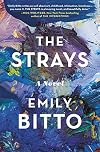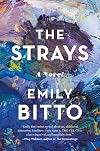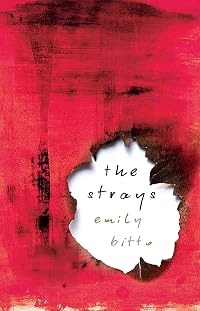
The Strays
by Emily Bitto
On This Page
Description
On her first day at a new school, Lily befriends one of the daughters of infamous avant-garde painter Evan Trentham. He and his wife are trying to escape the stifling conservatism of 1930s Australia by inviting other like-minded artists to live and work at their family home. Lily becomes infatuated with this wild, makeshift family and longs to truly be part of it. As the years pass, Lily observes the way the lives of these artists come to reflect the same themes as their art: Faustian show more bargains and spectacular falls from grace. Yet it's not Evan, but his daughters, who pay the price for his radicalism. An engrossing story of ambitions, sacrifice, and compromised loyalties. -- show lessTags
Recommendations



















Member Recommendations

doryfish An outsider is drawn to a bohemian family with tragic results.
Member Reviews
Bitto writes with visceral elegance — you can almost smell the turps and oil paints, feel the sunburnt Australian air and hear the slurry of nightly conversation in this artists’ commune.
I loved the parallel in this story of Lily, the wide-eyed teenager who is drawn to this ramshackle house and its noisy community of artists, to the quiet observer in a gallery taking in a spectacle of brave and exuberant work by a new modernist painter.
I loved the parallel in this story of Lily, the wide-eyed teenager who is drawn to this ramshackle house and its noisy community of artists, to the quiet observer in a gallery taking in a spectacle of brave and exuberant work by a new modernist painter.
This is why I hate getting behind on reviews. On one hand, a little time to reflect on a book is great for processing. On the other, too much time is simply too much. It's been more than six weeks since I finished Emily Bitto's The Strays, and now I'm struggling to remember what I liked and didn't like. I guess what remains in my mind is what was most impactful, whether if provides a full assessment or not. So what do I remember...
I remember that I loved the atmosphere. There was a quaint tension underlying the entire story. It was a place where I as a reader wanted to physically go to, and yet I couldn't wait to leave. Something was wrong, yet I couldn't help but enjoy the stay. It reminded me of Ian McEwan's Atonement. In the first show more part of McEwan's novel, there is a celestial quality to the Tallis house and the grounds surrounding it that reminded me of innocence; yet underneath it all was this horrible feeling of dread. It was an intriguing place to find oneself. That same feeling populates The Strays in its entirety.
I remember that I didn't quite understand the relationship Lily had with her family. Did they really care so little that they would let their only child live completely apart from them? Was she so bored with her family that she so easily forgot about them? It was actually jarring when Lily's parents made an appearance: oh yes, she has a family, I almost forgot.
I remember anticipating the ending with great zeal. It was obvious that The Strays was building up to something big. The ominous present-day reflections, the increasing tension underlying the slowly building story, these contributed to several nights of going to bed long after my bedtime. This is a wonderful quality to have in a novel, but it can lead to a bit letdown. And despite the enjoyment I had reading The Strays, I did feel that the “big reveal” was anything but big. I remember the letdown, but I also remember the wonderful ride getting to the top.
That, for what it is worth, is what I remember about The Strays. show less
I remember that I loved the atmosphere. There was a quaint tension underlying the entire story. It was a place where I as a reader wanted to physically go to, and yet I couldn't wait to leave. Something was wrong, yet I couldn't help but enjoy the stay. It reminded me of Ian McEwan's Atonement. In the first show more part of McEwan's novel, there is a celestial quality to the Tallis house and the grounds surrounding it that reminded me of innocence; yet underneath it all was this horrible feeling of dread. It was an intriguing place to find oneself. That same feeling populates The Strays in its entirety.
I remember that I didn't quite understand the relationship Lily had with her family. Did they really care so little that they would let their only child live completely apart from them? Was she so bored with her family that she so easily forgot about them? It was actually jarring when Lily's parents made an appearance: oh yes, she has a family, I almost forgot.
I remember anticipating the ending with great zeal. It was obvious that The Strays was building up to something big. The ominous present-day reflections, the increasing tension underlying the slowly building story, these contributed to several nights of going to bed long after my bedtime. This is a wonderful quality to have in a novel, but it can lead to a bit letdown. And despite the enjoyment I had reading The Strays, I did feel that the “big reveal” was anything but big. I remember the letdown, but I also remember the wonderful ride getting to the top.
That, for what it is worth, is what I remember about The Strays. show less
"That garden. I still wander in dreams between the pale gray pillars of the lemon-scented gums, the eucalyptus citriodoras, towering out of mist, gigantic as they appeared to me as a child in that magical place."
It’s the kind of book that makes you (1) want to just read and read and read because it is that good; (2) feel like you shouldn’t read it so fast because it is a book to be savoured and sipped.
Also, this is a debut novel. Which means that while I may indeed look forward to what else Bitto may be writing, there is also nothing else of hers that I can read right now. However, it is such a good novel that it won the Stellar Prize in 2015, an award for women’s writing.
I have told you all this but I haven’t actually said much show more about the story itself.
It is set in Melbourne, and its narrator is Lily, an outsider of sorts. She is the very best friend of Eva, a girl she meets in school. Eva is the middle daughter of an avant-garde painter, who lives in a rambling old house with his family and an assortment of other painters, a community of artists his wife has constructed.
Helena, Eva’s mother, is more interested in her relationship with these artists than in her children, who are left to their own devices, entertaining themselves and often having to scrounge for their own food from the adults’ dinner party leftovers. Bea, the eldest, takes charge, Eva is like Switzerland, and her younger sister Heloise is strange. Then Lily, whose father is in an accident, comes to stay for a while.
“It was true; now, more than ever, the girls were left to their own devices, allowed to create their own small democracy in which law would always be decided by age or the ability to make the loudest protest, in which Beatrice was inevitably the ruler, eloise was teh rowdy proletariat, uprising and changing the course of a decision with her sheer vociferousness, and Eva was the silent majority, usually happy to keep the peace. If the addition of Ugo, of even one extra member of the household, had its effects, throwing still more off-balance the already rudderless boat that was the Trenthams’ family life, imagine the extent of their freedom and neglect when another three individuals were added to the household. Two of these were Maria and Jerome, the new members of the Melbourne Modern Art Group. The other was myself.”
It is a strange story. A stranger within their midst, yet wholly more comfortable there than she ever is with her own family. A life so extraordinary compared to the plain normal-ness of her suburban family life. With a mother who smell of “cigarettes and a heavy floral perfume, not the kitchen and laundry scents exuded by my mother”. And by a father “put together from mismatched stuff”. “like a rubber band stretched tight and close to snapping”. And the freedom to wander and do anything and everything. Freedom or neglect, one might wonder.
I loved the devoted friendship between Eva and Lily
“Yet it was the ordinariness itself that made my days with Eva beautiful. The way we grew together; the way our hearts were known to each other, and our lives, I believed, joined forever in a lazy flow of days.”
The beginning of the book hints at a fracture in the relationship – they have not spoken in years, these two who were once best of friends, and it is much later in the story that all is revealed (and I shall not reveal it here). But for me, it is not about that aspect of the plot that this book is about (also it happens off-stage, in a sense, so it loses its dramatic edge), it is about those halcyon days of childhood and freedom and exploration, in a world so unlike Lily’s own, and probably so unlike the reader’s own. It’s a bit fairytale like, but in a dark way. It made me think a little of Merricat and Constance in Shirley Jackson’s We Have Always Lived in the Castle.
A gorgeously written, lyrical book about family, friendship, and the creative life. Also, a very good read.
Originally posted at https://reallifereading.com/2017/04/30/the-strays-emily-bitto/ show less
It’s the kind of book that makes you (1) want to just read and read and read because it is that good; (2) feel like you shouldn’t read it so fast because it is a book to be savoured and sipped.
Also, this is a debut novel. Which means that while I may indeed look forward to what else Bitto may be writing, there is also nothing else of hers that I can read right now. However, it is such a good novel that it won the Stellar Prize in 2015, an award for women’s writing.
I have told you all this but I haven’t actually said much show more about the story itself.
It is set in Melbourne, and its narrator is Lily, an outsider of sorts. She is the very best friend of Eva, a girl she meets in school. Eva is the middle daughter of an avant-garde painter, who lives in a rambling old house with his family and an assortment of other painters, a community of artists his wife has constructed.
Helena, Eva’s mother, is more interested in her relationship with these artists than in her children, who are left to their own devices, entertaining themselves and often having to scrounge for their own food from the adults’ dinner party leftovers. Bea, the eldest, takes charge, Eva is like Switzerland, and her younger sister Heloise is strange. Then Lily, whose father is in an accident, comes to stay for a while.
“It was true; now, more than ever, the girls were left to their own devices, allowed to create their own small democracy in which law would always be decided by age or the ability to make the loudest protest, in which Beatrice was inevitably the ruler, eloise was teh rowdy proletariat, uprising and changing the course of a decision with her sheer vociferousness, and Eva was the silent majority, usually happy to keep the peace. If the addition of Ugo, of even one extra member of the household, had its effects, throwing still more off-balance the already rudderless boat that was the Trenthams’ family life, imagine the extent of their freedom and neglect when another three individuals were added to the household. Two of these were Maria and Jerome, the new members of the Melbourne Modern Art Group. The other was myself.”
It is a strange story. A stranger within their midst, yet wholly more comfortable there than she ever is with her own family. A life so extraordinary compared to the plain normal-ness of her suburban family life. With a mother who smell of “cigarettes and a heavy floral perfume, not the kitchen and laundry scents exuded by my mother”. And by a father “put together from mismatched stuff”. “like a rubber band stretched tight and close to snapping”. And the freedom to wander and do anything and everything. Freedom or neglect, one might wonder.
I loved the devoted friendship between Eva and Lily
“Yet it was the ordinariness itself that made my days with Eva beautiful. The way we grew together; the way our hearts were known to each other, and our lives, I believed, joined forever in a lazy flow of days.”
The beginning of the book hints at a fracture in the relationship – they have not spoken in years, these two who were once best of friends, and it is much later in the story that all is revealed (and I shall not reveal it here). But for me, it is not about that aspect of the plot that this book is about (also it happens off-stage, in a sense, so it loses its dramatic edge), it is about those halcyon days of childhood and freedom and exploration, in a world so unlike Lily’s own, and probably so unlike the reader’s own. It’s a bit fairytale like, but in a dark way. It made me think a little of Merricat and Constance in Shirley Jackson’s We Have Always Lived in the Castle.
A gorgeously written, lyrical book about family, friendship, and the creative life. Also, a very good read.
Originally posted at https://reallifereading.com/2017/04/30/the-strays-emily-bitto/ show less
This was a stunner of a novel. Bitto perfectly captured, through gorgeous language, the languid beauty of childhood, where wonder can be found around every corner. Her fuzzy use of narrative details at times felt frustrating, but also stayed incredibly true to the experience of a child recounting a story that she doesn't fully understand. This will absolutely be one of the best I read this year.
I've never been completely convinced Australia exists. I've met many Australians, I've know non-Australians who have been to Australia, I watched a lot of Heartbreak High when it aired on Showcase in the 90s. So, rationally, I know Australia exists, but if Australia were to suddenly be like "Psych!", I could totally see where that was coming from.
All this to say that The Strays is set in Australia. But it doesn't feel like Australia. It feels like the setting could be anywhere. Like rationally knowing Australia exists, I rationally know that books from Australia don't all need to feature kangaroos and Ned Kelly, but then I read a book set in Australia with nary one mention of a koala and I'm like "Hmmm...are we sure this is in show more Australia? Just because the book references Melbourne and Sydney and says a few times that they are in Australia, do I really believe this book is set in Australia?" So, again, if The Strays were to suddenly be like "Psych!", I could totally see where that was coming from.
(And, I mean, for goodness' sake, I'm Canadian, I read plenty of Can-Lit, and I hardly expect every book set in Canada that I read to feature igloos and polar bears and poutine. I feel I am somehow mentally deficient in all things Aussie. Do I need to eat more some (because I've never managed to put even a little near my mouth) Vegemite? Why can't my brain comprehend Australia? Australia, why are you so difficult?)
Framing this in a more positive light, The Strays transcends Australia and isn't regional literature. It's a compelling read of a colony of artists in the 1930s, but, unfortunately, has all the things I don't like about first novels: an outsider narrator (the reader is already the outsider; I don't need another removal for me to see through two steps removed) looking back (why not set it simply in that time frame, rather than use a flashback framing device) who views the rest of her life as somewhat inconsequential (so, again, why bother with the flashback and the little bits of her life after that? Just stay in the time frame if that was so important) with a somewhat deus ex-machina reason for getting the gang back together in the present time so that our narrator can reflect (seriously, just set it in the 1930s and be done with it) on the brilliant men surrounded by their supporting/adoring women (blehhhhhhhhh). I do not like these things. I think they weaken the novel. Luckily, the novel, especially the pretty writing, is strong enough (even with the lack of platypuses/platypii/platypodes) that the things I dislike serve as annoyances rather than deal-breakers, and, at times, the novel reads like a painting, with colour and slashes and visible brush strokes that I love. But still, I'm conflicted: did I need to read another flashback book about brilliant, abusive men who don't really get their comeuppance, no matter how lyrical the writing is and how well I could see how everything looks even though Australia is imaginary I have never been to Australia? I guess I did since I did.
Plus the font was large, and the margins wide, so I did read it quickly. Yay.
Obligatory picture of my favourite Australian book:
Yeah, it's completely unrelated, but Sometimes I Like To Curl Up In A Ball is a very cute book that I enjoy a lot.
The Strays by Emily Bitto went on sale January 3, 2017.
I received a copy free from Netgalley in exchange for an honest review. show less
All this to say that The Strays is set in Australia. But it doesn't feel like Australia. It feels like the setting could be anywhere. Like rationally knowing Australia exists, I rationally know that books from Australia don't all need to feature kangaroos and Ned Kelly, but then I read a book set in Australia with nary one mention of a koala and I'm like "Hmmm...are we sure this is in show more Australia? Just because the book references Melbourne and Sydney and says a few times that they are in Australia, do I really believe this book is set in Australia?" So, again, if The Strays were to suddenly be like "Psych!", I could totally see where that was coming from.
(And, I mean, for goodness' sake, I'm Canadian, I read plenty of Can-Lit, and I hardly expect every book set in Canada that I read to feature igloos and polar bears and poutine. I feel I am somehow mentally deficient in all things Aussie. Do I need to eat more some (because I've never managed to put even a little near my mouth) Vegemite? Why can't my brain comprehend Australia? Australia, why are you so difficult?)
Framing this in a more positive light, The Strays transcends Australia and isn't regional literature. It's a compelling read of a colony of artists in the 1930s, but, unfortunately, has all the things I don't like about first novels: an outsider narrator (the reader is already the outsider; I don't need another removal for me to see through two steps removed) looking back (why not set it simply in that time frame, rather than use a flashback framing device) who views the rest of her life as somewhat inconsequential (so, again, why bother with the flashback and the little bits of her life after that? Just stay in the time frame if that was so important) with a somewhat deus ex-machina reason for getting the gang back together in the present time so that our narrator can reflect (seriously, just set it in the 1930s and be done with it) on the brilliant men surrounded by their supporting/adoring women (blehhhhhhhhh). I do not like these things. I think they weaken the novel. Luckily, the novel, especially the pretty writing, is strong enough (even with the lack of platypuses/platypii/platypodes) that the things I dislike serve as annoyances rather than deal-breakers, and, at times, the novel reads like a painting, with colour and slashes and visible brush strokes that I love. But still, I'm conflicted: did I need to read another flashback book about brilliant, abusive men who don't really get their comeuppance, no matter how lyrical the writing is and how well I could see how everything looks even though Australia is imaginary I have never been to Australia? I guess I did since I did.
Plus the font was large, and the margins wide, so I did read it quickly. Yay.
Obligatory picture of my favourite Australian book:
Yeah, it's completely unrelated, but Sometimes I Like To Curl Up In A Ball is a very cute book that I enjoy a lot.
The Strays by Emily Bitto went on sale January 3, 2017.
I received a copy free from Netgalley in exchange for an honest review. show less
When Lily receives an invitation to an art exhibition she is undecided whether she wants to attend. She hasn't heard from her old school friend, Eve, for decades and is unsure whether to rekindle the friendship. Her mind drifts back to their first meeting, and so the story begins.
Lily is an only child of conservative parents. Eve by comparison is the middle child of her bohemian artistic parents. When Lily is invited to stay on a Friday night, her parents are happy she has made a new friend. This soon becomes a weekly event and Lily is absorbed into the carefree lifestyle, where Lily and her two sisters are allowed and encouraged to look after themselves. Lily's father suffers a work accident and Lily moves in with the family foe an show more extended period.
The writer conveys how infatuated and impressed Lily is with the freedoms allowed and the changing dynamics in the Trentham family as other artists are invited to become part of the communal lifestyle. There is an underlying tension to suggest that all will not end well with four young women exposed to this socially unconventional way of living.
I loved this book, the lyrical writing and depiction of societal differences of the 1930's and the evolving art scene. show less
Lily is an only child of conservative parents. Eve by comparison is the middle child of her bohemian artistic parents. When Lily is invited to stay on a Friday night, her parents are happy she has made a new friend. This soon becomes a weekly event and Lily is absorbed into the carefree lifestyle, where Lily and her two sisters are allowed and encouraged to look after themselves. Lily's father suffers a work accident and Lily moves in with the family foe an show more extended period.
The writer conveys how infatuated and impressed Lily is with the freedoms allowed and the changing dynamics in the Trentham family as other artists are invited to become part of the communal lifestyle. There is an underlying tension to suggest that all will not end well with four young women exposed to this socially unconventional way of living.
I loved this book, the lyrical writing and depiction of societal differences of the 1930's and the evolving art scene. show less
For this debut novel the author won the 2015 Stella Award, a major literary prize given to female Australian writers. The book is now being released in North America.
The narrator is Lily who looks back at her childhood 50 years earlier. In the 1930s in Melbourne, Lily becomes friends with Eva, the daughter of Evan Trentham, an avant-garde artist. Evan and his wife Helena start an artists’ commune, and Lily finds herself increasingly drawn to the glamourous bohemian lifestyle of the Trenthams where she, Eva, and Eva’s two sisters (Bea and Heloise) are unsupervised. From the viewpoint of an adult, Lily examines the consequences of growing up in that environment and without adult guidance.
Lily’s fascination with the Trenthams and show more their colony of modernist painters is conveyed very clearly. She speaks of herself as living “on the periphery of these exotic scenes” and trying to “inconspicuously harvest the information I desired.” She compares herself to a dog: “sometimes I felt myself to be a dog under the table, scrounging after dropped morsels. I was sly and skulking like a dog has to be.” A fear of being expelled from the household influences her to make a decision which has a major impact on events. Her fascination continues into adulthood; Lily admits that her “desire to lead an unconventional life” and her “reverence towards the daring, the creative, the extraordinary” influenced her decisions as an adult.
What is also emphasized is the way in which the adults seem oblivious to the need for them to take responsibility for the girls. The adults are very self-absorbed; they focus on their own activities and leave the girls to their own devices. As a result, the children are exposed to nudity, drugs and alcohol at a very young age. Evan and Helena largely ignore their girls. It is not unusual for Helena to tell her them to “’Buzz off . . . I want your father to myself.’” One of the artists even tells Helena, “’You ignore your children. It’s your husband who defines you.’” Bea, the eldest daughter, is expected to look after her siblings. Evan is little better than his wife in his attitude to his children; he tends to speak of his daughters as his “progeny.” Some of the other artists do occasionally take a hand in overseeing the girls’ activities but they cannot compensate for neglectful parenting.
The parents are not likeable characters. It never seems to occur to them that their irresponsible parenting will have consequences. Helena is the character I found most objectionable. She caters only to her husband and is most interested in gardening, drinking and socializing. She worries about how her husband will react to a negative review of his art but seems unconcerned when her youngest daughter refuses to go to school or goes missing. When two daughters run away, the Trenthams wait nine months before going to bring them home; after nine months, they decide the girls “had strayed long enough.”
It is the characterization of Lily and Eva which most interested me. The two are foil characters. Eva is everything that Lily wants to be. Eva is self-assured and possesses a rebellious spirit whereas Lily lacks confidence. Lily hates being called a “goody two shoes” and her decision not to tell Evan and Helena something crucial stems at least partially from not wanting to do what is expected. She also wants to remain loyal to her bold-spirited friend.
The title of the book is perfect. There are any number of people who are strays. Helena speaks of their artist colony as a “community of strays” and loving to “take in a few more strays.” One of the artists calls himself a stray dog, and Helena says, “’We love stray dogs, don’t we Evan? They’re the most interesting kind.’” She calls Lily “our newest little stray.” In many ways, all the children are like strays who receive minimal attention. And, of course, many people stray. The artists stray from conventional art and a conventional lifestyle; daughters stray from their homes; eventually, people stray from friendships.
I do have a few issues with the book. One is that the setting is insufficiently developed. Most of the events take place in the 1930s, but there is little historical detail. I would have liked more local colour. Another weakness is that there are times when Lily goes on and on about her life with the Trenthams; after a while, it becomes tedious to read once again about her infatuation with them and their lifestyle. Though I understand the need to make clear Lily’s motivations during a crisis, I find some needless repetition.
One event also bothers me. Lily’s parents virtually abandon her when her father has an accident at work. Would parents leave their impressionable daughter with people they know little about? The one evening they spend together shows that the Trenthams’ values do not match those of Lily’s parents. During that evening, we learn that Lily’s parents say grace before meals, drink very moderately, and don’t smoke at the dinner table; in other words, they are the exact opposite of the Trenthams. Lily takes pains to say that her mother was “impressed in her bourgeois way with fame and pedigree” and thought that Lily had made “a good connection” by being friends with Eva, but I am still not convinced that ordinary, conventional parents, as Lily’s parents are supposed to be, would just drop off their only child for nine months with virtual strangers whose activities cause public scandal.
I would certainly recommend the book. The book has been compared to Ian McEwan’s Atonement. Though I don’t think it is the equal of McEwan’s masterpiece, it is a good read.
Note: I receive an ARC of this book from the publisher via NetGalley.
Please check out my reader's blog (http://schatjesshelves.blogspot.ca/) and follow me on Twitter (@DCYakabuski). show less
The narrator is Lily who looks back at her childhood 50 years earlier. In the 1930s in Melbourne, Lily becomes friends with Eva, the daughter of Evan Trentham, an avant-garde artist. Evan and his wife Helena start an artists’ commune, and Lily finds herself increasingly drawn to the glamourous bohemian lifestyle of the Trenthams where she, Eva, and Eva’s two sisters (Bea and Heloise) are unsupervised. From the viewpoint of an adult, Lily examines the consequences of growing up in that environment and without adult guidance.
Lily’s fascination with the Trenthams and show more their colony of modernist painters is conveyed very clearly. She speaks of herself as living “on the periphery of these exotic scenes” and trying to “inconspicuously harvest the information I desired.” She compares herself to a dog: “sometimes I felt myself to be a dog under the table, scrounging after dropped morsels. I was sly and skulking like a dog has to be.” A fear of being expelled from the household influences her to make a decision which has a major impact on events. Her fascination continues into adulthood; Lily admits that her “desire to lead an unconventional life” and her “reverence towards the daring, the creative, the extraordinary” influenced her decisions as an adult.
What is also emphasized is the way in which the adults seem oblivious to the need for them to take responsibility for the girls. The adults are very self-absorbed; they focus on their own activities and leave the girls to their own devices. As a result, the children are exposed to nudity, drugs and alcohol at a very young age. Evan and Helena largely ignore their girls. It is not unusual for Helena to tell her them to “’Buzz off . . . I want your father to myself.’” One of the artists even tells Helena, “’You ignore your children. It’s your husband who defines you.’” Bea, the eldest daughter, is expected to look after her siblings. Evan is little better than his wife in his attitude to his children; he tends to speak of his daughters as his “progeny.” Some of the other artists do occasionally take a hand in overseeing the girls’ activities but they cannot compensate for neglectful parenting.
The parents are not likeable characters. It never seems to occur to them that their irresponsible parenting will have consequences. Helena is the character I found most objectionable. She caters only to her husband and is most interested in gardening, drinking and socializing. She worries about how her husband will react to a negative review of his art but seems unconcerned when her youngest daughter refuses to go to school or goes missing. When two daughters run away, the Trenthams wait nine months before going to bring them home; after nine months, they decide the girls “had strayed long enough.”
It is the characterization of Lily and Eva which most interested me. The two are foil characters. Eva is everything that Lily wants to be. Eva is self-assured and possesses a rebellious spirit whereas Lily lacks confidence. Lily hates being called a “goody two shoes” and her decision not to tell Evan and Helena something crucial stems at least partially from not wanting to do what is expected. She also wants to remain loyal to her bold-spirited friend.
The title of the book is perfect. There are any number of people who are strays. Helena speaks of their artist colony as a “community of strays” and loving to “take in a few more strays.” One of the artists calls himself a stray dog, and Helena says, “’We love stray dogs, don’t we Evan? They’re the most interesting kind.’” She calls Lily “our newest little stray.” In many ways, all the children are like strays who receive minimal attention. And, of course, many people stray. The artists stray from conventional art and a conventional lifestyle; daughters stray from their homes; eventually, people stray from friendships.
I do have a few issues with the book. One is that the setting is insufficiently developed. Most of the events take place in the 1930s, but there is little historical detail. I would have liked more local colour. Another weakness is that there are times when Lily goes on and on about her life with the Trenthams; after a while, it becomes tedious to read once again about her infatuation with them and their lifestyle. Though I understand the need to make clear Lily’s motivations during a crisis, I find some needless repetition.
One event also bothers me. Lily’s parents virtually abandon her when her father has an accident at work. Would parents leave their impressionable daughter with people they know little about? The one evening they spend together shows that the Trenthams’ values do not match those of Lily’s parents. During that evening, we learn that Lily’s parents say grace before meals, drink very moderately, and don’t smoke at the dinner table; in other words, they are the exact opposite of the Trenthams. Lily takes pains to say that her mother was “impressed in her bourgeois way with fame and pedigree” and thought that Lily had made “a good connection” by being friends with Eva, but I am still not convinced that ordinary, conventional parents, as Lily’s parents are supposed to be, would just drop off their only child for nine months with virtual strangers whose activities cause public scandal.
I would certainly recommend the book. The book has been compared to Ian McEwan’s Atonement. Though I don’t think it is the equal of McEwan’s masterpiece, it is a good read.
Note: I receive an ARC of this book from the publisher via NetGalley.
Please check out my reader's blog (http://schatjesshelves.blogspot.ca/) and follow me on Twitter (@DCYakabuski). show less
Members
- Recently Added By
Lists

Dublin Literary Award Longlist 2016
148 works; 4 members

Australia, New Zealand and Oceania
88 works; 20 members
Author Information

3+ Works 391 Members
Emily Bitto won the Stella Prize 2015 with her title The Strays. She was presented with the $50,000 prize at an awards ceremony in Melbourne on 21 April, 2015. She is also shortlisted for the Dobbie Literary Awards 2015 for this same title. She will be featured at the Ubud Writers and Readers Festival 2015 program. She will also be high lighted in show more the fiction edition line-up 2015 presented by the Big Issue. (Bowker Author Biography) show less
Awards and Honors
Awards
Distinctions
Common Knowledge
- Canonical title
- The Strays
- Original publication date
- 2014
- People/Characters
- Lily; Eva Trentham; Bea Trentham; Heloise Trentham; Evan Trentham; Helena Trentham (show all 9); Jerome Carroll; Ugo; Maria
- Important places
- Melbourne, Victoria, Australia
- Epigraph
- 'To burn always with this hard, gem-like flame,
to maintain this ecstasy, is success in life'
- Walter Pater - First words
- I ONCE READ THAT the heart's magnetic field radiates up to five metres from the body, so that whenever we are within this range of another person our hearts are interacting.
- Last words
- (Click to show. Warning: May contain spoilers.)As they discuss their heartbreaks and frustrations, their fascinating ideas and close-held desires; as they encourage one another and make plans for the future.
Classifications
Statistics
- Members
- 345
- Popularity
- 91,521
- Reviews
- 17
- Rating
- (3.74)
- Languages
- English
- Media
- Paper, Audiobook, Ebook
- ISBNs
- 20
- UPCs
- 1
- ASINs
- 8