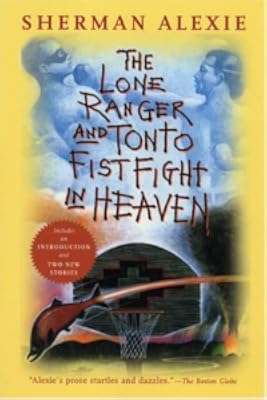
The Lone Ranger and Tonto Fistfight in Heaven [20th anniversary edition]
by Sherman Alexie
On This Page
Description
In his darkly comic short story collection, the author brilliantly weaves memory, fantasy, and stark realism to paint a complex, grimly ironic portrait of life in and around the Spokane Indian Reservation. These twenty-four interlinked tales are narrated by characters raised on humiliation and government-issue cheese, yet filled with passion and affection, myth and dream. There is Victor, who as a nine-year-old crawled between his unconscious parents hoping that the alcohol seeping through show more their skins might help him sleep; Thomas Builds-the-Fire, who tells his stories long after people stop listening; and Jimmy Many Horses, dying of cancer, who writes letters on stationary that reads "From the Death Bed of Jimmy Many Horses III," even though he actually writes them on his kitchen table. Against a backdrop of alcohol, car accidents, laughter, and basketball, Alexie depicts the distances between Indians and whites, reservation Indians and urban Indians, men and women, and most poetically, between modern Indians and the traditions of the past. show lessTags
Recommendations



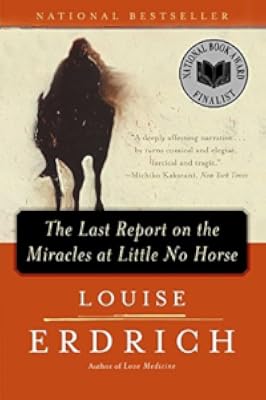

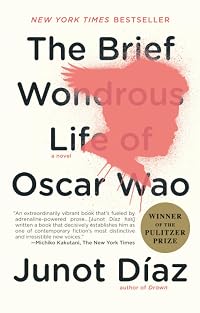
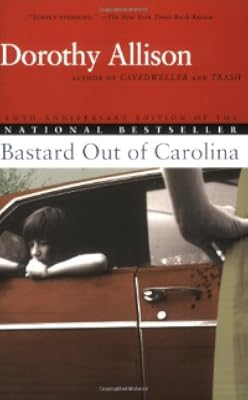
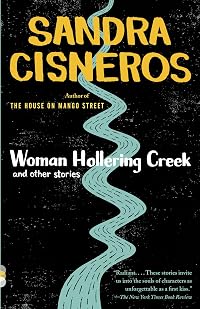



Member Recommendations
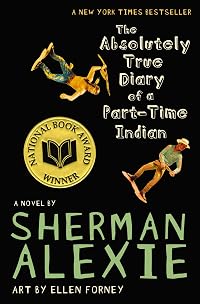
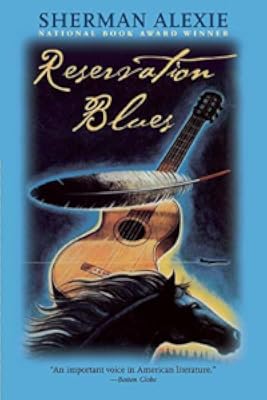
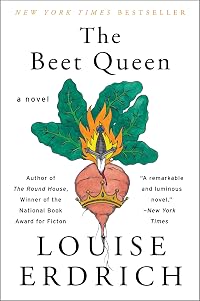
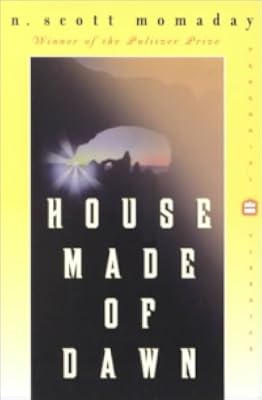
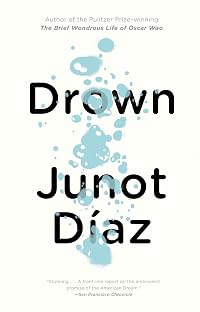
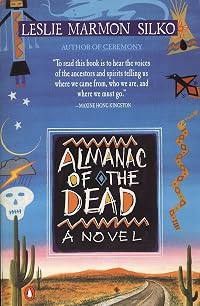
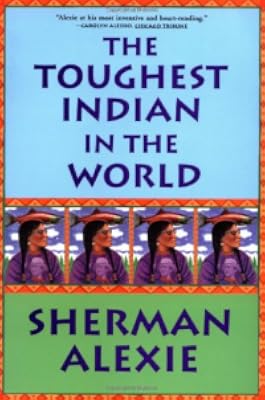
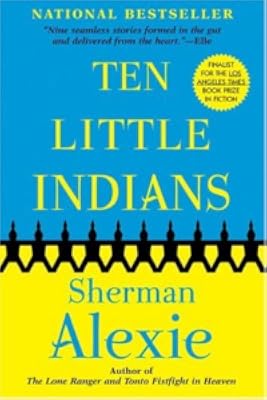
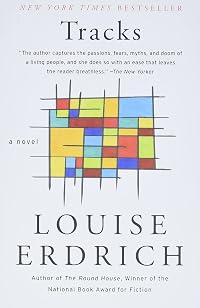
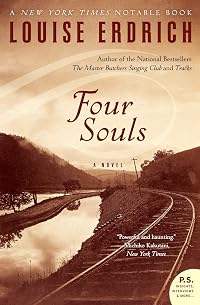
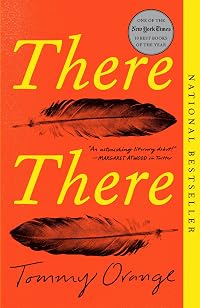
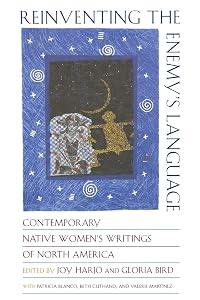
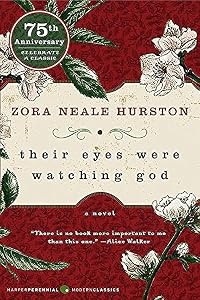
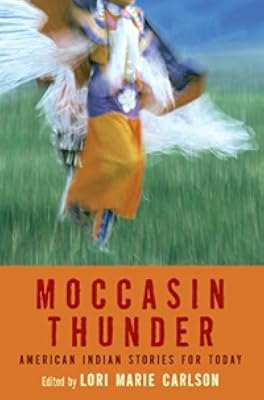
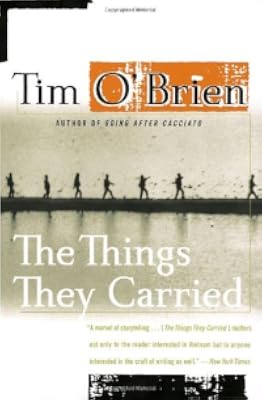
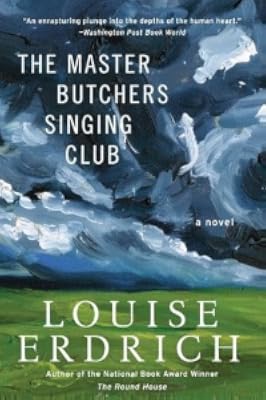
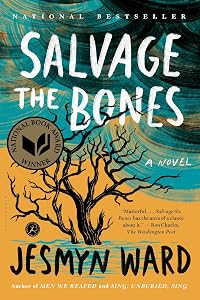
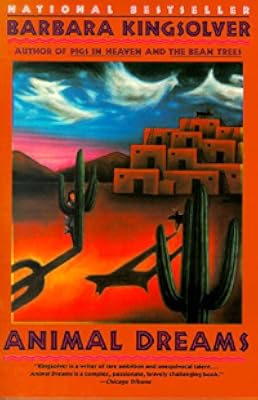
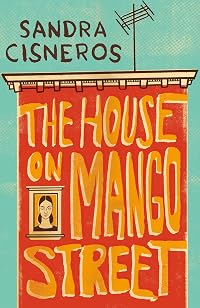
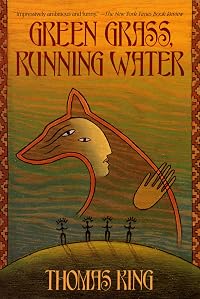
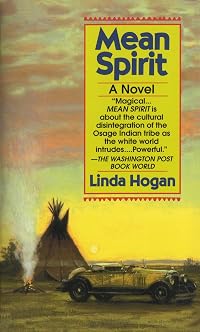
literary.jess Both are comprised of short stories that are unapologetically gritty, featuring characters whose voices aren't often heard in popular literature.

Member Reviews
“…I used to sleep with my books in piles all over my bed and sometimes they were the only thing keeping me warm and always the only thing keeping me alive.”
This collection of bittersweet tales, about life on a Spokane Indian Reservation, is a revelation. Alexie based these linked stories on his own experiences, growing up on the Rez and here he focuses on a small group of young people, struggling against a doomed life of poverty and alcoholism, trying to maintain their dignity, their culture and their dissipating dreams. There is humor here too, along with a dash of magical realism and if you peer closely, there are fragments of hope scattered like Fool’s Gold. A triumph.
“Imagination is the politics of dreams. Imagine an show more escape. Imagine that your own shadow on the wall is a perfect door. Imagine a spring with water that mends broken bones. Imagine a drum which wraps itself around your heart. Imagine a story that puts wood in the fireplace.”
“And finally this, when the sun was falling down so beautiful we didn’t have time to give it a name, she held the child born of white mother and red father and said,’ Both sides of this baby are beautiful’.” show less
This collection of bittersweet tales, about life on a Spokane Indian Reservation, is a revelation. Alexie based these linked stories on his own experiences, growing up on the Rez and here he focuses on a small group of young people, struggling against a doomed life of poverty and alcoholism, trying to maintain their dignity, their culture and their dissipating dreams. There is humor here too, along with a dash of magical realism and if you peer closely, there are fragments of hope scattered like Fool’s Gold. A triumph.
“Imagination is the politics of dreams. Imagine an show more escape. Imagine that your own shadow on the wall is a perfect door. Imagine a spring with water that mends broken bones. Imagine a drum which wraps itself around your heart. Imagine a story that puts wood in the fireplace.”
“And finally this, when the sun was falling down so beautiful we didn’t have time to give it a name, she held the child born of white mother and red father and said,’ Both sides of this baby are beautiful’.” show less
I loved everything about this book. I loved every story. I loved the language, and I loved the tales told in the language. I liked that Alexie makes his magic, his transformations, work on a sentence-by-sentence level, and yet the whole story can be transformational, too. My favorite character is Thomas Builds-the-Fire, hero of the stories "A Drug Called Tradition," "This Is What It Means to Say Phoenix, Arizona," and "The Trial of Thomas Builds-the-Fire." He knows when to keep silent and when to speak, and when asked, "You don't really believe that shit?" he says, "Don't need to believe anything. It just is." Amen Thomas, Amen. And there's a very powerful story about Thomas's father in there, too, "A Train Is an Order of Occurrence show more Designed to Lead to Some Result." But there were other special stories, too: "Imagining the Reservation," which was poetry more than story, or the story of James in "Jesus Christ's Half-Brother Is Alive and Well on the Spokane Indian Reservation," about a guy bringing up a baby, and then child, who fell from a great height in infancy and hit his head and doesn't talk--not at first, anyway. And then there's "A Good Story," where the story and the telling of it weave in themselves--it's a story told because the narrator's mother says, "You know, those stories you tell, they're kind of sad, enit?"--so he tells one that's happy, not sad.
So much love in these stories. Sorrow and anger, but most of all love. Great stuff. show less
So much love in these stories. Sorrow and anger, but most of all love. Great stuff. show less
The tone of these twenty-four stories is so consistent, with characters appearing in multiple stories, that it reads more like one long story with the protagonist switching from one character to another, Victor or his cousin, or Adrian, or Thomas Builds-the-Fire. What emerges is an impression of late 20th century life on the Spokane Reservation. And life there is both the same and different than it is elsewhere. Poor children grow up seeing their parents or their relatives as heroes. Some people drink too much; others drink diet-Pepsi. Some people are good at basketball. Others are good at stories. A few are good at school, though education rarely serves them well. But permeating everything is the question of what it means to be an show more Indian (the term that these characters use to refer to themselves) here, now, and tomorrow.
Alexie’s writing is relaxed and accessible, even when it soars lyrically. The stories give the impression of simplicity — broad brush strokes, well-marked action, sentimental moral — but just below the surface there lies a painful personal encounter with history. When everything you do is another chapter in the tragic history of Native Americans, it’s hard to just play basketball. At times Alexie’s characters sound like they desperately want to escape their own cultural baggage, while at others they reconcile themselves to carrying the load at least to next rest station.
I look forward to reading more from Sherman Alexie.
Recommended. show less
Alexie’s writing is relaxed and accessible, even when it soars lyrically. The stories give the impression of simplicity — broad brush strokes, well-marked action, sentimental moral — but just below the surface there lies a painful personal encounter with history. When everything you do is another chapter in the tragic history of Native Americans, it’s hard to just play basketball. At times Alexie’s characters sound like they desperately want to escape their own cultural baggage, while at others they reconcile themselves to carrying the load at least to next rest station.
I look forward to reading more from Sherman Alexie.
Recommended. show less
Before I begin this review, it's necessary to acknowledge the allegations that Sherman Alexie assaulted multiple women (which he says are true,) and say that I believe these women. I also acknowledge the ways in which this and other behavior has impacted the publishing of stories about Native people, and encourage folks to read books by Native authors other than Alexie (especially Native women); I'm happy to offer recommendations if people need them.
These stories paint a specific world and it's fascinating to move through it and see the ways in which they interact and contradict, that they aren't always in the same "world" (in the sense of a continuity) but contain many similar characters. It's also clearly a book written in a specific show more time by a person thinking about his relationship to specific things; this edition came with a preface/introduction that I a dialogue where Alexie explores some recurring themes and I think it's fairly clear that these stories are a product of that time of his life. I can see how it would be powerful for folks to read and consider; and it is certainly a world he has created here, or variations on it, without relying on a novel-structure sense of continuity. show less
These stories paint a specific world and it's fascinating to move through it and see the ways in which they interact and contradict, that they aren't always in the same "world" (in the sense of a continuity) but contain many similar characters. It's also clearly a book written in a specific show more time by a person thinking about his relationship to specific things; this edition came with a preface/introduction that I a dialogue where Alexie explores some recurring themes and I think it's fairly clear that these stories are a product of that time of his life. I can see how it would be powerful for folks to read and consider; and it is certainly a world he has created here, or variations on it, without relying on a novel-structure sense of continuity. show less
Sherman Alexie offers stories to love -
"Because My Father Always Said He Was the Only Indian Who Saw Jimi Hendrix Play 'The Star-Spangled Banner' at Woodstock,
"Every Little Hurricane," and "THIS IS WHAT IT MEANS TO SAY PHOENIX, ARIZONA" -
and ones that don't feel so good, like those with Thomas-Builds-The-Fire getting hurt or "Crazy Horse Dreams."
His creative non-fiction or "reservation realism" takes readers into the heart of "changing the world, not the reservation."
The way is open to deeply experience many contradicting points of view and to allow entry of our dreams.
"Because My Father Always Said He Was the Only Indian Who Saw Jimi Hendrix Play 'The Star-Spangled Banner' at Woodstock,
"Every Little Hurricane," and "THIS IS WHAT IT MEANS TO SAY PHOENIX, ARIZONA" -
and ones that don't feel so good, like those with Thomas-Builds-The-Fire getting hurt or "Crazy Horse Dreams."
His creative non-fiction or "reservation realism" takes readers into the heart of "changing the world, not the reservation."
The way is open to deeply experience many contradicting points of view and to allow entry of our dreams.
I don't know how I made it through life not having read this book. It had a profound impact on me, the lyrical prose, beauty, heartbreak, and cultural awareness that this book brings is beyond impressive. A collection of short stories about growing up on the Spokane reservation and dealing with alcohol, corrupt government agencies, tradition, love, basketball, culture, and more. Some stories make you laugh but many more make you depressed. It's a book that demands to be felt and is wonderful in getting people to understand at least a little bit of the struggle that Native Americans deal with on a daily basis. Alexie is a gifted storyteller and weaves his words to create dozens of poetic and moving stories that readers will think about show more long after they finish the book. I can't wait to watch the movie adaptation, Smoke Signals. I hope it does the book justice! show less
This is Alexie's breakthrough book that some call a collection of short stories and others a interconnected novel. No matter what you call it, its a wonderful and beautiful series of stories that tells of the lives of American Indians in the Pacific Northwest in the 70's and 80's. Some are just that, stories about life, like "The Only Traffic Signal on the Reservation Doesn't Flash Anymore", where a couple of guys hang out on the porch and what the world go by at their feet. To the almost science-fiction story called "Distances", where Alexie examines what might happen after some apocalypse where the only survivors are Indians living on the "Rez".
I'm not a poetry guy, but a lot of the time this book reads as prose for poetry. show more Excellent.
"Hell, my joy in winning is always much smaller than my pain in losing." - Introduction
"It's hard to be optimistic on the reservation. When a glass sits on the table here, people don't wonder if it's half filled or half empty. They just hope its good beer. Still, Indians have a way of surviving. But it's almost like Indians can easily survive the big stuff. Mass murder, loss of language and land rights. It's the small things that hurt the most. The white waitress who wouldn't take an order, Tonto, the Washington Redskins." - The Only Traffic Signal...
"The television was always loud, too loud, until every emotion was measured by the half hour. We hid our faces behind masks that suggested other histories; we touched hands accidentally and our skin sparked like a personal revolution We stared across the room at each other, waited for the conversation and the conversion, watched wasps and flies battering against the windows. We were children; we were open mouths. Open in hunger, in anger, in laughter, in prayer. Jesus, we all want to survive." - Family Portrait
10/10
S: 6/1/17 - 6/20/17 (21 Days) show less
I'm not a poetry guy, but a lot of the time this book reads as prose for poetry. show more Excellent.
"Hell, my joy in winning is always much smaller than my pain in losing." - Introduction
"It's hard to be optimistic on the reservation. When a glass sits on the table here, people don't wonder if it's half filled or half empty. They just hope its good beer. Still, Indians have a way of surviving. But it's almost like Indians can easily survive the big stuff. Mass murder, loss of language and land rights. It's the small things that hurt the most. The white waitress who wouldn't take an order, Tonto, the Washington Redskins." - The Only Traffic Signal...
"The television was always loud, too loud, until every emotion was measured by the half hour. We hid our faces behind masks that suggested other histories; we touched hands accidentally and our skin sparked like a personal revolution We stared across the room at each other, waited for the conversation and the conversion, watched wasps and flies battering against the windows. We were children; we were open mouths. Open in hunger, in anger, in laughter, in prayer. Jesus, we all want to survive." - Family Portrait
10/10
S: 6/1/17 - 6/20/17 (21 Days) show less
Members
- Recently Added By
Lists

Native American / Indigenous Literature
172 works; 100 members

Recommend the 20 best books you've read in the last five years
2,168 works; 609 members

Read the book and saw the movie
1,170 works; 195 members

Blue Pyramid 1,276 Best Books of All Time
1,248 works; 32 members
Author Information

60+ Works 31,142 Members
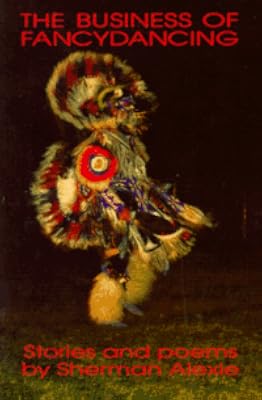
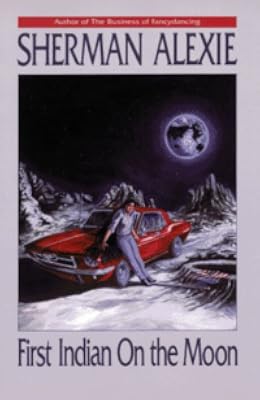
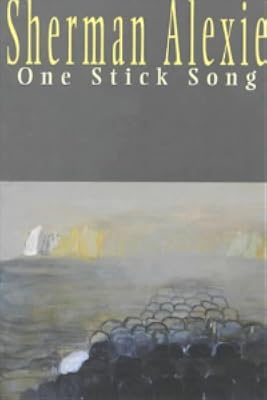
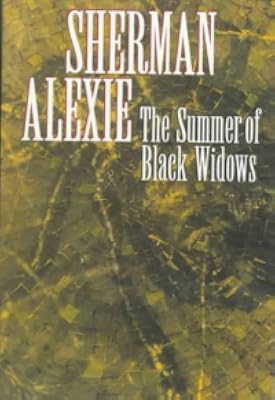
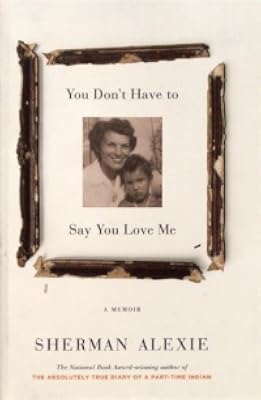
Sherman J. Alexie Jr. was born on October 7, 1966. His mother was Spokane Indian and his father was Coeur d'Alene Indian. Alexie grew up on the Spokane Indian Reservation in Wellpinit, Washington. He decided to attend high school off the reservation where he knew he would get a better education. He was the only Indian at the school, and excelled show more academically as well as in sports. After high school, he attended Gonzaga University for two years before transferring to Washington State University, where he graduated with a degree in American studies. He received the Washington State Arts Commission Poetry Fellowship in 1991 and the National Endowment for the Arts Poetry Fellowship in 1992. His collections of poetry included The Business of Fancydancing, First Indian on the Moon, The Summer of Black Widows, One Stick Song, and Face. His first collection of short stories, The Lone Ranger and Tonto Fistfight in Heaven, received a PEN/Hemingway Award for Best First Book of Fiction and a Lila Wallace-Reader's Digest Writers' Award. His other short story collections included The Toughest Indian in the World, Ten Little Indians, and War Dances. His first novel, Reservation Blues, received the Before Columbus Foundation's American Book Award and the Murray Morgan Prize. His other novels included Indian Killer, The Absolutely True Diary of a Part-Time Indian, and Flight. He won the Andrew Carnegie Medal for Excellence in Nonfiction in 2018 for You Don't Have to Say You Love Me: A Memoir. Alexie and Jim Boyd, a Colville Indian, collaborated on the album Reservation Blues, which contains the songs from the book of the same name. In 1997, Alexie collaborated with Chris Eyre, a Cheyenne/Arapaho Indian, on a film project inspired by Alexie's work, This is What it Means to Say Phoenix, Arizona, from the short story collection The Lone Ranger and Tonto Fistfight in Heaven. Smoke Signals debuted at the Sundance Film Festival in January 1998, winning two awards: the Audience Award and the Filmmakers Trophy. In 1999 the film received a Christopher Award. (Bowker Author Biography) show less
Awards and Honors
Work Relationships
Is an expanded version of
Common Knowledge
- Canonical title
- The Lone Ranger and Tonto Fistfight in Heaven [20th anniversary edition]
- Original title
- The Lone Ranger and Tonto Fistfight in Heaven
- Original publication date
- 1993
- Disambiguation notice
- NOT THE SAME AS THE 1993 WORK. This is the 20th anniversary edition (2005+) with two additional stories: "Flight" and "Junior Polatkin's Wild West Show."
Classifications
Statistics
- Members
- 2,726
- Popularity
- 6,816
- Reviews
- 64
- Rating
- (4.01)
- Languages
- English, Italian
- Media
- Paper, Ebook
- ISBNs
- 8
- ASINs
- 8