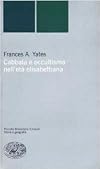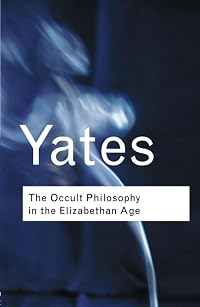
The Occult Philosophy in the Elizabethan Age
by Frances Yates
On This Page
Description
It is hard to overestimate the importance of the contribution made by Dame Frances Yates to the serious study of esotericism and the occult sciences. To her work can be attributed the contemporary understanding of the occult origins of much of Western scientific thinking, indeed of Western civilization itself. The Occult Philosophy of the Elizabethan Age was her last book, and in it she condensed many aspects of her wide learning to present a clear, penetrating, and, above all, accessible show more survey of the occult movements of the Renaissance, highlighting the work of John Dee, Giordano Bruno, and other key esoteric figures. The book is invaluable in illuminating the relationship between occultism and Renaissance thought, which in turn had a profound impact on the rise of science in the seventeenth century. Stunningly written and highly engaging, Yates' masterpiece is a must-read for anyone interested in the occult tradition. show lessTags
Recommendations






Member Recommendations

Member Reviews
Much, much more than an introduction to Elizabethan Age philosophy, The Occult Philosophy is divided into three parts. The first part lays the medieval philosophical groundwork going back as far as Ramond Lull in the 13th century, the second part deals with philosophy in the Elizabethan Age itself, and the third part is a kind of coda which briefly covers the aftermath, including the philosophy underlying John Milton's work.
One reason this book is so intriguing to me is that it delves into subjects of which I have been only dimly aware. Esoteric subjects such as Cabala (as Yates spells it) or Kabbalah, Hermeticism and Alchemy are way off the beaten path for me mostly because I have believed them to be somehow outside the mainstream. But show more this just goes to show you how a little bit of ignorance goes a long way. There was a time in the Middle Ages when these were at the very center of religious and philosophical inquiry. The word "occult" which means hidden, has come to be associated with astrology and fortune telling and the paranormal in our time, or "knowledge that is meant to be kept hidden." In the Middle Ages and Renaissance periods, esoteric subjects were excavated for hidden truths and deep meanings and not for the deterministic purposes associated with, for example, astrology today.
Renaissance philosophers in Italy, in addition to their "discovery" of the lost works of Plato and Aristotle, were deeply engrossed in the philosophical aspects of Hermeticism, Christian Cabala and alchemy. These esoteric ideas were written about and adopted more for their mystical God-seeking aspects than the so-called black magic. Christianity might have taken a more mystical turn had the authorities not misunderstood the high minded spiritual intent of the writings of such Renaissance luminaries as Marsilio Ficino, Pico della Miranda, Giordano Bruno and others.
As the Renaissance was waning in Italy, it was just getting started in England. In Italy those who pursued the arcane and occult philosophies were persecuted at the time of the Reformation and Counter-Reformation, but were becoming very much a part of the intellectual climate in England, which was pretty much isolated from the scourge of the Counter-Reformation. Poets such as Spenser, Raleigh and even Shakespeare used a great deal of esoteric symbolism in their works, which Yates explains using examples from their writings. And John Dee, who was important in establishing the public image and cult of Queen Elizabeth, was very much a part of this esoteric philosophical school of thought. It fell out of favor during the reign of James I, but after the Restoration it experienced a resurgence in the person and poetry of John Milton.
This is the barest oversimplified sketch of the material covered in The Occult Philosophy and doesn't begin to elucidate what really is going on between the covers. I highly recommend this amazing book to readers who are interested in the foundations of Renaissance philosophy and literature. show less
One reason this book is so intriguing to me is that it delves into subjects of which I have been only dimly aware. Esoteric subjects such as Cabala (as Yates spells it) or Kabbalah, Hermeticism and Alchemy are way off the beaten path for me mostly because I have believed them to be somehow outside the mainstream. But show more this just goes to show you how a little bit of ignorance goes a long way. There was a time in the Middle Ages when these were at the very center of religious and philosophical inquiry. The word "occult" which means hidden, has come to be associated with astrology and fortune telling and the paranormal in our time, or "knowledge that is meant to be kept hidden." In the Middle Ages and Renaissance periods, esoteric subjects were excavated for hidden truths and deep meanings and not for the deterministic purposes associated with, for example, astrology today.
Renaissance philosophers in Italy, in addition to their "discovery" of the lost works of Plato and Aristotle, were deeply engrossed in the philosophical aspects of Hermeticism, Christian Cabala and alchemy. These esoteric ideas were written about and adopted more for their mystical God-seeking aspects than the so-called black magic. Christianity might have taken a more mystical turn had the authorities not misunderstood the high minded spiritual intent of the writings of such Renaissance luminaries as Marsilio Ficino, Pico della Miranda, Giordano Bruno and others.
As the Renaissance was waning in Italy, it was just getting started in England. In Italy those who pursued the arcane and occult philosophies were persecuted at the time of the Reformation and Counter-Reformation, but were becoming very much a part of the intellectual climate in England, which was pretty much isolated from the scourge of the Counter-Reformation. Poets such as Spenser, Raleigh and even Shakespeare used a great deal of esoteric symbolism in their works, which Yates explains using examples from their writings. And John Dee, who was important in establishing the public image and cult of Queen Elizabeth, was very much a part of this esoteric philosophical school of thought. It fell out of favor during the reign of James I, but after the Restoration it experienced a resurgence in the person and poetry of John Milton.
This is the barest oversimplified sketch of the material covered in The Occult Philosophy and doesn't begin to elucidate what really is going on between the covers. I highly recommend this amazing book to readers who are interested in the foundations of Renaissance philosophy and literature. show less
Wide-ranging and chatty. A little sketchy, but that may be Yates presuming a level of familiarity with the subject matter that approaches her own. (Mine doesn't.) She shows occult philosophy to be a substantial element in the fabric of the art and thought of the Renaissance and Elizabethan eras, like Marxist or Darwinian theories have been in more recent times. An interesting read.
Interesting treatment of religion, society, and the occult, marred by Yates' flights of fantasy and tenuous connections in the second part of the book.
LA FILOSOFÍA OCULTA EN LA ÉPOCA ISABELINA
La filosofía oculta en la época isabelina es, como el resto de la obra admirable de Frances A. Yates, una investigación brillante y brillantemente escrita en torno a un tema de innegable atractivo; en este caso, la tradición cabalística y su gravitación, por medio de múltiples influencias, en el pensamiento y el arte de la Inglaterra isabelina. Pero Yates no se detiene en un solo lugar: va recorriendo la escena europea y descubriendo las piezas maestras de un mecanismo intelectual subterráneo que determinó diversas creaciones y tendencias a lo largo de varios siglos en la historia del Viejo Continente. Así, expone el destino de la tradición cabalística judía en su versión show more cristiana y estudia las interpretaciones de Pico de la Mirandola, Ramón Llull, Johannes Reuchlin, Francesco Giorgi, Enrique Cornelio Agripa y John Dee, entre otros; muestra las facetas del hermetismo; hace la historia de las secuelas de la expulsión de los judíos en España en 1492, y en todo momento despliega un estilo elegante e inteligentísimo de erudición y sabiduría. Luego del libro El iluminismo rosacruz, también incluido en la Colección Popular, la publicación de La filosofía oculta en la época isabelina ha de entenderse como otro homenaje de reconocimiento al talento de Francis A Yates y como una oportunidad excepcional de lectura en el ámbito de la lengua española. show less
La filosofía oculta en la época isabelina es, como el resto de la obra admirable de Frances A. Yates, una investigación brillante y brillantemente escrita en torno a un tema de innegable atractivo; en este caso, la tradición cabalística y su gravitación, por medio de múltiples influencias, en el pensamiento y el arte de la Inglaterra isabelina. Pero Yates no se detiene en un solo lugar: va recorriendo la escena europea y descubriendo las piezas maestras de un mecanismo intelectual subterráneo que determinó diversas creaciones y tendencias a lo largo de varios siglos en la historia del Viejo Continente. Así, expone el destino de la tradición cabalística judía en su versión show more cristiana y estudia las interpretaciones de Pico de la Mirandola, Ramón Llull, Johannes Reuchlin, Francesco Giorgi, Enrique Cornelio Agripa y John Dee, entre otros; muestra las facetas del hermetismo; hace la historia de las secuelas de la expulsión de los judíos en España en 1492, y en todo momento despliega un estilo elegante e inteligentísimo de erudición y sabiduría. Luego del libro El iluminismo rosacruz, también incluido en la Colección Popular, la publicación de La filosofía oculta en la época isabelina ha de entenderse como otro homenaje de reconocimiento al talento de Francis A Yates y como una oportunidad excepcional de lectura en el ámbito de la lengua española. show less
Aug 11, 2024Spanish
THE OCCULT PHILOSOPHY IN THE ELIZABETHAN AGE
Much, much more than an introduction to Elizabethan Age philosophy, The Occult Philosophy is divided into three parts. The first part lays the medieval philosophical groundwork going back as far as Ramond Lull in the 13th century, the second part deals with philosophy in the Elizabethan Age itself, and the third part is a kind of coda which briefly covers the aftermath, including the philosophy underlying John Milton's work.
One reason this book is so intriguing to me is that it delves into subjects of which I have been only dimly aware. Esoteric subjects such as Cabala (as Yates spells it) or Kabbalah, Hermeticism and Alchemy are way off the beaten path for me mostly because I have believed show more them to be somehow outside the mainstream. But this just goes to show you how a little bit of ignorance goes a long way. There was a time in the Middle Ages when these were at the very center of religious and philosophical inquiry. The word "occult" which means hidden, has come to be associated with astrology and fortune telling and the paranormal in our time, or "knowledge that is meant to be kept hidden." In the Middle Ages and Renaissance periods, esoteric subjects were excavated for hidden truths and deep meanings and not for the deterministic purposes associated with, for example, astrology today.
Renaissance philosophers in Italy, in addition to their "discovery" of the lost works of Plato and Aristotle, were deeply engrossed in the philosophical aspects of Hermeticism, Christian Cabala and alchemy. These esoteric ideas were written about and adopted more for their mystical God-seeking aspects than the so-called black magic. Christianity might have taken a more mystical turn had the authorities not misunderstood the high minded spiritual intent of the writings of such Renaissance luminaries as Marsilio Ficino, Pico della Miranda, Giordano Bruno and others.
As the Renaissance was waning in Italy, it was just getting started in England. In Italy those who pursued the arcane and occult philosophies were persecuted at the time of the Reformation and Counter-Reformation, but were becoming very much a part of the intellectual climate in England, which was pretty much isolated from the scourge of the Counter-Reformation. Poets such as Spenser, Raleigh and even Shakespeare used a great deal of esoteric symbolism in their works, which Yates explains using examples from their writings. And John Dee, who was important in establishing the public image and cult of Queen Elizabeth, was very much a part of this esoteric philosophical school of thought. It fell out of favor during the reign of James I, but after the Restoration it experienced a resurgence in the person and poetry of John Milton.
This is the barest oversimplified sketch of the material covered in The Occult Philosophy and doesn't begin to elucidate what really is going on between the covers. I highly recommend this amazing book to readers who are interested in the foundations of Renaissance philosophy and literature. ( ) show less
Much, much more than an introduction to Elizabethan Age philosophy, The Occult Philosophy is divided into three parts. The first part lays the medieval philosophical groundwork going back as far as Ramond Lull in the 13th century, the second part deals with philosophy in the Elizabethan Age itself, and the third part is a kind of coda which briefly covers the aftermath, including the philosophy underlying John Milton's work.
One reason this book is so intriguing to me is that it delves into subjects of which I have been only dimly aware. Esoteric subjects such as Cabala (as Yates spells it) or Kabbalah, Hermeticism and Alchemy are way off the beaten path for me mostly because I have believed show more them to be somehow outside the mainstream. But this just goes to show you how a little bit of ignorance goes a long way. There was a time in the Middle Ages when these were at the very center of religious and philosophical inquiry. The word "occult" which means hidden, has come to be associated with astrology and fortune telling and the paranormal in our time, or "knowledge that is meant to be kept hidden." In the Middle Ages and Renaissance periods, esoteric subjects were excavated for hidden truths and deep meanings and not for the deterministic purposes associated with, for example, astrology today.
Renaissance philosophers in Italy, in addition to their "discovery" of the lost works of Plato and Aristotle, were deeply engrossed in the philosophical aspects of Hermeticism, Christian Cabala and alchemy. These esoteric ideas were written about and adopted more for their mystical God-seeking aspects than the so-called black magic. Christianity might have taken a more mystical turn had the authorities not misunderstood the high minded spiritual intent of the writings of such Renaissance luminaries as Marsilio Ficino, Pico della Miranda, Giordano Bruno and others.
As the Renaissance was waning in Italy, it was just getting started in England. In Italy those who pursued the arcane and occult philosophies were persecuted at the time of the Reformation and Counter-Reformation, but were becoming very much a part of the intellectual climate in England, which was pretty much isolated from the scourge of the Counter-Reformation. Poets such as Spenser, Raleigh and even Shakespeare used a great deal of esoteric symbolism in their works, which Yates explains using examples from their writings. And John Dee, who was important in establishing the public image and cult of Queen Elizabeth, was very much a part of this esoteric philosophical school of thought. It fell out of favor during the reign of James I, but after the Restoration it experienced a resurgence in the person and poetry of John Milton.
This is the barest oversimplified sketch of the material covered in The Occult Philosophy and doesn't begin to elucidate what really is going on between the covers. I highly recommend this amazing book to readers who are interested in the foundations of Renaissance philosophy and literature. ( ) show less
Jan 19, 2018Spanish
LA FILOSOFÍA OCULTA EN LA ÉPOCA ISABELINA
Mucho, mucho más que una introducción a la filosofía de la época isabelina, The Occult Philosophy está dividida en tres partes. La primera parte establece los fundamentos filosóficos medievales que datan de Ramond Lull en el siglo XIII, la segunda parte trata de la filosofía en la Era isabelina, y la tercera parte es una especie de coda que cubre brevemente las secuelas, incluida la filosofía subyacente al trabajo de John Milton.
Una razón por la que este libro es tan intrigante para mí es que profundiza en temas de los que apenas he sido consciente. Los temas esotéricos como la Cábala (como Yates lo deletrea) o la Cábala, el Hermetismo y la Alquimia están muy alejados de mí por show more la mayoría de las veces porque los he considerado como algo fuera de lo común. Pero esto solo muestra cómo un poco de ignorancia puede ser muy útil. Hubo un tiempo en la Edad Media cuando estos estaban en el centro de la investigación religiosa y filosófica. La palabra "oculto" que significa oculto, ha llegado a asociarse con la astrología y la adivinación y lo paranormal en nuestro tiempo, o "conocimiento que debe ocultarse". En los períodos de la Edad Media y el Renacimiento,
Los filósofos del Renacimiento en Italia, además de su "descubrimiento" de las obras perdidas de Platón y Aristóteles, estaban profundamente absortos en los aspectos filosóficos del hermetismo, la Cábala cristiana y la alquimia. Estas ideas esotéricas fueron escritas y adoptadas más por sus aspectos místicos de búsqueda de Dios que la llamada magia negra. El cristianismo podría haber tomado un giro más místico si las autoridades no hubiesen malinterpretado el elevado espíritu espiritual de los escritos de luminarias renacentistas como Marsilio Ficino, Pico della Miranda, Giordano Bruno y otros.
Cuando el Renacimiento estaba menguando en Italia, recién comenzaba en Inglaterra. En Italia, aquellos que perseguían las filosofías ocultas y arcanas fueron perseguidos en la época de la Reforma y la Contrarreforma, pero se estaban convirtiendo en una parte muy importante del clima intelectual en Inglaterra, que estaba bastante aislado del flagelo de la Contrarreforma. . Poetas como Spenser, Raleigh e incluso Shakespeare utilizaron una gran cantidad de simbolismo esotérico en sus obras, que Yates explica utilizando ejemplos de sus escritos. Y John Dee, que fue importante para establecer la imagen pública y el culto de la reina Isabel, fue en gran medida parte de esta escuela filosófica de pensamiento esotérica. Cayó en desgracia durante el reinado de Jaime I, pero después de la Restauración experimentó un resurgimiento en la persona y la poesía de John Milton.
Este es el bosquejo simplificado más simple del material cubierto en The Occult Philosophy y no comienza a dilucidar qué es lo que sucede realmente entre las portadas. Recomiendo encarecidamente este libro sorprendente a los lectores que estén interesados en los fundamentos de la filosofía y la literatura del Renacimiento. ( show less
Mucho, mucho más que una introducción a la filosofía de la época isabelina, The Occult Philosophy está dividida en tres partes. La primera parte establece los fundamentos filosóficos medievales que datan de Ramond Lull en el siglo XIII, la segunda parte trata de la filosofía en la Era isabelina, y la tercera parte es una especie de coda que cubre brevemente las secuelas, incluida la filosofía subyacente al trabajo de John Milton.
Una razón por la que este libro es tan intrigante para mí es que profundiza en temas de los que apenas he sido consciente. Los temas esotéricos como la Cábala (como Yates lo deletrea) o la Cábala, el Hermetismo y la Alquimia están muy alejados de mí por show more la mayoría de las veces porque los he considerado como algo fuera de lo común. Pero esto solo muestra cómo un poco de ignorancia puede ser muy útil. Hubo un tiempo en la Edad Media cuando estos estaban en el centro de la investigación religiosa y filosófica. La palabra "oculto" que significa oculto, ha llegado a asociarse con la astrología y la adivinación y lo paranormal en nuestro tiempo, o "conocimiento que debe ocultarse". En los períodos de la Edad Media y el Renacimiento,
Los filósofos del Renacimiento en Italia, además de su "descubrimiento" de las obras perdidas de Platón y Aristóteles, estaban profundamente absortos en los aspectos filosóficos del hermetismo, la Cábala cristiana y la alquimia. Estas ideas esotéricas fueron escritas y adoptadas más por sus aspectos místicos de búsqueda de Dios que la llamada magia negra. El cristianismo podría haber tomado un giro más místico si las autoridades no hubiesen malinterpretado el elevado espíritu espiritual de los escritos de luminarias renacentistas como Marsilio Ficino, Pico della Miranda, Giordano Bruno y otros.
Cuando el Renacimiento estaba menguando en Italia, recién comenzaba en Inglaterra. En Italia, aquellos que perseguían las filosofías ocultas y arcanas fueron perseguidos en la época de la Reforma y la Contrarreforma, pero se estaban convirtiendo en una parte muy importante del clima intelectual en Inglaterra, que estaba bastante aislado del flagelo de la Contrarreforma. . Poetas como Spenser, Raleigh e incluso Shakespeare utilizaron una gran cantidad de simbolismo esotérico en sus obras, que Yates explica utilizando ejemplos de sus escritos. Y John Dee, que fue importante para establecer la imagen pública y el culto de la reina Isabel, fue en gran medida parte de esta escuela filosófica de pensamiento esotérica. Cayó en desgracia durante el reinado de Jaime I, pero después de la Restauración experimentó un resurgimiento en la persona y la poesía de John Milton.
Este es el bosquejo simplificado más simple del material cubierto en The Occult Philosophy y no comienza a dilucidar qué es lo que sucede realmente entre las portadas. Recomiendo encarecidamente este libro sorprendente a los lectores que estén interesados en los fundamentos de la filosofía y la literatura del Renacimiento. ( show less
Jan 10, 2018Spanish
Members
- Recently Added By
Author Information

29+ Works 4,580 Members
Series
Belongs to Publisher Series
Common Knowledge
- Canonical title
- The Occult Philosophy in the Elizabethan Age
- Original title
- The occult philosophy in the Elizabethan age
- Original publication date
- 1979
- Important events
- Elizabethan Era
- First words*
- Nell'illustrazione della figura I, si vedono quattro uomini seduti ai piedi di un ordinato filare di alberi, ornati di cartigli.
- Last words*
- (Click to show. Warning: May contain spoilers.)Oserei dire che questa acquaforte si colleghi al soggetto della melancolia ispirata, che è stato esaminato in questo libro, essendo lo studioso un cabbalista cristiano al quale nell'oscura notte dei suoi melanconici travagli si rivela il Nome di Dio.
- Original language
- English
*Some information comes from Common Knowledge in other languages. Click "Edit" for more information.
Classifications
Statistics
- Members
- 556
- Popularity
- 53,317
- Reviews
- 8
- Rating
- (3.90)
- Languages
- 6 — English, French, German, Italian, Spanish, Turkish
- Media
- Paper, Ebook
- ISBNs
- 19
- ASINs
- 7