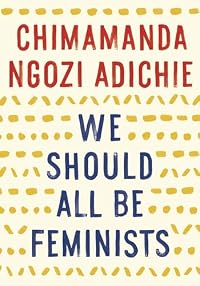
We Should All Be Feminists
by Chimamanda Ngozi Adichie
On This Page
Description
NEW YORK TIMES BESTSELLER • The highly acclaimed, provocative essay on feminism and sexual politics—from the award-winning author of AmericanahIn this personal, eloquently-argued essay—adapted from the much-admired TEDx talk of the same name—Chimamanda Ngozi Adichie offers readers a unique definition of feminism for the twenty-first century. Drawing extensively on her own experiences and her deep understanding of the often masked realities of sexual politics, here is one show more remarkable author’s exploration of what it means to be a woman now—and an of-the-moment rallying cry for why we should all be feminists. show less
Tags
Recommendations
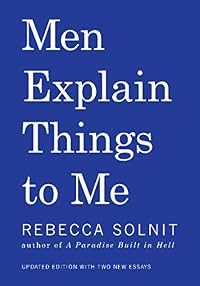
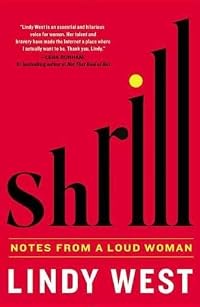
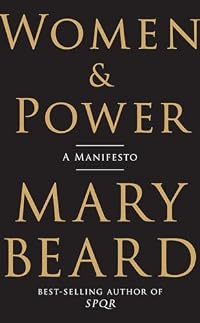
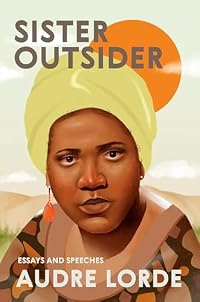
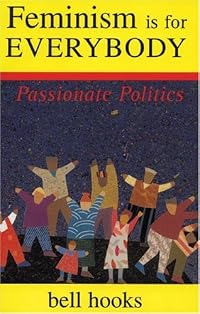
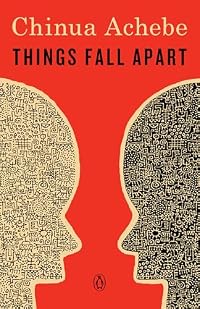
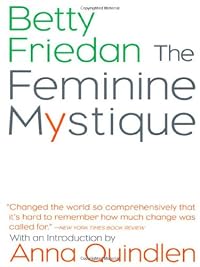
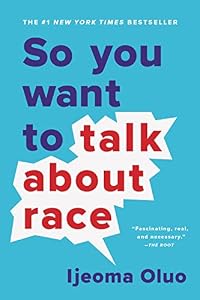
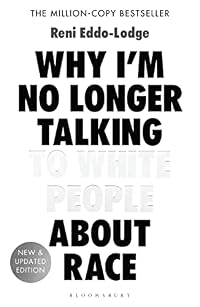
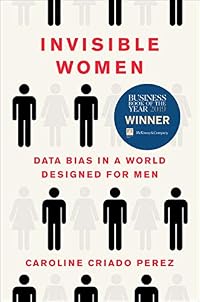
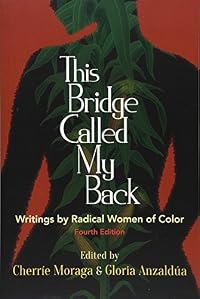
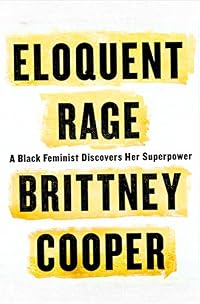
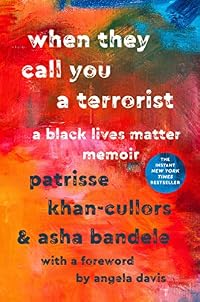
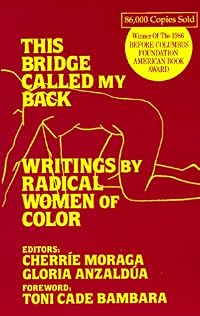
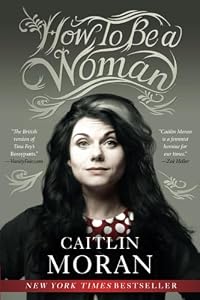
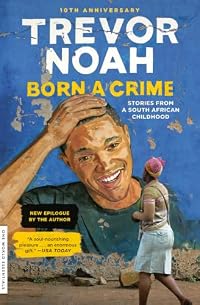
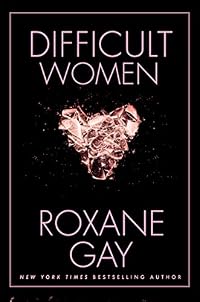
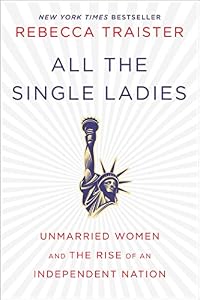
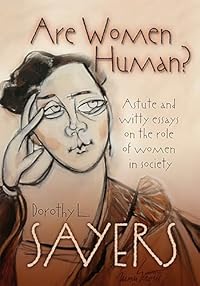
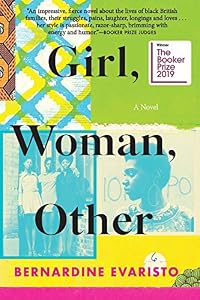
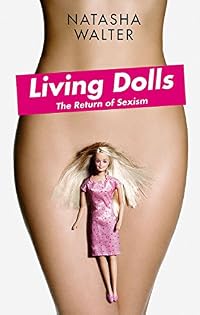

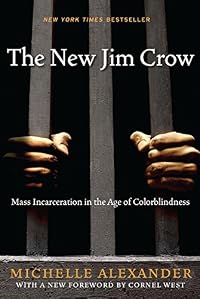
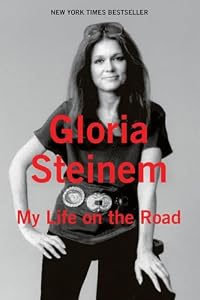
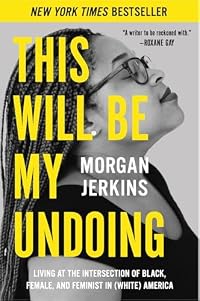

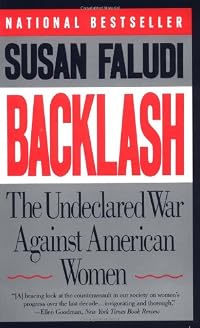
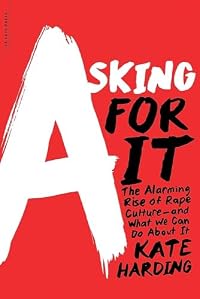

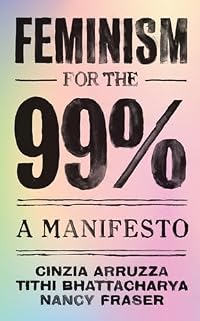
Member Recommendations
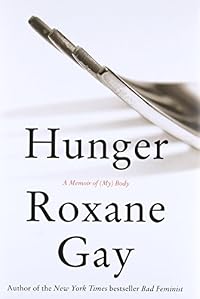
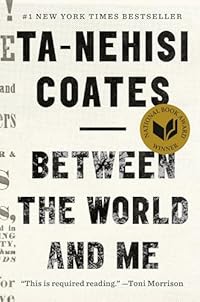
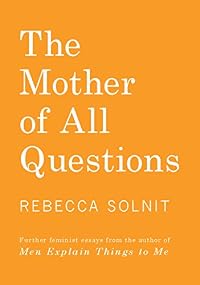
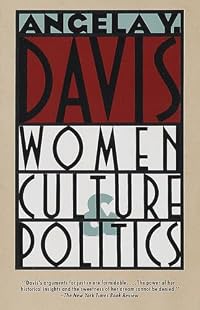
akblanchard Speeches by celebrated authors turned into slender books.
01
Member Reviews
In this essay/talk, Adichie sets out what I think is a basic, all-round case for feminism: if you think women and men ought to be treated equally, and if you think that sexism and patriarchal structures present obstacles, then you are a feminist. It's astonishing how popular such a basic statement of intent is: none of it should be controversial, but apparently it still is.
Part of that is perhaps that it's easy to affirm basic moral principles without then also taking action. Part of it is, perhaps, a measure of virtue-signaling. Then again, freedoms and ideals are always under threat, and efforts to preserve any gains that may have been won are at least as important as the effort spent in acquiring them in the first place.
So yes, show more it's sad that basic texts like these are still necessary, but it's a good thing that people keep putting them out there. show less
Part of that is perhaps that it's easy to affirm basic moral principles without then also taking action. Part of it is, perhaps, a measure of virtue-signaling. Then again, freedoms and ideals are always under threat, and efforts to preserve any gains that may have been won are at least as important as the effort spent in acquiring them in the first place.
So yes, show more it's sad that basic texts like these are still necessary, but it's a good thing that people keep putting them out there. show less
This outstanding work, which was based on a 2012 TedxEuston talk given by Chimamanda Ngozi Adichie, provides a redefinition of what feminism should be in the 21st century in Africa and the rest of the world, when most women in developing and developed societies continue to experience external gender discrimination and internal self doubt and feelings of diminished worth based on cultural expectations and limitations placed on them. It's a short work that can be easily read in 1-2 hours, but its observations and ideas deserve to be frequently re-examined, particularly when the rights of women are being threatened and curtailed in the United States and elsewhere by men in elected and appointed positions of power.
You know how you can usually tell when a movie began life as a play? Turns out the same thing applies when a book began life as a TED Talk. This was interesting enough, but after all the hype, I had hoped for a lot more compelling or novel insight. (Which is precisely the reaction I have to most TED Talks.) These are important ideas, but ones that I had thought more deeply about in relation to other books, etc. So it might have a place as an introduction to modern feminism, I guess? But if you've read or thought about gender equality very much, this isn't likely to challenge you to see anything in a new or more illuminating way.
Whoa! I loved this essay. It is actually the speech she gave at TEDx in 2012. I wore my blue highlighter out almost highlighting important passages.
We Should All Be Feminists explores Chimamanda’s feminine experiences and reactions to the expectations of women, both as a child and in her adult life in Nigeria. She discusses the ways that young girls are essentially groomed by society and family to be treated as second-class citizens to their male counterparts, in relationships, careers, and as social beings. And how a strong-willed woman (especially one of color) is seen as intimidating and “too ambitious”. That concept is in so many cultures all over the world.
An important passage to me was “how the word feminist is so heavy show more with baggage, negative baggage: you hate men, you hate bras, you hate African culture, you think women should always be in charge, you don’t wear make-up, you don’t shave, you’re always angry, you don’t have a sense of humor, you don’t use deodorant.” Some of that seems silly but people actually think that. And as Chimamanda says there are no hormones for leadership. A woman can lead just as successfully as a man.
Additionally, she touches on how young men are not only taught to expect this submissive behavior in women and to use it to uplift and sustain a fragile ego, but that it also doesn’t allow any room for natural, human emotions such as fear and what society perceives as “weakness”. Boys and men must convey an emotional wall to be considered hard and tough, which continues to devalue their perspectives of women as their equals.
I think we really need to help young men and women value and accept their unique identities and nurture them because a culture that implies that women are only valued and worthy of respect if they are physically beautiful, educated but not threatening, married, and domestic — simultaneously, is not a culture that respects equality.
Read this for yourself to challenge your beliefs on gender and how we raise children in our society to interact with other genders. show less
We Should All Be Feminists explores Chimamanda’s feminine experiences and reactions to the expectations of women, both as a child and in her adult life in Nigeria. She discusses the ways that young girls are essentially groomed by society and family to be treated as second-class citizens to their male counterparts, in relationships, careers, and as social beings. And how a strong-willed woman (especially one of color) is seen as intimidating and “too ambitious”. That concept is in so many cultures all over the world.
An important passage to me was “how the word feminist is so heavy show more with baggage, negative baggage: you hate men, you hate bras, you hate African culture, you think women should always be in charge, you don’t wear make-up, you don’t shave, you’re always angry, you don’t have a sense of humor, you don’t use deodorant.” Some of that seems silly but people actually think that. And as Chimamanda says there are no hormones for leadership. A woman can lead just as successfully as a man.
Additionally, she touches on how young men are not only taught to expect this submissive behavior in women and to use it to uplift and sustain a fragile ego, but that it also doesn’t allow any room for natural, human emotions such as fear and what society perceives as “weakness”. Boys and men must convey an emotional wall to be considered hard and tough, which continues to devalue their perspectives of women as their equals.
I think we really need to help young men and women value and accept their unique identities and nurture them because a culture that implies that women are only valued and worthy of respect if they are physically beautiful, educated but not threatening, married, and domestic — simultaneously, is not a culture that respects equality.
Read this for yourself to challenge your beliefs on gender and how we raise children in our society to interact with other genders. show less
"Culture does not make people. People make culture. If it is true that the full humanity of women is not our culture, then we can and must make it our culture." - Chimamanda Ngozi Adichie
I listened to this one audio and boy oh boy was I wowed! Not only is Chimamanda's narration sent from heaven but her ideas about gender norms and intersection with toxic masculinity ignited a flame of conscious thought in me. She posits that instead of simply focusing on one gender, the framework of thinking and ways that we educate about gender needs to change as a whole.
Women are taught that their empowerment is always attributed to some form of male approval, such as the male gaze, suitability for marriage and childbearing, being domestic etc but no show more one ever thinks about what the world would be like if people were treated as individuals with autonomy and dreams and interests of their own that ate valid.
This book was thought provoking even in its' short length and critiques how ideas of masculinity are shaped by the ways that women are engendered and the high pressures and uninformed standards that society sets for men. It was interesting to hear her suggestions on how to combat the structure of rigid gendered norms and how a society can foster empowered individuals by giving them the tools they need as human beings, rather than what we think they need to know based on gender. What really stuck out to me is the idea that in order to make sustained change we have to consistently question our motivations and ways of thinking. This book is a manifesto for life and should be considered required reading. This bookdragon rates this 🔥🔥🔥🔥🔥. show less
I listened to this one audio and boy oh boy was I wowed! Not only is Chimamanda's narration sent from heaven but her ideas about gender norms and intersection with toxic masculinity ignited a flame of conscious thought in me. She posits that instead of simply focusing on one gender, the framework of thinking and ways that we educate about gender needs to change as a whole.
Women are taught that their empowerment is always attributed to some form of male approval, such as the male gaze, suitability for marriage and childbearing, being domestic etc but no show more one ever thinks about what the world would be like if people were treated as individuals with autonomy and dreams and interests of their own that ate valid.
This book was thought provoking even in its' short length and critiques how ideas of masculinity are shaped by the ways that women are engendered and the high pressures and uninformed standards that society sets for men. It was interesting to hear her suggestions on how to combat the structure of rigid gendered norms and how a society can foster empowered individuals by giving them the tools they need as human beings, rather than what we think they need to know based on gender. What really stuck out to me is the idea that in order to make sustained change we have to consistently question our motivations and ways of thinking. This book is a manifesto for life and should be considered required reading. This bookdragon rates this 🔥🔥🔥🔥🔥. show less
“The problem with gender is that it prescribes how we should be rather than recognizing how we are.”
This mini-book is actually an essay adapted from Chimamanda Ngozi Adichie's TEDx talk piece. Beginning with humor and covering focused points, the author is convincing on things we should all realize by common sense already. We deserve the same respect - man should not be above woman, woman should not be above man. She explains misconceptions regarding feminism, what she feels it is and isn't, pointing out it's a cry for the equality for all and not just the rising of women. Using potent examples from her past experiences and personal acquaintances and friends, she points out how the smallest things can make the greatest show more differences.
We Should All Be Feminists isn't about educating people on moral decency or enlightening readers on what it means to be a woman in the twenty-first century, but rather acts as a supportive appeal to demand decency and equality for men and women in a world that struggles to keep the balance. Once the author shoos away some misconceptions about the word 'feminist' and what she feels it really means, she goes into examples to illustrate points (pausing with humor to keep a camaraderie feel), and then ends on a more academic and speech-type tone.
The book deals into the shame culture should feel for alienating and boxing in both men AND women, not just women, including stereotypical roles they're raised in.
“Masculinity is a hard, small cage, and we put boys inside this cage.”
It's short and easy to read, good to make one ponder the world and how to keep improving the space we live in. One person makes a difference, but we're in it together for the whole world eventually. show less
This mini-book is actually an essay adapted from Chimamanda Ngozi Adichie's TEDx talk piece. Beginning with humor and covering focused points, the author is convincing on things we should all realize by common sense already. We deserve the same respect - man should not be above woman, woman should not be above man. She explains misconceptions regarding feminism, what she feels it is and isn't, pointing out it's a cry for the equality for all and not just the rising of women. Using potent examples from her past experiences and personal acquaintances and friends, she points out how the smallest things can make the greatest show more differences.
We Should All Be Feminists isn't about educating people on moral decency or enlightening readers on what it means to be a woman in the twenty-first century, but rather acts as a supportive appeal to demand decency and equality for men and women in a world that struggles to keep the balance. Once the author shoos away some misconceptions about the word 'feminist' and what she feels it really means, she goes into examples to illustrate points (pausing with humor to keep a camaraderie feel), and then ends on a more academic and speech-type tone.
The book deals into the shame culture should feel for alienating and boxing in both men AND women, not just women, including stereotypical roles they're raised in.
“Masculinity is a hard, small cage, and we put boys inside this cage.”
It's short and easy to read, good to make one ponder the world and how to keep improving the space we live in. One person makes a difference, but we're in it together for the whole world eventually. show less
It's an adapted 30-minute TED talk so it's all very basic, but then it's a pretty basic question, isn't it? Yet it's funny how controversial it's (once again) become...
She sticks the word "feminist" right there in the title, then begins with a story about how when she was 14, a boy she knew called her "feminist" - "the same tone with which a person would say, 'You're a supporter of terrorism.'" So she goes back to the very simple (and very current-whatever-wave) question: Just how are gender roles formed, anyway? Why do we feel this need to protect them as if they were natural laws without which reality itself might break apart? Why do we pretend not to notice that the current situation hurts women and men? Why do we think "feminism" show more is a threat to "masculinity", when it's the current situation that's led to this brittle, desperate definition of a man as "Well, at least he's stronger than his woman"?
Not long ago, I wrote an article about being young and female in Lagos. And an acquaintance told me that it was an angry article, and I should not have made it so angry. But I was unapologetic. Of course it was angry. Gender as it functions today is a grave injustice. I am angry. We should all be angry. Anger has a long history of bringing about positive change. In addition to anger, I am also hopeful, because I believe deeply in the ability of human beings to remake themselves for the better.
It is scary that such a simple concept needs to be reclaimed again and again and again. But it's nice to, now and then, see it spelled out this simply. show less
She sticks the word "feminist" right there in the title, then begins with a story about how when she was 14, a boy she knew called her "feminist" - "the same tone with which a person would say, 'You're a supporter of terrorism.'" So she goes back to the very simple (and very current-whatever-wave) question: Just how are gender roles formed, anyway? Why do we feel this need to protect them as if they were natural laws without which reality itself might break apart? Why do we pretend not to notice that the current situation hurts women and men? Why do we think "feminism" show more is a threat to "masculinity", when it's the current situation that's led to this brittle, desperate definition of a man as "Well, at least he's stronger than his woman"?
Not long ago, I wrote an article about being young and female in Lagos. And an acquaintance told me that it was an angry article, and I should not have made it so angry. But I was unapologetic. Of course it was angry. Gender as it functions today is a grave injustice. I am angry. We should all be angry. Anger has a long history of bringing about positive change. In addition to anger, I am also hopeful, because I believe deeply in the ability of human beings to remake themselves for the better.
It is scary that such a simple concept needs to be reclaimed again and again and again. But it's nice to, now and then, see it spelled out this simply. show less
Members
- Recently Added By
Lists

Best Feminist Literature
188 works; 26 members

Black Authors
381 works; 32 members

My Stop Tr*mp Reading List
4 works; 1 member

READ in 2024
262 works; 1 member

Biblioteca de não ficção
41 works; 1 member

Club Read's Recommended Nonfiction Written by Women
618 works; 30 members

Books Read in 2021
5,361 works; 113 members

Books Read in 2016
110 works; 1 member

Books Read in 2015
3,298 works; 129 members

Literature About Women and Girls
391 works; 39 members
Female Author
1,235 works; 65 members

Women's History Month: Suggested Reads
63 works; 6 members

GeoCAT 2016
15 works; 1 member

Books Read in 2018
4,360 works; 110 members

Penguin Random House
458 works; 4 members

Books Read in 2017
4,249 works; 130 members

Books With Complete Sentence Titles
374 works; 15 members
Books by Black Women
108 works; 2 members
Author Information

67+ Works 34,050 Members
Chimamanda Ngozi Adichie was born in Enugu, Nigeria on September 15, 1977. She studied medicine and pharmacy at the University of Nigeria for a year and a half before moving to the United States, where she studied communication at Drexel University for two years. She received a bachelor's degree in communication and political science at Eastern show more Connecticut State University in 2001, a master's degree in creative writing at Johns Hopkins University, and a master's degree in African Studies from Yale University in 2008. Her first novel, Purple Hibiscus, was published in 2003 and received the Commonwealth Writers' Prize for Best First Book in 2005. Her other books include The Thing around Your Neck, Americanah, and We Should All Be Feminist. Half of a Yellow Sun won the Orange Prize in 2007. She was awarded the 2018 PEN Pinter Prize, for her body of work that shows 'outstanding literary merit'. (Bowker Author Biography) show less
Some Editions
Awards and Honors
Work Relationships
Is contained in
Has the adaptation
Common Knowledge
- Canonical title*
- Dovremmo essere tutti femministi
- Original title
- We Should All Be Feminists
- Original publication date
- 2014
- Important places
- Lagos, Nigeria; Africa
- First words
- Introduction
This is a modified version of a talk I delivered in December 2012 at TEDxEuston, a yearly conference focused on Africa.
Okoloma was one of my greatest childhood friends. - Quotations
- These are little things, but sometimes it is the little things that sting the most.
Masculinity is a hard, small cage, and we put boys inside this cage.
But by far the worst thing we do to males—by making them feel they have to be hard—is that we leave them with very fragile egos. The harder a man feels compelled to be, the weaker his ego is.
And th... (show all)en we do a much greater disservice to girls, because we raise them to cater to the fragile egos of males.
The problem with gender is that it prescribes how we should be rather than recognizing how we are. Imagine how much happier we would be, how much freer to be our true individual selves, if we didn't have the weight of ... (show all)gender expectations.
For centuries, the world divided human beings into two groups and then proceeded to exclude and oppress one group. It is only fair that the solution to the problem acknowledge that.
My own definition of a feminist is a man or a woman who says, yes, there's a problem with gender as it is today and we must fix it, we must do better. All of us, women and men, must do better. - Last words
- (Click to show. Warning: May contain spoilers.)All of us, women and men, must do better.
- Original language
- English
*Some information comes from Common Knowledge in other languages. Click "Edit" for more information.
Classifications
- Genres
- Sexuality and Gender Studies, General Nonfiction, Nonfiction
- DDC/MDS
- 305.42 — Social sciences Social sciences, sociology & anthropology Groups of people Women Social role and status of women
- LCC
- HQ1815.5 .A653 — Social sciences The family. Marriage, Women and Sexuality The Family. Marriage. Women Women. Feminism
- BISAC
Statistics
- Members
- 5,006
- Popularity
- 2,765
- Reviews
- 203
- Rating
- (4.26)
- Languages
- 16 — Catalan, Czech, Danish, Dutch, English, Finnish, French, German, Italian, Korean, Norwegian (Bokmål), Polish, Portuguese, Russian, Spanish, Swedish
- Media
- Paper, Audiobook, Ebook
- ISBNs
- 55
- ASINs
- 19