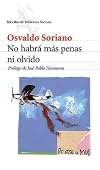
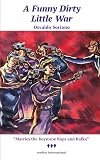
No habrá más penas ni olvido
by Osvaldo Soriano
On This Page
Description
Conflict between rival factions in a small Argentinean village results in violence."Tags
Recommendations






















Member Recommendations

chrisharpe Winter Quarters is not really a sequel, although it is set in the same town after the events portrayed in A Funny Dirty Little War. Both are set during the turbulent and authoritarian 1970s and, despite the theme and the fact that the author was forced into exile by the disctatorship, they are darkly humorous - especially Winter Quarters.
chrisharpe Military dictatorship, communists and anti-communists, armed groups of youths, ideology used for personal gain... the universal absurdity is dealt with in different, though equally effective, ways by Soriano and Andrzejewski.
Member Reviews
A Funny Dirty Little War is a brutal black comedy set in the outpost of Colonia Vela during the first sparkings of Argentina's military takeover. It follows the bloody events of a single night, which are sparked by the attempts of the local police to take control of the town council by labeling its members communists and anti-Peronists. Unexpectedly, the councillors fight back, arming themselves and barricading themselves inside the Town Hall as the shooting begins. Local militias aid the police, while student organisations mobilise to help the councillors, resulting in a night of horrific violence in the small town.
I absolutely loved this book. At little more than 100 pages it can be read in a single sitting, but it manages to pack a show more punch far beyond its size. The town of Colonia Vela reminded me of one of the outposts described by Garcia Marquez or Vargas Llosa, where the rules of the rest of the world don't quite apply. The local politics is absurd, with everyone trying to be more Peronist than everyone else, and the swirling nexus of petty power-mongering blurring party lines beyond recognition. It is a comedy, but be warned, the comedy is so dark as to be almost invisible. Characters being killed by being blown through the roof on a toilet, or blowing their own brains out with a faeces covered gun may suggest a scatalogical bent, but the overwhelming feeling of the book is complete shock at the brutality of the terrible events unfolding. Soriano described these events with a subtle power and uncomplicated prose. The dark comedy simply adds to the unbelievable-yet-believable surreality of the explosion of absurd political violence that swept the whole of his country prior to writing this book. This is a wonderful blackly comic novella, but perhaps not for the faint-hearted. show less
I absolutely loved this book. At little more than 100 pages it can be read in a single sitting, but it manages to pack a show more punch far beyond its size. The town of Colonia Vela reminded me of one of the outposts described by Garcia Marquez or Vargas Llosa, where the rules of the rest of the world don't quite apply. The local politics is absurd, with everyone trying to be more Peronist than everyone else, and the swirling nexus of petty power-mongering blurring party lines beyond recognition. It is a comedy, but be warned, the comedy is so dark as to be almost invisible. Characters being killed by being blown through the roof on a toilet, or blowing their own brains out with a faeces covered gun may suggest a scatalogical bent, but the overwhelming feeling of the book is complete shock at the brutality of the terrible events unfolding. Soriano described these events with a subtle power and uncomplicated prose. The dark comedy simply adds to the unbelievable-yet-believable surreality of the explosion of absurd political violence that swept the whole of his country prior to writing this book. This is a wonderful blackly comic novella, but perhaps not for the faint-hearted. show less
This is a tragic story of Peron-era Argentina that points out the futility and senseless loss of life in one example of a struggle that likely played out over and over in many countries where dictators used Communism or anti-Communism as a political prop to justify purging 'enemies of the state' who were mostly innocent civilians. In this short and affectionate satire, the local town leader and his stolid, mindless clerk are targeted by a hungry Cassius figure who angles for permission to imprison the town leader so he can take over the town. What ensues is a raging battle showing the futility of standing up to the dictator even when those oppressed are innocent. Bloody and violent, it only scrapes a small part of the tragedy on the show more families of the innocent victims. The writing is simple and Hemingway-esque with impact. show less
Es un libro muy divertido de leer, que te lo comés en una sentada. Una mirada cínica pero histriónica de la pasión política y sus picardías. Me encantó.
Eh. It was okay. I liked the evidence of the absurdity of war and political conflict. But it was only okay. Nothing special.
Présentation de l’éditeur
Entre 1973 et 1974, dans une minable bourgade proche de Buenos Aires, des rumeurs d’infiltration marxiste sèment la zizanie chez les petits chefs péronistes. Cela tourne au western absurde, les fantoches de Soriano ne mégotant ni sur la bouteille ni sur le choix des armes (dynamite, camionnette, bulldozer, épandage de matière fécale…) pour arriver à leurs fins. Une tranche subversive, bouffonne, sanglante, de l’histoire argentine, servie par l’un des plus mordants romanciers sud-américains. Italo Calvino ne comparait pas pour rien Soriano à un “Hemingway héroï-comique”.
Mon avis
Le titre anglais est beaucoup plus parlant que le français : A Funny Dirty Little War. Osvaldo Soriano place show more son histoire dans une bourgade de campagne où il y a énormément de notables, le reste de la population est en arrière plan dans le livre. Il y a le maire, le secrétaire du maire, le maire de la grande ville de la circonscription, les policiers du villages, ceux au-dessus, ceux de la grande ville.
Il y a un moment dans la ville des rumeurs qui insinuent que le maire et son secrétaire ne sont pas des vrais péronistes mais plutôt des sales communistes. Bien sûr, les autres notables veulent les chasser mais c’est sans compter sur la résistance des deux hommes. Chaque camp va réunir une petite armée de partisans autour de lui (civil ou non) et la guerre des tranchées peut commencer : les uns devant la mairie, les autres à l’extérieur.
Au début de la lecture, on se dit que c’est bien ridicule de se lancer dans une guerre alors que la veille, on était encore très amis (c’est un peu le principe de la guerre civile mais c’est quand même ridicule). Les situations sont burlesques, les moyens pour se combattre aussi (un avion qui balance de la merde, il fallait quand même l’inventer), les plans pour se défendre idem. J’ai eu un peu de mal à retenir les prénoms. Je me demandais parfois si tel personnage n’était pas dans le camp adverse avant, et n’était pas juste venu se promener et repartir ensuite.
À un moment, dans la farce, s’infiltre le tragique. Tout le monde meurt, tuer par son voisin, de manière toujours stupide. J’ai trouvé que Osvaldo Soriano avait tendance à décrire la mort comme au cinéma, comme si c’était pour de faux. Quand il y a des scènes de mitraille au cinéma, ceux qui sont touchés, on les voit volés mais on ne s’attarde pas sur eux. C’est exactement cela ; on a l’impression que ce qui se passe est fantoche. La fin a contribue à renforcer mon opinion car personne ne tire de conséquences des dégâts matériaux et humains. Tout le monde part chercher un autre terrain de jeu.
Une fois terminée le livre, il y a une postface. Et là, j’ai compris que tout ce que je venais le lire pouvait être interprété dans le contexte du péronisme. Puisque suivant les époques, il a été à gauche puis à droite. Il a gouverné avec les ouvriers (sans les partis de gauche qu’ils réprimaient), puis sans. De ce que j’ai compris, il y avait ceux qui croyaient dans le nouveau Perón, les autres qui étaient restés à celui d’avant. Tout le monde était péroniste mais d’une manière bien différente. Cela créait des tensions forcément et c’est aussi ce qui est décrit dans le livre. Je me suis demandée à quel point l’auteur était dans le vrai et à quel point il avait exagéré.
C’est pourquoi j’ai déduit de cette lecture qu’il fallait que je revois mon histoire de l’Argentine très fortement pour combler toutes ces lacunes. show less
Entre 1973 et 1974, dans une minable bourgade proche de Buenos Aires, des rumeurs d’infiltration marxiste sèment la zizanie chez les petits chefs péronistes. Cela tourne au western absurde, les fantoches de Soriano ne mégotant ni sur la bouteille ni sur le choix des armes (dynamite, camionnette, bulldozer, épandage de matière fécale…) pour arriver à leurs fins. Une tranche subversive, bouffonne, sanglante, de l’histoire argentine, servie par l’un des plus mordants romanciers sud-américains. Italo Calvino ne comparait pas pour rien Soriano à un “Hemingway héroï-comique”.
Mon avis
Le titre anglais est beaucoup plus parlant que le français : A Funny Dirty Little War. Osvaldo Soriano place show more son histoire dans une bourgade de campagne où il y a énormément de notables, le reste de la population est en arrière plan dans le livre. Il y a le maire, le secrétaire du maire, le maire de la grande ville de la circonscription, les policiers du villages, ceux au-dessus, ceux de la grande ville.
Il y a un moment dans la ville des rumeurs qui insinuent que le maire et son secrétaire ne sont pas des vrais péronistes mais plutôt des sales communistes. Bien sûr, les autres notables veulent les chasser mais c’est sans compter sur la résistance des deux hommes. Chaque camp va réunir une petite armée de partisans autour de lui (civil ou non) et la guerre des tranchées peut commencer : les uns devant la mairie, les autres à l’extérieur.
Au début de la lecture, on se dit que c’est bien ridicule de se lancer dans une guerre alors que la veille, on était encore très amis (c’est un peu le principe de la guerre civile mais c’est quand même ridicule). Les situations sont burlesques, les moyens pour se combattre aussi (un avion qui balance de la merde, il fallait quand même l’inventer), les plans pour se défendre idem. J’ai eu un peu de mal à retenir les prénoms. Je me demandais parfois si tel personnage n’était pas dans le camp adverse avant, et n’était pas juste venu se promener et repartir ensuite.
À un moment, dans la farce, s’infiltre le tragique. Tout le monde meurt, tuer par son voisin, de manière toujours stupide. J’ai trouvé que Osvaldo Soriano avait tendance à décrire la mort comme au cinéma, comme si c’était pour de faux. Quand il y a des scènes de mitraille au cinéma, ceux qui sont touchés, on les voit volés mais on ne s’attarde pas sur eux. C’est exactement cela ; on a l’impression que ce qui se passe est fantoche. La fin a contribue à renforcer mon opinion car personne ne tire de conséquences des dégâts matériaux et humains. Tout le monde part chercher un autre terrain de jeu.
Une fois terminée le livre, il y a une postface. Et là, j’ai compris que tout ce que je venais le lire pouvait être interprété dans le contexte du péronisme. Puisque suivant les époques, il a été à gauche puis à droite. Il a gouverné avec les ouvriers (sans les partis de gauche qu’ils réprimaient), puis sans. De ce que j’ai compris, il y avait ceux qui croyaient dans le nouveau Perón, les autres qui étaient restés à celui d’avant. Tout le monde était péroniste mais d’une manière bien différente. Cela créait des tensions forcément et c’est aussi ce qui est décrit dans le livre. Je me suis demandée à quel point l’auteur était dans le vrai et à quel point il avait exagéré.
C’est pourquoi j’ai déduit de cette lecture qu’il fallait que je revois mon histoire de l’Argentine très fortement pour combler toutes ces lacunes. show less
Sep 5, 2012French
Imaginate una película de los hermanos Marx en la que todos los personajes se matan brutalmente entre sí.
Dec 8, 2021Spanish
Una de las mejores novelas del país, que muestra una perspectiva singular de un momento histórico del país como lo fue el peronismo. Se publicó en el año 1978 y su título refiere al famoso tango de Gardel y Le pera.
Contextualizada en una pequeña localidad, se muestra la lucha entre diversas facciones peronistas (izquierda y derecha).
Leer esta obra de Soriano nos permite, no sólo leer buena literatura, sino también conocer nuestra historia y reflexionar sobre el presente del país.
Contextualizada en una pequeña localidad, se muestra la lucha entre diversas facciones peronistas (izquierda y derecha).
Leer esta obra de Soriano nos permite, no sólo leer buena literatura, sino también conocer nuestra historia y reflexionar sobre el presente del país.
Mar 29, 2014Spanish
Members
- Recently Added By
Lists

Las 100 mejores novelas de la literatura hispanoamericana
96 works; 1 member

Canon de la narrativa universal del s. XX (cicutadry)
499 works; 3 members
Las 100 mejores novelas de la literatura hispanoamericana (cicutadry)
100 works; 1 member
Author Information

65+ Works 1,173 Members
Some Editions
Awards and Honors
Series
Belongs to Publisher Series
Work Relationships
Is contained in
Common Knowledge
- Canonical title*
- Geen tranen, geen vergeten
- Original title
- No habrá más penas ni olvido
- Alternate titles*
- Geen tranen, geen vergeten : roman
- Original publication date
- 1979; 1981
- Important places
- Colonia Vela, Buenos Aires Province, Argentina
- Dedication*
- Alla memoria di mio padre
- Original language
- Spanish
*Some information comes from Common Knowledge in other languages. Click "Edit" for more information.
Classifications
Statistics
- Members
- 144
- Popularity
- 227,537
- Reviews
- 8
- Rating
- (3.82)
- Languages
- 6 — Dutch, English, French, Italian, Polish, Spanish
- Media
- Paper
- ISBNs
- 19