On This Page
Description
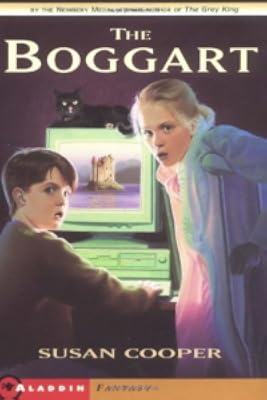
After visiting the castle in Scotland which her family has inherited and returning home to Canada, twelve-year-old Emily finds that she has accidentally brought back with her a boggart, an invisible and mischievous spirit with a fondness for practical jokes.Tags
Recommendations

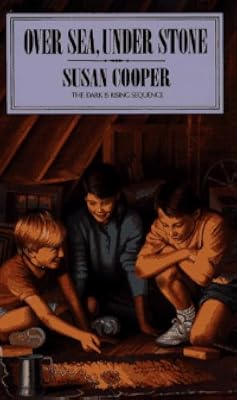
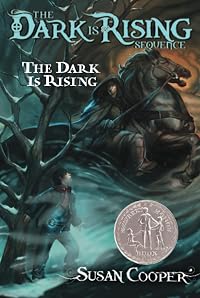
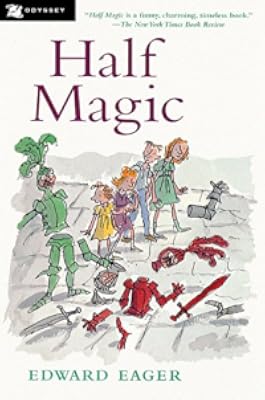
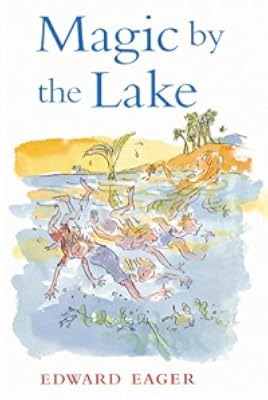
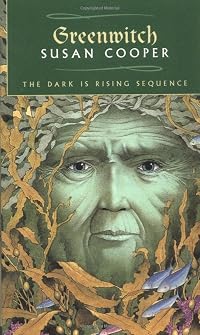
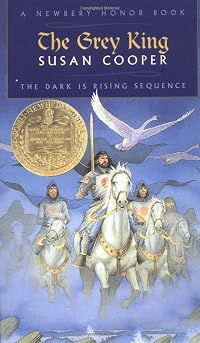
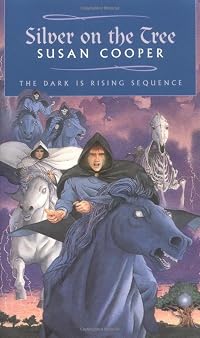
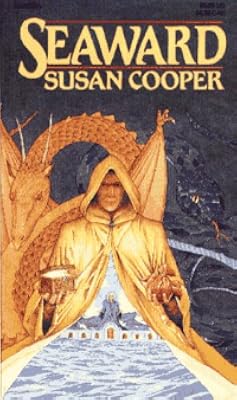





Member Recommendations
Member Reviews
A Scottish boggart finds himself in Canada in this charming middle-grade fantasy from Susan Cooper, author of the classic The Dark Is Rising Sequence, as well as many other wonderful books for children. Having lived with the MacDevon clan for centuries in their island stronghold, Castle Keep, the Boggart was an ancient being, capable of feeling but not even remotely human—a creature of the Wild Magic. Prone to mischief, he liked to play pranks on his family, but never intended real harm. When the last of the MacDevons died, and Castle Keep was inherited by a distant Canadian relative, the Boggart found himself accidentally transported to Toronto. Slowly settling in with the Volnik family, he found much to enjoy, from peanut butter to show more the wonder of electric gadgets, but in the end he didn't really understand this new world, and didn't belong there. Would the Boggart get home, with the help of the Volnik children, Emily and Jessup...?
I originally read The Boggart when it was first published, in 1993, and picked it up with eager anticipation, as I had read and reread Susan Cooper's The Dark Is Rising Sequence many times as a younger girl, and was hoping for more in the same vein. Other than the reference to the Wild Magic however, which can also be found in that epic pentalogy, this was a more domestic form of fantasy than those earlier works, and while I recall enjoying it, I also recall finding it a bit of a let-down, given my expectations. I wasn't sure how I would react on this recent reread, but I was pleased to find that I enjoyed it far more than I did when younger. It is well-written, with an engrossing story and engaging characters. I found Emily and Jessup sympathetic, but it was the Boggart who truly won me over. I thought Cooper did an excellent job of capturing the fundamental alienness of this creature, while also depicting moments of emotional resonance and connection that made me root for him to get home. The cover art for the edition I read (and once owned, before a flood destroyed my copy) was done by the marvelous Trina Schart Hyman, which is always an added bonus. All in all, I found this a most entertaining and engaging read, and am glad I picked it up again. I would recommend it to middle grade fantasy fiction fans, as well as to fellow Susan Cooper devotees.
Note: One detail which stood out to me on this reread, which I didn't catch when younger, was the scene in which Welshman Dai and Scotsman Willie discuss the Boggart, claiming that such a creature is called a pwca in Wales and a boggart in Scotland. Dai, a former Welsh Nationalist the narrative tells us, claims that he doesn't know what word the English use, speculating that they might have dogs instead of boggarts. I wasn't aware of this upon my first reading, but apparently the word boggart is English and comes from Lancashire, with the creatures more often called boggles or bogles in Scotland. I find it hard to believe Cooper wasn't aware of this, given her knowledge of folklore, so I found myself wondering whether the scene was some sort of inside joke?
Additional Note: I've been on a Susan Cooper kick recently, reading or rereading her work from my local public library. Until very recently, they owned a complete set of this series. But a few weeks before I was ready to take them out, they were weeded. What a terrible loss! I feel very badly that the children hereabouts won't have the opportunity to discover this gem on the library shelves, which seem more and more dominated by the most recent titles, few of which (I suspect) will have the staying power of Susan Cooper. show less
I originally read The Boggart when it was first published, in 1993, and picked it up with eager anticipation, as I had read and reread Susan Cooper's The Dark Is Rising Sequence many times as a younger girl, and was hoping for more in the same vein. Other than the reference to the Wild Magic however, which can also be found in that epic pentalogy, this was a more domestic form of fantasy than those earlier works, and while I recall enjoying it, I also recall finding it a bit of a let-down, given my expectations. I wasn't sure how I would react on this recent reread, but I was pleased to find that I enjoyed it far more than I did when younger. It is well-written, with an engrossing story and engaging characters. I found Emily and Jessup sympathetic, but it was the Boggart who truly won me over. I thought Cooper did an excellent job of capturing the fundamental alienness of this creature, while also depicting moments of emotional resonance and connection that made me root for him to get home. The cover art for the edition I read (and once owned, before a flood destroyed my copy) was done by the marvelous Trina Schart Hyman, which is always an added bonus. All in all, I found this a most entertaining and engaging read, and am glad I picked it up again. I would recommend it to middle grade fantasy fiction fans, as well as to fellow Susan Cooper devotees.
Note: One detail which stood out to me on this reread, which I didn't catch when younger, was the scene in which Welshman Dai and Scotsman Willie discuss the Boggart, claiming that such a creature is called a pwca in Wales and a boggart in Scotland. Dai, a former Welsh Nationalist the narrative tells us, claims that he doesn't know what word the English use, speculating that they might have dogs instead of boggarts. I wasn't aware of this upon my first reading, but apparently the word boggart is English and comes from Lancashire, with the creatures more often called boggles or bogles in Scotland. I find it hard to believe Cooper wasn't aware of this, given her knowledge of folklore, so I found myself wondering whether the scene was some sort of inside joke?
Additional Note: I've been on a Susan Cooper kick recently, reading or rereading her work from my local public library. Until very recently, they owned a complete set of this series. But a few weeks before I was ready to take them out, they were weeded. What a terrible loss! I feel very badly that the children hereabouts won't have the opportunity to discover this gem on the library shelves, which seem more and more dominated by the most recent titles, few of which (I suspect) will have the staying power of Susan Cooper. show less
When the old MacDevon dies, Castle Keep on a Scottish island is inherited by the Volnick family. They visit their legacy before putting it on the market, and inadvertently ship the castle's mischievous boggart back to Toronto. What will a creature of Old Magic make of modern technology?
As you might expect, the computer parts of the story are solidly 1993, and some of the specs mentioned will give savvy modern readers a good laugh. Moving beyond that, it's obvious that Cooper is a master of her craft: the descriptions, the relationships between characters, and the emotion of the piece is spot on. I enjoyed this more than I thought I would.
As you might expect, the computer parts of the story are solidly 1993, and some of the specs mentioned will give savvy modern readers a good laugh. Moving beyond that, it's obvious that Cooper is a master of her craft: the descriptions, the relationships between characters, and the emotion of the piece is spot on. I enjoyed this more than I thought I would.
Though set in Canada and Scotland, rather than the England, Cornwall, and Wales of Cooper’s more famous The Dark is Rising Sequence, and though more modern in tone, with computers and other technology readily available (in Canada if not always in the parts of Scotland the Volnik family visits) and Arthurian legends nowhere in evidence, The Boggart retains the magic of Cooper’s earlier works. And, like The Dark is Rising Sequence, though The Boggart is technically a children’s novel, it also holds something for those of us who, while chronologically out of that age range, are still children at heart.
Perhaps it is because many of us, like Emily and Jessup Volnik (age twelve and ten, respectively), have had past, or present, show more experience with parents, and other adults, who do not understand that some things, as with the “virtual unicorns” in Madeleine L’Engle’s Many Waters, have to be believed to be seen. Like L’Engle’s unicorns, the boggart of Cooper’s novel is not readily visible to human eyes (unless he chooses to be so), yet he, and his actions, have very definite—and, in Toronto, rather innocently malicious turned inadvertently dangerous—effects on his surroundings and the people living there. Effects that the Volnik sibling’s parents, and others in the city, attribute to Emily, despite both her and Jessup’s frantic assertions to the contrary.
This experience, of being disbelieved despite telling the truth, is one that many people have in common, and in combination with the boggart’s mischievousness and nearly palpable homesickness, and the believably sympathetic (or not so sympathetic, in the case of the psychologist interested in Emily) characters, makes The Boggart a book that is well-worth the read. show less
Perhaps it is because many of us, like Emily and Jessup Volnik (age twelve and ten, respectively), have had past, or present, show more experience with parents, and other adults, who do not understand that some things, as with the “virtual unicorns” in Madeleine L’Engle’s Many Waters, have to be believed to be seen. Like L’Engle’s unicorns, the boggart of Cooper’s novel is not readily visible to human eyes (unless he chooses to be so), yet he, and his actions, have very definite—and, in Toronto, rather innocently malicious turned inadvertently dangerous—effects on his surroundings and the people living there. Effects that the Volnik sibling’s parents, and others in the city, attribute to Emily, despite both her and Jessup’s frantic assertions to the contrary.
This experience, of being disbelieved despite telling the truth, is one that many people have in common, and in combination with the boggart’s mischievousness and nearly palpable homesickness, and the believably sympathetic (or not so sympathetic, in the case of the psychologist interested in Emily) characters, makes The Boggart a book that is well-worth the read. show less
Utterly endearing. Susan Cooper's long been one of my favourite authors and she's lost none of her charm: this book is eminently readable even for an adult. The depiction of the Boggart is effective - it's no sweet Tinkerbell, but a thing of ancient magic and no morality - and the family the Boggart encounters is equally well-drawn. The computer technology is...well, a bit dodgy, but I can forgive that for the rest of the book.
The Boggart is a fairly entertaining young adult novel. It's a fast paced story that is difficult to put down yet still challenging enough for young readers. The characters are easy for kids to relate to even if the technology referenced throughout the book is very outdated by today's standards.
While visiting their inherited castle in Ireland, the Volnik family mistakenly traps and takes the castle's boggart back to Canada with them. Strange occurrences begin to happen from the moment of the boggart's delivery and the family becomes more and more stressed out by these increasingly unexplainable happenings.
This was a quick, fun read that I would recommend for 4th through 6th graders. There is no really objectionable material and only show more some mild violence. I found the storyline to be engaging and not your typical run-of-the-mill ghost story. The author does a nice job of allowing the reader to become sympathetic towards the main characters including the boggart and there is some good humor included throughout the novel. show less
While visiting their inherited castle in Ireland, the Volnik family mistakenly traps and takes the castle's boggart back to Canada with them. Strange occurrences begin to happen from the moment of the boggart's delivery and the family becomes more and more stressed out by these increasingly unexplainable happenings.
This was a quick, fun read that I would recommend for 4th through 6th graders. There is no really objectionable material and only show more some mild violence. I found the storyline to be engaging and not your typical run-of-the-mill ghost story. The author does a nice job of allowing the reader to become sympathetic towards the main characters including the boggart and there is some good humor included throughout the novel. show less
The Boggart by Susan Cooper is about a mischievous magical creature who suddenly finds itself in Canada. After the death of the old Laird and his dog, the Volnik family — distant relatives — inherit the old Castle Keep.
The Boggart's main problem is ending up with a family who doesn't believe in magic. As the castle didn't come with instructions re magical beings, his pranks both at the castle and later in in the Volnik's home go unnoticed at first. Rather than stop (as that's not in its nature) he resorts to bigger and bigger pranks until they become dangerous!
Although the book is dated (especially in terms of the computer hardware that's central to the plot) it's still an enjoyable read. I listened to it on audio and found myself show more sucked right in. show less
The Boggart's main problem is ending up with a family who doesn't believe in magic. As the castle didn't come with instructions re magical beings, his pranks both at the castle and later in in the Volnik's home go unnoticed at first. Rather than stop (as that's not in its nature) he resorts to bigger and bigger pranks until they become dangerous!
Although the book is dated (especially in terms of the computer hardware that's central to the plot) it's still an enjoyable read. I listened to it on audio and found myself show more sucked right in. show less
Boggart - an ancient, mischievous spirit, solitary and sly.
The Vonik family, Emily, her 10 year-old-computer-nerd brother Jessup, parents Maggie and Robert live in Toronto, Canada. When a cable arrives from Scotland informing them of Robert's inheritance of Castle Keep from a distant uncle, the Voniks take a trip to find out exactly what this inheritance is.
The family arrives to find Castle Keep is a small, deteriorating structure on its own small island in the Western Highlands of Scotland. They fall in love with the area and the life, but do have to return to Toronto. Rober is the artistic director of the Chervil Playhouse and Maggie owns Old Stuff, an antiques shop.
The family brings back some furniture item for themselves and some to show more sell in Maggie's shop. Unbeknownst to anyone, the Boggart has also come to Toronto. Seems he fell asleep in a desk that is to go in Emily's room.
When the Boggart awakes, he finds that Toronto is nothing like the world he has lived in for the many centuries of his life. This new world is scary and yet there are many delightful things. He sets about pulling his old tricks to amuse the Voniks, but finds that the world he is now in has no clue to what and who he is.
Will the Boggart stay forever in Toronto, or will he be able to return to Scotland and Castle Keep?
This was a fast read for me, but I took my time just to enjoy it. I found I cringed at some of the pranks the Boggart played, knowing they wouldn't go over well, and yet I wished I could have seen them. show less
The Vonik family, Emily, her 10 year-old-computer-nerd brother Jessup, parents Maggie and Robert live in Toronto, Canada. When a cable arrives from Scotland informing them of Robert's inheritance of Castle Keep from a distant uncle, the Voniks take a trip to find out exactly what this inheritance is.
The family arrives to find Castle Keep is a small, deteriorating structure on its own small island in the Western Highlands of Scotland. They fall in love with the area and the life, but do have to return to Toronto. Rober is the artistic director of the Chervil Playhouse and Maggie owns Old Stuff, an antiques shop.
The family brings back some furniture item for themselves and some to show more sell in Maggie's shop. Unbeknownst to anyone, the Boggart has also come to Toronto. Seems he fell asleep in a desk that is to go in Emily's room.
When the Boggart awakes, he finds that Toronto is nothing like the world he has lived in for the many centuries of his life. This new world is scary and yet there are many delightful things. He sets about pulling his old tricks to amuse the Voniks, but finds that the world he is now in has no clue to what and who he is.
Will the Boggart stay forever in Toronto, or will he be able to return to Scotland and Castle Keep?
This was a fast read for me, but I took my time just to enjoy it. I found I cringed at some of the pranks the Boggart played, knowing they wouldn't go over well, and yet I wished I could have seen them. show less
Members
- Recently Added By
Lists

Children's Fantasy
73 works; 10 members

1990s
309 works; 17 members

Ghosts
278 works; 18 members

A Child's Book Tour of Scotland
54 works; 3 members

al.vick-wishlist-YA
127 works; 3 members

Books Read in 2010
631 works; 11 members

Newbery Adjacent
747 works; 3 members

Main Character is aged 10-19
363 works; 6 members

Books Read in 2024
4,727 works; 128 members
Author Information

41+ Works 44,961 Members
Susan Cooper was born in Buckinghamshire, England in May of 1935. She attended Slough Grammar School, and then went on to Somerville College and Oxford. She was the first woman to ever edit the University Magazine, the Cherwell. She graduated from Oxford with an MA in English and went to work for London's The Sunday Times as a reporter on the show more Atticus Column for Ian Flemming. She evenutally made it to features writer, during which time she wrote her first book, "Mandrake," a science fiction story for adults. Soon after the publication of "Mandrake," Cooper wrote the children's story "Over Sea, Under Stone" for a publishing house competition. It would later become the first of a five book series she would become famous for. She left England in 1963 to marry an American professor. Once there, she wrote two more books for adults, "Behind the Golden Gate" a study of America, and "Portrait of an Author" the biography of J. B. Priestley. In 1970, Cooper published "Dawn of Fear" an almost entirely autobiographical book about growing up as a child during the war. Even though Cooper wrote "Over Sea, Under Stone" as a entry for a publishing house competittion, she did not know at the time that it would be the first of her most famous copilation, "The Dark is Rising Series." In 1973 she wrote the second in the five book series, entitled "The Dark is Rising," published more than ten years after the first. In1974, Cooper published Greenwitch, book three, and book four, "The Grey King" a year later. "The Grey King" won the Newberry Medal in 1976. "Silver on the Tree" was the fifth and last book published, completing the series in 1977. After completing the "Dark is Rising" series, Cooper turned to writing for the theater, learning the style from Urjo Kareda at Tarragon Theatres in Toronto. She wrote for Jack Langstaff's "Revels." Her first major play was called "Foxfire," which was written in coolaboration with Hume Cronyn. The play eventually went to Broadway in 1983 and starred Hume Cronyn and Jessica Tandy, who won a Tony for her performance. Cooper then began working on "Seaward," but was interrupted by Jane Fonda, who wanted her to write the screenplay for Harriet Arnow's "The Dollmaker." She wrote the adaptation with Cronyn and won a Humanitas Award for it, while Jane Fonda won the Best Actress Emmy for her role. Cooper also got an Emmy nomination for her adaptation of "Foxfire" for television. "To Dance with the White Dog," a made for tv movie, was the last collaboration of Cooper, Cronyn and Tandy, Tandy having died in '94. IN the '80's and '90's, Cooper wrote the text for many children's picture books such as, "Jethro and the Jumbie" and "Danny and the Kings." 1993 marked her return to the Children's Book List with "The Boggart" and int's follow up "The Boggart and the Monster" in 1997. In 1996, Cooper published a collection of essays on children's literature entitled, "Dreams and Wishes." Over the course of her career, Cooper has written for newspapers, books for children and adults, screen[plays for television and cinema, and a Broadwat play. Today, she lectures on children's literture and continues to write. (Bowker Author Biography) show less
Some Editions
Awards and Honors
Awards
Distinctions
Series

Common Knowledge
- Canonical title*
- Il dispettosangolo
- Original publication date
- 1993
- People/Characters
- Emily Volnik; Jessup Volnik; Boggart; Maggie Volnik; Robert Volnik; Tommy Cameron (show all 8); Barry; Dr. William Stigmore
- Important places
- Toronto, Ontario, Canada; Scotland, UK
- Dedication
- In memory of Bill 1946-1986 with love
- First words
- The little boat crept closer, over the grey-green water of the loch. Tommy could hear the slow creaking of the oarlocks, and see the white hair of the lean old man bent over the oars. His father said the MacDevon was one hund... (show all)red years old, but Tommy had never had the courage to ask if it were true. The MacDevon was a clan chief, the last of his line, and you didn't ask a clan chief a question like that.
- Last words
- (Click to show. Warning: May contain spoilers.)He looked out at the glimmering sea and the islands, and the sky lit with stars that had seen all the great or terrible things that ever happened in Scotland, through more years even than a boggart. Echoing faintly over the water from the village hall, he heard the joyful skirl of a single bagpipe. Then he flittered away to the library, and found that his own special place was still there, the space between two blocks of stone high in the library wall, where three hundred years ago an absentminded mason had forgotten to put mortar, and an absentminded carpenter had hidden the forgetfulness with a shelf. The Boggart curled up, contented, at home, and went to sleep.
*Some information comes from Common Knowledge in other languages. Click "Edit" for more information.
Classifications
- Genres
- Fiction and Literature, Kids, Fantasy
- DDC/MDS
- 823.914 — Literature & rhetoric English & Old English literatures English fiction 1900- 1901-1999 1945-1999
- LCC
- PZ7 .C7878 .B — Language and Literature Fiction and juvenile belles lettres Fiction and juvenile belles lettres Juvenile belles lettres
- BISAC
Statistics
- Members
- 1,721
- Popularity
- 12,934
- Reviews
- 23
- Rating
- (3.68)
- Languages
- English, German, Italian, Swedish
- Media
- Paper, Audiobook, Ebook
- ISBNs
- 39
- ASINs
- 9