On This Page
Description
"A privileged elder son, and stammeringly shy, Harry Cane has followed convention at every step. Even the beginnings of an illicit, dangerous affair do little to shake the foundations of his muted existence - until the shock of discovery and the threat of arrest cost him everything. Forced to abandon his wife and child, Harry signs up for emigration to the newly colonized Canadian prairies. Remote and unforgiving, his allotted homestead in a place called Winter is a world away from the show more golden suburbs of turn-of-the-century Edwardian England. And yet it is here, isolated in a seemingly harsh landscape, under the threat of war, madness and an evil man of undeniable magnetism that the fight for survival will reveal in Harry an inner strength and capacity for love beyond anything he has ever known before. In this exquisite journey of self-discovery, loosely based on a real life family mystery, Patrick Gale has created an epic, intimate human drama, both brutal and breathtaking. It is a novel of secrets, sexuality and, ultimately, of great love."--Page [4] of cover. show lessTags
Recommendations



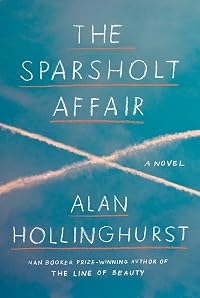
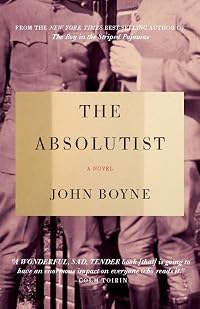
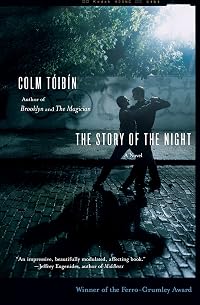
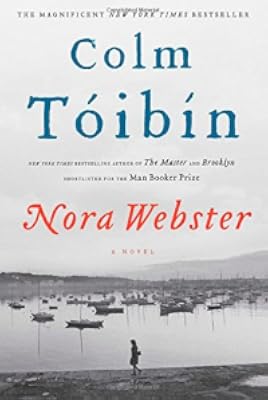






Member Recommendations
Member Reviews
A Place called Winter opens with Harry's affluent but rather boring life in late Victorian England, and the discovery that he prefers a man to his wife follows. In a parallel narrative, Harry is in an asylum for the mentally ill, horribly lost and unsure of how he became incarcerated.
Forced to leave his family by the threat of scandal, he emigrates to Canada, unwittingly meeting a man on the boat who promises help in becoming a farmer, and finding a good plot to farm, but who will have his own reasons for the farm he finds, near a new railway town: Winter.
Such a great read, gripping and heart breaking. Unafraid to challenge the idea of a straight historic past, or one where men and women accepted Victorian ideas of gender roles, as show more well as the diverse gender roles some other 'inferior' cultures embraced. It also is humane in addressing those who couldn't cope with frontier life, and acknowledges the myth of empty spaces via the presence of a 'non-treaty' group of Cree living near Harry's land. But this is not Dr Quinn medicine woman either: prejudice and cruelty aren't solvable via a worthy speech.
Can't recommend it highly enough. show less
Forced to leave his family by the threat of scandal, he emigrates to Canada, unwittingly meeting a man on the boat who promises help in becoming a farmer, and finding a good plot to farm, but who will have his own reasons for the farm he finds, near a new railway town: Winter.
Such a great read, gripping and heart breaking. Unafraid to challenge the idea of a straight historic past, or one where men and women accepted Victorian ideas of gender roles, as show more well as the diverse gender roles some other 'inferior' cultures embraced. It also is humane in addressing those who couldn't cope with frontier life, and acknowledges the myth of empty spaces via the presence of a 'non-treaty' group of Cree living near Harry's land. But this is not Dr Quinn medicine woman either: prejudice and cruelty aren't solvable via a worthy speech.
Can't recommend it highly enough. show less
This is an emotional and at times heartbreaking story made all the the more poignant by the fact that is loosely based around the story of Patrick Gale's grandfather.
"A privileged elder son, and stammeringly shy, Harry Cane has followed convention at every step. Even the beginnings of an illicit, dangerous affair do little to shake the foundations of his muted existence - until the shock of discovery and the threat of arrest cost him everything."
We first meet Harry in an asylum, before he is moved to an experimental community for individuals with mental illness. From here the story alternates between Harry's time at Bethel and the events which caused him to be there. The catalyst was his "crime" of being guilty of the "love that dare show more not speak it's name". A sin compounded by the fact that he was also married with a young daughter. Despite this he falls madly in love with his speech therapist and makes the mistake of leaving him an explicit message which is discovered. This discovery results in his either facing blackmail and/or arrest unless he exiles himself. Consequently he leaves for Canada as a homesteader and finds himself endeavouring to make a new life in a place called Winter.
His life is one of struggle and loneliness, that improves when he is befriended by his nearest neighbours, a brother and sister. Their friendship is both his making and ultimately his undoing.
The story is exceptionally well written and for some one who has never had any interest in Canada or the taming of the land by homesteaders I was totally absorbed and fascinated. This book is a social history as much as a veiled biography. The characters are all well drawn and it is impossible not to be moved by the sadnesses that Harry is faced with (no spoilers).
It is a book dealing with secrets and sexuality in a time much less enlightened and forgiving than today. It is story of loss and hearbreak, but it is also a story about love and friendship and survival. I cannot recommend it highly enough.
I received an ARC via NetGalley in return for an honest review. show less
"A privileged elder son, and stammeringly shy, Harry Cane has followed convention at every step. Even the beginnings of an illicit, dangerous affair do little to shake the foundations of his muted existence - until the shock of discovery and the threat of arrest cost him everything."
We first meet Harry in an asylum, before he is moved to an experimental community for individuals with mental illness. From here the story alternates between Harry's time at Bethel and the events which caused him to be there. The catalyst was his "crime" of being guilty of the "love that dare show more not speak it's name". A sin compounded by the fact that he was also married with a young daughter. Despite this he falls madly in love with his speech therapist and makes the mistake of leaving him an explicit message which is discovered. This discovery results in his either facing blackmail and/or arrest unless he exiles himself. Consequently he leaves for Canada as a homesteader and finds himself endeavouring to make a new life in a place called Winter.
His life is one of struggle and loneliness, that improves when he is befriended by his nearest neighbours, a brother and sister. Their friendship is both his making and ultimately his undoing.
The story is exceptionally well written and for some one who has never had any interest in Canada or the taming of the land by homesteaders I was totally absorbed and fascinated. This book is a social history as much as a veiled biography. The characters are all well drawn and it is impossible not to be moved by the sadnesses that Harry is faced with (no spoilers).
It is a book dealing with secrets and sexuality in a time much less enlightened and forgiving than today. It is story of loss and hearbreak, but it is also a story about love and friendship and survival. I cannot recommend it highly enough.
I received an ARC via NetGalley in return for an honest review. show less
At first it was a bit slow, but starting around chapter 8, the story fully engaged me. I was interested in the characters, and I enjoyed some of the details of settler life as well as of the Cree. I was deeply moved by the story as well. I liked it, but ....
My only complaint: the characters didn't feel off to me, but they didn't exactly feel spot-on either. For one thing, they didn't have much of a period feel. Their inner lives didn't have the slightly foreign feel that fully realized characters of another era usually should - more 21st century at their core really.
Storywise, the expected external behaviors were mostly there, but I missed the inner contortions. Many revelations that should've pulsed with power felt a bit lifeless show more because they didn't have the internal buildup, the dark twists of consciousness that accumulate force until they break surface and express themselves in inevitable actions. The story didn't have that feel of inevitability that I usually find in the most penetrating fictions.
For instance, asPaul and Harry first come together, it was sexy but there wasn't much power ... all of the history we'd discovered in the past couple hundred pages wasn't really expressed, no sense of accumulated darkness in their coupling. They must be singularly unimaginative people to have little trace of all the horrible things that had occurred beyond the timidity a healthy teenager nowadays might still feel. It fell a bit flat.
So overall an entertaining read but not quite revelatory. Definitely worth reading though.
Perhaps I'm a bit spoiled because I just finished Giovanni's Room, and that book was steeped in bone-deep psychological understanding, stepping from revelation to revelation, deeply rooted in the period the characters inhabited. show less
My only complaint: the characters didn't feel off to me, but they didn't exactly feel spot-on either. For one thing, they didn't have much of a period feel. Their inner lives didn't have the slightly foreign feel that fully realized characters of another era usually should - more 21st century at their core really.
Storywise, the expected external behaviors were mostly there, but I missed the inner contortions. Many revelations that should've pulsed with power felt a bit lifeless show more because they didn't have the internal buildup, the dark twists of consciousness that accumulate force until they break surface and express themselves in inevitable actions. The story didn't have that feel of inevitability that I usually find in the most penetrating fictions.
For instance, as
So overall an entertaining read but not quite revelatory. Definitely worth reading though.
Perhaps I'm a bit spoiled because I just finished Giovanni's Room, and that book was steeped in bone-deep psychological understanding, stepping from revelation to revelation, deeply rooted in the period the characters inhabited. show less
This is a really engaging and evocative novel, which I enjoyed very much. If anything I think Gale might have underwritten some sections, because I would have loved more detail on some of the events that are mentioned in passing or only covered lightly. I guess if you are going to complain that you would have liked a novel to be longer and larger so you could have spent more time in the author's world, then that's really more of a compliment than a complaint. 4.5 stars.
Those of us from a rural Canadian background have grown up with tales of the homesteaders who were enticed to the prairies with offers of free land. It is part of our heritage, our folklore. But when an Englishman who grew up on the Isle of Wight and then London and Winchester takes on that prairie life you have to wonder how accurately the stories will be told. I'm here to tell you that Patrick Gale has captured that place and time (with one small exception which I will get to later) wonderfully.
Harry Cane (nicknamed Windy because his name sounds like hurricane) lived the life of a gentleman in England at the beginning of the twentieth century. He was never indolent but he also did not have to worry about money. Even when an investment show more his brother-in-law persuaded him to make went bad and he moved into his mother-in-law's home he still didn't have to work. But an introduction to a member of the chorus in a musical turned his comfortable life upside down. When his affair with this man was discovered he was made to leave England and his wife and child. He decided to go to Canada to homestead 160 acres in Saskatchewan although he was quite ignorant about farm work. A man he met on the boat, Troels Munck, persuaded him to go work for a year and a day for some relatives who lived near Moose Jaw. Although farmer Jorgenson was initially sceptical about Cane he grew to respect his abilities and work ethics. Munck comes back exactly a year and a day later and takes Harry off to North Battleford. He has learned of an Englishman who wants to abandon his homestead near Winter. It is a remote area but there are a brother and sister, Paul and Petra Slaymaker, who are homesteading nearby. Munck knew the Slaymakers back in Toronto but he is certainly not a friend of theirs. These four people are destined to impact each other far into the future.
I especially enjoyed Gale's descriptions of the harvesting. I've seen threshing done by the big steam engines at museums and my parents told lots of stories about the threshing gangs. The amount of food consumed by the gang in this book is not an exaggeration. When you think how much work was involved in getting the crops sown and then harvested with just horses to provide the pulling power, it is a wonder farmers managed to farm 160 acres (a quarter-section). Hail to the pioneers!
That one little discrepancy I mentioned was some muffins Petra made. Gale said they were made with chokecherries but chokecherries are very bitter and have big central pits. The name really is descriptive of what they are like. You can make wonderful jelly, great syrup and even drinkable wine with chokecherries but no-one would make muffins with them. I'm surprised that Marina Endicott,a great prairie writer, who Gale acknowledges as assisting him did not catch that.
Other than that very minor slip this is a great book. I'll be looking for more of Patrick Gale's books. show less
Harry Cane (nicknamed Windy because his name sounds like hurricane) lived the life of a gentleman in England at the beginning of the twentieth century. He was never indolent but he also did not have to worry about money. Even when an investment show more his brother-in-law persuaded him to make went bad and he moved into his mother-in-law's home he still didn't have to work. But an introduction to a member of the chorus in a musical turned his comfortable life upside down. When his affair with this man was discovered he was made to leave England and his wife and child. He decided to go to Canada to homestead 160 acres in Saskatchewan although he was quite ignorant about farm work. A man he met on the boat, Troels Munck, persuaded him to go work for a year and a day for some relatives who lived near Moose Jaw. Although farmer Jorgenson was initially sceptical about Cane he grew to respect his abilities and work ethics. Munck comes back exactly a year and a day later and takes Harry off to North Battleford. He has learned of an Englishman who wants to abandon his homestead near Winter. It is a remote area but there are a brother and sister, Paul and Petra Slaymaker, who are homesteading nearby. Munck knew the Slaymakers back in Toronto but he is certainly not a friend of theirs. These four people are destined to impact each other far into the future.
I especially enjoyed Gale's descriptions of the harvesting. I've seen threshing done by the big steam engines at museums and my parents told lots of stories about the threshing gangs. The amount of food consumed by the gang in this book is not an exaggeration. When you think how much work was involved in getting the crops sown and then harvested with just horses to provide the pulling power, it is a wonder farmers managed to farm 160 acres (a quarter-section). Hail to the pioneers!
That one little discrepancy I mentioned was some muffins Petra made. Gale said they were made with chokecherries but chokecherries are very bitter and have big central pits. The name really is descriptive of what they are like. You can make wonderful jelly, great syrup and even drinkable wine with chokecherries but no-one would make muffins with them. I'm surprised that Marina Endicott,a great prairie writer, who Gale acknowledges as assisting him did not catch that.
Other than that very minor slip this is a great book. I'll be looking for more of Patrick Gale's books. show less
Patrick Gale’s reimagining of his great-grandfather’s life is a bold undertaking. His launchpad is a family puzzle and his flight one of both fancy and reasonable supposition; episodes follow Harry as he experiences living amongst the idle rich in Edwardian England, carnal encounters in a Jermyn Street flat, homesteading on the Canadian prairies, and incarceration in an asylum, then ‘therapeutic community’. It shouldn’t work, but it (mostly) does.
Harry Cane is painted sympathetically, which feels as if it should jar a little, given Gale’s connection and Cane’s sleepwalking-style deception of his wife in the early chapters. On the contrary, you can’t help but root for him. His stammer, plain intelligence and peculiarly show more English politeness contribute to his appeal as a protagonist, ensuring that we remain on his side as he steps out of his leisured but listless existence in England and into the harsh lifestyle of an early settler in Winter, Saskatchewan. Although his relationship with Paul, a neighbouring farmer, is the focus of attention for much of the novel, human interest is provided to an equal extent by Gale’s foregrounding of the sheer toughness of characters and their circumstances. The novel becomes a kind of homage to human endurance, with illness, loss, rape, war, and the unremittingly hard work that homesteading entailed all being explored. Gale’s prose is pared down, his portrayal of occasional joyous highs and frequent cruel lows finely drawn but without sentimentality - and the novel is all the more affecting for it.
There are perhaps a couple of false notes. The chapters concerning Harry’s time in Bethel, Dr Gideon Ormshaw’s therapeutic community, feel like a bridge too far at times. Ursula and the ‘two souls’ idea cannot really be done justice in the space afforded; it lapses into a slightly creaky plot device used to get Harry back to Winter sooner. Also rather convenient, structurally at least, are the deaths of Petra (Paul’s sister) and Grace (her child, born of rape and raised as Harry’s). It is hardly ‘happily ever after’ - the grief is raw and poignant, but Harry and Paul are thus enabled to live and work together without societal judgement, or worse. Petra held much of the interest for me. Bright and wry, she displays a remarkably selfless stoicism throughout a bleak life that offers little in the way of respite, let alone fulfilment. I’d like there to have been more space for her. But I’d have to concede that Petra isn’t really the point here; nor is Phyllis, the daughter Harry left behind in England, another dangling thread. Instead, Gale finally allows Harry and Paul hard-earned happiness in the ‘simple knowledge that the other was there, and holding him again’ - an ending which is perhaps the one part of the novel that borders on the saccharine, but which is surely justified by all that goes before. show less
Harry Cane is painted sympathetically, which feels as if it should jar a little, given Gale’s connection and Cane’s sleepwalking-style deception of his wife in the early chapters. On the contrary, you can’t help but root for him. His stammer, plain intelligence and peculiarly show more English politeness contribute to his appeal as a protagonist, ensuring that we remain on his side as he steps out of his leisured but listless existence in England and into the harsh lifestyle of an early settler in Winter, Saskatchewan. Although his relationship with Paul, a neighbouring farmer, is the focus of attention for much of the novel, human interest is provided to an equal extent by Gale’s foregrounding of the sheer toughness of characters and their circumstances. The novel becomes a kind of homage to human endurance, with illness, loss, rape, war, and the unremittingly hard work that homesteading entailed all being explored. Gale’s prose is pared down, his portrayal of occasional joyous highs and frequent cruel lows finely drawn but without sentimentality - and the novel is all the more affecting for it.
There are perhaps a couple of false notes. The chapters concerning Harry’s time in Bethel, Dr Gideon Ormshaw’s therapeutic community, feel like a bridge too far at times. Ursula and the ‘two souls’ idea cannot really be done justice in the space afforded; it lapses into a slightly creaky plot device used to get Harry back to Winter sooner. Also rather convenient, structurally at least, are the deaths of Petra (Paul’s sister) and Grace (her child, born of rape and raised as Harry’s). It is hardly ‘happily ever after’ - the grief is raw and poignant, but Harry and Paul are thus enabled to live and work together without societal judgement, or worse. Petra held much of the interest for me. Bright and wry, she displays a remarkably selfless stoicism throughout a bleak life that offers little in the way of respite, let alone fulfilment. I’d like there to have been more space for her. But I’d have to concede that Petra isn’t really the point here; nor is Phyllis, the daughter Harry left behind in England, another dangling thread. Instead, Gale finally allows Harry and Paul hard-earned happiness in the ‘simple knowledge that the other was there, and holding him again’ - an ending which is perhaps the one part of the novel that borders on the saccharine, but which is surely justified by all that goes before. show less
An ambitious historical novel, in which Gale projects an imagined life onto the little he knows about his great-grandfather. Harry Cane, the son of a successful businessman, drifts through life in Edwardian London. He allows himself to be manipulated into marrying a woman he feels sorry for, and to be led into a pleasant routine of sexual encounters with an actor who is supposed to be giving him speech lessons. And then, when it all comes to light, he lets himself be pushed off by his family to lose himself in the colonies with much the same good grace.
At this point the story changes gears, as Harry finds a new determination to make something of himself as a farmer in the West of Canada, and finds himself drawn into real, deep show more friendships with his farming neighbours. And of course there's a crisis and a lot of bad things happen, not least a world war and an influenza epidemic.
As always, it's family relationships (for the widest possible definition of "family") that seem to interest Gale most, and that bring out his most interesting writing, but this time there's also a lot of very convincing historical detail, especially about pioneer farmers in Canada. The part of the book about the Edward-Carpenter-quoting psychiatrist who runs an experimental community in the wilds of Canada but doesn't quite have the courage of his convictions is interesting too, but it doesn't really get enough space in such a very wide-ranging book. show less
At this point the story changes gears, as Harry finds a new determination to make something of himself as a farmer in the West of Canada, and finds himself drawn into real, deep show more friendships with his farming neighbours. And of course there's a crisis and a lot of bad things happen, not least a world war and an influenza epidemic.
As always, it's family relationships (for the widest possible definition of "family") that seem to interest Gale most, and that bring out his most interesting writing, but this time there's also a lot of very convincing historical detail, especially about pioneer farmers in Canada. The part of the book about the Edward-Carpenter-quoting psychiatrist who runs an experimental community in the wilds of Canada but doesn't quite have the courage of his convictions is interesting too, but it doesn't really get enough space in such a very wide-ranging book. show less
Members
- Recently Added By
Published Reviews
ThingScore 100
added by gsc55
Harry Cane is one of many, the disappeared who were not wanted by their families or their societies and whose stories were long shrouded with shame. This fascinating novel is their elegy.
added by vancouverdeb
Lists

Books Set in Canada
80 works; 16 members

Top Five Books of 2015
811 works; 240 members
BBC Radio 4 Bookclub
340 works; 13 members

Books Read in 2016
4,666 works; 197 members
Books Read in 2015
3,299 works; 126 members
International Dublin Literary Award Longlist 2017
147 works; 3 members

Dublin Literary Award Longlist 2017
147 works; 2 members

Walter Scott Prize Winners and Shortlist
66 works; 6 members

Books Read in 2018
4,360 works; 110 members
Canadian Historical Fiction 🇨🇦
157 works; 8 members

Books recommended by Calgary Public Library staff
1,588 works; 4 members
Author Information

31+ Works 4,448 Members
Patrick Gale was born in 1962 on the Isle of Wight. He is a British novelist He was educated at The Pilgrims' School, the choir school for both Winchester Cathedral and Winchester College, then at Winchester College itself and at New College, University of Oxford. Following university he had a range of jobs while he sang for the London show more Philharmonic Choir and wrote his first novel, The Aerodynamics of Pork while working as a waiter in an all-night restaurant. His works include: Ease, Kansas in August, Little Bits of Baby and A Place Called Winter. (Bowker Author Biography) show less
Awards and Honors
Series

Common Knowledge
- Canonical title
- A Place Called Winter
- Original title
- A Place Called Winter
- Original publication date
- 2015
- Important places
- Moose Jaw, Saskatchewan, Canada; Jermyn Street, London, England, UK; Winter
- Important events
- World War I
- Epigraph
- A violent and excited patient is forcibly taken by his legs and plunged head foremost into an ordinary swimming bath. He is not permitted the use of his limbs when in the water, but is detained there, or taken out and plunged... (show all) again in the bath, until the requiered effect of tranquility is produced.
L. Forbes Winslow, The Turkish Bath in Mental Disorders (1896) - Dedication
- For Aidan Hicks
- First words
- The attendants came for him as a pair, as always.
- Last words
- (Click to show. Warning: May contain spoilers.)There they lay, fully clothed, boot rubbing boot, nose touching cheek, each seeking no warmer pleasure than the simple knowledge that the other was there, and holding him again.
Classifications
Statistics
- Members
- 505
- Popularity
- 59,583
- Reviews
- 36
- Rating
- (4.03)
- Languages
- English
- Media
- Paper, Audiobook, Ebook
- ISBNs
- 10
- ASINs
- 9