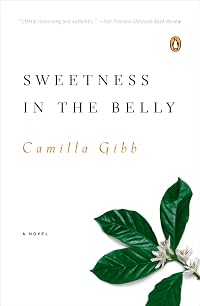
Sweetness in the Belly
by Camilla Gibb
On This Page
Description
Orphaned at the age of eight, British-born Lilly devotes her life to the teachings of the Qur'an from within a Sufi shrine, but is persecuted for her foreign heritage, forcing her to flee to London, where she is equally disconnected.Tags
Recommendations















Member Recommendations
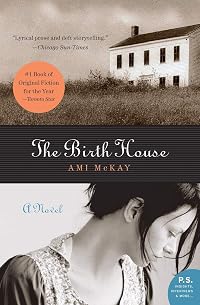
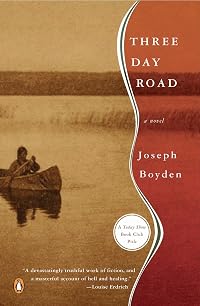
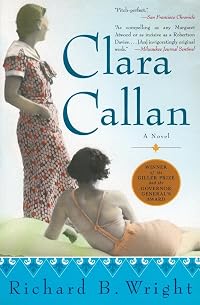
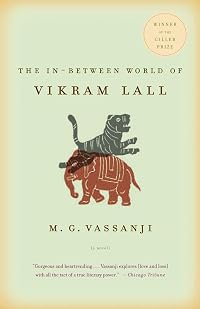
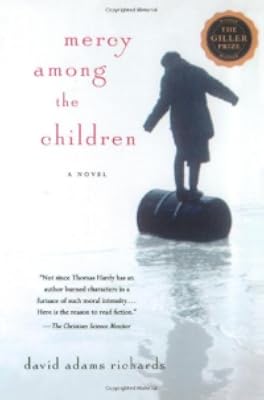
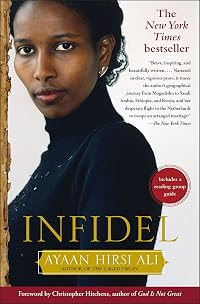
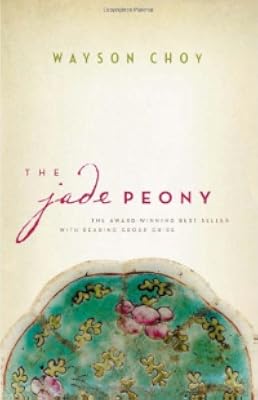
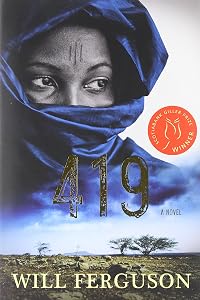
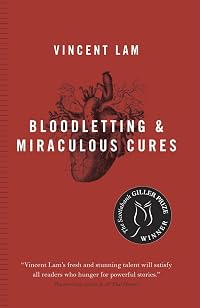
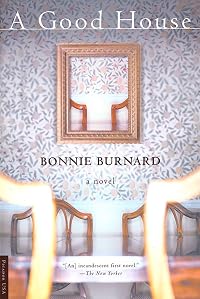
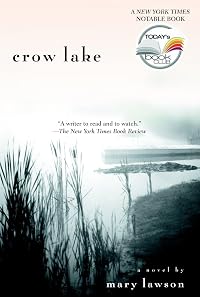
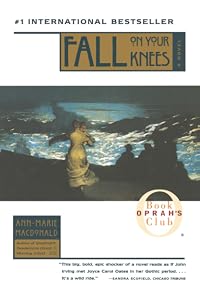
Ciruelo Both novels have a medical focus and are set in Ethiopia. The main characters in each novel were orphaned at an early age and each spent their childhoods in a religious setting.
Member Reviews
Lilly, the English child of two hippies who wander through Africa and Asia, is raised and educated by Abdal, a beloved Islamic scholar and her guardian Muhammed Bruce Mahmoud, English convert to Islam and friend of her parents, visits and provides English books and gifts.
When the political situation changes Abdal sends Lilly on pilgrimage to Harar, Ethiopia for safety. Lilly lives with widowed Nouria and her 4 children. It takes years for Lilly, the white "farengi" to become somewhat socially accepted. She learns the language, helps with housework and child care, and soon teaches Quran to the children, and is paid to teach the neighbors' children as well.
Always a keen student as well as a committed Muslim, so when Lilly meets Aziz he show more opens her mind with knowledge of the medical field he practices and his understanding of politics. They have enlightening conversations about how his liberal view on religion differs from her view but do agree on some like their abhorrence of female circumcision. But once again, when life in Ethiopia changes for the worse Aziz sends Lilly to England.
Now a nurse and social worker, Lilly, lives among the Islamic immigrant community in London's council housing, and now it’s the English who curse and bully her for being Muslim. While her life is busy helping to care for bewildered immigrants acclimate to England, like many of them, her heart has remained in Ethiopia.
Sweetness in the Belly is an extraordinary tale of the sorrow and pain caused by shifting history, military regimes, and religion. And it deals with living as an “outsider” and finding a community, a home, acceptance and love. show less
When the political situation changes Abdal sends Lilly on pilgrimage to Harar, Ethiopia for safety. Lilly lives with widowed Nouria and her 4 children. It takes years for Lilly, the white "farengi" to become somewhat socially accepted. She learns the language, helps with housework and child care, and soon teaches Quran to the children, and is paid to teach the neighbors' children as well.
Always a keen student as well as a committed Muslim, so when Lilly meets Aziz he show more opens her mind with knowledge of the medical field he practices and his understanding of politics. They have enlightening conversations about how his liberal view on religion differs from her view but do agree on some like their abhorrence of female circumcision. But once again, when life in Ethiopia changes for the worse Aziz sends Lilly to England.
Now a nurse and social worker, Lilly, lives among the Islamic immigrant community in London's council housing, and now it’s the English who curse and bully her for being Muslim. While her life is busy helping to care for bewildered immigrants acclimate to England, like many of them, her heart has remained in Ethiopia.
Sweetness in the Belly is an extraordinary tale of the sorrow and pain caused by shifting history, military regimes, and religion. And it deals with living as an “outsider” and finding a community, a home, acceptance and love. show less
This is a wonderful novel. It tells the story of an English girl, Lilly, whose hippy parents drift off and leave her in the hands of a Sufi religious leader in Morocco. Finding religion a consolation, she becomes an ardent Muslim. As a teenager she goes on a pilgrimage/haj to Ethiopia, only to find the male leaders reject her as a 'foreigner'.
In the early 70's political unrest is growing in Ethiopia – the people are angry with the corruption and repression of Haile Selassie’s government. Aziz and his friends support the resistance, while Lily views the political issues through the lens of her faith.
Escaping the revolution in 1974 Lily flees as a refugee to England where she works as a nurse and also clings to the hope that she show more will find Aziz again one day. Gradually she learns to make peace with the past.
The portrait of life as a displaced person in UK is very good, but the scenes in Ethiopia are outstanding. I’ve never been to Ethiopia but the scenes and characters were so vivid and utterly convincing. It was an enthralling glimpse into another culture, another religion, and the collapse of Haile Selassie’s long reign.
Obviously Gibb saturated herself deep in Ethiopian life as part of her doctoral studies yet her knowledge rests lightly; it never felt pretentious or burdensome.
Over the course of the novel (1970 – 1991) we see Muslim orthodoxy becoming increasingly conservative, strict and right wing. However Lily can’t accept this; she adheres to a ‘moderate interpretation … one that allows you to use whatever means allow you to feel closer to God……It’s an interpretation where jihad is one’s personal struggle to be a good Muslim, not a fight against those who are not Muslim, as our imam has started preaching.’ show less
In the early 70's political unrest is growing in Ethiopia – the people are angry with the corruption and repression of Haile Selassie’s government. Aziz and his friends support the resistance, while Lily views the political issues through the lens of her faith.
Escaping the revolution in 1974 Lily flees as a refugee to England where she works as a nurse and also clings to the hope that she show more will find Aziz again one day. Gradually she learns to make peace with the past.
The portrait of life as a displaced person in UK is very good, but the scenes in Ethiopia are outstanding. I’ve never been to Ethiopia but the scenes and characters were so vivid and utterly convincing. It was an enthralling glimpse into another culture, another religion, and the collapse of Haile Selassie’s long reign.
Obviously Gibb saturated herself deep in Ethiopian life as part of her doctoral studies yet her knowledge rests lightly; it never felt pretentious or burdensome.
Over the course of the novel (1970 – 1991) we see Muslim orthodoxy becoming increasingly conservative, strict and right wing. However Lily can’t accept this; she adheres to a ‘moderate interpretation … one that allows you to use whatever means allow you to feel closer to God……It’s an interpretation where jihad is one’s personal struggle to be a good Muslim, not a fight against those who are not Muslim, as our imam has started preaching.’ show less
Another long-term TBR, but worth the wait!
The main character is Lilly, the daughter of two English speaking drifters who end up in Morocco. Lilly converts to Islam as a child, something which helps her cope with her parents' death, and leads her on an unexpected journey to Ethiopia. The narrative moves between Ethiopia in the '70s and the U.K. in the '80s and '90s.
Lilly is a fish out of water, she doesn't seem to belong anywhere, being a white foreigner in Ethiopia marks her out as different, suspicious, but then in the U.K., her faith sets her apart. In Ethiopia, Lilly is mistrusted, but tries to help other women (and children) teaching them from the Koran. She falls for another outsider, a doctor who is half-Sudanese, but events in show more Ethiopia take over and separate them. The action then moves to London, where, despite being a Brit, Lilly finds it hard to adjust, missing her life overseas. Through her work as a nurse and her friends, she helps newcomers settle in and to try and find missing loved ones, hoping that one day she'll get news of her doctor.
I enjoyed this, not only for Lilly's remarkable tale, but also for the backdrop of '70s Ethiopia, a country I only know through famine appeals. It is a slow-burner, but I got pulled into Lilly's story, wanting to see how the two strands would tie up. show less
The main character is Lilly, the daughter of two English speaking drifters who end up in Morocco. Lilly converts to Islam as a child, something which helps her cope with her parents' death, and leads her on an unexpected journey to Ethiopia. The narrative moves between Ethiopia in the '70s and the U.K. in the '80s and '90s.
Lilly is a fish out of water, she doesn't seem to belong anywhere, being a white foreigner in Ethiopia marks her out as different, suspicious, but then in the U.K., her faith sets her apart. In Ethiopia, Lilly is mistrusted, but tries to help other women (and children) teaching them from the Koran. She falls for another outsider, a doctor who is half-Sudanese, but events in show more Ethiopia take over and separate them. The action then moves to London, where, despite being a Brit, Lilly finds it hard to adjust, missing her life overseas. Through her work as a nurse and her friends, she helps newcomers settle in and to try and find missing loved ones, hoping that one day she'll get news of her doctor.
I enjoyed this, not only for Lilly's remarkable tale, but also for the backdrop of '70s Ethiopia, a country I only know through famine appeals. It is a slow-burner, but I got pulled into Lilly's story, wanting to see how the two strands would tie up. show less
Lilly's parents are English and Irish, and they travel the world with her, living a hippie life. As a result of their choices, she grows up in Morocco and Ethiopia in the 1970s. She also has the rare distinction of being a white Muslim in those African countries. Then Ethiopia becomes an unstable country, and Lilly is forced to return to England. The novel moves us back and forth through time periods and locations, getting to know Lilly, the people around her, and her life.
This is one of my favorite reads of the year so far. A solid five stars for writing, story, and for Lilly herself. Not too far along in the story, I was doing the math to see how old she was compared to me. I was thinking about my childhood friends who grew up in show more Ethiopia because their parents were missionaries. And most of all, I was trying to find more time to read this book.
Lilly is resilient but entirely human. She believes in herself, despite constantly being questioned by the Africans around her. I'm in awe of the inner strength this character had to make her way in a tangled, insecure world.
Lilly's story also taught me about the life of refugees. How you feel when you look for someone you love day in and day out, week in and week out, month in and month out. You never know if they are ignoring you, or unable to find you too. She finds a family of choice and a community in London, but in her heart she's still African and Ethiopian, and follows those traditions as much as possible.
The author presents a picture of Islam that includes the many gods of Ethiopian traditions. It's not an orthodox Islamic perspective, based on what the characters say as well as the author's afterword. It's a fictional account, although it stirs up controversy among reviewers as to whether it should be closer to their version of accuracy. To me, the importance of including the depth of Lilly's devotion to the Islam she was taught is what it tells us about her character.
As much as it's titled "sweetness," this is a bittersweet and moving book. show less
This is one of my favorite reads of the year so far. A solid five stars for writing, story, and for Lilly herself. Not too far along in the story, I was doing the math to see how old she was compared to me. I was thinking about my childhood friends who grew up in show more Ethiopia because their parents were missionaries. And most of all, I was trying to find more time to read this book.
Lilly is resilient but entirely human. She believes in herself, despite constantly being questioned by the Africans around her. I'm in awe of the inner strength this character had to make her way in a tangled, insecure world.
Lilly's story also taught me about the life of refugees. How you feel when you look for someone you love day in and day out, week in and week out, month in and month out. You never know if they are ignoring you, or unable to find you too. She finds a family of choice and a community in London, but in her heart she's still African and Ethiopian, and follows those traditions as much as possible.
The author presents a picture of Islam that includes the many gods of Ethiopian traditions. It's not an orthodox Islamic perspective, based on what the characters say as well as the author's afterword. It's a fictional account, although it stirs up controversy among reviewers as to whether it should be closer to their version of accuracy. To me, the importance of including the depth of Lilly's devotion to the Islam she was taught is what it tells us about her character.
As much as it's titled "sweetness," this is a bittersweet and moving book. show less
This is one of those books that seep into your soul. I really didn't want it to end and, yet, I wanted to know what happened to the characters. This book certainly deserves its place on CBC's 100 Novels that Make you Proud to be Canadian. There will be people who quibble with that because no-one in the book is Canadian, no action takes place in Canada and Canada is mentioned tangentially only two times that I can think of. It qualifies as Canadian because Camilla Gibb lives in Toronto although she was born in England. She spent time in Ethiopia doing research for her Ph. D. in social anthropology and that work forms the basis for this book.
Lilly is English by birth and white but she was raised by a Sufi teacher in Morocco and she has show more adopted the Muslim faith. Her teacher decided it was to dangerous in Morocco and so he sent her and another student, Hussein, to Harar in Ethiopia because the saint he worshiped had a descendent who ran a mosque in Harar. When they finally reached Harar, a journey of months by camel, they went immediately to Sheikh Jami who would not accept Lilly into his household but he did accept Hussein. Lilly was taken by one of the Sheikh's wives to a poor relative who could use the income Lilly would provide. Nouria had four children, no husband and survived by taking in washing. Lilly didn't actually have much money to give her but she started a school to teach neighbourhood children the Qu'ran. Even though she was a "farenji" (a foreigner) Lilly gradually came to be accepted by the neighbourhood women. There were some things that Lilly could not accept though. Most girls in Ethiopia had a clitorectomy to ensure their purity for marriage. Lilly witnessed Nouria's two young girls undergoing this barbaric practice and was appalled. One of the girls became very ill and finally a doctor was summoned. Aziz was able to save the girl and, over time, he and Lilly became friends and more. The government was still run by Emperor Haile Selassie at the time. Aziz and some friends wanted a socialist upheaval in Ethiopia but instead what they got was a bloody civil war. Lilly left Ethiopia and went to live in England where she became a nurse. She could not let go of wanting to get word of Aziz. In 1981 Lilly helped an Ethiopian refugee from Harar, Amina, give birth. Lilly and Amina became neighbours and good friends. More refugees were coming to England from Ethiopia so the two started an office to assist them, especially in reconnecting with their families. Amina had been separated from her husband in a refugee camp and was always searching the lists for his name. Similarily, Lilly was always looking for Aziz's name. One of them was rewarded.
I have gone to school and worked with a number of Ethiopians. I am quite sure they were all Christian and so this story of the Muslims in Harar was an eye-opener. They seem to be so contradictory; girls are genitally mutilated but parents were supportive of them being educated, especially in learning the Qu'ran. Women covered themselves in veils but quite often the veils were colourful and diaphanous. Marriages were arranged but it was the groom's parents who paid a dowry. So, so interesting. show less
Lilly is English by birth and white but she was raised by a Sufi teacher in Morocco and she has show more adopted the Muslim faith. Her teacher decided it was to dangerous in Morocco and so he sent her and another student, Hussein, to Harar in Ethiopia because the saint he worshiped had a descendent who ran a mosque in Harar. When they finally reached Harar, a journey of months by camel, they went immediately to Sheikh Jami who would not accept Lilly into his household but he did accept Hussein. Lilly was taken by one of the Sheikh's wives to a poor relative who could use the income Lilly would provide. Nouria had four children, no husband and survived by taking in washing. Lilly didn't actually have much money to give her but she started a school to teach neighbourhood children the Qu'ran. Even though she was a "farenji" (a foreigner) Lilly gradually came to be accepted by the neighbourhood women. There were some things that Lilly could not accept though. Most girls in Ethiopia had a clitorectomy to ensure their purity for marriage. Lilly witnessed Nouria's two young girls undergoing this barbaric practice and was appalled. One of the girls became very ill and finally a doctor was summoned. Aziz was able to save the girl and, over time, he and Lilly became friends and more. The government was still run by Emperor Haile Selassie at the time. Aziz and some friends wanted a socialist upheaval in Ethiopia but instead what they got was a bloody civil war. Lilly left Ethiopia and went to live in England where she became a nurse. She could not let go of wanting to get word of Aziz. In 1981 Lilly helped an Ethiopian refugee from Harar, Amina, give birth. Lilly and Amina became neighbours and good friends. More refugees were coming to England from Ethiopia so the two started an office to assist them, especially in reconnecting with their families. Amina had been separated from her husband in a refugee camp and was always searching the lists for his name. Similarily, Lilly was always looking for Aziz's name. One of them was rewarded.
I have gone to school and worked with a number of Ethiopians. I am quite sure they were all Christian and so this story of the Muslims in Harar was an eye-opener. They seem to be so contradictory; girls are genitally mutilated but parents were supportive of them being educated, especially in learning the Qu'ran. Women covered themselves in veils but quite often the veils were colourful and diaphanous. Marriages were arranged but it was the groom's parents who paid a dowry. So, so interesting. show less
While living in Morocco, Lilly, the child of a couple of nudist hippies was orphaned and left to be brought up in a Sufi mosque there, later fleeing to Ethiopia. Even though a devout Muslim, she was always denigrated as a "farenji" (foreigner) because she was white. When eventually she went to live in London, her accent and religion again labelled her a foreigner. This was a close look at Muslim society and culture in Ethiopia, including a detailed account of the barbaric practice of female circumcision. The people of London did not fare any better, displaying just as much intolerance. Gibb has obviously done her research (she lived for a year with a Muslim family in their compound in Harar, Ethiopia). Although the theme of ethnicity, show more displacement, and identity are the essence of this story, I found the characters remained oddly unlikeable. I expected a book about Muslim women as refugees but instead learned more about the restrictions of Islam. The dreamy, pensive, reflective style of writing does not appeal to me, and despite attempts to keep the text lyrical, the topic romantic, Gibb, the academic, has written a book that is more ethnography than novel. show less
I really enjoyed the glimpse into Harar life that this book offered. I didn't know a lot about Ethiopian history and the story made me want to find out more. The main character was convincing and the description of life in London for recent immigrants seemed all too realistic. Sometimes I got the feeling that the author was using British English words a little self-consciously (loo, rubbish bin, bung) and there was one use of a Canadian English word or phrase which quite threw me out of the story (and I can't for the life of me remember what it was, but it wasn't until that point that I realised the author was Canadian).The book is very well written and engaging and although it is clearly the result of years of research, it manages not show more to make the reader feel as though they are being lectured to in any way. show less
Members
- Recently Added By
Published Reviews
In her third novel, Camilla Gibb takes readers to the often overlooked country of Ethiopia. Gibb intertwines a story of exile in Thatcher’s London with a past pious existence in Haile Selassie’s politically unstable Ethiopia to create a dynamic tapestry of one woman’s life.
Gibb challenges the reader by presenting a protagonist who is difficult to identify with, and not always likeable. show more Despite her annoying self-righteousness, Lilly’s struggle with her human flaws authenticates her character. Amina balances Lilly’s bitter rigidity, as she flirtatiously flounces around in her tartan skirt. Lilly embodies the many contradictions of love, religion, science, and culture, as she tries to embrace an openness that allows these elements to coexist.
The novel offers many insights on religion, race, and exile. Through the white figure of Lilly, Gibb deculturalizes Islam and reveals the vibrant possibilities it affords – a fact often forgotten in today’s political landscape. From the unpacked boxes in the homes of Ethiopian refugees to Lilly’s stubborn hold on the past, readers see that exile is often based on the myth of return. And racism is ubiquitous, even within the non-colonized walls of Harar.
Gibb balances this heaviness with lush imagery that transports the reader to Lilly’s world. The “glittering … bright head scarves and beaded shawls” in the city of Harar dazzle the reader, the “staggered chorus of muezzins” is a loud awakening, and the smell of incense and sweat in Lilly’s secret meetings with Aziz is hypnotic. Gibb also presents social commentary through humour. However, these few instances of clever wit leave the reader wanting more.
All of these details of a most unusual place and story weave a human tapestry of love, loss, and survival. This “outsider’s struggle to assert a place … and the euphoric, if fleeting, sense of peace in finding one” leaves the reader with a sweetness that comes from something fresh and new. show less
Gibb challenges the reader by presenting a protagonist who is difficult to identify with, and not always likeable. show more Despite her annoying self-righteousness, Lilly’s struggle with her human flaws authenticates her character. Amina balances Lilly’s bitter rigidity, as she flirtatiously flounces around in her tartan skirt. Lilly embodies the many contradictions of love, religion, science, and culture, as she tries to embrace an openness that allows these elements to coexist.
The novel offers many insights on religion, race, and exile. Through the white figure of Lilly, Gibb deculturalizes Islam and reveals the vibrant possibilities it affords – a fact often forgotten in today’s political landscape. From the unpacked boxes in the homes of Ethiopian refugees to Lilly’s stubborn hold on the past, readers see that exile is often based on the myth of return. And racism is ubiquitous, even within the non-colonized walls of Harar.
Gibb balances this heaviness with lush imagery that transports the reader to Lilly’s world. The “glittering … bright head scarves and beaded shawls” in the city of Harar dazzle the reader, the “staggered chorus of muezzins” is a loud awakening, and the smell of incense and sweat in Lilly’s secret meetings with Aziz is hypnotic. Gibb also presents social commentary through humour. However, these few instances of clever wit leave the reader wanting more.
All of these details of a most unusual place and story weave a human tapestry of love, loss, and survival. This “outsider’s struggle to assert a place … and the euphoric, if fleeting, sense of peace in finding one” leaves the reader with a sweetness that comes from something fresh and new. show less
added by VivienneR
Lists

Recommend the 20 best books you've read in the last five years
2,168 works; 602 members

CBC Books - Canada's 100 (+ bonus 10): Which have you read?
110 works; 23 members

Five star books
1,767 works; 110 members

Evergreen Award™ Winners and Nominees 2005–2024
200 works; 3 members
Author Information

9+ Works 1,911 Members
Some Editions
Awards and Honors
Awards
Distinctions
Common Knowledge
Classifications
Statistics
- Members
- 1,042
- Popularity
- 24,783
- Reviews
- 47
- Rating
- (3.77)
- Languages
- 5 — English, French, Indonesian, Norwegian (Bokmål), Norwegian
- Media
- Paper, Audiobook, Ebook
- ISBNs
- 22
- ASINs
- 10