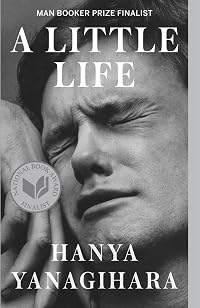
A Little Life
by Hanya Yanagihara
On This Page
Description
"When four classmates from a small Massachusetts college move to New York to make their way, they're broke, adrift, and buoyed only by their friendship and ambition ... Over the decades, their relationships deepen and darken, tinged by addiction, success, and pride. Yet their greatest challenge, each comes to realize, is [their center of gravity] Jude, ... by midlife a terrifyingly talented litigator yet an increasingly broken man, his mind and body scarred by an unspeakable childhood, and show more haunted by what he fears is a degree of trauma that he'll not only be unable to overcome--but that will define his life forever"--Amazon.com. show lessTags
Recommendations
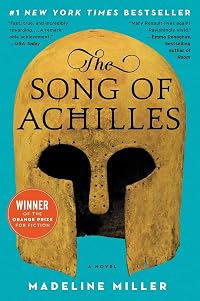

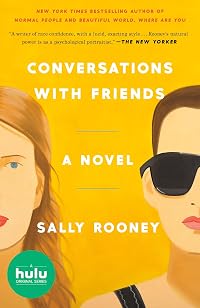
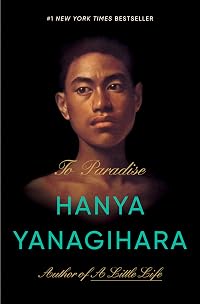
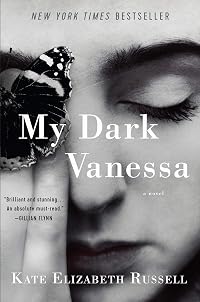
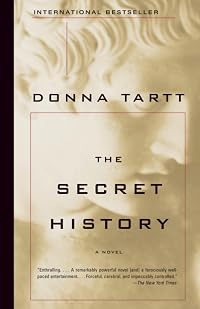
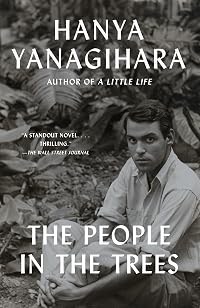
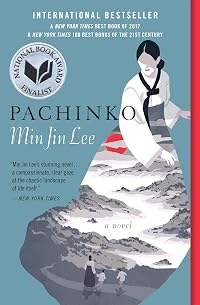
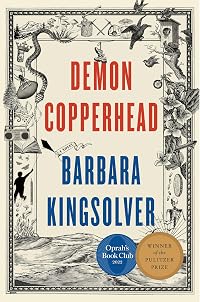
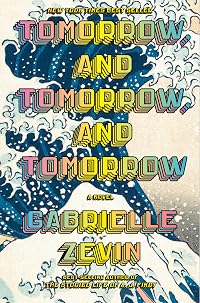
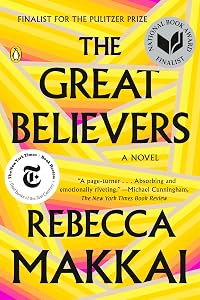
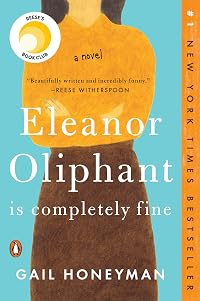

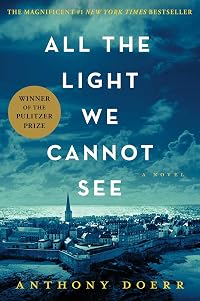
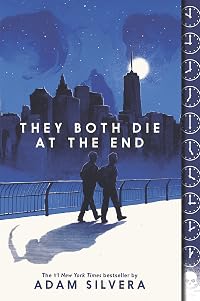
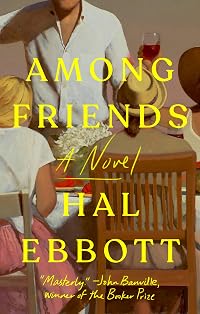
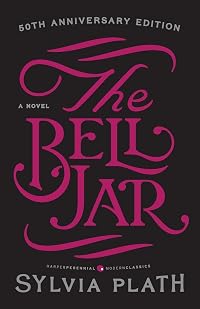
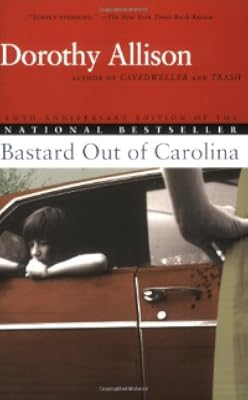
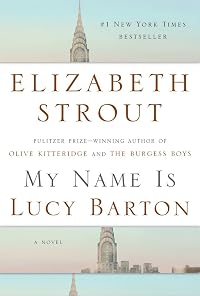
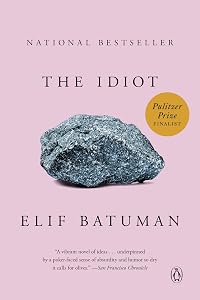
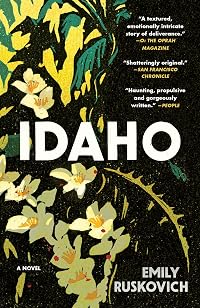


Member Recommendations
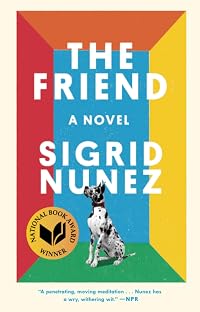
vwinsloe Another group of lifelong friends followed over the decades.
The Complete Patrick Melrose Novels: Never Mind, Bad News, Some Hope, Mother's Milk, and At Last by Edward St. Aubyn
vwinsloe Another book about child abuse, although this one is also about substance abuse.

JuliaMaria Gewaltige Romane mit Freundschaften im Mittelpunkt.
Member Reviews
How do I hate this book, let me count the ways. I hate the pretentious writing, the author's dedicated lack of research, the bloated, overblown length of the repetitive text, the bandwagon that everyone jumped on, the hype generated by the bandwagon - which I fell for - and first and foremost, I HATE JUDE ST FRANCIS, a protagonist so miserable that he can't even put his friends (and the readers of this obnoxious published fan fiction) out of their misery by ending his life far flaming sooner than he did.
If there was such a thing as compensation for badly written books, I would be claiming back the week I wasted with Jude and his exaggerated, ongoing life of trauma, and also suing for damages because my reading mojo nearly flatlined. show more Ploughing through section after section of Jude apologising for existing while simultaneously being successful at every task he turned his giant brain to became old pretty quickly but by the time I realised that I should DNF, I was too far in to quit - not that I thought the story would pick up, only that I had already wasted hours getting up to the halfway point of OVER 700 PAGES! Why did this book need to be so long when Jude whining like a bitch is the only thing that ever happens? Even his three close college friends rarely get a look in, or develop believable personalities. Willem is an award-winning actor, JB is the toast of the New York art scene (despite only ever painting the portraits of his three friends) and Malcolm is a innovative architect, but all they have in common is fawning over Jude.
Jude himself is like the fantasy hero of a teenager's over-emotive Wattpad fiction. Putting aside his backstory of abuse so overwrought that the slow drip-drip of details is both comic and yet painfully insulting to actual survivors of childhood sexual and physical assault, he is described - ad nauseum - as both devastatingly handsome and universally talented. In the words of Willem:
“You’re a swimmer. You’re a baker. You’re a cook. You’re a reader. You have a beautiful voice, though you never sing anymore. You’re an excellent pianist. You’re an art collector."
He's also a brilliant mathematician and a cutthroat lawyer who instantly rises to the top of the firm he joins despite spending half of his professional life recovering from some physical or mental trauma. And everybody loves him! That should actually have been the title of this book: 'Everybody Loves Jude: Though God Knows Why'. Willem, his chick magnet best friend falls in love with him, an older couple legally adopt him when he's in his thirties, the parents of his friends all love him more than their own children, his doctor practically dedicates his career to being on call 24/7 (while betraying his professional duty to report self harm and get the little brat committed).
And yet. Does this sudden good fortune after a childhood of being abused by everyone from predatory paedophiles to Franciscan monks make Jude happy, or even independent and resilient? Not a chance! He is an emotional vampire who drains every drop of love and care out of his friends and adopted family, while selfishly proclaiming that he hurts himself and deceives others to protect them from the 'truth' about who he is:
"I’m sorry I’m such a problem for you. I’m sorry I’m ruining your retirement. I’m sorry I’m not happier. I’m sorry I’m not over Willem. I’m sorry I have a job you don’t respect. I’m sorry I’m such a nothing of a person."
Sorry, sorry, sorry. I wanted to end him myself after 300 pages of incessant whining. Harold and Julia are nothing but loving, Willem - despite, you know, forcing Jude to have sex because everyone needs sex, right? - constantly puts his high-flying celebrity on hold to mop up after Jude cuts himself to ribbons, Dr Andy spends thirty years patching him up when he should have had him locked up. I took great delight in the isolated moments where first JB, then Andy and finally Willem all snapped and told Jude what they thought of his shitty attitude. Of course, such brutal honesty was only answered with five paragraphs of 'sorry, sorry, sorry'.
Yes, abuse is horrific, but Yanagihara - who admitted that she didn't do any serious research into the sensitive issues of Jude's story - is hardly helping to raise positive awareness about the reality of surviving such trauma. Neither does her frankly homophobic attitude to the lgbt characters in the book make this a 'great gay novel' - Willem falls in love with Jude, outs their relationship while refusing to comprehend how Jude's past might make him fear intimacy, and then announces that he is 'not fundamentally' gay and goes back to sleeping with women.
I hated every page of this novel, finally started skim-reading to get through the never-ending misery and have now deleted the download entirely from my Kindle. I wish I could do the same for my brain. The only positive note I can add is that the edition with the melodramatic, cry baby man's face is the most appropriate cover art I have seen all year. Really, all l I can do is echo the advice I recently read in another less than glowing review: 'If you haven't read this, then don't'. show less
If there was such a thing as compensation for badly written books, I would be claiming back the week I wasted with Jude and his exaggerated, ongoing life of trauma, and also suing for damages because my reading mojo nearly flatlined. show more Ploughing through section after section of Jude apologising for existing while simultaneously being successful at every task he turned his giant brain to became old pretty quickly but by the time I realised that I should DNF, I was too far in to quit - not that I thought the story would pick up, only that I had already wasted hours getting up to the halfway point of OVER 700 PAGES! Why did this book need to be so long when Jude whining like a bitch is the only thing that ever happens? Even his three close college friends rarely get a look in, or develop believable personalities. Willem is an award-winning actor, JB is the toast of the New York art scene (despite only ever painting the portraits of his three friends) and Malcolm is a innovative architect, but all they have in common is fawning over Jude.
Jude himself is like the fantasy hero of a teenager's over-emotive Wattpad fiction. Putting aside his backstory of abuse so overwrought that the slow drip-drip of details is both comic and yet painfully insulting to actual survivors of childhood sexual and physical assault, he is described - ad nauseum - as both devastatingly handsome and universally talented. In the words of Willem:
“You’re a swimmer. You’re a baker. You’re a cook. You’re a reader. You have a beautiful voice, though you never sing anymore. You’re an excellent pianist. You’re an art collector."
He's also a brilliant mathematician and a cutthroat lawyer who instantly rises to the top of the firm he joins despite spending half of his professional life recovering from some physical or mental trauma. And everybody loves him! That should actually have been the title of this book: 'Everybody Loves Jude: Though God Knows Why'. Willem, his chick magnet best friend falls in love with him, an older couple legally adopt him when he's in his thirties, the parents of his friends all love him more than their own children, his doctor practically dedicates his career to being on call 24/7 (while betraying his professional duty to report self harm and get the little brat committed).
And yet. Does this sudden good fortune after a childhood of being abused by everyone from predatory paedophiles to Franciscan monks make Jude happy, or even independent and resilient? Not a chance! He is an emotional vampire who drains every drop of love and care out of his friends and adopted family, while selfishly proclaiming that he hurts himself and deceives others to protect them from the 'truth' about who he is:
"I’m sorry I’m such a problem for you. I’m sorry I’m ruining your retirement. I’m sorry I’m not happier. I’m sorry I’m not over Willem. I’m sorry I have a job you don’t respect. I’m sorry I’m such a nothing of a person."
Sorry, sorry, sorry. I wanted to end him myself after 300 pages of incessant whining. Harold and Julia are nothing but loving, Willem - despite, you know, forcing Jude to have sex because everyone needs sex, right? - constantly puts his high-flying celebrity on hold to mop up after Jude cuts himself to ribbons, Dr Andy spends thirty years patching him up when he should have had him locked up. I took great delight in the isolated moments where first JB, then Andy and finally Willem all snapped and told Jude what they thought of his shitty attitude. Of course, such brutal honesty was only answered with five paragraphs of 'sorry, sorry, sorry'.
Yes, abuse is horrific, but Yanagihara - who admitted that she didn't do any serious research into the sensitive issues of Jude's story - is hardly helping to raise positive awareness about the reality of surviving such trauma. Neither does her frankly homophobic attitude to the lgbt characters in the book make this a 'great gay novel' - Willem falls in love with Jude, outs their relationship while refusing to comprehend how Jude's past might make him fear intimacy, and then announces that he is 'not fundamentally' gay and goes back to sleeping with women.
I hated every page of this novel, finally started skim-reading to get through the never-ending misery and have now deleted the download entirely from my Kindle. I wish I could do the same for my brain. The only positive note I can add is that the edition with the melodramatic, cry baby man's face is the most appropriate cover art I have seen all year. Really, all l I can do is echo the advice I recently read in another less than glowing review: 'If you haven't read this, then don't'. show less
I am numb, a hollowed-out husk of a person. This book is rich and decadent, so beautifully crafted it feels like a betrayal to be so wrecked by it. The pace is long and sprawling, but never dull, as it follows lives woven together through love, pain, and everything in between. It’s devastatingly relatable and achingly painful. There are characters I wish I could be half as good as and others I’ve never hated more in all my life. I had to stop so many times because I couldn’t see through the tears or breathe through the weight. I’m writing this too close to the end, raw and wrecked, but I know this story will linger, ready to sneak up and gut-punch me at any moment. How do other readers survive this? It’s such a deeply moving show more book, and while I want to beg everyone to read it, I know it’s not for everyone. If you do, you’ll come out a little more broken and somehow a little more human. show less
To be one hundred percent honest, A Little Life disturbed me though and through. While on the surface the story follows the lives of four college friends, they all have serious issues that border on all-out tragedy. Living in New York and trying to make a go of different careers, it is terrifying to watch their weaknesses chew them up and spit them out one by one. At the same time, there is something unnervingly beautiful about their friendships despite vastly different upbringings. At the center is Jude. Beautifully broken Jude. At times I wanted to hurl his story out the window in seething frustration. He doesn't want to talk about his life. He is a mystery. He can't talk about his parents of ethnic background for fear of betrayal. He show more can't navigate stairs and needs an elevator. He cuts himself to the point of suicidal. He's not white and doesn't mention his childhood. He's always in pain, wearing leg braces or using a wheelchair. His injury is not from an accident but something deliberate. He is a glutton for punishment beyond human sanity. He went to same law school as his friend Malcolm's dad. He is the most beautiful of the group; and the most sly. He doesn't like to be touched. Yet, he is a loyal-to-the-core friend. Like a many-layered onion, the reader peels back the mystery that is Jude. When you get to his core you'll wish you hadn't. The abuses he suffers are so numerous and varied; each one more horrifying than the next that you have to ask yourself, how much trauma can one soul take? show less
All writing is artifice, and the emotions which it evokes are themselves artificial: they are emotions by proxy, and they betray as much about us ourselves as about a book or the characters who are in it. Reading this novel over a single long weekend, I have had to pause and ask why I am stirred by it, why I even care, what it is within me which is at least partly answered in this book. One of the characters here, weighing up whether or not to verbalize something which will be 'mawkish' (as he feels it), decides on balance that this is what he has to do: and - although it is certainly mawkish - I too feel a need to express something of how this elegant and supremely stylish book haunts me.
A very great deal of the book is about the show more perilous balance between the risks of expressing our emotion and of letting it be held in: and the ways in which Hanya Yanagihara crafts the emotionality of her narrative repeatedly to surge and break apart is a masterfully managed crashing, crushing tide.
The book is exquisitely written, almost flawless through its whole first half, and only periodically flagging after that: one character - Caleb - made me wince; but although his moral weight lies heavily over the second half of the book, it is only his (very) brief appearance 'in the flesh' which seemed to me to be - I have to say it - lazy. The pacing of the book is spot on; and the way in which it brings us in the space of a few dozen words to the teetering brink of the abyss, and does so time again, is stunning.
Hanya Yanagihara has let it be known that she did not want this to be a book which is about 'Church' (nor is it): but the sins of church folk are at its core; and the closest this novel gets to salvation is far outside the scope of any religious kind of faith. St Paul can say that 'love never ends' (who knows? - he may be right): but the appalling and terrible truth which is the subject of this devastating book is that love - by far - is not enough. show less
A very great deal of the book is about the show more perilous balance between the risks of expressing our emotion and of letting it be held in: and the ways in which Hanya Yanagihara crafts the emotionality of her narrative repeatedly to surge and break apart is a masterfully managed crashing, crushing tide.
The book is exquisitely written, almost flawless through its whole first half, and only periodically flagging after that: one character - Caleb - made me wince; but although his moral weight lies heavily over the second half of the book, it is only his (very) brief appearance 'in the flesh' which seemed to me to be - I have to say it - lazy. The pacing of the book is spot on; and the way in which it brings us in the space of a few dozen words to the teetering brink of the abyss, and does so time again, is stunning.
Hanya Yanagihara has let it be known that she did not want this to be a book which is about 'Church' (nor is it): but the sins of church folk are at its core; and the closest this novel gets to salvation is far outside the scope of any religious kind of faith. St Paul can say that 'love never ends' (who knows? - he may be right): but the appalling and terrible truth which is the subject of this devastating book is that love - by far - is not enough. show less
A Little Life ripped my guts and spit them out with burning tears. You will be unable to fully realize how life altering this novel by Hanya Yanagihara will be upon completion. Do not be intimidated by the over seven-hundred-page length. The novelist tricks you into thinking the story will center around the four college roommates introduced at the beginning. You’ll soon realize that Jude’s story will take you on a journey unparalleled in the canon of great literature.
This book. Jesus. Jesus. I listened to it on audiobook while taking walks through the woods, but also read it in physical form at home. This is not an easy, happy go lucky book at all. But the writing is beautiful and it crushed me. What a book.
The backstory of Jude was intense, but I could handle it. What got to me the most, was the present day. Jude struggling with himself, feeling ashamed, being loved by so many, yet always feeling a burden to everyone. Always haunted by his past demons. Not knowing how to be able to share his past with the people he loved, because he felt so dirty and ashamed.
I loved Willem. I loved Harold. I even, despite some other reviewers, loved that fact that in the present, Jude was good at a lot of things. show more It made a stark contrast, but also showed that you can be talented, have everything and yet it means nothing when you are haunted by your past.
There's a lot more I want to say about this book, but I find it hard to order my thoughts. But what an intense book. One that will stay with me for a long time, and a book that, for the first time in years, really made me love reading again. show less
I loved Willem. I loved Harold. I even, despite some other reviewers, loved that fact that in the present, Jude was good at a lot of things.
There's a lot more I want to say about this book, but I find it hard to order my thoughts. But what an intense book. One that will stay with me for a long time, and a book that, for the first time in years, really made me love reading again. show less
If you only read one chunkster of a book this year (or hell, only one book this year), please, please, make it A Little Life. This book is a brick of emotion, beautifully rendered and utterly heartbreaking. You will cry multiple times but you will be left with the memory of a story that makes you wonder at why people can be so cruel and how important the love of friends is. Please don’t be put off by it being on the Man Booker Prize longlist either – this is not a book that fits the stereotype of prize lists, it is a book that everyone should read and is entirely readable. (If it doesn’t win the Man Booker, I am going to be terrifically disappointed).
The premise of A Little Life is simple – the story of four friends who all show more move to New York after finishing college/graduate school, following them throughout their lives. There’s JB, a talented artist who is also a little too big for his boots. Malcolm is an architect, unsure of what path to take in life at the risk of upsetting his family. Willem is going to be an actor – he’s had it tough growing up but he’s determined to make it. Then there’s Jude.
Oh, Jude.
You will love Jude. Jude is somewhat of an enigma to the others, but they all protect him fiercely. He’s a little different, a little younger than the others and never says anything about his past. He always wears long sleeved and is scared to get too close. But he is utterly brilliant and completely lovable. Jude suffers from a terrific lack of self-esteem and self-worth, something his friends try to help him with not very successfully. Jude is truly a good man, yet so many horrible things have happened to him that you can’t help but being angry at the terrible injustice. Jude’s friends help him when he’s in the grip of terrible physical pain from a car accident and try to show him he’s loved to heal his spiritual wounds. Little by little over the course of the book, the reader finds out about Jude’s past. It’s not pretty, it’s disgustingly awful. You will be angry and you will cry. The injustice of it all will leave you reeling.
Despite the pain of this book, the sadness and cruelty that seeps through its pages, you will not be able to put it down. I can’t explain it. Many horrible, ugly cry scenes appear in this book, yet it is compulsive reading. Despite the size, the story is not too long nor padded out. It’s just right. It is a dense, intense read but every word is lovingly crafted and the writing is just beautiful. It’s a masterpiece. Hanya Yanagihara has made something beautiful from horrifying events and it’s like an f-you to the bad people out there. You can be loved, you can be a worthy person.
If only Jude thought so.
The book moves from JB’s head to Willem’s and then Jude’s. It’s the parts that are written from Jude’s perspective that are the most mesmerising. I think they are important as we can see his reasoning (however flawed) that he’s not worthy of life and love. It’s interesting that we never see into Malcolm’s head – perhaps because he has had the most stable, loving life out of the four but he’s also the blandest. The other characters are richly detailed down to the colour of their socks, but Malcolm is more of background character, briefly sketched. It doesn’t detract from the story at all, I just found it an interesting point. The only thing I didn’t really like about A Little Life is the US cover because – it’s heartbreaking and the picture reminds me of Jim Carrey. I like the Australian cover much better.
The story is brutal, full of trigger warnings but it’s ultimately rewarding as after finishing it you feel stronger, like you’ve survived something. Hanya Yanagihara is a master of fiction writing and quite possibly the creator of the Great American Novel. Read it.
http://samstillreading.wordpress.com show less
The premise of A Little Life is simple – the story of four friends who all show more move to New York after finishing college/graduate school, following them throughout their lives. There’s JB, a talented artist who is also a little too big for his boots. Malcolm is an architect, unsure of what path to take in life at the risk of upsetting his family. Willem is going to be an actor – he’s had it tough growing up but he’s determined to make it. Then there’s Jude.
Oh, Jude.
You will love Jude. Jude is somewhat of an enigma to the others, but they all protect him fiercely. He’s a little different, a little younger than the others and never says anything about his past. He always wears long sleeved and is scared to get too close. But he is utterly brilliant and completely lovable. Jude suffers from a terrific lack of self-esteem and self-worth, something his friends try to help him with not very successfully. Jude is truly a good man, yet so many horrible things have happened to him that you can’t help but being angry at the terrible injustice. Jude’s friends help him when he’s in the grip of terrible physical pain from a car accident and try to show him he’s loved to heal his spiritual wounds. Little by little over the course of the book, the reader finds out about Jude’s past. It’s not pretty, it’s disgustingly awful. You will be angry and you will cry. The injustice of it all will leave you reeling.
Despite the pain of this book, the sadness and cruelty that seeps through its pages, you will not be able to put it down. I can’t explain it. Many horrible, ugly cry scenes appear in this book, yet it is compulsive reading. Despite the size, the story is not too long nor padded out. It’s just right. It is a dense, intense read but every word is lovingly crafted and the writing is just beautiful. It’s a masterpiece. Hanya Yanagihara has made something beautiful from horrifying events and it’s like an f-you to the bad people out there. You can be loved, you can be a worthy person.
If only Jude thought so.
The book moves from JB’s head to Willem’s and then Jude’s. It’s the parts that are written from Jude’s perspective that are the most mesmerising. I think they are important as we can see his reasoning (however flawed) that he’s not worthy of life and love. It’s interesting that we never see into Malcolm’s head – perhaps because he has had the most stable, loving life out of the four but he’s also the blandest. The other characters are richly detailed down to the colour of their socks, but Malcolm is more of background character, briefly sketched. It doesn’t detract from the story at all, I just found it an interesting point. The only thing I didn’t really like about A Little Life is the US cover because – it’s heartbreaking and the picture reminds me of Jim Carrey. I like the Australian cover much better.
The story is brutal, full of trigger warnings but it’s ultimately rewarding as after finishing it you feel stronger, like you’ve survived something. Hanya Yanagihara is a master of fiction writing and quite possibly the creator of the Great American Novel. Read it.
http://samstillreading.wordpress.com show less
Members
- Recently Added By
Published Reviews
ThingScore 70
I'm still talking about A Little Life. It's deeply upsetting, but I think it's a wonderfull story in the end.
added by Sylak
Hanya Yanagihara schrijft in Een klein leven duidelijk voor haar lezer, ze manipuleert je met perfect getimede overgangen: van feel good naar feel bad en terug. Alle personages hebben maar één eigenschap, het zijn sjablonen. Ergerlijk. En toch weet het boek iets te raken.
added by Jozefus
In the end, her novel is little more than a machine designed to produce negative emotions for the reader to wallow in—unsurprisingly, the very emotions that, in her Kirkus Reviews interview, she listed as the ones she was interested in, the ones she felt men were incapable of expressing: fear, shame, vulnerability. Both the tediousness of A Little Life and, you imagine, the guilty pleasures show more it holds for some readers are those of a teenaged rap session, that adolescent social ritual par excellence, in which the same crises and hurts are constantly rehearsed. show less
added by Jozefus
Lists

2016 Tournament of Books
17 works; 20 members

Best Contemporary Literary Fiction (Around the Last 30 Years)
400 works; 124 members

Best 21st Century Books (So Far)
679 works; 86 members

Top Five Books of 2020
982 works; 348 members

Top Five Books of 2016
795 works; 229 members

The Guardian's 100 best books of the 21st century
100 works; 21 members
Booker Prize
491 works; 62 members

Favourite Books
1,820 works; 316 members

Man Booker Prize Longlist 2015
13 works; 9 members

Top Five Books of 2021
604 works; 181 members

Baileys Women's Prize for Fiction Winners and Shortlisted Books
61 works; 11 members

2016 Baileys Women's Prize for Fiction
18 works; 10 members

40 Books to Read Before You’re 40
40 works; 4 members

Top Five Books of 2015
811 works; 241 members

Top Five Books on LibraryThing
24 works; 7 members

Favorite Long Books
330 works; 42 members
National Book Award Finalists - Fiction
377 works; 12 members

Books Set in New York City
127 works; 21 members

2016 Notable Books for Adults
26 works; 7 members

Top Five Books of 2017
757 works; 231 members

So You Liked Brokeback Mountain
11 works; 3 members
Books Set in New York State
65 works; 11 members

Books tagged favorites
390 works; 30 members

Five star books
1,767 works; 110 members

50 Books from the Past 50 Years
50 works; 8 members

Books Read in 2016
4,666 works; 197 members
Books Read in 2015
3,299 works; 127 members

2015 National Book Award for Fiction
10 works; 3 members

Most Disturbing Books
124 works; 27 members

Elena Ferrante's 40 favourite books by female authors
40 works; 10 members

The Economist Best Fiction 2015
7 works; 1 member
Kirkus Starred Fiction Reviews of Books Published in 2015
310 works; 6 members
Contemporary Fiction
109 works; 7 members

Stories featuring characters who are mathematicians
42 works; 5 members

NYT: Notable Books of 2015 (Fiction & Poetry)
20 works; 1 member

Good LGBT fiction for LGBT folk and friends
553 works; 55 members

Phi Beta Kappa reading list
260 works; 8 members

Dublin Literary Award Longlist 2017
147 works; 2 members
International Dublin Literary Award Longlist 2017
147 works; 3 members

Plan to Read Books
75 works; 1 member

Racial identity
13 works; 1 member
First Novels
373 works; 17 members

Kirkus Reviews Best Fiction of 2015
98 works; 6 members

Booktok Books
69 works; 8 members

Top Five Books of 2025
954 works; 303 members
Vlogbrothers Book Recommendations
307 works; 4 members

NYT Readers best of 21st C
100 works; 8 members

el
1,139 works; 1 member

Biggest Disappointments
606 works; 168 members

.
184 works; 1 member

Llibres que he llegit el 2025
81 works; 2 members

Best Books of the 2010s
20 works; 1 member

Retrospective of 20th- and 21st-century literature
154 works; 1 member
Top Five Books of 2024
795 works; 264 members

Books That Made Us Cry
278 works; 145 members

Allie's List of Books I Want To Read
93 works; 1 member

Requests
19 works; 1 member

Books recommended by Calgary Public Library staff
1,588 works; 4 members
LitHub's Best Novels of the Decade 2010-2019
39 works; 1 member
books featured on the book struggles twt
97 works; 2 members
sad girl books
51 works; 3 members

Neuro Pride Book Club Book Shares
98 works; 1 member

favorite reads
23 works; 1 member
sad girl books
41 works; 2 members

Books Read in 2021
5,361 works; 113 members

ORCID Book list
27 works; 1 member

To Read
617 works; 7 members

Books We Resisted Reading
178 works; 110 members
Talk Discussions
Past Discussions
A Little Life by Hanya Yanagihara in Orange January/July (March 2017)
Author Information

Hanya Yanagihara was born in 1975 in Los Angeles, California. She is a graduate of Smith College. She has worked as a publicist, a writer and editor for Conde Nast Traveler, and a deputy editor for T: The New York Times Style Magazine. Her novels include The People in the Trees and A Little Life, which won the Kirkus Prize for fiction in 2015. A show more Little Life also won Fiction Book of the Year from the 2016 British Book Industry Awards. (Bowker Author Biography) show less
Some Editions
Awards and Honors
Awards
Distinctions
Notable Lists
Series
Belongs to Publisher Series
Piper (30870)
Keltainen kirjasto (479)
Work Relationships
Has the adaptation
Has as a reference guide/companion
Common Knowledge
- Canonical title*
- Een klein leven
- Original title
- A Little Life
- Original publication date
- 2015
- People/Characters
- Jude St. Francis; Willem Ragnarsson; Malcolm Irvine; Jean-Baptiste Marion; Harold Stein; Andy Contractor (show all 9); Julia Altman; Dr Traylor; Brother Luke
- Important places
- New York, New York, USA
- Dedication
- To Jared Hohlt
in friendship; with love - First words
- The eleventh apartment had only one closet, but it did have a sliding glass door that opened onto a small balcony, from which he could see a man sitting across the way, outdoors in only a T-shirt and shorts even though it was... (show all) October, smoking.
- Quotations
- "I know you're tired," Brother Luke had said. "It's normal; you're growing. It's tiring work, growing. And I know you work hard. But Jude, when you're with your clients, you have to show a little life; they're paying to be wi... (show all)th you, you know – you have to show them you're enjoying it."
De verwijzing naar de titel van het boek is in de Nederlandse vertaling verdwenen:
'Ik weet dat je moe bent,' had broeder Luke gezegd. 'Dat is normaal; je bent in de groei. Groeien is een vermoeiende klus. En ik weet dat je hard werkt. Maar Jude, als je met je klanten bent, moet je wel een beetje energiek zijn; ze betalen ervoor om met je naar bed te gaan, weet je… Je moet ze laten zien dat je het fijn vindt.'
The trick of friendship, I think, is to find people better than you are - not smarter, not cooler, but kinder, and more generous, and more forgiving - and then to appreciate them for what they can teach you, and to try to lis... (show all)ten to them when they tell you something about yourself, no matter how bad or good it might be, and to trust them, which is the hardest thing of all. But the best, as well.
He would have turned down Rhode's invitation; he would have kept living his little life; he would have never known the difference.
If you love home — and even if you don't — there is nothing quite as cozy, as comfortable, as delightful, as that first week back. That week, even the things that would irritate you — the alarm waahing from some car at ... (show all)three in the morning; the pigeons who come to clutter and click on the windowsill behind your bed when you're trying to sleep in — seem instead reminders of your own permanence, of how life, your life, will always graciously allow you to step back inside it, no matter how far you have gone away from it or how long you have left it. - Last words
- (Click to show. Warning: May contain spoilers.)And then he did.
- Blurbers
- Sacks, Sam; Powers, John; O'Grady, Megan; Leavitt, Caroline; Winik, Marion
- Original language
- English
- Canonical DDC/MDS
- 813.6
- Canonical LCC
- PS3625.A674
*Some information comes from Common Knowledge in other languages. Click "Edit" for more information.
Classifications
Statistics
- Members
- 12,229
- Popularity
- 703
- Reviews
- 399
- Rating
- (4.06)
- Languages
- 19 — Catalan, Chinese, Czech, Danish, Dutch, English, Finnish, French, German, Greek, Italian, Lithuanian, Polish, Portuguese, Romanian, Russian, Spanish, Swedish, Turkish
- Media
- Paper, Audiobook, Ebook
- ISBNs
- 88
- UPCs
- 1
- ASINs
- 26