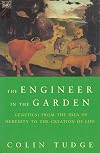
The Engineer in the Garden: Genes and Genetics : From the Idea of Heredity to the Creation of Life
by Colin Tudge
On This Page
Description
We can tamper with genetic material to ensure that we have a male child rather than a female. We can create a huge cow with a vast milk yield. We can create mice that are programmed to die of cancer. We already release genetically-reshaped plants into our fields to give us more bread, nicer-looking apples. We can save whole speicies of animals from oblivion by genetic techniques. Tudge describes all this in detail. But do we know what we are doing? Or are we just following our noses as our show more ancestors did when they developed fire and the axe and destroyed the forests? show lessTags
Recommendations






Member Reviews
Accessible overview of the state of genetics. All the more interesting because it was written 30 years ago. Not that much seems to have changed apart from the human genome project and the unravelling of a fair number of animals’ DNA. The ethical angles which he deals with at the end of the book are still with us. Clearly written though I could’ve done without the quotes from Jesus and Teilhard de Chardin in the last chapters I still think of Teilhard as a possible suspect in the Piltdown man affair.
Genetic engineering is an incredible technology with many controversial applications. This book as a very approachable primer on those possible applications and the ethical issues they raise. While the science is handled very well and the author didn’t spend enough time on the basics to bore me, I do think the science is written simply enough that someone with no background could understand this book with a little effort. The author does an incredible job starting with the basics. Every biology term is defined. And this allows him to use biology terms and build up to more complicated concepts. For instance, instead of answering the question “what is genetic engineering” in a watered down way, he first explains basic molecular show more genetics and then the specific methods that people use to alter genomes. Unfortunately, the illustrations were bad enough to be basically useless, but the explanations were good enough that I don’t think the illustrations were needed any way.
I think the aspect of the book most likely to challenge readers is the dense language and focus on philosophy. The book is written in a very intellectual manner, which of course means much larger words than are needed are used. This could be a bad thing but the author did a very impressive job of imbuing the writing with his personality and occasional humor despite the dense language. I don’t think I’ve ever seen that done so well before.
The topics covered were very broad, including everything from genetically modified food to genetically engineering humans. The ethical questions addressed were very interesting, as were the author’s perspectives, and the personal writing style made the questions even more engaging. Honestly, I think this book probably would have been a 4 star review for me under other circumstances, but with getting into school and reading lots of papers on genetic engineering it was kind of a long haul to get through. However, I would highly recommend it to anyone with a passing interest in philosophy or genetic engineering, as the biology is written clearly enough that anyone interested could probably understand the concepts.
originally published on Doing Dewey. show less
I think the aspect of the book most likely to challenge readers is the dense language and focus on philosophy. The book is written in a very intellectual manner, which of course means much larger words than are needed are used. This could be a bad thing but the author did a very impressive job of imbuing the writing with his personality and occasional humor despite the dense language. I don’t think I’ve ever seen that done so well before.
The topics covered were very broad, including everything from genetically modified food to genetically engineering humans. The ethical questions addressed were very interesting, as were the author’s perspectives, and the personal writing style made the questions even more engaging. Honestly, I think this book probably would have been a 4 star review for me under other circumstances, but with getting into school and reading lots of papers on genetic engineering it was kind of a long haul to get through. However, I would highly recommend it to anyone with a passing interest in philosophy or genetic engineering, as the biology is written clearly enough that anyone interested could probably understand the concepts.
originally published on Doing Dewey. show less
Genetic engineering is an incredible technology with many controversial applications. This book as a very approachable primer on those possible applications and the ethical issues they raise. While the science is handled very well and the author didn’t spend enough time on the basics to bore me, I do think the science is written simply enough that someone with no background could understand this book with a little effort. The author does an incredible job starting with the basics. Every biology term is defined. And this allows him to use biology terms and build up to more complicated concepts. For instance, instead of answering the question “what is genetic engineering” in a watered down way, he first explains basic molecular show more genetics and then the specific methods that people use to alter genomes. Unfortunately, the illustrations were bad enough to be basically useless, but the explanations were good enough that I don’t think the illustrations were needed any way.
I think the aspect of the book most likely to challenge readers is the dense language and focus on philosophy. The book is written in a very intellectual manner, which of course means much larger words than are needed are used. This could be a bad thing but the author did a very impressive job of imbuing the writing with his personality and occasional humor despite the dense language. I don’t think I’ve ever seen that done so well before.
The topics covered were very broad, including everything from genetically modified food to genetically engineering humans. The ethical questions addressed were very interesting, as were the author’s perspectives, and the personal writing style made the questions even more engaging. Honestly, I think this book probably would have been a 4 star review for me under other circumstances, but with getting into school and reading lots of papers on genetic engineering it was kind of a long haul to get through. However, I would highly recommend it to anyone with a passing interest in philosophy or genetic engineering, as the biology is written clearly enough that anyone interested could probably understand the concepts. show less
I think the aspect of the book most likely to challenge readers is the dense language and focus on philosophy. The book is written in a very intellectual manner, which of course means much larger words than are needed are used. This could be a bad thing but the author did a very impressive job of imbuing the writing with his personality and occasional humor despite the dense language. I don’t think I’ve ever seen that done so well before.
The topics covered were very broad, including everything from genetically modified food to genetically engineering humans. The ethical questions addressed were very interesting, as were the author’s perspectives, and the personal writing style made the questions even more engaging. Honestly, I think this book probably would have been a 4 star review for me under other circumstances, but with getting into school and reading lots of papers on genetic engineering it was kind of a long haul to get through. However, I would highly recommend it to anyone with a passing interest in philosophy or genetic engineering, as the biology is written clearly enough that anyone interested could probably understand the concepts. show less
Ratings
Members
- Recently Added By
Author Information

27+ Works 2,658 Members
Colin Tudge is one of Britain's leading science writers. A research fellow at the Centre for Philosophy at the London School of Economics, he is the author of, most recently, "The Second Creation" (FSG, 2000) with Ian Wilmut & Keith Campbell. (Bowker Author Biography)
Awards and Honors
Awards
Classifications
Statistics
- Members
- 55
- Popularity
- 554,399
- Reviews
- 3
- Rating
- (3.43)
- Languages
- English, German
- Media
- Paper, Ebook
- ISBNs
- 4
- ASINs
- 2