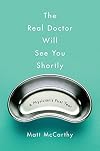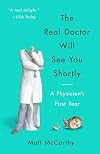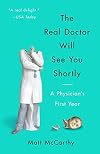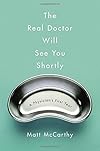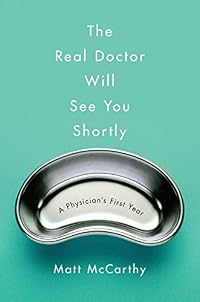
The Real Doctor Will See You Shortly: A Physician's First Year
by Matt McCarthy
On This Page
Description
"This funny, candid memoir about the author's intern year at a New York hospital provides a scorchingly frank look at how doctors are made, taking readers into the critical care unit to see one burgeoning physician's journey from ineptitude to competence. After his professional baseball career failed to launch, Matt McCarthy went to Harvard Medical School and on to a coveted residency slot in New York. But when he almost lost a patient on his first day after making what he believed to be a show more terrible error, he found himself facing the harsh reality of a new doctor's life--one in which even overachievers find themselves humbled, and in which med school training has little to offer in navigating the emotional rollercoaster of dealing with actual patients. Luckily for McCarthy, his second-year-resident adviser (whom he calls "Baio", owing to a resemblance to a Charles in Charge-era Scott Baio) was an offbeat genius, with a knack for breaking down the complicated process of treating patients. But neither doctor could offer much help to a patient named Barney, who had been living in the hospital while waiting for a new heart, and whom McCarthy slowly befriended over the course of the year in ways that changed his perception of what it means to be a physician. Mixing the tense drama of ER with the screwball humor of Scrubs, McCarthy offers a window on to hospital life that dispenses with sanctimony and self-seriousness while emphasizing the black-comic paradox of becoming a doctor: How do you learn how to save lives in a job where there is no practice? This "One L for doctors" will inspire and entertain physicians and patients alike"-- "A young doctor stumbles through his experience as a first year intern at a major New York hospital"-- show lessTags
Recommendations
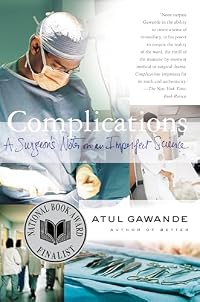
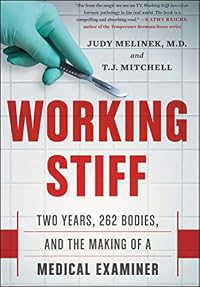
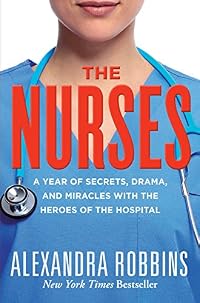
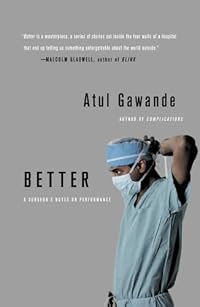
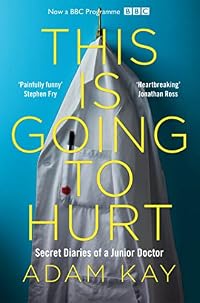
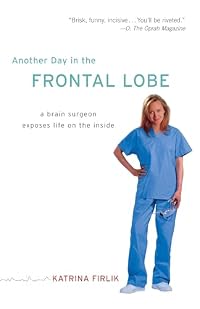
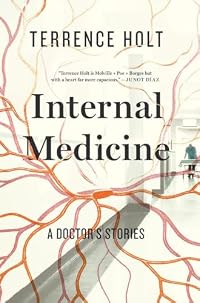
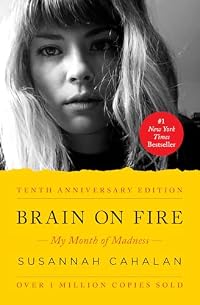
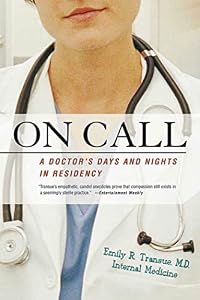
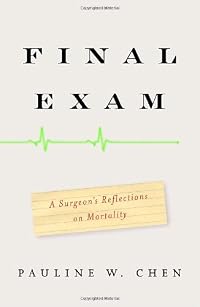
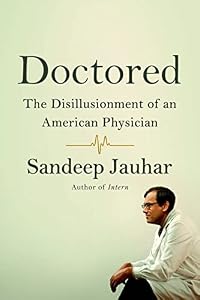
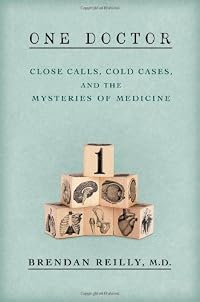
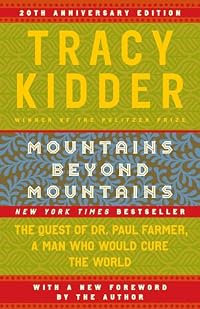
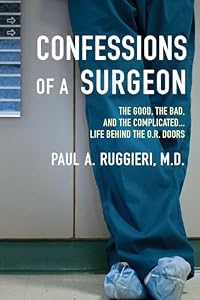
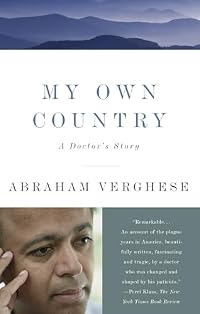
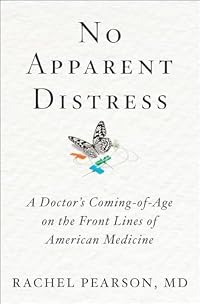
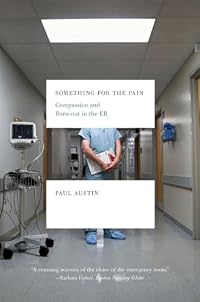
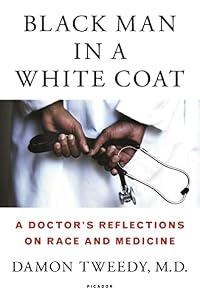
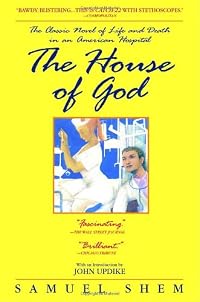
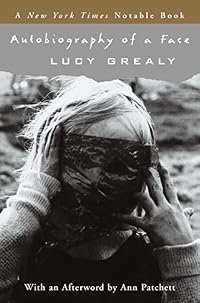
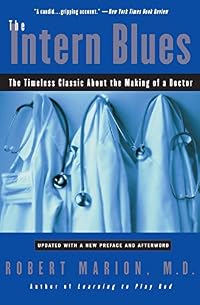
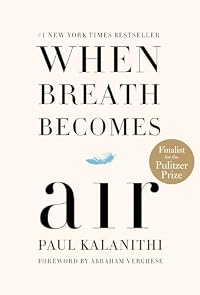
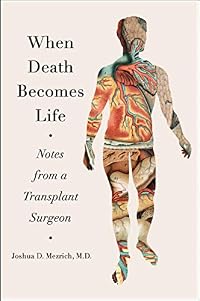
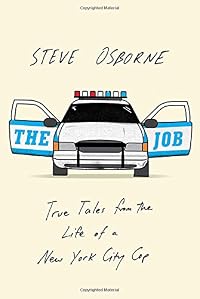
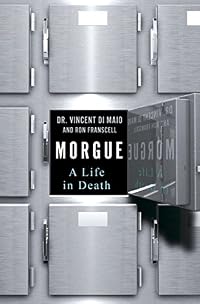
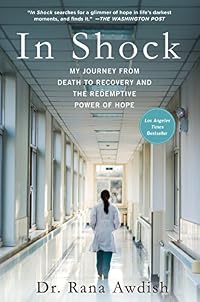
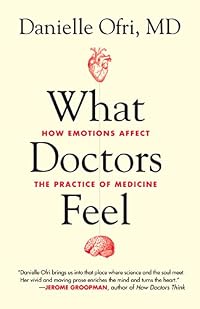
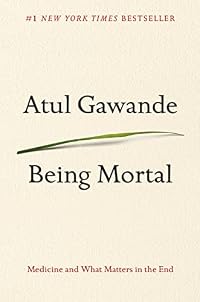
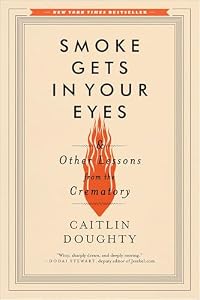

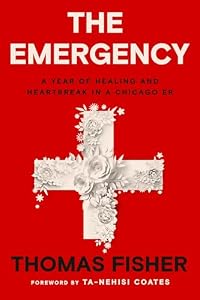
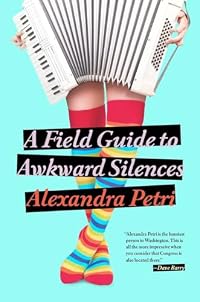
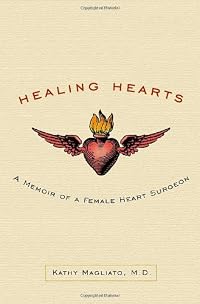
Member Recommendations
Member Reviews
Devoured this book. My daughter interned at Cornell Weill, so the emotional angst of intern year was familiar to me, but it takes courage for a doctor to write honestly (and engagingly) about it.
The book slowed a bit in the Epilogue, where McCarthy wrapped everything up, a bit too neatly. But overall it was such a good and moving read I'm giving it 5 stars.
The book slowed a bit in the Epilogue, where McCarthy wrapped everything up, a bit too neatly. But overall it was such a good and moving read I'm giving it 5 stars.
 This review was written for LibraryThing Early Reviewers.
I won an uncorrected proof copy of this book from LibraryThing's Early Reviewer. This has in no way affected my review.
I thoroughly enjoyed reading this book. As an RN who has worked in a teaching hospital, I can relate to many of the feelings Dr. McCarthy had during his intern year, albeit from a slightly different stance. July is a difficult month in medicine, a new crop of interns shows up and must be trained by residents, attendings as well as the nursing staff. The book describes the fears, feelings, emotions and joys of that first year in a poignant and relatable way. At some point, these interns finally feel like "a real doctor" for some it takes longer than others, but it rarely is a pin-pointable moment, it just happens. The show more author makes this fact abundantly clear. From the feelings of inadequacy on the very first day, right on to the assured calmness of mind on the last day, successes and failures are given equal time.
I found the book easily readable, anyone with very little medical knowledge will be able to follow along with little to no problem, as the author does a wonderful job of describing procedures and disease processes without using overwhelming medical terms.
A truly heartwarming, insightful look into the mind of the first year of practicing the art of medicine. Kudos to Matt McCarthy for a well written account of that defining year in his life. show less
I thoroughly enjoyed reading this book. As an RN who has worked in a teaching hospital, I can relate to many of the feelings Dr. McCarthy had during his intern year, albeit from a slightly different stance. July is a difficult month in medicine, a new crop of interns shows up and must be trained by residents, attendings as well as the nursing staff. The book describes the fears, feelings, emotions and joys of that first year in a poignant and relatable way. At some point, these interns finally feel like "a real doctor" for some it takes longer than others, but it rarely is a pin-pointable moment, it just happens. The show more author makes this fact abundantly clear. From the feelings of inadequacy on the very first day, right on to the assured calmness of mind on the last day, successes and failures are given equal time.
I found the book easily readable, anyone with very little medical knowledge will be able to follow along with little to no problem, as the author does a wonderful job of describing procedures and disease processes without using overwhelming medical terms.
A truly heartwarming, insightful look into the mind of the first year of practicing the art of medicine. Kudos to Matt McCarthy for a well written account of that defining year in his life. show less
This review was written for LibraryThing Early Reviewers.If you’re considering medicine as a career and don’t want to be dissuaded, I suggest not reading this book. If you want justification of why you’re not a doctor, read this book. It’s a warts and all look at what a first year medical doctor (aka intern) has to deal with. It celebrates the highs, but it also doesn’t shirk the lows. There are funny moments, some OMG moments and some sad moments.
Matt McCarthy was a talented baseball player, but didn’t quite make the grade for the big league. So he applied for and was accepted into Harvard Medical School. During that time, he showed an aptitude for surgery but chose to go into the medical side of things. He relates having to stitch a banana and the eternally exhausted look of show more his supervisor during his time as potential reasons. Plus, he wanted to deal with people and new challenges, connect with them as he had seen a mentor do with the homeless. (Although his surgical supervisor did come up with a classic statement – ‘don’t f*ck with the pancreas’ which made me laugh hysterically). So for his first year, Matt moves to New York’s Columbia Medical Center.
His first rotation is CCU.
CCU stands for coronary care unit. It’s where people go when they have a big heart attack or are seriously ill in the cardiac sense. It’s not really where you want a brand new, fresh grad to be. Especially not at night with a second year doctor (aka resident) for expert opinion. Matt clearly shows here how big the gap is between him (knowing the theory, but little practice) and Baio (a man who has done many 30 hour shifts and is truly excited by medicine). Baio is probably the greatest gift that Matt could receive at that point as he guides him through how to deal with real life as a doctor – presenting in rounds to the consultant (aka the boss), taking patient histories and doing examinations. But it’s a screw up by Matt (which unbeknown to him, was spotted by a senior doctor on the team and fixed) and a screaming session from another consultant that rattles him big time. Does he have what it takes to make it as a doctor?
Matt tries hard. He wants to connect with his patients, but is not sure if he’s prepared for the emotional bond and potential fallout. He also is part of a nasty accident that could have sent anyone off the rails. He doubts himself and compares himself unfavourably to the other interns in his group. Can he do it? Can he make it through?
In addition to his other talents, Matt is also a great writer. This is an emotion-laden read that doesn’t skim over anything, the good or the bad. While some other medical memoirs make light mention of lengthy shifts, Matt talks about the risks. He’s not afraid to talk about delays during resuscitation attempts or how awkward it is to tell someone that their loved one just died. It’s a candid read that people both inside and outside of the healthcare industry should read. Matt identifies many of the issues facing young doctors, and while things have gotten a bit better, there’s still room for improvement.
http://samstillreading.wordpress.com show less
Matt McCarthy was a talented baseball player, but didn’t quite make the grade for the big league. So he applied for and was accepted into Harvard Medical School. During that time, he showed an aptitude for surgery but chose to go into the medical side of things. He relates having to stitch a banana and the eternally exhausted look of show more his supervisor during his time as potential reasons. Plus, he wanted to deal with people and new challenges, connect with them as he had seen a mentor do with the homeless. (Although his surgical supervisor did come up with a classic statement – ‘don’t f*ck with the pancreas’ which made me laugh hysterically). So for his first year, Matt moves to New York’s Columbia Medical Center.
His first rotation is CCU.
CCU stands for coronary care unit. It’s where people go when they have a big heart attack or are seriously ill in the cardiac sense. It’s not really where you want a brand new, fresh grad to be. Especially not at night with a second year doctor (aka resident) for expert opinion. Matt clearly shows here how big the gap is between him (knowing the theory, but little practice) and Baio (a man who has done many 30 hour shifts and is truly excited by medicine). Baio is probably the greatest gift that Matt could receive at that point as he guides him through how to deal with real life as a doctor – presenting in rounds to the consultant (aka the boss), taking patient histories and doing examinations. But it’s a screw up by Matt (which unbeknown to him, was spotted by a senior doctor on the team and fixed) and a screaming session from another consultant that rattles him big time. Does he have what it takes to make it as a doctor?
Matt tries hard. He wants to connect with his patients, but is not sure if he’s prepared for the emotional bond and potential fallout. He also is part of a nasty accident that could have sent anyone off the rails. He doubts himself and compares himself unfavourably to the other interns in his group. Can he do it? Can he make it through?
In addition to his other talents, Matt is also a great writer. This is an emotion-laden read that doesn’t skim over anything, the good or the bad. While some other medical memoirs make light mention of lengthy shifts, Matt talks about the risks. He’s not afraid to talk about delays during resuscitation attempts or how awkward it is to tell someone that their loved one just died. It’s a candid read that people both inside and outside of the healthcare industry should read. Matt identifies many of the issues facing young doctors, and while things have gotten a bit better, there’s still room for improvement.
http://samstillreading.wordpress.com show less
Man, was this a good book. It's long, but I plowed through it in under two days. Matt McCarthy writes about his first year as a medical intern, and I doubt many people had a more harrowing experience than he did. His stories and characters are compelling, and he's a wonderful writer (he writes for Slate and Medspin in addition to practicing and teaching medicine today). What's really crazy is that he went through all of this about eight or so years ago during the economic downturn. He's a young guy still, but he has a really honest perception about himself and his time as an intern. I think I would read anything he wrote.
McCarthy (Yale, Harvard Med) recounts his year as an intern at Columbia University Medical Center. Written chronologically, with months-long stints in cardiac care, infectious diseases, and ICU, this is a story that alternates humor with soul-searching as McCarthy struggles to find the right balance between medical objectivity and compassion for his patients. Some patients stand out: his first cardiac patient, on whom McCarthy makes a mistaken diagnosis that haunts him; an optimistic man on an interminable, possibly fruitless wait for a heart transplant; an AIDS patient reluctant to take the proper medications; a seemingly healthy patient who nevertheless dies between the ER and ICU. McCarthy even gets a nail-biting sense of what his show more patients go through when he accidentally sticks himself with an HIV-infected needle. McCarthy is honest about the grinding side of internship: the insanely long hours, the stress, the second-guessing, the whispers and rumors surrounding failed diagnoses, the ridiculous jokes and silly things doctors do and say to each other to blow off steam. This is a fascinating, hard-to-put-down look at medical training that most patients don't know much about; it should interest anyone who might someday go to a hospital (i.e., anyone) and should be must-reading for would-be doctors. show less
This is the kind of non-fiction that keeps you interested, absolutely no skimming over boring explanations. With a cockiness that stays just on the side of humor, this recounting of an intern's first year is harrowing, to say the least. Peppered with cringe-worthy phrases (a lot of "groin mashing") and well explained medical procedures, this book made me glad that I decided a long time ago to not become a doctor. And it made me nervous for those close to me that will be entering that hectic and scary and exhilarating world soon. Assuming that there wasn't exaggeration for drama, this should be read by anyone entering medical school.
This review was written for LibraryThing Early Reviewers.I found “The Real Doctor Will See You Shortly” a fascinating look at a milestone year in the life of a new doctor. I’ve seen hospital shows on TV, read articles about the grueling hours and the numerous demands made on new doctors – but this was a wonderful, personal look into what one new intern experienced in his first year.
The memoir begins on Dr. Matt McCarthy’s first night on call – and a night where one of the first patients he treats almost dies. That patient, and the decisions he makes that night haunt him for months. He doubts himself a great deal, second and third guessing most of what he does. He watches more experienced doctors – trying to absorb their styles, their ways of handling both the pressures of being show more a doctor and the ways they interact with patients. One of the aspects of the book that drew me in the most was the strong connections McCarthy forms with the human beings he treats. With him, none of them seem to be just a diagnosis or a condition, but an actual person that he cares about from the very beginning.
“Over the course of the year, I’d developed a belief that if I had touched a patient – if our flesh had made even the slightest contact – that person was my professional responsibility.”
Near the beginning of the year, he makes a mistake – one with life-threatening consequences. Some of the most intense scenes revolve around the impacts that mistake have on him – and on the doctors watching his progress. Some of the scenes were agonizing to read and the reader becomes even more inextricably tied into his story.
As time passes, McCarthy grows more confident. He starts to see more success in what he does, starts to feel like he can truly do this – that he has it in him to be a doctor – a good doctor.
“I had treated hundreds of patients and was reaching the point where I could reasonably disagree with my superior and not feel bad about it. I saw doctors disagree all the time. Ours was merely a difference of opinion, two contrasting ways of trying to answer a question that had no obvious answer. A few months earlier, I would have fretted on it for days. This felt like a snapshot moment – one that let me see how much the passage of time had changed me as a doctor.”
Not too much of the story is about his personal life, although the reader can certainly sympathize with the lack of sleep and the difficulty he has maintaining his social life.
“I desperately wanted to become a superb doctor, but as the year wore on I also found myself wanting to remember what it was like to not be a physician – to just be a guy going for a stroll with an uncluttered mind and an armful of groceries. A guy who didn’t act quickly and decisively, someone who could make eye contact without thinking about ophthalmology.”
“The Real Doctor Will See You Shortly” was a great story – both from the perspective of the reader and from any person who has wondered what makes a great doctor – what kind of people can survive a grueling, heartbreaking, exhausting and amazing process. show less
The memoir begins on Dr. Matt McCarthy’s first night on call – and a night where one of the first patients he treats almost dies. That patient, and the decisions he makes that night haunt him for months. He doubts himself a great deal, second and third guessing most of what he does. He watches more experienced doctors – trying to absorb their styles, their ways of handling both the pressures of being show more a doctor and the ways they interact with patients. One of the aspects of the book that drew me in the most was the strong connections McCarthy forms with the human beings he treats. With him, none of them seem to be just a diagnosis or a condition, but an actual person that he cares about from the very beginning.
“Over the course of the year, I’d developed a belief that if I had touched a patient – if our flesh had made even the slightest contact – that person was my professional responsibility.”
Near the beginning of the year, he makes a mistake – one with life-threatening consequences. Some of the most intense scenes revolve around the impacts that mistake have on him – and on the doctors watching his progress. Some of the scenes were agonizing to read and the reader becomes even more inextricably tied into his story.
As time passes, McCarthy grows more confident. He starts to see more success in what he does, starts to feel like he can truly do this – that he has it in him to be a doctor – a good doctor.
“I had treated hundreds of patients and was reaching the point where I could reasonably disagree with my superior and not feel bad about it. I saw doctors disagree all the time. Ours was merely a difference of opinion, two contrasting ways of trying to answer a question that had no obvious answer. A few months earlier, I would have fretted on it for days. This felt like a snapshot moment – one that let me see how much the passage of time had changed me as a doctor.”
Not too much of the story is about his personal life, although the reader can certainly sympathize with the lack of sleep and the difficulty he has maintaining his social life.
“I desperately wanted to become a superb doctor, but as the year wore on I also found myself wanting to remember what it was like to not be a physician – to just be a guy going for a stroll with an uncluttered mind and an armful of groceries. A guy who didn’t act quickly and decisively, someone who could make eye contact without thinking about ophthalmology.”
“The Real Doctor Will See You Shortly” was a great story – both from the perspective of the reader and from any person who has wondered what makes a great doctor – what kind of people can survive a grueling, heartbreaking, exhausting and amazing process. show less
This review was written for LibraryThing Early Reviewers.Members
- Recently Added By
Lists

Books Read in 2015
3,298 works; 129 members
Author Information
6 Works 664 Members
Matt McCarthy, MD, is the author of two national bestsellers, The Real Doctor Will See You Shortly and Odd Man Out. He is an assistant professor of medicine at Weill Cornell and a staff physician at NewYork-Presbyterian Hospital, where he serves on the Ethics Committee. His work has appeared in Sports Illustrated, Slate, The New England Journal of show more Medicine, and The New York Times. He reviews nonfiction for USA Today and is editor-in-chief of Current Fungal Infection Reports. show less
Common Knowledge
- Original publication date
- 2015-04-07
- First words
- It started with a banana peel.
- Blurbers
- Hobbs, Jeff; Sanders, Lisa; Epstein, David; Collins, Michael; Aronson, Louise
- Original language
- English
Classifications
Statistics
- Members
- 368
- Popularity
- 84,845
- Reviews
- 93
- Rating
- (4.04)
- Languages
- English, Korean
- Media
- Paper, Audiobook, Ebook
- ISBNs
- 6
- ASINs
- 5