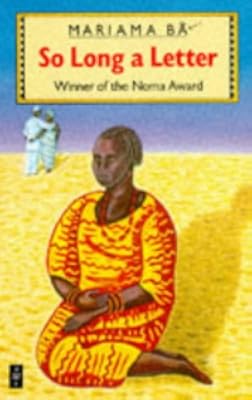
So Long a Letter
by Mariama Bâ
On This Page
Description
Written by award-winning African novelist Mariama Ba and translated from the original French, So Long a Letter has been recognized as one of Africa's 100 Best Books of the 20th Century. The brief narrative, written as an extended letter, is a sequence of reminiscences-some wistful, some bitter-recounted by recently widowed Senegalese school teacher Ramatoulaye Fall. Addressed to a lifelong friend, Aissatou, it is a record of Ramatoulaye's emotional struggle for survival after her husband show more betrayed their marriage by taking a second wife. This semi-autobiographical account is a perceptive testimony to the plight of educated and articulate Muslim women. Angered by the traditions that allow polygyny, they inhabit a social milieu dominated by attitudes and values that deny them status equal to men. Ramatoulaye hopes for a world where the best of old customs and new freedom can be combined. Considered a classic of contemporary African women's literature, So Long a Letter is a must-read for anyone interested in African literature and the passage from colonialism to modernism in a Muslim country. show lessTags
Recommendations
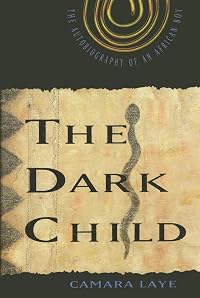
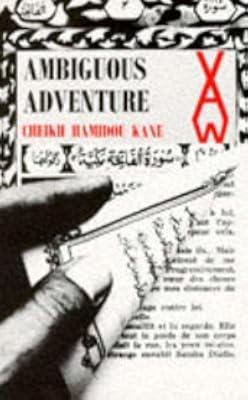
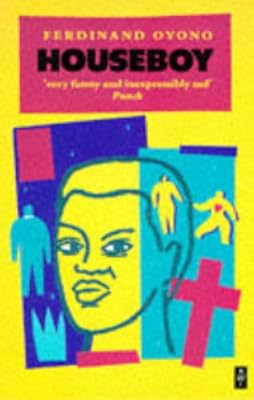
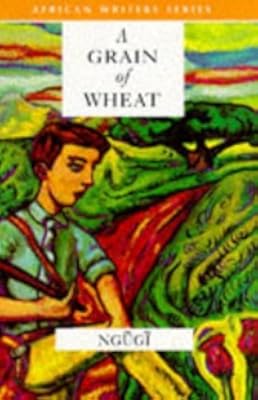
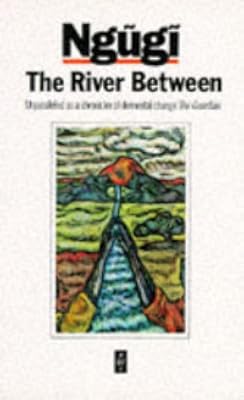
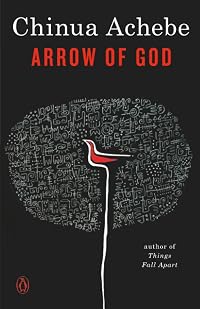
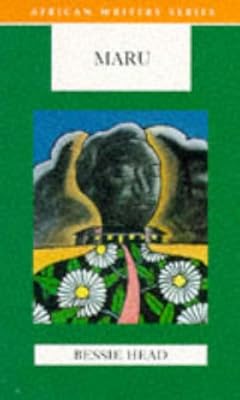
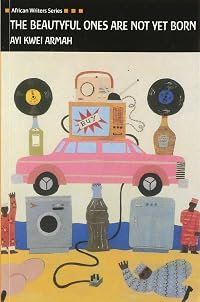


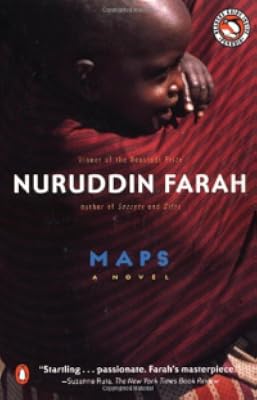
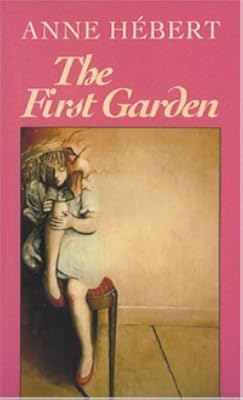
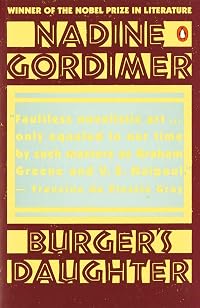
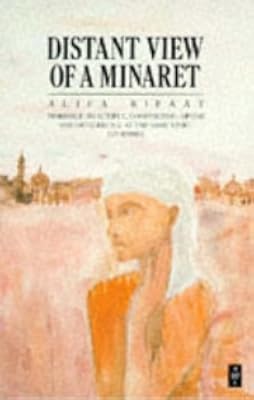
Member Recommendations
Member Reviews
What does it mean to be a Senegalese woman living in a society dominated by male attitudes? Where does self worth and fulfillment fit in? Just because a society condones polygamy doesn't mean every individual expects it, embraces it, or even wants to practice it. When Ramatoulaye's husband of thirty plus years takes a new (much younger) wife her emotions run the gamut. Baffled (Wasn't she a good wife?). Stunned (They have twelve children together. Wasn't she a good mother?). Embarrassed (What will the community think of her being replaced?). Insecure (Exactly what is her place in society now?). When Madou leaves her a widow, in a long letter to her friend Aissatou, Ramatoulaye recounts her life with Madou. She is, at times, reminiscent show more and even wistful for a life gone by. In the end, it is a new tragedy that sets Ramatoulaye on a new path of acceptance. show less
This was a solid read. Short, but impactful.
Ramatoulaye, a middle-aged teacher in 1960s post-independence Sénégal, looks back on her life, which fell apart after her beloved husband of many years took a new, younger wife. Islam technically allows for this, but Ramatoulaye cannot but see this as an act of betrayal that merits a break-up, emotional as well as in terms of living arrangements.
The book is less concerned with the trappings of fiction and of narrative throughline than it is with sketching the lay of the post-colonial land and the clash between traditional, islamic conceptions of families and the Western ones, both of which come with uncomfortable baggage and neither of which feels fulfilling. Cultural ideals and taboos show more come into conflict, and navigating them is a matter of staving off the inevitable failing as long as possible -- a situation made even more complex across generational gaps and class divides.
Consequently, the text feels more like a mulling over of large-scale societal issues, though it thankfully steers clear from preachiness. The fact that this novel takes the form of a long letter to a friend helps a great deal: addressing an Other, a ‘you’ lends the book the flavour of a discussion rather than a lecture. It treats the reader as a sounding board with which the author can clarify her own thoughts to herself as much as to her audience. Furthermore, Bâ drew on events from her own life, and that, too, goes a long way to grounding the plot in real life. So long a letter definitely has an agenda, but it’s not obnoxious about it. show less
Ramatoulaye, a middle-aged teacher in 1960s post-independence Sénégal, looks back on her life, which fell apart after her beloved husband of many years took a new, younger wife. Islam technically allows for this, but Ramatoulaye cannot but see this as an act of betrayal that merits a break-up, emotional as well as in terms of living arrangements.
The book is less concerned with the trappings of fiction and of narrative throughline than it is with sketching the lay of the post-colonial land and the clash between traditional, islamic conceptions of families and the Western ones, both of which come with uncomfortable baggage and neither of which feels fulfilling. Cultural ideals and taboos show more come into conflict, and navigating them is a matter of staving off the inevitable failing as long as possible -- a situation made even more complex across generational gaps and class divides.
Consequently, the text feels more like a mulling over of large-scale societal issues, though it thankfully steers clear from preachiness. The fact that this novel takes the form of a long letter to a friend helps a great deal: addressing an Other, a ‘you’ lends the book the flavour of a discussion rather than a lecture. It treats the reader as a sounding board with which the author can clarify her own thoughts to herself as much as to her audience. Furthermore, Bâ drew on events from her own life, and that, too, goes a long way to grounding the plot in real life. So long a letter definitely has an agenda, but it’s not obnoxious about it. show less
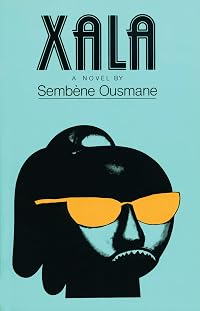
A fascinating & bittersweet look at women's roles (written by a woman) in post-colonial, male-dominated Senegal. Interestingly enough, I read So Long a Letter quite by chance after having just finished Xala by Ousmane Sembène, a male Senegalese author.
Xala centers around a story of an upper-class Islamic businessman who is marrying his third (and much younger) wife. Part of the discussions in Xala center around the roles of the wives, the resentments between them, etc.... So Long a Letter also is viewing the life of women in polygamous marriages, emotionally & articulately poured out in a letter/diary format that a new widow writes to her friend. Part of her angst & sorrow centers around the fact that after 30 years of marriage, her show more husband married a second wife (who has been a wife for five years by the time the man dies). There's a lot of depth & emotion to this story, many facets of life examined; Senegal in the novella is on the cusp of various social changes as the country straddles the traditional African ways, yet also encompasses some of their inherited European mores. Mariama Bâ was apparently a well-known feminist in Senegal, and I'm happy that serendipity led me to reading So Long a Letter immediately after Xala, partly for the female vs. male view of polygamous marriage in Senegal, as well as the examination of gender roles there.
So Long A Letter won the first (in 1980) Noma Award for Publishing in Africa & rightly deserves it, imo. This is a well-done, touching look at the confines, compromises, & choices that comprise one's lifetime. A recommended novella, especially if you're looking to read African literature. show less
Xala centers around a story of an upper-class Islamic businessman who is marrying his third (and much younger) wife. Part of the discussions in Xala center around the roles of the wives, the resentments between them, etc.... So Long a Letter also is viewing the life of women in polygamous marriages, emotionally & articulately poured out in a letter/diary format that a new widow writes to her friend. Part of her angst & sorrow centers around the fact that after 30 years of marriage, her show more husband married a second wife (who has been a wife for five years by the time the man dies). There's a lot of depth & emotion to this story, many facets of life examined; Senegal in the novella is on the cusp of various social changes as the country straddles the traditional African ways, yet also encompasses some of their inherited European mores. Mariama Bâ was apparently a well-known feminist in Senegal, and I'm happy that serendipity led me to reading So Long a Letter immediately after Xala, partly for the female vs. male view of polygamous marriage in Senegal, as well as the examination of gender roles there.
So Long A Letter won the first (in 1980) Noma Award for Publishing in Africa & rightly deserves it, imo. This is a well-done, touching look at the confines, compromises, & choices that comprise one's lifetime. A recommended novella, especially if you're looking to read African literature. show less
Update 9th Aug 2021:
Some years since I last read this book, still a great book and more than deserving of its place as an African and feminist classic. Reading through my initial review after this long I couldn't help but cringe and wince at certain points. I was certainly co-optative in certain ways as I used some ideas from this book to try and resolve the conflicts I had been dealing with at the time I read this, and was tempted to remove it in favour of a new review altogether. But then I thought that it is very possible that I might also want to write another review to replace that one if I ever re-read this again in the future, constant self-editing and obsessing does nothing but stagnate. That said as I leave this part as an show more update, reading through this was as wonderful as I remembered. And that last quote remains as brilliant as I first read it: "The word 'happiness' does indeed have meaning, doesn't it? I shall go out in search of it."
*************
What does one do when one feels the pressure of culture and religion weighing down on you? How does one find solace?
Ramatoulaye, writes a long letter to her friend Aissatou, reminding her (and herself) of their maiden days, married days, of their shared joys and pains while narrating her own troubles and triumphs.
The recounting of Ramatoulaye's journey to healing and liberation is nothing less than moving. Faced with the humiliation of her husband's betrayal by finding another wife, she remains bold and doesn't bend nor bow to anyone's demands.
"To overcome my bitterness, I think of human destiny. Each life has it's share of heroism, an obscure heroism, born of abdication, of renunciation and acceptance under the merciless whip of fate."
Mariama Bâ also brings an important issue, to which as an African and a gay individual I can relate to. Can modernism and culture blend and co-exist? Can we learn from different cultures other than our own and still keep our own intact? Can one still be proud of one's culture when they go against some of the norms and preconceived notions of what a woman's place is in the society?
She answers the question in only the profound and wise manner that echoes throughout her short but thorough book: "To lift us out of the bog of tradition, superstition and custom, to make us appreciate a multitude of civilizations without renouncing our own, to raise our vision of the world, cultivate our personalities, strengthen our qualities, to make up our inadequacies, to develop universal moral values in us..."
Mariama arises as a powerful voice challenging, demanding. A rare voice in African literature in the 80s, a period when not many women in the African landscape were asking as many questions or questioning the position of the African woman in both society and politics.
From describing beautiful sceneries of their youth to Ramatoulaye's day-to-day activities as a single mother, Mariama Bâ constructs a beautiful setting of pre and post independence Senegal, with all it's problems, hopes, conflict, culture, beauty and all in a 90 page book, exquisitely written. show less
Some years since I last read this book, still a great book and more than deserving of its place as an African and feminist classic. Reading through my initial review after this long I couldn't help but cringe and wince at certain points. I was certainly co-optative in certain ways as I used some ideas from this book to try and resolve the conflicts I had been dealing with at the time I read this, and was tempted to remove it in favour of a new review altogether. But then I thought that it is very possible that I might also want to write another review to replace that one if I ever re-read this again in the future, constant self-editing and obsessing does nothing but stagnate. That said as I leave this part as an show more update, reading through this was as wonderful as I remembered. And that last quote remains as brilliant as I first read it: "The word 'happiness' does indeed have meaning, doesn't it? I shall go out in search of it."
*************
What does one do when one feels the pressure of culture and religion weighing down on you? How does one find solace?
Ramatoulaye, writes a long letter to her friend Aissatou, reminding her (and herself) of their maiden days, married days, of their shared joys and pains while narrating her own troubles and triumphs.
The recounting of Ramatoulaye's journey to healing and liberation is nothing less than moving. Faced with the humiliation of her husband's betrayal by finding another wife, she remains bold and doesn't bend nor bow to anyone's demands.
"To overcome my bitterness, I think of human destiny. Each life has it's share of heroism, an obscure heroism, born of abdication, of renunciation and acceptance under the merciless whip of fate."
Mariama Bâ also brings an important issue, to which as an African and a gay individual I can relate to. Can modernism and culture blend and co-exist? Can we learn from different cultures other than our own and still keep our own intact? Can one still be proud of one's culture when they go against some of the norms and preconceived notions of what a woman's place is in the society?
She answers the question in only the profound and wise manner that echoes throughout her short but thorough book: "To lift us out of the bog of tradition, superstition and custom, to make us appreciate a multitude of civilizations without renouncing our own, to raise our vision of the world, cultivate our personalities, strengthen our qualities, to make up our inadequacies, to develop universal moral values in us..."
Mariama arises as a powerful voice challenging, demanding. A rare voice in African literature in the 80s, a period when not many women in the African landscape were asking as many questions or questioning the position of the African woman in both society and politics.
From describing beautiful sceneries of their youth to Ramatoulaye's day-to-day activities as a single mother, Mariama Bâ constructs a beautiful setting of pre and post independence Senegal, with all it's problems, hopes, conflict, culture, beauty and all in a 90 page book, exquisitely written. show less
What a stunning, moving novel! Set shortly after the decolonization of Senegal, the story is written as a letter from one friend to another. I wasn't sure how much I'd have in common with the protagonist; we live in different times, on different continents, have different religions, and come from different races. But the ideas within the novel, such as the examination of the changes in Senegalese culture before, during, and after colonization, are still very much relevant today, and resonated with me across the Atlantic. I haven't connected with a novel like this in years. Who has not experienced heartbreak? Which parent has not worried for the well being and happiness of their child? Who has not struggled with the expectations of your show more culture, or fought to find happiness within yourself? Absolutely fantastic. show less
This is a classic that I have seen on so many Women in Translation lists. So when I saw a used copy at my local bookstore I had to snatch it up.
This functions as a snapshot of a society in flux. Ramatoulaye has recently been widowed, and is writing a long letter to her best friend from her school days. The letter recounts how she got to hear: Ramatoulaye and her friend were among the first generation of girls to pursue education past grade school as their country modernizes after gaining its independence. Both women were educated for professions, both worked and also married, and both of their husbands later took a second wife down the line. But Ramatoulaye's friend took her children and left when the second marriage happened, while she show more herself stayed.
This book depicts a startling amount of empathy and understanding on all sides, for all the players in these dramas and why they made the choices that they did. This was very satisfying on a level of peeking into a different society level, less satisfying on a emotional level. Ramatoulaye came off a little too perfect and long-suffering to me. Where was her anger? Her fight? She does stand up for herself in important ways, here. But I definitely left this book thinking BRING ON THE QUEERS. Between this and The House of the Spirits, I just need a little break from men being terrible to women.
(I have a whole lot of thoughts, actually, about the abundance of "men being terrible to women" in Women in Translation, but this is not the time.) show less
This functions as a snapshot of a society in flux. Ramatoulaye has recently been widowed, and is writing a long letter to her best friend from her school days. The letter recounts how she got to hear: Ramatoulaye and her friend were among the first generation of girls to pursue education past grade school as their country modernizes after gaining its independence. Both women were educated for professions, both worked and also married, and both of their husbands later took a second wife down the line. But Ramatoulaye's friend took her children and left when the second marriage happened, while she show more herself stayed.
This book depicts a startling amount of empathy and understanding on all sides, for all the players in these dramas and why they made the choices that they did. This was very satisfying on a level of peeking into a different society level, less satisfying on a emotional level. Ramatoulaye came off a little too perfect and long-suffering to me. Where was her anger? Her fight? She does stand up for herself in important ways, here. But I definitely left this book thinking BRING ON THE QUEERS. Between this and The House of the Spirits, I just need a little break from men being terrible to women.
(I have a whole lot of thoughts, actually, about the abundance of "men being terrible to women" in Women in Translation, but this is not the time.) show less
The novel takes the form of a long letter written by Ramatoulaye to her old friend Aissatou, just after the death of Ramatoulaye's husband Modou, looking back over their respective marriages; both women, having invested heavily in their marriages and both truly loving their husbands, were abandoned in favour of a younger wife. The women took different ways out, Aissatou leaving, Ramatoulaye staying - but staying in name only, as her husband deserted her and her children. Yes, I know this happens in other societies too, in the form of adultery and divorce, but what is chilling here is that it is part of the fabric of society, sanctioned by society.
Mariama Ba (1929-1981) was an outspoken critic of the way certain African traditions show more deprived women of their rights, and this, her first novel, is an expression of her frustration with the condition of women in Africa. Ba gives Ramatoulaye such an eloquent, powerful voice in her letter...and yet in society she is virtually mute. Her dignity in the face of what society expects her to bear is breath-taking.
A beautifully written, quiet but thought-provoking novel. show less
Mariama Ba (1929-1981) was an outspoken critic of the way certain African traditions show more deprived women of their rights, and this, her first novel, is an expression of her frustration with the condition of women in Africa. Ba gives Ramatoulaye such an eloquent, powerful voice in her letter...and yet in society she is virtually mute. Her dignity in the face of what society expects her to bear is breath-taking.
A beautifully written, quiet but thought-provoking novel. show less
Members
- Recently Added By
Lists

1001 Books You Must Read Before You Die
1,448 works; 1,134 members

Best of World Literature
435 works; 52 members

Female Author
1,234 works; 64 members

Best Feminist Literature
188 works; 26 members
Best African Books
126 works; 46 members

Books I've Read More Than Once
602 works; 49 members

20th Century Literature
1,161 works; 55 members

Black Authors
384 works; 32 members
Readable Classics
110 works; 15 members

500 Great Books by Women
507 works; 60 members

This is the Canon: Decolonize Your Bookshelf in 50 Books
51 works; 5 members

Short and Sweet
246 works; 24 members
Literature About Women and Girls
394 works; 39 members
Best African and African diaspora books
111 works; 4 members

Epistolary Books
105 works; 27 members
Five star books
1,767 works; 110 members

Books Set In Africa
81 works; 4 members
First Novels
373 works; 17 members

My TBR
371 works; 3 members

Around the World in 80 Books
79 works; 4 members

Books Read in 2021
5,361 works; 114 members
School Made Us Read It
380 works; 196 members

WBS - Classics Book Club
10 works; 1 member

Wishlist
48 works; 1 member
Author Information

4+ Works 1,657 Members
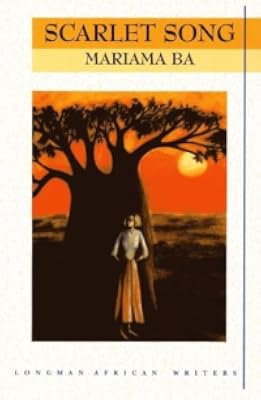
The promising literary career of Mariama Ba ended with her death in 1981 at the age of 52, just before the publication of her second novel, Le Chant Ecarlate (The Scarlet Song), a poetic drama of a love affair between a Senegalese student and the daughter of a French diplomat. Like the works of many other feminist African women writers, Ba's show more writing challenges many prevalent stereotypes that reinforce the African woman's acceptance of her "place" in society. Her first novel, So Long a Letter (1979), which revealed her clarity of vision and persuasive rhetoric, is written in an epistolary style. The long letter from one female friend to another is a deeply moving account of a Muslim woman's innermost feelings and emotional survival following her husband's decision to take a second, and much younger, wife. The novel has been translated into more than 15 languages and has received international acclaim. In 1980 Mariama Ba received the Noma Award for the best novel published in Africa. (Bowker Author Biography) show less
Some Editions
Awards and Honors
Notable Lists
Series
Belongs to Publisher Series
Work Relationships
Common Knowledge
- Canonical title
- So Long a Letter
- Original title
- Une si longue lettre
- Original publication date
- 1980 (original French) (original French); 1981 (English translation) (English translation)
- People/Characters
- Ramatoulaye; Modou Fall; Aissatou; Binetou; Mawdo Ba
- Important places
- Dakar, Senegal; Senegal
- Dedication
- To Abibatou Niang, pure and constant, lucid and thorough, who shares my feelings.
To Annette d'Erneville of the warm heart and level head.
To all women and to men of good will. - First words
- Dear Aissatou, I have received your letter.
- Last words
- (Click to show. Warning: May contain spoilers.)Too bad for me if once again I have to write you so long a letter . . . Ramatoulaye
- Original language
- French
Classifications
Statistics
- Members
- 1,520
- Popularity
- 15,179
- Reviews
- 49
- Rating
- (3.82)
- Languages
- 13 — Catalan, Dutch, English, Finnish, French, German, Italian, Japanese, Norwegian (Bokmål), Slovenian, Spanish, Swahili, Swedish
- Media
- Paper, Audiobook, Ebook
- ISBNs
- 44
- ASINs
- 16