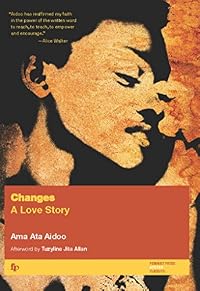
Changes: A Love Story
by Ama Ata Aidoo
On This Page
Description
This book portrays the conflicts between professional women whose lives have changed drastically and men whose lives and cultural assumptions remain unchanged. Married and with a daughter as the novel opens, Esi chooses divorce and a life focused on work. When she falls in love with an attractive man, married, wealthy, and able to arrange a polygamous marriage, the modern woman finds herself facing a new set of problems.Tags
Recommendations



Member Recommendations
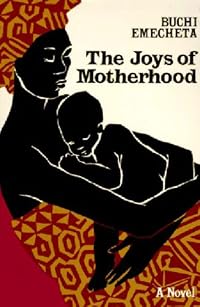
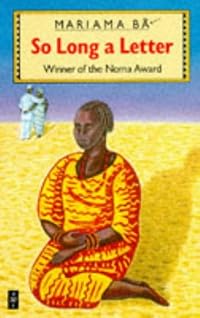
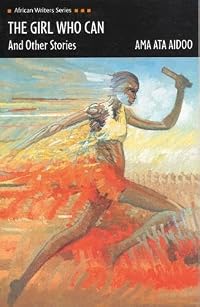
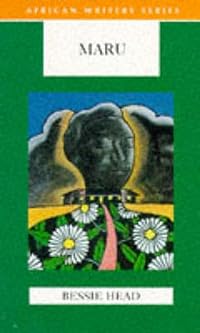
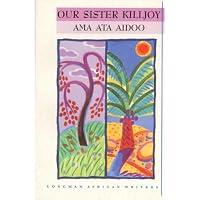
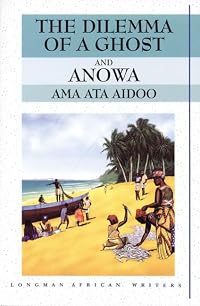
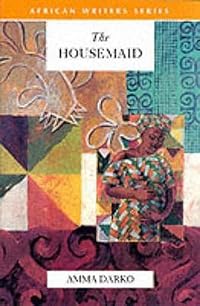
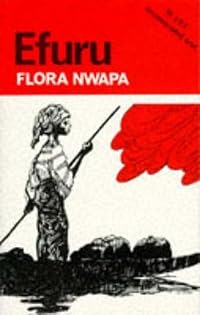
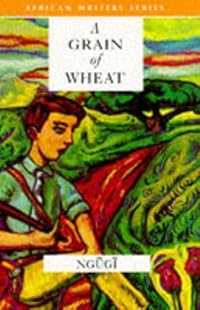
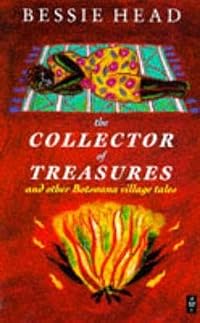
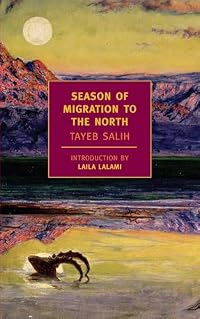
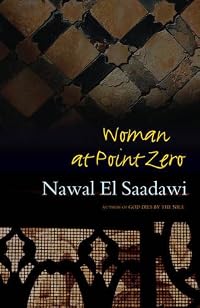
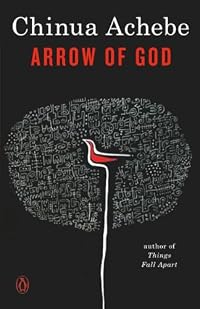
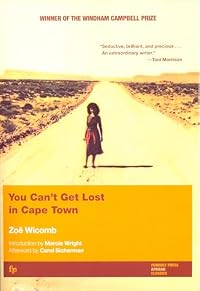
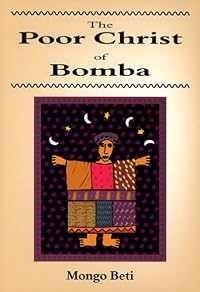
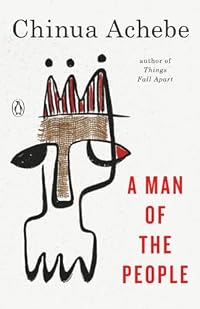
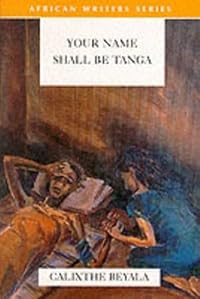
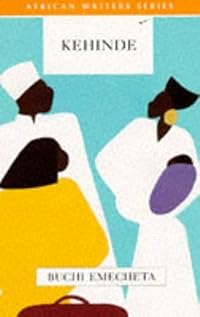
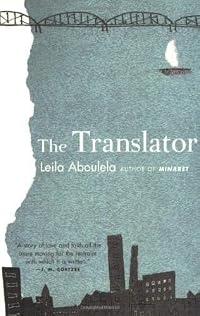
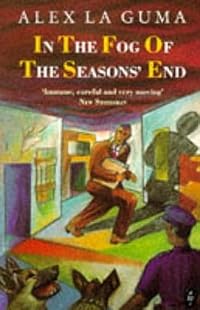
meggyweg Though set in two very different parts of the world, both of these stories are about a menage a trois living situation between a married man, his wife and his mistress.
Member Reviews
I picked up Changes to fit the Ghana prompt for the Read the World challenge, happy to have found a book by a woman, even happier to see it was from The Feminist Press.
One of the blurbs on the back cover compares this to So Long a Letter, which is an interesting comparison. Not only are both books written by African women, both are fascinating and frustrating by turn, for the same reason – the women these stories are about are so very different from me.
After Esi divorces her husband, she decides to do things differently, and has a casual affair with a married man — a relationship that quickly becomes less and less casual. Where this book really shines is investigating all the ways their relationship is shaped by the society around show more them — by their friends, relatives, jobs, etc. All the various opinions held on Esi's divorce in the first place, all the judgements and concerns and advice she faces trying to live life on her own terms.
I can't imagine making some of the choices Esi does, but then again, it is also difficult to imagine having my convictions and reactions persistently undermined the way hers are here. show less
One of the blurbs on the back cover compares this to So Long a Letter, which is an interesting comparison. Not only are both books written by African women, both are fascinating and frustrating by turn, for the same reason – the women these stories are about are so very different from me.
After Esi divorces her husband, she decides to do things differently, and has a casual affair with a married man — a relationship that quickly becomes less and less casual. Where this book really shines is investigating all the ways their relationship is shaped by the society around show more them — by their friends, relatives, jobs, etc. All the various opinions held on Esi's divorce in the first place, all the judgements and concerns and advice she faces trying to live life on her own terms.
I can't imagine making some of the choices Esi does, but then again, it is also difficult to imagine having my convictions and reactions persistently undermined the way hers are here. show less
156/2020. This is a social realist novel about a middle class urban Ghanaian woman who falls out of marriage and into love, with all the consequences for herself and her extended family, told from an African feminist perspective. The author manages to be both sharply perceptive and amusingly witty without sacrificing realistic portrayal. It's also freer in form than traditional European novels, with more influence from oral culture and West African conversational style. Thoroughly enjoyable.
Quotes
I'm laughing so hard: "years of having a clever woman in his home and an unbroken chain of rather stupid heads of department at his place of work had taught him not to take anything for granted in a discussion."
LMAO: "Indeed the only opinion show more Musa Musa could possibly have shared with African heads of state is that any discussion of mortality is treason and punishable, by death of course, if the circumstances are right."
Grandma on marriage and society: "[...] remember a man always gained in stature through any way he chose to associate with a woman. And that included adultery. Especially adultery. Esi, a woman has always been diminished in her association with a man. A good woman was she who quickened the pace of her own destruction. To refuse, as a woman, to be destroyed, was a crime that society spotted very quickly and punished swiftly and severely."
[...]
"Life on this earth need not always be some humans being gods and others being sacrificial animals. Indeed, that can be changed."
On adaptive traditions: "All the spirits should have been appeased: ancient coastal and Christian, ancient northern and Islamic, the ghost of the colonisers." show less
Quotes
I'm laughing so hard: "years of having a clever woman in his home and an unbroken chain of rather stupid heads of department at his place of work had taught him not to take anything for granted in a discussion."
LMAO: "Indeed the only opinion show more Musa Musa could possibly have shared with African heads of state is that any discussion of mortality is treason and punishable, by death of course, if the circumstances are right."
Grandma on marriage and society: "[...] remember a man always gained in stature through any way he chose to associate with a woman. And that included adultery. Especially adultery. Esi, a woman has always been diminished in her association with a man. A good woman was she who quickened the pace of her own destruction. To refuse, as a woman, to be destroyed, was a crime that society spotted very quickly and punished swiftly and severely."
[...]
"Life on this earth need not always be some humans being gods and others being sacrificial animals. Indeed, that can be changed."
On adaptive traditions: "All the spirits should have been appeased: ancient coastal and Christian, ancient northern and Islamic, the ghost of the colonisers." show less
I love this book! I don't know that anyone will agree, but I describe Changes: A Love Story as the best chick lit ever! I don't mean that to be diminishing at all. The novel is concerned with relationships. It deals with marital rape, the difficulties facing women in the workplace, and the conflicts inherent in the protagonist's roles as woman, wife, mother, friend, employee, and lover. I read this novel a few years ago for a class. It's not the type of book I would normally choose, but I'm so glad to have read it. Yes, Aidoo deals with serious issues, but Changes is also fun!
"It was a man's world. You only survived if you knew how to live in it as a woman", 31 July 2015
This review is from: Changes: A Love Story (Paperback)
Set in 1990s Ghana, this very readable novel follows three marriages of career women: there's statistician Esi, our central character, whose teacher husband resents her career and wants her to follow a more traditional role. Then there's her lover Ali, a Moslem - but with a wife and family. And lastly Esi's best friend, midwife Opukoya, badly paid and rather a drudge to her family.
There are no easy answers: "a man always gains in stature any way he chooses to associate with a woman - including adultery -But in her association with a man, a woman is always in danger of being show more diminished."
Many differences to women's experiences in the West - but many similarities too! show less
This review is from: Changes: A Love Story (Paperback)
Set in 1990s Ghana, this very readable novel follows three marriages of career women: there's statistician Esi, our central character, whose teacher husband resents her career and wants her to follow a more traditional role. Then there's her lover Ali, a Moslem - but with a wife and family. And lastly Esi's best friend, midwife Opukoya, badly paid and rather a drudge to her family.
There are no easy answers: "a man always gains in stature any way he chooses to associate with a woman - including adultery -But in her association with a man, a woman is always in danger of being show more diminished."
Many differences to women's experiences in the West - but many similarities too! show less
This is my first exposure to Aidoo, who is better known for her drama than for her fiction. "Changes" is a compact and mature look at a woman's inability to find satisfactory companionship and love in modern day Accra, Ghana. The insights into polygamy from both the female and the male perspective were fascinating and the passages showcasing marriage negotiations and traditions were a definite highlight. The writing itself is fairly spare and unremarkable, earning perhaps a mental grin now and then. At times it seems so matter-of-fact and confined to the protagonist's head that a reader wonders if it will devolve into a simple romance--which it never does. At its best it verges on deadpan and sports an understated, almost defeated sort show more of wit ("Although she knew there was nothing positively wild in how she was feeling about him, there was nothing negatively wild in it either. Definitely, she had no urge to run and scratch his face. Maybe if she had done, or shown her anger in any of the other ways she had planned, (he) would have felt better").
Throughout the novel(la?) the writing rings true and the characters are entirely believable. The book is not at all oppressed by references to contemporary African politics or conspicuous references to poverty and misery. All the actors are comfortably middle class and the real target of Aidoo's analysis is Africa's understanding of gender. I'll read another book of hers after this. show less
Throughout the novel(la?) the writing rings true and the characters are entirely believable. The book is not at all oppressed by references to contemporary African politics or conspicuous references to poverty and misery. All the actors are comfortably middle class and the real target of Aidoo's analysis is Africa's understanding of gender. I'll read another book of hers after this. show less
This is a novel of paradoxes, starting with the pace. The writing style makes it a very slow read, even for 150 or so pages, but the story itself progresses forward apace, even jumping ahead to relevant life events. The reader is drawn in to liking the main character, Esi, even though she herself is challenged with her decisions, and she gradually alienates or loses many around her. Continuing the paradox, the male characters, and in a feminist book no less, clearly are behaving in a negative way in a culture perpetuating and accepting their actions, yet the author brings to light attitudes and writing that makes them sympathetic. Overall, a thought provoking and challenging book that likely meets the author's goal, is troubling for the show more reader, but does not have a story or writing skill that makes it a must read. show less
This had more of a plot than most of the African fiction I've read so far, but it moved pretty slowly for me. Basically the story is this: Esi, a high-earning statistician in Ghana, is having marital problems and the final straw is when her husband rapes her. She leaves him, falls in love with a Muslim guy named Ali, and becomes his mistress. Eventually Ali takes Esi as his second wife, but their relationship doesn't change -- he still only visits once in awhile before going "home" to his first wife and kids.
You could classify this as feminist literature -- the three female characters in the story are all professional women who try, with varying degree of success, to juggle careers, husbands and kids in the face of their partners' show more indifference, envy and/or disdain. The women in this story would have a lot in common with Western women that way. Most people in the West don't imagine African women as having professional jobs like the characters in Changes do.
I think the story was okay, and I certainly could understand and empathize with the characters. The author did an omniscient narrative very well -- sometimes those are hard to pull off. The story did sort of peter in the end without much of a conclusion, but I can easily to see real life turning out just the same way. I don't think I'll be looking to read other Ama Ata Aidoo books, but for people interested in African and/or women's fiction, this would be well worth a look. show less
You could classify this as feminist literature -- the three female characters in the story are all professional women who try, with varying degree of success, to juggle careers, husbands and kids in the face of their partners' show more indifference, envy and/or disdain. The women in this story would have a lot in common with Western women that way. Most people in the West don't imagine African women as having professional jobs like the characters in Changes do.
I think the story was okay, and I certainly could understand and empathize with the characters. The author did an omniscient narrative very well -- sometimes those are hard to pull off. The story did sort of peter in the end without much of a conclusion, but I can easily to see real life turning out just the same way. I don't think I'll be looking to read other Ama Ata Aidoo books, but for people interested in African and/or women's fiction, this would be well worth a look. show less
Members
- Recently Added By
Lists

500 Great Books by Women
507 works; 60 members

Best African and African diaspora books
111 works; 3 members

Books Read in 2020
4,379 works; 123 members

Around the World in 80 Books
79 works; 4 members

Florida
366 works; 3 members
Author Information

16+ Works 1,055 Members
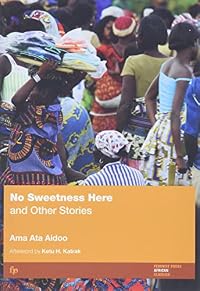
Born near Dominase, in central Ghana, Aidoo is today the leading Ghanaian writer. She was the daughter of a chief and grew p in a royal family. Educated at the University of Ghana at Legon, where she graduated in 1964 with a B.A. in English, Aidoo worked as a Research Fellow at the Institute of African Studies in Legon. Ghana's gaining its show more independence in 1965 greatly influenced Aidoo. Her writings reveal her interest in the historical events that have shaped her country. She believes that the status of women in Africa and the struggle for women's liberation cannot be distinct from the nation's struggles. She made her debut as writer with a short story, "No Sweetness Here" (1965). The story had previously won a prize in a short-story competition. This story provides the title of Aidoo's first collection of stories. Aidoo is better known as a playwright, and her two earliest plays, Anowa (first published in 1970) and The Dilemma of a Ghost (first published in 1965) remain popular. Aidoo has taught in several parts of Africa as well as the United States. She now lives and teaches in Harare, Zimbabwe. (Bowker Author Biography) show less
Some Editions
Awards and Honors
Series
Belongs to Publisher Series
Common Knowledge
- Canonical title
- Changes: A Love Story
- Original title
- Changes: a Love Story
- Original publication date
- 1991
- People/Characters
- Esi Sekyi; Oko; Ali Kondey; Fusena; Opokuya; Kubi
- Important places
- Accra, Ghana; Ghana
- Dedication
- For Kinna, my daughter, and some of my favorite relatives:
Jonathan Kariara
Papa Kwamena Aidoo
Fiifi Ayedan Aidoo - First words
- Esi was feeling angry with herself.
- Quotations
- [...] years of having a clever woman in his home and an unbroken chain of rather stupid heads of department at his place of work had taught him not to take anything for granted in a discussion.
Indeed the only opinion Musa Musa could possibly have shared with African heads of state is that any discussion of mortality is treason and punishable, by death of course, if the circumstances are right.
[...] remember a man always gained in stature through any way he chose to associate with a woman. And that included adultery. Especially adultery. Esi, a woman has always been diminished in her association with a man. A good ... (show all)woman was she who quickened the pace of her own destruction. To refuse, as a woman, to be destroyed, was a crime that society spotted very quickly and punished swiftly and severely.
Life on this earth need not always be some humans being gods and others being sacrificial animals. Indeed, that can be changed.
All the spirits should have been appeased: ancient coastal and Christian, ancient northern and Islamic, the ghost of the colonisers. - Last words
- (Click to show. Warning: May contain spoilers.)Yes, maybe, "one day, one day" as the Highlife singer had sung on an unusually warm and not-so-dark night...
- Original language
- English
Classifications
Statistics
- Members
- 337
- Popularity
- 93,569
- Reviews
- 11
- Rating
- (3.42)
- Languages
- 8 — Dutch, English, Finnish, German, Japanese, Norwegian (Bokmål), Norwegian, Swedish
- Media
- Paper, Ebook
- ISBNs
- 16
- ASINs
- 2