The Carnal Prayer Mat
by Yu Li
On This Page
Description
In the 300 years since its initial publication, Li Yu's book has been widely read in China, where it is recognized as a benchmark of erotic literature and currently enjoys the distinction of being a banned-in-Beijing classic.Tags
Recommendations

















Member Reviews
Li Yu states this is a morality tale, and indeed ‘what comes around goes around’ when it comes to adultery in the plot of The Carnal Prayer Mat. He emphasizes the need to focus on that message, while (wink wink nudge nudge) salaciously describing acts that would get the book banned throughout the years and in present day China. As for the erotica, it’s laugh out loud funny in some places, and in others a confirmation that men’s insecurities and silly fantasies have changed very little over time. If you’re looking for either a morality story or (I suppose more likely given its reputation) a steamy novel in isolation, you may be disappointed.
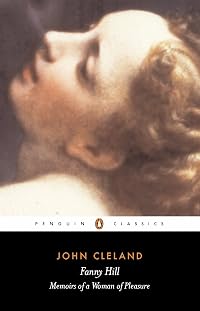
On the other hand, this is a light, reasonably fun read, and I admire Li Yu for flouting show more convention and being so original and daring in 1657. Memoirs of a Woman of Pleasure (or Fanny Hill), written 100 years later in the West, may be more delightful for the beauty of its prose and probably more, er, arousing, but The Carnal Prayer Mat is better as mocking satire of anything and everything, from puritanical Confucianism to the peccadilloes and self-importance of his characters. You sense the author is making light of them all, and in doing so, making light of us to this day, smiling at us devilishly across time and space. show less
On the other hand, this is a light, reasonably fun read, and I admire Li Yu for flouting show more convention and being so original and daring in 1657. Memoirs of a Woman of Pleasure (or Fanny Hill), written 100 years later in the West, may be more delightful for the beauty of its prose and probably more, er, arousing, but The Carnal Prayer Mat is better as mocking satire of anything and everything, from puritanical Confucianism to the peccadilloes and self-importance of his characters. You sense the author is making light of them all, and in doing so, making light of us to this day, smiling at us devilishly across time and space. show less
The Before Midnight Scholar spurns Buddhist enlightenment in favour of the 'prayer mat of the flesh'. He seeks and finds erotic experience. Although its descriptions of erotic activity are quite explicit, I would call this more a ribald novel (maybe like 'Tom Jones') than a pornographic or purely erotic one. Unlike a pornography, the actions of the vain scholar have consequences, including pregnancies, tragedy and death. Nevertheless the tone of most of the book is quite light and humorous, even mocking at times. The novel pokes fun at Confucianism, Buddhism, the vanity of academic scholars and the virtue of ladies. The characters are well described. There are some great supporting characters such as K'un-lun's Rival the noble bandit, show more Dr Iron Door the prudish Confucian scholar and the itinerant surgeon who operates on the Before Midnight Scholar's appendage.
Ultimately the tale is a moral one, with just punishments and repentance. There is an earnest afterword by the author which urges men to stick to their own wives and enjoy sex in moderation. show less
Ultimately the tale is a moral one, with just punishments and repentance. There is an earnest afterword by the author which urges men to stick to their own wives and enjoy sex in moderation. show less
A well-crafted tale with moral pretensions...
I liked this book when I first read it many years back, and was even more
impressed (a rare occurrence) when I re-read it recently. Of course, at
first glance, I devoured immediately the directly erotic stories, but
gradually the plot and storyline and the unusual narrative style also got to
me. I am quite bowled over at the innovative narrative style of the novel -
indeed, I would rate this novel as the best erotica of yore, certainly far
superior to Fanny Hill and others written a few centuries afterwards. I am
actually looking to read other books by Li Yu - well, some day...
The story is set in the culturally complex background of Yuan dynasty (14th
c.) China, although it was published in 1657. The show more prefatory
chapter provides a motivation for the story, which reminds one of the old
marketing joke:
SEX.
Ah! Now that I have your attention, let me tell you about this
excellent snake oil.
Li Yu says at the outset:
How low contemporary morals have sunk! But if you write a moral tract
exhorting people to virtue, [you] will you get no one to buy it...
So his strategy is
to captivate your readers with erotic material and then
wait for some moment of absorbing interest before suddenly dropping in an
admonitory remark or two to make them grow fearful and sigh, "Since sexual
pleasure can be so delgithful, surely we ought to reserve our
pleasure-making bodies for long-term enjoyment instead of turning into
ghosts beneath the peony blossoms [idiom for becoming victims of
amorous excess]". p.9
from a review I had written - with extensive excerpts - at http://www.cse.iitk.ac.in/~amit/books/yu-1990-carnal-prayer-mat.html show less
I liked this book when I first read it many years back, and was even more
impressed (a rare occurrence) when I re-read it recently. Of course, at
first glance, I devoured immediately the directly erotic stories, but
gradually the plot and storyline and the unusual narrative style also got to
me. I am quite bowled over at the innovative narrative style of the novel -
indeed, I would rate this novel as the best erotica of yore, certainly far
superior to Fanny Hill and others written a few centuries afterwards. I am
actually looking to read other books by Li Yu - well, some day...
The story is set in the culturally complex background of Yuan dynasty (14th
c.) China, although it was published in 1657. The show more prefatory
chapter provides a motivation for the story, which reminds one of the old
marketing joke:
SEX.
Ah! Now that I have your attention, let me tell you about this
excellent snake oil.
Li Yu says at the outset:
How low contemporary morals have sunk! But if you write a moral tract
exhorting people to virtue, [you] will you get no one to buy it...
So his strategy is
to captivate your readers with erotic material and then
wait for some moment of absorbing interest before suddenly dropping in an
admonitory remark or two to make them grow fearful and sigh, "Since sexual
pleasure can be so delgithful, surely we ought to reserve our
pleasure-making bodies for long-term enjoyment instead of turning into
ghosts beneath the peony blossoms [idiom for becoming victims of
amorous excess]". p.9
from a review I had written - with extensive excerpts - at http://www.cse.iitk.ac.in/~amit/books/yu-1990-carnal-prayer-mat.html show less
[SPOILER] What a downer. Nothing like a self-mutilating castration at the end of an erotic novel to make you feel frisky!
"Το προσκυνητάρι της σάρκας", αυτό το κλασικό ερωτικό μυθιστόρημα, είναι παράλληλα κι ένα από τα πιο διάσημα κινέζικα μυθιστόρηματα. Γραμμένο, τον 17ον αιώνα, από τον Λι Γιου, έναν ιδιοφυή συγγραφέα, πνεύμα ελεύθερο και παιχνιδιάρικο, μας αφηγείται την ερωτική μαθητεία ενός νεαρού λόγιου, θιασώτη του ατομικιστικού ηδονισμού, ο οποίος βιώνει ένα σωρό ερωτικές περιπέτειες. Ακόρεστος, συσσωρεύει ερωτικά show more κατορθώματα και κατακτήσεις με μια πραγματικά σπάνια μαεστρία. Για χάρη τους θα υποστεί ως και μεταμόσχευση πέους.
Παρά τη σκανδαλώδη φήμη του (θεωρήθηκε "απαγορευμένο ανάγνωσμα"). "Το προσκυνητάρι της σάρκας" είναι, ουσιαστικά, ένα μεγαλόπνοο κλασικό έργο, όλο χιούμορ και ειρωνεία. Μπορεί να διαβαστεί σαν ένα αστραφτερό, ευφυές, ανάλαφρο μυθιστόρημα, ακόμα κι από εκείνους που δεν ενδιαφέρονται για τον ερωτισμό. Είναι επίσης ένα κλασικό έργο που θα αρέσει και σε εκείνους που δεν συμπαθούν τα "κλασικά". show less
Παρά τη σκανδαλώδη φήμη του (θεωρήθηκε "απαγορευμένο ανάγνωσμα"). "Το προσκυνητάρι της σάρκας" είναι, ουσιαστικά, ένα μεγαλόπνοο κλασικό έργο, όλο χιούμορ και ειρωνεία. Μπορεί να διαβαστεί σαν ένα αστραφτερό, ευφυές, ανάλαφρο μυθιστόρημα, ακόμα κι από εκείνους που δεν ενδιαφέρονται για τον ερωτισμό. Είναι επίσης ένα κλασικό έργο που θα αρέσει και σε εκείνους που δεν συμπαθούν τα "κλασικά". show less
Nov 7, 2024Greek
En los 300 años desde su publicación inicial, el libro de Li Yu ha sido ampliamente leído en China, donde es reconocido como un referente de la literatura erótica y actualmente disfruta de la distinción de ser un clásico prohibido en Beijing.
Dec 9, 2022Spanish
La alfombrilla de los goces y los rezos
La alfombrilla de los goces y los rezos (la traducción literal del chino sería : La alfombrilla de rezos para meditar sobre lo carnal) apareció en 1657 y, como la mayoría de las novelas chinas de la época, se publicó con seudónimo, aunque siempre se supo que su autor era el polémico ensayista, cuentista, novelista, poeta y dramaturgo Li Yu. Esta obra clásica del erotismo, y también una de las más célebres novelas chinas, circuló libremente desde su primera edición, durante los tres siglos siguientes, hasta la creación de la República Popular comunista en 1949.
En 1990, se publicó, por primera vez en Estados Unidos, la versión íntegra en inglés de Patrick Hanan, profesor de show more literatura china en Harvard University, quien trabajó a la vez sobre un manuscrito que se conserva en el Instituto de Cultura Oriental de la Universidad de Tokio, y sobre la edición impresa más completa, de la que la Harvard-Yenching Library tiene dos ejemplares. Nosotros, para nuestra edición, la primera en lengua española, hemos tomado como referencia la de Patrick Hanan. show less
La alfombrilla de los goces y los rezos (la traducción literal del chino sería : La alfombrilla de rezos para meditar sobre lo carnal) apareció en 1657 y, como la mayoría de las novelas chinas de la época, se publicó con seudónimo, aunque siempre se supo que su autor era el polémico ensayista, cuentista, novelista, poeta y dramaturgo Li Yu. Esta obra clásica del erotismo, y también una de las más célebres novelas chinas, circuló libremente desde su primera edición, durante los tres siglos siguientes, hasta la creación de la República Popular comunista en 1949.
En 1990, se publicó, por primera vez en Estados Unidos, la versión íntegra en inglés de Patrick Hanan, profesor de show more literatura china en Harvard University, quien trabajó a la vez sobre un manuscrito que se conserva en el Instituto de Cultura Oriental de la Universidad de Tokio, y sobre la edición impresa más completa, de la que la Harvard-Yenching Library tiene dos ejemplares. Nosotros, para nuestra edición, la primera en lengua española, hemos tomado como referencia la de Patrick Hanan. show less
Feb 24, 2018Spanish
Members
- Recently Added By
Lists

Funny Classics
20 works; 2 members

CHINESE FICTION (in translation)
33 works; 1 member
Author Information

Some Editions
Series
Belongs to Publisher Series
Common Knowledge
- Canonical title*
- 肉蒲團
- Original title
- 肉蒲團
- Original publication date
- 1657
- People/Characters
- Before Midnight Scholar
- Important places
- China
*Some information comes from Common Knowledge in other languages. Click "Edit" for more information.
Classifications
- Genres
- General Fiction, Fiction and Literature
- DDC/MDS
- 895.1 — Literature & rhetoric Literatures of other languages Literatures of East and Southeast Asia Chinese
- LCC
- PL2698 .L52 .J613 — Language and Literature Languages and literatures of Eastern Asia, Africa, Oceania Languages of Eastern Asia, Africa, Oceania Chinese language and literature Chinese literature Individual authors and works
- BISAC
Statistics
- Members
- 421
- Popularity
- 73,339
- Reviews
- 7
- Rating
- (3.29)
- Languages
- 12 — Chinese, traditional, Czech, Danish, Dutch, English, French, German, Greek, Hungarian, Italian, Russian, Spanish
- Media
- Paper, Audiobook, Ebook
- ISBNs
- 37
- ASINs
- 21