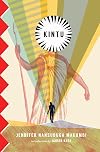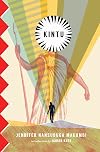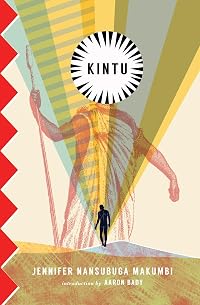
Kintu
by Jennifer Nansubuga Makumbi
On This Page
Description
'First published in Kenya in 2014 to critical and popular acclaim, Kintu is a modern classic, a multilayered narrative that reimagines the history of Uganda through the cursed bloodline of the Kintu clan. Divided into six sections, the novel begins in 1750, when Kintu Kidda sets out for the capital to pledge allegiance to the new leader of the Buganda Kingdom. Along the way, he unleashes a curse that will plague his family for generations. In an ambitious tale of a clan and a nation, Makumbi show more weaves together the stories of Kintu's descendants as they seek to break from the burden of their shared past and reconcile the inheritance of tradition and the modern world that is their future."--Back cover. show lessTags
Recommendations
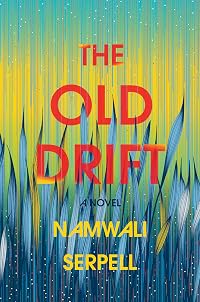



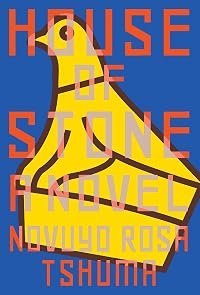
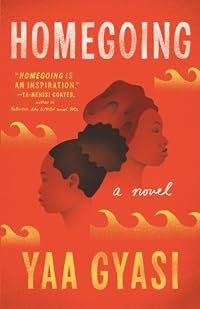
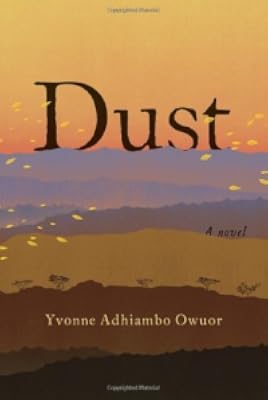
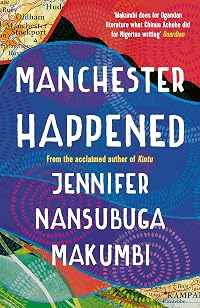

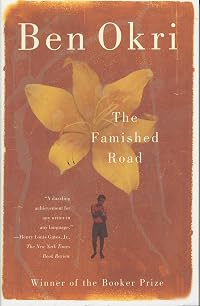
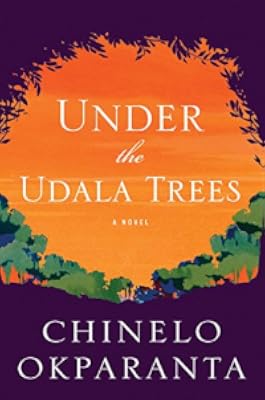
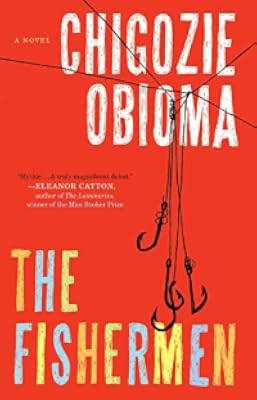


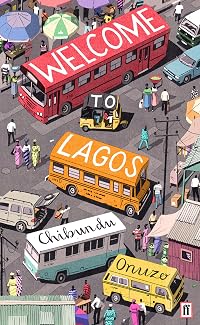

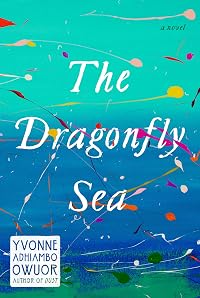
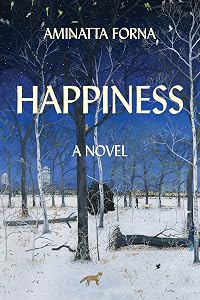
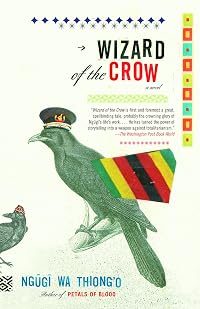
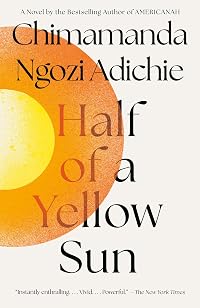
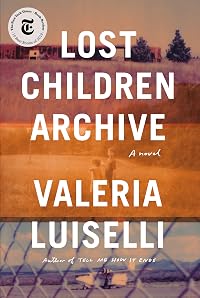
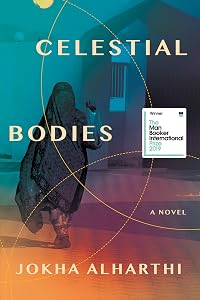

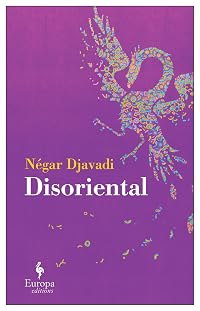
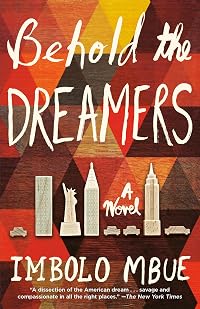

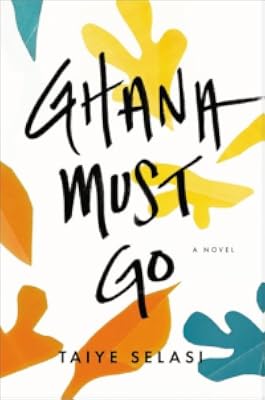
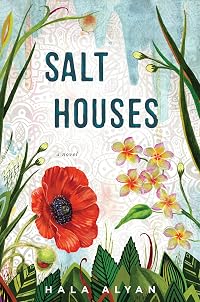

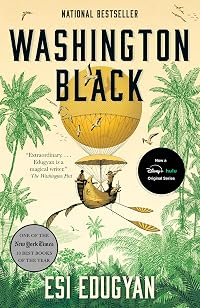

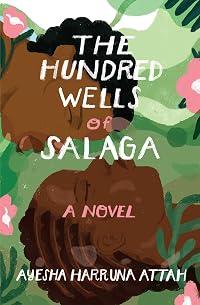
Member Recommendations
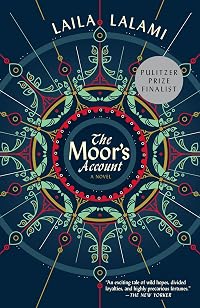
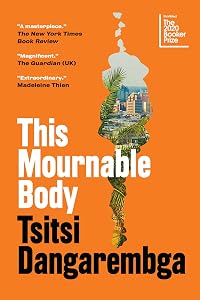
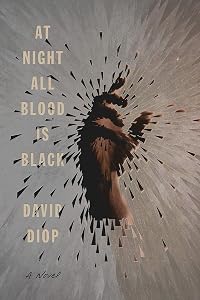
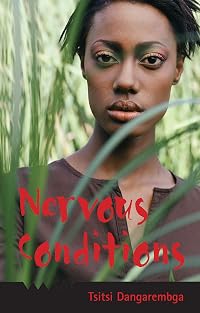
lottpoet starts in Africa in 1690 and goes to the New World via the slave trade. It is technically multigenerational, has a supernatural feel to the past events, and is partly about trying to take control of your own destiny
Member Reviews
It took me a little while to settle into Kintu, but once I realised that the novel is an epic not just in its scope but also in genre, it clicked with me. Jennifer Nansubuga Makumbi's debut novel spans the history of what is now Uganda from the eighteenth century to the present day, exploring the region through the varied fates of the descendants of the eponymous Kintu. Makumbi's prose is strong, and her observations on patriarchy, homosexuality, and family, are incisive yet quite subtle. An absorbing read.
This debut novel by Ugandan author Jennifer Nansubuga Makumbi is a series of stories interconnected by a generational family curse which links them, based on the creation myth of Kintu and Nambi. This book was deemed too African for the international market and was declined by publishers in the UK. However it won the Kwani Manuscript Prize in 2013, was long-listed for the 2014 Etisalat Prize for Literature, and has been enjoyed by both Ugandans and international readers alike. Despite being written for a Ugandan audience and carrying many local words, it is still simple enough to follow and an engaging read.
It begins with a story of Kamu Kintu who is taken from his home for questioning and killed by the mob. The tale then shifts back to show more 1750 in Buddu Province, Buganda, in pre-colonial Uganda, to where the curse began with Kintu Kidda, a local governor. Kintu (pronounced Chintu) marries the twins Nnakato and Babirye, despite only wishing to marry Nnakato, as their customs view twins as two parts of one being. He adopts a son, Kalema, from a Tsutsi widower and raises him as his own, along with his own children. When Kalema inadvertently dies, a curse is placed on Kintu and his children, which creates twins, suicide and death. This repercusses through the generations.
The book moves through stories of various descendants of Kintu, with recurring tales of twins and troubles. I really enjoyed this book, in particular the initial story of Kintu. Makumbi described this book as “masculinist,” for its look at how the patriarchy hurts men which I found very interesting. I’m curious to read her next book A Girl Is A Body of Water which she says is feminist. show less
It begins with a story of Kamu Kintu who is taken from his home for questioning and killed by the mob. The tale then shifts back to show more 1750 in Buddu Province, Buganda, in pre-colonial Uganda, to where the curse began with Kintu Kidda, a local governor. Kintu (pronounced Chintu) marries the twins Nnakato and Babirye, despite only wishing to marry Nnakato, as their customs view twins as two parts of one being. He adopts a son, Kalema, from a Tsutsi widower and raises him as his own, along with his own children. When Kalema inadvertently dies, a curse is placed on Kintu and his children, which creates twins, suicide and death. This repercusses through the generations.
The book moves through stories of various descendants of Kintu, with recurring tales of twins and troubles. I really enjoyed this book, in particular the initial story of Kintu. Makumbi described this book as “masculinist,” for its look at how the patriarchy hurts men which I found very interesting. I’m curious to read her next book A Girl Is A Body of Water which she says is feminist. show less
At 443 pages this was a long book, but not a difficult read. Towards the end the sections became shorter, and my anticipation to find out what happens in the final section cranked up.
Kintu is the story of the extended clan descended from Kintu Kidda. Per Wikipedia, Kintu is a mythologial figure of the Buganda people and is the father of humans. I can give an overarching description of the arc of the story, but it is more than the sum of its parts.
The first section of the book, set in the mid 18th century, tells the story of Kintu, his family, and the actions that result in a curse being laid on his family and descendants. The next four sections tell the story of one descendant each (and their branch of the family) at the turn of the show more 20th and 21st century, and the sixth and final section tells the story of the extended family coming together in 2004 to try and remove the curse. Not everything is tied up neatly by the end, but much healing does take place.
This is a rich story that I think will reward re-reading. In addition to the literal story, the family stands in for the people of Uganda and gives us a glimpse of a variety of viewpoints and traditions that dwell together. This is also, in my mind, primarily the story of the male descendants. I am curious about what it would look like if told from a female perspective. It's also a story about the interplay of tradition and modernity. And I'm sure other readers will find other threads/themes they want to follow. show less
Kintu is the story of the extended clan descended from Kintu Kidda. Per Wikipedia, Kintu is a mythologial figure of the Buganda people and is the father of humans. I can give an overarching description of the arc of the story, but it is more than the sum of its parts.
The first section of the book, set in the mid 18th century, tells the story of Kintu, his family, and the actions that result in a curse being laid on his family and descendants. The next four sections tell the story of one descendant each (and their branch of the family) at the turn of the show more 20th and 21st century, and the sixth and final section tells the story of the extended family coming together in 2004 to try and remove the curse. Not everything is tied up neatly by the end, but much healing does take place.
This is a rich story that I think will reward re-reading. In addition to the literal story, the family stands in for the people of Uganda and gives us a glimpse of a variety of viewpoints and traditions that dwell together. This is also, in my mind, primarily the story of the male descendants. I am curious about what it would look like if told from a female perspective. It's also a story about the interplay of tradition and modernity. And I'm sure other readers will find other threads/themes they want to follow. show less
I had been meaning to read this book for a long time. It's a book that was known and discussed about in Nairobi literary circles sometime before it was published, it deservedly won the Kwani? Manuscript project in 2013 and was published the following year to great acclaim. Yet year after year, with some shame and guilt, I never read it. [a:Jennifer Nansubuga Makumbi|8337269|Jennifer Nansubuga Makumbi|https://images.gr-assets.com/authors/1484063559p2/8337269.jpg] even attended the literary crossroads program which happened in mid-year 2017 hosted by the Goethe Institut in Nairobi, I was in the audience and enjoyed listening to her speak. She was courteous enough not to spoil parts of the book, and she was funny and beautiful. Yet I still show more didn't read the book until I felt I should do away with the guilt I had carried for years by beginning this year reading it.
This book is vast and rich. It begins in pre-colonial Buganda in 1750, and follows the life of Kintu Kidda and his descendants. Kintu heads Buddu province, a tactful and fair leader, and has his own family and marital problems he tries to deal with as best as he knows how. When a foreigner called Ntwire and his son arrive in his province, he is kind to them and raises the child as his own and all goes well until a fatal mistake is made and a curse is placed on Kintu and his lineage.
There were several very funny passages and I think this must be the funniest book I've read in a while. Certain times reading this I would literally burst with guffaws. The writer manages to present life with its complications, both the unforgiving and redeeming bits of life, in these fictional life stories. Each year that I went without reading this book was a year I denied myself such a wonderful literary offering. show less
This book is vast and rich. It begins in pre-colonial Buganda in 1750, and follows the life of Kintu Kidda and his descendants. Kintu heads Buddu province, a tactful and fair leader, and has his own family and marital problems he tries to deal with as best as he knows how. When a foreigner called Ntwire and his son arrive in his province, he is kind to them and raises the child as his own and all goes well until a fatal mistake is made and a curse is placed on Kintu and his lineage.
There were several very funny passages and I think this must be the funniest book I've read in a while. Certain times reading this I would literally burst with guffaws. The writer manages to present life with its complications, both the unforgiving and redeeming bits of life, in these fictional life stories. Each year that I went without reading this book was a year I denied myself such a wonderful literary offering. show less
I'm a sucker for multigenerational family epics, especially when there's a curse at the centre of the story. I wasn't always dazzled by the plot or characters, but I enjoyed learning so much about Ugandan history/culture. Might appeal to readers who liked Homegoing, but this one is not written with a Western audience in mind. That can make for some challenges (keeping track of the characters is tricky), but it's also a great strength of this novel.
I read this book in preparation for a book group discussion at Five Leaves later this month, and it is the first Ugandan book I have read. On the whole I found it quite enjoyable, though I must admit I struggled a little with its central premise.
The book is divided into long chapters. The first starts in 1750, and tells the story of Kintu, the prince in charge of Buddu, a large province in the south of Buganda (this appears to contradict Wikipedia's article on Buddu, which says it was the last province captured by Buganda and that this happened late in the 18th century, but since the book is largely about oral history and the way that affects modern Africa, we'll leave that debate to better informed historians). Two of Kintu's wives are show more twins, his favourite Nnakato and her sister Babirye, who bore him four more sets of twins before Nnakato's only son and Kintu's heir was born. The heir wants his own twin, and they adopt a Tutsi boy, who dies after Kintu punishes him while they are travelling to the Bugandan capital, a long, arduous and hazardous walk. Kintu's treatment of this boy makes him the subject of a curse of ill luck for him and his descendants - the heir dies on his wedding day, Nnakato hangs herself and Kintu goes mad and disappears without trace.
All but the last remaining chapters follow descendants of Kintu in modern Uganda, where they cover a wide spectrum of society. They are brought together at the end of the book for a gathering at the site of Kintu's village where they attempt to exorcise the curse.
The book explores many aspects of African history, notably the notorious colonial boundaries that disregarded the interests of the inhabitants, and the long shadows cast by both Idi Amin's regime and his predecessor (and successor) Milton Obote, and more recently the effect of AIDS. Despite the many deaths, and often bloodthirsty nature of the story, this is never a difficult read, though to a European eye the many similar names can be a little confusing.
I am looking forward to the discussion. show less
The book is divided into long chapters. The first starts in 1750, and tells the story of Kintu, the prince in charge of Buddu, a large province in the south of Buganda (this appears to contradict Wikipedia's article on Buddu, which says it was the last province captured by Buganda and that this happened late in the 18th century, but since the book is largely about oral history and the way that affects modern Africa, we'll leave that debate to better informed historians). Two of Kintu's wives are show more twins, his favourite Nnakato and her sister Babirye, who bore him four more sets of twins before Nnakato's only son and Kintu's heir was born. The heir wants his own twin, and they adopt a Tutsi boy, who dies after Kintu punishes him while they are travelling to the Bugandan capital, a long, arduous and hazardous walk. Kintu's treatment of this boy makes him the subject of a curse of ill luck for him and his descendants - the heir dies on his wedding day, Nnakato hangs herself and Kintu goes mad and disappears without trace.
All but the last remaining chapters follow descendants of Kintu in modern Uganda, where they cover a wide spectrum of society. They are brought together at the end of the book for a gathering at the site of Kintu's village where they attempt to exorcise the curse.
The book explores many aspects of African history, notably the notorious colonial boundaries that disregarded the interests of the inhabitants, and the long shadows cast by both Idi Amin's regime and his predecessor (and successor) Milton Obote, and more recently the effect of AIDS. Despite the many deaths, and often bloodthirsty nature of the story, this is never a difficult read, though to a European eye the many similar names can be a little confusing.
I am looking forward to the discussion. show less
Masterfully written. What seem like completely random separate sections of the book come together seamlessly towards the end. Looking forward to more great writing from this author.
Members
- Recently Added By
Lists

Review 2
36 works; 1 member

History in the long view
55 works; 3 members

Uganda
17 works; 1 member

Wishlist
48 works; 1 member
Author Information

4+ Works 1,052 Members
Awards and Honors
Awards
Distinctions
Common Knowledge
- Canonical title*
- Kintu
- Original title
- Kintu
- Original publication date
- 2014
- Important places
- Uganda
- Dedication
- In memory of my grandfather, Elieza Mayombwe Makumbi, who told folktales and taught me how to tell them; my father, Tony Kizito Makumbi, who felt that all I needed were stories in books and who introduced me to Shakespeare wh... (show all)en I was only eight years old. And to Aunt Catherine Makumbi-Kulubya, for holding my father's dream
- First words
- There was a knock. (prologue)
It was the odd relief Kintu felt as he stepped out of his house. (Chapter 1) - Last words
- (Click to show. Warning: May contain spoilers.)"For knowing and refusing to know," her aunt says confidently
- Blurbers
- Baingana, Doreen; Mahjoub, Jamal
- Original language*
- Engels
*Some information comes from Common Knowledge in other languages. Click "Edit" for more information.
Classifications
Statistics
- Members
- 466
- Popularity
- 65,418
- Reviews
- 10
- Rating
- (3.95)
- Languages
- 5 — Dutch, English, French, Italian, Turkish
- Media
- Paper, Audiobook, Ebook
- ISBNs
- 15
- ASINs
- 5