On This Page
Description
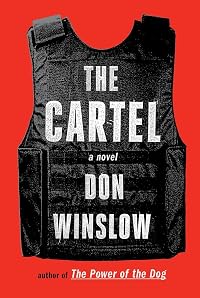
From the internationally bestselling author of the acclaimed novel The Power of the Dog comes The Cartel, a gripping, ripped from the headlines story of power, corruption, revenge, and justice spanning the past decade of the Mexican-American drug wars.It's 2004. DEA agent Art Keller has been fighting the war on drugs for thirty years in a blood feud against Adán Barrera, the head of El Federación, the world's most powerful cartel, and the man who brutally murdered Keller's partner. show more Finally putting Barrera away cost Keller dearly—the woman he loves, the beliefs he cherishes, the life he wants to lead.
Then Barrera gets out, determined to rebuild the empire that Keller shattered. Unwilling to live in a world with Barrera in it, Keller goes on a ten-year odyssey to take him down. His obsession with justice—or is it revenge?—becomes a ruthless struggle that stretches from the cities, mountains, and deserts of Mexico to Washington's corridors of power to the streets of Berlin and Barcelona.
Keller fights his personal battle against the devastated backdrop of Mexico's drug war, a conflict of unprecedented scale and viciousness, as cartels vie for power and he comes to the final reckoning with Barrera—and himself—that he always knew must happen.
The Cartel is a true-to-life story of honor and sacrifice, as one man tries to face down the devil without losing his soul. It is the story of the war on drugs and the men—and women—who wage it.
. show less
Tags
Recommendations





Member Reviews
Brutal, searing, epic sequel to The Power Of The Dog - though reading the latter isn't essential, as the various low points of the Keller/Barrera hategrudge are succinctly presented, and then the book gets on with the business of fictionalising the horrors of the last decade or so of the drug war. Adan Barrera swans out of prison and goes to work re-establishing his power. Art Keller is, reluctantly, sent south of the US/Mexico border to track him down. But there are more players involved in the rising cartels than just Barrera, and they are embarking on a war of their own of unprecedented savagery, infecting every level of Mexican society with fear and corruption and bloodshed.
In terms of crime fiction as social document, this is the show more literary successor to The Wire. Winslow's been impressing with his distinctive prose style and the effortless cool of hos characters and his plots, but this surpasses Ellroy in its portrayal of a society brutalised by crime. Even the ugly moral choices made by Keller as he battles his way closer to Barrera are dwarfed by the sheer scale of the evil. A dark, passionate, angry, unflinching novel, and though it leaves the reader dazed and sobered and weary, it also exhilarates as a major piece of crime literature. show less
In terms of crime fiction as social document, this is the show more literary successor to The Wire. Winslow's been impressing with his distinctive prose style and the effortless cool of hos characters and his plots, but this surpasses Ellroy in its portrayal of a society brutalised by crime. Even the ugly moral choices made by Keller as he battles his way closer to Barrera are dwarfed by the sheer scale of the evil. A dark, passionate, angry, unflinching novel, and though it leaves the reader dazed and sobered and weary, it also exhilarates as a major piece of crime literature. show less
Between 2004 and 2014, Art (Killer) Keller—an Ex-DEA agent turned special ops/vigilante—hunts for his arch-enemy, Adan Barrera, Mexico's biggest drug lord of the century. Along the way, Art witnesses the horrific destruction of Mexico as the drug narcos wage war on each other, nearly eradicating the land they love. Don Winslow is a master storyteller, and with his descriptive, blunt style, he exposes the power-hungry kingpins of the drug world for the ruthless killers they are. They crush everything in their paths for greed of power and money. These evil, soulless men snatch kids off the streets to replenish their armies, rape and murder innocent women, and violently exterminate thousands of their country's people, stopping at show more nothing to take what they want and protect their territories. Art has lost everything except his need for revenge—and when a man has nothing left to lose—there's nothing to stop him from descending into hell to catch the devil. Dedicated to the hundreds of journalists that were murdered or disappeared during this time trying to bring the truth to their countrymen, the author emphasizes the enormous damage that drugs can unleash on the world. It makes one question who are the real criminals? The narcos or the drug users that buy their products? Without them, would we have the other? show less
Don Winslow's 'The Cartel' is a truly frightening book. It's fiction, but it's also straight out of the drug war headlines from the past couple of decades. I'll admit I nearly bailed on it about a third of the way through- too much going on, too many characters, unending violence..... but I didn't and I'm really happy I stayed to the end.
The Cartel is one of my favorite books ever, not because it's so well written (it's OK, not great) or tightly plotted, but because of the incredibly complex multi-year story that's handled so well amidst the huge number of themes at play. As you're reading it, there's a pervasive sense that you may not necessarily understand what's happening among the players, but you know where it's heading and it show more won't be pretty.
I don't want to go into the plot except to say that it's about the Mexican drug cartels, the guys trying to shut them down, and the effects of the drug war on 'civilians'. There is a dizzying array of themes involved: love, hate, revenge, good, evil, narcissism, lust, man's inhumanity to man, hedonism, religion, rejection.... I could go on an on. It's a theme-laden novel. Did I mention revenge?
The writing is a good match for the content. My one complaint is Mr. Winslow's tendency to change his narration by character. For example, his writing for the 'hero' is pretty straightforward, but when a lesser character's actions are described he'll misuse singular/plural ('he don't', for example) in his narration (not quoting the person, just in describing his actions). Anyway, his writing is as propulsive as the action, the characters are quite well-developed, and the dialogue seems rich and true. Mr. Winslow's knowledge of the physical and emotional landscape around the drug war seems extremely detailed as well.
This is a hard book to take if you're uncomfortable with violence or you prefer to believe that stuff written about in The Cartel doesn't exist (it does- just google 'Mexico drug war' to get a dose). However, if you'd like to experience a novel that's terrifyingly real, this is one fantastic read. show less
The Cartel is one of my favorite books ever, not because it's so well written (it's OK, not great) or tightly plotted, but because of the incredibly complex multi-year story that's handled so well amidst the huge number of themes at play. As you're reading it, there's a pervasive sense that you may not necessarily understand what's happening among the players, but you know where it's heading and it show more won't be pretty.
I don't want to go into the plot except to say that it's about the Mexican drug cartels, the guys trying to shut them down, and the effects of the drug war on 'civilians'. There is a dizzying array of themes involved: love, hate, revenge, good, evil, narcissism, lust, man's inhumanity to man, hedonism, religion, rejection.... I could go on an on. It's a theme-laden novel. Did I mention revenge?
The writing is a good match for the content. My one complaint is Mr. Winslow's tendency to change his narration by character. For example, his writing for the 'hero' is pretty straightforward, but when a lesser character's actions are described he'll misuse singular/plural ('he don't', for example) in his narration (not quoting the person, just in describing his actions). Anyway, his writing is as propulsive as the action, the characters are quite well-developed, and the dialogue seems rich and true. Mr. Winslow's knowledge of the physical and emotional landscape around the drug war seems extremely detailed as well.
This is a hard book to take if you're uncomfortable with violence or you prefer to believe that stuff written about in The Cartel doesn't exist (it does- just google 'Mexico drug war' to get a dose). However, if you'd like to experience a novel that's terrifyingly real, this is one fantastic read. show less
For newer readers to my blog, some months back I reviewed the book that precedes this one called “Power of the Dog” also by Don Winslow. I gave it an unequivocal 5 stars and this one continues the story and receives the same 5 stars. I went and bought the book new, soft cover at the book store simply because I could not get the first book out of my head and talked about it to every reader I know.
This book picks up where the last left off. Adan Barerra, the powerful leader of the drug cartel that Art Keller decimated, has managed to finagle his way out of U.S. custody back to Mexico to serve his prison time there.
In the glorious vein of Lucky Luciano and Pablo Escobar, he begins rebuilding his cartel from behind bars. This includes show more setting up his cell as a luxurious 5 star suite and having prison authorities, government authorities and cartel members all on his payroll. He also manages to establish a private army and take a jailed beauty queen/drug smuggler as his mistress after the demise of his marriage.
Adan has only one other ambition besides re-establishing his drug empire. He has a $2 million dollar bounty on the head of DEA agent Art Keller. As for Art Keller, he knows Adan will try to be the kingpin again and he wants Adan dead too. Stalemate.
Throughout the border towns the funnels are controlled by a variety of dons who have filled the vacuum since Adan’s capture. An all-out war erupts between the new dons and the old to control the means of movement of drugs through the plazas and border cities throughout the rest of North America.
This time, we are treated to some new players. A group of activist journalists and writers based in Jaurez provide a running commentary on the carnage and represent the people caught in the middle of this all out bloodbath for control of the drug trade. Pablo, Ana and Oscar are our guides in this group.
Marisol is a physician, fighting to assist the broken and damaged as well as an activist who, by raising her profile and speaking out publicly, has also put a target on her back. She also provides us with a new love interest for Art. This is a good thing because I despaired for Art’s soul and humanity at the end of the first book.
As with the first book, the stakes are high and the violence is brutal and graphic but the storytelling is exceptionally high caliber. I am going out on a limb here but in my opinion, this could well be the next “Godfather”. It is that good. It might even be better. This makes “Scarface” look like a cartoon.
The alphabet agencies are all in play again and we get a better look at Mexican politics and military tactics as well as the paramilitary organizations the cartels control to enforce their dominance and protect their territories. The cost of the drug trade is very high and one weeps for the average citizen who lives in these areas and is forced to deal with domestic terrorism, human trafficking and crushing poverty on a day to day basis.
I have become a Don Winslow fanatic. Even as I write this review, I am planning on going by the bookstore tomorrow to pick up two more Winslow books and see what else this storyteller has up his sleeve. There are books I keep and books I pass on. Winslow’s have a permanent place on my shelves with a guillotine hanging over borrowers heads who do not return the books. You have been warned!!
Please, buy this man’s books so he will keep writing. It is a wonderful reading experience. 5 stars plus. show less
This book picks up where the last left off. Adan Barerra, the powerful leader of the drug cartel that Art Keller decimated, has managed to finagle his way out of U.S. custody back to Mexico to serve his prison time there.
In the glorious vein of Lucky Luciano and Pablo Escobar, he begins rebuilding his cartel from behind bars. This includes show more setting up his cell as a luxurious 5 star suite and having prison authorities, government authorities and cartel members all on his payroll. He also manages to establish a private army and take a jailed beauty queen/drug smuggler as his mistress after the demise of his marriage.
Adan has only one other ambition besides re-establishing his drug empire. He has a $2 million dollar bounty on the head of DEA agent Art Keller. As for Art Keller, he knows Adan will try to be the kingpin again and he wants Adan dead too. Stalemate.
Throughout the border towns the funnels are controlled by a variety of dons who have filled the vacuum since Adan’s capture. An all-out war erupts between the new dons and the old to control the means of movement of drugs through the plazas and border cities throughout the rest of North America.
This time, we are treated to some new players. A group of activist journalists and writers based in Jaurez provide a running commentary on the carnage and represent the people caught in the middle of this all out bloodbath for control of the drug trade. Pablo, Ana and Oscar are our guides in this group.
Marisol is a physician, fighting to assist the broken and damaged as well as an activist who, by raising her profile and speaking out publicly, has also put a target on her back. She also provides us with a new love interest for Art. This is a good thing because I despaired for Art’s soul and humanity at the end of the first book.
As with the first book, the stakes are high and the violence is brutal and graphic but the storytelling is exceptionally high caliber. I am going out on a limb here but in my opinion, this could well be the next “Godfather”. It is that good. It might even be better. This makes “Scarface” look like a cartoon.
The alphabet agencies are all in play again and we get a better look at Mexican politics and military tactics as well as the paramilitary organizations the cartels control to enforce their dominance and protect their territories. The cost of the drug trade is very high and one weeps for the average citizen who lives in these areas and is forced to deal with domestic terrorism, human trafficking and crushing poverty on a day to day basis.
I have become a Don Winslow fanatic. Even as I write this review, I am planning on going by the bookstore tomorrow to pick up two more Winslow books and see what else this storyteller has up his sleeve. There are books I keep and books I pass on. Winslow’s have a permanent place on my shelves with a guillotine hanging over borrowers heads who do not return the books. You have been warned!!
Please, buy this man’s books so he will keep writing. It is a wonderful reading experience. 5 stars plus. show less
The only time most Americans think about Mexico’s drug cartel is when the violence crosses the Rio Grande and claims the lives of one or two American citizens. Well, shame on us, because other than those rare moments when they spill blood here, do we even consider the reality of what Mexicans have been living through for at least the last two decades. When it comes to controlling drug traffic and territories, everyone is fair game to the resulting violence: family members, newspaper reporters, teachers, women, children, policemen, the innocent and the guilty, alike. And, worst of all, like their terrorist cousins on the other side of the world, the gangs now capture the shootings, explosions, and decapitations on video for the entire show more world to see. Don Winslow’s The Cartel schools us on just how horrible the situation along the U.S./Mexican border really is today – and why so many Mexicans cross that border to escape the mayhem.
Sometime Drug Enforcement Administration (DEA) agent Art Keller learned all about the cartel from the inside. Keller, half-Mexican himself, has known reigning drug kingpin Adán Barrera since the two were children. The onetime close friends, though, are now mortal enemies, and each has sworn to put the other in his grave. As The Cartel begins Keller is content with the new life and identity he has created for himself on the U.S. side of the river. He knows that Barrera is looking for him, but Keller is surprised when his old DEA boss finds him first and presses him to rejoin the fight to destroy the cartel.
The battle is on – and what a battle it turns out to be. Over the next several hundred pages, Winslow follows the bloody evolution of a drug cartel coming apart at the seams as one drug lord after another falls in a pool of blood to his successor. No one is safe; no one can be trusted; and no one is going to live long enough to become an old man. The hell of it, though, is that they will take thousands and thousands of Mexicans down with them.
This 19-CD audiobook clocks in at more than twenty-three hours of listening time, so finding an expert reader has to have been a high priority for its producers – a goal they met admirably by hiring Ray Porter for the job. Porter’s mastery of accents, voices, and vocal inflections makes it easy for listeners to distinguish between the book’s many characters and their complicated relationships, something that audio readers will appreciate more and more as the book progresses.
Bottom Line: The Cartel is a brutal crime thriller intimately based on the research that Don Winslow did on the Mexican drug cartel. Its audiobook version is the perfect choice for the next extended road trip you take, just be forewarned that it is not a story for little ears. It’s an ugly old world down there. show less
Sometime Drug Enforcement Administration (DEA) agent Art Keller learned all about the cartel from the inside. Keller, half-Mexican himself, has known reigning drug kingpin Adán Barrera since the two were children. The onetime close friends, though, are now mortal enemies, and each has sworn to put the other in his grave. As The Cartel begins Keller is content with the new life and identity he has created for himself on the U.S. side of the river. He knows that Barrera is looking for him, but Keller is surprised when his old DEA boss finds him first and presses him to rejoin the fight to destroy the cartel.
The battle is on – and what a battle it turns out to be. Over the next several hundred pages, Winslow follows the bloody evolution of a drug cartel coming apart at the seams as one drug lord after another falls in a pool of blood to his successor. No one is safe; no one can be trusted; and no one is going to live long enough to become an old man. The hell of it, though, is that they will take thousands and thousands of Mexicans down with them.
This 19-CD audiobook clocks in at more than twenty-three hours of listening time, so finding an expert reader has to have been a high priority for its producers – a goal they met admirably by hiring Ray Porter for the job. Porter’s mastery of accents, voices, and vocal inflections makes it easy for listeners to distinguish between the book’s many characters and their complicated relationships, something that audio readers will appreciate more and more as the book progresses.
Bottom Line: The Cartel is a brutal crime thriller intimately based on the research that Don Winslow did on the Mexican drug cartel. Its audiobook version is the perfect choice for the next extended road trip you take, just be forewarned that it is not a story for little ears. It’s an ugly old world down there. show less
To be honest if I could give this 4.5 stars I probably would have. While as fascinating and page-turning as Power of the Dog, I couldn't help thinking there was something a little less visceral and personal about The Cartel. It seemed to lose something as it widened its scope to include more. Some of this was offset by the story of Pablo and his cohorts, but that story maybe should have started earlier in the novel. But really, this is quibbling. Taken as a two book novel, this series deserves 5 stars overall and will definitely stick with me. A must read for fans of James Ellroy (especially his books like American Tabloid).
The Cartel by Don Winslow is the second book in his Mexican Drug Cartel trilogy and this one is every bit as dark and violent as the first. This book is over 600 pages and together the first two books span over 40 years as the author details the rise of the cartels and the horrific violence that they spawned. The main character is DEA officer Art Keller whose main objective is to bring down the biggest of the drug overlords, Adan Barrera. These two are sworn enemies who have dogged each other for years, each one obsessed by the other.
These books present a multifaceted view of the war on drugs and show how the gangster tactics were slowly set aside in favor of global terrorism. Although not recognized as such, the cartels have become show more media savvy armies that spout some of the basics that we heard from Al Qaeda. In the years of 2004 to 2014 thousands were killed, and as the killings mounted, the way people were put to death became more and more nightmarish as these deaths were used to implant terror and control the population.
It is obvious that the author has done extensive research and although it is classified as fiction, there are many real life incidents that appear on the pages. The author states his purpose behind these books is to inform and advocate but it bears repetition to warn prospective readers of the high body count, and the grim descriptions of rape and torture. I have one more book in this trilogy to read and although this author delivers one hell of a story, it may be awhile before I am ready to face the violence, corruption and terror once again. show less
These books present a multifaceted view of the war on drugs and show how the gangster tactics were slowly set aside in favor of global terrorism. Although not recognized as such, the cartels have become show more media savvy armies that spout some of the basics that we heard from Al Qaeda. In the years of 2004 to 2014 thousands were killed, and as the killings mounted, the way people were put to death became more and more nightmarish as these deaths were used to implant terror and control the population.
It is obvious that the author has done extensive research and although it is classified as fiction, there are many real life incidents that appear on the pages. The author states his purpose behind these books is to inform and advocate but it bears repetition to warn prospective readers of the high body count, and the grim descriptions of rape and torture. I have one more book in this trilogy to read and although this author delivers one hell of a story, it may be awhile before I am ready to face the violence, corruption and terror once again. show less
Members
- Recently Added By
Lists

ALA The Reading List
490 works; 28 members

Top Five Books of 2016
795 works; 229 members
Ultimate Thriller Guide
52 works; 4 members

Books Read in 2018
4,360 works; 110 members

READ 2025
190 works; 1 member
Author Information

42+ Works 12,995 Members
Don Winslow was born in New York City on October 31, 1953. He received a degree in African history from the University of Nebraska. Before becoming a full-time writer, he worked as a movie theater manager, private investigator, safari guide, actor, theater director and consultant. His works include A Cool Breeze on the Underground, The Death and show more Life of Bobby Z, The Winter of Frankie Machine, Savages, The Kings of Cool, The Cartel, and the Neal Carey Mysteries series. His novel California Fire and Life won the Shamus Award. In 2016, he won the Ian Fleming Steel Dagger for best crime thriller of the year for The Cartel. He has also written for film and television. (Bowker Author Biography) show less

Don Winslow is a LibraryThing Author, an author who lists their personal library on LibraryThing.
Some Editions
Awards and Honors
Awards
Distinctions
Series

Common Knowledge
- Canonical title
- The Cartel
- Original title
- The Cartel
- Original publication date
- 2015
- People/Characters*
- Arthur "Art" Keller; Adán Barrera; Tim Taylor; Magda Beltrán; Luis Aguilar; Gerardo Vera (show all 24); Diego Tapia; Ignacio "Nacho" Esparza; Edward "Eddie" Luiz; Heriberto "Z1" Ochoa; Miguel "Quarante" Morales; Yvette Tapia; Martín Tapia; Salvador Barrera; Marisol Salazar Cisneros; Eva Esparza Barrera; Pablo Mora; Ana; Giorgio Valencia; Erika Valles; Jesús "Chuy" Barajos; Roberto Orduña; Elena Sánchez Barrera; Roberto Orduña
- Important places
- Mexico
- Epigraph*
- Là-dessus, tout le monde de se prosterner devant le Dragon parce qu'il avait conféré son prestige à la Bête, et de se prosterner devant la Bête en disant : « Qui pourrait se mesurer à la Bête et batailler avec ell... (show all)e ? »
Apocalypse 13,4 - Dedication*
- Ce livre est dédié à :
Alberto Torres Villegas, Roberto Javier Mora García, Evaristo Ortega Zárate, Francisco Javier Ortiz Franto, Francisco Arratia Saldierna, Leodegario Aguilera Lucas, Gregorio Rodríguez Herná... (show all)ndez, Alfredo Jiménez Mota, Raúl Gibb Guerrero, Dolores Guadalupe García Escamilla, José Reyes Brambila, Hugo Barragán Ortiz, Julio César Pérez Martínez, José Valdés, Jaime Arturo Olvera Bravo, Ramiro Téllez Contreras, Rosendo Pardo Ozuna, Rafael Ortiz Martínez, Enrique Perea Quintanilla, Bradley Will, Misael Tamayo Hernández, José Manuel Nava Sánchez, José Antonio García Apac, Roberto Marcos García, Alfonso Sánchez Guzmán, Raúl Marcial Pérez, Gerardo Guevara Domínguez, Rodolfo Rincón Taracena, Amado Ramírez Dillanes, Saúl Noé Martínez Ortega, Gabriel González Rivera, Óscar Rivera Inzunza, Mateo Cortés Martínez, Agustín López Nolasco, Flor Vásquez López, Gastón Alonso Acosta Toscano, Gerardo Israel García Pimentel, Juan Pablo Solís, Claudia Rodríguez Llera, Francisco Ortiz Monroy, Bonifacio Cruz Santiago, Alfonso Cruz Cruz, Mauricio Estrada Zamora, José Luis Villanueva Berrones, Teresa Bautista Merino, Felicitas Martínez Sánchez, Candelario Pérez Pérez, Alejandro Zenón Fonseca Estrada, Francisco Javier Salas, David García Monroy, Miguel Angel Villagómez Valle, Armando Rodríguez Carreón, Raúl Martinez López, Jean Paul Ibarra Ramírez, Luis Daniel Méndez Hernández, Juan Carlos Hernández Mundo, Carlos Ortega Samper, Eliseo Barrón Hernández, Martín Javier Miranda Avilés, Ernesto Montañez Valdivia, Juan Daniel Martínez Gil, Jaime Omar Gándara San Martín, Norberto Miranda Madrid, Gerardo Esparza Mata, Fabián Ramírez López, José Bladimir Antuna Garciá, María Esther Aguilar Cansimbe, José Emilio Galindo Robles, José Alberto Velázquez López, José Luis Romero, Valentin Valdés Espinosa, Jorge Ochoa Martínez, Miguel Ángel Domínguez Zamora, Pedro Argüello, David Silva, Jorge Rábago Valdez, Evaristo Pacheco Solís, Ramón Ángeles Zalpa, Enrique Villicaña Palomares, María Isabella Cordero, Gamaliel López Cananosa, Gerardo Paredes Pérez, Miguel Ángel Bueno Méndez, Juan Francisco Rodríguez Ríos, María Elvira Hernández Galeana, Hugo Alfredo Olivera Cartas, Marco Aurelio MartínezTijerina, Guillermo Alcaraz Trejo, Marcelo de Jesús Tenorio Ocampo, Luis Carlos Santiago Orozco, Selene Hernández León, Carlos Alberto Guajardo Romero, Rodolfo Ochoa Moreno, Luis Emmanuel Ruiz Carrillo, José Luis Cerda Meléndez, Juan Roberto Gómez Meléndez, Noel López Olguín, Marco Antonio López Ortiz, Pablo Ruelas Barraza, Miguel Ángel López Velasco, Misael López Solana, Ángel Castillo Corona, Yolanda Ordaz de la Cruz, Ana María Marcela Yarce Viveros, Rocío González Trápaga, Manuel Gabriel Fonseca Hernández, María Elizabeta Marcías Castro, Humberto Millán Salazar, Hugo César Muruato Flores, Raúl Régulo Quirino Garza, Héctor Javier Salinas Aguirre, Javier Moya Muñoz, Regina Martínez Pérez, Gabriel Huge Córdova, Guillermo Luna Varela, Esteban Rodríguez, Ana Irasema Berreca Jiménez, René Orta Salgado, Marco Antonio Ávila García, Zane Plemmons, Victor Manuel Báez Chino, Federico Manuel García Contreras, Miguel Morales Estrada, Mario Alberto Segura, Ernesto Araujo Cano, José Antonio Aguilar Mota, Arturo Barajas Lopez, Ramón Abel López Aguilar, Adela Jazmin Alcaraz López, Adrián Silva Moreno, David Araujo Arévalo…
Journalistes assassinés ou « disparus » au Mexique pendant la période que couvre ce roman. Il y en a eu d’autres. - First words
- Keller thinks he hears a baby cry.
- Last words
- (Click to show. Warning: May contain spoilers.)There is nothing to do but be still.
*Some information comes from Common Knowledge in other languages. Click "Edit" for more information.
Classifications
Statistics
- Members
- 1,279
- Popularity
- 19,097
- Reviews
- 56
- Rating
- (4.17)
- Languages
- 9 — Dutch, English, French, German, Hungarian, Italian, Korean, Portuguese, Spanish
- Media
- Paper, Audiobook, Ebook
- ISBNs
- 40
- ASINs
- 13