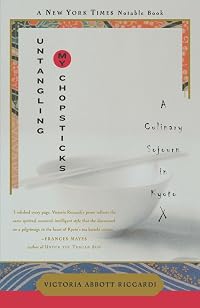
Untangling My Chopsticks: A Culinary Sojourn in Kyoto
by Victoria Abbott Riccardi
On This Page
Description
Two years out of college and with a degree from Le Cordon Bleu in Paris, Victoria Riccardi left a boyfriend, a rent-controlled New York City apartment, and a plum job in advertising to move to Kyoto to study kaiseki, the exquisitely refined form of cooking that accompanies the formal Japanese tea ceremony. She arrived in Kyoto, a city she had dreamed about but never seen, with two bags, an open-ended plane ticket, and the ability to speak only sushi-bar Japanese. She left a year later, show more having learned the language, the art of kaiseki, and what was truly important to her. Through special introductions and personal favors, Victoria was able to attend one of Kyoto's most prestigious tea schools, where this ago-old Japanese art has been preserved for generations and where she was taken under the wing of an American expatriate who became her mentor in the highly choreographed rituals of this extraordinary culinary discipline. During her year in Kyoto, Victoria explored the mysterious and rarefied world of tea kaiseki, living a life inaccessible to most foreigners. She also discovered the beguiling realm of modern-day Japanese food--the restaurants, specialty shops, and supermarkets. She participated in many fast-disappearing culinary customs, including making mochi (chewy rice cakes) by hand, a beloved family ritual barely surviving in a mechanized age. She celebrated the annual cleansing rites of New Year's, donning an elaborate kimono and obi for a thirty-four-course extravaganza. She includes twenty-five recipes for favorite dishes she encountered, such as Chicken and Egg Rice Bowl, Japanese Beef and Vegetable Hotpot, and Green-Tea Cooked Salmon Over Rice. Untangling My Chopsticks is a sumptuous journey into the tastes, traditions, and exotic undercurrents of Japan. It is also a coming-of-age tale steeped in history and ancient customs, a thoughtful meditation on life, love, and learning in another land. show lessTags
Recommendations


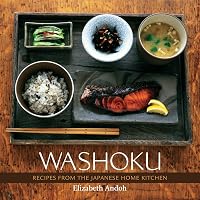
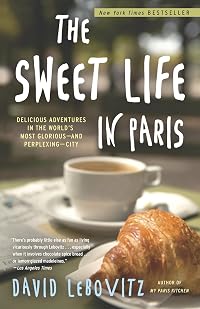
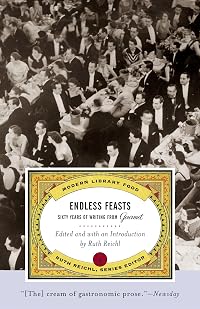
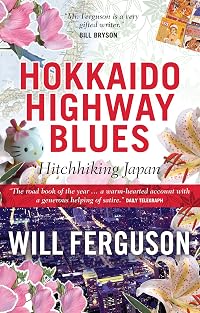
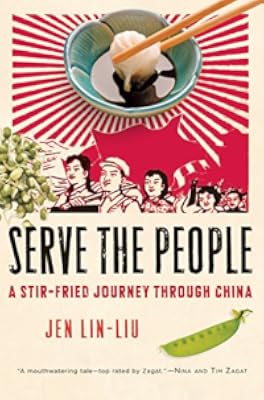
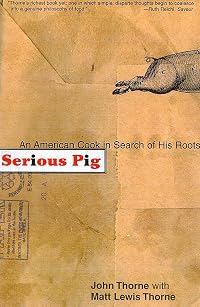
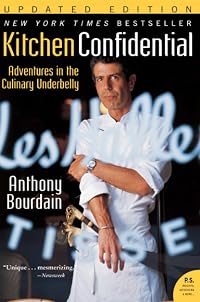
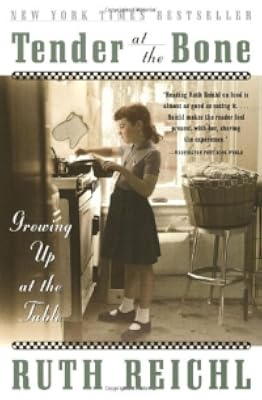

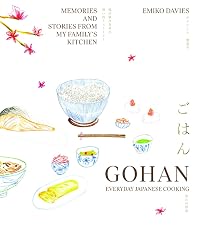
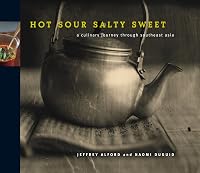
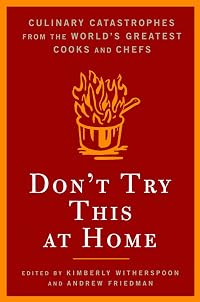
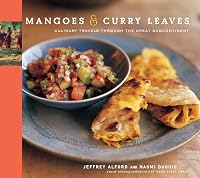
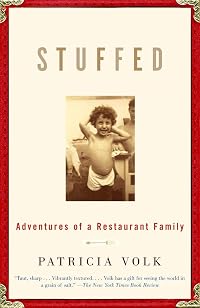
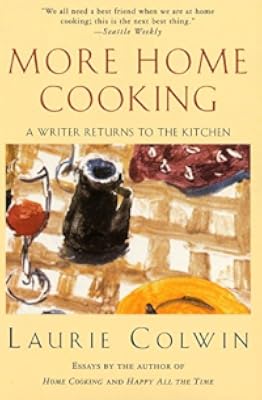
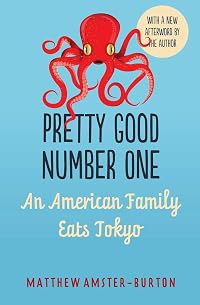
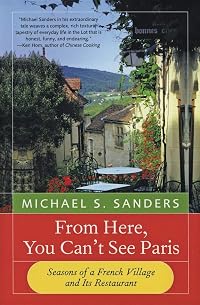


Member Recommendations
cransell A fictional look at tea ceremonies in 19th Century Japan (among other things).
Member Reviews
I love Japanese cuisine but tea kaiseki has remained a mystery even as I indulged in a tourist version in Kyoto. Riccardi walks us through that wonderful world, full of subtleties, delicacies and new tastes. It made me appreciate Japanese culture even more, and although I'm not a big cook, I'm tempted to try one of the many recipes included in the book to recapture some of the unique flavours which are not easily available in Canada - the trick will be finding the ingredients! The book does contain a thoughtful glossary to help the reader navigate all the intricacies of tastes and manners.
A fascinating and accessible read.
A fascinating and accessible read.
Perfectly nice book—nothing wrong with a three star rating—but not especially spectacular. If you're interested in the subject (food in Kyoto, in the 1980s, with an emphasis of tea kaiseki) you will enjoy this greatly. But (unlike M.F.K. Fisher's work, say) it doesn't rise above the level of interesting/diverting to become some kind of culinary classic.
(Note: 5 stars = amazing, wonderful, 4 = very good book, 3 = decent read, 2 = disappointing, 1 = awful, just awful. I'm fairly good at picking for myself so end up with a lot of 4s). I feel a lot of readers automatically render any book they enjoy 5, but I grade on a curve!
(Note: 5 stars = amazing, wonderful, 4 = very good book, 3 = decent read, 2 = disappointing, 1 = awful, just awful. I'm fairly good at picking for myself so end up with a lot of 4s). I feel a lot of readers automatically render any book they enjoy 5, but I grade on a curve!
As a rare foreign student of traditional Japanese cooking, Riccardi has an experience in Japan unique from other travelers'. Sadly, she shares her story in overwrought metaphors and nearly unreadable meditations on tofu. I loved her perspective on living abroad -- that "when you leave a meal, or a moment, or a place not compltely satisfied, you cherish it that much more because it left you wanting" -- but one good passage does not a good book make.
Victoria Abbott had always been in love with Japan, perhaps because her grandparents often traveled there and brought back exotic gifts. So when she had the chance to live in Kyoto and learn the art of tea kaiseki, she jumped at it. Tea kaiseki is a meal consisting of several courses that is served before the better-known tea ceremony. It is practically an art form, with each course tied in somehow to the seasons or to the climactic dish, and replete with symbolic meanings. While there, she attended the Mushanokji school to learn this type of cooking, taught English, and learned much about Japanese culture and philosophy that greatly impacted her life. At the end of several chapters, the author includes a few recipes (27 in total) of show more the food discussed in that chapter.
I enjoyed the idea of this travelogue/cookbook and the window it gives into a lesser-known aspect of Japanese culture. Niggling details lessened my enjoyment, however, particularly the general choppiness of the narrative from sentence fragments to short chapters that felt tacked on to lengthen the book. On one occasion, the author oversimplified, identifying manga only as the comics that businessmen would read to fulfill their fantasies of school girls, rather than the broader range of comics for varying age groups that it truly is. This made me wonder if there were any other areas where she described something in broad strokes that might in actuality be a little different from her interpretation. She also tended towards repetitiveness, such as continually pointing out the difference between tea kaiseki and restaurant kaiseki, rather than mentioning it once, and then depending on her wonderful descriptions of each to reinforce her point. Riccardi was at her best when she describes the food she encounters - from the taste to the presentation to the symbolic meaning of ingredients - which made me want to try some of the recipes included. show less
I enjoyed the idea of this travelogue/cookbook and the window it gives into a lesser-known aspect of Japanese culture. Niggling details lessened my enjoyment, however, particularly the general choppiness of the narrative from sentence fragments to short chapters that felt tacked on to lengthen the book. On one occasion, the author oversimplified, identifying manga only as the comics that businessmen would read to fulfill their fantasies of school girls, rather than the broader range of comics for varying age groups that it truly is. This made me wonder if there were any other areas where she described something in broad strokes that might in actuality be a little different from her interpretation. She also tended towards repetitiveness, such as continually pointing out the difference between tea kaiseki and restaurant kaiseki, rather than mentioning it once, and then depending on her wonderful descriptions of each to reinforce her point. Riccardi was at her best when she describes the food she encounters - from the taste to the presentation to the symbolic meaning of ingredients - which made me want to try some of the recipes included. show less
I love good food writing, and i like writing about Japanese culture, so a book about Japanese food culture has a good chance in my library:) Fortunately for me, Abbott Riccardi is a good writer and has written an entertaining and informative book.
The author travelled to Japan, partly based on memories of gifts brought back from Kyoto by her grandparents, and partly based on a wanting to learn 'kaiseki' which is the cuisine that accompanies the tea ceremony. The author does a good job of explaining the food and the rituals, as well as exploring Japanese culture in a subtle way - while she is open in her opinions, she lets her observations of the food and its preparation tell us the most about her time in Japan.
This book does have some show more recipes, though you will probably need an Asian/Japanese food speciality shop nearby to cook any of them. But it is the food writing that makes this book. If you are a fan of writers such as MFK Fisher, you are probably going to like this book! show less
The author travelled to Japan, partly based on memories of gifts brought back from Kyoto by her grandparents, and partly based on a wanting to learn 'kaiseki' which is the cuisine that accompanies the tea ceremony. The author does a good job of explaining the food and the rituals, as well as exploring Japanese culture in a subtle way - while she is open in her opinions, she lets her observations of the food and its preparation tell us the most about her time in Japan.
This book does have some show more recipes, though you will probably need an Asian/Japanese food speciality shop nearby to cook any of them. But it is the food writing that makes this book. If you are a fan of writers such as MFK Fisher, you are probably going to like this book! show less
The author journeyed to Kyoto to study, not just any Japanese cookery, but the haute cuisine known as kaiseki. This, in turn, comes in two flavours. One type of kaiseki is served in restaurants, while another is exclusive to Chado, the tea ceremony. Abbott Riccardi was trained in both. It's an absorbing story, although I'm a little puzzled at the author's apparent lack of curiosity in Chado; only the food aspect of tea ceremony seems to interest her.
Incredible, detailed, picturesque descriptions of food in Kyoto. But probably a little too detailed in places, and certainly would be tiresome for non-foodies. Good recipes though! And helpful glossary.
Members
- Recently Added By
Lists

Food Memoirs
97 works; 9 members
Author Information
1+ Work 302 Members
Common Knowledge
- Original publication date
- 2003
- Important places
- Kyoto, Japan; Japan; Honshū, Japan
- Epigraph
- Even in Kyoto how I long for old Kyoto when the cuckoo sings -- Matsuo Basho, translated from the Japanese by Sam Hamill
- Dedication
- To Little Buddha
For lighting the way of love To Eternal bliss - First words
- Ever since I can remember, I have adored mixing up ingredients to experience new taste thrills.
Classifications
Statistics
- Members
- 302
- Popularity
- 106,634
- Reviews
- 10
- Rating
- (3.53)
- Languages
- English
- Media
- Paper, Ebook
- ISBNs
- 4
- ASINs
- 2