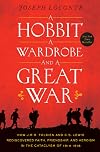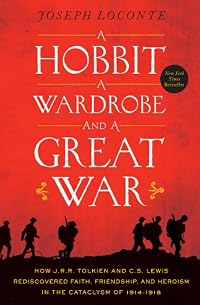
A Hobbit, a Wardrobe, and a Great War: How J.R.R. Tolkien and C.S. Lewis Rediscovered Faith, Friendship, and Heroism in the Cataclysm of 1914–1918
by Joseph Loconte
On This Page
Description
The untold story of how the First World War shaped the lives, faith, and writings of J. R. R. Tolkien and C. S. Lewis The First World War laid waste to a continent and permanently altered the political and religious landscape of the West. For a generation of men and women, it brought the end of innocence-and the end of faith. Yet for J. R. R. Tolkien and C. S. Lewis, the Great War deepened their spiritual quest. Both men served as soldiers on the Western Front, survived the trenches, and show more used the experience of that conflict to ignite their Christian imagination. Had there been no Great War, there would have been no Hobbit, no Lord of the Rings, no Narnia, and perhaps no conversion to Christianity by C. S. Lewis. Unlike a generation of young writers who lost faith in the God of the Bible, Tolkien and Lewis produced epic stories infused with the themes of guilt and grace, sorrow and consolation. Giving an unabashedly Christian vision of hope in a world tortured by doubt and disillusionment, the two writers created works that changed the course of literature and shaped the faith of millions. This is the first book to explore their work in light of the spiritual crisis sparked by the conflict. show lessTags
Recommendations

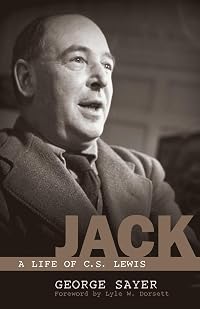
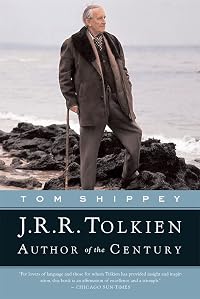
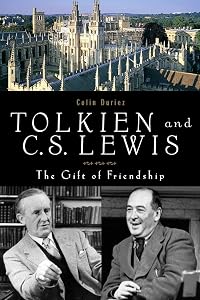


Member Reviews
This book is definitely worth reading, for anyone who has enjoyed either of the books, or any books, by the authors referenced in the title. Loconte has many insights into the Great War of 1914-18 and how surviving it was a formative experience for Tolkien and Lewis. Just one example: I've read many books that (possibly cribbing from each other) assert that Mordor was influenced, primarily, by the industrialization of England in the early 20th century, which never seemed an adequate explanation. Loconte draws the parallel, which one immediately sees as true, with the wasteland of France and Flanders during the War. Of course. The Shire in its new-and-improved Sarumaniac glory was the place influenced by industrialization, but Mordor was show more clearly the horrifying poisoned pits of bombed Flanders. There are many, many other ways in which the War and the experience of battle are expressed in many of Lewis's and Tolkien's books. A hobbit, a wardrobe and a Great War is a book to reread.
Fortunately I was able to buy my own copy to facilitate rereading! show less
Fortunately I was able to buy my own copy to facilitate rereading! show less
Summary: A study of why Lewis and Tolkien, contrary to a disillusioned post-war generation, went deeper into their faith and allowed both war experience and that faith to shape their greatest works.
In one sense, Joseph Loconte covers ground that others have covered in exploring the lives and work of C.S. Lewis and J.R.R. Tolkien. What Loconte uniquely does are two things. For one, he explores why Lewis and Tolkien defied the trajectory into disillusionment of so many in the post-World War I generation, and went on to embrace and espouse a vibrant Christian faith. As for the second, Loconte reads the works of these two men, exploring how war experiences shaped the imaginary worlds of Narnia, the Space Trilogy, and Middle Earth. He show more articulates his particular theses as follows:
"Indeed, it was the experience of war that provided much of the raw material for the characters and themes of their imaginative works. In a talk called 'Learning in War Time,' Lewis explained how war exposes the folly in placing our happiness in utopian schemes to transform society. 'If we thought we were building up a heaven on earth, if we looked for something that would turn the present world from a place of pilgrimage into a permanent city satisfying the soul of man, we are disillusioned, and not a moment too soon.' As we'll see, unlike the disillusionment that overwhelmed much of his generation, Lewis would use the experience of war--its horror as well as its nobility--as a guidepost to moral clarity."
For Loconte then, the beginning point is to discuss the "Myth of Progress" that preceded the war as it viewed humans, society, and technology evolving to ever more enlightened forms by which humanity would cast off the darkness of ignorance that had contributed to so much suffering in the past. With the onset of the war and the horrors of the trench warfare (perhaps Tolkien's inspiration for his vision of Mordor), these illusions were shattered for many. Both were casualties of war through illness or wounds. In Lewis' case, a journey through the country to a hospital to convalesce may have sparked a vision of Narnia. It was during Lewis's war years that he came across George McDonald's Phantastes, that certainly contributed to the conversion of his imagination.
War's end brought the massive disillusionment of much of the intellectual class. While Tolkien devoted himself to work and to his Catholic faith, and began to sketch the outlines of the great myth that would be the foundation of Lord of the Rings, Lewis struggled with doubt. Lewis and Tolkien first met in 1926, recognizing their common interest in languages. But they had a profound disagreement about myth that culminated in a long conversation between Lewis, Tolkien, and Hugo Dyson in which Lewis recognized the story of Christ dying and rising to be a true myth, a crucial step for Lewis in coming to Christian faith. In the years ahead, they would collaborate as two key figures in a larger group knowing as the Inklings in a host of writing projects that birthed the Space Trilogy, the Chronicles of Narnia, and The Lord of the Rings, as well as many of Lewis's apologetic works. Through the mutual encouragement they gave each other and their vibrant faith, they provide a counter for the outpouring of disillusioned, despairing writing of the post-war period.
What is more, they envisioned in their work, shaped by their experience of a brutally efficient technology unhinged from a larger theological framework, the ways bureaucracy and technology might interweave to obliterate the human image in books like That Hideous Strength, or in the idea of a Ring of Power that could subject all manner of beings to its owner's bidding. Seeing the machines of war in their own experience, and the more sinister regimes of Hitler and Stalin, they could write of the evil power that, as Screwtape desires, would devour the other.
Yet Loconte shows how this bracing grasp of the nature of evil did not discourage them. Their works were infused with Christian hope--an Aslan that rises, a hobbit who, against all hopes, fulfills his mission with the help of tragic Gollum, the crowning of Aragorn as the long-awaited great king, and the Christ-like figure of Ransom, who summons both Merlin and the angels to subvert the villainies of the N.I.C.E. Like the foot soldiers in the war, many of the most significant turns of events come from the actions of children and hobbits doing their duty.
This, as I said, is not a book that covers new ground, but I found myself as I read making new connections, the "I hadn't thought of it that way" moments when you see something you know in a new way. Loconte concludes the book with a tribute to grandfather, Michele Loconte, who fought with the American forces, and only after the war became a U.S. citizen. Loconte says his research helped him understand more how the war had an impact on so many ordinary families including his own. Fitting that an Inklings scholar should make this connection between his own history and that of the Inklings! show less
In one sense, Joseph Loconte covers ground that others have covered in exploring the lives and work of C.S. Lewis and J.R.R. Tolkien. What Loconte uniquely does are two things. For one, he explores why Lewis and Tolkien defied the trajectory into disillusionment of so many in the post-World War I generation, and went on to embrace and espouse a vibrant Christian faith. As for the second, Loconte reads the works of these two men, exploring how war experiences shaped the imaginary worlds of Narnia, the Space Trilogy, and Middle Earth. He show more articulates his particular theses as follows:
"Indeed, it was the experience of war that provided much of the raw material for the characters and themes of their imaginative works. In a talk called 'Learning in War Time,' Lewis explained how war exposes the folly in placing our happiness in utopian schemes to transform society. 'If we thought we were building up a heaven on earth, if we looked for something that would turn the present world from a place of pilgrimage into a permanent city satisfying the soul of man, we are disillusioned, and not a moment too soon.' As we'll see, unlike the disillusionment that overwhelmed much of his generation, Lewis would use the experience of war--its horror as well as its nobility--as a guidepost to moral clarity."
For Loconte then, the beginning point is to discuss the "Myth of Progress" that preceded the war as it viewed humans, society, and technology evolving to ever more enlightened forms by which humanity would cast off the darkness of ignorance that had contributed to so much suffering in the past. With the onset of the war and the horrors of the trench warfare (perhaps Tolkien's inspiration for his vision of Mordor), these illusions were shattered for many. Both were casualties of war through illness or wounds. In Lewis' case, a journey through the country to a hospital to convalesce may have sparked a vision of Narnia. It was during Lewis's war years that he came across George McDonald's Phantastes, that certainly contributed to the conversion of his imagination.
War's end brought the massive disillusionment of much of the intellectual class. While Tolkien devoted himself to work and to his Catholic faith, and began to sketch the outlines of the great myth that would be the foundation of Lord of the Rings, Lewis struggled with doubt. Lewis and Tolkien first met in 1926, recognizing their common interest in languages. But they had a profound disagreement about myth that culminated in a long conversation between Lewis, Tolkien, and Hugo Dyson in which Lewis recognized the story of Christ dying and rising to be a true myth, a crucial step for Lewis in coming to Christian faith. In the years ahead, they would collaborate as two key figures in a larger group knowing as the Inklings in a host of writing projects that birthed the Space Trilogy, the Chronicles of Narnia, and The Lord of the Rings, as well as many of Lewis's apologetic works. Through the mutual encouragement they gave each other and their vibrant faith, they provide a counter for the outpouring of disillusioned, despairing writing of the post-war period.
What is more, they envisioned in their work, shaped by their experience of a brutally efficient technology unhinged from a larger theological framework, the ways bureaucracy and technology might interweave to obliterate the human image in books like That Hideous Strength, or in the idea of a Ring of Power that could subject all manner of beings to its owner's bidding. Seeing the machines of war in their own experience, and the more sinister regimes of Hitler and Stalin, they could write of the evil power that, as Screwtape desires, would devour the other.
Yet Loconte shows how this bracing grasp of the nature of evil did not discourage them. Their works were infused with Christian hope--an Aslan that rises, a hobbit who, against all hopes, fulfills his mission with the help of tragic Gollum, the crowning of Aragorn as the long-awaited great king, and the Christ-like figure of Ransom, who summons both Merlin and the angels to subvert the villainies of the N.I.C.E. Like the foot soldiers in the war, many of the most significant turns of events come from the actions of children and hobbits doing their duty.
This, as I said, is not a book that covers new ground, but I found myself as I read making new connections, the "I hadn't thought of it that way" moments when you see something you know in a new way. Loconte concludes the book with a tribute to grandfather, Michele Loconte, who fought with the American forces, and only after the war became a U.S. citizen. Loconte says his research helped him understand more how the war had an impact on so many ordinary families including his own. Fitting that an Inklings scholar should make this connection between his own history and that of the Inklings! show less
This is the work of a credentialed, conservative historian whose objective appears to be encouraging his audience to read and value the works of J.R.R Tolkien and C,S. Lewis. His idea is that the experience of these authors in the Great War exerted tremendous influence over the fantasies that they wrote, specifically [The Lord of the Rings] and [The Chronicles of Narnia]. Current readers will benefit from understanding that “the chivalrous ideal” will provide needed armor in the individual’s resistance to the darker beliefs and impulses of humanity. It is the human decision, the choice made to follow the good, that matters.
Dr. Loconte documents the depth of disillusionment felt by those who survived that war. He believes that the show more strength of character and the virtue shown by the fictional characters appearing in the novels should be emulated and embraced. He suggests that by reading the novels, today’s readers will be better equipped to face the realities of life.
A critical quote (pg 156) reads “Tolkien’s story reminds us that evil is a sleepless force in human lives, and that the war against it demands constant vigilance.” Further on, the author writes: “Rejecting equally the moods of militarism and pacifism, these authors charted a middle course: a partial return to the chivalrous ideal. Only a society that upheld this ideal—in its art, literature, and its institutions—could hope to resist the dark and hungry forces arrayed against it. The serene and pacific Rivendell is a vision, perhaps, of the world as it ought to be, but not as we actually find it.”
Recommended primarily to the general reader rather than the expert. show less
Dr. Loconte documents the depth of disillusionment felt by those who survived that war. He believes that the show more strength of character and the virtue shown by the fictional characters appearing in the novels should be emulated and embraced. He suggests that by reading the novels, today’s readers will be better equipped to face the realities of life.
A critical quote (pg 156) reads “Tolkien’s story reminds us that evil is a sleepless force in human lives, and that the war against it demands constant vigilance.” Further on, the author writes: “Rejecting equally the moods of militarism and pacifism, these authors charted a middle course: a partial return to the chivalrous ideal. Only a society that upheld this ideal—in its art, literature, and its institutions—could hope to resist the dark and hungry forces arrayed against it. The serene and pacific Rivendell is a vision, perhaps, of the world as it ought to be, but not as we actually find it.”
Recommended primarily to the general reader rather than the expert. show less
While some of this book was a bit dry, nevertheless the connections between their war experiences and the writings of CS Lewis and JRR Tolkien were interesting. Some of the descriptions of world war I experiences were horrifying in a way that I hadn't ever considered. I loved the parallels drawn between hobbits and the English soldier.
4.8 Loved this book! Insightful and captivating book that explores the intertwined themes of war, faith, and imagination through the lives of J.R.R. Tolkien and C.S. Lewis. The author's thoughtful analysis and engaging storytelling make for a truly enjoyable and enriching reading experience.
A nice documentary-style book, but comes across as thematically repetitive and stretched thin over the same few points, and perhaps could have benefitted from tighter editing. Quite informative all the same.
Members
- Recently Added By
Lists

Books Read in 2018
4,360 works; 110 members
Author Information

8 Works 927 Members
Joseph Loconte is associate professor of history at The Kings College in New York City. He is the author of The Searchers: A Quest for Faith in the Valley of Doubt and the editor of The End of Illusions: Religious Leaders Confront Hitlers Gathering Storm.
Common Knowledge
- Canonical title
- A Hobbit, a Wardrobe, and a Great War: How J.R.R. Tolkien and C.S. Lewis Rediscovered Faith, Friendship, and Heroism in the Cataclysm of 1914–1918
- Original publication date
- 2015-06-30
- Epigraph
- The Great War differed from all ancient wars in the immense power of the combabants adn their fearful agencies of destruction, and from all modern wars in the utter rughlessness with shich it was fought. All the horros of al... (show all)l the ages were brought together and not only armies but whole populations were thrust into the midst of them.
-- Winston Churchill, "The World Crisis, 1911-1918"
Men whom the trenches cast into intimacy entered into bonds of mutual dependency and sacrifice of self stronger than any of the friendships made in peace and better times. That is the ultimate mystery of the First World War.... (show all) If we could understand its loves, as well as its hates, we would be nearer to understanding the mystery of human life.
-- John Kegan, "The First World War"
The bravest are surely those who have the clearest vision of what is before them, glory and danger alike, and yet nothwithstanding, go out to meet it.
-- Thucydides, "History of the Peloponnesian War" - Dedication
- For Mom and Dad, who first taught me courage; for my grandparents, who endured the Great War; and for the children of Ventotene
- First words
- [Introduction] In the throes of one of the most destructive and dehumanizing wars in world history, something extaordinay occurred, never to be repeated.
On May 13, 1901, three months ater joining Parliament, twenty-six-year-old Winston Churchill rises to deliver a rebuke to his Consevative Party colleaues in the House of Commons.
[A Remembrance] One of the greata satisfactions of working on this book was learning more about how the First World War affected the lives of ordinary soldiers and their families--including my own family history. - Last words
- (Click to show. Warning: May contain spoilers.)[Introduction] I love only that which they defend.
(Click to show. Warning: May contain spoilers.)This King, who brings strength and healing in his hands, will make everything sad come untrue.
(Click to show. Warning: May contain spoilers.)[A Remembrance] Michael and Theodora Loconte are buried in Long Island National Cemetery in Farmingdale New Yor.
Classifications
Statistics
- Members
- 759
- Popularity
- 36,879
- Reviews
- 15
- Rating
- (3.89)
- Languages
- English, Spanish
- Media
- Paper, Audiobook, Ebook
- ISBNs
- 12
- UPCs
- 1
- ASINs
- 6