
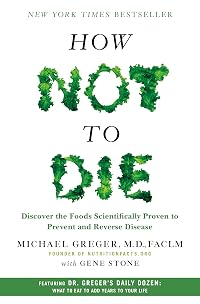
How Not to Die: Discover the Foods Scientifically Proven to Prevent and Reverse Disease
by Michael Greger
On This Page
Description
The vast majority of premature deaths can be prevented through simple changes in diet and lifestyle. Physician Michael Greger examines the fifteen top causes of premature death in America -- heart disease, cancers, diabetes, Parkinson's, high blood pressure, and more -- and explains how nutritional and lifestyle interventions can sometimes trump prescription pills and other pharmaceutical and surgical approaches, freeing us to live healthier lives. The simple truth is that most doctors are show more good at treating acute illnesses but bad at preventing chronic disease. By following Dr. Greger's advice, all of it backed up by strong scientific evidence, you will learn which foods to eat and which lifestyle changes to make to live longer. show lessTags
Recommendations

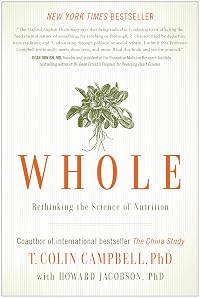
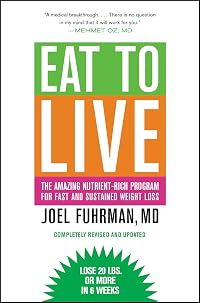
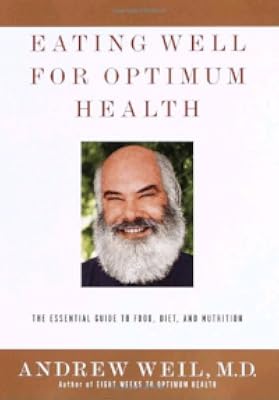
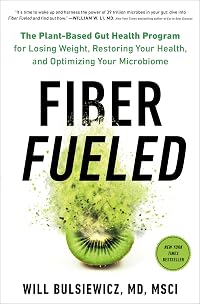
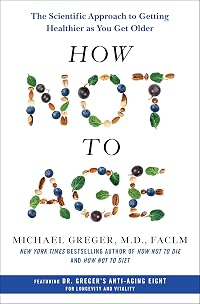
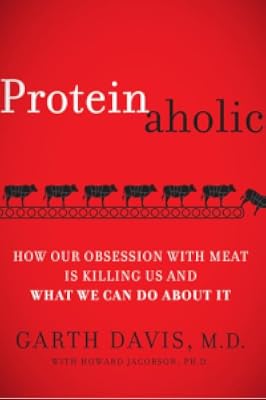
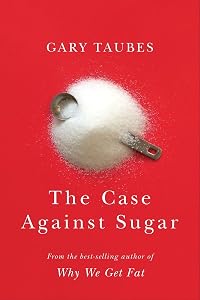
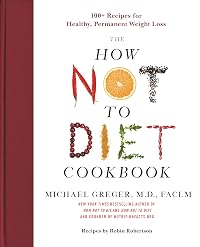
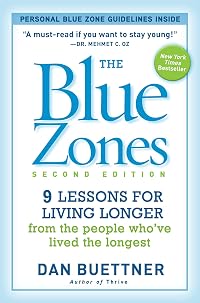
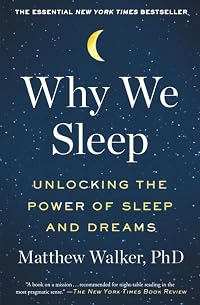
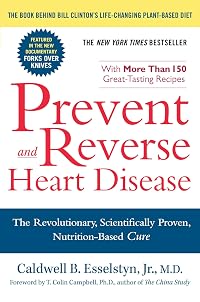
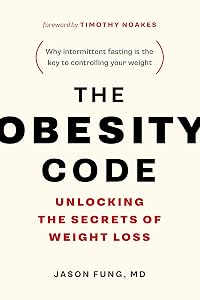

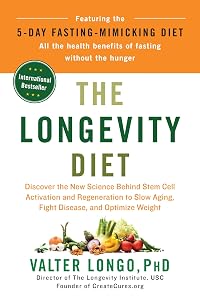
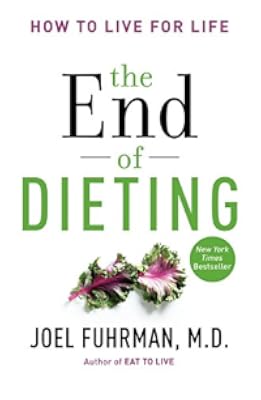
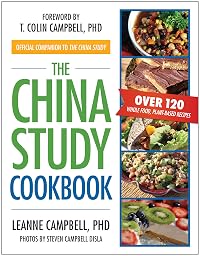
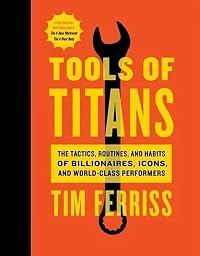
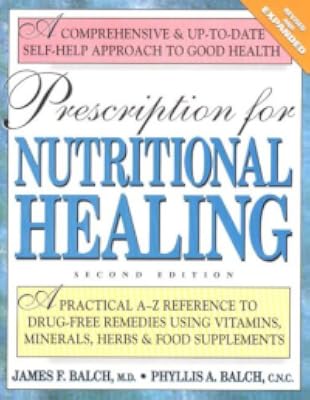
Member Recommendations
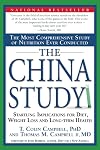
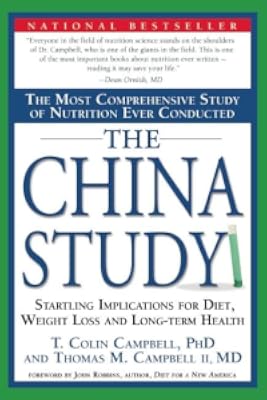
The China Study: The Most Comprehensive Study of Nutrition Ever Conducted and the Startling Implications for Diet, Weight Loss and Long-term Health by T. Colin Campbell
davesmind Both are excellent books and are likely to change what you eat. How not to die is more up to date and more focused on specific foods and diseases.
20
Member Reviews
Reading this book and following all or at least some of the strong advise given would definitely save or extend life for many including yourself. Dr. Greger is quite persuasive and to the point about how diet is nearly everything when it comes to health and longevity. Yes it helps to have good genes but even with that asset many squander their good fortune by what they put in their mouth daily. That is the central message in the book and he backs up his claims with solid evidence.
On the flip side Dr. Greger also harbors his biases and agenda and that is clearly in favor of vegetarianism. Some of his claims seem to be based on test results with debatable significance I found in doing my own research into him and criticism. Yet having show more said that I was convinced enough on many of the points he made do re-examine my own dietary habits and make some changes. It my not ultimately extend by life span but it makes sense to takes preventive steps when it comes well being and that message hit home with me. show less
On the flip side Dr. Greger also harbors his biases and agenda and that is clearly in favor of vegetarianism. Some of his claims seem to be based on test results with debatable significance I found in doing my own research into him and criticism. Yet having show more said that I was convinced enough on many of the points he made do re-examine my own dietary habits and make some changes. It my not ultimately extend by life span but it makes sense to takes preventive steps when it comes well being and that message hit home with me. show less
How Not to Die by Michael Greger, M.D. with Gene Stone might not actually offer immortality, but it does offer a way to live a longer, healthier, more active life. Greger presents the science behind why a plant-based diet promotes health as well as how the science is often manipulated by those with a vested interest in selling unhealthy products to consumers. He manages to inject the same sense of humor into his writing that viewers of his videos on nutritionfacts.org will immediately recognize. How Not to Die is a primer for understanding the effects of food on the body and why certain foods make us feel better while others make us feel worse. Greger delves into the research behind the diseases we associate with aging and why those show more diseases are diet related. He then goes on to discuss how changing one's diet changes one's health. He explains the science and how conclusive the studies are in an easy to digest manner. In the second half of How Not to Die, Greger discusses his "daily dozen" and how and why he incorporates them into his daily regimen. Throughout How Not to Die, Gregor tells the story of how he came to be so interested in the effect food has on the body. How Not to Die is a fascinating, informative read I wish everyone would read, so we can all take control of the aspects of our health we can control. show less
Absolute must-read for anyone who has suffered a chronic disease, or know somebody who has (I'd wager most of us do). A friend referred this book to me when my boyfriend and I started leaning more toward a plant-based lifestyle, and even though it took me a long time to get through it (wanted to soak up all the information in here), it was completely worth the read. Even my reading-averse boyfriend has been working on this book, as well. Both of us are healthcare providers, and we've both found the information immensely helpful.
Plenty of evidence-based information on the progression of chronic diseases (cancer, diabetes, heart disease, Alzheimer's, Parkinson's, depression...just to name a few), what causes them, and how so much of it show more is based on diet. Most people don't think about food as a reason why these problems are so common here in the USA, and don't realize that doctors aren't given nearly enough training in nutrition. We're trained to think that pills and medication solve everything, never giving diet and lifestyle a second thought. In Part 2 of the book, he also talks about different food groups and his recommendations, plus a few recipes here and there.
I personally have adopted more of a plant-based diet to try and help my allergies and constant skin breakouts from eczema. I was a heavy meat and dairy eater for most of my life, and it didn't do my health any favors. Of course, I have to cook a lot more now, but I fell in love with it, and now enjoy creating vegan and plant-based dishes of anything, and everything. Granted, I am not 100% plant based, and still eat meat once or twice a week (mostly when I don't really have a choice). But overall I feel lighter, my skin has cleared, and now, in my 30s, I look and feel better than I did in my 20s. Now, working on slowly cutting oil out of my diet.
I have yet to download the Daily Dozen app, but will be doing that in the future. Also, his guidelines on red, green, and yellow light foods help to make good, conscious dietary choices. The way the book is written isn't boring, and almost reads like a novel. He injects a lot of his personal experiences into each chapter.
I will be referring my patients to this book, as well as Dr. Greger's website, NutritionFacts.org, or at least, those in more natural management of their conditions. Again, highly recommend this book for well, anyone and everyone, even if just to learn how to eat properly and the way that we're supposed to. You just might see a change in your health and overall well-being! show less
Plenty of evidence-based information on the progression of chronic diseases (cancer, diabetes, heart disease, Alzheimer's, Parkinson's, depression...just to name a few), what causes them, and how so much of it show more is based on diet. Most people don't think about food as a reason why these problems are so common here in the USA, and don't realize that doctors aren't given nearly enough training in nutrition. We're trained to think that pills and medication solve everything, never giving diet and lifestyle a second thought. In Part 2 of the book, he also talks about different food groups and his recommendations, plus a few recipes here and there.
I personally have adopted more of a plant-based diet to try and help my allergies and constant skin breakouts from eczema. I was a heavy meat and dairy eater for most of my life, and it didn't do my health any favors. Of course, I have to cook a lot more now, but I fell in love with it, and now enjoy creating vegan and plant-based dishes of anything, and everything. Granted, I am not 100% plant based, and still eat meat once or twice a week (mostly when I don't really have a choice). But overall I feel lighter, my skin has cleared, and now, in my 30s, I look and feel better than I did in my 20s. Now, working on slowly cutting oil out of my diet.
I have yet to download the Daily Dozen app, but will be doing that in the future. Also, his guidelines on red, green, and yellow light foods help to make good, conscious dietary choices. The way the book is written isn't boring, and almost reads like a novel. He injects a lot of his personal experiences into each chapter.
I will be referring my patients to this book, as well as Dr. Greger's website, NutritionFacts.org, or at least, those in more natural management of their conditions. Again, highly recommend this book for well, anyone and everyone, even if just to learn how to eat properly and the way that we're supposed to. You just might see a change in your health and overall well-being! show less
For anyone eating a standard American diet, it’s not a question of if you will die from a preventable disease, it’s a matter of when. This book has completely revolutionized the way I eat and think about food. I don’t freaking care if the data was cherry-picked, it was real, and that right there was enough to terrify me into a plant-based diet! I think this book is a necessary read for pretty much anyone who eats. Even if you don’t want to change your diet, you will still learn valuable information and feel disgust the next time you walk into a doctor’s office.
People are now living longer ......but living longer doesn’t mean living healthier....Of 42,000 autopsies of patients aged over 100, a large percentage died from diseases rather than simply old age, despite being assessed as healthy right up until their deaths.
The primary culprit is diet.....After adopting US eating habits, Japanese-Americans are at as great a risk of suffering a heart attack at 40 as their Japanese counterparts are at 60.
Only 25 percent of all US medical schools offer even one course in nutrition, marking a 37 percent decline from just 30 years ago.....The California Medical Board requires all doctors to receive 12 hours of training in pain management and end-of-life care but has less interest in using nutrition to show more stop people getting sick.
Instead, doctors are being taught to prescribe drugs.
Cultures that eat plant-based diets certainly experience much less disease than we do in modern American society......Just take the China-Cornell-Oxford Project of the 1980s. It studied the eating habits of rural Chinese people and found an inverse correlation between eating a plant-based diet and experiencing heart disease.....Not just that, but plant-based diets can even help reverse disease.
Nonetheless, doctors find it easier to prescribe drugs than to change a diet, even though medication poses potential threats. Lipitor, a statin drug meant to lower cholesterol, is the
best-selling prescription drug of all time. Its potential side effects include liver and muscular damage as well as higher chances of developing diabetes.
A healthy diet should contain four servings of fruit a day, one of which should be berries. Keep in mind that means whole fruit and not fruit juice.......Eating fruit has been found to improve lung function. Just a single extra serving of fruit per day could result in a 24 percent decrease in the risk of Chronic Obstructive Pulmonary Disease, or COPD. This is due to fruit’s rich antioxidant content,
The fiber, antioxidants and phytonutrients in fruit itself can combat the adverse effects of fructose.
Take a 2014 study of 14 patients with hereditary colon polyps. After just nine months of eating black raspberries, the polyp load of these patients was halved.....For comparison, apples contain around 60 units of antioxidants, while a cup of blackberries contains 650! The study of the teeth of ancient civilizations, where no toothbrush or floss was ever used, found almost no cavities. Candy bars hadn’t been invented yet.
Whole vegetables, as opposed to processed ones, have been found to protect cellular telomeres
Over ten days, a 2010 study fed long-time smokers 25 times more broccoli than is consumed by the average American. When tested after the tenth day, this group’s blood contained 41 percent fewer DNA mutations than that of the smokers who didn’t eat broccoli. [This sounds a bit too “Gee-Whiz” to me. Really ? After just ten days? What about all the mutations that had occurred over the last 50 years of smoking?...and one result like this is unconvincing. What about all the other studies? What did they show?]
Eating five servings of veggies a day is the magic solution. Out of these five, two should be leafy greens like kale, arugula and chard......One should be a cruciferous vegetable like broccoli, cabbage or cauliflower. And the other two should include carrots, beets and mushrooms.........Cruciferous vegetables are essential as they produce sulforaphane, a potentially powerful, anti-inflammatory, cancer-fighting molecule.....These vegetables are best eaten raw.....Dark leafy greens are important since they contain the most nutrition per calorie of any food on earth.
The American Institute for Cancer Research recommends eating a serving of beans or legumes with every meal since they offer an animal-free protein with added benefits, like fiber.....If you don’t like soy, no problem! Navy and pinto beans can lower bad cholesterol just as much as soy. Lentils are a good choice for legumes as they can cut a sugar spike, even hours after a meal......With canned beans get sodium-free versions.
Whole grains can cut the risk of heart disease, type-2 diabetes, obesity and even strokes.
And remember, packaged grain products that are labelled “multi-grain” or “stone-ground” are not whole grains........you should confirm that the ratio of carbohydrates to fiber is five to one or lower. [Is this right? Multi grain doesn’t necessarily mean the grains are not whole...but I fail to see why whole grains ...which probably pass through the gut undigested should be so much better than stone ground or partially ground grains. From what I’ve just read on the subject, it appears that some multi grain products may omit the bran etc...but if the ingredients are labelled “Whole” then it’s not an issue].
The Global Burden of Disease Study carried out between 1990 and 2010 found that eating too few seeds and nuts was the third leading dietary risk for death and disability worldwide.
The phytates found in nuts and seeds detoxify excess iron from the body, which can create free radicals linked to colorectal cancer....Regarding nuts proper, walnuts are the most nutritious. They’re even among the most antioxidizing foods and boast high levels of omega-3s.
Beyond that, pistachios can even serve as a substitute for Viagra! Studies have found that three to four handfuls of these tasty nuts can increase blood flow to the male genitalia, decreasing erectile dysfunction. [Gee whiz!]
Herbs and spices contain the highest levels of antioxidants of all food groups....Beyond that, spices like cloves, cinnamon, oregano and nutmeg inhibit an enzyme known as monoamine oxidase, which can spark depression......But of all the herbs and spices, turmeric is the best, especially for cancer. Turmeric contains curcumin, a molecule that gives the spice its deep yellow hue and seems to make it effective in the treatment of colon, lung and pancreatic cancer.....though turmeric isn’t for everybody.....People with gallstones and, to a lesser degree, those with kidney stones, should limit their intake.
So, water is essential, but a couple of other beverages are also good choices. The first is coffee, which benefits the liver and the brain.....But while water, coffee and tea are all good choices, just about every other beverage is a bad one...Booze is also correlated with cancer.
Men who remained sedentary for six hours per day or longer were 20 percent more likely to die than those who sat around for three hours or less.
The same numbers even held up for those who ran or swam for an hour a day!....While healthy eating is essential, its benefits can only be increased by adding exercise to the mix.
A study published in the International Journal of Epidemiology in 2011 found that a simple hour of walking per day can cut your mortality rate by 24 percent.
The key message in this book: Switching to a plant-based diet can help you live longer and more healthily. Many of the debilitating diseases we suffer from today are merely a result of eating animal-based foods. By changing your diet, you can prevent or even reverse conditions as serious as heart disease or cancer.
My take on the book. I guess the basic message summarised above that a plant based diet can help prolong life is reasonable. Though I have some reservations about the great China-Cornell-Oxford study. And I have severe reservations about him citing one-off studies as proof of the benefits (for example of blackberries). In fact there seems to be a bit too much citing of various studies as proof. I’ve done enough science to know that biological results are always variable and I would want to see multiple-blind-placebo-controlled studies done before I’m convinced of a lot of his claims. So..in the broad...it’s ok. But at the detail level I have a lot of reservations.
Hard, of course, to argue with eating a healthy diet, exercising, and drinking plenty of water. Four stars from me. show less
The primary culprit is diet.....After adopting US eating habits, Japanese-Americans are at as great a risk of suffering a heart attack at 40 as their Japanese counterparts are at 60.
Only 25 percent of all US medical schools offer even one course in nutrition, marking a 37 percent decline from just 30 years ago.....The California Medical Board requires all doctors to receive 12 hours of training in pain management and end-of-life care but has less interest in using nutrition to show more stop people getting sick.
Instead, doctors are being taught to prescribe drugs.
Cultures that eat plant-based diets certainly experience much less disease than we do in modern American society......Just take the China-Cornell-Oxford Project of the 1980s. It studied the eating habits of rural Chinese people and found an inverse correlation between eating a plant-based diet and experiencing heart disease.....Not just that, but plant-based diets can even help reverse disease.
Nonetheless, doctors find it easier to prescribe drugs than to change a diet, even though medication poses potential threats. Lipitor, a statin drug meant to lower cholesterol, is the
best-selling prescription drug of all time. Its potential side effects include liver and muscular damage as well as higher chances of developing diabetes.
A healthy diet should contain four servings of fruit a day, one of which should be berries. Keep in mind that means whole fruit and not fruit juice.......Eating fruit has been found to improve lung function. Just a single extra serving of fruit per day could result in a 24 percent decrease in the risk of Chronic Obstructive Pulmonary Disease, or COPD. This is due to fruit’s rich antioxidant content,
The fiber, antioxidants and phytonutrients in fruit itself can combat the adverse effects of fructose.
Take a 2014 study of 14 patients with hereditary colon polyps. After just nine months of eating black raspberries, the polyp load of these patients was halved.....For comparison, apples contain around 60 units of antioxidants, while a cup of blackberries contains 650! The study of the teeth of ancient civilizations, where no toothbrush or floss was ever used, found almost no cavities. Candy bars hadn’t been invented yet.
Whole vegetables, as opposed to processed ones, have been found to protect cellular telomeres
Over ten days, a 2010 study fed long-time smokers 25 times more broccoli than is consumed by the average American. When tested after the tenth day, this group’s blood contained 41 percent fewer DNA mutations than that of the smokers who didn’t eat broccoli. [This sounds a bit too “Gee-Whiz” to me. Really ? After just ten days? What about all the mutations that had occurred over the last 50 years of smoking?...and one result like this is unconvincing. What about all the other studies? What did they show?]
Eating five servings of veggies a day is the magic solution. Out of these five, two should be leafy greens like kale, arugula and chard......One should be a cruciferous vegetable like broccoli, cabbage or cauliflower. And the other two should include carrots, beets and mushrooms.........Cruciferous vegetables are essential as they produce sulforaphane, a potentially powerful, anti-inflammatory, cancer-fighting molecule.....These vegetables are best eaten raw.....Dark leafy greens are important since they contain the most nutrition per calorie of any food on earth.
The American Institute for Cancer Research recommends eating a serving of beans or legumes with every meal since they offer an animal-free protein with added benefits, like fiber.....If you don’t like soy, no problem! Navy and pinto beans can lower bad cholesterol just as much as soy. Lentils are a good choice for legumes as they can cut a sugar spike, even hours after a meal......With canned beans get sodium-free versions.
Whole grains can cut the risk of heart disease, type-2 diabetes, obesity and even strokes.
And remember, packaged grain products that are labelled “multi-grain” or “stone-ground” are not whole grains........you should confirm that the ratio of carbohydrates to fiber is five to one or lower. [Is this right? Multi grain doesn’t necessarily mean the grains are not whole...but I fail to see why whole grains ...which probably pass through the gut undigested should be so much better than stone ground or partially ground grains. From what I’ve just read on the subject, it appears that some multi grain products may omit the bran etc...but if the ingredients are labelled “Whole” then it’s not an issue].
The Global Burden of Disease Study carried out between 1990 and 2010 found that eating too few seeds and nuts was the third leading dietary risk for death and disability worldwide.
The phytates found in nuts and seeds detoxify excess iron from the body, which can create free radicals linked to colorectal cancer....Regarding nuts proper, walnuts are the most nutritious. They’re even among the most antioxidizing foods and boast high levels of omega-3s.
Beyond that, pistachios can even serve as a substitute for Viagra! Studies have found that three to four handfuls of these tasty nuts can increase blood flow to the male genitalia, decreasing erectile dysfunction. [Gee whiz!]
Herbs and spices contain the highest levels of antioxidants of all food groups....Beyond that, spices like cloves, cinnamon, oregano and nutmeg inhibit an enzyme known as monoamine oxidase, which can spark depression......But of all the herbs and spices, turmeric is the best, especially for cancer. Turmeric contains curcumin, a molecule that gives the spice its deep yellow hue and seems to make it effective in the treatment of colon, lung and pancreatic cancer.....though turmeric isn’t for everybody.....People with gallstones and, to a lesser degree, those with kidney stones, should limit their intake.
So, water is essential, but a couple of other beverages are also good choices. The first is coffee, which benefits the liver and the brain.....But while water, coffee and tea are all good choices, just about every other beverage is a bad one...Booze is also correlated with cancer.
Men who remained sedentary for six hours per day or longer were 20 percent more likely to die than those who sat around for three hours or less.
The same numbers even held up for those who ran or swam for an hour a day!....While healthy eating is essential, its benefits can only be increased by adding exercise to the mix.
A study published in the International Journal of Epidemiology in 2011 found that a simple hour of walking per day can cut your mortality rate by 24 percent.
The key message in this book: Switching to a plant-based diet can help you live longer and more healthily. Many of the debilitating diseases we suffer from today are merely a result of eating animal-based foods. By changing your diet, you can prevent or even reverse conditions as serious as heart disease or cancer.
My take on the book. I guess the basic message summarised above that a plant based diet can help prolong life is reasonable. Though I have some reservations about the great China-Cornell-Oxford study. And I have severe reservations about him citing one-off studies as proof of the benefits (for example of blackberries). In fact there seems to be a bit too much citing of various studies as proof. I’ve done enough science to know that biological results are always variable and I would want to see multiple-blind-placebo-controlled studies done before I’m convinced of a lot of his claims. So..in the broad...it’s ok. But at the detail level I have a lot of reservations.
Hard, of course, to argue with eating a healthy diet, exercising, and drinking plenty of water. Four stars from me. show less
I go back and forth on this book. The problem isn't Dr. Grieger. The problem is the reliance on peer-reviewed studies. Given my own research into problems with replication, plus politics, plus funding, I'm not nearly so enamored with the world of research studies as I used to be. And unless you truly dig in to studies, analyzing their methodology, their use of statistics, etc. you will never be able to know *for sure* if the results advertised are accurate.
I think the best approach to this book (and his web site) is to treat it all as self-experimentation. He mostly deals with food products that are known and safe, so adding them to your diet is extremely unlikely to do any harm. Just don't fall into the trap of believing that a show more specific set of things will definitely prevent all the bad things in life. show less
I think the best approach to this book (and his web site) is to treat it all as self-experimentation. He mostly deals with food products that are known and safe, so adding them to your diet is extremely unlikely to do any harm. Just don't fall into the trap of believing that a show more specific set of things will definitely prevent all the bad things in life. show less
Perfect book to read at the beginning of the year. It’s long and full of important health advice that can be distilled in this paraphrase: if you want to reduce PLOP, eat at the lowest level of the food chain. After reading studies he cites how could I justify eating meat? Should be mandatory reading.
Members
- Recently Added By
Lists

Top Five Books of 2020
982 works; 348 members

Mind Expanding Books by hackerkid
581 works; 8 members

Books Read in 2017
4,249 works; 129 members
Author Information

25+ Works 2,920 Members
Michael Gregor was born on October 25, 1972. He is a graduate of Cornell University School of Agriculture and Tufts University School of Medicine. He writes and speaks on health issues. His subjects include animal agriculture, nutrition and human health. He promotes a vegan diet. Dr. Gregor serves as the Director of Public Health and Animal show more Agriculture for the Humane Society of the Unted States and Humane Society International. He also runs the popular website NutritionFacts.org. 30 show less
All Editions
Work Relationships
Common Knowledge
- Canonical title
- How Not to Die: Discover the Foods Scientifically Proven to Prevent and Reverse Disease
- Original title
- How Not to Die: Discover the Foods Scientifically Proven to Prevent and Reverse Disease
- Original publication date
- 2015
- Original language*
- English
- Canonical DDC/MDS
- 613.2
*Some information comes from Common Knowledge in other languages. Click "Edit" for more information.
Classifications
- Genres
- Health & Wellness, General Nonfiction, Nonfiction, Science & Nature, Food & Cooking
- DDC/MDS
- 613.2 — Applied science & technology Medicine & health Personal health and Fitness Dietetics
- LCC
- RA784 .G7584 — Medicine Public aspects of medicine Public aspects of medicine Public health. Hygiene. Preventive medicine Personal health and hygiene
- BISAC
Statistics
- Members
- 1,619
- Popularity
- 13,931
- Reviews
- 29
- Rating
- (4.38)
- Languages
- 9 — Dutch, English, French, German, Italian, Polish, Spanish, Swedish, Portuguese (Portugal)
- Media
- Paper, Audiobook, Ebook
- ISBNs
- 39
- ASINs
- 11