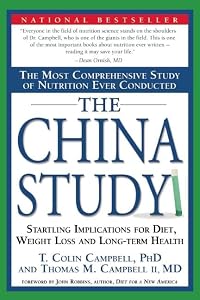
The China Study: The Most Comprehensive Study of Nutrition Ever Conducted and the Startling Implications for Diet, Weight Loss and Long-term Health
by T. Colin Campbell, Thomas M. Campbell, II
On This Page
Description
Even today, as trendy diets and a weight-loss frenzy sweep the nation, two-thirds of adults are still obese and children are being diagnosed with Type 2 diabetes, typically an "adult" disease, at an alarming rate. If we're obsessed with being thin more so than ever before, why are Americans stricken with heart disease as much as we were 30 years ago?In The China Study, Dr. T. Colin Campbell details the connection between nutrition and heart disease, diabetes, and cancer. The report also show more examines the source of nutritional confusion produced by powerful lobbies, government entities, and opportunistic scientists. The New York Times has recognized the study as the "Grand Prix of epidemiology" and the "most comprehensive large study ever undertaken of the relationship between diet and the risk of developing disease."
The China Study is not a diet book. Dr. Campbell cuts through the haze of misinformation and delivers an insightful message to anyone living with cancer, diabetes, heart disease, obesity, and those concerned with the effects of aging.
[This book is also available in Spanish, El Estudio de China.]
. show less
Tags
Recommendations
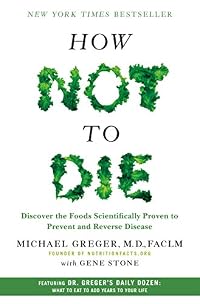

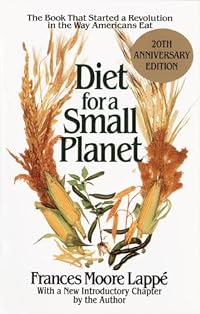
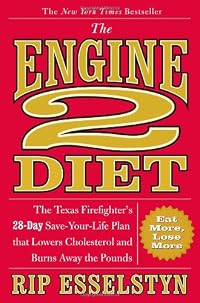
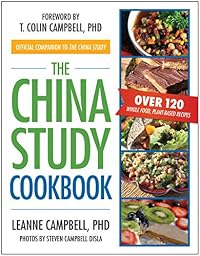
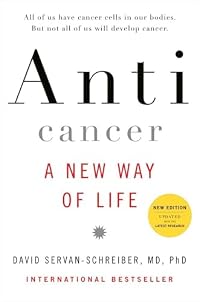
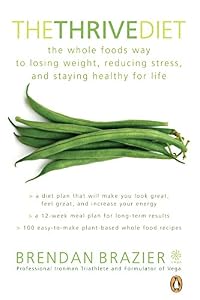
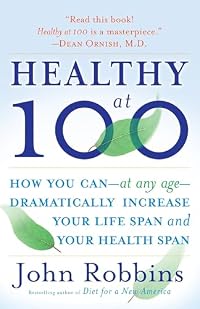
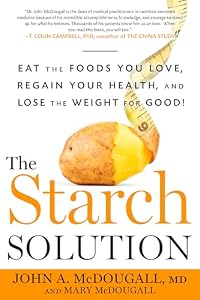
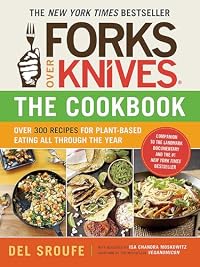
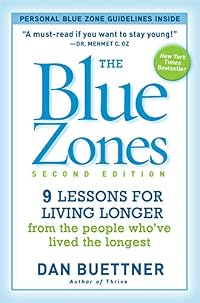
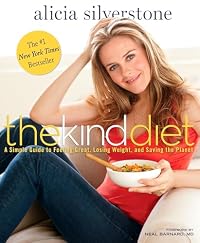
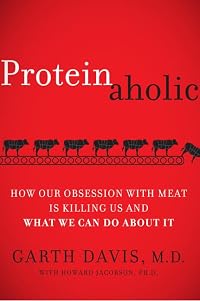


Member Recommendations
How Not to Die: Discover the Foods Scientifically Proven to Prevent and Reverse Disease by Michael Greger
davesmind Both are excellent books and are likely to change what you eat. How not to die is more up to date and more focused on specific foods and diseases.
Member Reviews
i think if i hadn't read and the band played on and fast food nation already, i'd have been blown away by how much sway private industry has over the medical field. what a travesty it is that we've let so many private corporations and shareholders control so much, and enrich so few. ("The distinctions between government, industry, science, and medicine have become blurred. The distinctions between making a profit and promoting health have become blurred.")
this is a comprehensive book that lays out the case for whole foods and plant based eating. he talks about all the science, with easy explanations without making the reader feel he's dumbed it down at all. the writing is easy to read and it even moves relatively quickly. (i'd expected show more to be bogged down with this book for weeks at least.) it can be repetitive as he discusses different diseases (heart disease, diabetes, kidney disease, ms, alzheimers, macular degeneration, etc) and the science that explains why a whole foods plant based diet works better than medicine, and how science or academia or medicine has failed people who suffer from that specific illness. the science differs for each disease, but the answer is the same, and so it can feel a bit redundant. but it probably is a good way to drive the point home. (he really doesn't address how hard it can be - or at least feel - to make big changes toward healthy eating; so i really can't say if it's something i'll be able to do or not, but certainly this is the first book that has made me think i can at least try.)
this is an impressive book. he puts forward his ideas, reasoning, data, arguments so logically and cogently. i can't imagine not being in the pocket of the dairy or meat industry and finding fault with just about any of this. an important work. i do wish he would give more examples of specifics to eat or an example of a meal plan or something.
"...genetics only determines about 2-3% of total cancer risk."
"...eating a low-fat, low-protein diet high in complex carbohydrates from fruits and vegetables will help you lose weight."
"...casein, and very likely all animal proteins, may be the most relevant cancer-causing substance that we consume. Adjusting the amount of dietary casein has the power to turn on and turn off cancer growth..."
on how american ranges for recommended daily allowances/blood levels are the basis worldwide...
"We too often have come to the view that U.S. values are "normal" because we have a tendency to believe that the Western experience is likely to be right."
"There are virtually no nutrients in animal-based foods that are not better provided by plants." ("...Eating animals is a markedly different nutritional experience from eating plants.")
"...a chronic disease like cancer takes years to develop. Those chemicals that initiate cancer are often the ones that make headlines. What does not make headlines, however, is the fact that the disease process continues long after initiation, and can be accelerated or repressed during its promotion stage by nutrition. In other words, nutrition primarily determines whether the disease will ever do its damage."
"The recommendations coming from the published literature are so simple that we can state them in one sentence: eat a whole foods, plant-based diet, while minimizing the consumption of refined foods, added salt, and added fats."
"We believe that the health value of a diet is best indicated by the relative amounts of fat, protein, and carbohydrates it contains, and that the optimal diet gets approximately 10% of calories from fat, 10% from protein, and 80% from total carbohydrate (although we also believe that it is permissible for most healthy people to stray somewhat from these benchmarks, as long as their diet still relies on whole, intact fruits, grains, legumes, and vegetables.)"
[really interesting section about how most of the science is reductionist - so they study a nutrient or vitamin or chemical in isolation, and the studies show what they show, but that has no bearing on how that nutrient or vitamin or chemical acts when it is ingested in the fruit or vegetable it was extracted from. so a supplement that has the same chemical as you might find in a tomato, for example, won't act the same or benefit you in the same way if taken as a supplement versus just eating the tomato.]
"Every year, it seems, some new product is being touted as the key to good health. The situation is so bad that "health" sections of grocery stores are often stocked more with supplements and special preparations of seemingly magic ingredients than they are with real food. Don't be tricked: the healthiest section of any store is the place where they sell whole fruits and vegetables - the produce section."
"The American government has passed legislation preventing cigarette and alcohol companies from marketing their product to children. Why have we ignored food? Even though it is accepted that food plays a major role in many chronic diseases, we allow food industries not only to market directly to children, but also to use our publicly funded school systems to do it. Th long-term burden of our short-sighted indiscretion is incalculable."
"John would ask, 'Doesn't diet have something to do with heart disease?' and his colleagues would tell him that the science was controversial. John continued to read the scientific research and to talk to his colleagues but only became even more baffled. 'When I looked at the literature, I couldn't find the controversy. It was absolutely clear what the literature said.' Through those years, John came to understand why so many physicians claimed diet was controversial: 'The scientist is sitting down at the breakfast table and in the one hand he has a paper that says that cholesterol will rot your arteries and kill you, and in the other hand he has a fork shoveling bacon and eggs into his mouth, and he says, "There's something confusing here. I'm confused.' And that's the controversy. That's all it is.'"
"...there is only a small difference in the nutritional properties of non-vegetarian and vegetarian diets as consumed in Western countries."
minimize animal protein (specifically casein)
lower cholesterol (under 150mg/dL)
lower fat
higher fiber show less
this is a comprehensive book that lays out the case for whole foods and plant based eating. he talks about all the science, with easy explanations without making the reader feel he's dumbed it down at all. the writing is easy to read and it even moves relatively quickly. (i'd expected show more to be bogged down with this book for weeks at least.) it can be repetitive as he discusses different diseases (heart disease, diabetes, kidney disease, ms, alzheimers, macular degeneration, etc) and the science that explains why a whole foods plant based diet works better than medicine, and how science or academia or medicine has failed people who suffer from that specific illness. the science differs for each disease, but the answer is the same, and so it can feel a bit redundant. but it probably is a good way to drive the point home. (he really doesn't address how hard it can be - or at least feel - to make big changes toward healthy eating; so i really can't say if it's something i'll be able to do or not, but certainly this is the first book that has made me think i can at least try.)
this is an impressive book. he puts forward his ideas, reasoning, data, arguments so logically and cogently. i can't imagine not being in the pocket of the dairy or meat industry and finding fault with just about any of this. an important work. i do wish he would give more examples of specifics to eat or an example of a meal plan or something.
"...genetics only determines about 2-3% of total cancer risk."
"...eating a low-fat, low-protein diet high in complex carbohydrates from fruits and vegetables will help you lose weight."
"...casein, and very likely all animal proteins, may be the most relevant cancer-causing substance that we consume. Adjusting the amount of dietary casein has the power to turn on and turn off cancer growth..."
on how american ranges for recommended daily allowances/blood levels are the basis worldwide...
"We too often have come to the view that U.S. values are "normal" because we have a tendency to believe that the Western experience is likely to be right."
"There are virtually no nutrients in animal-based foods that are not better provided by plants." ("...Eating animals is a markedly different nutritional experience from eating plants.")
"...a chronic disease like cancer takes years to develop. Those chemicals that initiate cancer are often the ones that make headlines. What does not make headlines, however, is the fact that the disease process continues long after initiation, and can be accelerated or repressed during its promotion stage by nutrition. In other words, nutrition primarily determines whether the disease will ever do its damage."
"The recommendations coming from the published literature are so simple that we can state them in one sentence: eat a whole foods, plant-based diet, while minimizing the consumption of refined foods, added salt, and added fats."
"We believe that the health value of a diet is best indicated by the relative amounts of fat, protein, and carbohydrates it contains, and that the optimal diet gets approximately 10% of calories from fat, 10% from protein, and 80% from total carbohydrate (although we also believe that it is permissible for most healthy people to stray somewhat from these benchmarks, as long as their diet still relies on whole, intact fruits, grains, legumes, and vegetables.)"
[really interesting section about how most of the science is reductionist - so they study a nutrient or vitamin or chemical in isolation, and the studies show what they show, but that has no bearing on how that nutrient or vitamin or chemical acts when it is ingested in the fruit or vegetable it was extracted from. so a supplement that has the same chemical as you might find in a tomato, for example, won't act the same or benefit you in the same way if taken as a supplement versus just eating the tomato.]
"Every year, it seems, some new product is being touted as the key to good health. The situation is so bad that "health" sections of grocery stores are often stocked more with supplements and special preparations of seemingly magic ingredients than they are with real food. Don't be tricked: the healthiest section of any store is the place where they sell whole fruits and vegetables - the produce section."
"The American government has passed legislation preventing cigarette and alcohol companies from marketing their product to children. Why have we ignored food? Even though it is accepted that food plays a major role in many chronic diseases, we allow food industries not only to market directly to children, but also to use our publicly funded school systems to do it. Th long-term burden of our short-sighted indiscretion is incalculable."
"John would ask, 'Doesn't diet have something to do with heart disease?' and his colleagues would tell him that the science was controversial. John continued to read the scientific research and to talk to his colleagues but only became even more baffled. 'When I looked at the literature, I couldn't find the controversy. It was absolutely clear what the literature said.' Through those years, John came to understand why so many physicians claimed diet was controversial: 'The scientist is sitting down at the breakfast table and in the one hand he has a paper that says that cholesterol will rot your arteries and kill you, and in the other hand he has a fork shoveling bacon and eggs into his mouth, and he says, "There's something confusing here. I'm confused.' And that's the controversy. That's all it is.'"
"...there is only a small difference in the nutritional properties of non-vegetarian and vegetarian diets as consumed in Western countries."
minimize animal protein (specifically casein)
lower cholesterol (under 150mg/dL)
lower fat
higher fiber show less
What Is the China Study?: The actual China Study actually makes up only a small part of this book, although the implications of the study permeate everything else in it. This is how Campbell explains the China Study: In the 1970s the Premier Chou of China initiated a vast survey to collect information on cancer in the country. Involving 650,000 people, it is considered the most ambitious biomedical research project ever undertaken. This study showed that types of cancers were localized. Back in the US, Campbell works with a leading Chinese scientist, and fast forward . . . their team gathers 8,000 statistically significant associations between lifestyle, diet, and disease.
The Rest of the Book: Fast forward some more and Campbell show more concludes that the diseases of affluence (colon, lung, breast, stomach cancers, etc., diabetes, coronary heart disease) are caused by the Western diet, specifically, linked to animal protein. From the study, the Chinese with the lowest rates of these diseases ate a plant-based diet. Based on his many years of research on diet, Campbell advises a vegan diet of whole foods (one can eat an unhealthy vegan diet too—white flour, sugar, processed foods). This reminds me of Michael Pollan’s advice: “Eat food, not too much, mostly plants” (although Pollan is not vegan)
Why I Read This Now : Last autumn, my husband and I met with a friend and her husband for dinner. He had recently dropped 40 lbs over a few months, and could not stop talking about the China Study and how much better he felt. He was raised on a farm in Alberta and played semi-pro ball for years—as close to a “good ol’ boy” as you’re going to find in Canada. We found his finding religion (veganism) rather amusing. He harassed my husband to read the book, and Mr Skeptical was surprised at how credible it actually was, so I had to read it too.
I actually didn’t find that much new in it though—over the past 30 years I’ve read a lot about nutrition. For a time I followed the Pritikin program, which is very similar (except Pritikin names the culprit to be fat instead of animal protein). That wasn’t an easy program to follow, but wow did I feel fabulous! I’ve always wanted to return to it. There is also an extensive section on science, the food industry, consumerism, and government that is important, but again, not new as I’ve read about these problems elsewhere (most recently in Marion Nestle What to Eat). After several hours of hearing him preach about the China Study, I turned to his wife and asked her what she thought, and she rolled her eyes and said, “I’ve always had healthy eating habits.” Exactly.
Credibility: Campbell is a biochemist specializing in nutrition. He has written over 300 research papers on the subject. His list of credentials and experience is too long to list here, but I have to say that I can’t remember reading a book by an author with so bona fide a track record in his or her field. I did some searching on the internet, and came across a few claims that this study has been “debunked,” but none of the links had an iota of the credibility that he has. Also, his findings are not in the interests of the gajillion dollar a year food industry, so I can see that he attracts naysayers who find him threatening. Put it this way: What’s the downside of following his dietary recommendations?
Recommended for: If you too have read a lot about nutrition, this isn’t going to surprise you all that much. If reading about nutrition is a new thing for you, or you’re concerned about diseases of affluence, this may be exactly what you need. Campbell writes in a conversational way that makes all the science understandable, so you don’t need a biology degree to read this book. show less
The Rest of the Book: Fast forward some more and Campbell show more concludes that the diseases of affluence (colon, lung, breast, stomach cancers, etc., diabetes, coronary heart disease) are caused by the Western diet, specifically, linked to animal protein. From the study, the Chinese with the lowest rates of these diseases ate a plant-based diet. Based on his many years of research on diet, Campbell advises a vegan diet of whole foods (one can eat an unhealthy vegan diet too—white flour, sugar, processed foods). This reminds me of Michael Pollan’s advice: “Eat food, not too much, mostly plants” (although Pollan is not vegan)
Why I Read This Now : Last autumn, my husband and I met with a friend and her husband for dinner. He had recently dropped 40 lbs over a few months, and could not stop talking about the China Study and how much better he felt. He was raised on a farm in Alberta and played semi-pro ball for years—as close to a “good ol’ boy” as you’re going to find in Canada. We found his finding religion (veganism) rather amusing. He harassed my husband to read the book, and Mr Skeptical was surprised at how credible it actually was, so I had to read it too.
I actually didn’t find that much new in it though—over the past 30 years I’ve read a lot about nutrition. For a time I followed the Pritikin program, which is very similar (except Pritikin names the culprit to be fat instead of animal protein). That wasn’t an easy program to follow, but wow did I feel fabulous! I’ve always wanted to return to it. There is also an extensive section on science, the food industry, consumerism, and government that is important, but again, not new as I’ve read about these problems elsewhere (most recently in Marion Nestle What to Eat). After several hours of hearing him preach about the China Study, I turned to his wife and asked her what she thought, and she rolled her eyes and said, “I’ve always had healthy eating habits.” Exactly.
Credibility: Campbell is a biochemist specializing in nutrition. He has written over 300 research papers on the subject. His list of credentials and experience is too long to list here, but I have to say that I can’t remember reading a book by an author with so bona fide a track record in his or her field. I did some searching on the internet, and came across a few claims that this study has been “debunked,” but none of the links had an iota of the credibility that he has. Also, his findings are not in the interests of the gajillion dollar a year food industry, so I can see that he attracts naysayers who find him threatening. Put it this way: What’s the downside of following his dietary recommendations?
Recommended for: If you too have read a lot about nutrition, this isn’t going to surprise you all that much. If reading about nutrition is a new thing for you, or you’re concerned about diseases of affluence, this may be exactly what you need. Campbell writes in a conversational way that makes all the science understandable, so you don’t need a biology degree to read this book. show less
Incendiary Refresher Course
-There is a mountain of scientific evidence to show that the healthiest diet you can possibly consume is a high carbohydrate diet.
-The past 60 years have been a celebration of chemicals and technology instead of diet and prevention. So we don’t die from heart disease as often, but we still get it at about the same rates. Those who have bypass surgery do not have fewer heart attacks than those who do not.
-Calcium builds strong bones, but cow’s milk weakens them, as osteoporosis. Americans, Australians and New Zealanders drink the most milk, and have the most bone fractures from middle age on.
-One of the biggest health hoaxes in history is the nutrient supplement industry.
-The health damage from show more doctors’ ignorance of nutrition is astounding.
Welcome back to The China Study, still straight-shooting, still dramatic, and about 70 pages longer in the new edition. This book provides more training in the health effects of food than MDs get in all their years of education. The clinical studies, the case histories and the science are all here in plain, direct language. It is a very hard book to put down. The facts, usually contrary to everything we’ve been taught, keep coming fast and hard.
The reason the facts are contrary is of course because of the usual suspects: Big Ag, Big Pharma and Big Processors. They have corrupted our universities with grants, infiltrated government agencies to keep the truth at bay, and spend billions advertising their false promises. We grow up with their falsehoods, and we believe in them. Those who try to speak out are isolated, shunned, removed and fired. It is all examined in you-are-there detail, because it all happened to Colin Campbell and other (once) highly-regarded doctors he profiles.
Campbell’s basic premise is that animal protein destroys our internal ecosystem. A Whole Food, Plant-Based diet not only maintains better health, it can even reverse damage. The scientific proof is endless – and so are the defenders of the SAD – Standard American Diet - that is about one third animal, between meat and dairy.
When I read the first China Study ten years ago, I immediately went back online and ordered a whole case of them. I then mailed them out to friends all over, preceded by an e-mail warning and my review. That’s how impressed I was. This second edition forced me to reread it. In so doing, I came across several strong new claims and rushed to the first edition, only to find they were already there. So this edition is as much a badly needed refresher as a new discovery. Glad they made me do it.
David Wineberg show less
-There is a mountain of scientific evidence to show that the healthiest diet you can possibly consume is a high carbohydrate diet.
-The past 60 years have been a celebration of chemicals and technology instead of diet and prevention. So we don’t die from heart disease as often, but we still get it at about the same rates. Those who have bypass surgery do not have fewer heart attacks than those who do not.
-Calcium builds strong bones, but cow’s milk weakens them, as osteoporosis. Americans, Australians and New Zealanders drink the most milk, and have the most bone fractures from middle age on.
-One of the biggest health hoaxes in history is the nutrient supplement industry.
-The health damage from show more doctors’ ignorance of nutrition is astounding.
Welcome back to The China Study, still straight-shooting, still dramatic, and about 70 pages longer in the new edition. This book provides more training in the health effects of food than MDs get in all their years of education. The clinical studies, the case histories and the science are all here in plain, direct language. It is a very hard book to put down. The facts, usually contrary to everything we’ve been taught, keep coming fast and hard.
The reason the facts are contrary is of course because of the usual suspects: Big Ag, Big Pharma and Big Processors. They have corrupted our universities with grants, infiltrated government agencies to keep the truth at bay, and spend billions advertising their false promises. We grow up with their falsehoods, and we believe in them. Those who try to speak out are isolated, shunned, removed and fired. It is all examined in you-are-there detail, because it all happened to Colin Campbell and other (once) highly-regarded doctors he profiles.
Campbell’s basic premise is that animal protein destroys our internal ecosystem. A Whole Food, Plant-Based diet not only maintains better health, it can even reverse damage. The scientific proof is endless – and so are the defenders of the SAD – Standard American Diet - that is about one third animal, between meat and dairy.
When I read the first China Study ten years ago, I immediately went back online and ordered a whole case of them. I then mailed them out to friends all over, preceded by an e-mail warning and my review. That’s how impressed I was. This second edition forced me to reread it. In so doing, I came across several strong new claims and rushed to the first edition, only to find they were already there. So this edition is as much a badly needed refresher as a new discovery. Glad they made me do it.
David Wineberg show less
This is a pretty profound study and I find myself still wondering after reading both this and an accompanying book (the Future of Nutrition). Both books cover pretty much the same ground though the current book has more detail about autoimmune disease and the relation to dairy. However, as Campbell himself points out....the field of nutrition is studded with all sorts of confusing and contradictory information. And, even though I have a scientific background, and look for evidence to back up claims, there seems to be plenty of evidence to back up just about any claims.
The basic thrust of the story is that Campbell, as a well recognised nutritionist, participated in a major study in China examining the relationship between diets and show more disease across some 65 counties in China. This included a huge range of diets that differed greatly between rural outposts and city lifestyles. Blood and urine samples were taken and a whole host of correlation studies done. I haven't yet been able to access the scientific report but I trust that they also did some sort of analysis of variance to compare the contributions of the various elements to the disease profiles.
Anyway, in a nutshell....he concludes that a whole plant food based diet confers major health benefits....it is instrumental in reducing cancer incidence and heart disease, reduces obesity, and, in fact can actually reverse cancer symptoms. Yes.....it's all sounding a bit too good to be true. Hence my doubts. However, Campbell, does not just rely on he results from the China Study but has carried out independent research himself and draws on other research to validate the conclusions of the China Study. At one point in the book he summarises his conclusions under 8 principles as follows:
PRINCIPLE #1 Nutrition represents the combined activities of countless food substances. The whole is greater than the sum of its parts.....The spinach alone is a cornucopia of various chemical components.....The main message we’re trying to get across is this: the chemicals we get from the foods we eat are engaged in a series of reactions that work in concert to produce good health.
PRINCIPLE #2 Dietary supplements are not a panacea for good health.
We recommended increased consumption of fruits, vegetables, and whole grains because they contained certain beneficial nutrients, but we also explicitly said that this was not to be interpreted as a recommendation to use isolated nutrients in dietary supplements.
one of the biggest health hoaxes of all time: the nutrient supplement industry.
numerous additional trials costing hundreds of millions of dollars have been conducted to determine if vitamins A, C, and E prevent heart disease and cancer. Two major reviews of these trials were published shortly before the first edition of The China Study. The researchers, in their words, “could not determine the balance of benefits and harms of routine use of supplements of vitamins A, C or E; multivitamins with folic acid; or antioxidant combinations for the prevention of cancer or cardiovascular disease.” Indeed, they even recommended against the use of beta-carotene supplements.......The main science-based findings have agreed: supplements are overrated, with little or no redeeming value. It’s not that these nutrients are not important.....They are—but only when consumed as food, not as supplements......There are, however, two possible exceptions to this. The first is vitamin B12.The second possible exception is vitamin D, though a similar incomplete story exists here. Vitamin D is not a vitamin.
A highly reputable research task force recently concluded, based on a survey of the research literature, that little or no benefit for bone fracture risk was obtained when marginally D-deficient people were treated with vitamin D.
Whether someone has enough vitamin D is assessed by measuring the 25-hydroxyvitamin D metabolite (calcidiol) stored in the liver. This is not the most active metabolite involved in vitamin D function; that would be the metabolite 1,25-dihydroxyvitamin D (calcitriol), derived from the metabolism of calcidiol. Calcitriol is, according to some estimates, about three orders of magnitude (1000 ×) more potent than calcidiol, and the body decides how much of this powerful hormone to produce as needed on a microsecond-by-microsecond basis.
Too much vitamin D, however, can be toxic, so please consult your doctor before beginning supplementation on your own.
PRINCIPLE #3 There are virtually no nutrients in animal-based foods that are not better provided by plants.....Overall, it is fair to say that any plant-based food has many more similarities in terms of nutrient composition to other plant-based foods than it does to animal-based foods. The same is true the other way around;.....Even though fish is significantly different from beef, fish has many more similarities to beef than it has to rice.
Eating animals is a markedly different nutritional experience from eating plants. The amounts and kinds of nutrients in these two types of foods, shown in Chart 11.2, illustrate these striking nutritional differences. As you can see, plant foods have dramatically more antioxidants, fiber, vitamins, and minerals than animal foods. In fact, animal foods are almost completely devoid of several of these nutrients—but they have much more cholesterol and fat. They also have slightly more protein than plant foods,....One example of a chemical that is not essential is cholesterol, a component of animal-based food that is nonexistent in plant-based foods....our bodies can make all that we require; we do not need to consume any in food.....Therefore, it is not an essential nutrient.
As discussed in Principle #2, Vitamin B12 is more problematic. Vitamin B12 is made by microorganisms found in soil and the intestines of animals, including our own. The amount made in our intestines is not adequately absorbed, so it is recommended that we consume B12 in food.
PRINCIPLE #4 Genes do not determine disease on their own. Genes function only by being activated, or “expressed,” and nutrition plays a critical role in determining which genes, good and bad, are expressed....Much of this focus on genes, however, misses a simple but crucial point: not all genes are fully expressed all the time. If they aren’t expressed, they remain biochemically dormant....What causes some genes to remain dormant, and others to express themselves? The answer: environment, especially diet.....Dozens of studies have documented that as people migrate, they assume the disease risk of the country to which they move. They do not change their genes, and yet they fall prey to diseases.
We believe that gene variance among the Chinese is as great as among any other ethnic group, although we are not aware whether this has been scientifically demonstrated.
Furthermore, we have seen disease rates change over time so drastically that it is biologically impossible to put the blame on genes.......Regardless of our genes, we can all optimize our chances of expressing the right genes by providing our bodies with the best possible environment—that is, the best possible nutrition.
PRINCIPLE #5 Nutrition can substantially control the adverse effects of noxious chemicals.
The real danger of the meat, however, is the nutrient imbalances, regardless of the presence or absence of those nasty chemicals.
Another chemical carcinogen concern surrounds acrylamide, which is primarily found in processed or fried foods like potato chips. The implication is that if we could effectively remove this chemical from potato chips, they would be safe to eat, even though they continue to be highly unhealthy, processed slices of potatoes drenched with fat and salt. So many of us seem to want a scapegoat. We do not want to hear that our favourite foods are a problem simply because of their nutritional content.
In chapter three, we saw that the potential effects of aflatoxin, a chemical touted as being highly carcinogenic, could be entirely controlled by nutrition. Even with large doses of aflatoxin, rats could be healthy, active, and cancer-free if they were fed low-protein diets.
nutrition primarily determines whether the disease will ever do its damage.
PRINCIPLE #6 The same nutrition that prevents disease in its early stages (before diagnosis) can also halt or reverse disease in its later stages (after diagnosis).....In humans, we have seen research findings showing that a WFPB diet reverses advanced heart disease, helps obes attenuated or reversed by lifestyle changes.
PRINCIPLE #7 Nutrition that is truly beneficial for one chronic disease will support health across the board......I have also come to see how these diseases have much in common. Because of these impressive commonalities, it only makes sense that the same good nutrition will generate health and prevent diseases across the board. Even if a WFPB diet is more effective at treating heart disease than brain cancer, you can be sure that this diet will not promote one disease while it stops another. It will never be “bad” for you. This one good diet can only help across the board.
Quite simply, you can maximize health for diseases across the board with one simple diet.
PRINCIPLE #8 Good nutrition creates health in all areas of our existence. All parts are interconnected.
The process of eating is perhaps the most intimate encounter we have with our world: what we eat becomes part of our body. But other experiences also are important, such as physical activity, emotional and mental health, and the well-being of our environment. Incorporating these various spheres into our concept of health is important because they are all interconnected. Indeed, this is a holistic concept.
People wonder if they can erase bad eating habits by being a runner. The answer to this is no. The benefits and risks of diet are crucially important, and more sizable, than the benefits and risks of other activities.
People also wonder whether a perceived health benefit is because of the exercise or because of a good diet. In the end, that’s simply an academic question. The fact is that these two spheres of our lives are intimately interconnected, and what’s important is that it all works together to promote or derail health.
There is too much in this book to even try and summarise here. And much of the book is devoted to the reasons whey we have not heard this message before. Campbell tells a good story....not all that dissimilar to the one we have heard about how the smoking industry fought and frustrated communications about the dangers of smoking. And similar with the pharmaceutical industry suppressing negative findings and promoting positive findings that are no better than placebo effects, It all start to look a bit conspiratorial though one can see how it happens...even without diabolical planning and conniving.
He also covers a lot of material that doesn't seem all that closely related to the China study and this is the relationship between dairy intake and autoimmune diseases. As I said, I am struggling to come too terms with the information here. Should I adopt his Whole Plant food based diet (WPFBD) ...or am I already too old to benefit. Note that he is not recommending a vegan diet...it's probably even more restricted than a vegan diet because vegans can eat sugary pastries. I'm not sure that I want to do a total lifestyle change just on the basis of Campbells' work. I'd like to read what his critics say...and I'd like to get hold of the original published results. (But the book is over $1000 to buy....so I'm hoping that I can access it via a library). I'm indebted to another reviewer on "Goodreads" for supplying the following link to a critical review.....this makes a number of good points but I'd still like to see the original published papers on the project and the form of the statistical analysis. Here is the link: https://www.beyondveg.com/billings-t/comp-anat/comp-anat-8e.shtml
At times, I get the impression that "He doth protest too much" and wonder if he is struggling, at this time of his life, (he's about 90 years old) to get the recognition he feels his work deserves....and maybe a Nobel Prize? But he's also striking out at al the demons of the nutrition industry ...from under-educated Doctors to Government and University bodies beholden to the food industry. But of all the books, I've read over th last year (and there are about 200 of them)....this one has probably had one of the major impacts on me. It's certainly got me thinking and even drinking soy latte instead of skim milk coffee.
An easy five stars from me. show less
The basic thrust of the story is that Campbell, as a well recognised nutritionist, participated in a major study in China examining the relationship between diets and show more disease across some 65 counties in China. This included a huge range of diets that differed greatly between rural outposts and city lifestyles. Blood and urine samples were taken and a whole host of correlation studies done. I haven't yet been able to access the scientific report but I trust that they also did some sort of analysis of variance to compare the contributions of the various elements to the disease profiles.
Anyway, in a nutshell....he concludes that a whole plant food based diet confers major health benefits....it is instrumental in reducing cancer incidence and heart disease, reduces obesity, and, in fact can actually reverse cancer symptoms. Yes.....it's all sounding a bit too good to be true. Hence my doubts. However, Campbell, does not just rely on he results from the China Study but has carried out independent research himself and draws on other research to validate the conclusions of the China Study. At one point in the book he summarises his conclusions under 8 principles as follows:
PRINCIPLE #1 Nutrition represents the combined activities of countless food substances. The whole is greater than the sum of its parts.....The spinach alone is a cornucopia of various chemical components.....The main message we’re trying to get across is this: the chemicals we get from the foods we eat are engaged in a series of reactions that work in concert to produce good health.
PRINCIPLE #2 Dietary supplements are not a panacea for good health.
We recommended increased consumption of fruits, vegetables, and whole grains because they contained certain beneficial nutrients, but we also explicitly said that this was not to be interpreted as a recommendation to use isolated nutrients in dietary supplements.
one of the biggest health hoaxes of all time: the nutrient supplement industry.
numerous additional trials costing hundreds of millions of dollars have been conducted to determine if vitamins A, C, and E prevent heart disease and cancer. Two major reviews of these trials were published shortly before the first edition of The China Study. The researchers, in their words, “could not determine the balance of benefits and harms of routine use of supplements of vitamins A, C or E; multivitamins with folic acid; or antioxidant combinations for the prevention of cancer or cardiovascular disease.” Indeed, they even recommended against the use of beta-carotene supplements.......The main science-based findings have agreed: supplements are overrated, with little or no redeeming value. It’s not that these nutrients are not important.....They are—but only when consumed as food, not as supplements......There are, however, two possible exceptions to this. The first is vitamin B12.The second possible exception is vitamin D, though a similar incomplete story exists here. Vitamin D is not a vitamin.
A highly reputable research task force recently concluded, based on a survey of the research literature, that little or no benefit for bone fracture risk was obtained when marginally D-deficient people were treated with vitamin D.
Whether someone has enough vitamin D is assessed by measuring the 25-hydroxyvitamin D metabolite (calcidiol) stored in the liver. This is not the most active metabolite involved in vitamin D function; that would be the metabolite 1,25-dihydroxyvitamin D (calcitriol), derived from the metabolism of calcidiol. Calcitriol is, according to some estimates, about three orders of magnitude (1000 ×) more potent than calcidiol, and the body decides how much of this powerful hormone to produce as needed on a microsecond-by-microsecond basis.
Too much vitamin D, however, can be toxic, so please consult your doctor before beginning supplementation on your own.
PRINCIPLE #3 There are virtually no nutrients in animal-based foods that are not better provided by plants.....Overall, it is fair to say that any plant-based food has many more similarities in terms of nutrient composition to other plant-based foods than it does to animal-based foods. The same is true the other way around;.....Even though fish is significantly different from beef, fish has many more similarities to beef than it has to rice.
Eating animals is a markedly different nutritional experience from eating plants. The amounts and kinds of nutrients in these two types of foods, shown in Chart 11.2, illustrate these striking nutritional differences. As you can see, plant foods have dramatically more antioxidants, fiber, vitamins, and minerals than animal foods. In fact, animal foods are almost completely devoid of several of these nutrients—but they have much more cholesterol and fat. They also have slightly more protein than plant foods,....One example of a chemical that is not essential is cholesterol, a component of animal-based food that is nonexistent in plant-based foods....our bodies can make all that we require; we do not need to consume any in food.....Therefore, it is not an essential nutrient.
As discussed in Principle #2, Vitamin B12 is more problematic. Vitamin B12 is made by microorganisms found in soil and the intestines of animals, including our own. The amount made in our intestines is not adequately absorbed, so it is recommended that we consume B12 in food.
PRINCIPLE #4 Genes do not determine disease on their own. Genes function only by being activated, or “expressed,” and nutrition plays a critical role in determining which genes, good and bad, are expressed....Much of this focus on genes, however, misses a simple but crucial point: not all genes are fully expressed all the time. If they aren’t expressed, they remain biochemically dormant....What causes some genes to remain dormant, and others to express themselves? The answer: environment, especially diet.....Dozens of studies have documented that as people migrate, they assume the disease risk of the country to which they move. They do not change their genes, and yet they fall prey to diseases.
We believe that gene variance among the Chinese is as great as among any other ethnic group, although we are not aware whether this has been scientifically demonstrated.
Furthermore, we have seen disease rates change over time so drastically that it is biologically impossible to put the blame on genes.......Regardless of our genes, we can all optimize our chances of expressing the right genes by providing our bodies with the best possible environment—that is, the best possible nutrition.
PRINCIPLE #5 Nutrition can substantially control the adverse effects of noxious chemicals.
The real danger of the meat, however, is the nutrient imbalances, regardless of the presence or absence of those nasty chemicals.
Another chemical carcinogen concern surrounds acrylamide, which is primarily found in processed or fried foods like potato chips. The implication is that if we could effectively remove this chemical from potato chips, they would be safe to eat, even though they continue to be highly unhealthy, processed slices of potatoes drenched with fat and salt. So many of us seem to want a scapegoat. We do not want to hear that our favourite foods are a problem simply because of their nutritional content.
In chapter three, we saw that the potential effects of aflatoxin, a chemical touted as being highly carcinogenic, could be entirely controlled by nutrition. Even with large doses of aflatoxin, rats could be healthy, active, and cancer-free if they were fed low-protein diets.
nutrition primarily determines whether the disease will ever do its damage.
PRINCIPLE #6 The same nutrition that prevents disease in its early stages (before diagnosis) can also halt or reverse disease in its later stages (after diagnosis).....In humans, we have seen research findings showing that a WFPB diet reverses advanced heart disease, helps obes attenuated or reversed by lifestyle changes.
PRINCIPLE #7 Nutrition that is truly beneficial for one chronic disease will support health across the board......I have also come to see how these diseases have much in common. Because of these impressive commonalities, it only makes sense that the same good nutrition will generate health and prevent diseases across the board. Even if a WFPB diet is more effective at treating heart disease than brain cancer, you can be sure that this diet will not promote one disease while it stops another. It will never be “bad” for you. This one good diet can only help across the board.
Quite simply, you can maximize health for diseases across the board with one simple diet.
PRINCIPLE #8 Good nutrition creates health in all areas of our existence. All parts are interconnected.
The process of eating is perhaps the most intimate encounter we have with our world: what we eat becomes part of our body. But other experiences also are important, such as physical activity, emotional and mental health, and the well-being of our environment. Incorporating these various spheres into our concept of health is important because they are all interconnected. Indeed, this is a holistic concept.
People wonder if they can erase bad eating habits by being a runner. The answer to this is no. The benefits and risks of diet are crucially important, and more sizable, than the benefits and risks of other activities.
People also wonder whether a perceived health benefit is because of the exercise or because of a good diet. In the end, that’s simply an academic question. The fact is that these two spheres of our lives are intimately interconnected, and what’s important is that it all works together to promote or derail health.
There is too much in this book to even try and summarise here. And much of the book is devoted to the reasons whey we have not heard this message before. Campbell tells a good story....not all that dissimilar to the one we have heard about how the smoking industry fought and frustrated communications about the dangers of smoking. And similar with the pharmaceutical industry suppressing negative findings and promoting positive findings that are no better than placebo effects, It all start to look a bit conspiratorial though one can see how it happens...even without diabolical planning and conniving.
He also covers a lot of material that doesn't seem all that closely related to the China study and this is the relationship between dairy intake and autoimmune diseases. As I said, I am struggling to come too terms with the information here. Should I adopt his Whole Plant food based diet (WPFBD) ...or am I already too old to benefit. Note that he is not recommending a vegan diet...it's probably even more restricted than a vegan diet because vegans can eat sugary pastries. I'm not sure that I want to do a total lifestyle change just on the basis of Campbells' work. I'd like to read what his critics say...and I'd like to get hold of the original published results. (But the book is over $1000 to buy....so I'm hoping that I can access it via a library). I'm indebted to another reviewer on "Goodreads" for supplying the following link to a critical review.....this makes a number of good points but I'd still like to see the original published papers on the project and the form of the statistical analysis. Here is the link: https://www.beyondveg.com/billings-t/comp-anat/comp-anat-8e.shtml
At times, I get the impression that "He doth protest too much" and wonder if he is struggling, at this time of his life, (he's about 90 years old) to get the recognition he feels his work deserves....and maybe a Nobel Prize? But he's also striking out at al the demons of the nutrition industry ...from under-educated Doctors to Government and University bodies beholden to the food industry. But of all the books, I've read over th last year (and there are about 200 of them)....this one has probably had one of the major impacts on me. It's certainly got me thinking and even drinking soy latte instead of skim milk coffee.
An easy five stars from me. show less
Campbell's argument that much disease can be prevented through a plant- based, whole foods diet is compelling, intellectually sound, and for the most part readable. It should be strongly noted that his blame and frustration for the ultimate causes of poor diet fall not on the victims of disease (or individuals at all) but on the industries that promote poor quality foods and their strong financial ties with science and government. Campbell is appealing directly to us only because he has found himself unable to alter the system. Whether or not we find his advice palatable or choose to follow it is up to us.
Synopsis: One of the most comprehensive studies on nutrition. Dr. Campbell originally started his research from the opinion of someone who grew up on a dairy farm, hoping to promote the effects of a diet high in (animal-based) protein and dairy. What he finds astonishes him. All his research undertakings quickly point to one thing: that an animal-based diet along with dairy is the cause of a significant amount of "Western" diseases (e.g. obesity, heart disease, cancer).
This book goes into the science and research behind why a plant-based diet can not only prevent, but also cure the majority of Western diseases.
My Opinion: As a vegetarian (close to vegan) and already having done quite a bit of reading of reading on the topic, I was show more concerned that there would be nothing new to me in this book. This was not the case! I learnt a lot as this book goes into quite a bit of depth and provided a scientific analysis into what I already know.
Already having a good idea about the negative effects of dairy ('casein') during the first few chapters I felt slightly impatient waiting for the author to differentiate between dairy and plant-based proteins.
There is a lot of correlation between diseases (specifically cancer) that can be reduced by consuming a plant-based diet. One of the most common beliefs is that dairy consumption is good for bone health, whereas this is not the case: "These researchers explained that animal-protein, unlike plant-protein, increases the acid load in the body. An increased acid load means that our blood and tissues become more acidic. The body does not like this acidic environment and begins to fight it. In order to neutralise the acid, the body uses calcium, which acts as a very effective base. This calcium, however, must come from somewhere. It ends up being pulled from the bones, and the calcium loss weakens them, putting them at greater risk for fracture... We also know that animal protein is more effective than plant protein at increasing the metabolic acid load in the body."
Wow! About two-thirds of the way through the book, politics came out. It's a war on food in one of the wealthiest countries! "While I was getting the China Study off the ground, I learned of a committee of seven prominent research scientists who had been retained by the animal-based foods industry (the National Dairy Council and the American Meat Institute) to keep tabs on any research projects in the U.S. likely to cause harm to their industry." This is evidence of propaganda at its finest and emphasises that the meat and dairy industry only has one thing in mind: profit, not health.
"Americans love to hear good things about their bad habits." The science (emphasis on science - not make-believe) is right in front of us, yet many people are choosing to ignore because (and this is my opinion) they are scared and lazy to make the necessary changes. With half a million Americans having a health problem that requires taking a prescription drug every week, and over 100 million having high cholesterol (and this is at the publication date which, I am sure you can agree with me would have increased rather than decreased) I can only hope that more people pick this up and make the right change to a plant-based diet. show less
This book goes into the science and research behind why a plant-based diet can not only prevent, but also cure the majority of Western diseases.
My Opinion: As a vegetarian (close to vegan) and already having done quite a bit of reading of reading on the topic, I was show more concerned that there would be nothing new to me in this book. This was not the case! I learnt a lot as this book goes into quite a bit of depth and provided a scientific analysis into what I already know.
Already having a good idea about the negative effects of dairy ('casein') during the first few chapters I felt slightly impatient waiting for the author to differentiate between dairy and plant-based proteins.
There is a lot of correlation between diseases (specifically cancer) that can be reduced by consuming a plant-based diet. One of the most common beliefs is that dairy consumption is good for bone health, whereas this is not the case: "These researchers explained that animal-protein, unlike plant-protein, increases the acid load in the body. An increased acid load means that our blood and tissues become more acidic. The body does not like this acidic environment and begins to fight it. In order to neutralise the acid, the body uses calcium, which acts as a very effective base. This calcium, however, must come from somewhere. It ends up being pulled from the bones, and the calcium loss weakens them, putting them at greater risk for fracture... We also know that animal protein is more effective than plant protein at increasing the metabolic acid load in the body."
Wow! About two-thirds of the way through the book, politics came out. It's a war on food in one of the wealthiest countries! "While I was getting the China Study off the ground, I learned of a committee of seven prominent research scientists who had been retained by the animal-based foods industry (the National Dairy Council and the American Meat Institute) to keep tabs on any research projects in the U.S. likely to cause harm to their industry." This is evidence of propaganda at its finest and emphasises that the meat and dairy industry only has one thing in mind: profit, not health.
"Americans love to hear good things about their bad habits." The science (emphasis on science - not make-believe) is right in front of us, yet many people are choosing to ignore because (and this is my opinion) they are scared and lazy to make the necessary changes. With half a million Americans having a health problem that requires taking a prescription drug every week, and over 100 million having high cholesterol (and this is at the publication date which, I am sure you can agree with me would have increased rather than decreased) I can only hope that more people pick this up and make the right change to a plant-based diet. show less
We tend to follow one faddish diet after another. We disdain saturated fats, butter or carbohydrates, and then Embrace vitamin D, calcium supplements, aspirin or zinc and focus our energy and effort on extremely specific food components, as if this will unlock the secret of help. All too often fancy outweighs fact. (Page 19)
Some of the findings, published in the most reputable scientific journals, show that:
- Dietary change can enable diabetic patients to go off their medication.
- Heart disease can be reversed with diet alone.
- Breast cancer is related to levels of female hormones in the blood, which are determined by the food we eat.
- Consuming dairy foods can increase the risk of prostate cancer.
- Antioxidants, found in fruits and show more vegetables, are linked to better metal performance in old age.
- Kidney stones can be prevented by a healthy diet.
- Type 1 diabetes, one of the most devastating diseases that can befall a child, is convincingly linked to infant feeding practices. (Page 3)
In fact, dietary protein proved to be so powerful in it's a fact that we could turn on and off cancer Grove simply by changing the level consumed.... Casein, which makes up 87% of cows milk protein, promoted all stages of the cancer process. What type of protein did not promote cancer, even at high levels of intake? The safe proteins were from plans including weed and soy. As this picture came interview, it began to challenge and then to shatter some of my most cherished assumptions. (Page 6)
In this book I see the power of entrenched government-industry collaboration. When the NAS came out with a report saying that something as simple as diet can affect cancer, those interests worked to destroy anyone who advocated something adverse to their (Meat, Dairy, Medical) interests. (Part IV Why Haven’t You Heard this Before)
Advocating diet change (instead of medicine and surgery) had several times made life difficult with professional societies. In the section "Falling on my Petard” he alienates powerful lobbies: Meat & Dairy. He says: "I wouldn't presume to know how much cancer research the National Turley Federation conducts, but I'm guessing that their criticism of our report was not born out of their desire for truth. (Page 261)
This book makes sense.
Contents (18 numbered chapters)
Part 1: The China Study
Part 2: Diseases of Affluence
Part 3: The Good Nutrition Guide - it isn’t complicated
Part 4: Why Haven’t You Heard this Before
I normally reserve 5 star for a book that I want to reread. This one does not need reread. It gets 5 stars because the message is so simple but so often misunderstood because of the powerful marketing messages that obscure the truth by masquerading as health information. show less
Some of the findings, published in the most reputable scientific journals, show that:
- Dietary change can enable diabetic patients to go off their medication.
- Heart disease can be reversed with diet alone.
- Breast cancer is related to levels of female hormones in the blood, which are determined by the food we eat.
- Consuming dairy foods can increase the risk of prostate cancer.
- Antioxidants, found in fruits and show more vegetables, are linked to better metal performance in old age.
- Kidney stones can be prevented by a healthy diet.
- Type 1 diabetes, one of the most devastating diseases that can befall a child, is convincingly linked to infant feeding practices. (Page 3)
In fact, dietary protein proved to be so powerful in it's a fact that we could turn on and off cancer Grove simply by changing the level consumed.... Casein, which makes up 87% of cows milk protein, promoted all stages of the cancer process. What type of protein did not promote cancer, even at high levels of intake? The safe proteins were from plans including weed and soy. As this picture came interview, it began to challenge and then to shatter some of my most cherished assumptions. (Page 6)
In this book I see the power of entrenched government-industry collaboration. When the NAS came out with a report saying that something as simple as diet can affect cancer, those interests worked to destroy anyone who advocated something adverse to their (Meat, Dairy, Medical) interests. (Part IV Why Haven’t You Heard this Before)
Advocating diet change (instead of medicine and surgery) had several times made life difficult with professional societies. In the section "Falling on my Petard” he alienates powerful lobbies: Meat & Dairy. He says: "I wouldn't presume to know how much cancer research the National Turley Federation conducts, but I'm guessing that their criticism of our report was not born out of their desire for truth. (Page 261)
This book makes sense.
Contents (18 numbered chapters)
Part 1: The China Study
Part 2: Diseases of Affluence
Part 3: The Good Nutrition Guide - it isn’t complicated
Part 4: Why Haven’t You Heard this Before
I normally reserve 5 star for a book that I want to reread. This one does not need reread. It gets 5 stars because the message is so simple but so often misunderstood because of the powerful marketing messages that obscure the truth by masquerading as health information. show less
Members
- Recently Added By
Lists

The Joe Rogan Experience Library
254 works; 3 members

Shaykh Hamza's Book Recommendations
439 works; 3 members

Books That Changed Our Perspective
423 works; 168 members
Author Information

10+ Works 2,537 Members
T. Colin Campbell was born in 1934. He studied pre-veterinary medicine at Pennsylvania State University, where he obtained his B.S. in 1956, then attended veterinary school at the University of Georgia for a year. He completed his M.S. in nutrition and biochemistry at Cornell in 1958, where he studied under Clive McCay (known for his research on show more nutrition and aging), and his Ph.D. in nutrition, biochemistry, and microbiology in 1961, also at Cornell. Campbell has followed a 99 percent vegan diet since around 1990. Campbell joined MIT as a research associate, then worked for 10 years in the Virginia Tech Department of Biochemistry and Nutrition, before returning to Cornell in 1975 to join its Division of Nutritional Sciences. He has worked as a senior science adviser to the American Institute for Cancer Research, and sits on the advisory board of the Physicians Committee for Responsible Medicine. He is known in particular for research, derived in part from the China Project, that appears to link the consumption of animal protein with the development of cancer and heart disease; he argues that casein, a protein found in milk from mammals, is "the most significant carcinogen we consume. T.Colin Campbell has written several books including Diet Life-Style and Mortality in China, Nutrition: The Future of Medicine, and Low Fat Diets Are Grossly Misrepresented. In 2013 his title Whole Rethinking the Science of Nutrition. (Bowker Author Biography) show less
1+ Work 2,024 Members
Some Editions
Series
Belongs to Publisher Series
Common Knowledge
- Alternate titles
- The China Study: The Most Comprehensive Study of Nutrition Ever Conducted and the Startling Implications for Diet, Weight Loss, and Long Term Health
- Original publication date
- 2005
- Dedication
- To Karen Campbell, whose incredible love and caring made this book possible.
And to Thomas IcIlwain Campbell and Betty DeMott Campbell for their incredible gifts. - First words
- On a golden morning in 1946, when summer was all tuckered out and fall wanted to be let in, all you could hear on my family's dairy farm was quiet.
- Last words
- (Click to show. Warning: May contain spoilers.)Only time will tell, but I hope that the history we are witnessing and the future that lies ahead will be to the benefit of us all.
- Blurbers
- Ornish, Dean; Richardson, Robert C.; Fuhrman, Joel; Gentry, Marilyn; Mackey, John
Classifications
- Genres
- Health & Wellness, Nonfiction, General Nonfiction, Science & Nature
- DDC/MDS
- 613.2 — Applied Science & Technology Medicine & health Personal health and Fitness Dietetics
- LCC
- RA784 .C235 — Medicine Public aspects of medicine Public aspects of medicine Public health. Hygiene. Preventive medicine Personal health and hygiene
- BISAC
Statistics
- Members
- 2,028
- Popularity
- 10,255
- Reviews
- 53
- Rating
- (4.09)
- Languages
- 12 — Chinese, Czech, English, French, German, Hungarian, Italian, Lithuanian, Polish, Spanish, Swedish, Turkish
- Media
- Paper, Audiobook, Ebook
- ISBNs
- 54
- UPCs
- 1
- ASINs
- 22
