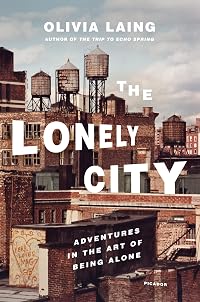
The Lonely City: Adventures in the Art of Being Alone
by Olivia Laing
On This Page
Description
"You can be lonely anywhere, but there is a particular flavor to the loneliness that comes from living in a city, surrounded by thousands of strangers. The Lonely City is a roving cultural history of urban loneliness, centered on the ultimate city: Manhattan, that teeming island of gneiss, concrete, and glass. What does it mean to be lonely? How do we live, if we're not intimately involved with another human being? How do we connect with other people, particularly if our sexuality or show more physical body is considered deviant or damaged? Does technology draw us closer together or trap us behind screens? Olivia Laing explores these questions by travelling deep into the work and lives of some of the century's most original artists, among them Andy Warhol, David Wojnarowicz, Edward Hopper, Henry Darger and Klaus Nomi. Part memoir, part biography, part dazzling work of cultural criticism, The Lonely City is not just a map, but a celebration of the state of loneliness. It's a voyage out to a strange and sometimes lovely island, adrift from the larger continent of human experience, but visited by many - millions, say - of souls"-- show lessTags
Recommendations



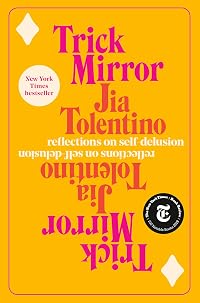

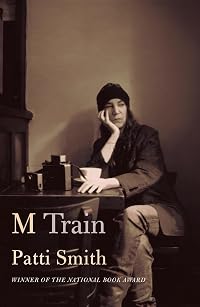
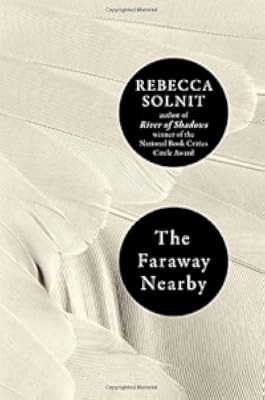
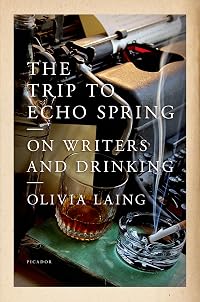




Member Recommendations

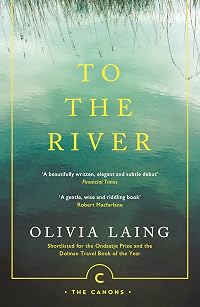
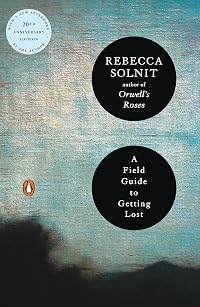
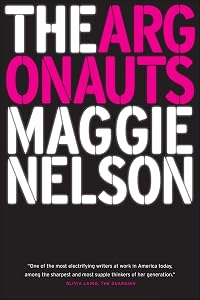
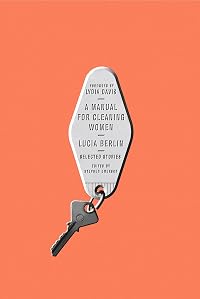
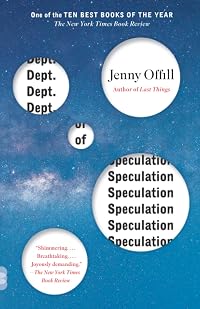
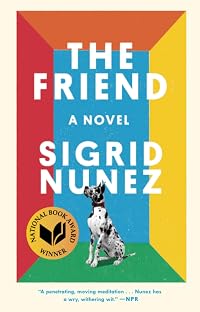
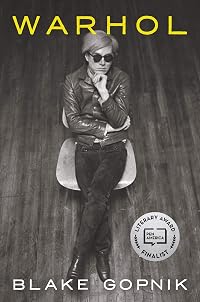
pbirch01 Both are deeply personable yet highly readable journeys through the inner thoughts and feelings of the author set against a backdrop of New York City.
JuliaMaria Über die Einsamkeit
Member Reviews
In her mid-30s, Olivia Laing moved from England to New York to live with a new boyfriend. The relationship didn't work out, and she found herself stranded on her own in an unfamiliar city, dealing with an almost crippling lack of daily human interaction.
Having spent sizeable chunks of my own life being lonely in unfamiliar cities, I immediately liked the idea as well as the melancholy tone of this book. Laing has all kinds of interesting insights to offer on how loneliness manifests itself – but it should be noted that while The Lonely City presents itself as a memoir of this time in her life, under the hood it's really a book of art criticism, examining the life and work of visual artists (mostly) who addressed loneliness as a show more subject.
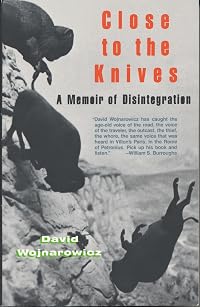
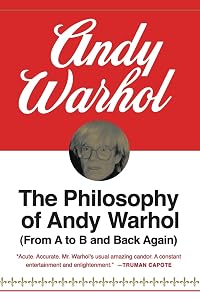
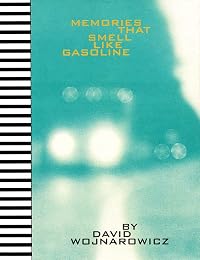
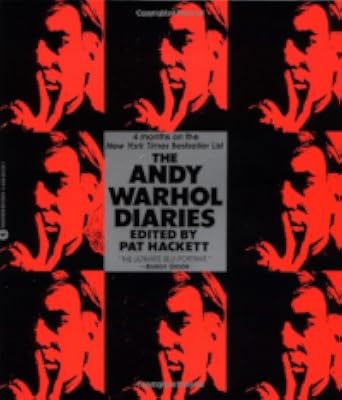
Her main case studies are Hopper, Warhol, David Wojnarowicz, Henry Darger and Klaus Nomi, some of whom I had never heard of, but all of whose work emerges in this study as full of the pain and the hypersensitivity of loneliness – infused with (in a phrase she uses about Hopper) ‘an erotics of insufficient intimacy’. Unfortunately it is necessary for the reader to put these references together for themselves, as the book itself is critically short of illustrations.
I loved the memoir bits and thought the criticism bits were only OK, which meant I found the book as a whole a little uneven, though often fascinating. Although Laing has a load of interesting things to say about the artists she discusses, I couldn't shake off the feeling that they sometimes appeared to act as a cover, or safety net, for when talking about herself became too difficult. Tracing Wojnarowicz's nocturnal excursions into the New York gay scene of the 1980s, for instance, leads Laing to a moody consideration of her own sexuality – her sense that she is ‘in the wrong place, in the wrong body, in the wrong life’ – in terms that are first allusive, and finally more direct:
I'd never been comfortable with the demands of femininity, had always felt more like a boy, a gay boy, that I inhabited a gender position somewhere between the binaries of male and female, some impossible other, some impossible both. Trans, I was starting to realise, which isn't to say I was transitioning from one thing to another, but rather that I inhabited a space in the centre, which didn't exist, except there I was.
The narrative really comes alive at these points; but it isn't long before Laing ducks back behind another artist again and retreats, if that's not an unfair word, into more analytic criticism. And again – the criticism was interesting! – I just felt that the art and the memoir got in each other's way as often as they reinforced each other. Which was a shame, because I found her really excellent when concentrating on the life writing – on, for instance, the way loneliness has been mediated, yet in some ways worsened, by the modern online world – especially when it comes to the contradictory impulses that drove her on social media:
I wanted to be in contact and I wanted to retain my anonymity, my private space. I wanted to click and click and click until my synapses exploded, until I was flooded by superfluity. I wanted to hypnotise myself with data, with coloured pixels, to become vacant, to overwhelm any creeping anxious sense of who I actually was, to annihilate my feelings. At the same time I wanted to wake up, to be politically and socially engaged. And then again I wanted to declare my presence, to list my interests and objections, to notify the world that I was still there, thinking with my fingers, even if I'd almost lost the art of speech. I wanted to look and I wanted to be seen, and somehow it was easier to do both via the mediating screen.
Laing's neat summary of the internet – ‘what seemed transient was actually permanent, and what seemed free had already been bought’ – is perhaps a clue to the appeal of the artists she focuses on, who were either far outside any corporate influence or, like Warhol, were making commodification the whole point of their work. Seeing these lonely artists through Laing's gaze is enlightening – but the links and segues are so good that I spent much of the book pining for a straight-up memoir. show less
Having spent sizeable chunks of my own life being lonely in unfamiliar cities, I immediately liked the idea as well as the melancholy tone of this book. Laing has all kinds of interesting insights to offer on how loneliness manifests itself – but it should be noted that while The Lonely City presents itself as a memoir of this time in her life, under the hood it's really a book of art criticism, examining the life and work of visual artists (mostly) who addressed loneliness as a show more subject.
Her main case studies are Hopper, Warhol, David Wojnarowicz, Henry Darger and Klaus Nomi, some of whom I had never heard of, but all of whose work emerges in this study as full of the pain and the hypersensitivity of loneliness – infused with (in a phrase she uses about Hopper) ‘an erotics of insufficient intimacy’. Unfortunately it is necessary for the reader to put these references together for themselves, as the book itself is critically short of illustrations.
I loved the memoir bits and thought the criticism bits were only OK, which meant I found the book as a whole a little uneven, though often fascinating. Although Laing has a load of interesting things to say about the artists she discusses, I couldn't shake off the feeling that they sometimes appeared to act as a cover, or safety net, for when talking about herself became too difficult. Tracing Wojnarowicz's nocturnal excursions into the New York gay scene of the 1980s, for instance, leads Laing to a moody consideration of her own sexuality – her sense that she is ‘in the wrong place, in the wrong body, in the wrong life’ – in terms that are first allusive, and finally more direct:
I'd never been comfortable with the demands of femininity, had always felt more like a boy, a gay boy, that I inhabited a gender position somewhere between the binaries of male and female, some impossible other, some impossible both. Trans, I was starting to realise, which isn't to say I was transitioning from one thing to another, but rather that I inhabited a space in the centre, which didn't exist, except there I was.
The narrative really comes alive at these points; but it isn't long before Laing ducks back behind another artist again and retreats, if that's not an unfair word, into more analytic criticism. And again – the criticism was interesting! – I just felt that the art and the memoir got in each other's way as often as they reinforced each other. Which was a shame, because I found her really excellent when concentrating on the life writing – on, for instance, the way loneliness has been mediated, yet in some ways worsened, by the modern online world – especially when it comes to the contradictory impulses that drove her on social media:
I wanted to be in contact and I wanted to retain my anonymity, my private space. I wanted to click and click and click until my synapses exploded, until I was flooded by superfluity. I wanted to hypnotise myself with data, with coloured pixels, to become vacant, to overwhelm any creeping anxious sense of who I actually was, to annihilate my feelings. At the same time I wanted to wake up, to be politically and socially engaged. And then again I wanted to declare my presence, to list my interests and objections, to notify the world that I was still there, thinking with my fingers, even if I'd almost lost the art of speech. I wanted to look and I wanted to be seen, and somehow it was easier to do both via the mediating screen.
Laing's neat summary of the internet – ‘what seemed transient was actually permanent, and what seemed free had already been bought’ – is perhaps a clue to the appeal of the artists she focuses on, who were either far outside any corporate influence or, like Warhol, were making commodification the whole point of their work. Seeing these lonely artists through Laing's gaze is enlightening – but the links and segues are so good that I spent much of the book pining for a straight-up memoir. show less
The Lonely City by Olivia Laing isn't about a literal city but a figurative "populated place." A mindset experienced by the masses. In The Lonely City, Laing examines the lives of several well- and lesser-known artists and how their art was created and shaped by loneliness, isolation, introversion, societal stigma, or one of the many other reasons a person feels excluded or removed. Through the lives of the highlighted artists, Laing explored the potential causes for their loneliness and how art was a means of much needed self-expression and, often, self-preservation. A reader's response to this book may depend on how personally acquainted they are with the 1980s. The AIDS epidemic plays a large part in The Lonely City. Her handling of show more this topic was sensitive yet frank, and honestly, I was reduced to tears a few times. I am certain this book will stay with me for a very long time.
The photo is a hyper-realistic sculpture by Carole Feuerman. Reading The Lonely City conjured up a distinct memory I have of NYC in the 1980s. After a night out, my friend and I found ourselves in Soho. Soho was still filled with low-rent warehouses filled with artists' lofts and tiny start-up galleries. As we were wandering our way to wherever we were going, we passed by the window of a small gallery. Inside the darkened room, we could vaguely see a woman at a desk... sleeping... we stood there transfixed by what we saw, not understanding the situation. My friend, concerned, tapped on the glass. She didn't stir. We finally realized the woman was a sculpture, and we laughed multiple times as we went on our way. NYC in the 80s was a feast of energy and creativity that was realitively accessible. It was easy to feel part of it all. I can only imagine how it felt to feel a barrier to that feast. show less
The photo is a hyper-realistic sculpture by Carole Feuerman. Reading The Lonely City conjured up a distinct memory I have of NYC in the 1980s. After a night out, my friend and I found ourselves in Soho. Soho was still filled with low-rent warehouses filled with artists' lofts and tiny start-up galleries. As we were wandering our way to wherever we were going, we passed by the window of a small gallery. Inside the darkened room, we could vaguely see a woman at a desk... sleeping... we stood there transfixed by what we saw, not understanding the situation. My friend, concerned, tapped on the glass. She didn't stir. We finally realized the woman was a sculpture, and we laughed multiple times as we went on our way. NYC in the 80s was a feast of energy and creativity that was realitively accessible. It was easy to feel part of it all. I can only imagine how it felt to feel a barrier to that feast. show less
Laing explores loneliness via it’s capture in art and photography primarily, looking at the lives of art outsiders, the most well-known of whom are Edward Hopper and Andy Warhol, but also include David Wojnarowicz, Henry Darger – as I write this I realise that her subjects are primarily male, aside from herself and Valerie Solanas. The generally broken lives of many of these creatives has given them a perspective on isolation and loneliness that the majority of us are likely to only glimpse/experience fleetingly in our lives, and yet, because of those glimpses, we recognise in the work something profoundly authentic. The book focuses primarily on loneliness in the urban environment, loneliness surrounded by the hugger-mugger, bustle show more and population that a city encompasses. The book is also semi-memoir of Laing’s own outsiderhood and at times loneliness, she empathises with the experience of her subjects. show less
Listening to Loneliness
Olivia Laing shares an antidote for loneliness in her absorbing 2016 reflection on disconnection The Lonely City. She catalogs multiple varieties of loneliness expressed through the art and artists whose footsteps she followed in her solitarily roaming of the streets of New York City. Part memoir and part art history, this collection of short biographies explores humanity’s eternal striving for connection while inspiring my own reflections on empathy for loneliness.
The well-documented role of connection to others, and if you like, connection to a god, shared human consciousness, the laws of the universe, or ancestors in wellness cannot be overstated. Laing’s stories of Hopper, Darger, Wojnarowicz, and Warhol show more provide perspective about the search for connection through art. Beginning with Hopper’s Nighthawks and ending with the dangers of the Internet Laing touches on themes useful when listening to the loneliness of our fellows. Loneliness seems to be at heart of much mental illness. So, for professional listeners, including mental health counselors, these stories can help provide a foundation for understanding the isolation of human pain.
However, there is room for additional work on this topic. While Laing does a nice job exploring the search for connection with others she leaves the connection with one's self alone. It struck me through all of these stories each of the artists were really in search of acceptance from themselves, even as they reached to others for solace. My experience of disconnection, honed over 30 years of slowly eroding self-enforced isolation, provides a foundation for empathy useful in many professional situations.
Listening to loneliness is a humbling activity with many practical applications. I am grateful to Laing for her work and for the reflections provoked while reading this book. The Lonely City is a book for those who appreciate non-conformity, art history, good writing, and connecting to disconnected selves and fellows. It has a place on the bookshelf of every counselor. show less
Olivia Laing shares an antidote for loneliness in her absorbing 2016 reflection on disconnection The Lonely City. She catalogs multiple varieties of loneliness expressed through the art and artists whose footsteps she followed in her solitarily roaming of the streets of New York City. Part memoir and part art history, this collection of short biographies explores humanity’s eternal striving for connection while inspiring my own reflections on empathy for loneliness.
The well-documented role of connection to others, and if you like, connection to a god, shared human consciousness, the laws of the universe, or ancestors in wellness cannot be overstated. Laing’s stories of Hopper, Darger, Wojnarowicz, and Warhol show more provide perspective about the search for connection through art. Beginning with Hopper’s Nighthawks and ending with the dangers of the Internet Laing touches on themes useful when listening to the loneliness of our fellows. Loneliness seems to be at heart of much mental illness. So, for professional listeners, including mental health counselors, these stories can help provide a foundation for understanding the isolation of human pain.
However, there is room for additional work on this topic. While Laing does a nice job exploring the search for connection with others she leaves the connection with one's self alone. It struck me through all of these stories each of the artists were really in search of acceptance from themselves, even as they reached to others for solace. My experience of disconnection, honed over 30 years of slowly eroding self-enforced isolation, provides a foundation for empathy useful in many professional situations.
Listening to loneliness is a humbling activity with many practical applications. I am grateful to Laing for her work and for the reflections provoked while reading this book. The Lonely City is a book for those who appreciate non-conformity, art history, good writing, and connecting to disconnected selves and fellows. It has a place on the bookshelf of every counselor. show less
I wasn't sure if I was going to enjoy this book, but it was excellent. A really good Yom Kippur read, all about the constant struggle to connect, the inevitable pain and damage of failing to be understood, the beauty of trying anyway, the healing power of art, and the universality of decline, death, and grief. IDK I'm not a writer, Laing is though. I highlighted so many passages that I want to return to. Highly recommend.
A reader does not have to venture very far into this book before realizing why it's won so much acclaim and so many literary honors. It is a wonderful riveting, and enlightening work of wonderful non-fiction, stitching together many sub-themes to build and support its main theme, the topic of loneliness.
Author Olivia Laing opens the book with a chapter on loneliness in general and the difficulties of finding much research in the psychology surrounding it, as well as the reasons so little experimental data or study about it exists.
She talks about how this malady stalks so many of the professional who would study it and she gives statistical data about the extent of its presence in both the US and the UK. With these comes also statistics show more about the fullest, worst impacts of loneliness including illnesses, crimes, anger issues and the huge suicide rates that continue rapidly rising. She also discusses how social media only serves to exacerbate the isolation and loneliness.
Using a technique she will utilize throughout the book, Laing discusses her own sense of loneliness and isolation, even within one fo the most vibrant and alive cities on earth, New York.
Her narrative moves on to adding other components: interpretations of various artworks, discussions of the artists who created them, and, sometimes, even the early lives of those artists and how those may have contributed to the profound loneliness of these gifted creators.
My own favorite painting, "Nighthawks" by Edward Hopper, receives her first analysis which is also combined with a discussion of Hopper's early life. Other visual artists are also discussed throughout the book including, most prominently, Andy Warhol. Many noted figure within most of the visual and performing arts are used as exemplars of loneliness and how their work often reveals it to viewers. Hopper's works reveal an obsession with it even though he denied its presence in his productions.
In addition to discussing the life stories of so many of the people she analyzes, she also discusses how many of them were also from marginalized populations including minorities, homosexuals, those impoverished, emigres, the handicapped, the unattractive, and others. Throughout the narrative, Laing intertwines her own experiences of loneliness, stimulating both empathy and self-revelation in readers.
I read this book as an audiobook, the first time I had listened to an audiobook in many years. I have a hearing handicap which has very much pushed me into he realms of the marginalized, a handicap which makes it very difficult to attend social events or make new friends. This book resonated strongly with me, helping me to both see and understand how much I have lost by being on the fringes of humanity. show less
Author Olivia Laing opens the book with a chapter on loneliness in general and the difficulties of finding much research in the psychology surrounding it, as well as the reasons so little experimental data or study about it exists.
She talks about how this malady stalks so many of the professional who would study it and she gives statistical data about the extent of its presence in both the US and the UK. With these comes also statistics show more about the fullest, worst impacts of loneliness including illnesses, crimes, anger issues and the huge suicide rates that continue rapidly rising. She also discusses how social media only serves to exacerbate the isolation and loneliness.
Using a technique she will utilize throughout the book, Laing discusses her own sense of loneliness and isolation, even within one fo the most vibrant and alive cities on earth, New York.
Her narrative moves on to adding other components: interpretations of various artworks, discussions of the artists who created them, and, sometimes, even the early lives of those artists and how those may have contributed to the profound loneliness of these gifted creators.
My own favorite painting, "Nighthawks" by Edward Hopper, receives her first analysis which is also combined with a discussion of Hopper's early life. Other visual artists are also discussed throughout the book including, most prominently, Andy Warhol. Many noted figure within most of the visual and performing arts are used as exemplars of loneliness and how their work often reveals it to viewers. Hopper's works reveal an obsession with it even though he denied its presence in his productions.
In addition to discussing the life stories of so many of the people she analyzes, she also discusses how many of them were also from marginalized populations including minorities, homosexuals, those impoverished, emigres, the handicapped, the unattractive, and others. Throughout the narrative, Laing intertwines her own experiences of loneliness, stimulating both empathy and self-revelation in readers.
I read this book as an audiobook, the first time I had listened to an audiobook in many years. I have a hearing handicap which has very much pushed me into he realms of the marginalized, a handicap which makes it very difficult to attend social events or make new friends. This book resonated strongly with me, helping me to both see and understand how much I have lost by being on the fringes of humanity. show less
The book is an exploration of lives of artists who lived, and created in, and about loneliness.
I had ups and downs with the book, sometimes being utterly interested and unable to stop reading, while bored at some other points.
All in all, it was not quite what I had expected of it, but still a very interesting book. Interesting, but not pleasant if that's what you are looking for, I think it's inevitable to feel sad reading the book.
I had ups and downs with the book, sometimes being utterly interested and unable to stop reading, while bored at some other points.
All in all, it was not quite what I had expected of it, but still a very interesting book. Interesting, but not pleasant if that's what you are looking for, I think it's inevitable to feel sad reading the book.
Members
- Recently Added By
Published Reviews
ThingScore 75
This daring and seductive book — ostensibly about four artists, but actually about the universal struggle to be known — raises sophisticated questions about the experience of loneliness, a state that in a crowded city provides an “uneasy combination of separation and exposure.”
added by pbirch01
Lists

Top Five Books of 2016
795 works; 229 members

Library Books/Loans
37 works; 1 member

Books Read in 2016
4,666 works; 199 members

Not the NYT list of top 100 21st century books
100 works; 6 members

NTS Book Channel
316 works; 1 member
Author Information

12+ Works 3,779 Members
Olivia Laing was awarded the 2018 Windham-Campbell Prize for nonfiction and the 2019 James Tait Black Prize for her debut novel Crudo. She writes for the Guardian, frieze, and New York Times among many other publications. She lives in Suffolk, UK.
Awards and Honors
Awards
Distinctions
Work Relationships
Common Knowledge
- Canonical title*
- Die einsame Stadt: Vom Abenteuer des Alleinseins
- Original title
- The Lonely City: Adventures in the Art of Being Alone
- Original publication date
- 2016
- People/Characters
- Henry Darger; Edward Hopper; Andy Warhol; David Wojnarowicz; Valerie Solanas; Klaus Nomi
- Important places
- New York, New York, USA
- Important events
- AIDS epidemic
- Epigraph
- 'and every one members one of another'
Romans 12:5 - Dedication
- If you're lonely,
this one's for you - First words
- Imagine standing by a window at night, on the sixth or seventh or forty-third floor of a building.
- Last words
- (Click to show. Warning: May contain spoilers.)What matters is staying alert, staying open, because if we know anything from what has gone before us, it is that the time for feeling will not last.
- Canonical DDC/MDS
- 700.453
- Canonical LCC
- N71
*Some information comes from Common Knowledge in other languages. Click "Edit" for more information.
Classifications
Statistics
- Members
- 1,464
- Popularity
- 15,995
- Reviews
- 43
- Rating
- (3.96)
- Languages
- 8 — Dutch, English, Finnish, German, Italian, Polish, Spanish, Swedish
- Media
- Paper, Audiobook, Ebook
- ISBNs
- 29
- ASINs
- 7