On This Page
Description
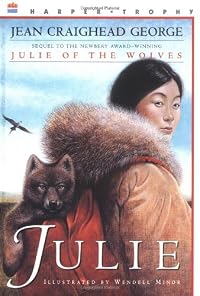
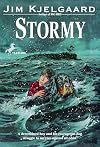
When Julie returns to her father's Eskimo village, she struggles to find a way to save her beloved wolves in a changing Arctic world and she falls in love with a young Siberian man.Tags
Recommendations


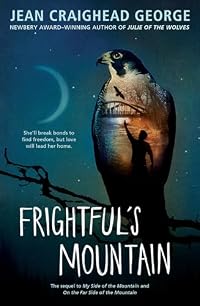
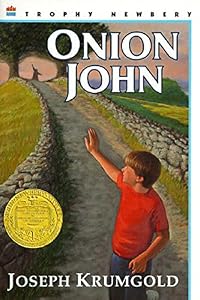
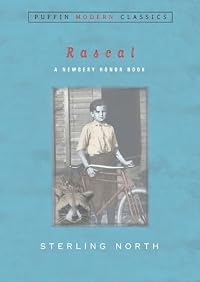

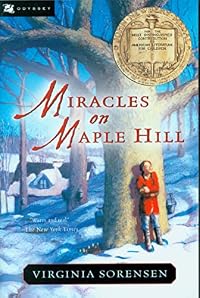
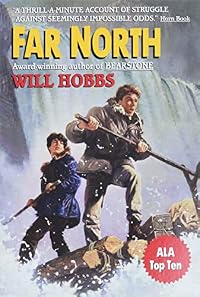


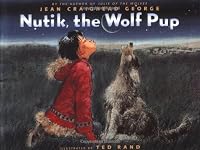

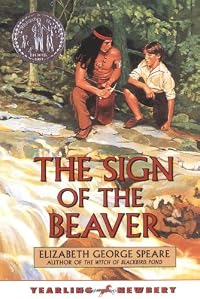
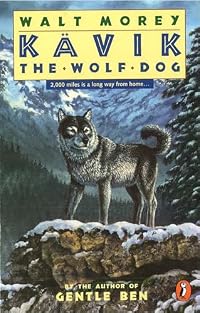







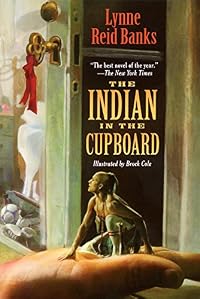
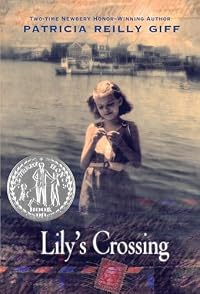


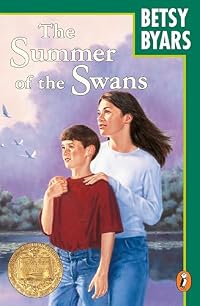
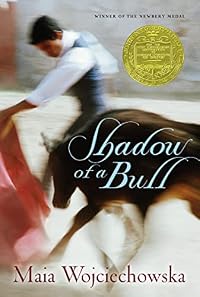
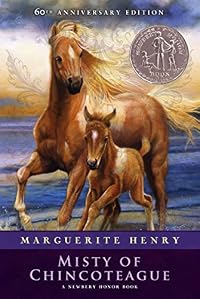
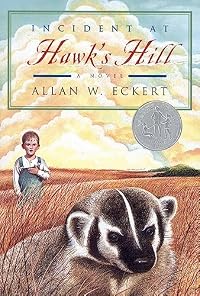

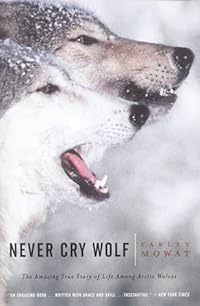

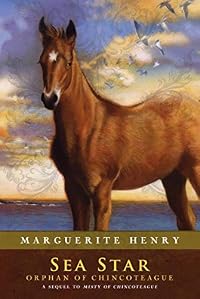


Member Recommendations
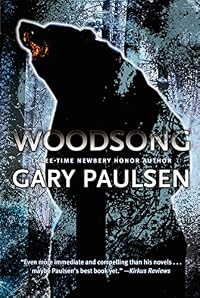
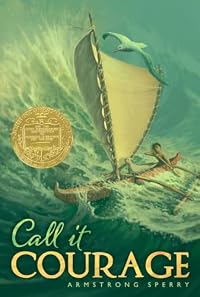
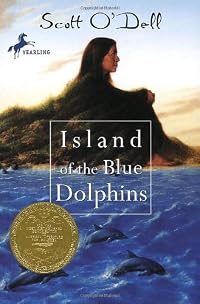
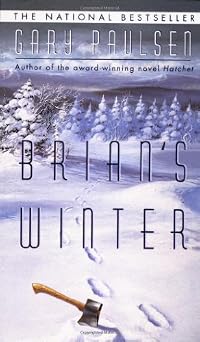
Book2Dragon These writers both have a deep love for Nature and its creatures, but do not sentimentalize either one. Both have respect for each and give a true and inviting story to all their works.
Member Reviews
Book on CD performed by Christina Moore.
Book two of the Julie of the Wolves series, has our heroine returning to her father’s home and trying to reconcile the traditional Eskimo ways with the newer structure of village corporations, industry and working with the white man.
Julie is a marvelous character. Strong in body and mind, intelligent, resourceful, determined and loving. She’s also a young woman trying to find her place in the community after her year-long experience among the artic wolf pack she came to know as her family. She has a new stepmother, a red-haired Minnesotan named Ellen, whom she does not want to like. And she is taken aback to find that village life is very different from what she had remembered. Her father show more flies a plane, uses a snowmobile more often than his sled and dogs, and manages the village’s industry – a tiny herd of musk ox. Julie also faces a personal decision: to leave for more education to secure her future, or to stay and protect her wolf pack. And there is a possible romance that adds yet another element to consider in her decision-making.
The push/pull of old vs new, of childhood vs adulthood, of nature vs business form the central conflicts in the story.
The illustrations by Wendell Minor add a nice touch and support the scenes I had imagined from reading George’s descriptions.
Christina Moore does a fine job of the audio, although I did find the pace a bit slow. I probably read at least half the book in text format. show less
Book two of the Julie of the Wolves series, has our heroine returning to her father’s home and trying to reconcile the traditional Eskimo ways with the newer structure of village corporations, industry and working with the white man.
Julie is a marvelous character. Strong in body and mind, intelligent, resourceful, determined and loving. She’s also a young woman trying to find her place in the community after her year-long experience among the artic wolf pack she came to know as her family. She has a new stepmother, a red-haired Minnesotan named Ellen, whom she does not want to like. And she is taken aback to find that village life is very different from what she had remembered. Her father show more flies a plane, uses a snowmobile more often than his sled and dogs, and manages the village’s industry – a tiny herd of musk ox. Julie also faces a personal decision: to leave for more education to secure her future, or to stay and protect her wolf pack. And there is a possible romance that adds yet another element to consider in her decision-making.
The push/pull of old vs new, of childhood vs adulthood, of nature vs business form the central conflicts in the story.
The illustrations by Wendell Minor add a nice touch and support the scenes I had imagined from reading George’s descriptions.
Christina Moore does a fine job of the audio, although I did find the pace a bit slow. I probably read at least half the book in text format. show less
Miyax (Julie) has returned to her father after surviving on the arctic tundra by joining a pack of wolves (Julie of the Wolves). But her father, Kapugen, once a great hunter in the traditional ways, has adopted the ways of the white man. He flies a plane and rides a snow mobile, and he will kill (and has killed) the wolves, if they threaten his herd of musk oxen. Miyax is torn between her love of her father, and eventually even her white step-mother, and her love of the wolf pack which saved her life.
Though written 20 years apart, this sequel flows perfectly from the original Newbery winning book, and is as good as, if not better, than the first.
Though written 20 years apart, this sequel flows perfectly from the original Newbery winning book, and is as good as, if not better, than the first.
I was honestly more excited for this than I should have been. The original book took me a long time to read (largely due to the type and paper of the edition, and the fact I wanted to read wolves not people). But I did enjoy this book, and happily shelved it beside its sequel and the original. I liked the new wolf characters, the new human ones, and in general, the story itself.
This unusual story of a 13-year-old Eskimo girl who survives in the Canadian Artic by ‘joining’ a wolf pack won the 1973 Newbery Medal. Julie of the Wolves is set in Alaska in what seems to be the early 1970s.
Miyax/Julie (they all had two names, Eskimo and English) leaves an arranged marriage and sets out with some food to walk to her pen pal’s house in San Francisco. On the way, she learns self-reliance through the traditional ways, and finds her father.
Although it’s complimentary to the traditional Eskimos and their way of life: The people at seal camp had not been as outdated and old-fashioned as she had been led to believe. No, on the contrary, they had been wise. They had adjusted to nature instead of to man-made gadgets, show more and obliquely critical of the effect of the ‘gussaks’ on the Eskimo culture and society, there still seemed to me to be a bit of colonialism in the author’s presentation of Julie. Perhaps it’s only that the perspective is 40 years old.
Read this if: you’re interested in a period look at traditional Eskimo culture; or you’ve read Farley Mowat’s Never Cry Wolf and want to try a fictional account of wolf life. 3 stars show less
Miyax/Julie (they all had two names, Eskimo and English) leaves an arranged marriage and sets out with some food to walk to her pen pal’s house in San Francisco. On the way, she learns self-reliance through the traditional ways, and finds her father.
Although it’s complimentary to the traditional Eskimos and their way of life: The people at seal camp had not been as outdated and old-fashioned as she had been led to believe. No, on the contrary, they had been wise. They had adjusted to nature instead of to man-made gadgets, show more and obliquely critical of the effect of the ‘gussaks’ on the Eskimo culture and society, there still seemed to me to be a bit of colonialism in the author’s presentation of Julie. Perhaps it’s only that the perspective is 40 years old.
Read this if: you’re interested in a period look at traditional Eskimo culture; or you’ve read Farley Mowat’s Never Cry Wolf and want to try a fictional account of wolf life. 3 stars show less
I enjoyed this follow up to "Julie of the Wolves". Miyax learns to balance the needs of the wolves with the needs of the village that she is living in. I like that she is able to change her opinions and learn to appreciate both sides of the problem. I'm not sure how I feel about the ending - it seemed somewhat unrealistic.
I really liked this book it seemed to follow up well with the other one but I found it very hard to follow like when she speaks in a different language but i thought that the author does a very good job describing every thing.
Sequel to Julie of the Wolves. When Julie returns to her father's Eskimo village, she struggles to find a way to save her beloved wolves in a changing Arctic world and she falls in love with a young Siberian man.
Members
- Recently Added By
Lists

Wolves -- children's/young adult fiction
53 works; 2 members
Author Information

Jean Craighead George was born on July 2, 1919 in Washington, D.C. She received degrees in English and science from Pennsylvania State University. She began her career as a reporter for the International News Service. In the 1940s she was a member of the White House press corps for The Washington Post. During her lifetime, she wrote over 100 show more novels including My Side of the Mountain, which was a 1960 Newbery Honor Book, On the Far Side of the Mountain, Julie of the Wolves, which won the Newbery Medal, Julie, and Julie's Wolf Pack. She also wrote two guides to cooking with wild foods and an autobiography entitled Journey Inward. In 1991, she became the first winner of the School Library Media Section of the New York Library Association's Knickerbocker Award for Juvenile Literature. She died on May 15, 2012 at the age of 92. (Bowker Author Biography) show less
Some Editions
Awards and Honors
Awards
Series

Work Relationships
Is contained in
Has as a student's study guide
Common Knowledge
- Canonical title
- Julie
- Original publication date
- 1994
- People/Characters
- Julie; Kapugen; Ellen
- Important places
- Arctic; Kangik, Alaska, USA; USA; Alaska, USA
- Dedication
- To Cyd, who loves the wind and snow of the Arctic.
- First words
- A wolf howled.
- Last words
- (Click to show. Warning: May contain spoilers.)They listened to the howl of the wolf mingling with the tatoo of an Eskimo drummer announcing the return of life.
- Original language
- English
Classifications
- Genres
- Fiction and Literature, Kids, Children's Books
- DDC/MDS
- 808.899 — Literature & rhetoric Literature, rhetoric & criticism Composition Literature Collections Collections by and for groups of people Literature for and by groups of people with specific attributes, residents of specific areas
- LCC
- PZ7 .G2933 .J — Language and Literature Fiction and juvenile belles lettres Fiction and juvenile belles lettres Juvenile belles lettres
- BISAC
Statistics
- Members
- 1,900
- Popularity
- 11,200
- Reviews
- 14
- Rating
- (3.74)
- Languages
- English, German
- Media
- Paper, Audiobook
- ISBNs
- 26
- ASINs
- 6